If you love bargain hunting, unique finds, and classic fair-style food, one of Indiana’s most beloved shopping traditions deserves a spot on your weekend plans. The Friendship Flea Market in southeastern Indiana has been drawing visitors for decades, transforming the small town of Friendship into a bustling destination filled with antiques, collectibles, handmade goods, vintage treasures, and unexpected discoveries.
With roughly 500 vendors spread across the grounds, the market offers far more than a typical shopping trip. Add in a wide variety of food options, a welcoming small-town atmosphere, and the excitement of never knowing what you’ll find next, and it is easy to understand why generations of shoppers return year after year.
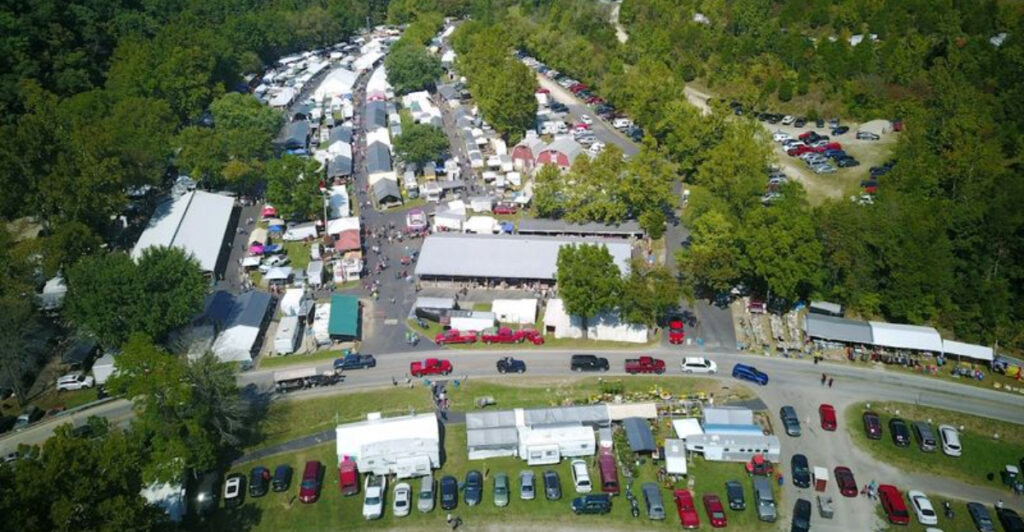
The Rows That Seem to Go On Forever
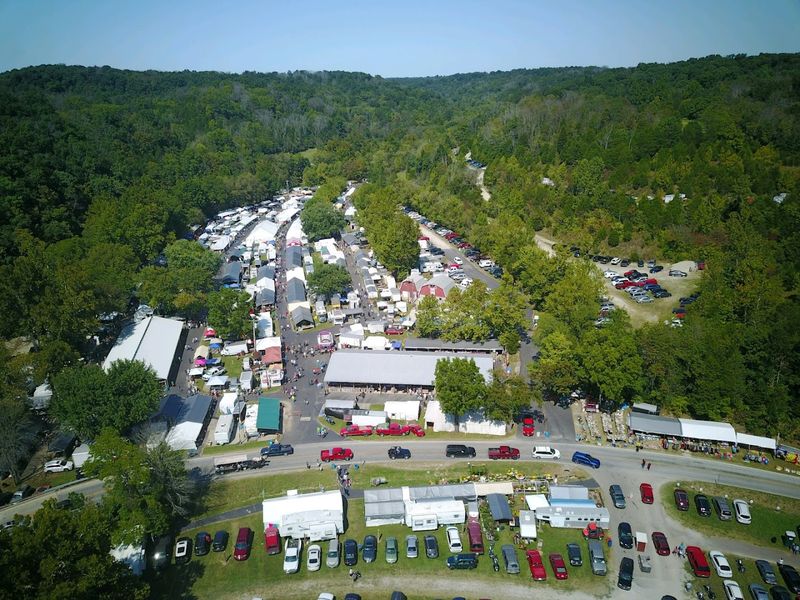
The scale hits first. Friendship Flea Market is the kind of place where one row turns into another, then another, until the whole outing shifts from casual stop to serious roaming mission.
You arrive expecting booths, but the layout quickly reads more like a temporary shopping town built for wandering.
That size changes the pace in a useful way. Instead of scanning everything in ten minutes, you settle into a rhythm of looking high, looking low, stepping aside for a closer glance, then moving again.
Tables spill over with tools, crafts, antiques, collectibles, clothing, home goods, novelty finds, and practical items that make no sense until suddenly they do.
The visual mix is part of the draw. One booth might lean rustic, another polished, another wonderfully chaotic with bins, racks, handwritten signs, and boxes that reward patience.
Clean grounds and organized setups keep it from turning into a blur, so even the busiest stretches still feel navigable.
Because the market is large, every pass creates a different view. Early in the day, canopies cast long shade and the aisles feel full of possibility.
Later, bags start filling, arms get heavier, and the route becomes more strategic as you remember where that one vendor had the cast iron pan, vintage sign, or handmade soap.
This is also why comfortable shoes are not optional. Friendship works best when you treat it like an extended browse instead of a quick errand, giving yourself enough time to drift, compare, and circle back.
The market rewards stamina more than speed.
By the time the rows start blending into a patchwork of color and merchandise, the place has already done its job. It has turned shopping into movement, movement into discovery, and discovery into the kind of outing that keeps you checking the next aisle before heading out.
The 500-Vendor Treasure Hunt
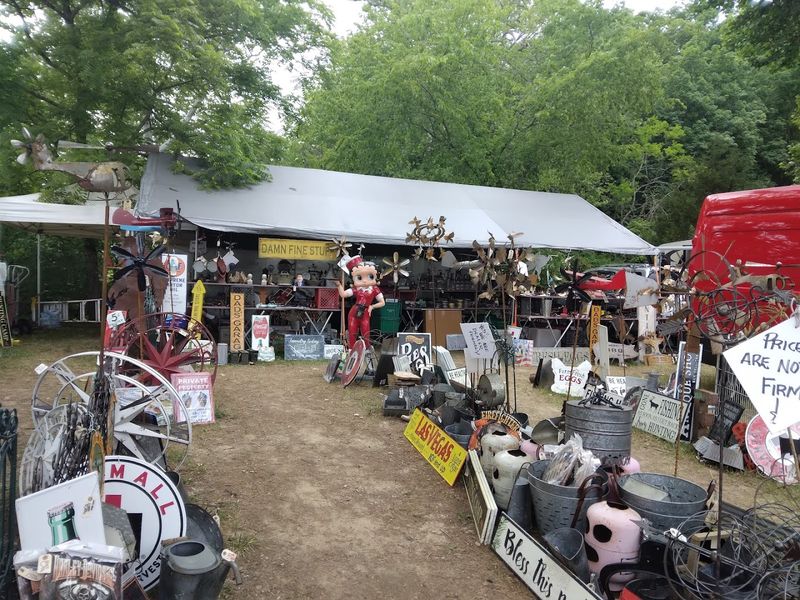
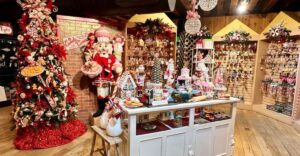
A market with around 500 vendors does not hand you one clear identity. That is exactly the appeal. Friendship Flea Market thrives on variety, giving you the kind of inventory spread where handmade decor, old collectibles, seasonal goods, accessories, household items, and unexpected oddities can all appear within a few steps.
That variety also keeps the experience from getting repetitive. A stretch of polished craft booths can give way to tables of hardware, old glassware, framed prints, pocketknives, records, or cabin-ready curios.
Even when some merchandise skews newer rather than deeply antique, the constant shift in category keeps your eyes working.
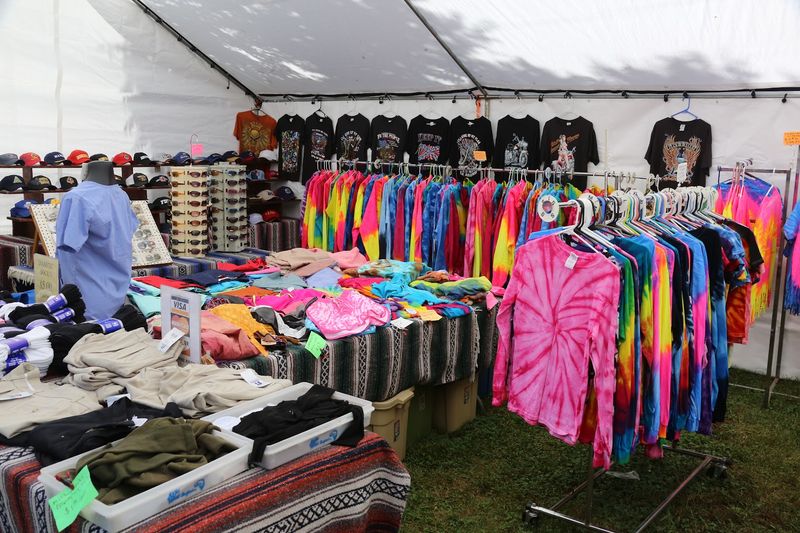
Treasure-hunt markets depend on contrast, and Friendship has plenty of it. You might move from neatly displayed apparel to tubs of loose tools, then over to handcrafted pieces with a very different tempo and level of detail.
The search becomes more fun when no single section fully predicts the next. That unpredictability matters if you are the kind of shopper who likes both intention and accident.
You can arrive looking for sewing supplies, home maintenance items, or a small collectible, then leave with something you never planned to buy because a vendor placed it right where curiosity could win. The best finds usually happen in that overlap.
Haggling can be part of the culture too, which suits a market built on direct seller-to-shopper contact. Pricing tends to reflect the range of goods on hand, and comparison shopping is easy when there are so many booths within walking distance.
A little patience can improve both your selection and your deal. Friendship is not a narrow specialty market pretending to be huge. It is a broad, active mix where the inventory can feel delightfully uneven in the best possible way.
If your favorite shopping strategy is to keep walking until something completely unexpected appears, this place understands the assignment.
Indiana Eats Between the Booths
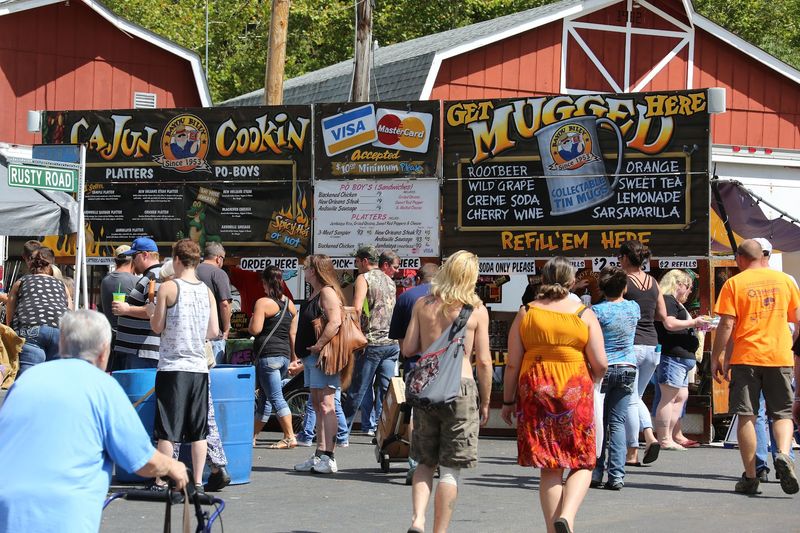
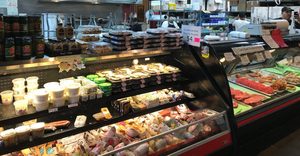
Hunger is not an afterthought here. Friendship Flea Market has built a reputation for offering food for nearly every craving, which changes the entire shape of the day because you are not rushing through the grounds trying to leave for lunch.
You can stay put, refuel, and head right back into the hunt. The food scene adds another layer of movement and anticipation. Smoke, fryer scent, sweetness from frozen treats, and the sight of people balancing loaded trays all work like little signals that it might be time for a break.
Instead of one standard concession option, the selection tends to feel broad enough to support different appetites and moods.
That range matters at a large market. Some shoppers want something quick so they can get back to browsing, while others treat the meal as part of the outing and go for a bigger stop before tackling another section.
Either way, food becomes part of the rhythm rather than a separate errand. Several details from repeat attendees underline how memorable the eating can be.
Ice cream gets singled out, larger savory options show up in conversation, and the simple fact that food comes up so often says plenty about its role on the grounds.
When a market gives you both browsing stamina and snack satisfaction, you notice. There is also a practical side. Long rows, warm days, and the temptation to stay longer than planned make access to meals and cold drinks especially useful.
Even if certain items run a little high, the convenience of eating without breaking the flow has real value once your feet have already logged a few hours.
By midday, the food areas function like natural reset points. You sit down, review purchases, people-watch for a minute, and then decide which direction to tackle next.
At Friendship, the meal is not a footnote to the market. It is one more reason the day stretches comfortably instead of wearing thin.
Friendship, Indiana Spreads Beyond One Gate
One of the most interesting things about Friendship Flea Market is that it feels tied to its hometown rather than isolated from it.
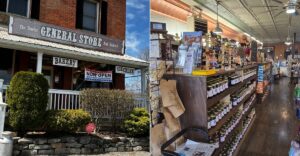
The market takes place in Friendship, a small southeastern Indiana community with a long history of hosting visitors, and that connection gives the event a character that many larger commercial flea markets struggle to replicate.
The setting feels less like a temporary shopping venue and more like a tradition woven into the identity of the town itself. That local connection becomes more noticeable as the day unfolds.
Visitors are not simply moving between vendor booths. They are experiencing a place that has welcomed generations of bargain hunters, collectors, and curious travelers.
Many attendees return year after year, creating a sense of continuity that gives the market an almost reunion-like atmosphere. Familiar faces, favorite vendors, and long-standing routines help explain why the event inspires such loyalty.
The surrounding community also contributes to the experience. Local businesses, nearby attractions, and the town’s historic character provide a backdrop that feels distinctly Indiana.
Instead of existing in a generic fairground setting, the market benefits from a location that adds personality and context to the visit. Even first-time visitors often come away with the impression that they discovered both a flea market and a small town worth remembering.
That combination of shopping and local tradition helps Friendship stand apart. The market certainly succeeds because of its size and variety, but those qualities alone do not explain its staying power.
What keeps people returning is the sense that the event belongs to the community around it, creating an experience that feels more personal, more rooted, and ultimately more memorable than a typical day of browsing vendor rows.
Friendly Sellers, Real Conversations
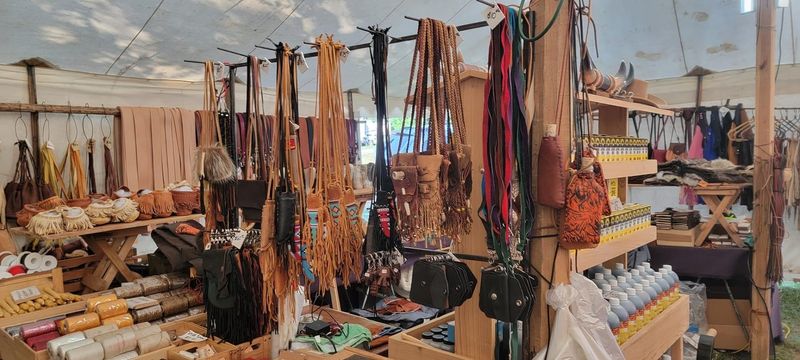
Large markets can sometimes feel anonymous, with rows of merchandise doing all the talking. Friendship Flea Market works differently because the human exchange remains a big part of the appeal.
Across the grounds, the tone tends to be approachable, informal, and rooted in the direct conversation that makes flea markets better than ordinary retail.
That matters when you are deciding whether to buy, compare, or keep walking. A friendly seller can explain how an item was made, where a piece came from, or whether there is room on the price.
Even a quick exchange adds texture to the purchase and turns browsing into a more personal kind of transaction.
The market also benefits from repeat attendance and family tradition. For some people, Friendship is not a random stop but a long-running habit tied to certain seasons, familiar routes, and favorite booths.
That returning energy gives the event a lived-in quality, as if the market is part shopping trip, part reunion, part community ritual.
You can see that social side in the way people linger rather than simply sweep through. Booths invite questions, sellers appear ready to chat, and the pace often leaves room for a little back-and-forth instead of a fast, silent checkout.
In a setting this large, that warmth helps keep the scale from becoming impersonal. It also shapes how you remember individual sections.
A rack of shirts, a box of old tools, or a display of craft items becomes more vivid when tied to a conversation, a joke, or a small negotiation. Those interactions are difficult to script and easy to value.
Friendship does not need polished branding to create connection. It has the simpler advantage of face-to-face selling in a place where friendliness still has practical use.
When you spend hours walking through a market, that steady stream of approachable encounters can be just as important as the merchandise spread across the tables.
How to Work the Grounds Like a Regular
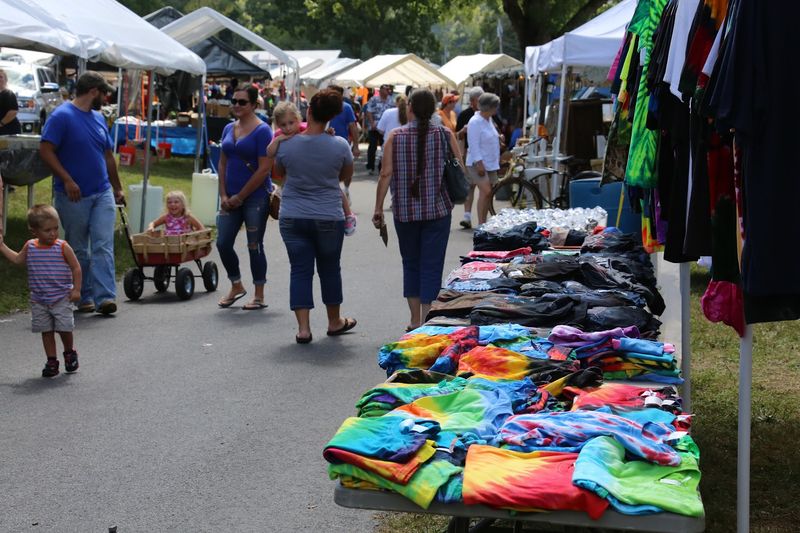
The best strategy for Friendship Flea Market is simple: treat it like a long outing, not a quick pop-in. This is a place where timing, footwear, and pacing can shape the whole experience.
If you arrive expecting to see everything in a short burst, the market will correct that assumption fast. Starting earlier usually gives you the strongest version of the day.
Crowds are easier to manage, parking tends to be less frustrating, and the booths look freshest before the afternoon shuffle sets in.
Early light also makes the grounds easier to scan, which helps when you are trying to spot standout tables instead of just following the crowd.
Once inside, a smart approach is to do one broad pass before buying too heavily. That first loop gives you a sense of what categories are strongest, where food is located, and which sellers deserve a second look.
If something is truly unusual, buy it when you see it, but for more common items, comparison pays off. Physical comfort matters more here than at smaller markets.
Good shoes, water, and enough room to carry a few purchases without immediate regret can keep your mood steady as the day gets warmer. A large market is a lot more fun when your feet are not arguing with every decision.
There is also a timing detail worth noting for multi-day event periods. Going earlier in the run can mean fuller vendor presence, while later dates may bring a different pace and a few departures as sellers start packing out.
Neither is wrong, but the experience can shift. Most of all, leave room for detours. Friendship rewards curiosity, and the best route is often the one interrupted by a booth you did not expect to love.
The regulars seem to understand that the market works best when you combine a little planning with enough flexibility to chase the next interesting table.
Why This Market Keeps Its Own Lane
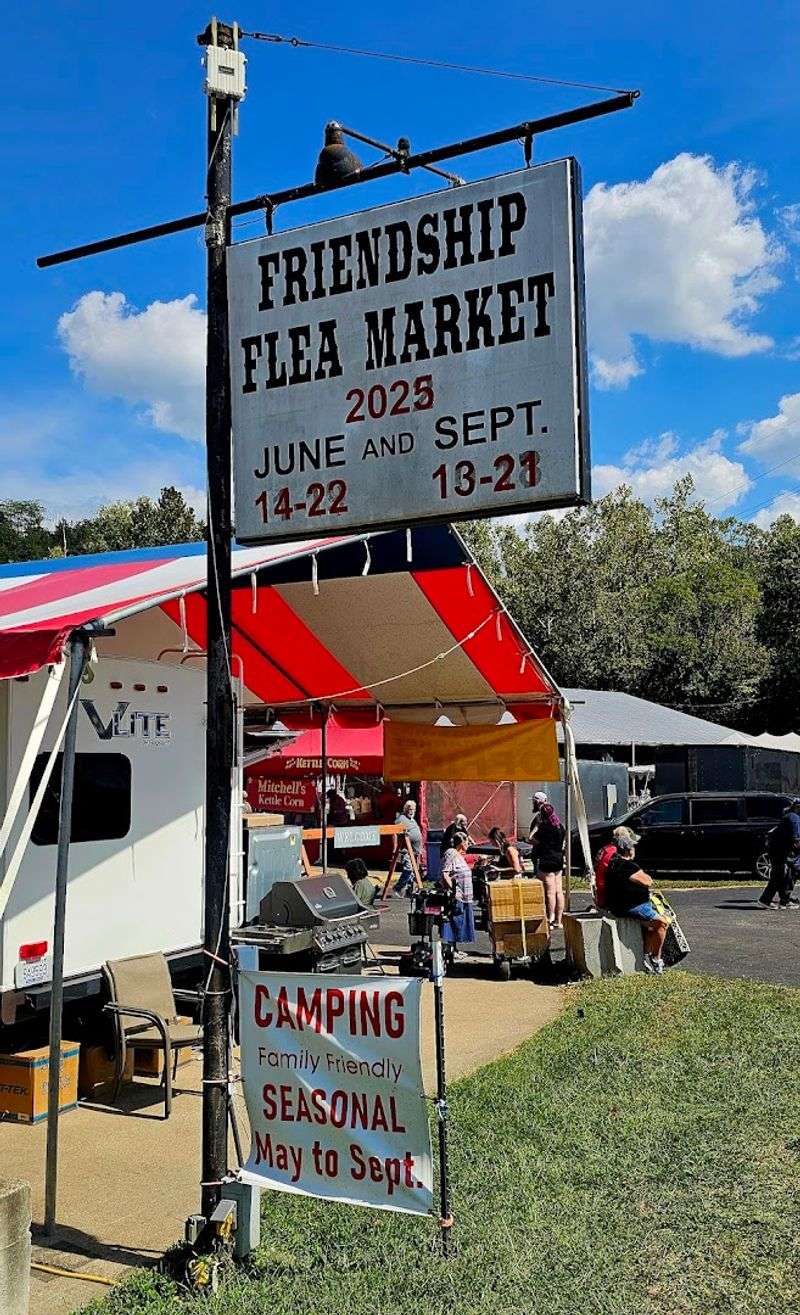
Plenty of flea markets promise variety. Plenty promise food. Plenty promise a fun day out. Friendship Flea Market stands out because those pieces come together at a bigger scale, in a setting with more personality than the average field of pop-up tents, and with enough vendor depth to keep the whole outing lively.
The market is large without feeling disposable. You can spend hours moving through booth after booth and still sense that the event has roots, routines, and returning faces that give it continuity.
That helps the place avoid the generic feel that creeps into some oversized shopping events. There is also a practical sweetness to the formula.
Free or low-cost parking options around the area, long operating hours, food choices strong enough to support a full-day visit, and a broad merchandise mix all make the trip easier to justify. You are not building a day around one narrow attraction.
Just as importantly, Friendship does not depend on one polished centerpiece. Its appeal comes from accumulation: one great food stop, one good bargain, one oddball item, one conversation, one shaded row, one more pass through the grounds because you are not ready to be done yet.
The market earns attention through steady payoff rather than hype. That makes it especially attractive for people who want a day with movement in it.
You are walking, scanning, tasting, comparing, and occasionally doubling back because the first glance was not enough. The experience stays active, which is one reason it fits both serious shoppers and casual browsers.
In the end, Friendship Flea Market succeeds by giving you range. It can be a bargain hunt, a social outing, a food crawl, a small-town detour, or an all-day browse with no strict agenda.
For a market set in southeastern Indiana, that is a strong lane to occupy, and Friendship appears to know exactly how to keep it full.
Share this story