Indiana has no shortage of Italian restaurants, but only a select few earn the kind of loyalty that turns first-time visitors into regulars. Ristorante Roma in Carmel has quietly built that reputation through authentic flavors, attentive service, and a commitment to traditional Italian cooking that never feels forced or trendy.
From handmade pasta and classic entrées to an inviting atmosphere that strikes the perfect balance between elegant and comfortable, every detail reflects a dedication to quality. It’s the kind of restaurant people recommend without hesitation. If you’re searching for one of Indiana’s most respected Italian dining destinations, Ristorante Roma deserves a closer look.
The Carmel Dining Room That Knows Exactly What It Is
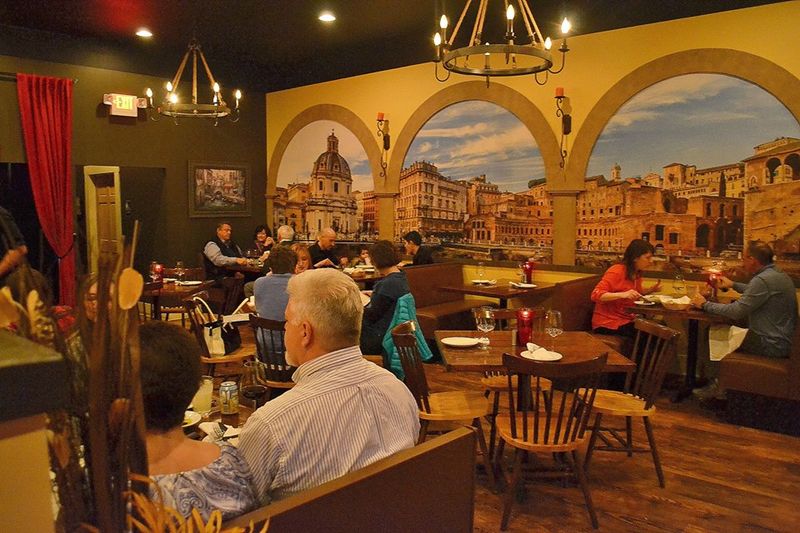
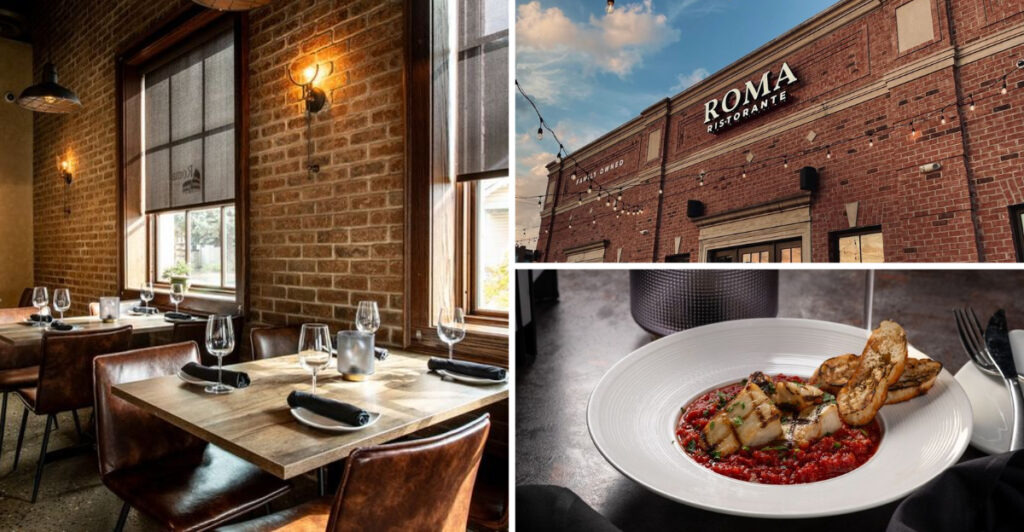
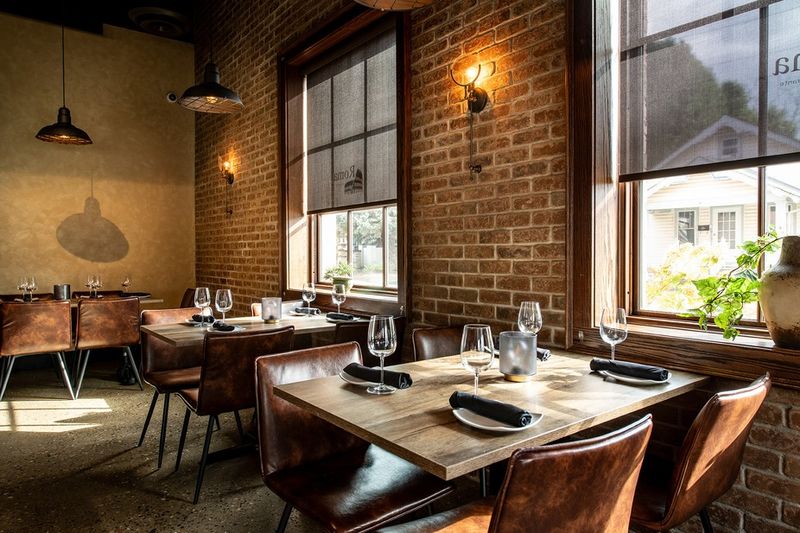
Ristorante Roma does not rely on spectacle. Its draw starts with scale: an intimate dining room, a polished but unfussy setting, and the kind of close-knit layout that immediately signals a slower, more intentional meal.
In a downtown Carmel area filled with polished destinations, this place reads as confident rather than attention-seeking, which is a big part of why it lands so well.
You notice the balance right away. There is warmth in the lighting and comfort in the room, yet the menu points toward a more serious kitchen than the average neighborhood Italian spot.
That combination changes your expectations before a single plate hits the table, because you can sense that dinner here is built around craft, not oversized portions or generic red-sauce familiarity.
The setting matters because Roma appears to understand its own lane with unusual clarity. It is compact enough to feel personal, which suits date nights, anniversaries, and conversation-heavy dinners, but it also carries enough polish to make a weekday meal feel elevated.
Even the pacing, which can run leisurely during busy stretches, matches the restaurant’s identity more than the rush of a turn-and-burn dining room would.
Then there is the subtle shift that happens once you settle in. Instead of reading like a place chasing trends, Roma comes across as a restaurant sharpening a point of view over time.
That is often how a local favorite becomes something bigger: not through hype, but through a room that holds its shape, a menu that knows its purpose, and a dining experience that asks you to slow down and pay attention.
Handmade Pasta Is the Center of Gravity
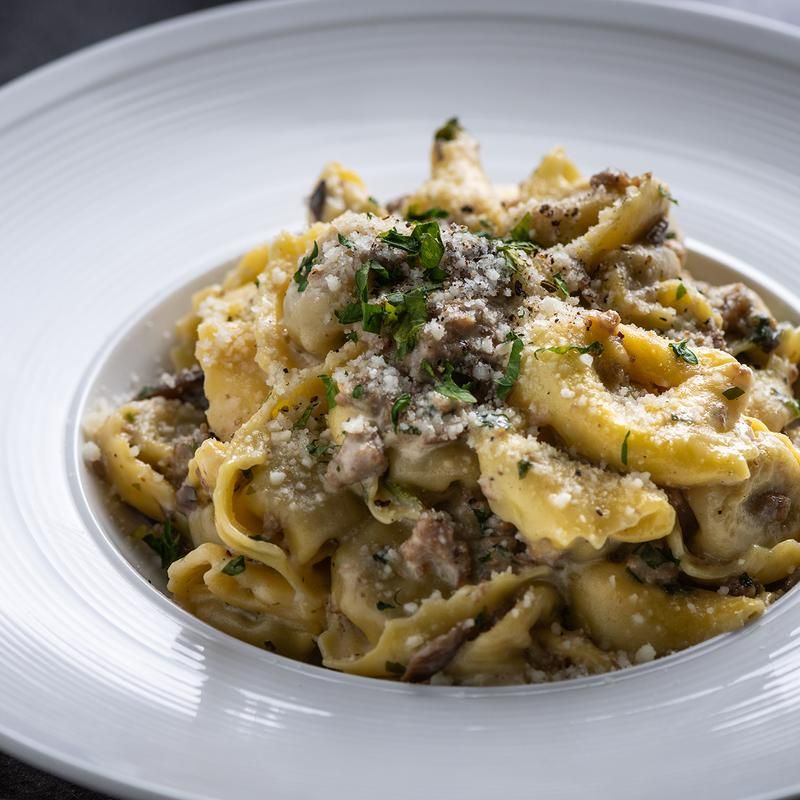
The core attraction at Ristorante Roma is not hard to identify: handmade pasta, handled with enough care that it becomes the center of the entire experience. Plenty of Italian restaurants promise house-made noodles, but here that detail appears to shape the restaurant’s reputation at a deeper level.
When a dining room earns repeat praise for tortellini, cacio e pepe, gnocchi, seafood pasta, and rotating ravioli specials, you are looking at a kitchen whose fundamentals are doing real work.
Just as important, the menu does not seem trapped by the usual checklist of predictable Italian-American comfort dishes. Diners have pointed toward a Northern Italian influence, which gives the lineup a more distinctive personality and helps explain why the combinations sound a little more tailored than routine.
That means your meal can move from familiar pleasure into something more specific, where texture, sauce balance, and restraint matter as much as richness.
You can trace that identity through the dishes that keep surfacing. Tortellini appears as a standout, seafood pastas get remembered down to their specific ingredients, and even simpler formats like cacio e pepe have drawn strong reactions, which says a lot because stripped-down pasta leaves nowhere to hide.
If the noodles were ordinary, those dishes would flatten immediately, but Roma seems to understand that the best pasta restaurants make technique visible without making it flashy.
That is why the menu carries more pull than a standard night-out spot. You are not just choosing between sauces; you are stepping into a kitchen where dough, shape, and timing appear to matter.
In a state full of dependable Italian dining rooms, that focus on handmade pasta is the clearest reason this Carmel restaurant keeps climbing from local favorite into serious Indiana conversation.
The Starters and Desserts Refuse to Be Afterthoughts
A lot of restaurants put all their energy into entrees and let the opening and closing courses drift into autopilot. Roma does not seem built that way.
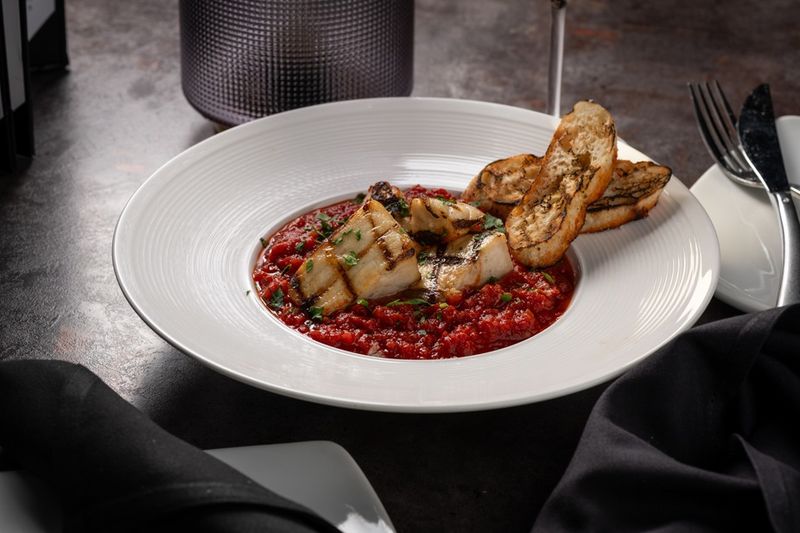
The first clues show up in the details people keep ordering before pasta ever arrives: fresh bread with olive oil, meatballs, fried supplì, calamari, Brussels sprouts, and other starters that sound designed to wake up the table rather than simply hold you over.
The bread alone tells you something about the pacing here. When a basket is memorable, it usually means the kitchen understands that anticipation is part of dinner, not dead time between ordering and the main course.
Pair that with appetizers that range from crisp and savory to deeply sauced, and the meal starts gathering momentum early instead of waiting for a signature pasta to rescue it.
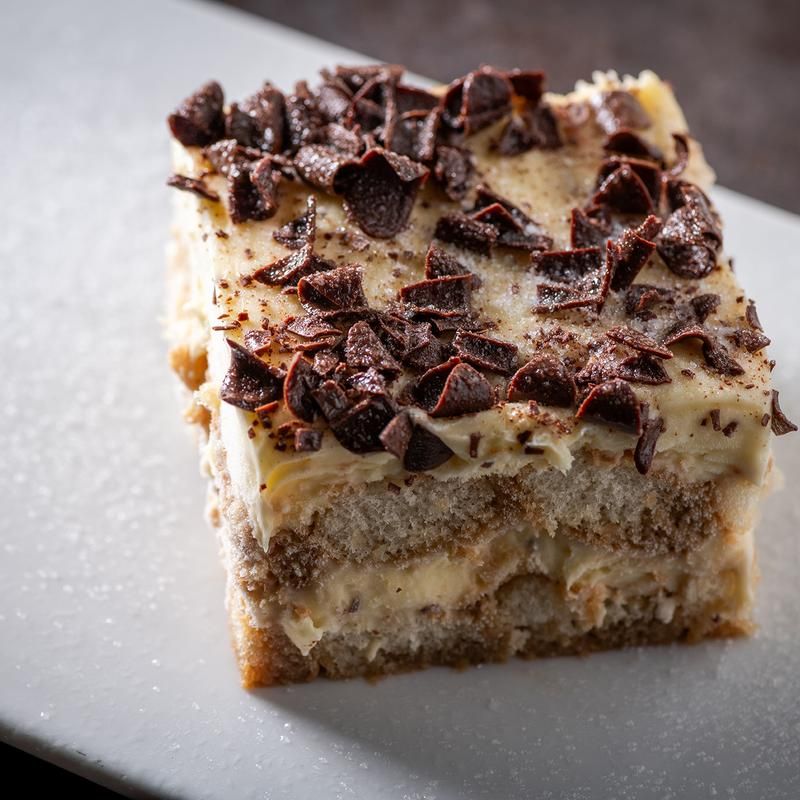
Dessert appears to follow the same logic. Tiramisu comes up repeatedly, not as a token sweet ending but as a dish diners actively plan for, while panna cotta has also made its own case.
That matters because dessert often reveals whether a restaurant can carry its point of view all the way through the meal, and Roma seems to treat the finish as part of the identity rather than an obligation attached to the check.
For you, that changes how to order. This is not the kind of place where the smartest move is rushing straight to an entree and calling it done.
A fuller arc makes more sense: start with the table snacks and a composed appetizer, let the pasta hold center stage, then save room for a dessert that lands light, rich, or creamy without collapsing into excess. Roma’s meal structure is one reason dinner here feels complete.
Why the Menu Feels Different From Most Indiana Italian Restaurants
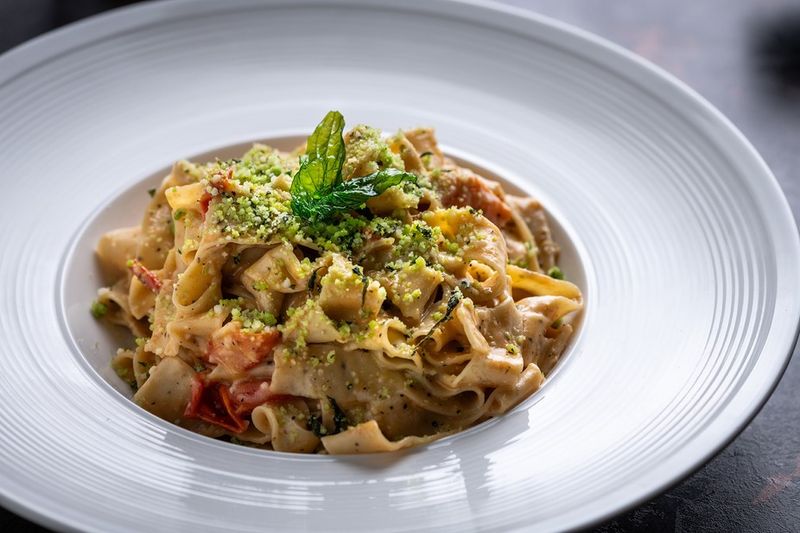
One of the smartest things about Ristorante Roma is that it does not present Italian food as a one-size-fits-all category. The menu has been described as drawing from Northern Italy, and that distinction matters because it nudges you away from autopilot ordering.
Instead of chasing an expected parade of familiar standards, the restaurant seems more interested in showing range through regional cues, seasonal dishes, and combinations that feel more curated than generic.
That approach can be a quiet filtering device in the best possible way. If you walk in expecting only the broadest version of Italian dining, Roma may surprise you with pastas and entrees that lean toward nuance rather than excess.
The payoff is a meal that invites curiosity, where seafood, pistachio, pancetta, limoncello, veal, or carefully built vegetable sides become part of a more layered picture.
Seasonality deepens that effect. The restaurant description emphasizes seasonal Italian dishes and locally sourced entrees, which suggests a kitchen paying attention to timing and ingredient quality instead of locking itself into the same static list forever.
You can feel the practical benefit of that philosophy even without seeing the entire menu in advance: specials become relevant, repeat visits make more sense, and the restaurant avoids the stale sameness that drags down many otherwise competent Italian places.
For diners in Indiana, that level of specificity is a major reason Roma’s reputation keeps expanding. The restaurant is not trying to be every Italian restaurant for every appetite.
It seems content to be a more focused one, where the menu rewards a little attention and the dinner feels shaped by decisions instead of default choices. That sharper identity gives Roma an edge, especially in a category where imitation is easy and distinction is much harder.
A Family Run Rhythm Gives the Room Its Character
Restaurants often talk about hospitality as if it were a decorative extra. At Roma, it appears to function more like infrastructure.
Across many visits, the strongest service notes are not just that staff members are friendly, but that they explain the menu clearly, accommodate timing needs, handle allergies thoughtfully, and in some cases bring the chef into the experience in a direct, personal way.
That last detail changes the mood of a meal. When a chef steps out to answer questions, check on an allergy accommodation, or share a little background, the restaurant stops feeling anonymous.
You are reminded that this is a family-run operation with a visible human center, and that kind of presence can make a compact dining room feel grounded rather than merely small.
The hospitality also seems practical instead of theatrical. One table needed dinner before a show and was accommodated.
Another required a fresh adjustment because of black pepper concerns and received careful attention. Those are different kinds of pressure on a kitchen and front-of-house team, yet both point toward the same strength: Roma appears willing to slow down enough to make dinner work for the actual people in the room.
That said, the pace can run leisurely, especially when the restaurant is busy and the space is full. In another setting, that might create a mismatch.
Here, it mostly reads as part of the restaurant’s cadence, a signal that this is a place built around coursed dining and conversation rather than speed. If you arrive ready for that rhythm, the service style becomes part of Roma’s identity instead of an interruption to it.
How to Time Your Visit to Ristorante Roma in Indiana
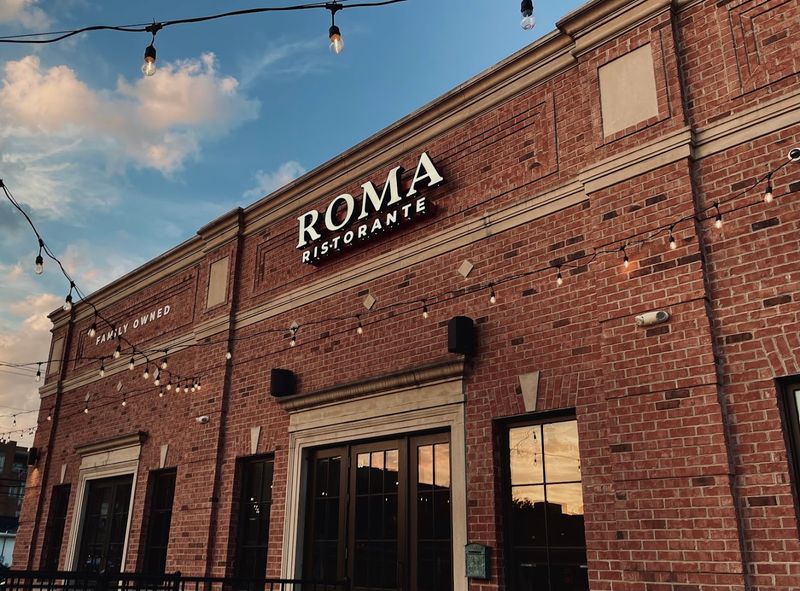
If you want the best version of Ristorante Roma, timing matters almost as much as your order. This is a smaller restaurant with evening-focused hours, opening in the late afternoon and leaning into dinner service rather than all-day traffic.
That narrower window shapes the experience immediately, because most people are arriving with the same plan: settle in, eat well, and stay awhile.
Busy nights can produce a full room, limited immediate seating, and the possibility of parking a couple blocks away. None of that is shocking in downtown Carmel, but it does mean you should approach Roma with a little strategy.
A rushed arrival five minutes before a commitment is less ideal than building in breathing room, especially on Friday and Saturday when the restaurant stays open later and dinner demand naturally climbs.
The restaurant also seems particularly well suited to occasions where a slower tempo helps rather than hurts. Date nights, anniversaries, adult birthday dinners, and pre-theater meals all make sense here, provided you communicate your timeline if one matters.
There is even a bar counter to soften the wait when the room is packed, which is useful in a place where seating capacity is part of the charm and part of the constraint.
For you, the key is simple: book the night mentally before you book the meal. Plan for dinner, not just food. Arrive early enough to park without stress, leave room for appetizers and dessert, and treat the evening as a complete outing instead of a quick stop.
Roma rewards that approach, because the restaurant is strongest when your schedule bends slightly toward its pace instead of forcing it to bend toward yours.
The Final Reason This Place Has Outgrown the Local Secret Label
Ristorante Roma has reached an interesting stage in its life as a restaurant. It still benefits from the intimacy and neighborhood loyalty that give a place personality, yet the quality of attention around it suggests it has moved beyond being merely a local recommendation.
When diners start describing one restaurant as their favorite in Carmel, in Indianapolis, or even in Indiana for this style of meal, that usually points to a place that has developed a sharper identity than the market around it.
The reason is not hype or novelty. Roma’s appeal appears to come from accumulation: handmade pasta that commands real attention, starters and desserts that matter, a menu with regional focus, warm service, and a room sized for conversation rather than churn.
None of those elements alone would make the restaurant stand out this strongly, but together they create a dining experience that feels unusually complete.
It also helps that Roma does not seem interested in becoming louder than it needs to be. The restaurant’s reputation has grown through consistency and detail, not gimmicks.
In a dining landscape where Italian restaurants often chase familiarity first, Roma gains its edge by narrowing its point of view, polishing execution, and letting the whole meal unfold at a deliberate pace that suits the food.
So if you are wondering why this address keeps surfacing in serious dinner conversations, the answer is right there in the pattern. Roma offers a compact, thoughtful, highly specific version of Italian dining that fits Carmel beautifully while standing out beyond it.
That is how a restaurant quietly becomes a legend in its category: one table at a time, one pasta at a time, with enough care to make Indiana pay attention.
Share this story