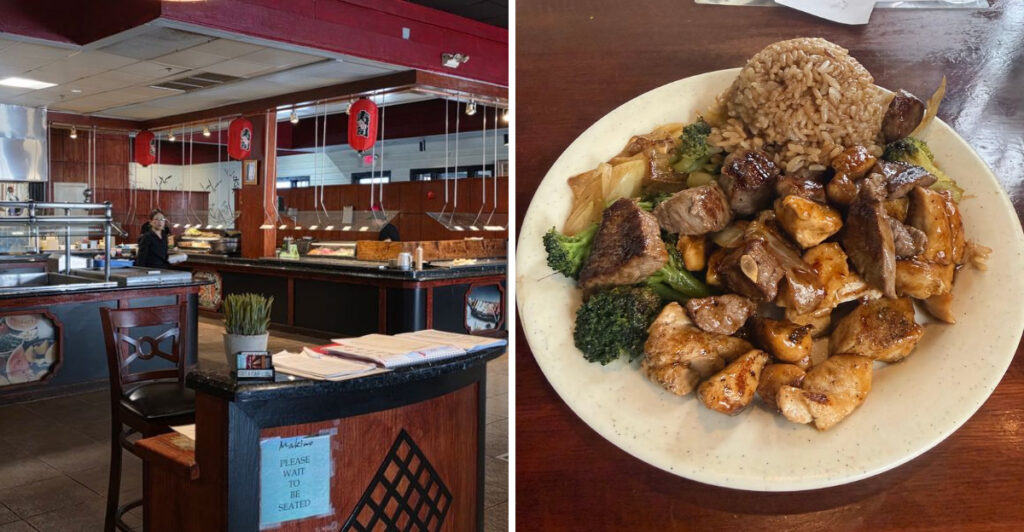
For diners who like variety without having to choose just one entrée, Makino Japanese Buffet in Knoxville delivers an experience built around options. This popular Tennessee buffet brings together Japanese favorites and seafood in an all-you-can-eat setting where guests can build a completely different plate each time they return to the line. The sushi selection is one of the main attractions, offering diners an opportunity to sample multiple rolls and styles rather than committing to a single order.
Alongside the sushi, guests can explore seafood, hot Japanese dishes, vegetables, rice, noodles, and other buffet favorites. The broad selection makes Makino particularly convenient for groups, since everyone can choose exactly what sounds good. Part of the fun is creating your own meal.
Start with a few pieces of sushi, return for something hot, add seafood to the next plate, and save room to revisit anything that stood out. That freedom makes the restaurant especially appealing when you’re hungry and want to try a little bit of everything. The atmosphere is casual and straightforward, keeping the focus on abundance and choice rather than formal dining.
Families, groups of friends, and serious buffet fans can settle in without feeling rushed and enjoy the meal at their own pace. For Knoxville diners craving Japanese food and seafood under one roof, Makino Japanese Buffet offers an easy answer. Come hungry, bring an appetite for variety, and don’t be surprised if one plate quickly turns into two.
Made-To-Order Freshness That Changed Everything
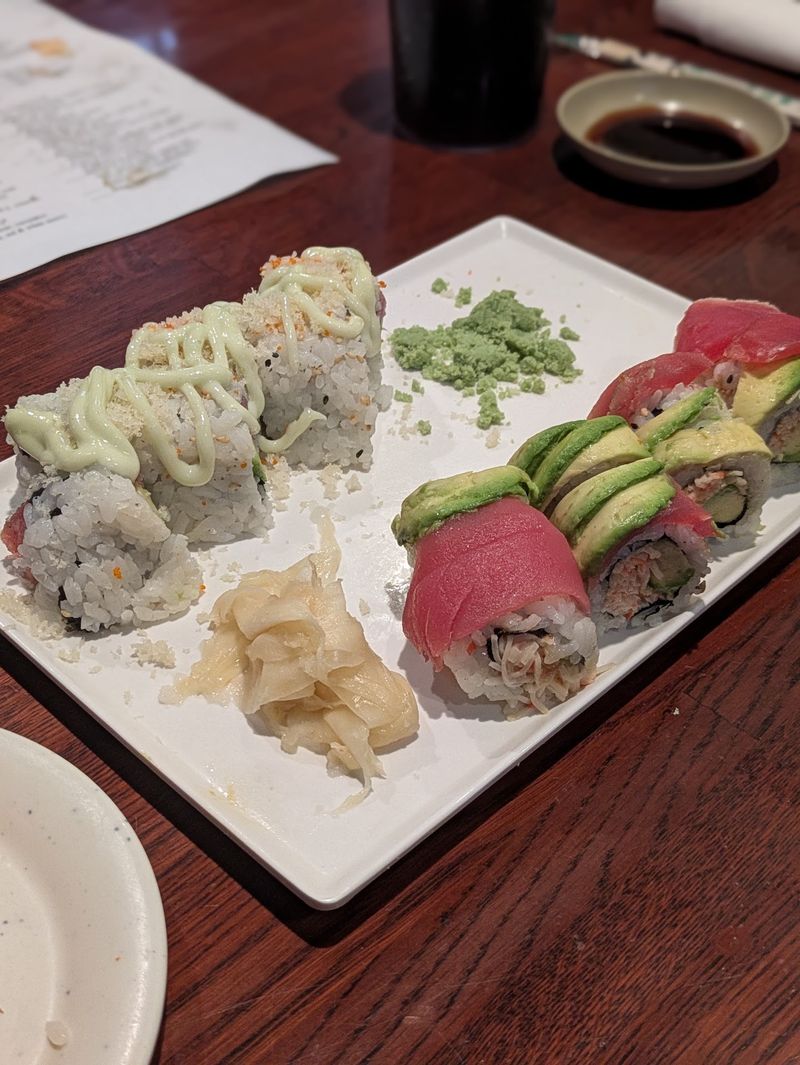
After COVID hit, Makino made a game-changing decision that transformed the entire dining experience. Instead of keeping food warming under heat lamps on a traditional buffet line, they switched to a made-to-order system that brings everything fresh to your table. You grab a pen and an order sheet, mark down what you want, and the kitchen prepares it specifically for you.
The difference is night and day. Sushi arrives freshly rolled with fish that hasn’t been sitting out for who knows how long. Hibachi comes straight from the grill still sizzling hot.
Even the appetizers taste better because they’re cooked right when you order them, not hours beforehand.
Some folks were confused at first because the name still says “buffet,” but trust me, this system is way better. You’re not doing laps around steam trays or watching someone sneeze near the crab rangoon. Everything comes directly to you, made fresh, and you can keep ordering as much as you want throughout your meal.
The quality improved so much that regulars who loved the old buffet style now swear the new way is superior. You get the unlimited variety without sacrificing freshness. Plus, there’s something satisfying about having a server bring out plate after plate of food you actually wanted, rather than gambling on lukewarm mystery rolls.
If you’re expecting to grab a plate and hit a buffet line, adjust your expectations. Bring your appetite and a pen instead. The food tastes so much better this way that you’ll wonder why every all-you-can-eat place doesn’t do it like this.
All-You-Can-Eat Sushi That Doesn’t Disappoint
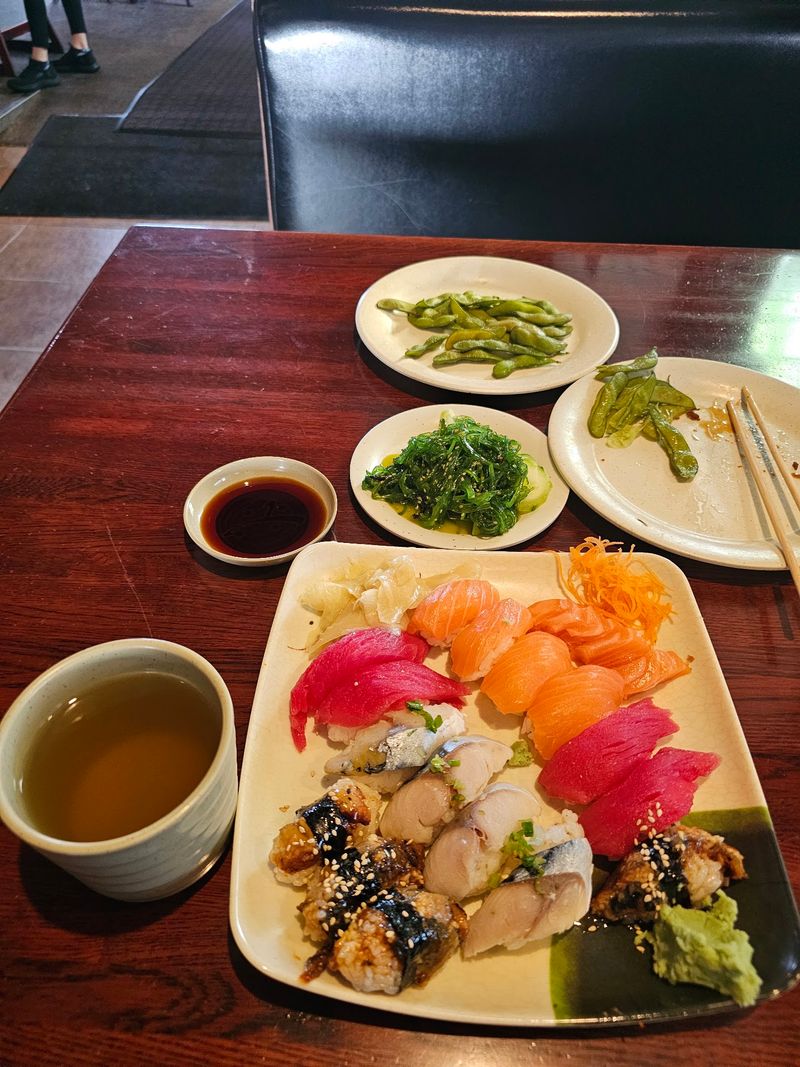
For sushi lovers in Knoxville, Makino has become the go-to spot when you want to try multiple rolls without watching your wallet cry. The all-you-can-eat setup means you can experiment with different types without commitment. Don’t like something?
No big deal, order something else.
Popular picks include the Green Dragon, Black Dragon, Spicy Crab, and Philly rolls. Regulars have their favorites memorized and often order the same lineup every visit. The fish quality surprises people who assume all-you-can-eat automatically means low-grade ingredients.
Here’s the thing about the sushi here: it tastes clean and fresh, not fishy. Some reviews mention a “fishy” taste, but that usually comes from people not used to actual raw fish. If you normally eat California rolls with imitation crab, real salmon or tuna will taste different.
That’s not fishiness, that’s just what fresh fish tastes like.
The kitchen cranks out rolls surprisingly fast too. Order four different types and they’ll arrive in under ten minutes most times. Each roll comes labeled so you know what you’re eating, which helps when you’re trying new things and want to remember what you liked.
One important rule: only order what you’ll actually eat. They charge extra for wasted food, which is fair considering the unlimited format. But if you genuinely don’t like something, the staff usually works with you.
The policy exists to discourage people from ordering the entire menu just because they can.
Lunch offers a slightly smaller menu at a cheaper price, while dinner opens up the full selection. Either way, you’re getting fresh-rolled sushi made to order for one flat rate.
Hibachi Options That Rival Steakhouse Favorites
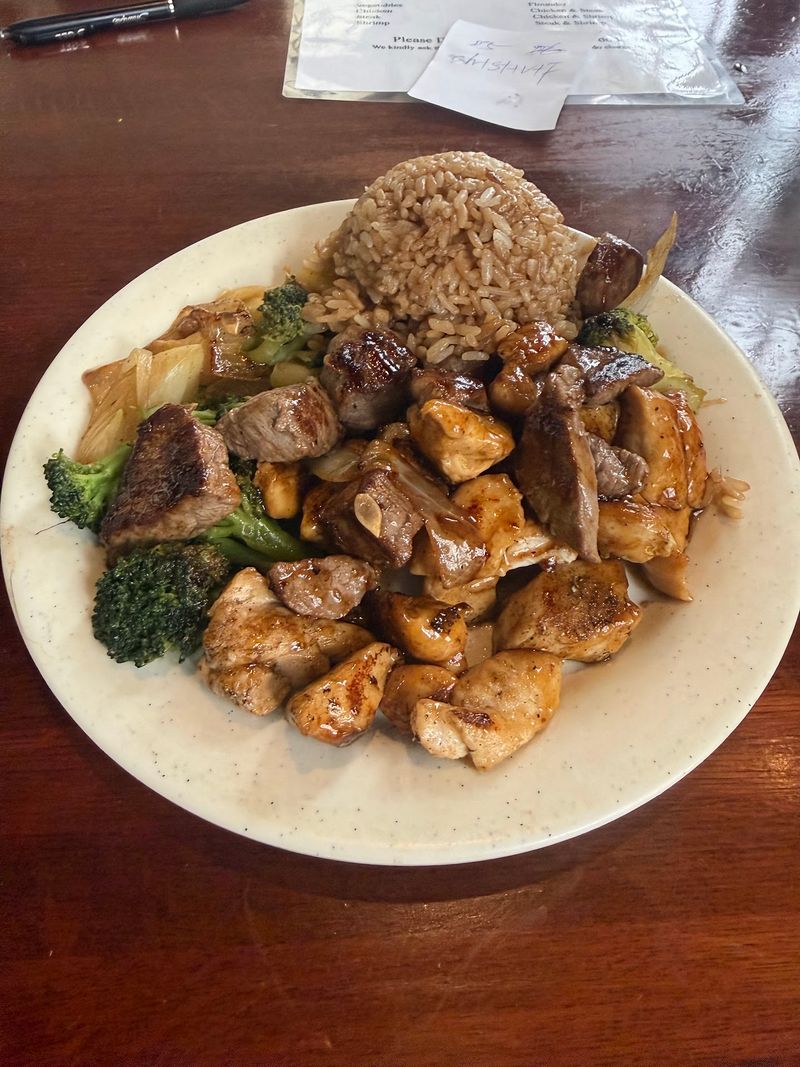
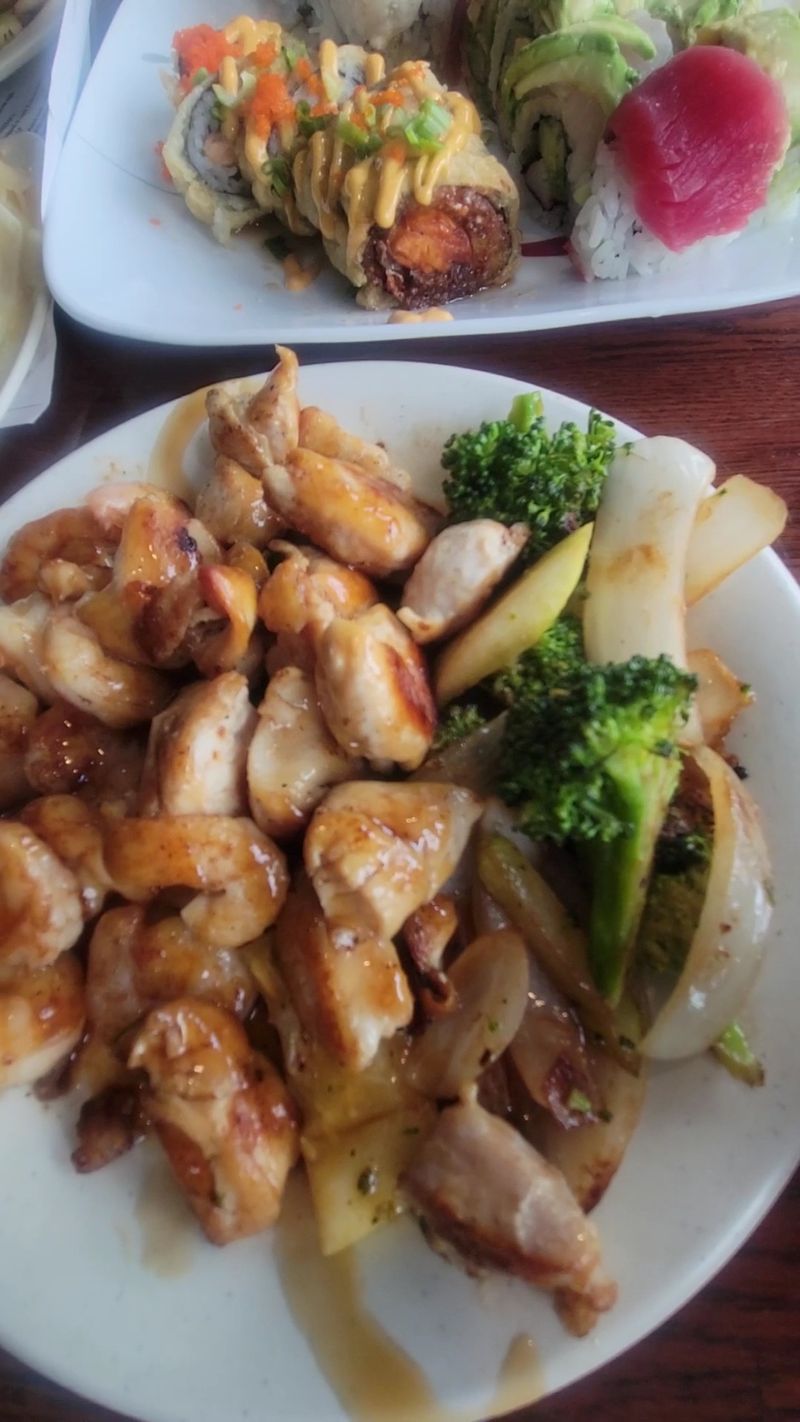
Beyond the sushi, Makino’s hibachi selection gives you serious bang for your buck. Chicken, steak, shrimp, or any combination you want, all included in your flat rate. Mix and match proteins without worrying about upcharges that steakhouse chains love to tack on.
The chicken and shrimp combo gets ordered constantly, but steak and shrimp runs a close second. Everything arrives hot off the grill with fried rice and vegetables. The portions are generous enough that you’ll feel satisfied, but not so huge that you can’t order more if you’re still hungry.
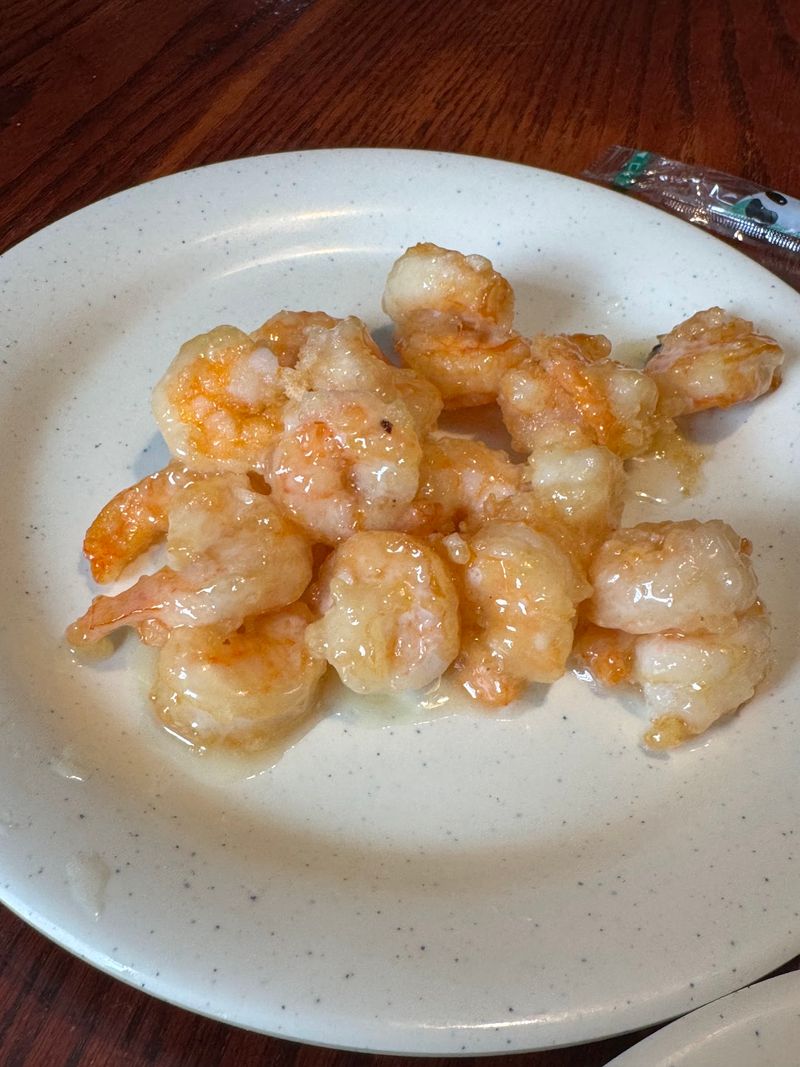
Quality varies depending on what you order. The chicken consistently gets praise for being tender and flavorful. Shrimp comes out perfectly cooked without that rubbery texture you sometimes get at buffets.
The steak can be hit or miss, with some people loving it and others finding it a bit tough or underseasoned.
Vegetables typically include broccoli, onion, and zucchini, though the exact mix might change. The fried rice is solid, nothing fancy but a good base for the proteins. Some folks order extra hibachi after finishing their sushi rounds, treating it like a second course.
If you’re not a sushi person, the hibachi alone makes the price worth it. You can fill up on grilled meats and veggies without touching a single roll. Families with picky eaters appreciate this because everyone finds something they like.
The best strategy? Start with sushi if you like it, then move to hibachi when you want something warm and filling. Or go straight for the grill if raw fish isn’t your thing.
Either way, you’re covered.
Appetizers and Sides Worth Ordering Twice
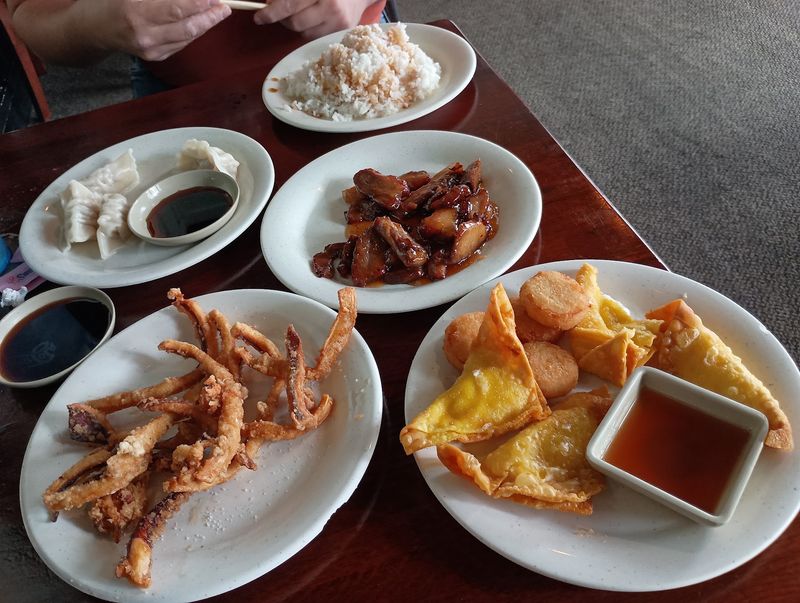
The appetizer section doesn’t get enough credit, but regulars know these items are absolute winners. Crab rangoon shows up in reviews constantly, with people praising the crispy wonton wrapper and creamy filling. They’re addictive enough that ordering them twice in one visit isn’t unusual.
Coconut shrimp brings that sweet and crispy combo that works perfectly as a starter or palate cleanser between sushi rounds. The breading stays crunchy and the shrimp inside stays tender. Dip them in the sweet sauce they come with or eat them plain.
Fried squid surprises people who’ve never tried it before. Tender rings with a light, crispy coating that doesn’t taste greasy or heavy. If you’ve only had rubbery calamari at other places, give this version a shot.
It might change your mind about squid entirely.
Gyoza (dumplings) are another frequent order, though they sometimes arrive slightly cool in the middle. When they’re hot all the way through, they’re fantastic. Pan-fried with a crispy bottom and juicy filling.
The dipping sauce adds just enough tang without overwhelming the dumpling flavor.
Miso soup deserves a mention too. It’s a simple dish but done well here, with the right balance of saltiness and that comforting warmth. Perfect for starting your meal or sipping between courses.
Don’t sleep on the scallops either. Several reviews specifically call them out as excellent. They come grilled and seasoned just right, not overcooked or rubbery like scallops can get when handled poorly.
The strategy with appetizers is to order a few different ones first, see what you love, then order more of those favorites throughout your meal.
Pricing That Actually Makes Sense
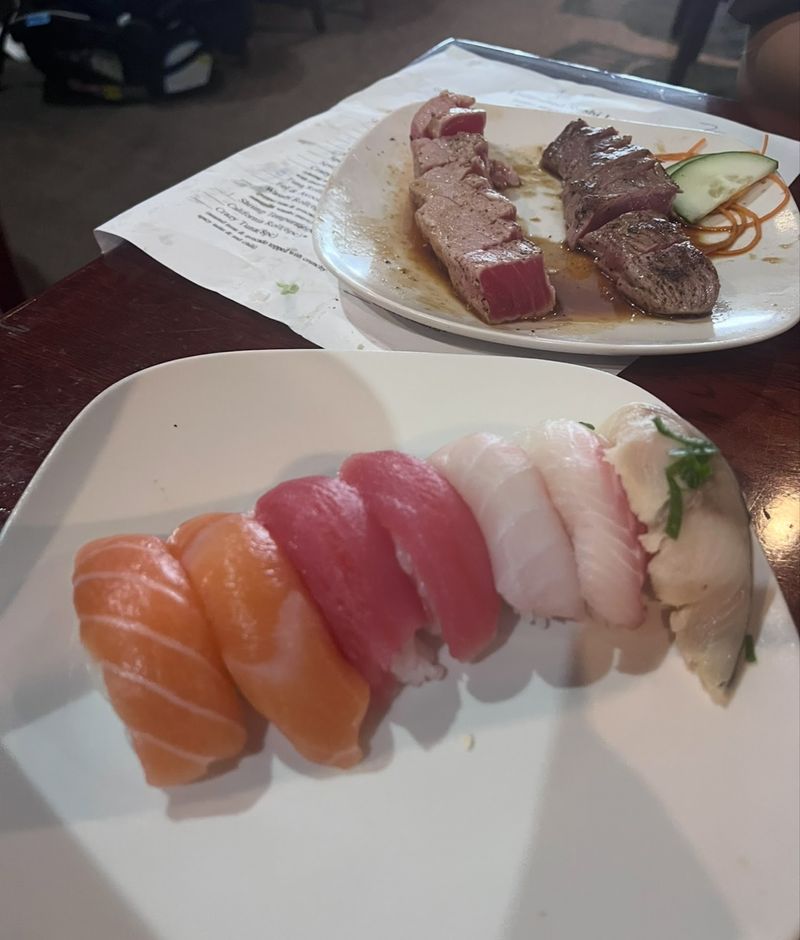
At around 25 dollars per adult for dinner (lunch runs cheaper), Makino offers something increasingly rare: actual value. That flat rate covers unlimited sushi, hibachi, appetizers, and sides. No hidden charges unless you waste food or order alcohol.
Compare that to ordering sushi at a regular restaurant where three rolls easily hit 30 dollars or more. Here, you can try ten different rolls if you want, plus hibachi, plus appetizers, all for less than what two specialty rolls cost elsewhere. The math just works in your favor.
Kids eat for less, usually around 11 dollars, though some parents wish the restaurant would be more flexible with very young children who barely eat anything. If your four-year-old picks at a few pieces of chicken, paying full kid price might sting a bit. But overall, families can eat here for less than most sit-down restaurants.
Drinks aren’t included, so factor that into your budget. Water is free and honestly the best choice if you’re planning to eat a lot. Soda or tea will add a few dollars to your bill.
The lunch special deserves special mention. Slightly smaller menu but significantly lower price, making it perfect for a midday sushi fix without spending dinner money. The food quality stays the same, you just have fewer exotic roll options.
Some people complain about the price increase from pre-COVID days when sushi-only options existed at lower rates. Fair point, but the quality improvement from the made-to-order system justifies the change for most regulars. You’re paying a bit more but getting noticeably better food.
For what you get, especially if you actually like sushi and hibachi, the value is tough to beat in Knoxville.
Service That Ranges From Great to Growing Pains
Service at Makino is honestly a mixed bag, and reviews reflect that reality. Some servers are absolute rockstars who remember regular customers, bring refills without asking, and keep the food flowing smoothly. Others struggle with language barriers or seem overwhelmed during busy times.
The best experiences happen when you get an attentive server who explains the ordering system clearly and checks on you regularly. These servers make the whole meal effortless. They bring your order sheets back quickly, answer questions about menu items, and keep your drinks full.
The rough experiences usually involve confusion about how ordering works, long waits between rounds of food, or servers who seem rushed and impatient. A few reviews mention getting the check too early, which creates awkward pressure even though you can keep ordering. Language barriers sometimes make communication tricky, requiring patience on both sides.
The greeting staff, possibly the owner or manager, consistently gets praise for being friendly and welcoming. First impressions matter, and this person makes sure you feel good about choosing Makino before you even sit down.
During peak times like weekend dinners or Mother’s Day, expect slower service. The kitchen and servers are slammed, so your third round of sushi might take longer than your first. Planning for this helps manage expectations.
If you get a server who’s struggling, a little patience goes a long way. Most of them genuinely try hard even when they’re overwhelmed. And if something goes wrong with your order, speaking up politely usually gets it fixed quickly.
The takeaway: service quality varies, but when it’s good, it’s really good. When it’s rough, the food quality usually makes up for it.
Atmosphere and Cleanliness Concerns
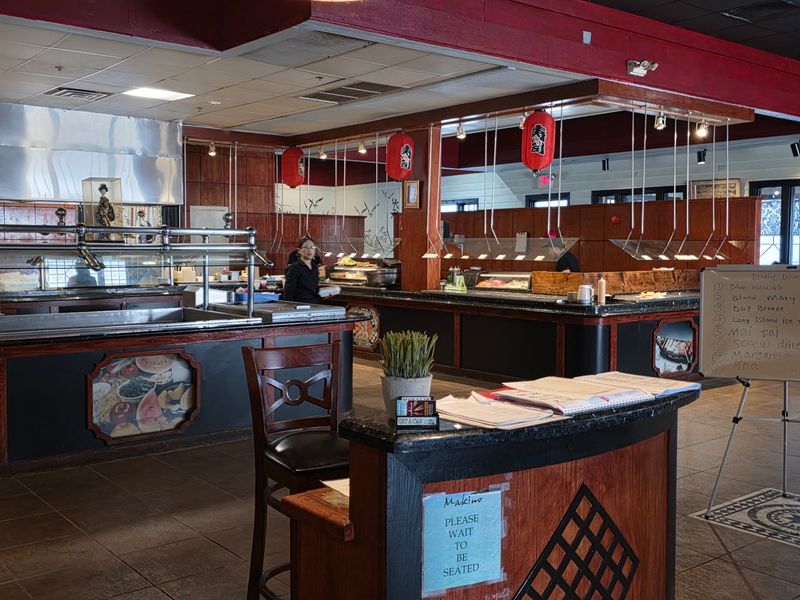
Nobody comes to Makino for Instagram-worthy decor, and that’s perfectly fine. The building looks dated, the carpet shows its age, and the bathrooms could use a serious upgrade. But here’s the thing: you’re here for unlimited sushi and hibachi, not architectural photography.
Cleanliness gets mixed reviews, and this matters more than dated decor. Some people report sticky floors, dirty soy sauce bowls, and tables that need better wiping between customers. Others find it perfectly clean and well-maintained.
The truth probably falls somewhere in the middle depending on when you visit and how busy they are.
The slick floors are a legitimate concern mentioned multiple times. Watch your step, especially if you’re wearing smooth-soled shoes. The combination of tile and whatever cleaning products they use creates a skating rink effect that could cause falls.
The bathrooms need work, no sugarcoating that. Multiple reviews compare them to run-down gas stations, which isn’t the vibe you want when eating raw fish. Management should prioritize bathroom renovations because first impressions matter, and bathrooms say a lot about a restaurant’s standards.
That said, the dining area itself stays relatively clean. Tables get cleared quickly, and the overall space feels organized even when packed. The atmosphere is more relaxed and casual than fancy, which works for families and groups who want good food without stuffiness.
The building could definitely use some TLC. Fresh paint, new carpet, bathroom renovations, and better floor maintenance would transform the space. But the bones are good, and the food quality matters more than fancy surroundings.
If pristine, modern decor matters to you, this might not be your spot. If you can overlook dated surroundings for great food at good prices, you’ll be fine.
The Regular Customer Experience
The most telling sign of a good restaurant? Regulars who keep coming back. Makino has built a loyal following of people who eat there monthly, sometimes weekly.
These aren’t one-time visitors chasing a TikTok trend. They’re locals who genuinely love the place.
One review mentions returning after six months away and being greeted with “Long time no see, do you still want your usual drink?” That kind of recognition creates connection beyond just food. The staff remembers faces, orders, and preferences, turning a simple meal into something more personal.
Regulars have their strategies figured out. They know which rolls to order first, which servers are best, what time to arrive to avoid crowds, and whether lunch or dinner pricing makes more sense for their appetite. This insider knowledge gets passed around through word of mouth.
The loyalty runs deep enough that people defend Makino against negative reviews, explaining that critics either came at bad times, didn’t understand the ordering system, or expected something different than what Makino offers. True regulars know the quirks and accept them as part of the package.
Families bring kids who grow up eating here. College students make it their celebration spot. Couples turn it into a monthly date tradition.
The restaurant weaves itself into people’s routines because it delivers consistent value and quality.
Moving away from Knoxville apparently creates Makino withdrawal. Multiple reviews mention missing the restaurant after relocating and making it a priority stop when visiting town. That’s not normal buffet behavior.
That’s genuine affection for a place.
The regular experience matters because it shows the restaurant’s true character beyond any single visit. When people keep choosing Makino over and over, they’re voting with their wallets and their time.
Share this story