In July 1863, thousands of soldiers met on a quiet stretch of eastern Oklahoma prairie near Elk Creek. Black Union troops, Native nations on both sides, and white soldiers from several states all fought on the same ground.
It was not the biggest battle of the Civil War, but its outcome shaped the future of Indian Territory and the land that became Oklahoma. Today that prairie is open to anyone willing to make the drive, with a modern visitor center, walking trails, and a film that tells the story from several points of view.
Admission costs less than a fast food lunch, and the land itself still looks a lot like it did back then, with no paved roads cutting through it. Keep reading to learn the story, what to see, when to go, and how to avoid a wrong turn onto miles of dirt road.
1. A Quiet Corner of McIntosh County
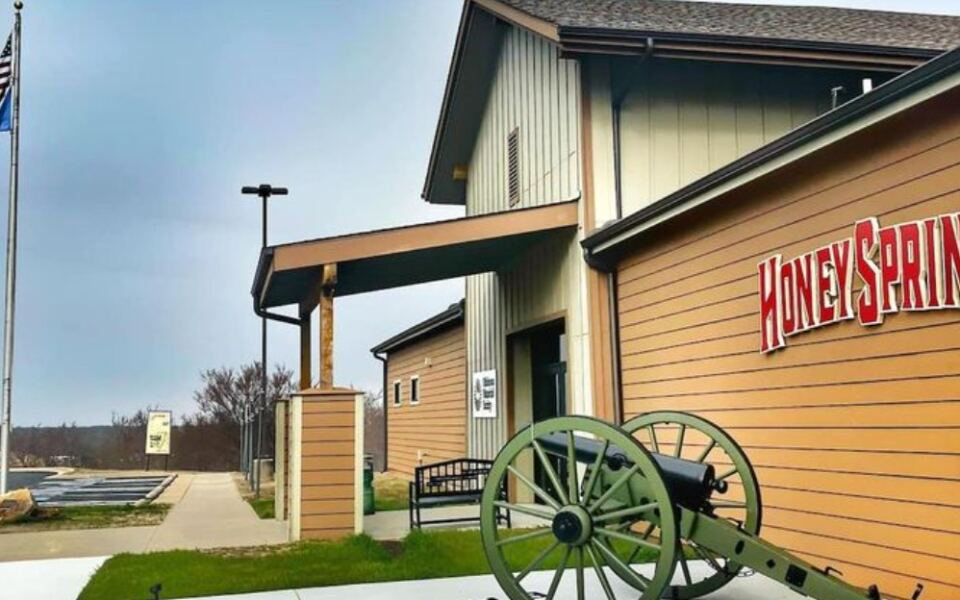
Few road trip stops in Oklahoma pack this much history into such a peaceful setting. Honey Springs Battlefield sits at 423159 E 1030 Rd, Checotah, OK 74426, in eastern Oklahoma, United States.
The site is a historical place and museum run by the Oklahoma Historical Society. It protects the ground where Union and Confederate forces met in 1863, along with a modern visitor center that explains what happened there.
Checotah makes an easy anchor for a day trip. The town sits within a reasonable drive of both Tulsa and Oklahoma City, which puts the battlefield squarely in weekend outing territory for many Oklahoma families.
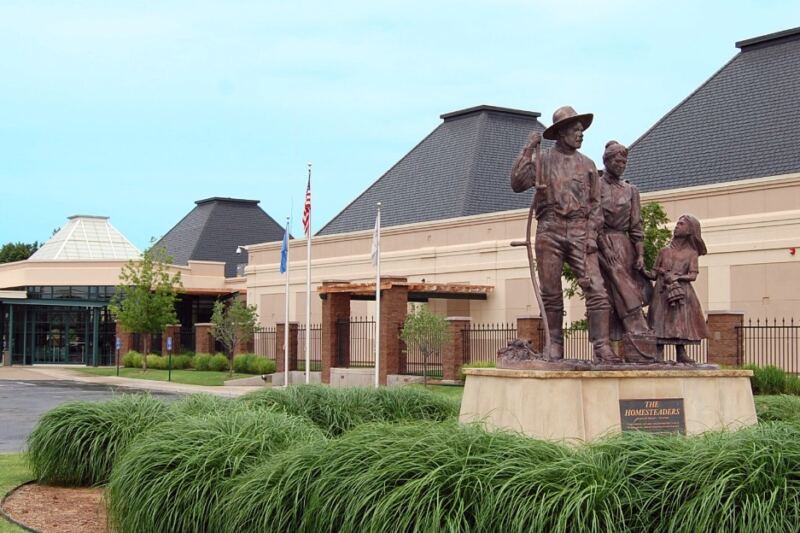
The property has two main parts. First comes the visitor center, with its theater, exhibits, and research library.
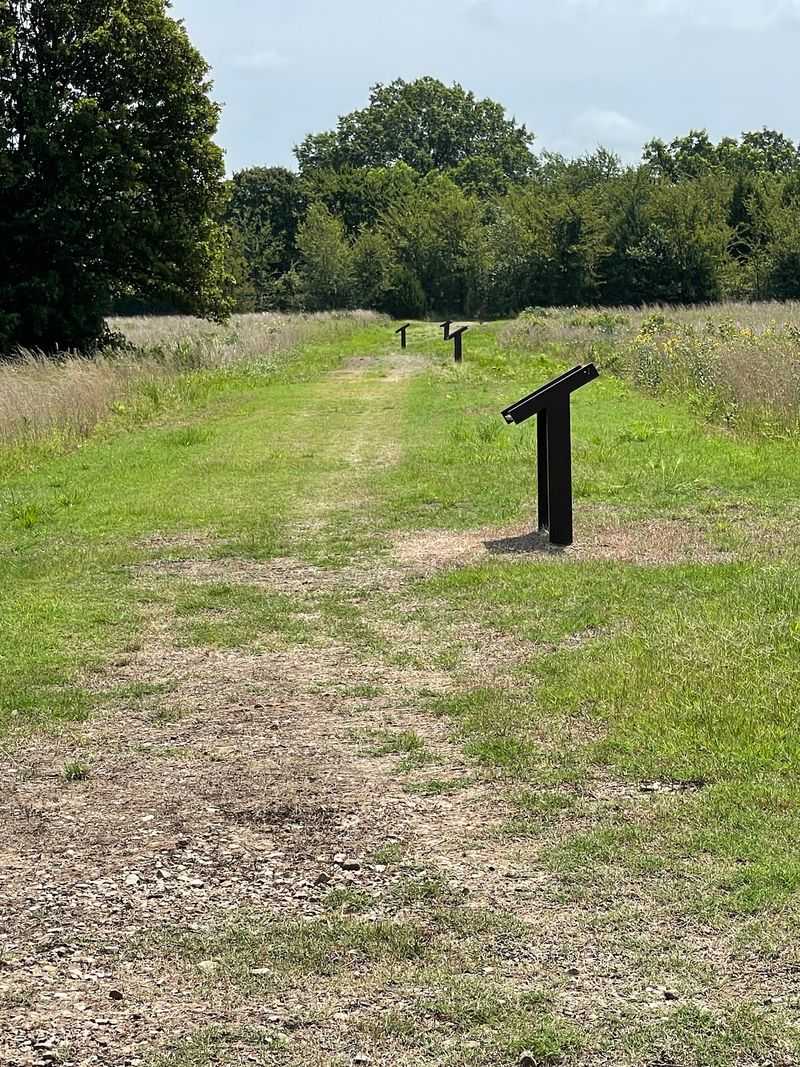
Then there is the battlefield itself, crossed by walking trails and marked with granite memorials and interpretive signs. Elk Creek runs through the area, and the land shows where Confederate forces set up and where the Union attacked from.
The setting is mostly untouched. The two sides clashed in what was then the middle of nowhere, and the land still carries that open, rural character today.
That simplicity is a big part of the appeal, so plan on a calm, unhurried visit.
2. The July Day That Reshaped Indian Territory
History books often skip it, but the Battle of Honey Springs carried big consequences. It was a fairly small engagement, yet it handed the Union a very important victory in 1863.
The win stopped the Confederate army from gaining control of Kansas and the region that is now Oklahoma. For Indian Territory, that outcome shaped what came next.
Around 6,000 men and horses were encamped on the ground near the visitor center before the fighting. The site helps people understand that scale in a place that feels remote even today.
The story is not a simple one. Native nations were present on both sides, which means the battle also touched the lives of the tribal nations who called Indian Territory home.
Exhibits and the site film walk through how it all happened, step by step. They explain the lead-up, the positions each side took, and why the result mattered so much.
For Oklahomans, this is a chance to stand on home soil where national history played out. It is a reminder that the state’s story runs much deeper than many people realize.
And the most remarkable part of that story comes next.
3. Black Soldiers Who Made History Here
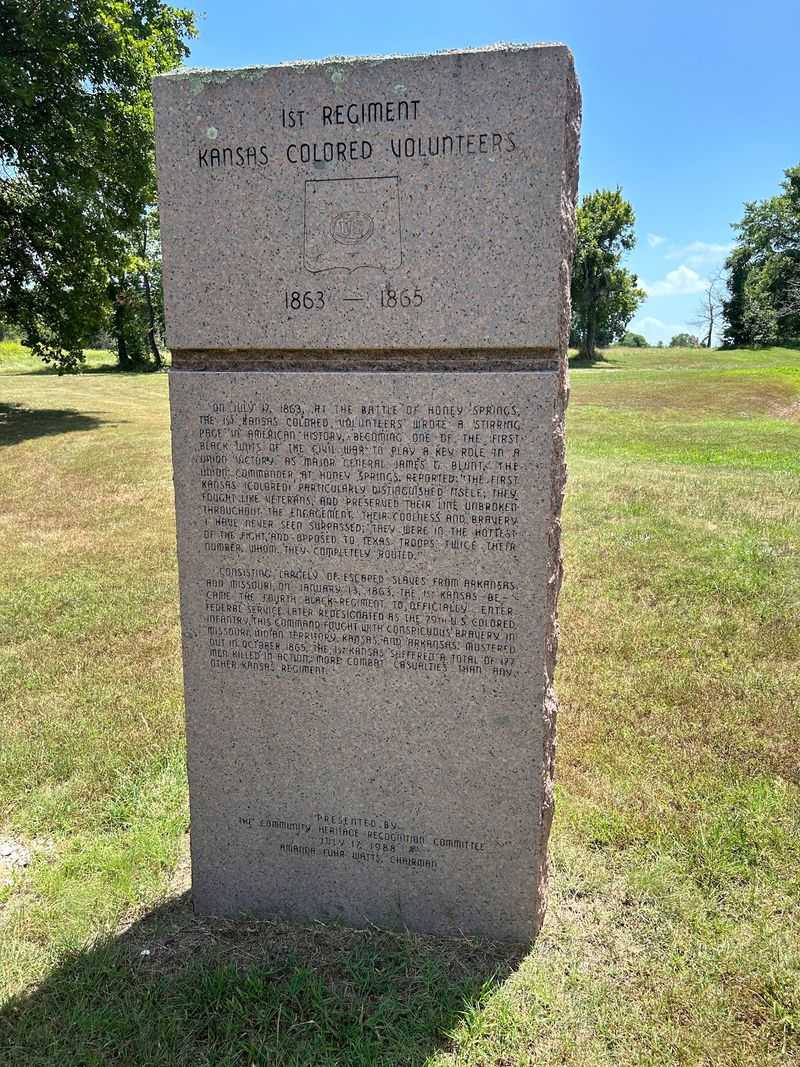
Here is a detail that surprises many first-time guests. At Honey Springs, Black troops fought in greater numbers than the Black troops in the better known South Carolina fighting of that era.
That fact alone earns the site a spot on any list of important Civil War landmarks. Black soldiers served in the Union force and helped secure the victory.
The visitor center gives their experience real attention. The film includes the perspective of the Black soldiers, so their part of the story is told directly rather than as a footnote.
That approach makes the visit meaningful for families. Kids can learn that the Civil War reached Oklahoma and that Black soldiers played a central role in it.
Many people leave having learned history they never knew before. A short drive to Checotah turns into a lesson that stays with them.
Teachers and homeschool families may find this site especially useful. It connects national themes to a place they can actually walk across.
The story of these regiments is one Oklahoma can be proud to share.
4. Native Nations on Both Sides of the Line
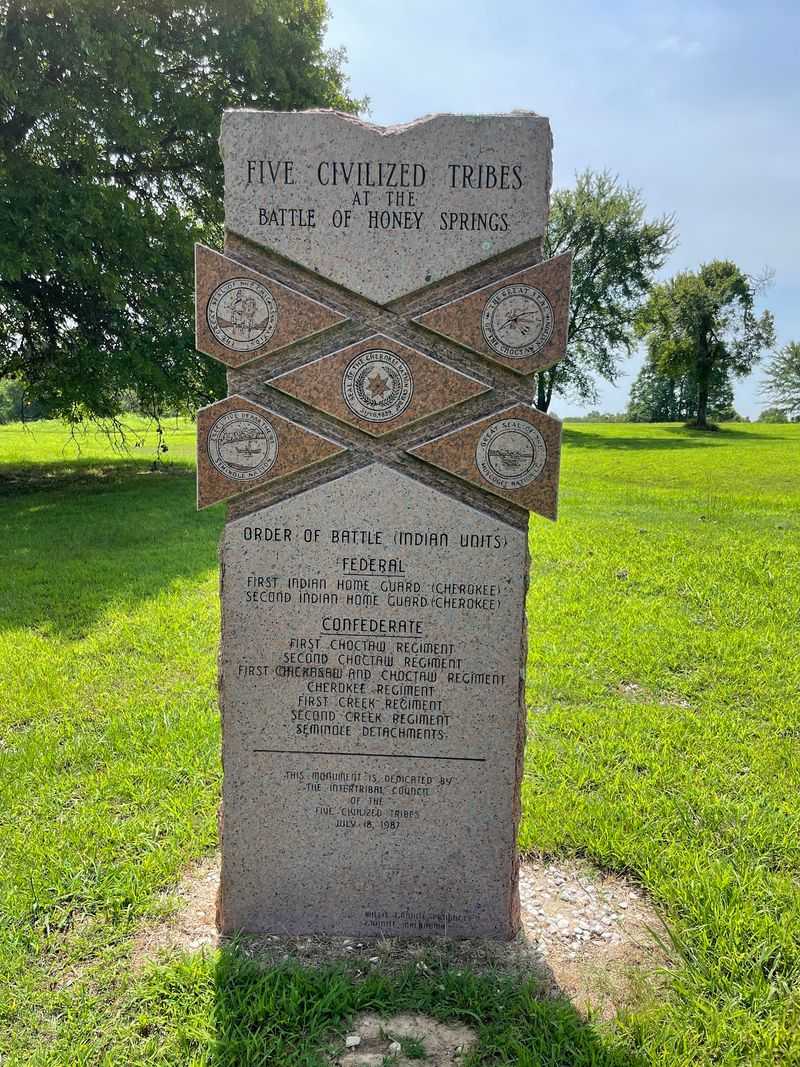
Indian Territory was not a bystander in 1863. Native soldiers fought at Honey Springs, and the site treats their role as a core part of the story.
The battle split loyalties across the region. Native men served with both the Union and Confederate forces, making this one of the most complex chapters in Oklahoma history.
The visitor center film includes the perspective of the Indian soldiers. That viewpoint sits alongside the accounts of the commanders and the Black soldiers, giving a fuller picture of the day.
Many people describe the film as thought provoking for exactly this reason. It does not boil the event down to one side’s version.
For Oklahomans interested in tribal history, the stop pairs well with a broader heritage road trip. It adds a Civil War layer to the stories told at tribal museums around the state.
The topic deserves care, and the exhibits approach it in an informative way. Expect to leave with questions worth exploring further.
Luckily, the visitor center has a place for that too.
5. Three Voices on One Screen
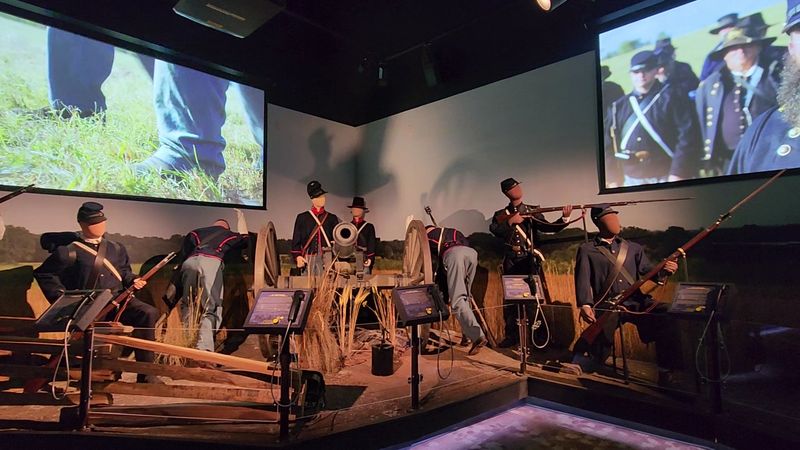
Start with the movie. That is the most common advice for a first trip, and it makes sense.
The visitor center has a theater that shows a film lasting roughly 12 to 15 minutes. It is narrated by the two generals and also brings in the perspectives of the Black soldiers and the Indian soldiers.
The film is coordinated with the exhibits. After it ends, the rooms that follow build on what was just covered, so the whole visit feels connected.
Watching it first gives everyone a shared starting point. Kids get the basics, and adults get enough context to make the battlefield walk much more meaningful.
Many guests call the presentation interesting, insightful, and educational. It explains the conflict clearly without dragging on.
Short runtime is a plus for families with younger children. A quarter hour is about the sweet spot before attention starts to wander.
Consider it the trailer for everything else on the property, minus the popcorn.
6. Uniforms, Artillery, and a Hidden Library
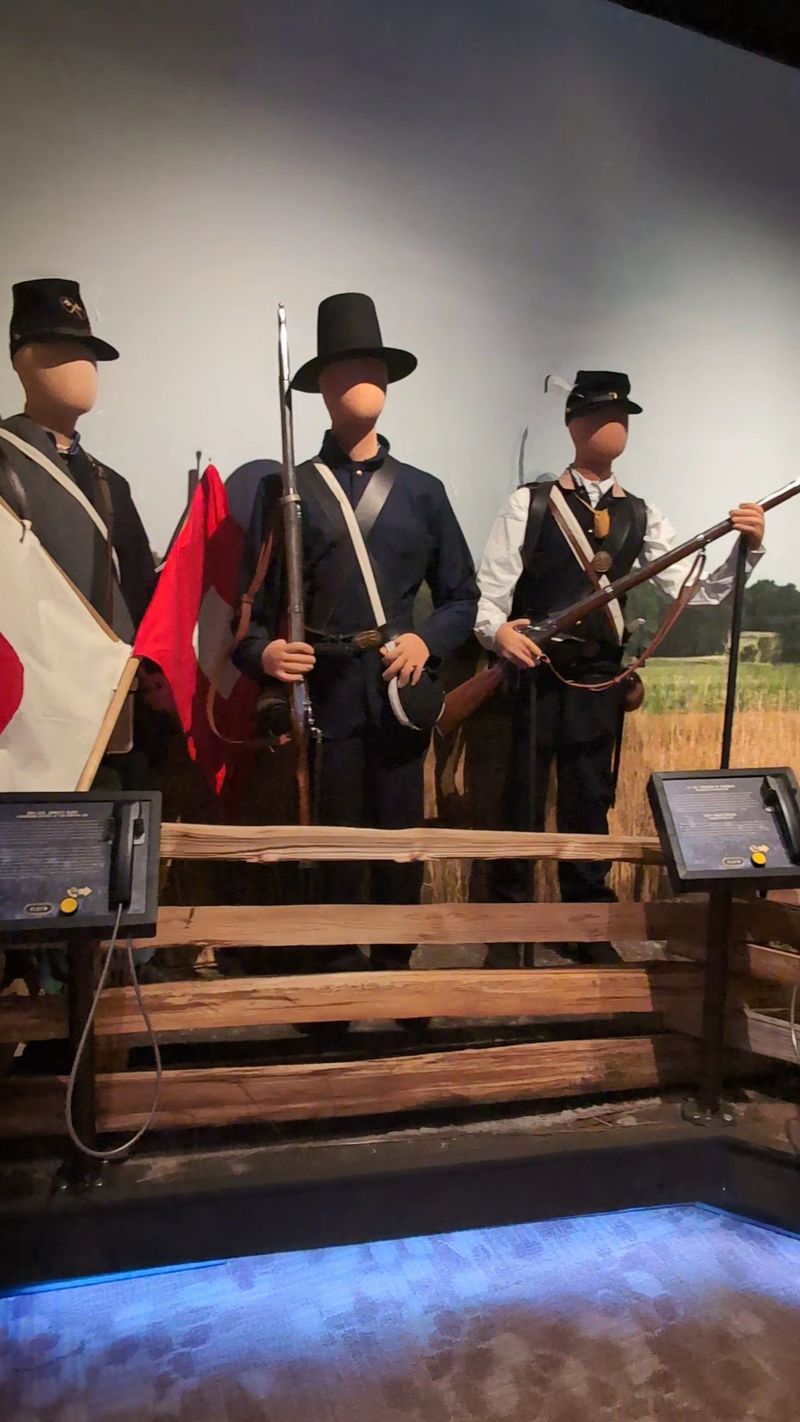
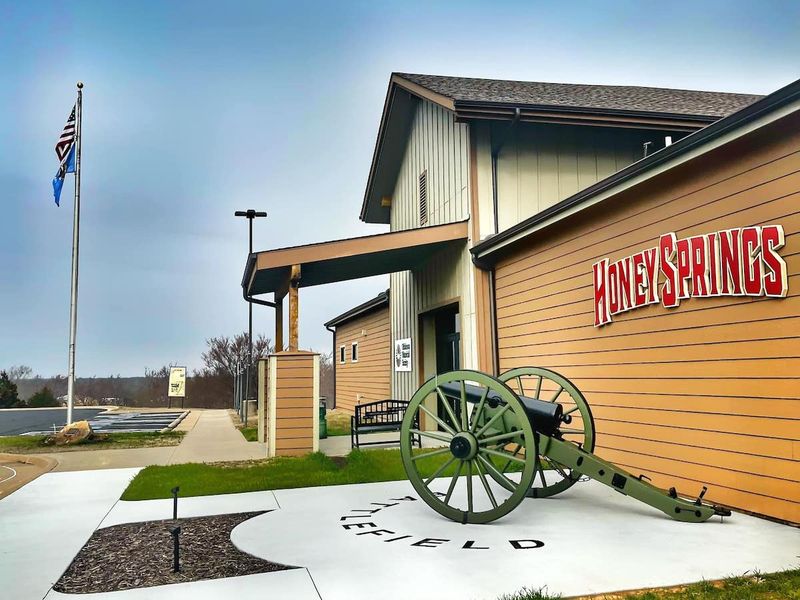
Life-sized mannequins dressed in Union and Confederate uniforms greet guests in the exhibit rooms. Artillery sits right on display alongside them.
Many first-timers are surprised by how much history fits into this space. The museum is small, but it is well kept, clean, and full of informative exhibits.
Several rooms hold different displays, so there is a lot to take in. Plan for time to read rather than rushing through.
One standout feature is easy to miss. The visitor center has a library that is available for research, a bonus for history buffs and genealogy fans.
The staff deserve a mention here too. Friendly faces come up again and again, and the historians on site are open to questions and happy to explain the battle.
Ask about the clearing work or the troop positions, and expect a thoughtful answer. That personal touch turns a quick stop into a real learning session.
Once the exhibits are done, the prairie is waiting outside.
7. Trails Across Untouched Ground
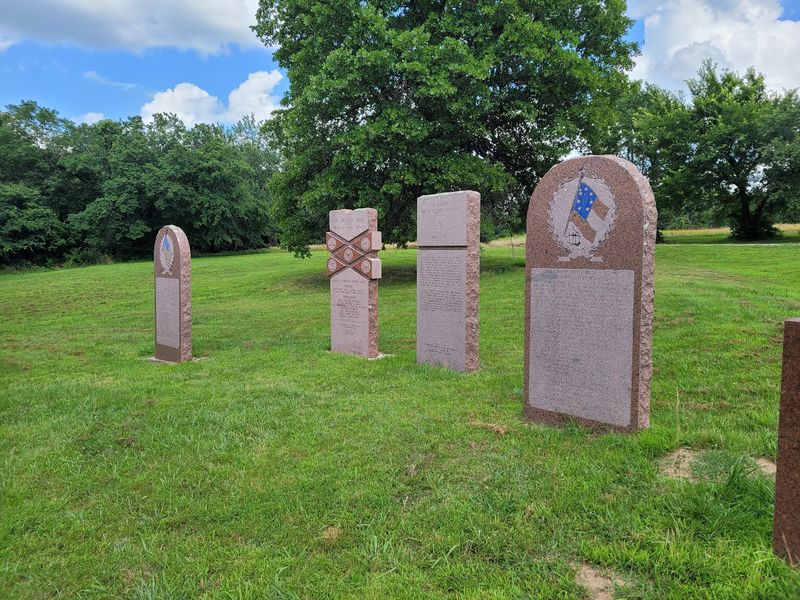
Out on the trails, the battlefield shows how raw the land still is. There are no paved roads crossing it, and that is exactly the point.
Walking trails lead through the grounds, showing where Confederate forces were set up and where the Union attacked from. Granite memorials stand along the way and hold up well.
Elk Creek is a highlight of the walk. The creek was part of the battle landscape and remains a favorite spot on the trails today.
Crews have been clearing underbrush north of the visitor center. The goal is a more realistic view of how the area looked when thousands of men and horses camped there.
Some people describe the grounds as hallowed. It is a calm place for reflection as much as exercise.
Wear sturdy shoes, since the paths are natural rather than paved. Families should be ready for a true outdoor walk, not a sidewalk stroll.
One small detail on those trails needs a heads up, though.
8. The Sign Situation, Honestly
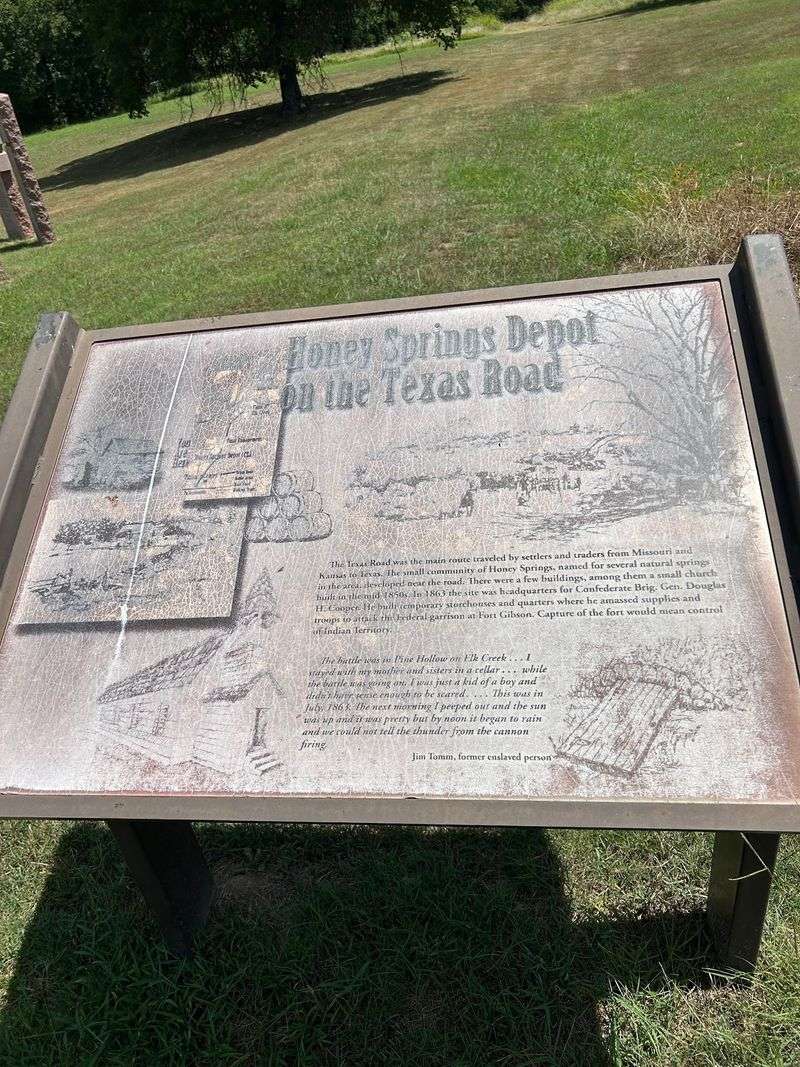
Fair warning for trail walkers. Many of the outdoor interpretive signs have faded and cracked in the sun, and some are hard or impossible to read.
That is the most common complaint about the site. It can make it tricky to picture exactly where troops clashed or where artillery stood.
The good news is that change is underway. The site director has shared that trail signs are being updated and reprinted, along with several larger maintenance and restoration projects.
Those projects may take a few years to finish. Conditions could look different from one visit to the next.
A simple fix helps right now. Watch the film and tour the exhibits before heading outside, so the land makes sense even where the signs fall short.
Asking the staff for a quick orientation also pays off. They can point out what to look for on the walk.
Prepared walkers will get far more out of the ground than a faded panel could offer.
9. Cannon Season Every Other Fall
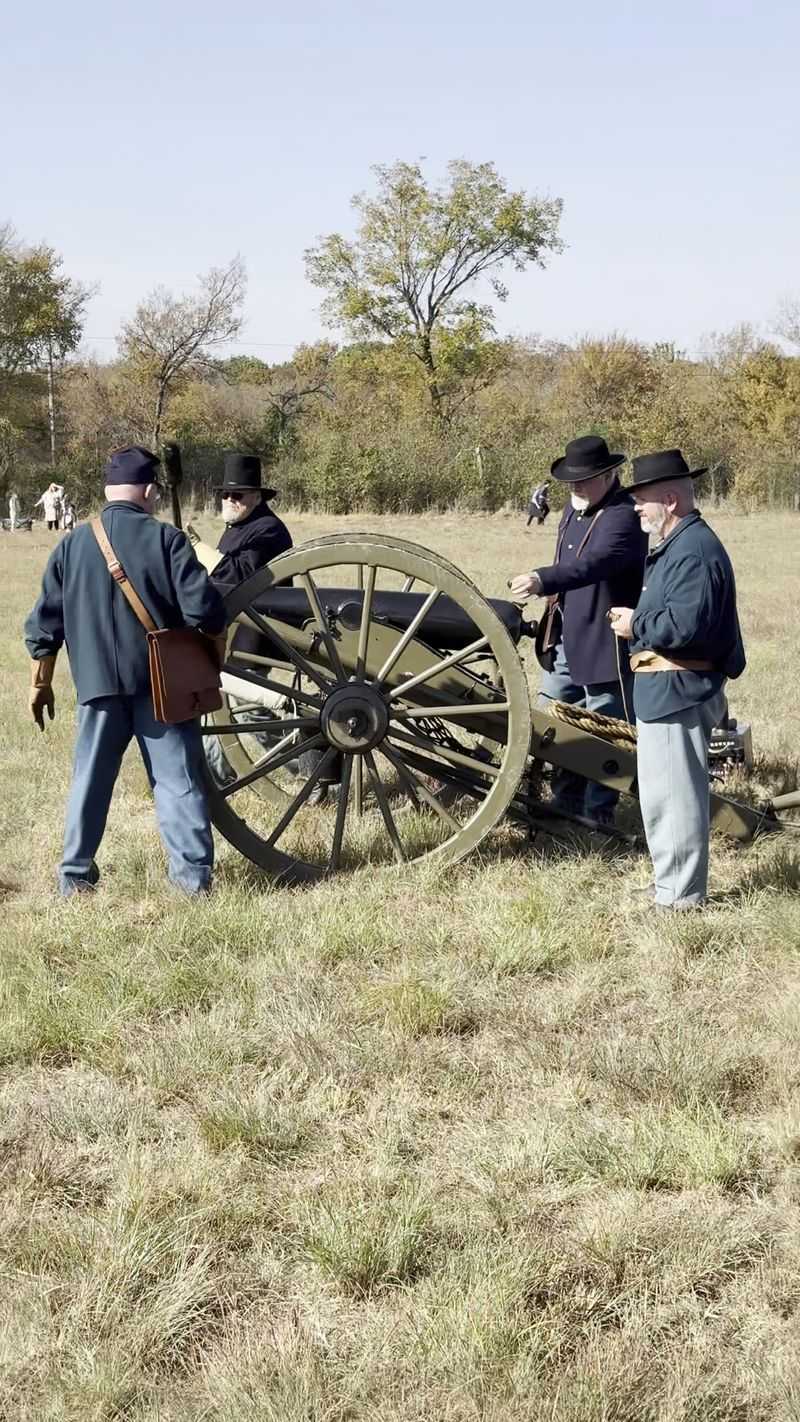
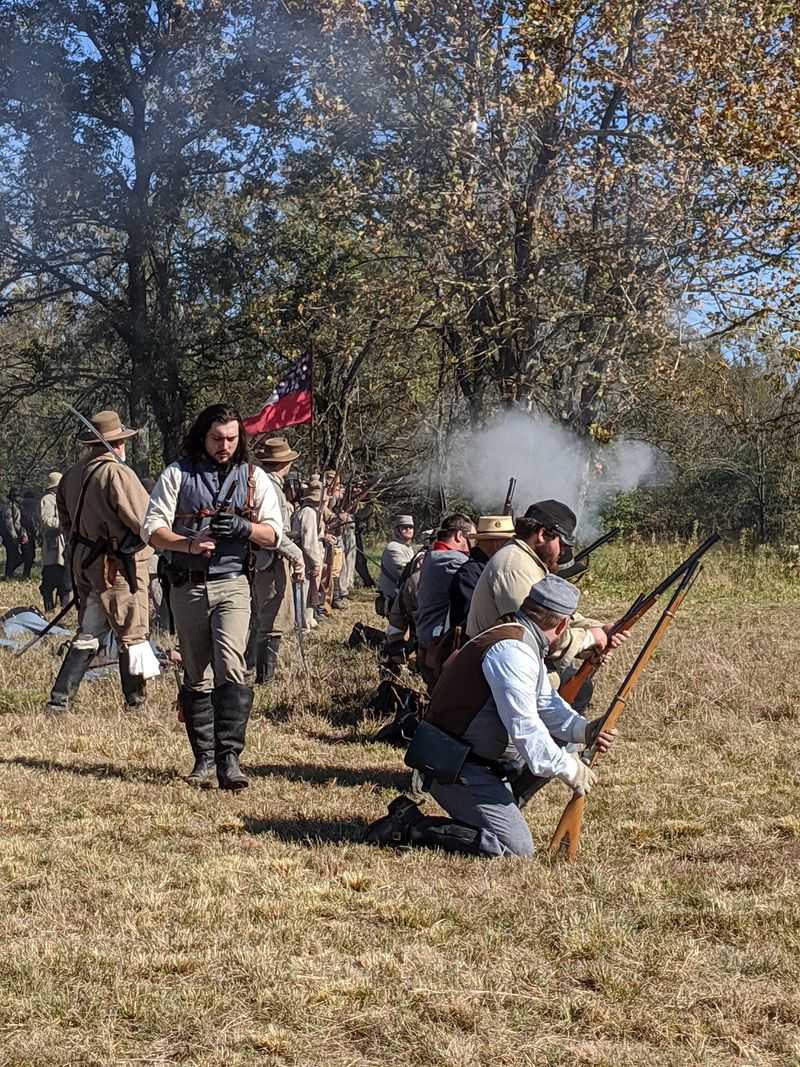
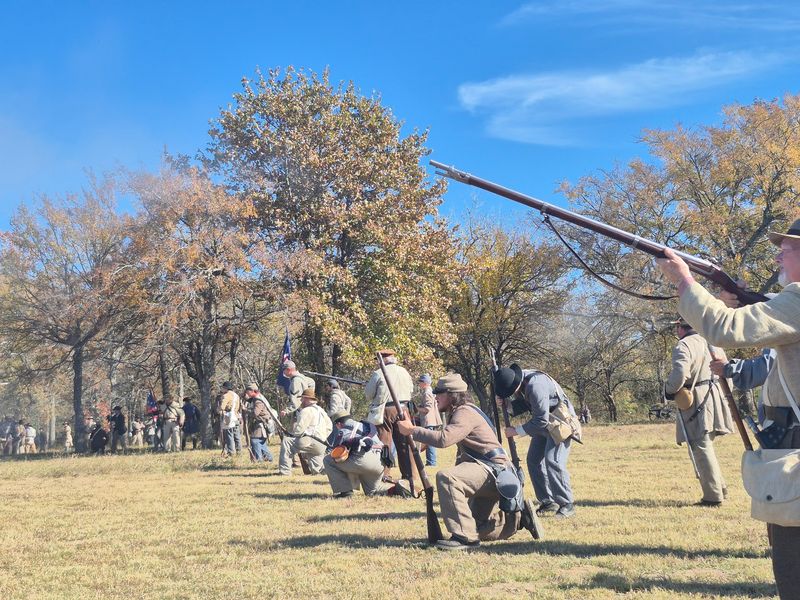
Every odd-numbered year, the prairie comes back to life. Honey Springs hosts a Civil War reenactment, and it is easily the most talked about event at the site.
The reenactment takes place in the fall, with past events held in November. Reenactors stage the battle while an announcer explains the action and the history leading up to it.
Afterward, the actors often answer questions. A campsite set up across a small bridge lets guests wander through and chat once the fighting ends.
Vendors have set up at past events with goods and food for sale. Portable toilets have also been available.
A few tips help a lot. Arrive about half an hour early, bring chairs or a blanket, and expect to stay a while.
Bring hearing protection for children or anyone sensitive to noise, because the cannons are very loud. Parking has been in a pasture across the road, which can get muddy after rain.
Check the official schedule well ahead, since dates are set by the site.
10. Who Will Love This Trip
History lovers are the obvious fans. People who have toured big parks such as Vicksburg or Pea Ridge often appreciate how untouched this site feels by comparison.
Families fit in nicely too. The short film, life-sized displays, and open trails give kids several ways to connect with the story.
Students and teachers will find plenty to work with. The perspectives of Black and Native soldiers make it a strong stop for lessons on Oklahoma and Civil War history.
Road trippers building a multi-stop tour of historic sites can slot it in easily. It is a worthwhile stop for anyone in the area.
Those looking for a big, flashy attraction may find it modest. The museum is small, and the battlefield is simple by design.
That quiet scale suits people who like to read, ask questions, and walk at their own pace. Reenactment years add extra energy for anyone wanting more action.
Up next, the practical details that keep the day smooth.
11. Hours, Tickets, and Smart Directions
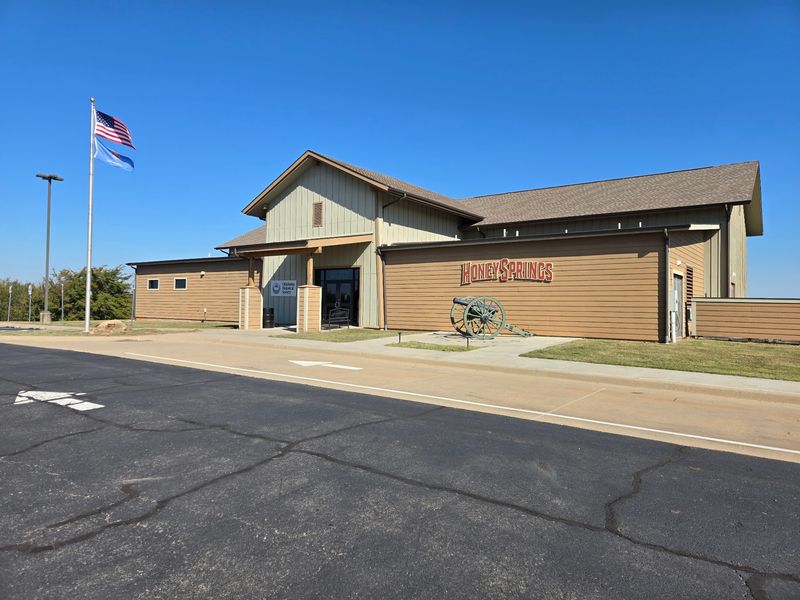
Timing matters here. The visitor center is open Tuesday through Saturday from 9:00 am to 4:30 pm, and it is closed on Sunday and Monday.
Admission has been listed at $7 for adults and $5 for kids ages 6 to 12, with children 5 and under free. Prices and hours may change, so check the Oklahoma Historical Society website before driving.
Occasional closures happen. The site posts updates on its website and social media pages, so a quick look before leaving can save a wasted trip.
Directions deserve attention. Some navigation routes send drivers down about 4 miles of dirt road, so choose directions that include Highway 69 to stay on pavement.
Use the visitor center address listed for the site, since older info pointed people toward the battlefield and an old building instead.
Pack bug spray, because ticks can show up on the trails. Water and good shoes are smart additions too.
A little planning turns a long drive into an easy one.
12. Worth the Drive to Checotah
Oklahoma has plenty of prairie, but very little of it holds a story like this one. Honey Springs packs national history, Black military history, and Native history into one affordable stop.
The visitor center is the clear strength. A well-made film, thoughtful exhibits, a research library, and friendly staff earn steady praise.
The battlefield is a work in progress. Faded signs remain a weak spot, though restoration and new trail markers are on the way.
Even so, the untouched land carries its own power. Walking along Elk Creek on ground where thousands camped and fought is a rare experience in the state.
For families, the value is hard to beat. A few dollars per person buys a morning of learning that sticks.
Go on a weekday or Saturday, or mark the calendar for an odd-year fall reenactment. Either way, the trip proves Oklahoma’s past runs deep.
This quiet prairie has waited more than 160 years to share its story, and it is ready for the next carload of curious guests.
Share this story