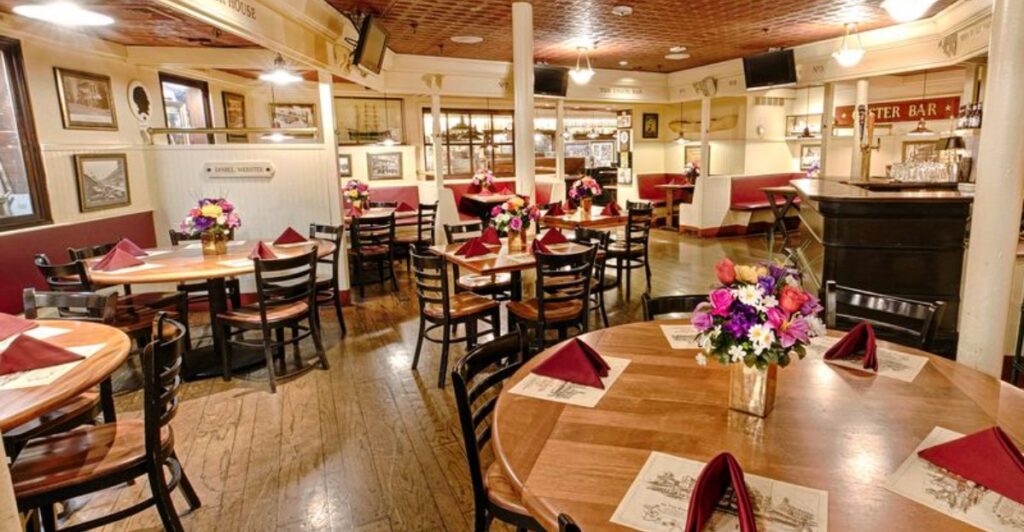
It is not every day that lunch comes with a seat tied to a U.S. president. On Union Street in Boston, Union Oyster House has been serving diners since 1826, with oysters, creamy chowder, and a dining room packed with layers of history.
One of its best-known details is the Kennedy booth, named for John F. Kennedy, who was a regular visitor.
That connection gives an ordinary seafood meal a little extra weight, especially if you take time to look around instead of rushing through the table. For anyone who likes Massachusetts restaurants where the history is almost as memorable as the food, Union Oyster House gives you plenty to notice between bites.
A Massachusetts Landmark Behind an Unassuming Door
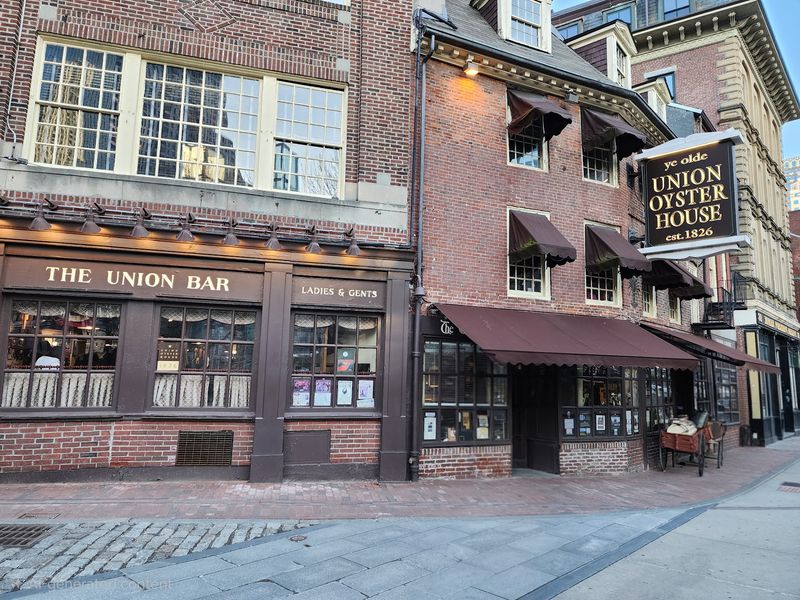
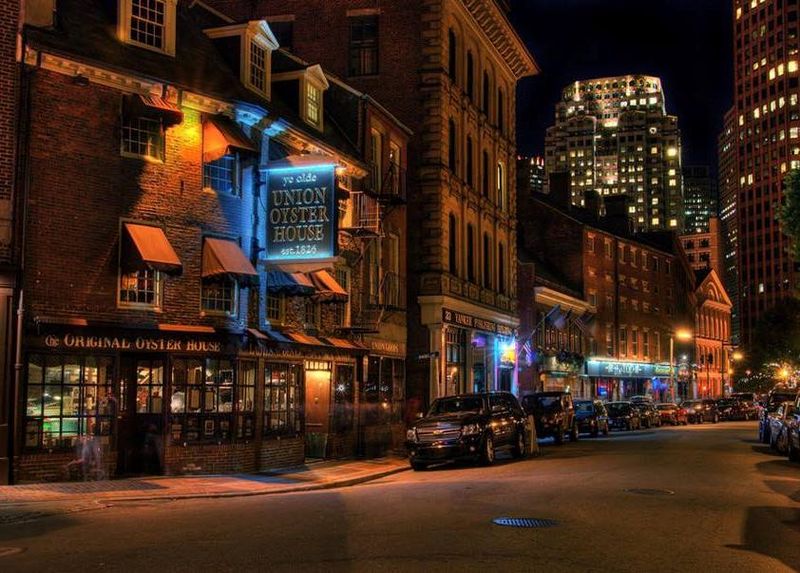
Lunch begins with a little perspective: Union Oyster House was serving customers long before Boston had a subway. The restaurant opened in 1826, placing an everyday seafood meal inside nearly two centuries of dining history.
At 41 Union Street, the historic building gives you a reason to slow down before reaching the door. Its older street setting contrasts with the busy modern city around it, making the entrance part of the experience rather than merely a place to check in.
Inside, wood surfaces, close seating, and rooms filled with historical material replace the clean lines of a new restaurant. Look around before settling into your menu, but keep pathways clear for servers carrying dishes through the dining areas.
Union Oyster House is recognized as a National Historic Landmark. It is also widely described as the oldest continuously operating restaurant in the United States, a distinction about its ongoing restaurant operation rather than the age of every object inside.
That difference helps you appreciate the place without turning every floorboard into a legend. The building predates the restaurant, while its long dining history has continued through changing owners, menus, and generations of customers.
For your first visit, indoor seating gives the strongest connection to that history. Outdoor seating, when offered, provides a different experience, but it cannot show you the same collection of rooms and displays.
Think of the setting as a working historic space, not a silent museum. Orders still need taking, tables still need clearing, and your lunch shares the building with other diners who came hungry.
Give yourself a few minutes to notice the entrance, wall displays, and room layout. Then sit down and let the building return to its original job: feeding you while Boston carries on outside, just beyond the front door on Union Street.
Booth 18 Puts JFK’s Lunch Habit Within Reach
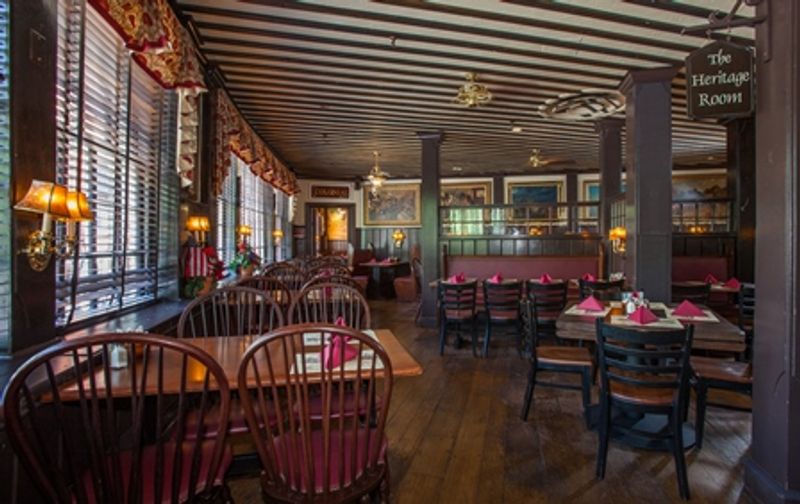
A numbered booth carries the restaurant’s most personal connection to John F. Kennedy.
Upstairs, Booth 18 is associated with the future president, who enjoyed eating at Union Oyster House during his Boston years.
The restaurant preserves that connection through its Kennedy booth and commemorative identification. Rather than presenting JFK only as a figure behind a podium, the setting brings him down to the familiar scale of a lunch table.
Kennedy’s ties to Massachusetts make the story especially fitting here. Before becoming president, he represented the state in Congress, first in the House of Representatives and later in the Senate.
Restaurant histories describe him enjoying the privacy of an upstairs booth. That detail explains the lunch escape in the title: a meal could offer a quieter break from the demands of public life.
Still, avoid treating every detail of an imagined lunch as established fact. The booth connection is the useful historical anchor; a precise order, conversation, or visit date needs its own reliable source.
If sitting there matters to you, ask about Booth 18 when arranging your meal and again when you arrive. A request is not a guarantee, since the table may already be occupied or unavailable.
You can appreciate the connection without claiming the seat yourself. Ask staff whether a quick look is possible, and respect the space of anyone currently eating there.
For families, the booth offers an easy way to make history understandable. A president needed lunch too, and a restaurant table can make that simple truth clearer than a long list of political dates.
Keep photographs brief and follow any staff guidance about moving upstairs. The most interesting detail is not a grand monument or a velvet rope, but an ordinary place to sit, marked with a name that changed American history during the twentieth century.
Pull Up to the Oyster Bar for the Main Event
Shells, hands, and a short oyster knife give the counter its own quiet show. At the oyster bar, the restaurant’s name becomes a working description rather than a historical label on the door.
Bar seating puts you close to the preparation, with oysters opened nearby instead of arriving from somewhere out of sight. Watching the careful motion adds interest to a meal without requiring a long explanation.
If oysters are new to you, start with a modest order. Ask which varieties are available and how their flavors differ, since the selection can change with supply and season.
A good first approach is to taste one without covering it in sauce. Then add a little lemon or another offered topping to the next, comparing the difference instead of dressing every shell the same way.
Oysters can taste briny, mild, or slightly sweet depending on where they were grown. Those differences are more useful to explore than assuming every oyster should deliver one fixed flavor.
Raw shellfish is not suitable for everyone. If you are pregnant, have a weakened immune system, or have another health concern, choose thoroughly cooked seafood and seek medical guidance about raw oysters.
The counter suits a small party that wants a focused lunch. Larger groups or anyone needing more room may be happier asking for a regular table, where conversation and multiple plates are easier to manage.
Seats at the oyster bar are limited, so do not build your entire schedule around getting one immediately. Tell the host your preference, then decide whether waiting fits the rest of your day.
A cup of chowder beside a small oyster order makes a manageable introduction to the restaurant. You get warm and cold, spoon and shell, with the shucking station providing the movement right across the counter during your lunch break.
Build Lunch Around Chowder, Not a Food Marathon
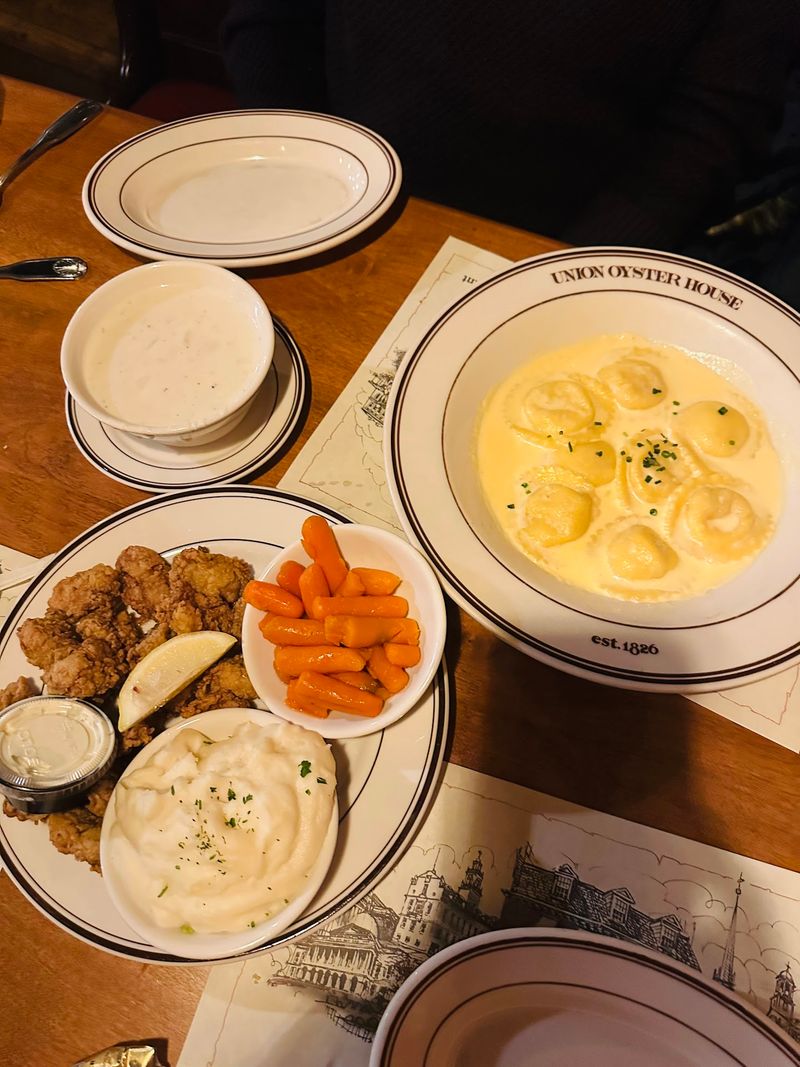
A warm cup of clam chowder is an easy place to begin when the menu threatens to turn lunch into a major project. Union Oyster House serves the creamy New England style, putting a regional staple at the center of the meal.
Chowder also gives you flexibility. Choose a cup if you plan to order more seafood, or consider a bowl if you want soup to carry more of the lunch.
Cornbread adds a different texture beside the creamy soup. Ask what comes with your order rather than assuming every meal includes the same extras, since service details and menu offerings can change.
For a bigger meal, the lobster roll is a familiar Boston choice. Confirm the current preparation before ordering, especially if you prefer warm butter to a chilled dressing or have strong opinions about either.
Fish and chips offers another straightforward route, with crisp coating and a substantial plate. Baked clams, shrimp cocktail, and crab cakes can help you build a smaller meal from appetizers instead of choosing a full entree.
Sharing works best when everyone agrees on the plan before ordering. A couple of starters followed by one main dish each can prevent the table from filling with more food than anyone actually wants.
Seafood prices deserve a careful look, particularly for lobster dishes. Check listed prices and ask about anything marked by market price before committing, so the bill does not become the day’s surprise.
If someone in your group avoids seafood, ask about current alternatives. Mention allergies clearly and early, especially because shellfish is central to this kitchen and cross contact may be a concern.
Leave dessert as a decision for later rather than a promise made while hungry. Boston cream pie provides a local finish when available, but a satisfying lunch does not require ordering every famous dish.
The Walls Tell Stories Beyond the Kennedy Booth
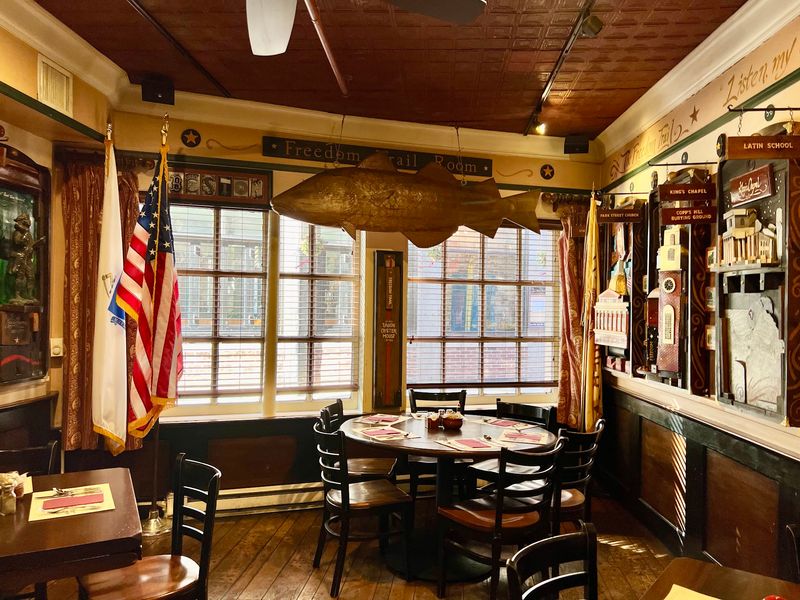
Put the menu down for a moment, and the walls offer a second kind of reading. Historical displays and memorabilia spread the restaurant’s story beyond its famous presidential table.
The building was already old when the restaurant opened in 1826. Earlier uses connect the address to Boston’s commercial life, reminding you that its history did not begin with a plate of oysters.
One notable connection is Isaiah Thomas, whose newspaper, The Massachusetts Spy, was published in the building before the American Revolution. That places the address within Boston’s print history as well as its food history.
Daniel Webster is another name tied to the restaurant’s past. Accounts of his visits describe him enjoying oysters at the bar, giving that working counter a historical connection separate from Kennedy’s upstairs booth.
These stories cover very different periods. Keeping the dates separate makes the building easier to understand than treating every famous name as part of one crowded afternoon.
Look for labels and plaques that explain what you are seeing. An identified photograph or document tells you more than a quick assumption based on an old frame or an aged surface.
Staff may be able to point out a detail you would otherwise miss. Ask when service allows, and keep the question specific rather than expecting a full guided tour during a busy meal.
Children can turn the displays into a simple search for names, dates, and objects. Have them find something older than their grandparents, then connect it to the restaurant’s long stretch of daily service.
Take photographs only where permitted, and avoid leaning over occupied tables to capture a display. A dining room remains shared space even when its walls deserve close attention.
Before leaving, choose one historical detail to examine carefully. Reading a single plaque beats collecting ten hurried photographs that explain very little once you get home.
An Early Lunch Makes the Logistics Easier
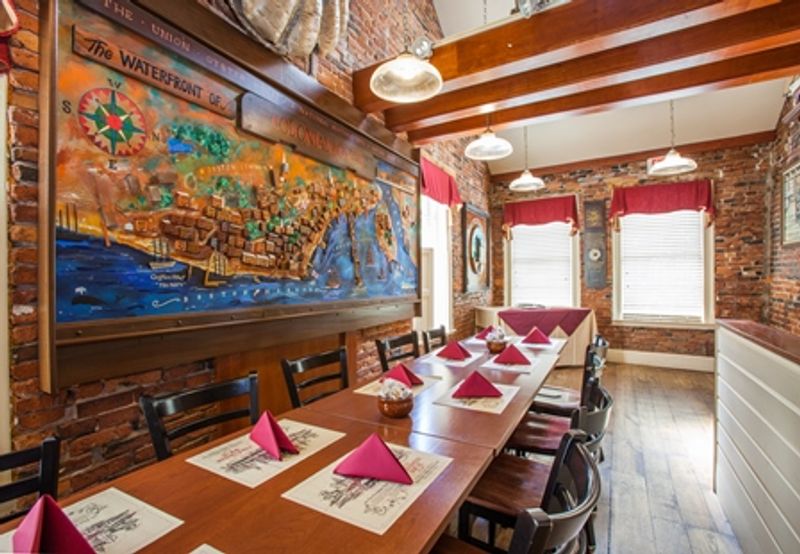
Eleven o’clock can be a useful starting point for your visit. The supplied operating hours list Union Oyster House opening at 11 AM daily, which gives you an early lunch option before the usual midday rush.
Arriving near opening may improve your chances of a shorter wait, but it does not guarantee immediate seating. Reservations, group arrivals, and seasonal travel patterns can change how quickly the dining rooms fill.
According to the listed schedule, closing time is 9 PM Sunday through Thursday and 10 PM Friday and Saturday. Confirm current hours before traveling, especially around holidays or when planning a late meal.
For a specific booth or a larger group, arrange the visit ahead of time when possible. Explain any seating needs clearly, including whether stairs, tight spaces, or counter seating would create a problem.
The historic layout deserves extra consideration if you use a mobility aid. Ask about accessible entry, available dining areas, and restroom access rather than assuming every part of the old building works equally well.
Driving directly to the door is not the simplest plan in this part of Boston. Parking can take time and add expense, so compare nearby garage options with public transit before setting out.
Keep the full address handy: 41 Union Street, Boston, MA 02108. Using the exact street address helps avoid confusion when navigating through the compact streets around the restaurant.
Allow room in your schedule for ordering, eating, and looking at the historical details. Trying to squeeze all three into a narrow gap can turn a relaxed lunch into constant clock checking.
If there is a wait, get a realistic estimate before wandering away. Follow the host’s instructions for being called back, and keep your whole party ready when the table becomes available so seating can proceed without another avoidable delay at the door.
The Best Souvenir Is Understanding the Place
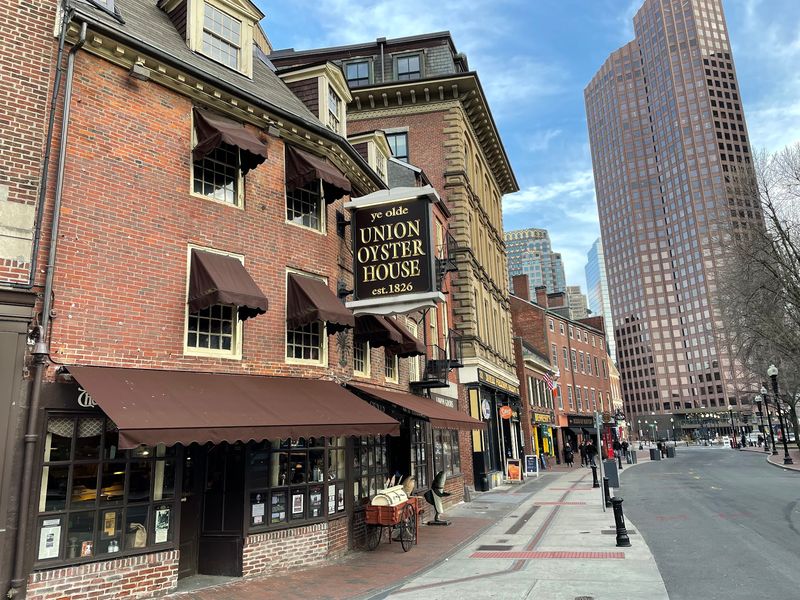
You do not need a presidential booth or a towering lobster platter to have a rewarding lunch here. The strongest visit comes from matching your order, seat, and expectations to the restaurant you actually came to see.
Union Oyster House is a busy seafood restaurant with a significant past. Expect active service and other diners, not a private historical tour or a perfectly quiet room arranged around your photographs.
Its appeal rests on a rare combination: a long running dining business, a recognizable New England menu, and a direct connection to JFK’s Boston life. Each part contributes something different to the meal.
The food gives you a reason to sit down. The preserved setting gives you a reason to look up, while the Kennedy booth supplies a specific human story rather than a vague claim that famous people once visited.
That does not mean every dish must become your favorite version in Boston. Choose what interests you, consider the price, and judge the meal on its own terms rather than expecting its age to answer every question.
For a brief visit, oysters and chowder can provide a clear introduction. For a longer one, a dining room table leaves space for a full lunch and a closer look at the surrounding displays.
Keep one practical priority in mind before arriving. It might be seeing Booth 18, trying oysters at the counter, finding comfortable seating, or keeping lunch within a set budget.
Let the rest remain flexible. A different table or a smaller order can still give you access to the building’s story without forcing the day around one unavailable seat.
As you leave, the useful takeaway is concrete: Kennedy’s lunch escape was a functioning restaurant, and it still is. Behind the landmark status sits the same basic invitation to pull up a chair and eat.
📍 41 Union St, Boston, MA 02108
📞 +1 617-227-2750