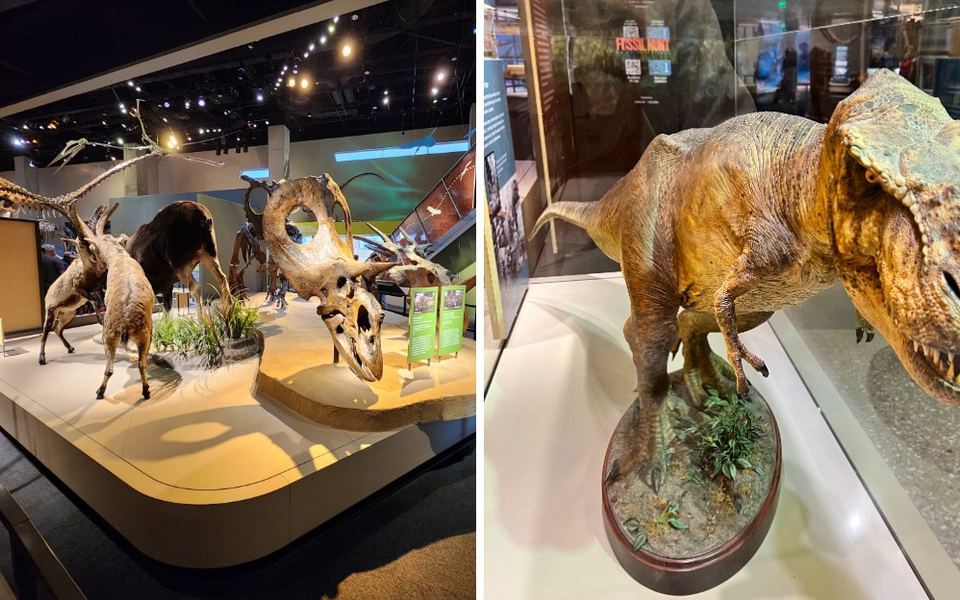
One of Texas’ most exciting museums turns an ordinary family outing into an unforgettable adventure. Located in the heart of Dallas, the Perot Museum of Nature and Science is packed with fascinating exhibits, hands-on activities, and incredible discoveries that make learning feel like pure fun.
The excitement begins before you even reach the exhibits. A glass-enclosed escalator carries visitors along the outside of the building, offering sweeping views of Dallas. Inside, towering dinosaur skeletons, dazzling gemstones, and interactive science displays invite visitors of all ages to explore something new around every corner.
Kids can test their speed against a virtual T. rex, experience the rumble of an earthquake simulator, and try their hand at engineering challenges. Younger visitors have their own dedicated play area, while older children and adults can explore everything from prehistoric creatures to the science behind everyday life.
With five floors of exhibits and plenty of opportunities to learn through play, the Perot Museum offers something for the whole family. Whether you’re raising a future scientist or simply looking for an exciting day out in Texas, this Dallas attraction deserves a spot on your must-visit list.
1. Ride Up The Outside Of The Building Before The Fun Even Starts
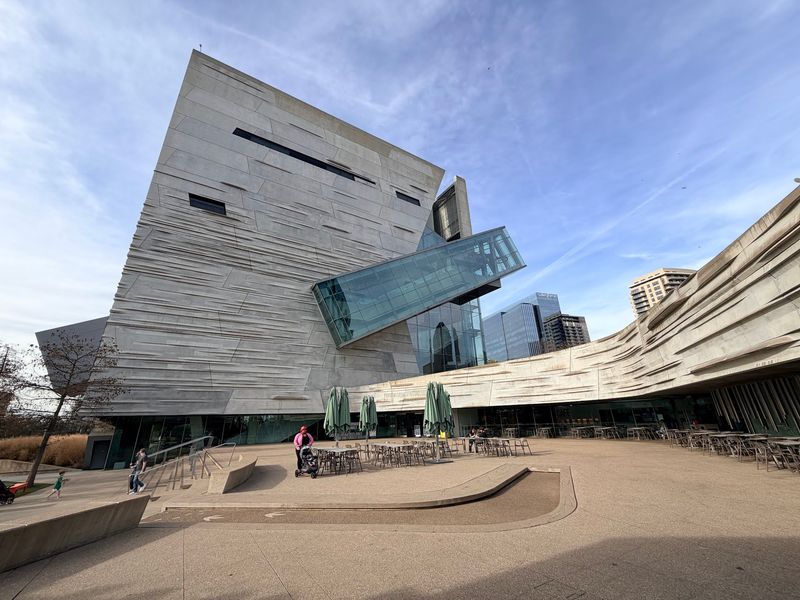
Most museums start with a lobby and a map. The Perot Museum of Nature and Science starts with a ride. Its glass-enclosed escalator juts out from the building and climbs toward the top floor.
Fans have nicknamed it the Rex-scalator, and that name fits. It drops you off near the dinosaurs, so the adventure begins with a bang. Kids get skyline views of Dallas on the way up.
The building itself is a showpiece. It was designed by architect Thom Mayne and his firm Morphosis. The museum opened in December 2012 in the Victory Park area of Dallas.
The outside looks like a giant stone cube rising from the ground. Its textured walls were inspired by layers of rock. The surrounding grounds include native Texas plants, which connects the building to nature.
Here’s a smart plan for your visit. Start at the top and work your way down floor by floor. Gravity does some of the work, and little legs will thank you later.
Bring your camera for the escalator ride. That view looks great in photos, and kids love pressing their faces to the glass.
2. Dinosaur Fans Will Lose Their Minds On The Fourth Floor
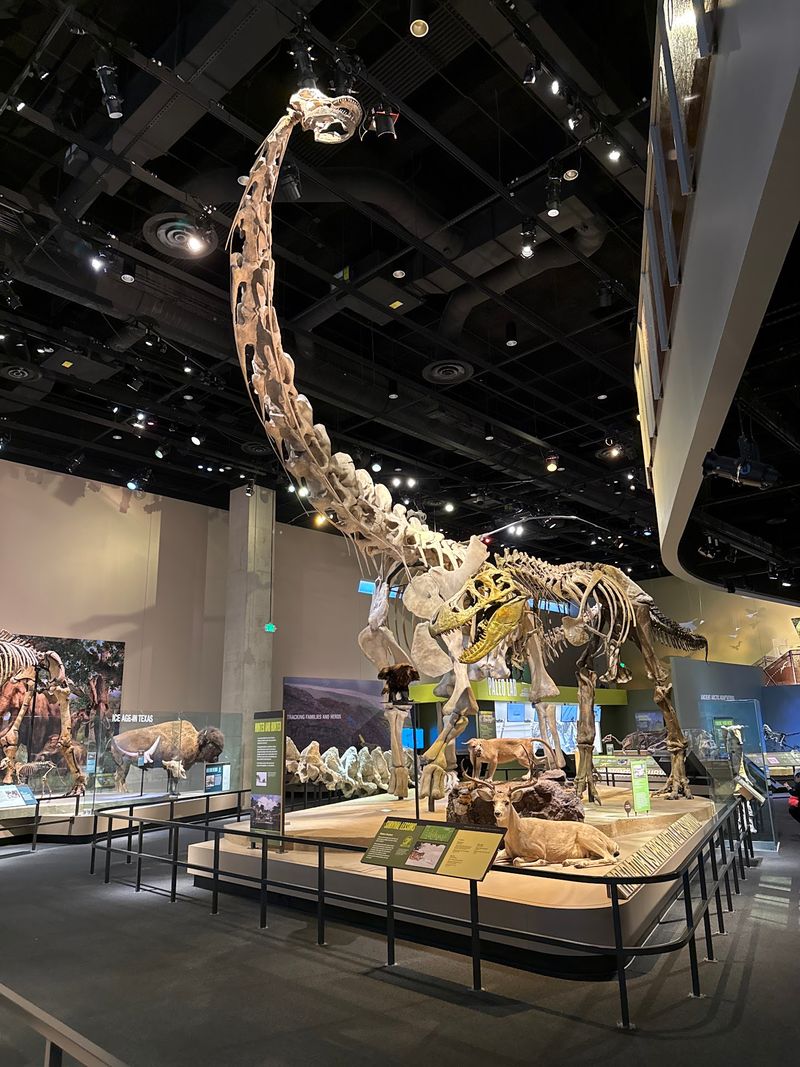
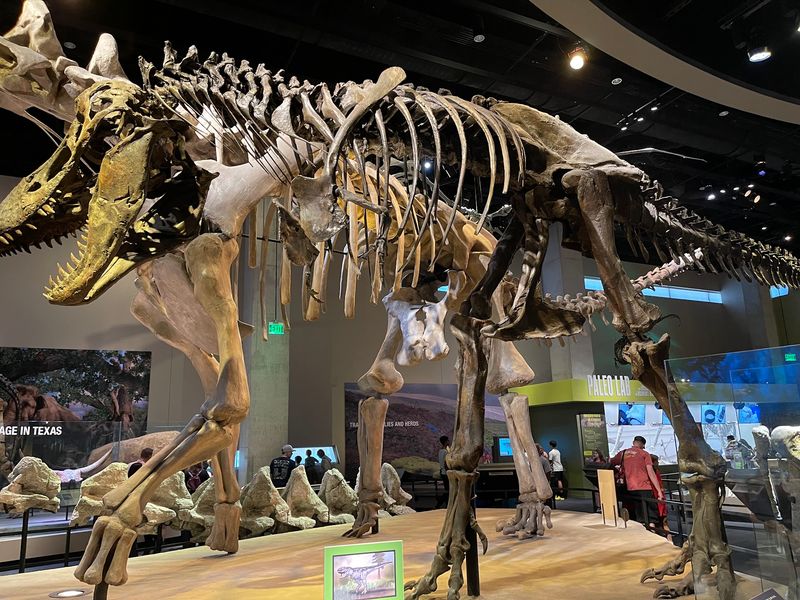
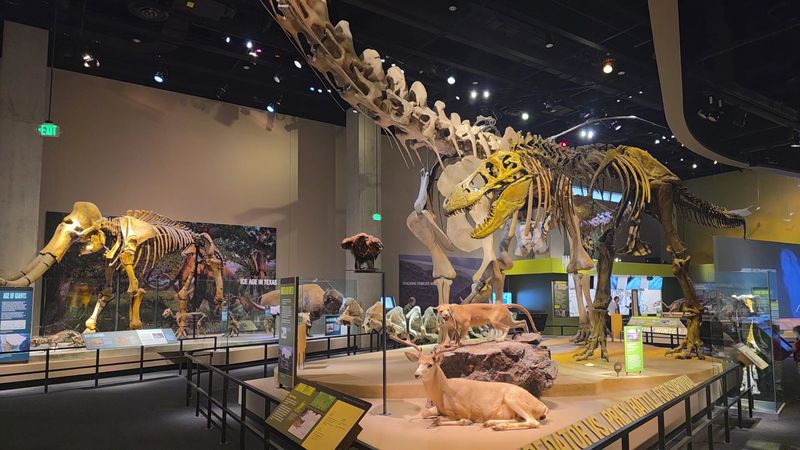
Big bones rule the top floor. The T. Boone Pickens Life Then and Now Hall is packed with dinosaur skeletons.
Some stretch so tall that kids have to tilt their heads way back.
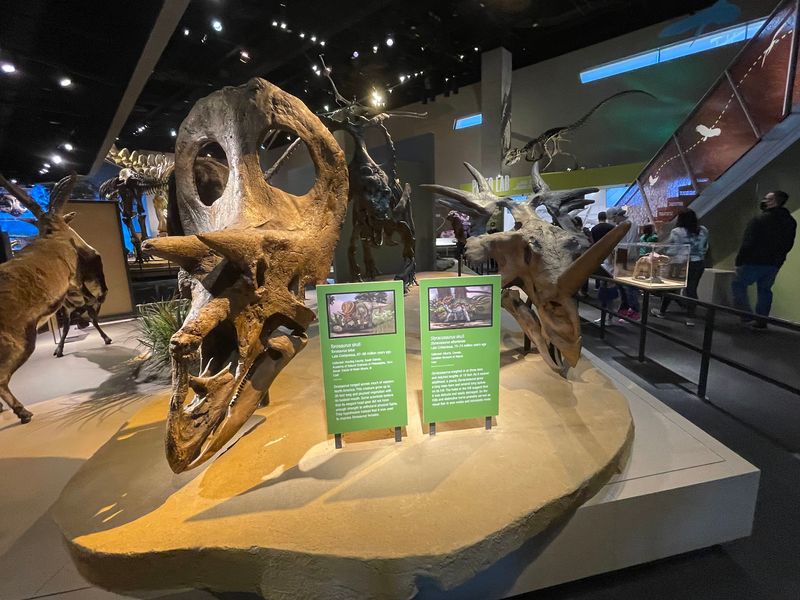
A huge long-necked sauropod skeleton is one of the stars. There’s also a Tyrannosaurus rex to stare down. Many of the fossils connect to dinosaurs that lived in Texas and nearby regions.
One standout is Alamosaurus, a giant plant-eater found in Texas. Another is Malawisaurus, a long-necked dinosaur from Africa. The hall shows how life on Earth changed over millions of years.
Kids who love paleontology get a real treat here. A working fossil lab lets visitors watch staff clean bones out of rock. It’s science happening right in front of you, not just behind glass.
Little scientists might ask a hundred questions here. That’s actually the whole point. Encourage them to compare sizes, teeth, and claws as they walk.
Fun fact: Pachyrhinosaurus perotorum, a horned dinosaur found in Alaska, was named after the Perot family. Ask your kids to try saying that name three times fast.
3. Sparkly Gems Make Everyone Stop And Stare
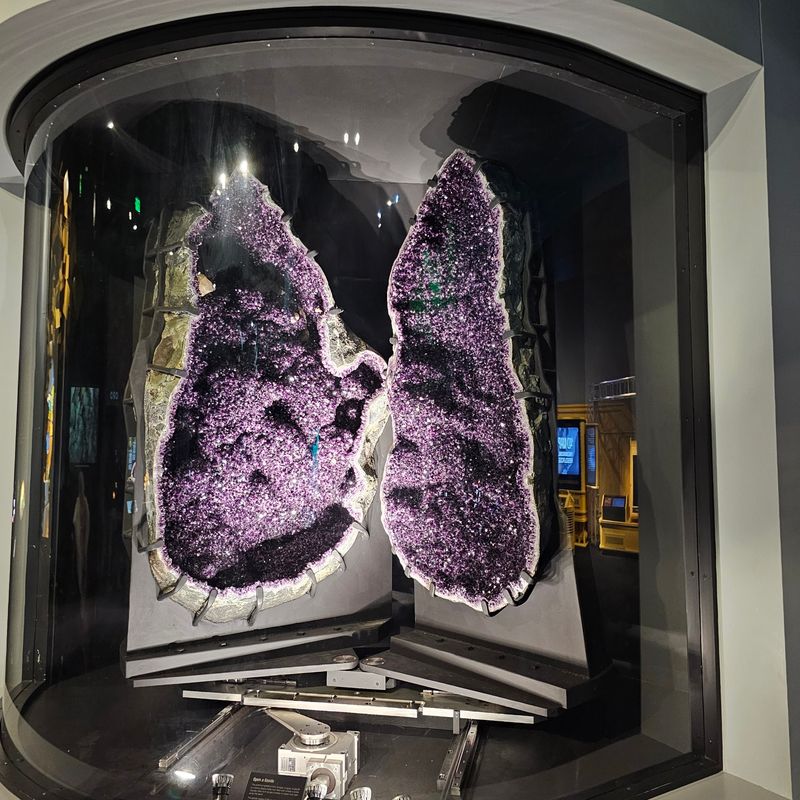
Darkness and sparkle make a fun combo. The Lyda Hill Gems and Minerals Hall uses dim lighting so every crystal really pops. Even kids who usually rush past displays tend to slow down here.
The cases hold colorful minerals from around the world. Some look like frozen fireworks, while others look like candy. Kids can play a game of naming their favorite color.
Geodes are a big highlight. These plain-looking rocks open up to reveal crystal centers inside. It’s a great lesson that the coolest stuff is sometimes hidden.
Adults often enjoy this hall just as much as kids. The displays feel calm and beautiful after the busy dinosaur floor. It’s a nice spot to catch your breath before heading on.
Here’s a tip for families. Ask kids to pick one gem and find out where it came from. Little challenges like that turn looking into learning.
Many minerals connect to everyday life too. Some help make phones, paint, and even toothpaste. Kids might never look at a rock the same way again after this stop.
4. Can Your Kid Outrun A T. Rex?
Racing a dinosaur sounds silly until you try it. In the Sports Hall, kids can sprint along a track against virtual racers. The lineup includes famous athletes and even a T. rex.
Reaction time games test how fast your brain and body work together. Parents often get pulled into the competition. Expect some friendly trash talk in the family.
The Sports Hall shows the science behind moving, jumping, and throwing. Kids learn about speed, balance, and energy without feeling like they’re in class. It’s sneaky learning at its best.
This area is also great for kids with tons of energy. Running in a museum is usually a no-no. Here, it’s basically required.
Wear comfy shoes for this one. Sneakers make those races a lot more fun. Sandals and sprinting don’t mix well.
Families with mixed ages will like how everyone can play together. Toddlers can cheer while older siblings go for records. And Mom or Dad might discover they’re slower than a cartoon dinosaur, which is honestly great entertainment.
5. Feel The Ground Shake In The Earth Science Hall
Earthquakes don’t happen much in Dallas, but you can still feel one here. The earthquake simulator lets visitors stand on a platform as it shakes. Kids usually giggle, grab a rail, and ask to go again.
This experience lives in the Earth science area of the museum. It explains how our planet moves and changes. Topics include rocks, weather, and the forces under our feet.
The museum also covers weather in fun ways. Texas sees wild storms, so the subject feels real for local kids. Learning why the sky acts up can make thunder less scary.
Hands-on displays help explain big ideas simply. Kids push, turn, and test things to see what happens. That kind of play makes science stick.
A quick heads-up for parents of very young kids. Some little ones may feel nervous on the shaking platform. Let them watch first, then decide if they want a turn.
After the shake, talk about safety at home. Ask kids what they would do during a storm or quake. It’s a cool way to turn a museum thrill into a real-life lesson.
6. Future Engineers Get To Build, Test, And Try Again
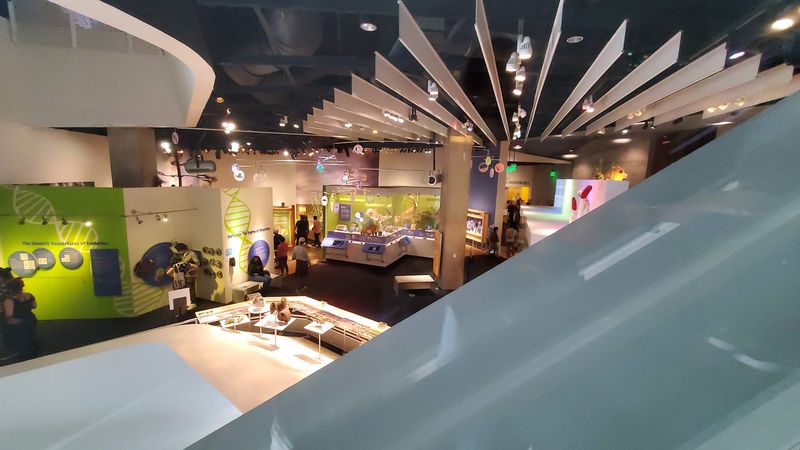
Building something and watching it work feels amazing. The Texas Instruments Engineering and Innovation Hall gives kids that thrill over and over. They can design, test, and tweak their own creations.
Robots and machines help explain how engineers solve problems. Kids see that failing is part of the process. Every collapse is just a clue for the next try.
Activities are hands-on, which keeps restless kids busy. There’s very little standing around and reading here. Fingers stay moving the whole time.
The Perot Museum of Nature and Science also has a space and energy focus nearby. The Energy Hall explores how power is made, which matters a lot in Texas. Oil, gas, wind, and solar all get attention.
Parents might find themselves just as hooked as their kids. Design challenges are hard to walk away from. You may hear yourself saying, one more try, please.
A good tip is to let kids lead in this hall. Resist fixing their projects for them. They’ll feel proud when their own idea finally works, and that pride lasts long after the drive home.
7. Little Explorers Have A Whole Museum Of Their Own Downstairs
Tiny visitors deserve big fun too. The Moody Family Children’s Museum sits on the lower level of the Perot Museum. It’s designed for kids five and under.
Young children can splash, climb, and pretend in safe spaces. Activities focus on early learning through play. Toddlers explore science without even knowing it.
Parents of babies and preschoolers will love having this spot. Bigger halls can feel overwhelming for small kids. Down here, everything is sized just right for little hands.
The area is popular, so timing matters. Visiting earlier in the day can help. Weekday mornings are often a smart choice for families with toddlers.
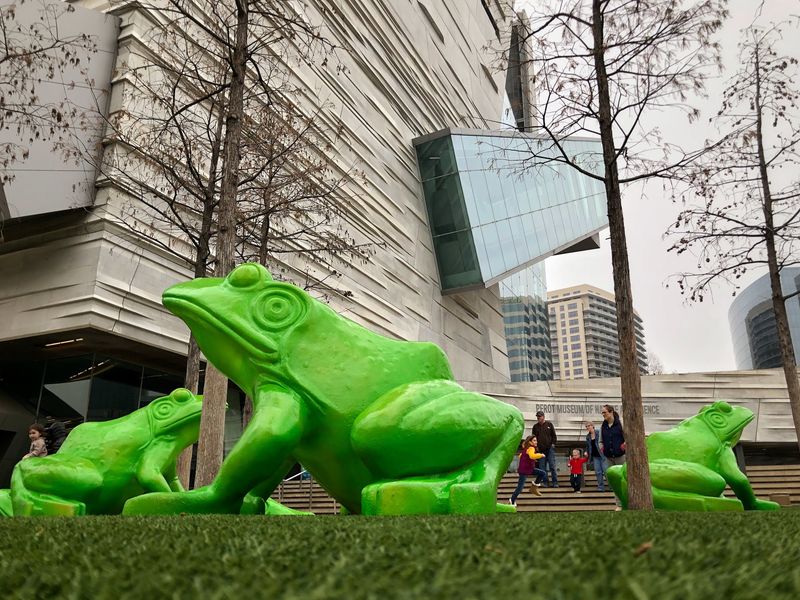
Outside, the museum also has spaces for play and nature. Water features near the entrance can get kids wet on warm days. Packing a towel and a spare outfit is a smart move.
Plan for breaks as you go. Snacks and a short rest help small kids last longer. A happy toddler means a happy day, and an extra hour of fun before the meltdown hits.
8. You Will Want A Plan Before You Head To Victory Park
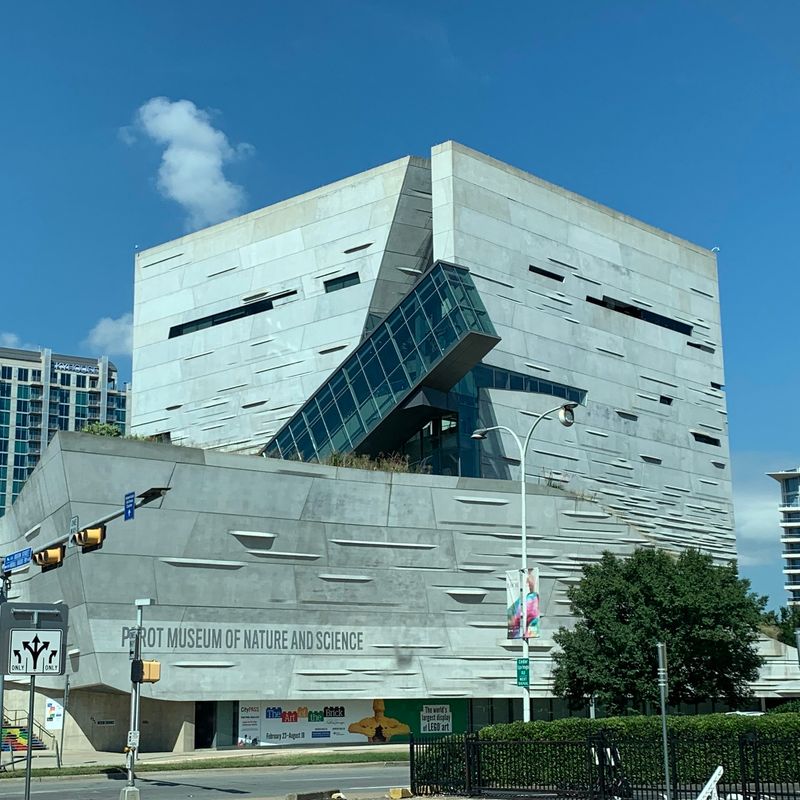
Good planning saves a lot of stress. The museum sits at 2201 N Field St, Dallas, TX 75201. It’s close to downtown and the Dallas Arts District.
The museum is generally closed on Tuesdays, although special holiday schedules include additional Tuesday openings. Most days it opens at 10 a.m., while Sunday starts at 11 a.m. Closing time is 5 p.m. every open day.
Buying tickets online ahead of time can help you skip some lines. Members get extra perks and can visit more often. If your family loves science, a membership might pay off fast.
Parking is available near the museum. Construction in the area may change entrances, so check before you go. A quick look at the museum’s directions page can save you a wrong turn.
The museum has five floors, so pace yourself. Elevators help families with strollers. Starting early gives you more time to see everything without rushing.
Food is available at the museum cafe. You can grab a snack or meal and get back to exploring. Fueling up keeps everyone cheerful, especially if you plan to stay all day in this Texas favorite.
9. Rotating Exhibits Keep Every Return Trip Feeling Fresh
A second visit can feel brand new. The Perot Museum of Nature and Science hosts traveling and special exhibits throughout the year. These shows bring new topics that change over time.
Past exhibits have covered everything from Lego builds to sports science. Some special exhibits may require an extra ticket. Check the schedule before your trip so nothing catches you off guard.
The museum also has a theater that shows educational films. Movies give tired feet a break while kids keep learning. It’s a nice reset in the middle of a long day.
Events for families pop up often too. The museum offers camps, school programs, and special nights. Some events are just for adults, which is a fun twist.
Families who live in Texas can easily make this a regular outing. Each trip can focus on a different floor. That way, nobody feels rushed or worn out.
Before leaving, swing by the gift shop. Science kits, fossils, and space toys can keep the fun going at home. Just don’t be surprised when the kids start planning their next trip before you’ve even reached the car.
Share this story