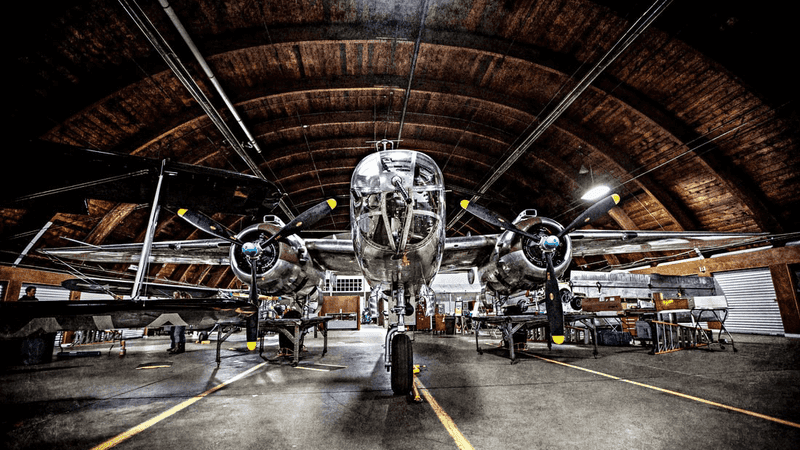
You do not need a callsign to get close to a warbird in South St Paul. The Commemorative Air Force Minnesota Wing puts visitors inside a working hangar filled with vintage aircraft and aviation history.
Its appeal is less about movie-style fighter jets and more about real World War II planes, hands-on preservation, and volunteers who enjoy sharing what they know. For Minnesota history fans and vintage enthusiasts, that makes a pretty good reason to look up from the screen.
A Working Hangar in South St Paul
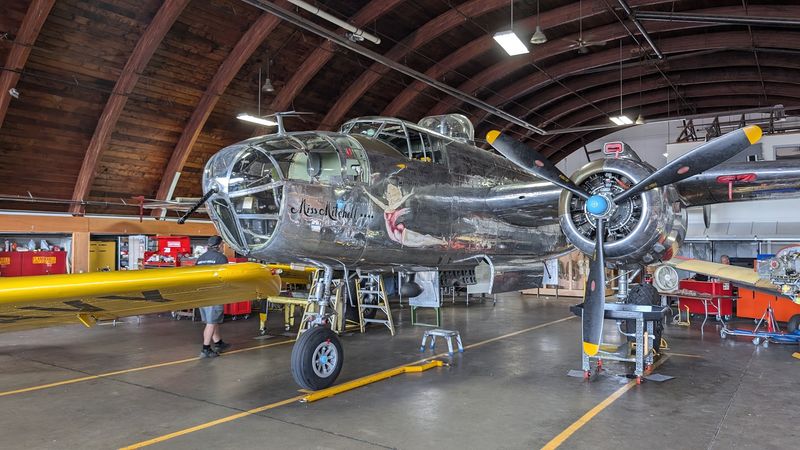
A museum visit feels different when the exhibits share space with people working on airplanes. At the Commemorative Air Force Minnesota Wing, visitors describe a single-hangar museum where vintage military aircraft are sheltered, maintained, and restored.
You will find it at 310 Airport Rd, South St Paul, MN 55075. Rather than a sprawling collection of galleries, the draw is a smaller setting that brings you close to the aircraft and the work involved in caring for them.
Several reviewers stress that the museum is not large, but they also describe plenty to examine. Aircraft, display cases, and aviation artifacts give the hangar more than one way to hold your attention.
That scale helps set the right expectations before you arrive. Come for a focused look at old military planes, not a long march through room after room of exhibits.
For vintage enthusiasts, the payoff is seeing historic machines in a working environment rather than only as polished objects behind barriers. The title may bring Top Gun to mind, but the experience described by visitors is firmly rooted in World War II aviation.
Think less movie set, more real-world preservation. That distinction is what gives this small South St Paul museum its own character.
World War II History With Human Connections
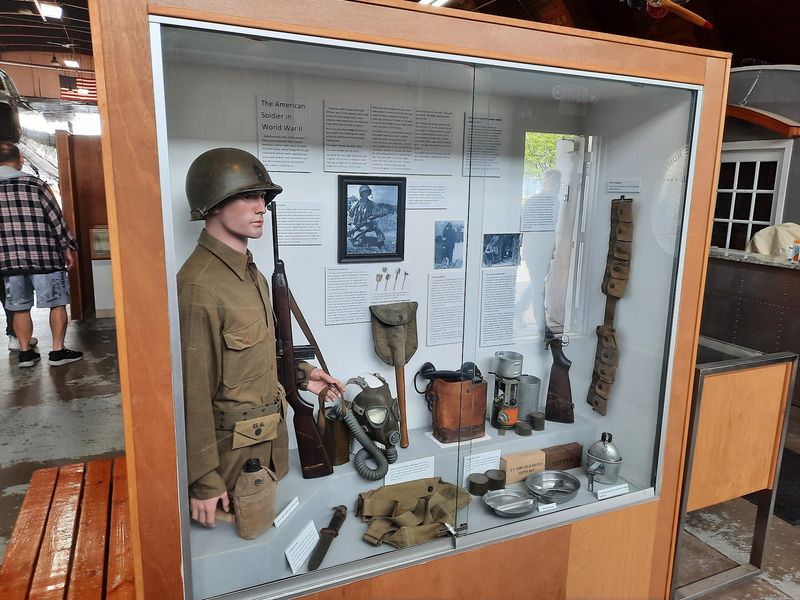
Old aircraft become more interesting when someone explains the lives and work connected to them. Visitors repeatedly describe the Minnesota Wing as a place where conversations add meaning to the machines and artifacts on display.
One reviewer mentions small exhibits about the area’s history of training pilots during World War II. Others point to aviation memorabilia and display cases near the entrance, giving visitors something to explore beyond the planes themselves.
The supplied information does not provide a full timeline of the wing’s founding. Its clearest story here is the one visitors encounter today: people preserving military aircraft and sharing the history around them.
That approach can make a complicated subject easier to follow. Instead of trying to absorb every date at once, you can start with one object, one aircraft, or one question that catches your interest.
Reviewers praise volunteers for explaining exhibits and helping them understand what they are seeing. Those exchanges seem to be a major part of the experience, rather than just an extra benefit at the end.
For anyone drawn to vintage objects, the museum offers useful context alongside the hardware. The appeal is not simply that something is old, but that someone is willing to explain why it matters.
Miss Mitchell, the Aircraft Visitors Remember
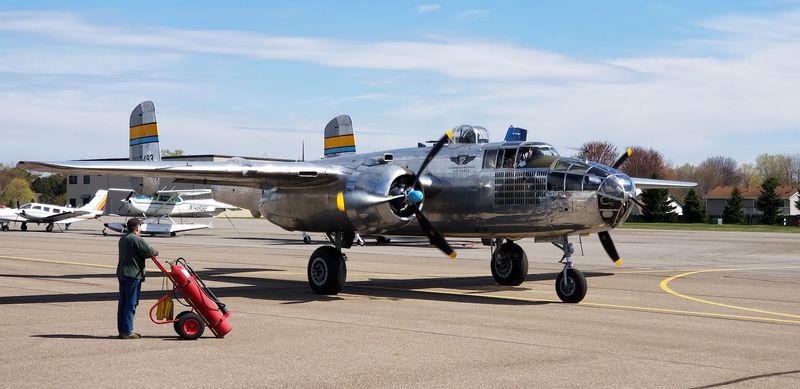
One name keeps coming up in visitor accounts: Miss Mitchell. The North American B-25 Mitchell is the aircraft several reviewers single out as the highlight of their time at the museum.
A detailed review describes it as airworthy, while others recall getting close enough to examine the interior. For someone used to seeing vintage bombers in photographs, that kind of access can turn a familiar outline into something much more memorable.
Access is not a promise, though. Visitors explain that maintenance can affect whether you may look inside or climb just into an aircraft, so ask a volunteer before approaching an opening or stepping aboard.
Presence is another detail to check. One visitor arrived when the bomber was away, and the museum’s response confirmed that the B-25 had been spending considerable time on the road.
That means a trip built entirely around Miss Mitchell deserves a phone call first. A Wednesday visit is not a guarantee either, even though one reviewer planned to return on that day.
If the bomber is there, give yourself room to appreciate it without rushing. Its appeal comes from seeing a historic aircraft at close range, with people nearby who can help explain what you are looking at.
Preservation Happening Before Your Eyes
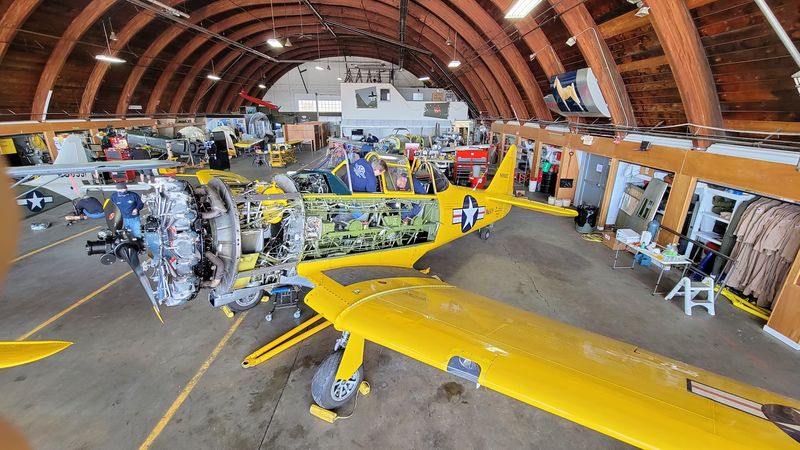
A wing panel or open cockpit can be as interesting as a finished display. At this museum, maintenance is part of the setting, and visitors sometimes see aircraft opened up while work is underway.
One reviewer recalls a visit when every aircraft was receiving maintenance, with cockpits, fuselages, wings, and bomb bays exposed. That was one person’s experience, not a daily schedule, but it shows how the hangar can offer a different view of aviation.
The museum identifies itself in an owner response as an all-volunteer organization. A member also describes volunteers donating their time and skills to keep the old aircraft flying.
For readers who enjoy making, repairing, or restoring things, this may be the strongest connection. The attraction is not a craft supply selection, but the chance to appreciate patient work on historic machinery.
Watch respectfully and ask before getting closer. An active work area calls for more care than an exhibit designed only for viewing, especially when aircraft parts are open or people are occupied with a task.
Several visitors say volunteers are friendly and willing to answer questions. Let those conversations guide your look around, while remembering that preservation work, rather than a staged demonstration, is what makes the setting distinctive.
A Flight Simulator and Small-Scale Discoveries
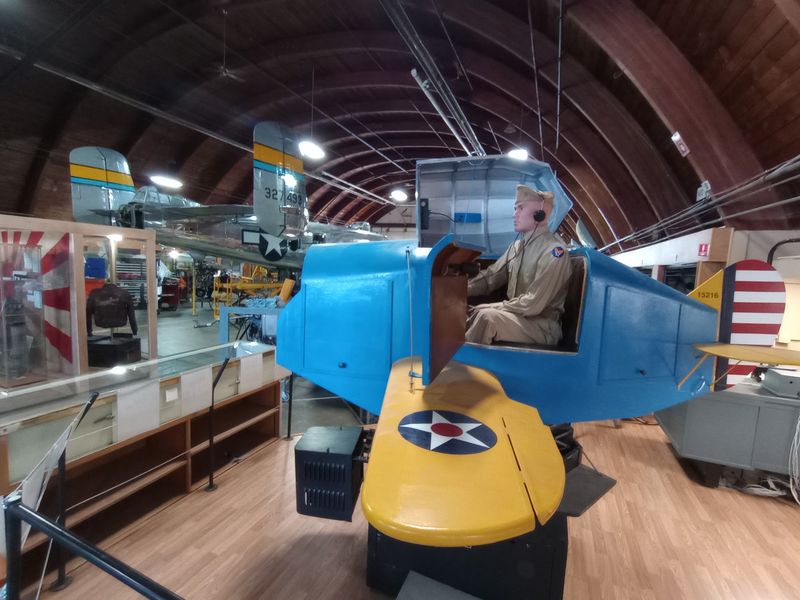
The urge to try the controls has somewhere to go here. Multiple visitors mention a flight simulator, including parents who say it was a favorite part of the outing for their children.
The supplied reviews do not identify the simulator model, its exact features, or any separate charge. Treat it as an activity to ask about when you arrive, rather than expecting a particular aircraft or training setup.
It adds a playful counterpoint to the historical displays. After looking at real planes, trying a simulator offers another way to engage with the subject without assuming that a museum visit includes a flight.
There are quieter discoveries, too. Reviewers mention aviation memorabilia, artifacts, and a small gift shop, with one describing aircraft spark plugs, airplane models, and clothing in the hangar’s PX.
That reported assortment may catch the attention of model builders or vintage collectors. Stock is not verified as current, so browsing is best treated as a possible bonus rather than the main reason for making the trip.
Between a simulator session and a look through the smaller objects, visitors have reasons to pause away from the largest aircraft. Those changes of pace can help keep the visit interesting for people with different levels of aviation knowledge.
Friendly Volunteers and a Family Learning Atmosphere

You do not have to arrive knowing the difference between every aircraft in the hangar. Visitors consistently praise the volunteers for being approachable, helpful, and ready to talk about aviation history.
That welcome matters for mixed-interest groups. A dedicated aircraft fan may want technical details, while a younger visitor may simply want to know what a particular part does.
Several parents report enjoyable visits with their children, and one family says a teenager became a cadet volunteer afterward. Those accounts suggest the museum can spark an interest, though every child’s response will be different.
The setting also requires supervision. A parent specifically warns that an active hangar is not a place to let little ones run freely, so plan to stay together and follow directions about touching or entering aircraft.
Beyond regular museum visits, reviewers describe attending swing dances and enjoying the history around them. Those reports establish that dances have taken place, not that one will be happening during your chosen visit.
The supplied Google listing shows a 4.8-star rating from 211 reviews. More useful than the number alone is the repeated praise for generous volunteers, close-up aircraft viewing, and an atmosphere that makes asking questions feel comfortable rather than awkward.
Hours, Admission, and Arrival Details

Put Wednesday or Saturday on the calendar before planning this outing. The supplied operating hours list both days as 9:30 a.m. to 5:30 p.m., with the museum closed Monday, Tuesday, Thursday, Friday, and Sunday.
Use 310 Airport Rd, South St Paul, MN 55075 as your navigation destination. The available information does not establish parking arrangements or public transit connections, so check those details directly if they affect your plans.
Several reviewers report free admission and a donation box. An older account mentions a suggested $5 donation that was not required, but that should not be treated as a confirmed current price or policy.
For up-to-date details, call +1 651-455-6942 or visit http://www.cafmn.org/. Confirm admission arrangements, any special events, and whether Miss Mitchell will be present if seeing the bomber is your priority.
One reviewer describes the museum as being on one level, wheelchair accessible, and equipped with bathrooms in the hangar. Because that report is older, visitors with specific access needs should confirm the current setup before leaving home.
A little checking is especially useful at a working aviation museum. Aircraft travel and maintenance can change what is available, even when the posted opening hours fit neatly into your day.
A Grounded Reward for Vintage Aviation Fans
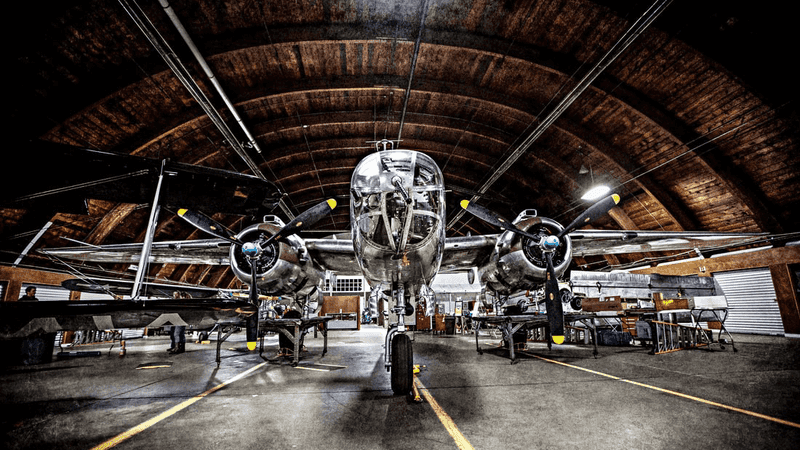
Leave the movie soundtrack in your imagination and the museum still has plenty to offer. Its strongest draw is the combination of historic aircraft, ongoing preservation, and volunteers who help connect the two.
Vintage enthusiasts have a clear reason to consider it: visitors describe getting unusually close to old military planes and seeing details that photographs cannot fully convey. History-minded families also have promising reports to work from, especially when children enjoy asking questions or trying a simulator.
The limits are worth accepting rather than overlooking. It is a small museum, aircraft may be away, and opportunities to look inside depend on conditions during your visit.
None of that makes the experience less meaningful for the right visitor. In fact, the working hangar setting is the very thing many reviewers find memorable, even when it does not behave like a fixed gallery display.
Make the trip for a closer understanding of vintage aviation, not for a guaranteed cockpit session or a movie-style adventure. Call ahead, keep your plans flexible, and let the volunteers help you notice what might otherwise pass by.
For Minnesota readers who value old machines and the skills that keep them going, the Commemorative Air Force Minnesota Wing offers a grounded, personal reason to spend time with aviation history.
Share this story