Way up in the far northeast corner of Minnesota, where the highway runs out of state before it runs out of shoreline, sits a park plenty of people drive right past. Some of them admit it years later, after finally pulling over and wondering why they waited so long.
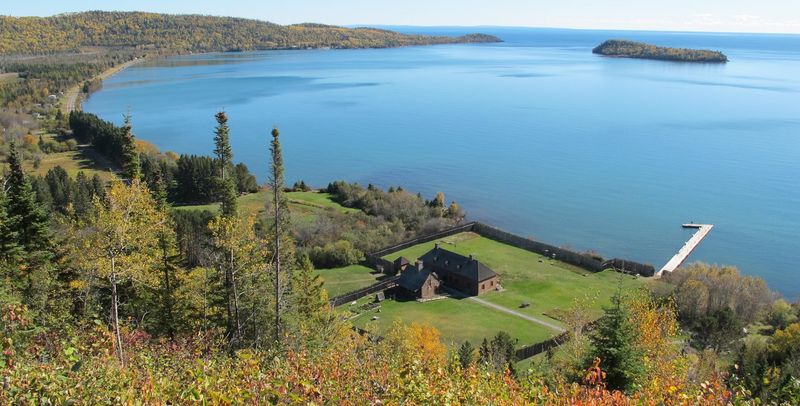
There is no ticket booth here, no long line, and no fight for a parking spot. What waits instead is a rebuilt fur trade depot, rangers and volunteers in period dress, a moose gallery, and wide views of Lake Superior.
It also tells a story shaped jointly by the National Park Service and the local Ojibwe community. Keep reading to find out where it is, what to see first, and how to plan a free day trip along the North Shore that history fans and families both talk about long after they head home.
A Free Corner of the North Shore
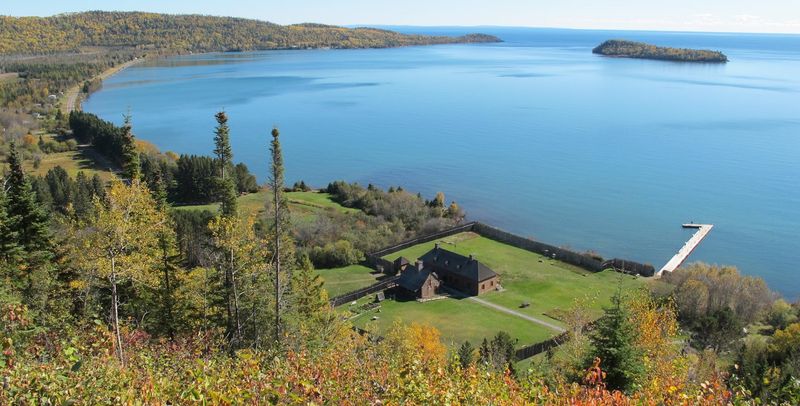
Some of the best stops in Minnesota hide in plain sight, and this one sits almost at the Canadian border. Grand Portage National Monument is found at 170 Mile Creek Rd, Grand Portage, MN 55605, in the state of Minnesota, United States.
It is national parkland built around a reconstructed fur trading post on the edge of Lake Superior. The site also includes trails and historic grounds that stretch beyond the main buildings.
Here is the headline that gets attention: touring the area costs nothing. Donations are welcome, and plenty of people choose to leave one because the place feels worth protecting.
Parking is easy to find, which is a rare treat at a national park unit. There is also a picnic area right by the lot for anyone who packs lunch.
The monument earns a 4.8-star average from more than 900 people, which says a lot for a spot many travelers have never heard of. It is the kind of place that rewards curiosity rather than crowds.
So what exactly makes this patch of shoreline so special? The answer starts a few centuries back.
Fur Trade Roots on Ojibwe Land
Long before highways and gas stations, this shoreline was a busy crossroads of the Great Lakes fur trade. Canoes, traders, and goods moved through here in large numbers.
The monument tells the story of the North West Company depot that once operated on this spot. It also explains how voyageurs earned their pay, including the Spanish dollars that changed hands in the trade.
Just as important are the relationships between those voyageurs and the local Anishinaabe people. The exhibits do not treat the Ojibwe as a side note.
The park is a joint project of the National Park Service and the local Ojibwe community. That partnership shapes the way the history is presented, with Native American heritage at the center of the story.
Exhibits cover life in this region across many generations, including how people managed long, hard winters. The tribes who lived here then still live in the area today.
It turns out the place was surprisingly busy in its prime. Plenty of people find that fact fascinating, given how quiet the shoreline feels now.
The Heritage Center and Its Moose
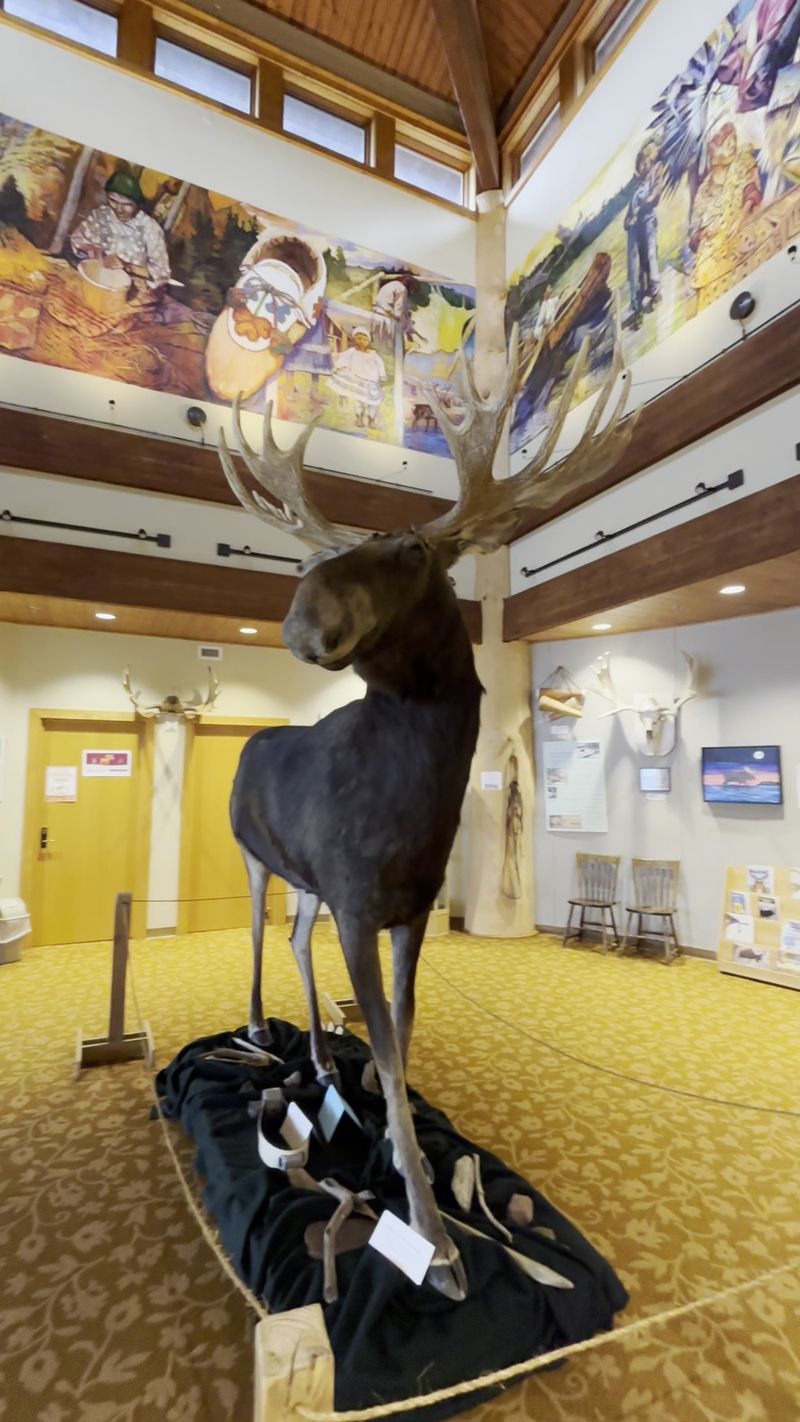
Every good adventure needs a launch pad, and here it is the heritage center at the top of the hill. Most trips begin inside these doors.
The building holds a small museum packed with artifacts and exhibits on fur trapping and Native life. Curators managed to fit a big stretch of history into a compact space without making it feel cramped.
Head upstairs and there is a gallery focused on moose, the giants of the northern Minnesota woods. A large moose display tends to be a crowd favorite with kids and adults alike.
A theater room shows an introduction film about Grand Portage that runs about 20 minutes. It comes highly recommended as the first stop, since it sets up everything else on the grounds.
There are also live presentations, and some days staff can be found making historical cookies inside the center. It is a fun bonus that brings the past a little closer.
A small gift shop rounds things out with plenty of souvenirs. Sticker collectors should know they may come up empty, though.
Inside the Rebuilt Trading Post
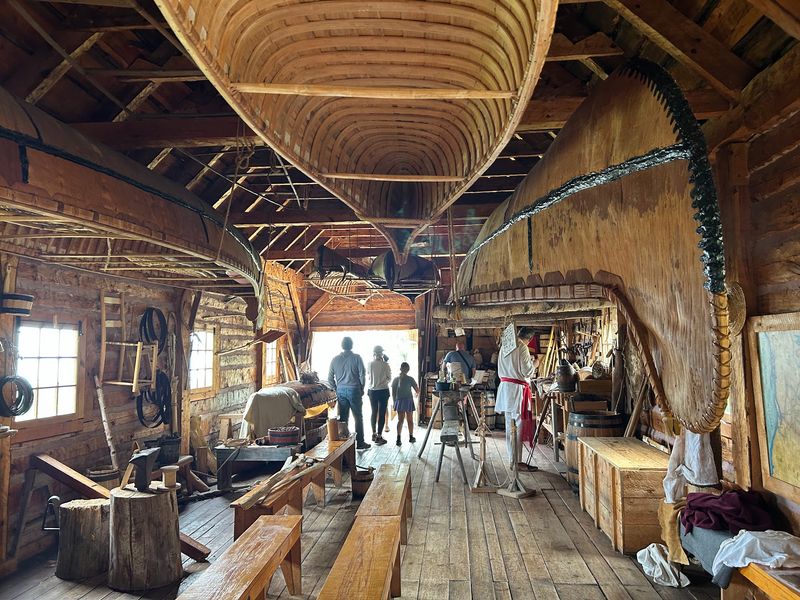
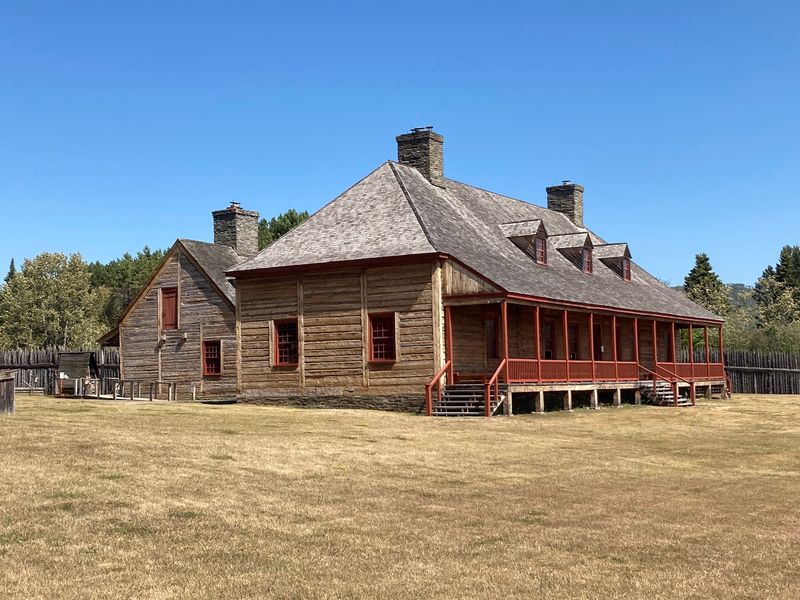
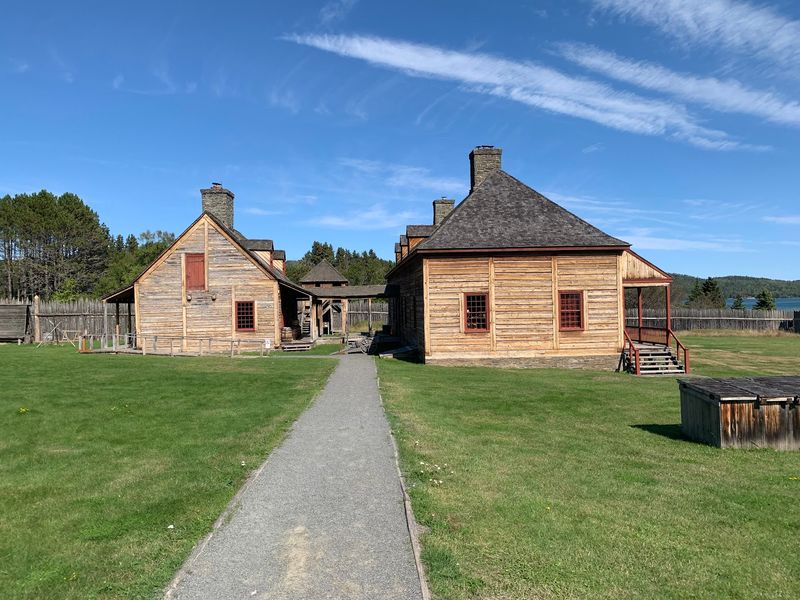
Down the hill, a short walk from the heritage center, the past gets a lot more hands-on. A life-size reconstruction of the fur trading post sits behind tall wooden walls.
Interpreters in period dress wait inside to share stories of how the depot operated and who called it home. Many people say these conversations are the best part of the whole trip.
Guides pop up at different points along the way, each adding a new piece of the story. Questions are welcome, and staff seem happy to explain anything.
The fort itself is very photogenic, with its fences and log buildings set against the lake. Guests are allowed to step off the main path and look around closely.
Timing matters a bit here. The trading post can be closed early in the season, although outdoor exhibits around it stay interesting.
Even when parts are shut, the village grounds can usually still be walked. Late afternoon visits may feel a little rushed, so arriving well before closing is smart.
Shoreline, Dock, and the Big Lake
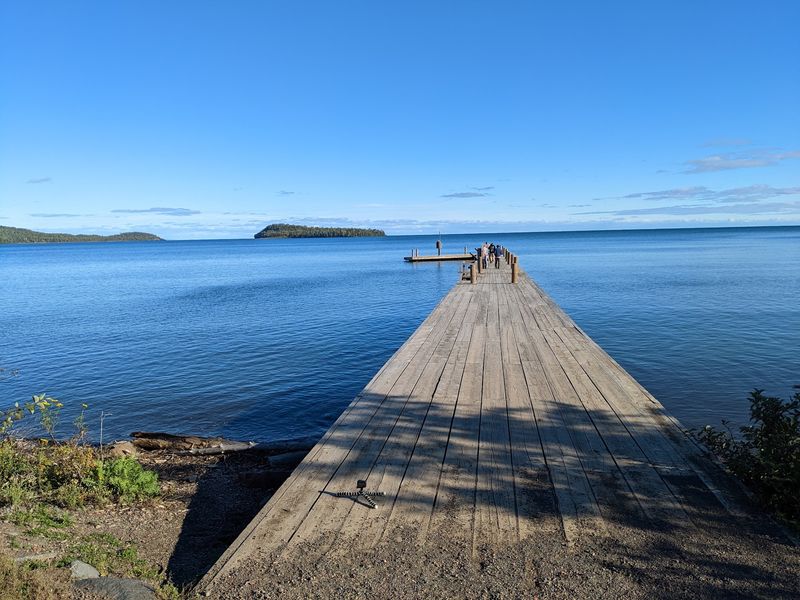
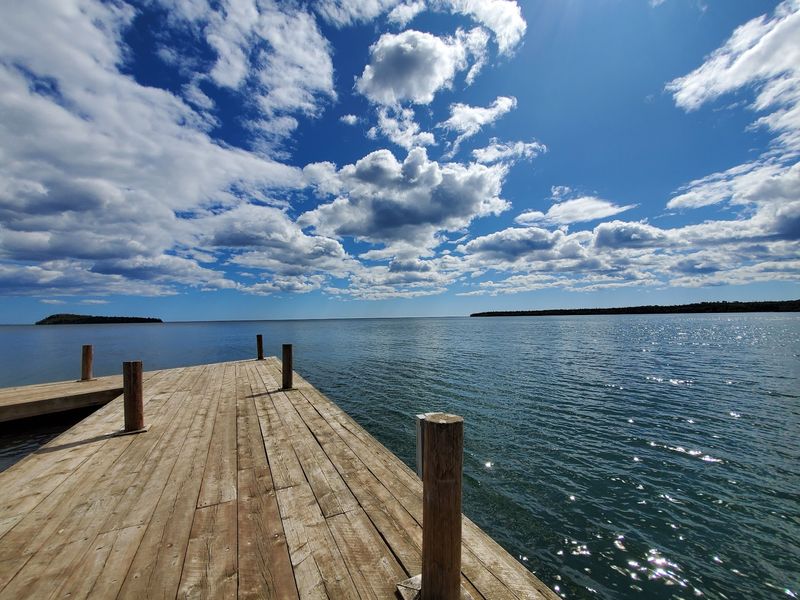
History may be the main event, but the scenery steals more than a few scenes. The monument sits nestled in forest with wide Lake Superior views.
Outside the stockade wall, there is room to wander along the shore. A large dock offers a pleasant stroll right out toward the water.
In summer, wildflowers add color to the grounds. For some guests, the flowers and lake views alone justify the drive.
A loop trail behind the heritage center gets strong praise for its beauty. It is an easy way to stretch your legs between exhibits.
For bigger ambitions, the park also features a landmark 8.5-mile trail with waterfalls. That route is better suited to hikers who plan ahead and bring time to spare.
Some travelers even rank their time here above the waterfalls at a nearby state park. Not bad for a place many folks only meant to glance at.
Junior Rangers and Passport Stamps
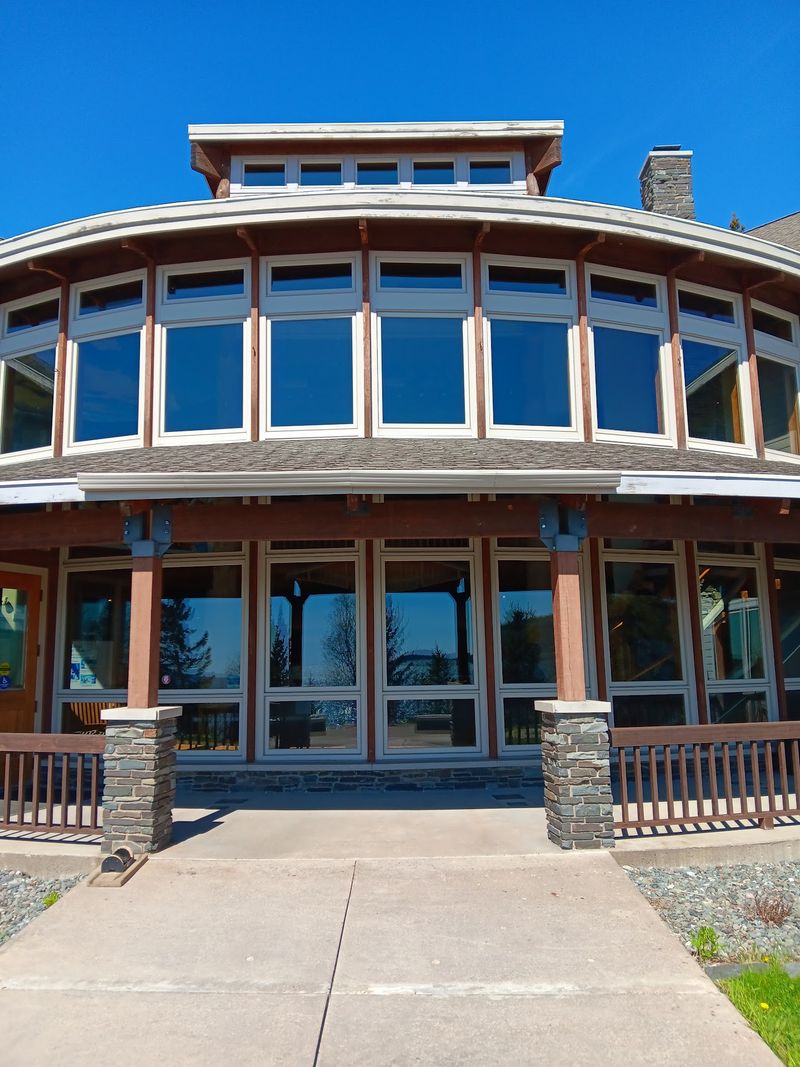
Kids rarely complain about history when it comes with a badge. The Junior Ranger program here turns a museum stop into a mission.
Children work through an activity booklet as they explore the exhibits and grounds. When they return to the main building, they are sworn in as official Junior Rangers.
Families describe that small ceremony as a real highlight. Volunteers greet young guests with genuine enthusiasm, and that warmth sticks with people.
There are plenty of hands-on activities for kids beyond the booklet as well. The mix of costumed guides and touchable history keeps short attention spans busy.
Grown-ups get their own collectible too. Anyone carrying a Passport To Your National Parks book can get it stamped here.
Big groups do fine as well, including families with several adults and little ones in tow. Everyone moves at their own pace, which takes pressure off parents.
Hours, Costs, and the Drive North
Good news for planners: the schedule is simple. The monument is listed as open daily from 9 AM to 5 PM.
Admission is free, with donations encouraged. Parking is free and easy, and the picnic area sits right next to the lot.
Many people treat this as a day trip from a lodge along the North Shore. It slots in nicely between scenic stops and hikes.
A few planning notes help a lot. Start with the 20-minute film, then the exhibits, then head down the hill to the post.
Leave yourself more than half an hour before closing to enjoy the interpreters fully. Some parts, like the trading post, may be closed early in the season.
Federal government shutdowns have closed the visitor center before, even while the village grounds stayed walkable. Checking the official park website before leaving home is a wise move.
History fans might pair this stop with a trip to Fort William on the Canadian side. The two sites tell connected chapters of the same story.
Why the Detour Pays Off
Plenty of travelers confess they drove past for years before finally stopping. Almost none of them seem to regret turning in.
The appeal comes from balance. There is enough to fill a satisfying few hours without leaving anyone exhausted or overwhelmed.
History buffs get the fur trade story told with depth and care. Families get Junior Ranger badges, friendly guides, and room to roam.
Nature lovers get wildflowers, trails, a dock, and big lake views. And everyone gets to skip the entry fee.
Staff and volunteers come across as passionate and easy to talk to. That human touch is what lifts the visit from a quick stop to a lasting memory.
For anyone tired of simply looking at scenery, this place adds a story to the shoreline. It is a fine reason to drive just a little farther up the North Shore.
Bring curiosity, a few dollars for the donation box, and maybe a passport book. The rest, conveniently, has been waiting here for a few hundred years.
Share this story