Some Central New York families have made the same fall drive for years, and some say they would happily drive four hours round trip to do it again. The reason sits on a hilltop outside Syracuse, surrounded by a remarkable number of apple trees.
What started as a simple pick-your-own orchard has grown into a full campus with a bakery, a concert stage and a play area, yet the apples are still the heart of it all. Here is what makes this place a point of pride for Upstate New Yorkers, plus the practical details to plan a smart visit.
1. A Hilltop Address in Lafayette
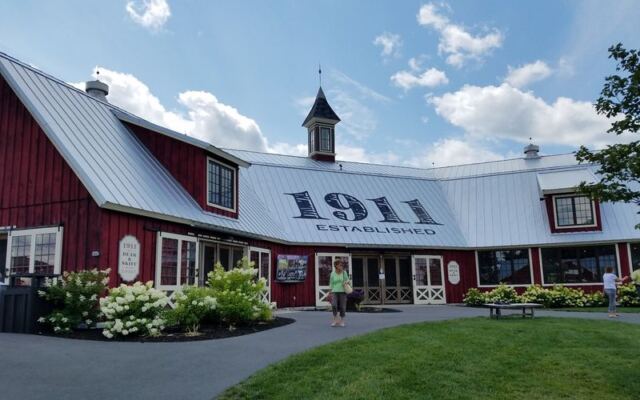
The orchard in question is Beak & Skiff Apple Hill Campus, home of the 1911 Tasting Room. It sits at 2708 Lords Hill Rd, Lafayette, NY 13084, in Onondaga County, New York.
Getting there is simple for anyone in the Syracuse area. The campus is roughly 25 minutes outside the city, which makes it an easy half-day trip from Central New York neighborhoods.
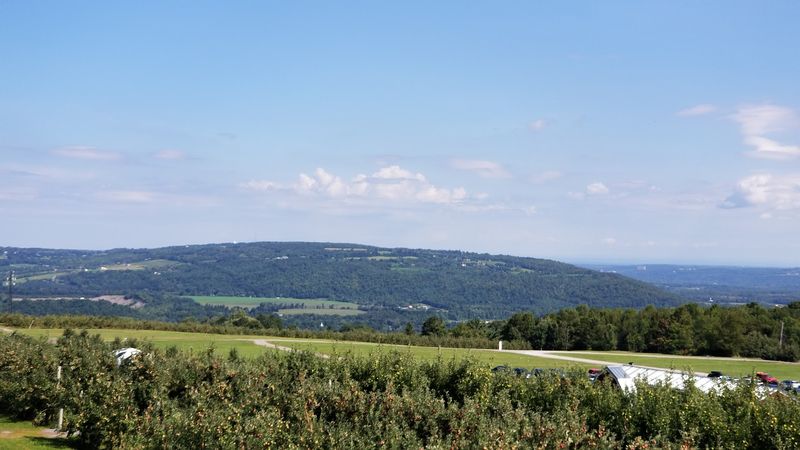
The location itself is part of the appeal. The campus reportedly sits on the highest point in Onondaga County, so the views stretch out across the surrounding countryside.
Those views matter in every season. Summer brings green hillsides and concert crowds, while fall turns the drive out into one of the more popular local routes when the leaves start changing.
Parking is described as easy and accessible, and the main plaza has an open layout with shops arranged around it. That design keeps the place easy to understand, even on a first trip.
So the setting checks the boxes: close to the city, high on a hill and wrapped in orchard rows. The bigger question is how a pick-your-own spot became a full destination, and that story starts with the trees.
2. From Simple Orchard to Full Campus
Longtime fans remember a simpler version of this place. Back then it was mostly a pick-your-own apple orchard where families grabbed a bag and headed into the rows.
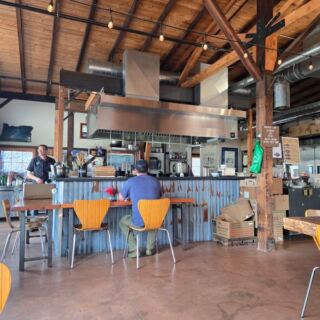
Plenty has changed since. Today the campus includes a playground area, a bakery, a cafe, a tavern-style space and a concert stage, all on the same hilltop property.
Through every expansion, the orchard has stayed at the center. The grounds are reportedly surrounded by around 300,000 apple trees, a number that explains why apples show up in nearly everything sold here.
That mix of old and new is a big part of why locals keep coming back. Families who once came only for picking now plan whole days around the campus.
Not every change has landed well with everyone. Some returning families feel that new admission fees and longer lines have shifted the old free-and-easy feel, and that is worth knowing before a first trip.
Still, many regulars describe the growth as a win. A few even say the visit has turned from a once-a-season tradition into a twice-a-season habit, with one trip for the kids and one for the grown-ups.
The real test, of course, is the apples themselves.
3. Rows Upon Rows of Apple Varieties
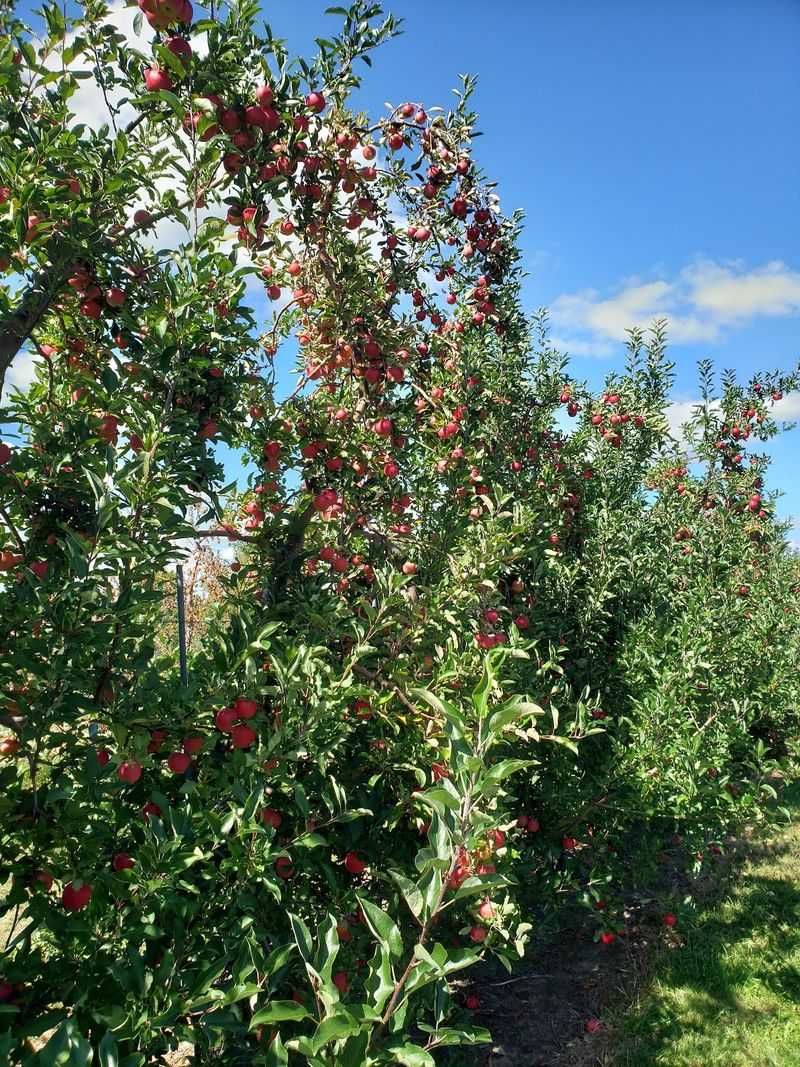
Ask Central New Yorkers why they pick here, and variety comes up fast. The orchard is known for having one of the widest selections of apples in the region, with Empire apples among the names that come up often.
Guests can pick their own or simply buy a peck if time is short. Both options keep the trip flexible for families with small kids or tight schedules.
U-pick works on a flat-rate bag system. Bags are paid for up front, so there is no weighing at the end, and a tractor ride carries pickers out to the rows.
Fans of the setup say it moves things along. Others point out that the prepaid bag line and the tractor line can both stretch on busy fall weekends, and a half-bushel bag was reportedly priced around $55 plus tax last season.
When the season cooperates, the trees deliver. Families describe orchards full of healthy apples, which is exactly what anyone hauling a bag up a hill wants to see.
Apples also show up well beyond the trees. Fresh apples are sold in season, and the bakery turns them into treats that have their own loyal following.
4. The Bakery Line Worth Knowing About
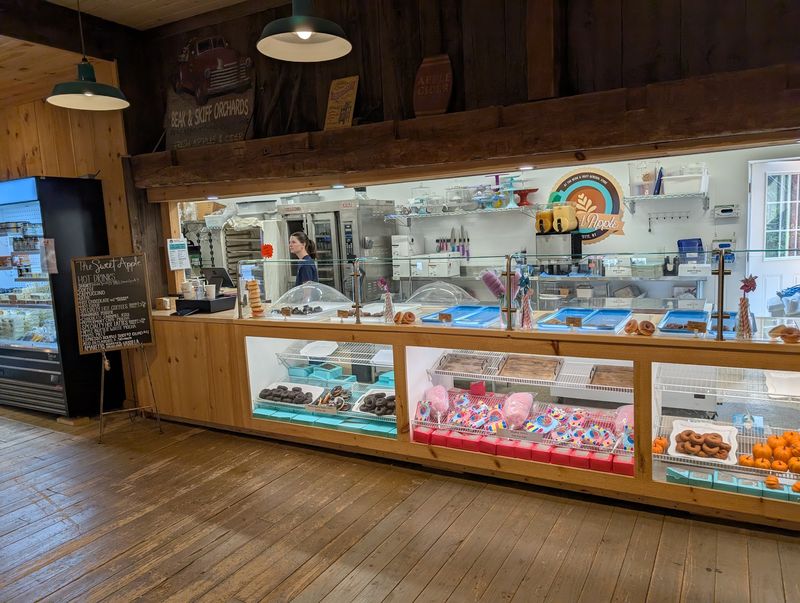
Few things at the orchard get talked about as much as the apple cider donuts. Many regulars treat one as a required stop, and some call the donuts the shining star of the whole visit.
The bakery also turns out apple fritters and cookies. A cookie and coffee counter sits in the gift shop area, which helps when the main line gets long.
Prices have gone up over the years, as they have nearly everywhere. Donuts were reportedly around $3 each recently, and some families feel the fritters have gotten smaller for the price.
Timing makes a difference here. On peak fall weekends, the single line for baked goods can get lengthy, and popular items like cookies have been known to sell out.
A practical move is to hit the bakery early, then head out to the orchard. That way the treats are secured before the afternoon rush.
The cafe offers sit-down options too, though opinions on the hot food are mixed. Some praise the wings and the overall selection, while others mention slow service on crowded days.
For most locals, though, the bakery remains the sweet spot of the campus.
5. Inside the 1911 Tasting Room
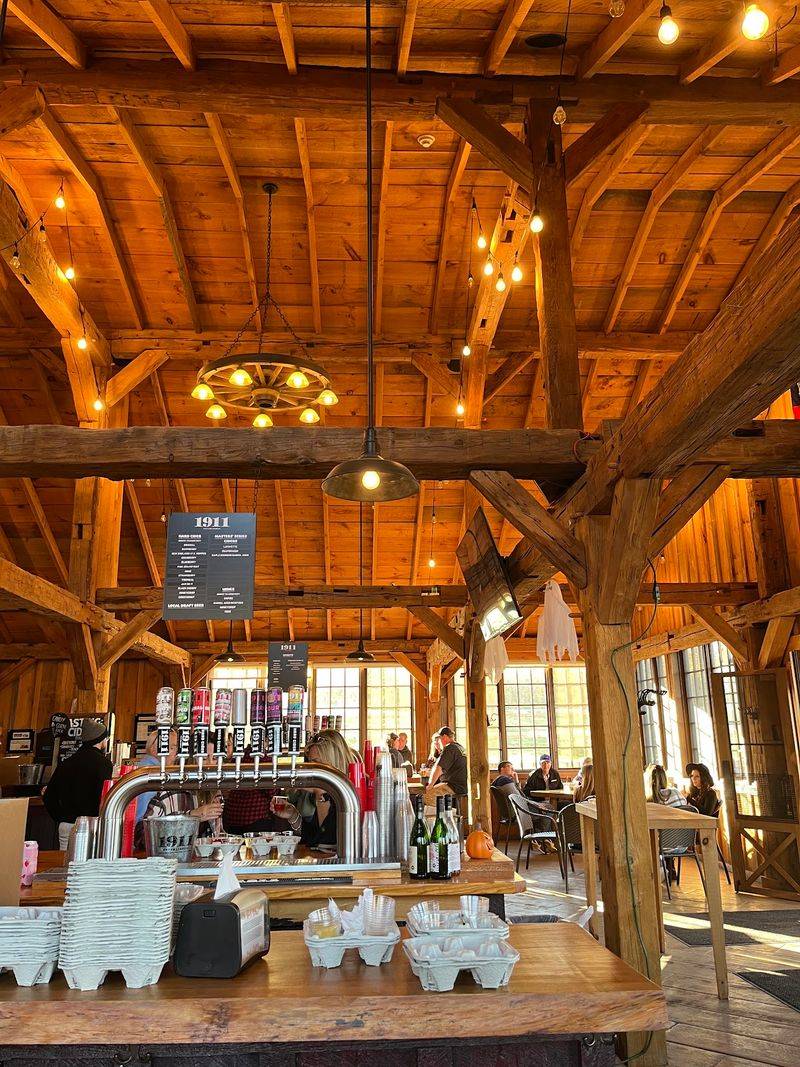
Cider is the word most connected to this hilltop, and the 1911 Tasting Room is where that reputation lives. It is the most talked-about part of the campus by a wide margin.
Guests can order tasting flights to sample several ciders side by side. The lineup is large enough that some fans wish they could fit every option into one flight.
Seating is plentiful, and there is a shop for taking bottles home. Many guests pair a donut stop with a flight, making the bakery and tasting room a natural one-two plan.
Staff get frequent praise for being friendly and helpful. That warmth comes up again and again, even on busy days.
Crowds are the main caution. On peak weekends the tasting room can get packed, and a few guests mention uneven pours or slow attention when the counter is slammed.
Visiting earlier in the day or later in the season can help. Thursdays and Sundays tend to be calmer than Saturday afternoons in October.
For locals, the tasting room is part of the regional identity. Many Upstate fans consider the ciders made here among the best in the state.
6. Adventure Park, Petting Barn and Kid Territory
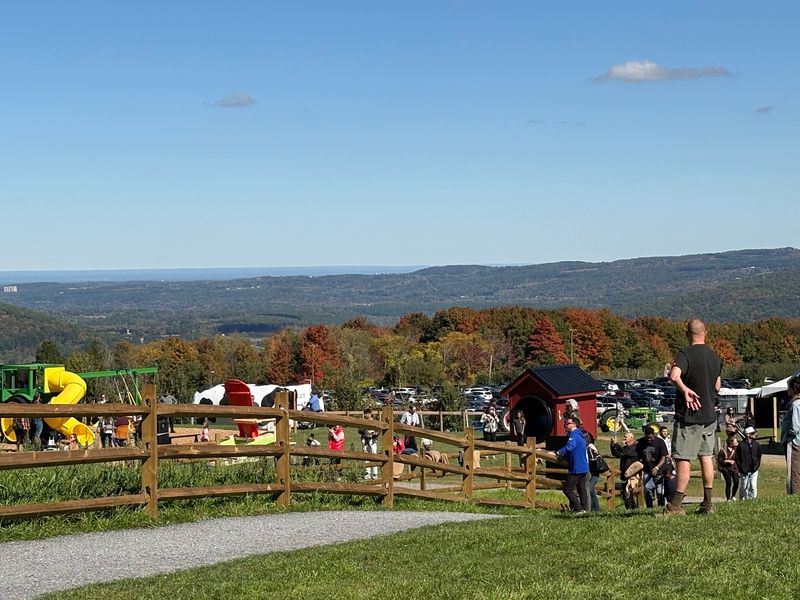
Parents of young kids have found a real secret weapon on this hill. The Adventure Park can keep little ones busy for hours, and some families report spending most of a day there.
The park includes play areas and even a petting barn. Activities are spread out so kids are not stuck waiting in one long line.
Admission is reportedly $20 per child. Adults were charged at first, but the owner reportedly decided to stop charging grown-ups since they mostly come along to watch.
That kind of decision earns goodwill. Some families who drive three hours say the value here beats other adventure parks they have tried.
A corn maze is part of the fall lineup too. Some longtime guests miss the days when the maze and playground were free, so budgeting ahead is wise for bigger families.
A typical kid-friendly plan looks like this: lunch, a stretch in the Adventure Park, a break to pick apples, then back to the park. Cider and donuts make easy refueling stops between rounds.
It all adds up to a place where both toddlers and teens tend to find something to do, which is no small feat.
7. Summer Concerts on the Highest Hill
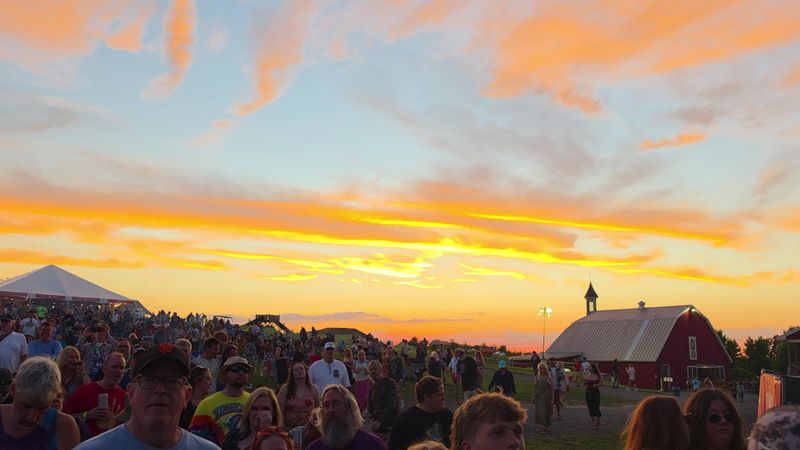
Apple season is only half the story. In summer, the campus turns into a concert venue, with a stage that hosts live bands and events like the Syracuse Jazz Festival.
Well-known acts have played here, including the band Cake. At one show, the owners reportedly greeted the crowd themselves, a personal touch that fans still mention.
The venue earns credit for being well run. Entry, parking, food and drinks are described as smooth, and the staff come across as welcoming from arrival to departure.
Guests can bring their own lawn chairs. That small detail keeps the evening relaxed and family friendly.
Some parents have brought kids to their very first concert here. That says a lot about the atmosphere, which feels more like a community gathering than a crowded arena.
The hilltop setting adds to it. Shows play out against the orchard and the wide views that come with the county’s highest ground.
Checking the official website for the current concert schedule is the best way to plan. Then, when fall rolls around, the same lawn becomes the gateway to apple picking.
8. Hours, Crowds and a Smart Game Plan
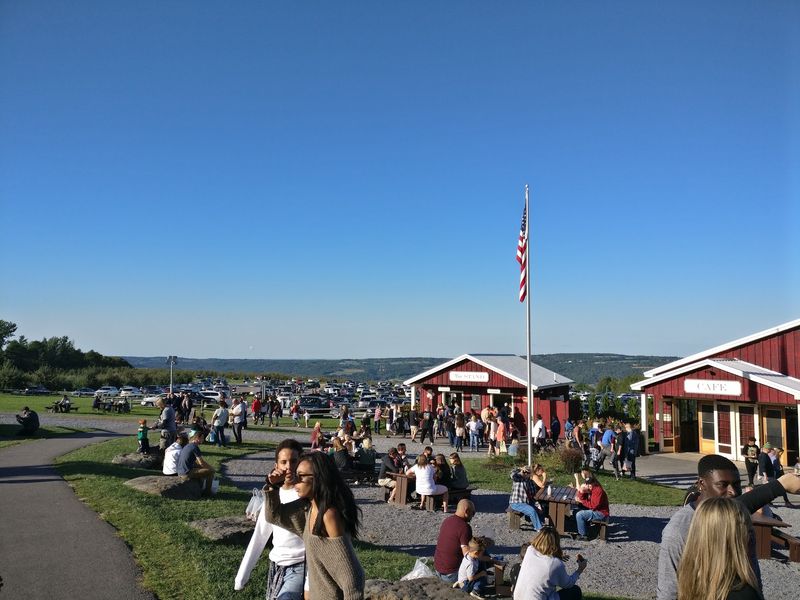
Timing can make or break a trip up Lords Hill. The campus keeps a short weekly schedule, so planning ahead pays off.
Hours run Thursday from 11 am to 6 pm, Friday and Saturday from 11 am to 8 pm, and Sunday from 11 am to 6 pm. The campus is closed Monday through Wednesday.
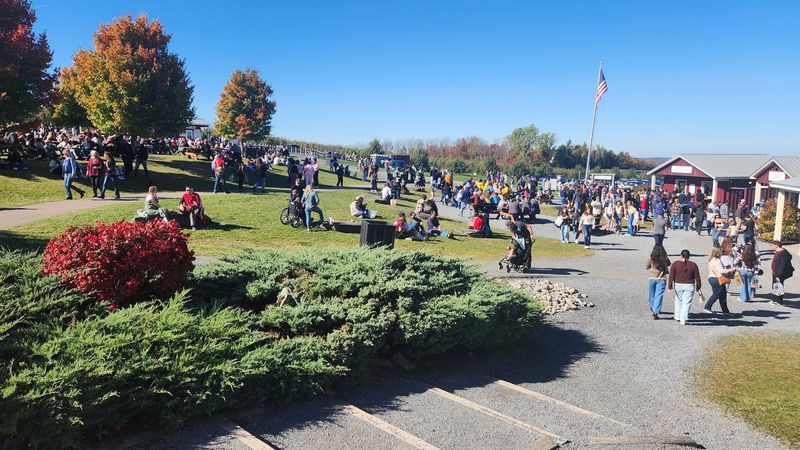
Fall weekends draw the biggest crowds. Lines for food, bakery items, U-pick bags and even restrooms can grow long, so arriving near opening helps.
For anyone who dislikes crowds, Thursday is the quietest bet. Sunday afternoons can be busy but are often described as manageable.
Budget for extras like the Adventure Park, U-pick bags and bakery stops. Sandwiches have reportedly started around $12, so a family day can add up.
So does it live up to the hype? Many Central New Yorkers think so, and plenty call it the best orchard in the state.
The campus holds a 4.5-star average across more than 1,400 public ratings.
It is not a perfect place, and busy days test patience. But a hilltop orchard that families still drive hours to see proves some New York traditions are holding strong.
Share this story