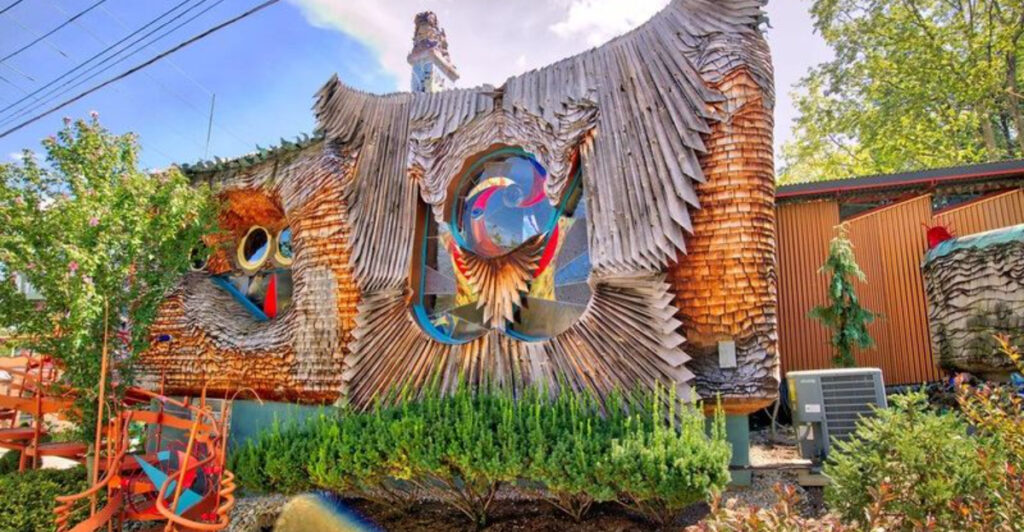
The Mushroom House in Cincinnati is one of those places people never forget. It looks playful, unusual, and completely different from the homes around it.
That is why visitors keep stopping to admire it, take photos, and talk about its design. A closer look shows that its lasting appeal comes from more than its funny shape.
1. A Storybook Shape on a City Street
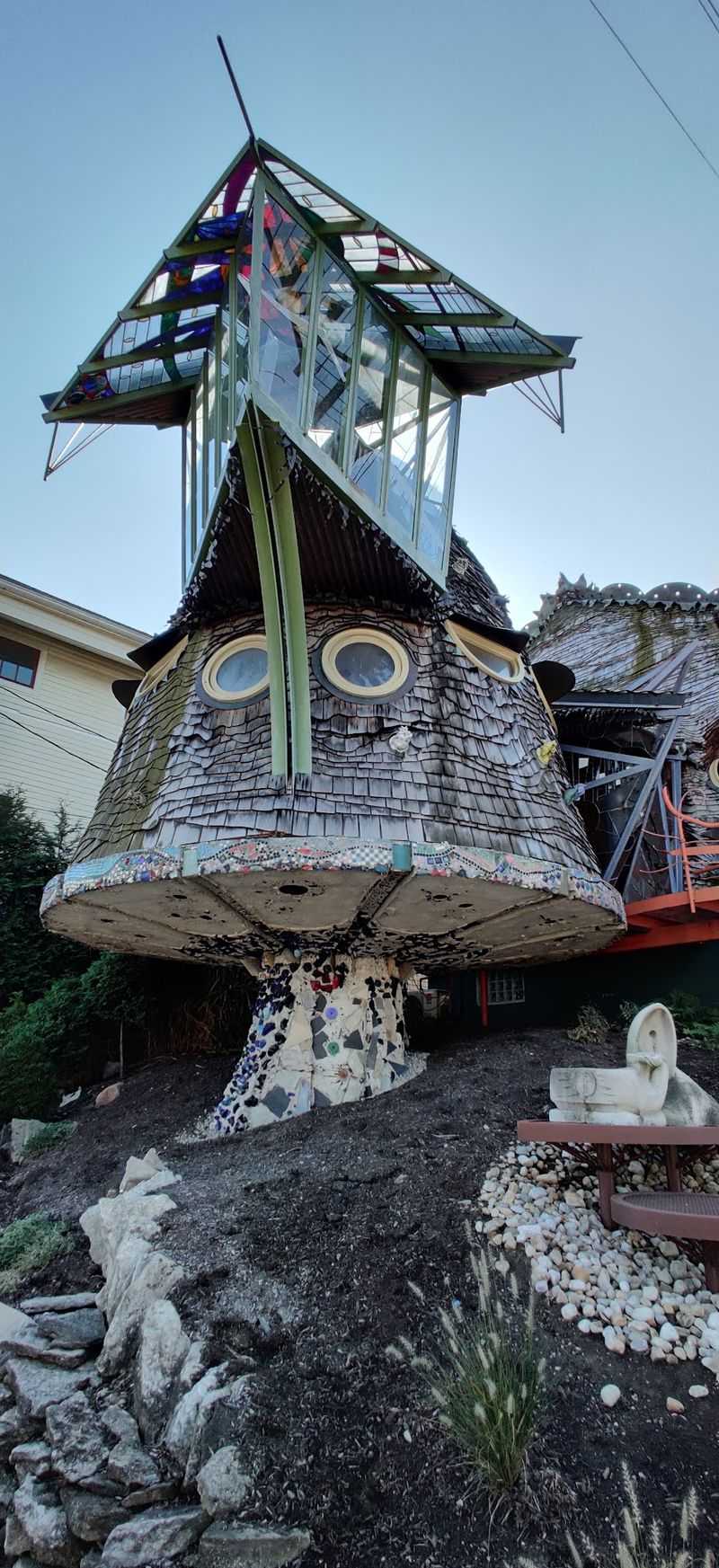
One look at the Mushroom House and most people slow down. Its rounded rooflines, curved walls, and soft shapes feel more like a storybook than a city street.
That surprise matters, because Cincinnati has many historic homes, yet very few make visitors grin before they even reach the sidewalk there.
Design plays a huge part in that reaction. Instead of sharp corners and plain lines, the house uses organic forms that seem to grow from the ground.
The result feels lively and a little mysterious, which helps people remember it long after their visit ends at all for years later.
For travelers, the best tip is simple: walk around the area slowly and notice how the house changes from each angle. Morning and late afternoon light bring out the curves especially well.
Even a quick stop can feel special when a building looks this imaginative in real life today too.
2. The Creative Mind Behind the Magic
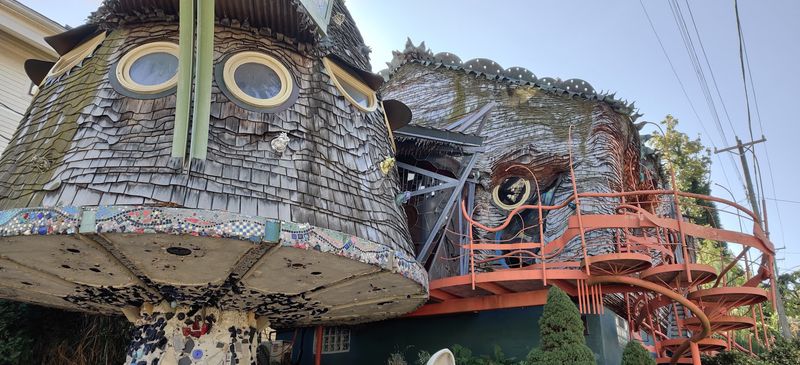
Behind the playful look is a serious creative story. The Mushroom House was designed by architect Terry Brown, a professor linked to the University of Cincinnati, and his vision gave the city one of its boldest homes.
Visitors often enjoy learning that the building is not random whimsy, but a carefully shaped piece of design thinking.
Brown drew ideas from nature, movement, and unusual forms. Knowing that background makes the house even more impressive, because every curve starts to feel intentional instead of odd.
People who love architecture can appreciate it as art, while casual sightseers can simply enjoy the fun.
A smart way to experience the place is to read a little history before you go. Even a short online search can help the details click into place.
Once you know who imagined it, the home feels less like a novelty and more like a local landmark today still.
3. A Big Surprise in an Everyday Setting
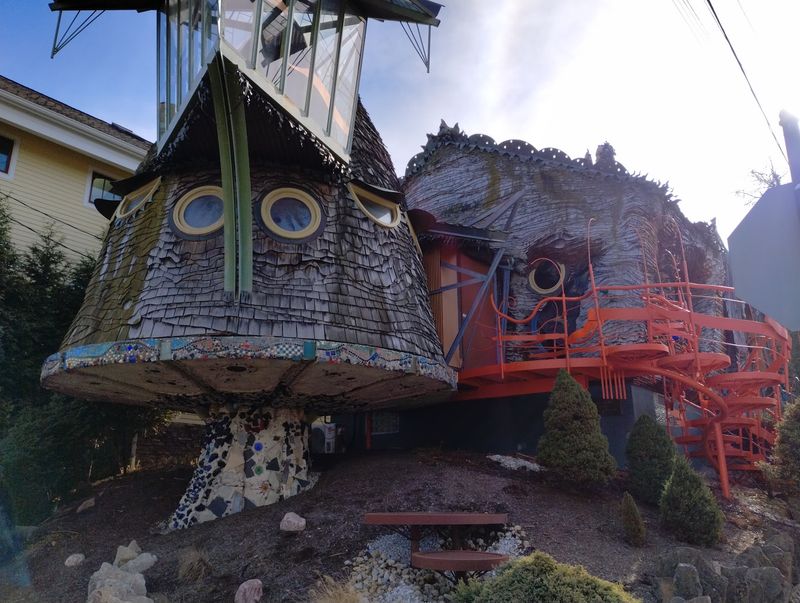
Not every landmark works so well with its neighborhood. Sitting at 3331 Erie Avenue, the Mushroom House stands in a polished part of Cincinnati, which makes its wild shape feel even more striking.
Visitors get a fun contrast: ordinary streets, familiar shops, and then a home that looks as if it wandered in from another world.
That placement helps explain why people keep talking about it. You do not need to hike a forest trail or enter a theme park to find wonder here.
The surprise appears right in the middle of everyday life, and that can make the visit feel more personal.
Anyone planning a stop should be respectful of the residential setting. View the house from public areas, keep noise down, and avoid blocking traffic or driveways.
Pairing the visit with nearby Cincinnati spots can turn a short photo stop into an easy afternoon outing with local flavor.
4. Details That Reward a Second Look
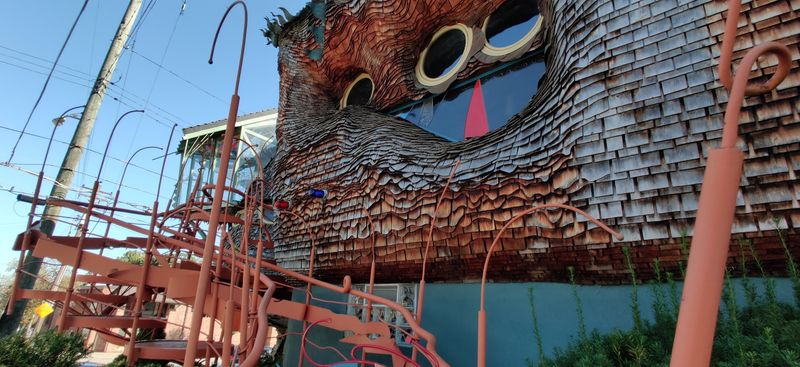
From a distance, the house seems soft enough to bounce. Get closer, though, and the real magic appears in the surfaces, windows, and handcrafted details that give the structure its mushroom-like spirit.
Visitors often stay longer than expected because every glance reveals another texture, tiny shadow, or shape worth noticing.
The home does not depend on size alone. Much of its power comes from how carefully its parts work together, creating a design that feels playful without turning messy.
That balance is hard to achieve, and it is one reason the building still impresses people who have seen many unusual places.
If you love taking pictures, slow down before snapping the first shot. Look for curved edges, tucked-away openings, and the way light rests on the walls.
Small details usually tell the biggest story here, especially for visitors trying to understand why the house feels alive instead of merely strange.
5. Mystery Makes the Visit More Memorable
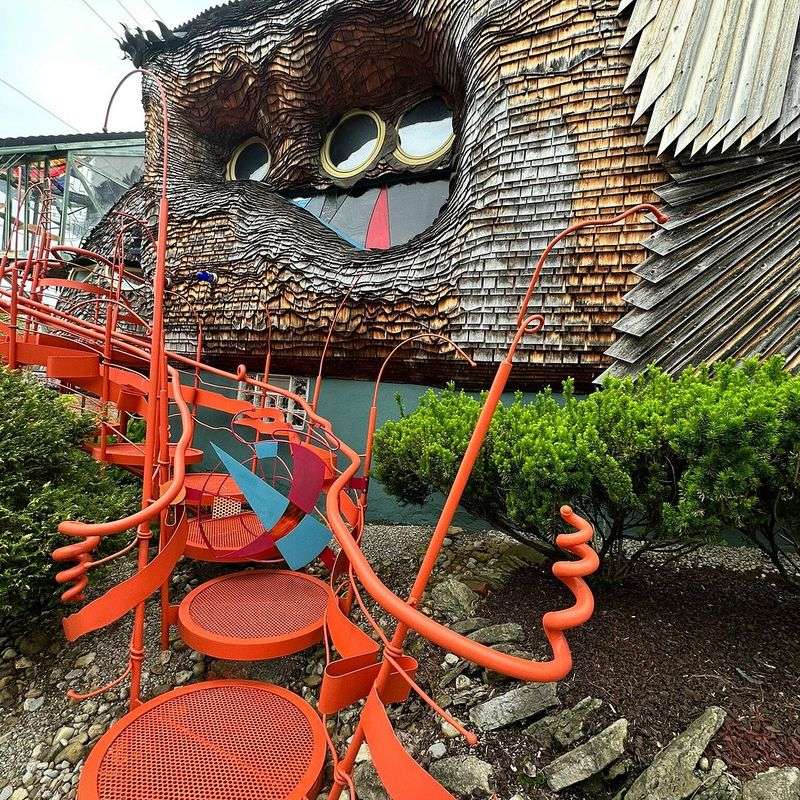
Part of the Mushroom House appeal comes from what visitors cannot do. Since it is a private property rather than a regular museum, people usually admire it from outside, and that limited access adds a layer of mystery.
When you cannot wander through every room, your imagination starts filling in the hidden spaces.
That sense of distance can actually deepen the experience. Instead of racing through displays, you spend more time studying the exterior and wondering how daily life feels inside such a creative home.
The house becomes a puzzle, and puzzles stay in the mind longer than easy answers.
Good visitor habits matter here. Respect fences, signs, and neighbors, and remember that unusual places still deserve ordinary courtesy.
Bringing patience helps too, because the best experience is often a quiet moment on the sidewalk, taking in the shape of a home that keeps part of its story to itself.
6. The Kind of Landmark People Love to Share
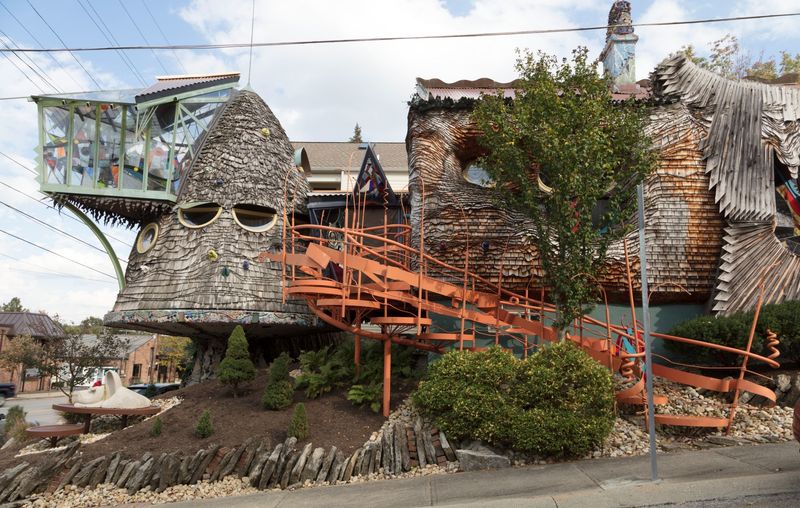
Few buildings make strangers act like old friends, but the Mushroom House often does exactly that. People point, smile, trade fun facts, and share directions with curious passersby.
A home that sparks conversation so quickly has moved beyond architecture and into local culture, which is a reason it continues to stun first-time visitors.
Landmarks become special when they create memories, not just photos. For Cincinnati residents, the house can mark a childhood drive, a college architecture lesson, or a favorite place to show out-of-town guests.
For newcomers, it offers the thrill of finding something unexpected and wonderfully specific to the city.
To get the most from your visit, pay attention to the reactions around you as much as the house itself. Notice how often people stop and look twice.
That shared excitement says a lot about the building and explains why its reputation has stayed strong across generations of admirers.
7. Why Its Charm Still Lasts
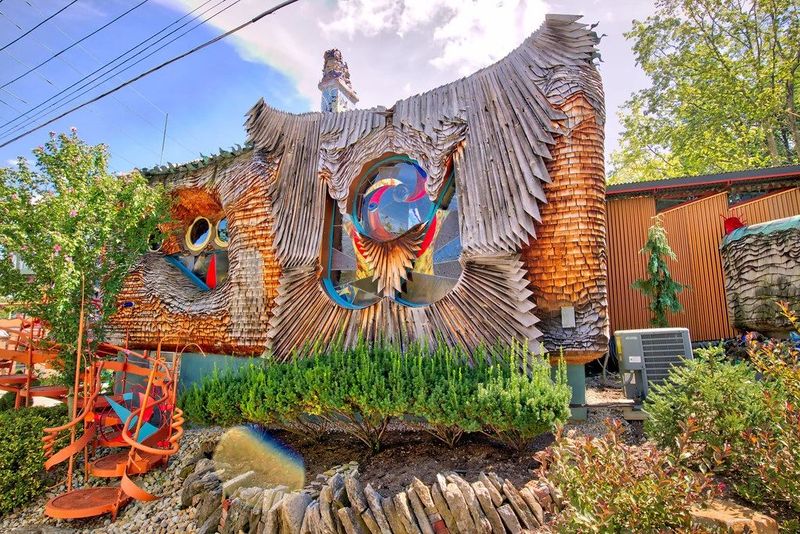
Some places fade after the first photo, but the Mushroom House keeps pulling people back. Its charm is not based only on being odd.
The home lasts in memory because it blends creativity, craftsmanship, and local identity in a way that feels joyful rather than forced.
Years pass, neighborhoods change, and travel trends move on. Still, visitors continue seeking out this Cincinnati landmark because it offers something many places lack: personality you can spot in seconds.
It reminds people that homes can be expressive, cities can support ideas, and beauty does not always arrive in expected shapes.
Anyone adding the Mushroom House to a Cincinnati plan should treat it as more than a quick novelty stop. Read about it, view it carefully, and share the story with someone else afterward.
A whimsical house becomes even more meaningful when you understand how rare it is to see imagination built so boldly.
Share this story