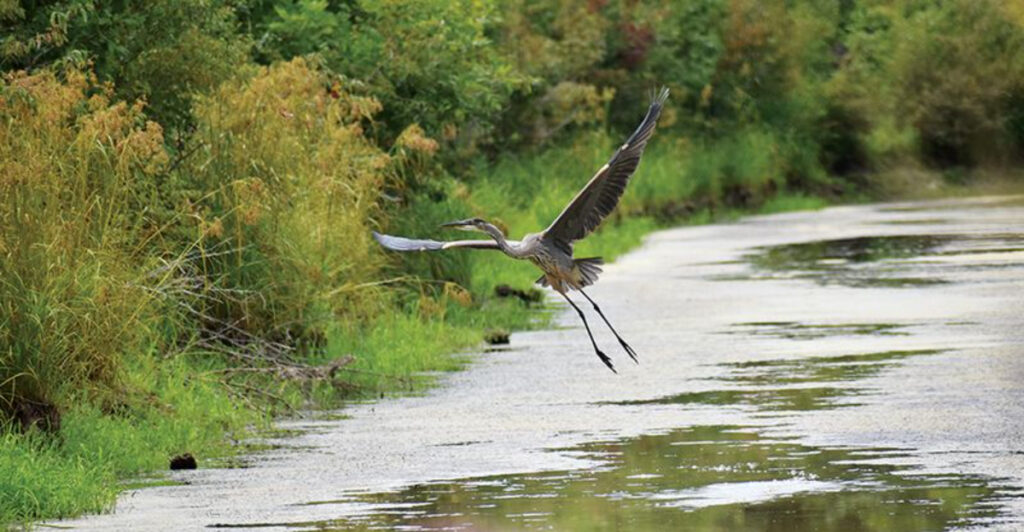
Ottawa National Wildlife Refuge in Oak Harbor, Ohio is one of those places that changes with the seasons in the best possible way. As birds travel north and south, its marshes, ponds, and quiet paths give them a safe place to rest and feed.
That makes the refuge exciting for birdwatchers, photographers, and families who enjoy being outside. If you want to see Ohio nature come alive, this wetland stop along Lake Erie is a great place to start.
1. Spring Brings The Biggest Bird Show
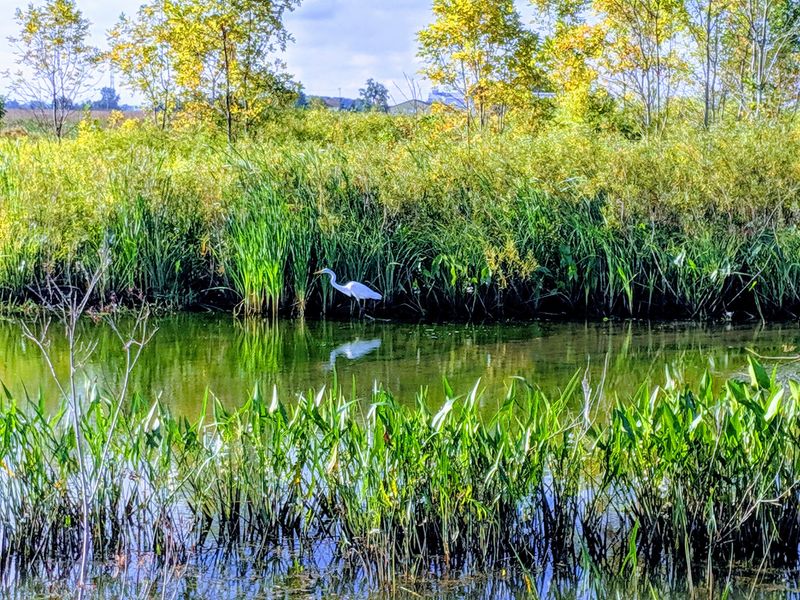
Some places feel quiet all winter, then suddenly wake up. At Ottawa National Wildlife Refuge, spring migration turns the wetlands into a busy stopover where birds rest, sing, and search for food before continuing their journey along Lake Erie.
Shallow water, reeds, and sheltered pools help many species recover energy after long flights. Birdwatchers often visit in the morning, when movement is highest and the light is softer for spotting color on wings, beaks, and feathers.
Bringing binoculars, comfortable shoes, and a small field guide can make the trip much better. Check the refuge website before you go, because hours and wildlife drive access can change.
If you move slowly and keep your voice down, you may notice swans, egrets, geese, songbirds, and even an eagle passing overhead. Spring truly feels like nature opening its front door again.
2. Marsh Pools Feed Tired Travelers
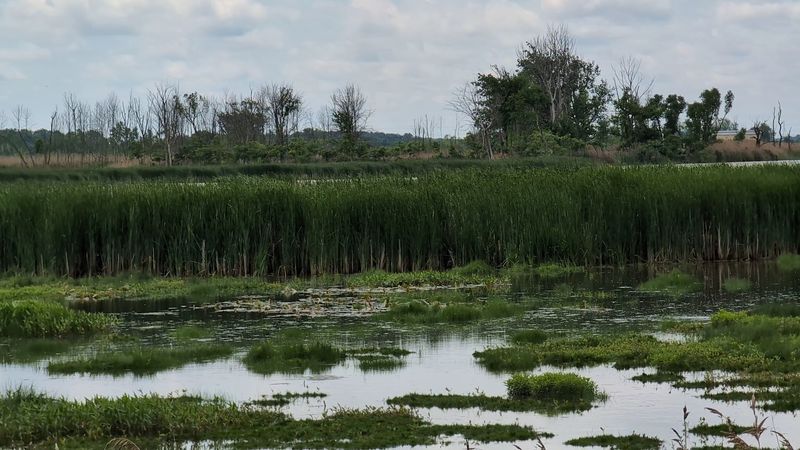
After a long flight, birds need more than a pretty place to land. The marshes at Ottawa National Wildlife Refuge give migrating birds water, shelter, and food, which is why so many species stop here during spring and fall travel.
Insects hatch near the water, fish move through channels, and plants provide seeds and cover. That mix supports dabbling ducks, wading birds, shorebirds, and smaller songbirds that need quick meals before heading on.
Visitors can learn a lot just by watching where birds gather. If many are feeding in one area, that usually means the habitat is healthy and active.
Try visiting at different times of year, because the same wetland can look completely different from one season to the next. A calm day may reveal turtles on logs, dragonflies above the reeds, and swans gliding through open water.
The refuge works like a roadside diner for migration, only much quieter and wilder.
3. Wildlife Drive Opens A Window Into The Wetlands
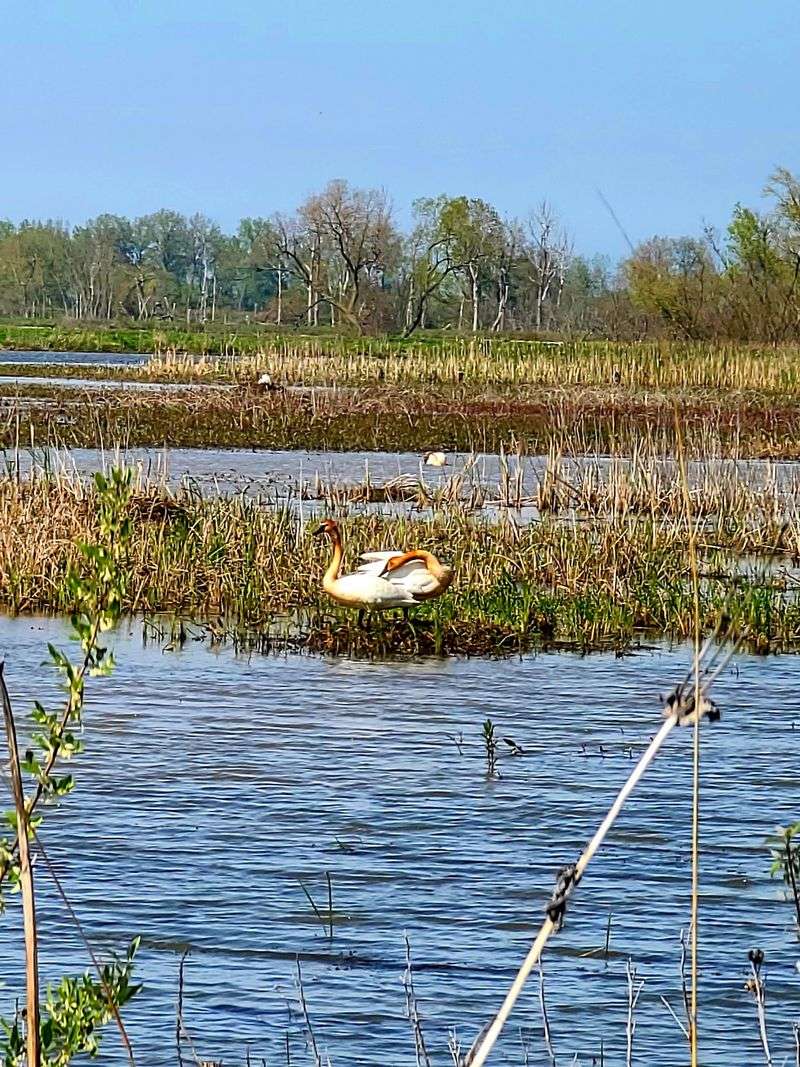
For many visitors, the wildlife drive is the part they talk about most after leaving. It lets people see broad marsh views and distant birds without needing a long hike, which is helpful for families, photographers, and anyone wanting an easier outing.
From the road, you may spot trumpeter swans, egrets, geese, turtles, and large nests used by bald eagles. Because the route follows service roads, access is limited, so checking the refuge website before your trip is a smart move.
Drive slowly and keep your camera or binoculars close by. Birds can appear around the next bend, standing in the water or lifting off in a noisy group.
Early or late daylight often brings the best light for pictures and better chances for wildlife movement. If your main goal is birdwatching, plan around open drive dates instead of guessing.
A little planning can turn a simple visit into one of the most memorable nature experiences along Ohio’s Lake Erie shore.
4. Boardwalk Paths Make Birding Feel Easy
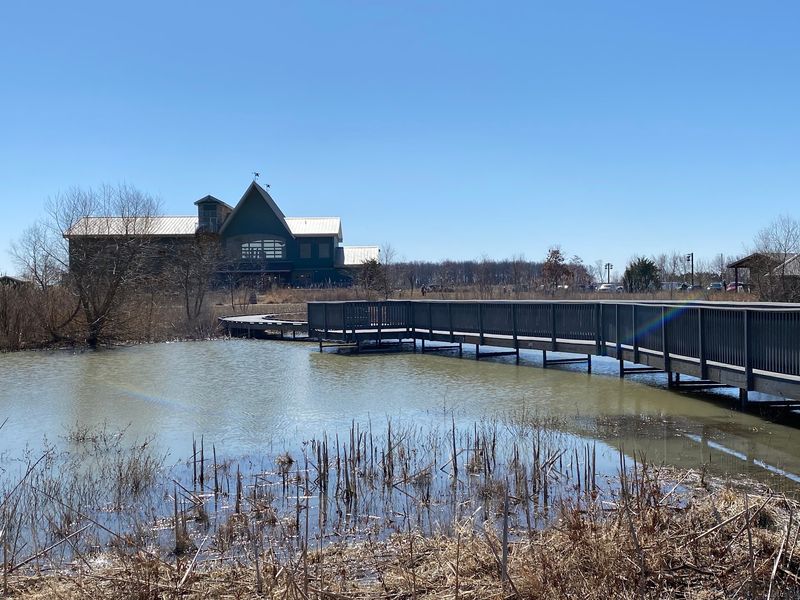
Not every great birdwatching trip needs rough ground or a long walk. The boardwalk and nearby trails at Ottawa National Wildlife Refuge make it easier to explore wetland edges, wooded spots, and pond areas where birds often appear close enough to enjoy.
Many visitors like these paths because they are well kept and easy to follow. Benches along parts of the refuge can help when you want to pause, listen for calls, or wait quietly for movement in the reeds.
Kids often have more fun when the walk feels simple and full of little surprises. One minute you may be watching a red-winged blackbird on a cattail, and the next you could notice frogs, butterflies, or a heron stepping through shallow water.
Bring water in warm weather, since open areas can heat up quickly. If you walk gently and avoid sudden noise, the boardwalk can feel like a front row seat to daily wetland life.
5. The Visitor Center Adds Context To Every Sighting
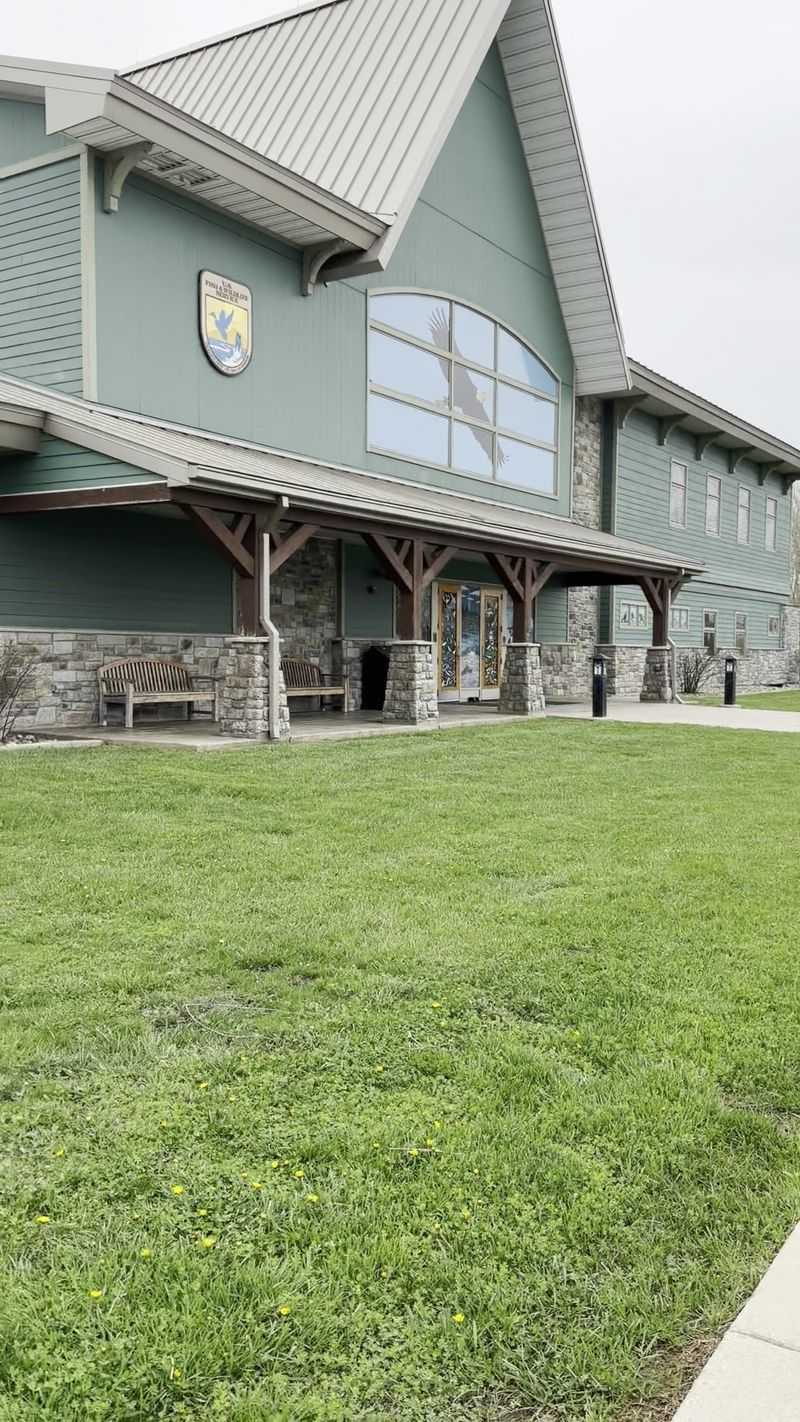
Seeing birds is exciting, but understanding what you are seeing makes the visit even richer. The visitor center at Ottawa National Wildlife Refuge helps connect the dots with exhibits, helpful staff, restrooms, maps, and information about current wildlife activity.
People often mention the friendly workers, clean facilities, and useful displays. Some visitors also enjoy the gift shop, where books and small nature items can help kids and adults keep learning after the trip ends.
If you are new to birding, start here before heading outside. Staff can point you toward active trails, explain seasonal highlights, and help you figure out whether the wildlife drive is open.
The building also gives you a comfortable place to regroup if the weather changes. A short film, overlook areas, and occasional binocular access can add to the experience.
Instead of wandering without a plan, you can head out with a better idea of what species might be nearby and where to look first.
6. Egrets, Swans, And Eagles Steal The Spotlight
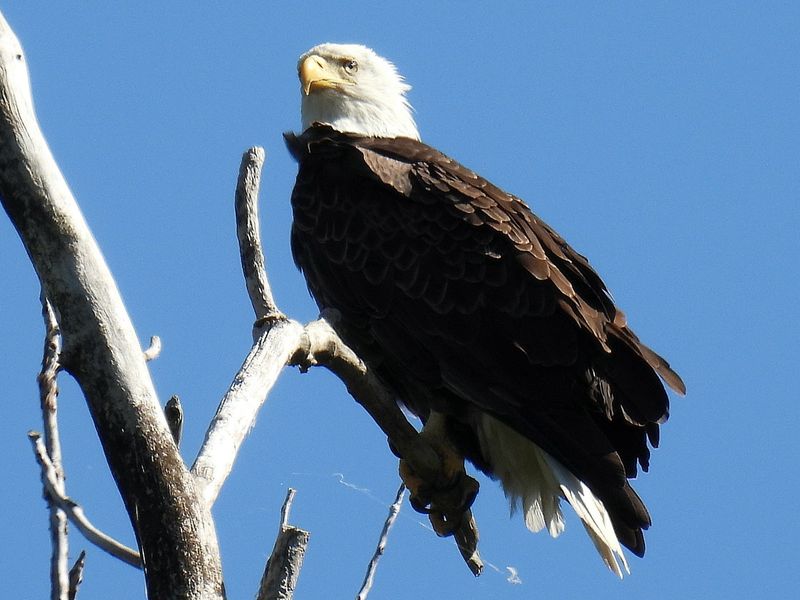
Certain birds make almost everyone stop and stare. At Ottawa National Wildlife Refuge, egrets, trumpeter swans, and bald eagles are some of the stars that keep visitors scanning the water, treetops, and open sky with extra attention.
Great egrets stand out because of their bright white feathers and slow, careful steps through the marsh. Swans bring a calm, graceful feel to the scene, while eagles add drama when they circle high or sit near huge nests.
Even so, the smaller birds deserve attention too. Blackbirds, swallows, warblers, and marsh birds can be just as fun to find, especially when you begin noticing sounds and movement instead of waiting only for the biggest species.
A good tip is to watch for bird behavior, not just color. Feeding, calling, diving, and flocking can help you identify what you are seeing.
Keep your distance and use binoculars so the birds stay relaxed in the habitat they depend on.
7. Photographers Find Action Around Every Turn
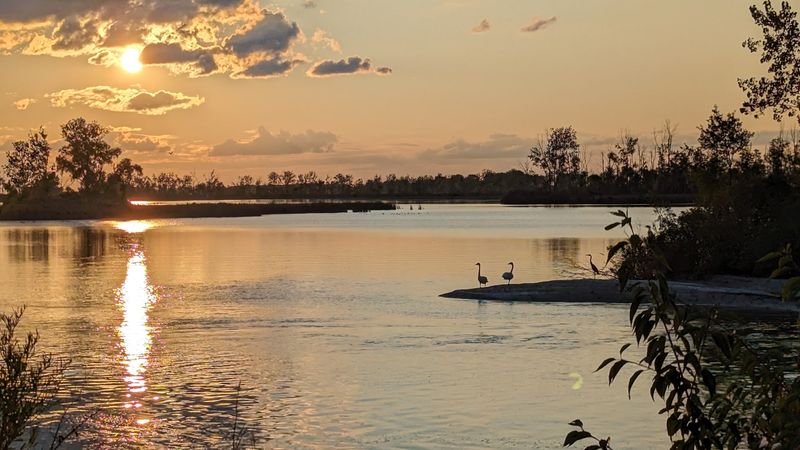
A camera feels right at home at Ottawa National Wildlife Refuge. With open marshes, quiet trails, and sudden wildlife movement, the refuge gives photographers many chances to capture birds in flight, resting on water, or framed by reeds and sky.
Morning light usually works best because it is softer and warmer. On calm days, reflections in the pools can make simple bird photos look special, especially when swans, herons, or ducks drift through still water.
You do not need fancy gear to enjoy taking pictures here, though a zoom lens helps with distant subjects. Patience matters more than speed.
If you stop often, listen, and watch edges where water meets grass, you can catch moments other people walk past. Keep extra memory space, protect your gear from wind and dust on gravel areas, and wear plain colors if possible.
The real trick is slowing down. At this refuge, good photos often come to the people who let the marsh set the pace.
8. Fall Migration Offers A Different Kind Of Magic
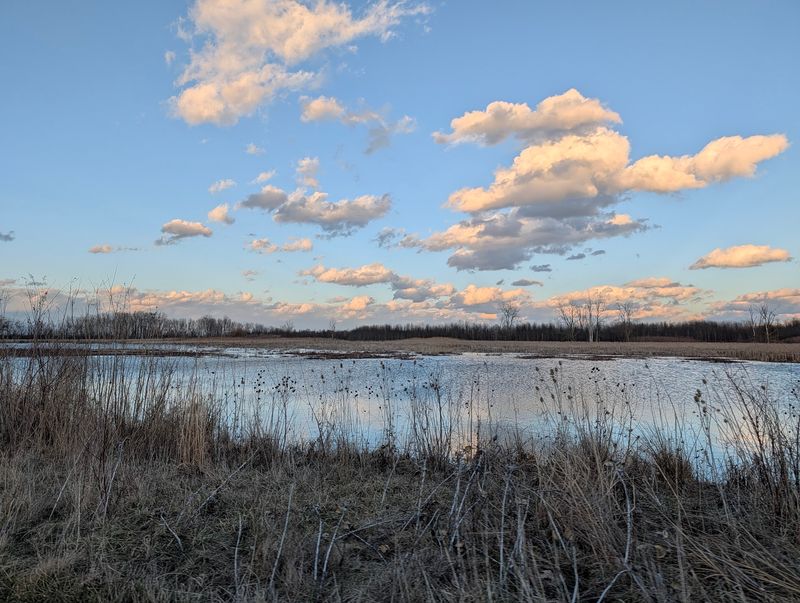
Spring gets a lot of attention, but fall has its own charm at Ottawa National Wildlife Refuge. Cooler air, changing plants, and waves of southbound birds create a different mood, one that feels calmer but still full of life.
Ducks, geese, swans, and other waterbirds often become easier to notice as seasonal movement picks up. The marsh colors shift too, giving the refuge a warmer look that many visitors love for walking, watching, and taking photos.
Fall can also be more comfortable for people who do not enjoy summer heat. Bring layers, since wind near Lake Erie can make the day feel cooler than expected.
A thermos, binoculars, and extra time are all good ideas because bird activity may build slowly instead of all at once. Try standing quietly at one spot for several minutes before moving on.
You may hear calls overhead before you see the flock. That little pause often turns an ordinary visit into a moment you remember long after you leave.
9. A Safe Refuge Matters More Than Ever
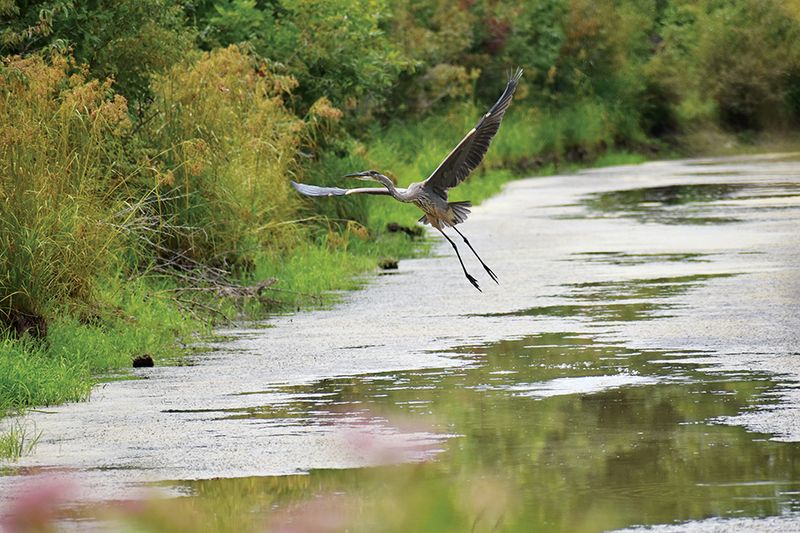
Behind every exciting bird sighting is a bigger story about protection. Ottawa National Wildlife Refuge matters because it preserves wetland habitat that migrating birds need, not just for a day of rest, but for survival during long seasonal journeys.
Without places like this, birds would have fewer safe feeding areas along the Lake Erie shore. Wetlands also help other wildlife, support plant life, and improve the health of the surrounding landscape in ways many people never fully notice.
Visitors become part of that care when they stay on trails, respect wildlife space, and follow refuge rules. Even simple choices, like packing out trash and keeping noise low, protect the experience for animals and for other guests.
If you have children with you, this is a great place to talk about how land can be both beautiful and useful. The refuge is not only a scenic stop.
It is a working safe zone for birds that cross states and seasons, depending on healthy habitat at exactly the right time.
Share this story