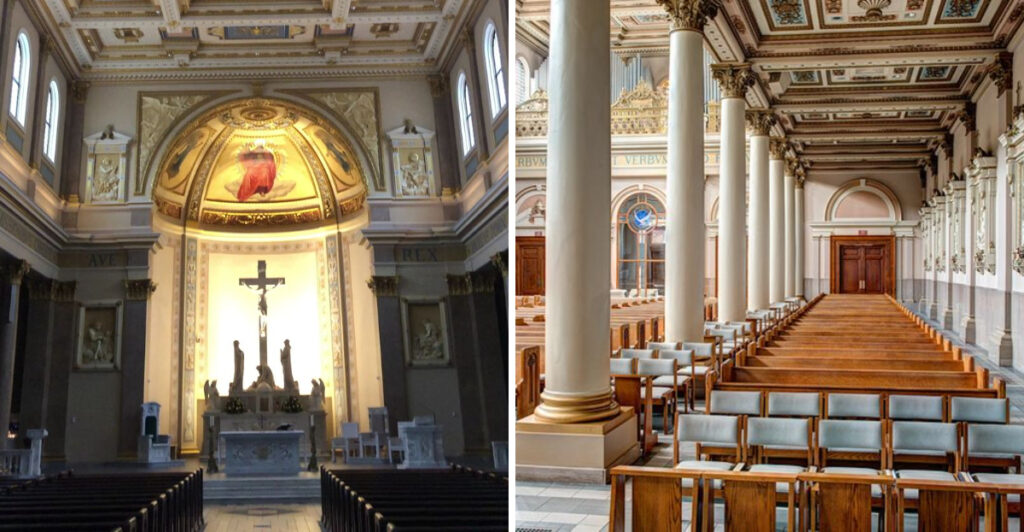
Right in the heart of Nashville on West End Avenue sits a cathedral that most tourists walk right past without a second glance. The Cathedral of the Incarnation might not scream for attention from the outside, but step through those doors and you’ll find yourself surrounded by stunning details that rival churches across Europe. From breathtaking stained glass windows to intricate woodwork and incredible acoustics, this modern Catholic cathedral proves that architectural beauty doesn’t always announce itself from the curb.
Stained Glass Windows That Tell Stories in Light
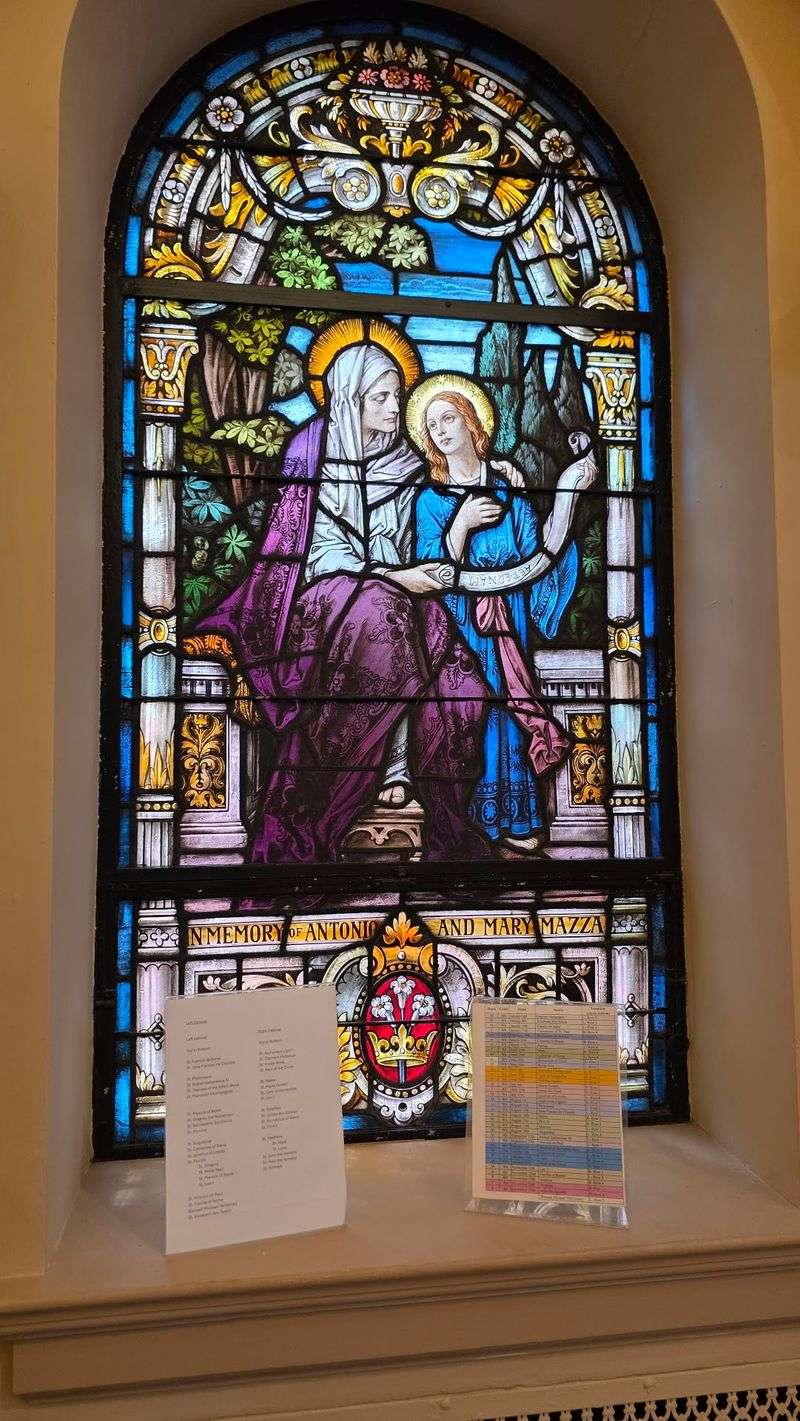
Walk into the Cathedral of the Incarnation and your eyes immediately get pulled upward to the spectacular stained glass windows lining the walls. These aren’t your average church windows with simple patterns. Each panel tells a specific story from Catholic tradition, rendered in brilliant blues, reds, golds, and greens that catch the Tennessee sunlight in ways that make the whole space glow.
Photographers who’ve worked here for over a decade consistently mention the lighting these windows create. The way natural light filters through the colored glass changes throughout the day, casting rainbow patterns across the pews and floor. Morning masses get bathed in soft golden tones, while afternoon services experience deeper, richer hues that make the interior feel almost dreamlike.
What makes these windows special isn’t just their beauty but their craftsmanship. The detail work is so intricate that you could spend an entire visit just studying one window and still discover new elements. Faces of saints show genuine emotion, robes have realistic folds and shadows, and background details include tiny architectural elements that most people miss on their first visit.
Visitors from Italy have compared the stained glass favorably to what they’ve seen in European cathedrals. That’s high praise considering Italy’s centuries-old church tradition. The windows manage to feel both timeless and fresh, honoring traditional religious art while existing in a modern American cathedral built in the 20th century.
If you’re planning a visit specifically to see the windows, try going during different times of day. The morning light creates completely different effects than late afternoon sun. Some regular attendees have their favorite windows and preferred times to see them at their absolute best, treating the experience almost like watching a daily light show that never gets old.
Woodwork and Carved Details That Demand a Closer Look
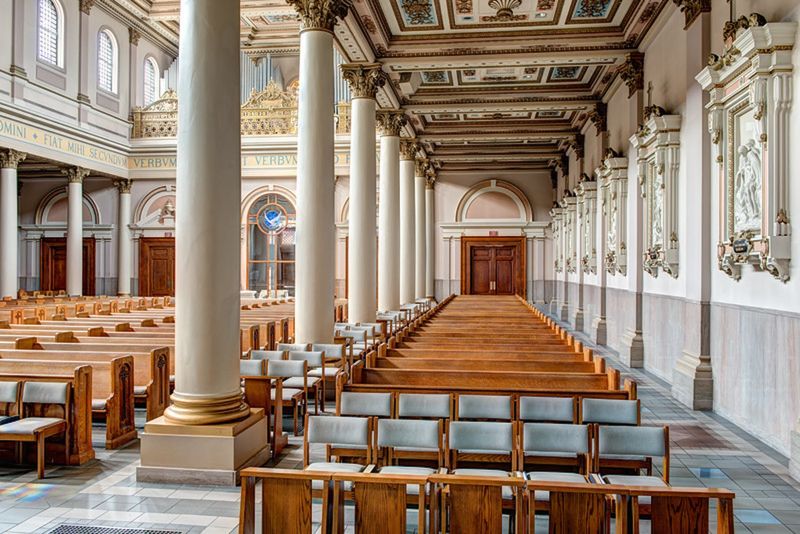
Most people notice the big picture when they enter a cathedral, but the real treasures at the Cathedral of the Incarnation hide in the woodwork. The carved details throughout the building showcase a level of craftsmanship that’s becoming increasingly rare. From the altar railings to the pew ends, every wooden surface received careful attention from skilled artisans.
The altar area features particularly impressive carved wood elements. Religious symbols, flowing patterns, and delicate relief work cover surfaces that might have been left plain in a less ambitious building. Running your eyes along these carvings reveals new details each time, like a visual puzzle that rewards patient observation.
What’s fascinating is how the wood has aged since the cathedral’s construction. The patina that’s developed over decades adds warmth and character that brand-new wood simply can’t match. The grain patterns in the wood itself become part of the artistic effect, with natural variations creating subtle shifts in color and texture.
Visitors who appreciate fine carpentry often spend extra time examining the joinery and construction techniques visible throughout the space. The pews alone represent serious craftsmanship, built to last generations while remaining comfortable enough for hour-long services. No wobbly construction or cheap shortcuts here, just solid work done right.
The acoustics benefit from all this wood too. Hard surfaces would create harsh echoes, but the wooden elements help create the warm, resonant sound quality that makes the organ and choir sound so exceptional. Everything works together, with the woodwork serving both aesthetic and functional purposes that enhance the overall cathedral experience in ways most visitors never consciously recognize but definitely feel.
Acoustics That Turn Every Mass Into a Concert
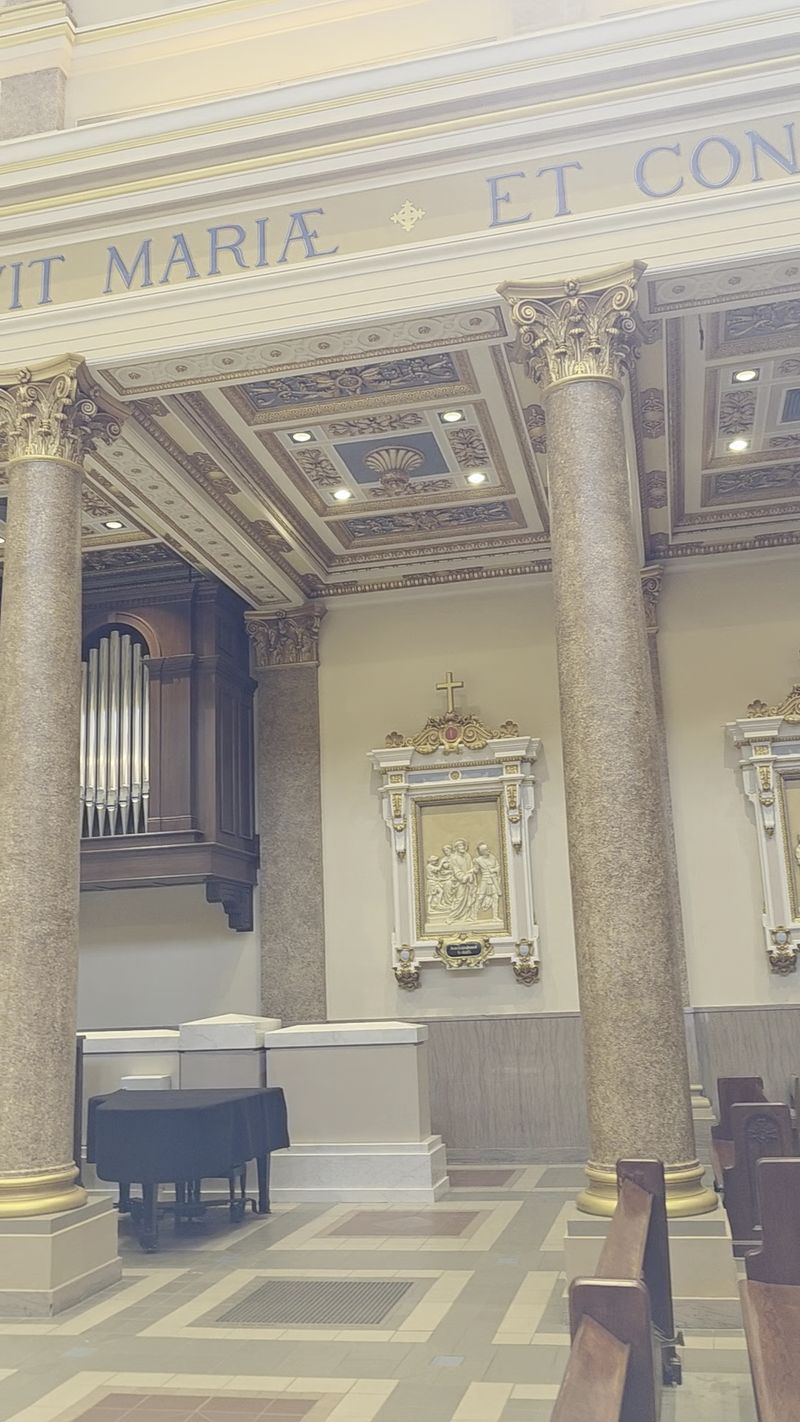
Here’s something you don’t expect when visiting a church: acoustics so good that even casual visitors mention them in reviews. The Cathedral of the Incarnation wasn’t just designed to look beautiful. The architects clearly understood how sound moves through space, creating an environment where music and voices resonate with crystal clarity.
The organ sounds particularly magnificent in this space. When the organist practices before services, people sometimes wander in off West End Avenue just to listen. The deep bass notes you can feel in your chest, the soaring high notes that seem to float near the ceiling, it all works together in ways that give you goosebumps even if you’re not particularly religious.
Choir performances benefit enormously from the acoustic design. Voices blend and carry throughout the cathedral without needing electronic amplification. You can sit in the back rows and still hear every word of the homily, every note of the hymns, creating an intimate experience despite the building’s size.
There’s a small catch though. Some reviewers mention that acoustics in the very back can get a bit muddy during particularly full services. The recommendation from regulars is to sit in the middle section or closer to the front if you really want to experience the sound at its best.
That’s a minor trade-off for a space that generally handles sound better than modern buildings twice its size.
Musicians and audio engineers who visit often comment on the technical aspects of the design. The ceiling height, wall angles, and material choices all contribute to the sonic environment. It’s the kind of thing that seems like magic until you understand the science, and even then, experiencing it in person still feels special every single time.
Modern Architecture Inspired by Ancient Rome
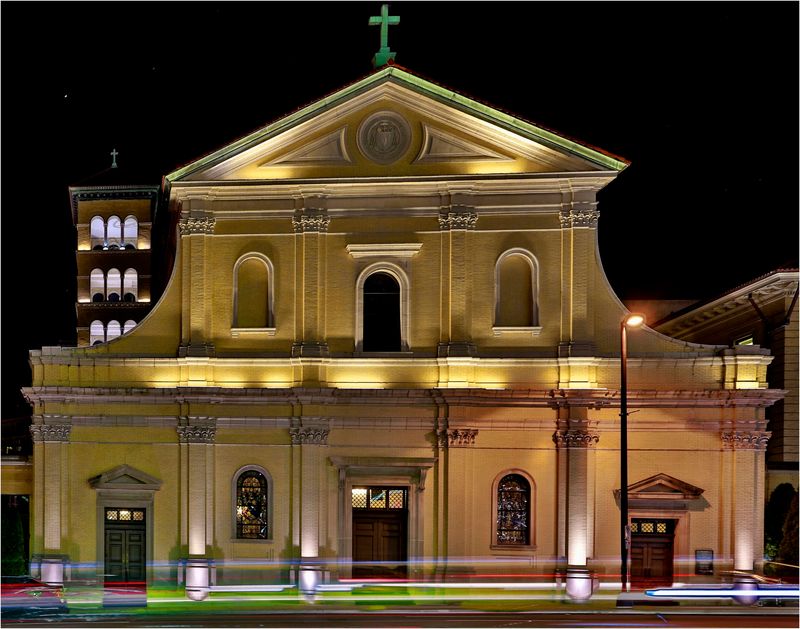
The outside of the Cathedral of the Incarnation doesn’t immediately grab attention like some of Nashville’s flashier buildings. That’s actually intentional. The architects modeled the exterior on basilicas in Rome, creating a design that feels timeless rather than trendy.
This approach means the building won’t look dated in fifty years like so many contemporary structures already do.
Once you know to look for the Roman influences, they become obvious. The proportions, the entrance design, the way the building sits on its lot, all these elements echo churches that have stood in Italy for centuries. It’s architectural tradition transplanted to Tennessee, adapted for modern construction techniques while honoring ancient design principles.
Inside, the blend of old and new becomes even more apparent. You get soaring spaces and classical proportions, but with modern materials and construction methods that simply weren’t available to medieval builders. The result feels both familiar and fresh, like stepping into a space that exists slightly outside normal time.
Visitors from Italy have specifically praised how well the cathedral captures the feeling of European churches. That’s remarkable considering it’s a 20th-century American building. The architects clearly studied their subject matter thoroughly, understanding not just what Roman basilicas looked like but why they were designed that way and what effects those designs created.
This architectural approach serves the building’s function perfectly. Churches are supposed to feel somewhat removed from everyday life, offering a space for reflection and worship that’s distinct from the outside world. The Roman-inspired design creates that separation naturally, using architecture that’s proven effective at inspiring contemplation for literally thousands of years.
Sometimes the old ways really are the best ways.
Saint Relics That Connect Nashville to Church History
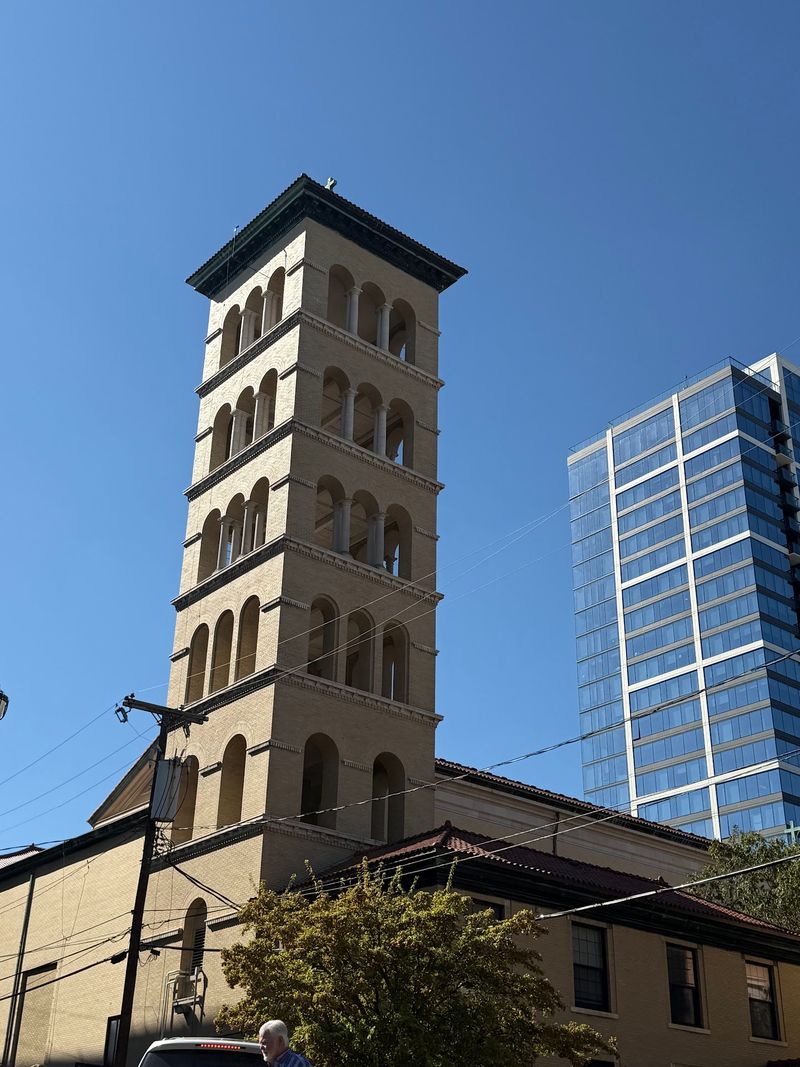
Most Nashville attractions focus on music history, but the Cathedral of the Incarnation offers something completely different: direct physical connections to saints who lived centuries ago. The cathedral houses multiple saint relics, small pieces of bone or cloth that once belonged to holy figures from Catholic tradition. For believers, these represent tangible links to the spiritual giants of the faith.
Visitors from out of town frequently express surprise at finding such a collection in Tennessee. Saint relics are more commonly associated with European cathedrals that have existed for hundreds of years. Having them in Nashville makes the cathedral special among American churches, offering something most parishes simply don’t possess.
The relics are displayed with appropriate reverence and security, allowing visitors to view them while protecting these irreplaceable artifacts. Each one comes with information about which saint it represents and why that particular saint matters in Catholic tradition. Even if you’re not Catholic, the historical significance is genuinely interesting from a purely educational standpoint.
For practicing Catholics, especially those who’ve moved to Nashville from other places, having access to saint relics provides spiritual enrichment they might not have expected to find in Music City. The relics turn the cathedral into more than just a beautiful building. They make it a pilgrimage destination, a place with genuine spiritual significance beyond its architectural merits.
The presence of these relics also speaks to the cathedral’s connections within the broader Catholic Church. Obtaining saint relics requires relationships with other churches and religious institutions, often going back decades. They represent trust, tradition, and the global nature of Catholicism, all present in this often-overlooked building on West End Avenue where history and faith intersect in surprisingly powerful ways.
Welcoming Priests Who Make Everyone Feel at Home
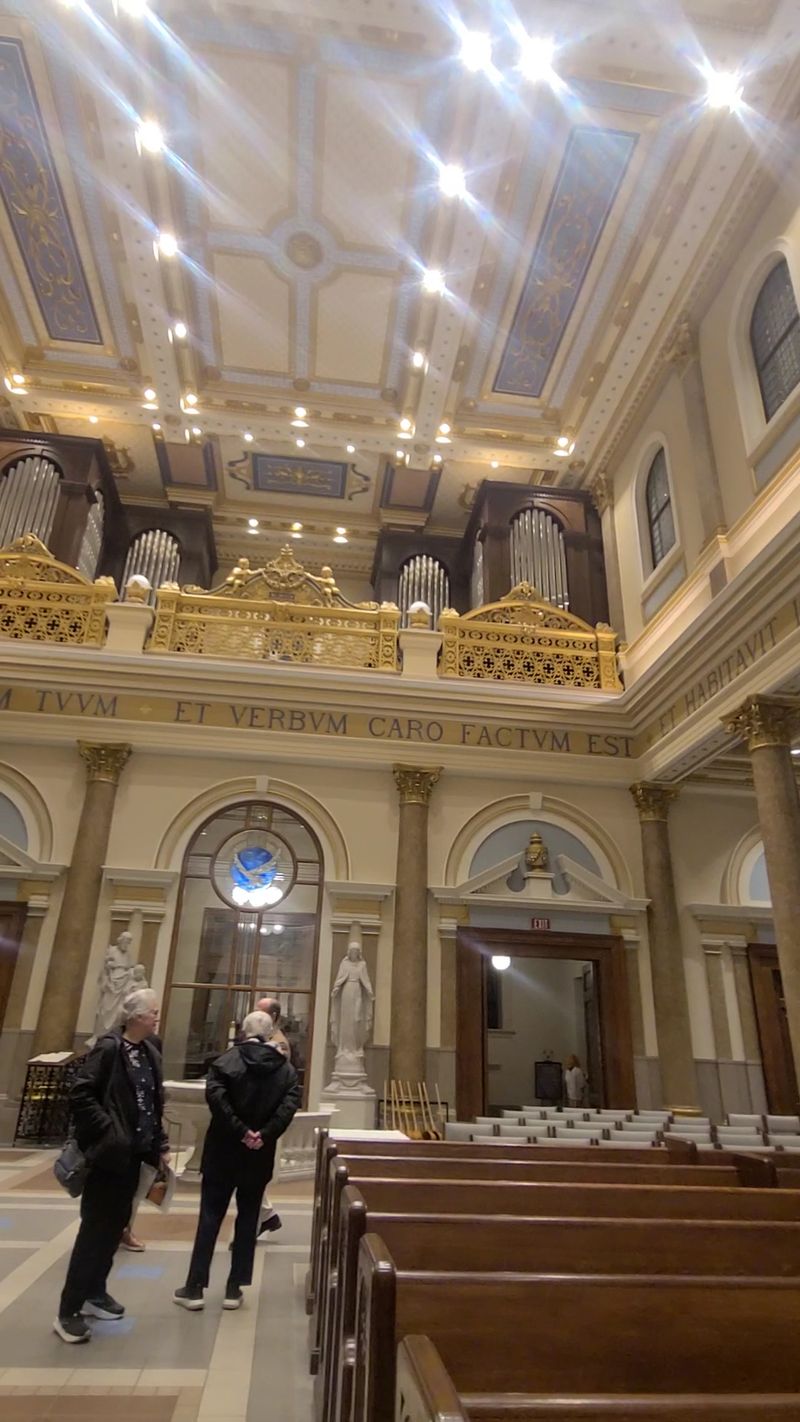
Beautiful buildings matter, but people make a church feel like home. The Cathedral of the Incarnation benefits enormously from priests who genuinely care about making everyone feel welcome, whether you’re a lifelong parishioner or a curious tourist who wandered in off the street. Father Hammond gets mentioned by name in multiple reviews, with visitors praising his warmth and approachability.
Out-of-town visitors consistently comment on how friendly the priests are. One reviewer mentioned asking for confession after mass and having the priest gladly accommodate the request. That kind of flexibility and personal attention makes a huge difference, especially for travelers who might feel disconnected from their home parishes.
The homilies delivered at the cathedral receive particular praise. Multiple reviews mention how poignant, impactful, and applicable the messages are. Good preaching is harder than it looks, requiring not just knowledge but the ability to communicate complex ideas in ways that resonate with diverse audiences.
The priests here clearly have that skill.
What’s impressive is the consistency. It’s not just one exceptional priest carrying the whole operation. Multiple reviews from different time periods mention friendly, welcoming clergy, suggesting a culture of hospitality that runs through the entire cathedral staff.
That doesn’t happen by accident. It requires intentional effort and leadership that prioritizes people over bureaucracy.
For anyone nervous about visiting a Catholic cathedral for the first time, the welcoming atmosphere makes it easier. The priests understand that not everyone knows when to stand, sit, or kneel during mass. They create an environment where questions are welcomed and newcomers aren’t made to feel awkward about not knowing all the traditional responses and rituals.
Traditional Latin Mass Elements in a Modern Setting
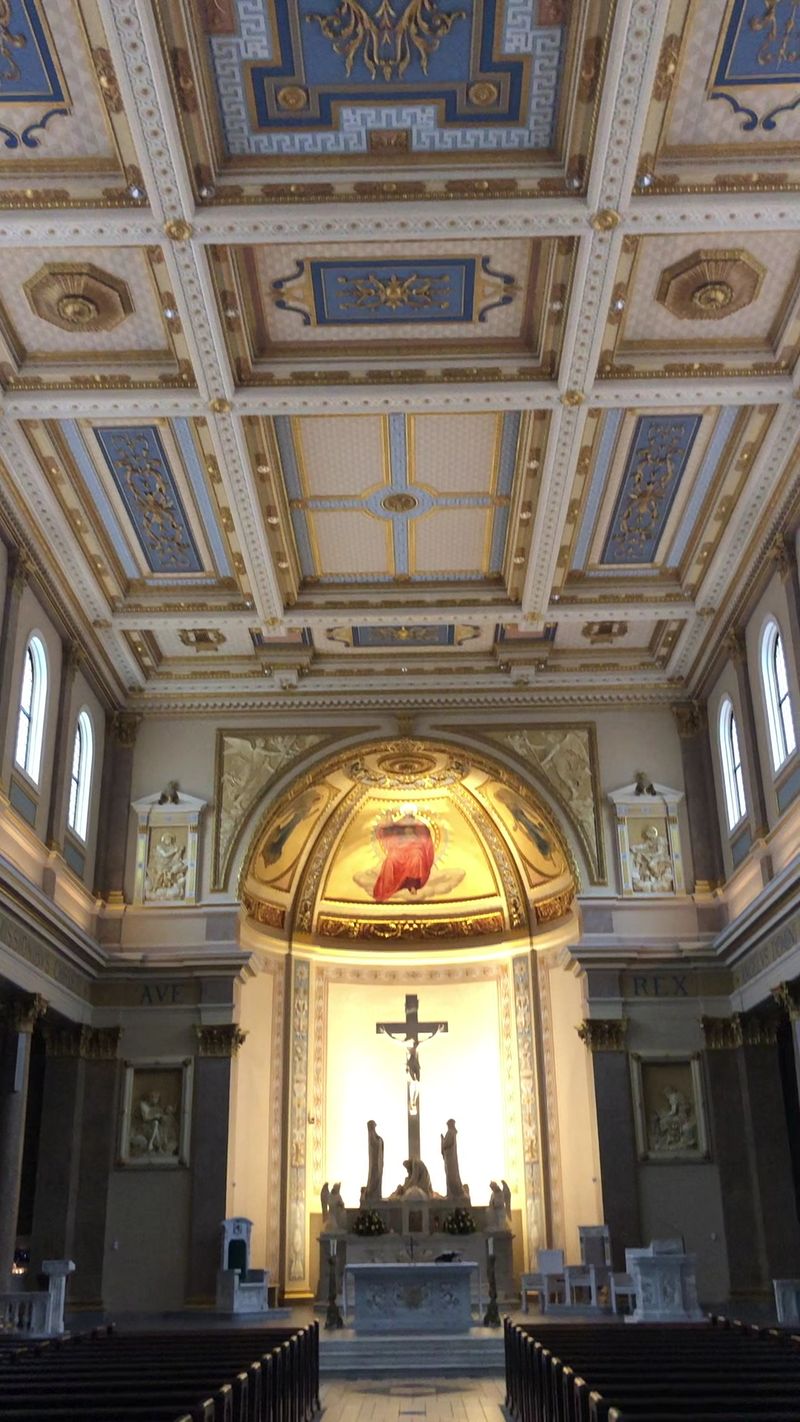
In an era when many Catholic churches have moved toward casual, contemporary services, the Cathedral of the Incarnation maintains traditional elements that longtime Catholics deeply appreciate. The use of Latin in parts of the sanctuary creates a connection to centuries of church tradition, offering something that’s increasingly hard to find in modern American parishes.
Visitors from North Carolina and other states specifically mention loving the traditional mass approach. There’s something powerful about participating in rituals that Catholics worldwide have practiced for generations. The Latin phrases, the traditional music, the reverent atmosphere, all these elements combine to create an experience that feels authentically Catholic in ways that more modernized services sometimes don’t.
The cathedral still uses mass books with dates and music printed in them, another traditional touch that many churches have abandoned in favor of projected lyrics or photocopied handouts. These books help participants follow along and engage more fully with the service, especially visitors who might not be familiar with the specific traditions of this particular parish.
What’s remarkable is how the cathedral balances tradition with accessibility. They’re not performing mass entirely in Latin or making the services so traditional that newcomers feel completely lost. Instead, they’ve found a middle ground that honors church tradition while remaining welcoming to people at all levels of Catholic practice and knowledge.
The reverent, quiet, respectful atmosphere during services reflects this traditional approach. People come prepared to worship, not to socialize or check their phones. That seriousness of purpose creates a space where genuine spiritual reflection becomes possible, something that’s increasingly rare in our distracted, always-connected modern world.
Sometimes old traditions persist because they actually work better than trendy alternatives.
Exceptional Music Program With Talented Choir and Organist
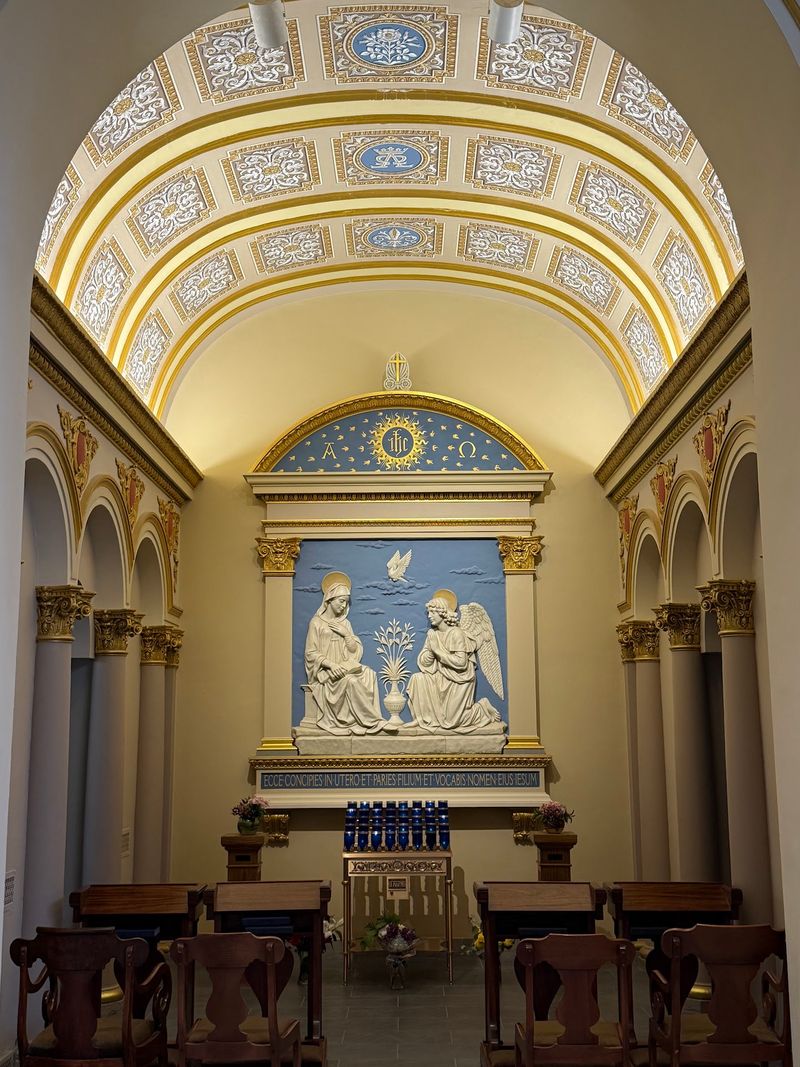
Music City lives up to its name at the Cathedral of the Incarnation, where the music program rivals anything you’d hear in much larger, wealthier parishes. The organist receives consistent praise from visitors, with people describing the music as beautiful, exceptional, and talented. Some reviews mention the organist practicing before services, with the sound quality so good that it attracts people from outside.
The choir deserves equal recognition. Singing in a cathedral requires serious skill because the acoustics amplify every mistake but also make beautiful harmonies sound absolutely heavenly. The choir here clearly knows what they’re doing, delivering performances that enhance the worship experience rather than just filling time between prayers.
What’s special is how the music serves the liturgy without overwhelming it. Some churches treat music like a performance, with the congregation becoming an audience. Here, the music enhances participation, helping worshippers engage more fully with the mass.
That’s the proper role of church music, and it’s harder to achieve than you might think.
Visitors who’ve attended churches around the United States and abroad specifically mention the Cathedral of the Incarnation’s music as exceptional. That’s significant praise considering the competition. Catholic churches worldwide have strong musical traditions, so standing out in that crowd requires genuine excellence, not just competence.
The combination of talented musicians, excellent acoustics, and quality instruments creates something special. You don’t need to be particularly religious to appreciate beautiful music in a space designed to showcase it. The cathedral offers that experience weekly, providing Nashville with a cultural resource that extends beyond its primary religious function.
It’s one more reason this overlooked building deserves more attention from both locals and visitors.
Perfect Setting for Weddings and Special Events
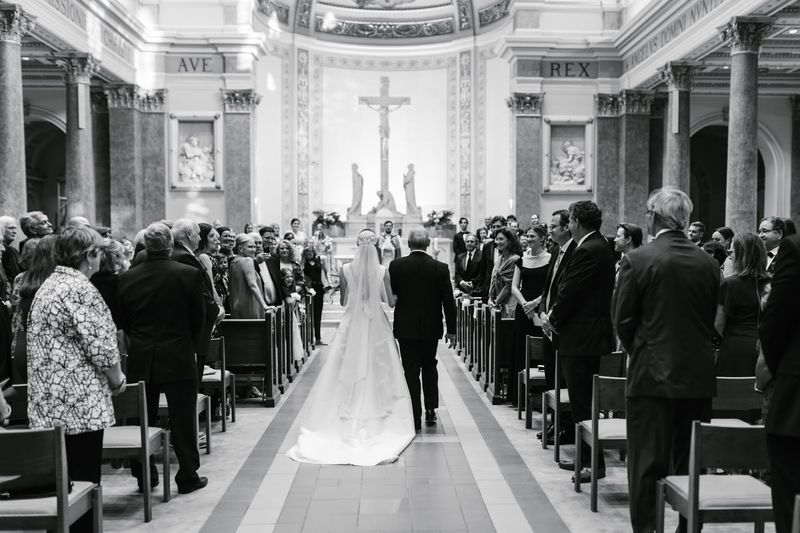
Wedding photographers with over a decade of experience don’t throw around phrases like “hands down one of my favorite cathedrals ever” casually. The Cathedral of the Incarnation has earned that reputation through a combination of stunning architecture, gorgeous lighting, and staff who know how to work with wedding professionals to create memorable events.
The cathedral’s location near downtown Nashville makes it convenient for wedding parties and guests. You’re not asking people to drive to some remote location. The building sits right on West End Avenue, accessible and easy to find, with the added benefit of being close to reception venues and hotels.
Inside, the lighting photographers rave about comes from those spectacular stained glass windows combined with thoughtful artificial lighting. Natural light creates beautiful, soft illumination that makes everyone look good in photos, while the architectural details provide stunning backdrops that don’t require elaborate decorations to look impressive.
The cathedral hosts various special events beyond weddings. World Marriage Day celebrations, anniversary commemorations, and community gatherings all benefit from the beautiful space and welcoming atmosphere. One couple mentioned receiving a certificate in the mail after attending an event, showing the attention to detail that makes occasions feel truly special.
The staff’s experience with events shows in how smoothly everything runs. They understand timing, know how to accommodate photographers and videographers, and handle the logistics that can make or break special occasions. That expertise matters enormously when you’re planning something as important as a wedding or significant anniversary celebration.
For couples looking for a wedding venue that photographs beautifully, provides spiritual significance, and won’t require spending a fortune on decorations because the building itself is gorgeous, the Cathedral of the Incarnation checks every box. It’s one of Nashville’s best-kept secrets for creating truly memorable celebrations.
Peaceful Space for Prayer and Reflection in Busy Nashville
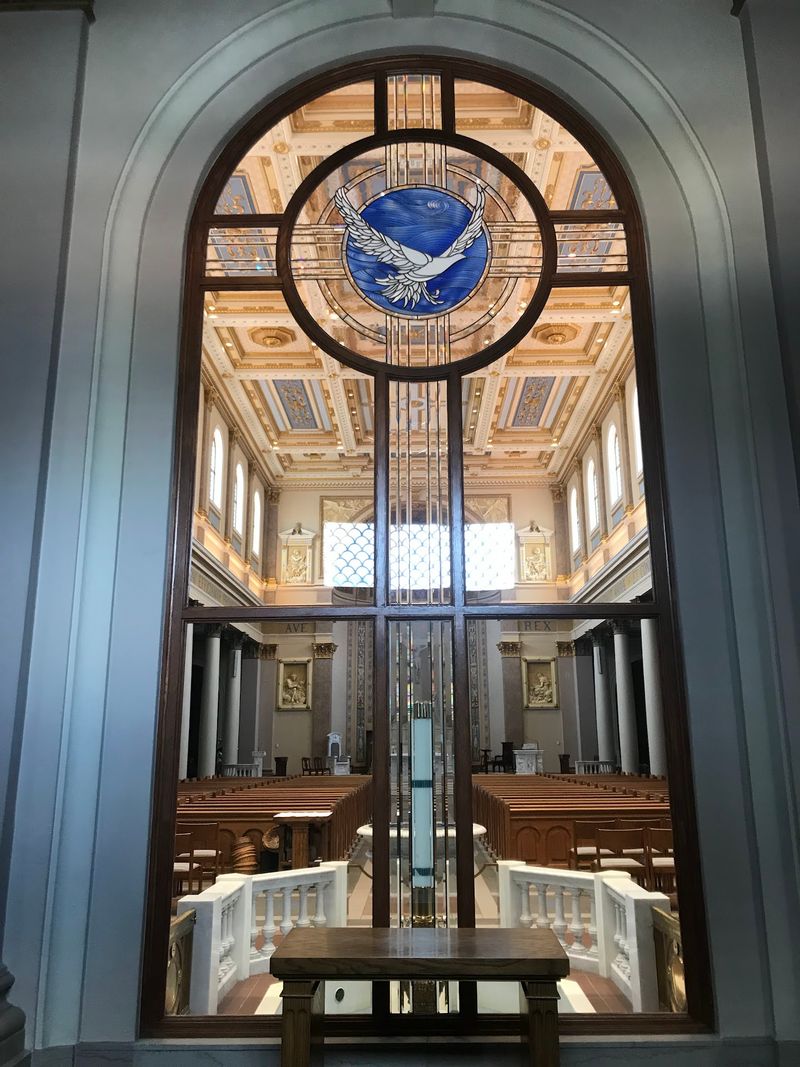
Nashville never stops moving. Between the tourists, the traffic, and the constant buzz of Music City energy, finding genuine quiet can feel impossible. That’s what makes the Cathedral of the Incarnation so valuable.
Step inside and the noise drops away, replaced by a serenity that visitors consistently describe as enrapturing and peaceful.
The building’s design naturally encourages contemplation. High ceilings draw your eyes upward, away from everyday concerns. Soft light filtering through stained glass creates an atmosphere that feels removed from the busy street just outside.
Even when services aren’t happening, the space maintains a quiet reverence that makes prayer and meditation feel natural.
Visitors from Italy have compared the contemplative atmosphere favorably to churches back home, noting that it would fit perfectly among Italian places of worship. That’s remarkable considering how different the contexts are. Creating that timeless, peaceful quality in modern America takes both architectural skill and intentional maintenance of the space’s character.
The cathedral welcomes people who simply want to sit and think, not just those attending services. Some visitors mention stopping by outside of mass times specifically for quiet reflection. In a city that often feels like it’s trying to sell you something, having a beautiful space that asks nothing except respectful behavior feels almost radical.
For residents dealing with the stress of modern life, having access to this kind of contemplative space matters more than you might realize. Mental health professionals increasingly recognize the value of quiet, beautiful environments for reducing stress and anxiety. The Cathedral of the Incarnation provides that resource free of charge, open to anyone seeking a few moments of peace in an otherwise chaotic world.
Sometimes the most valuable things are the ones we overlook most easily.
Share this story