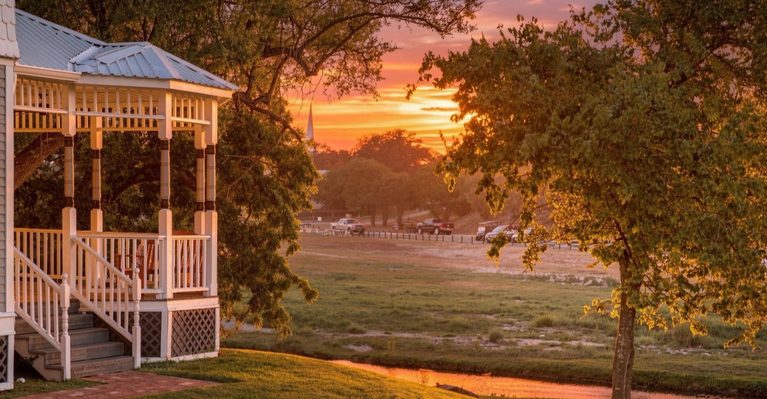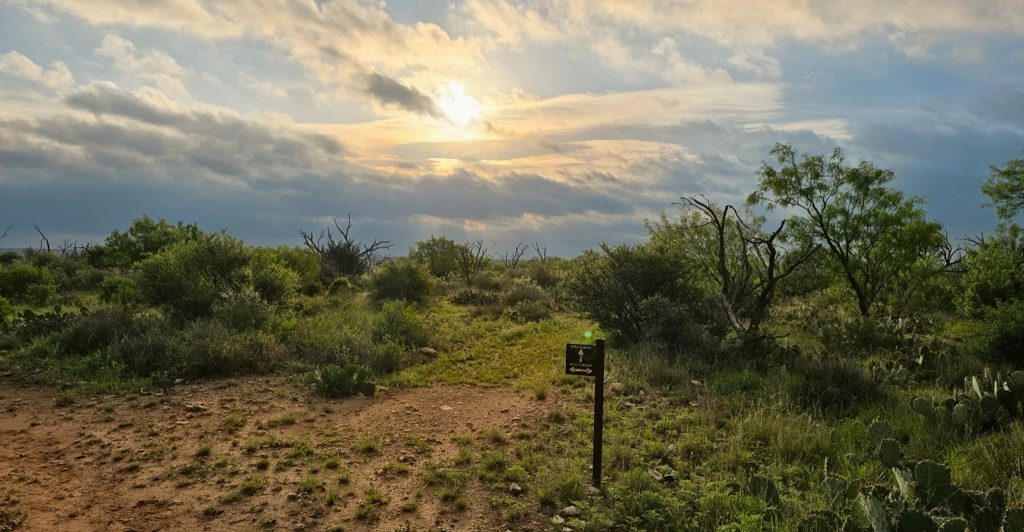
San Angelo State Park stretches across 7,000 acres of raw West Texas landscape where wide-open skies meet rugged terrain. Visitors flock here for 50 miles of trails, bison viewings, and quiet camping under stars that seem close enough to touch. But there’s one catch that every hiker, biker, and nature lover needs to know before hitting those trails: the ground here demands respect, whether you’re dodging cactus spines, fire ants, or loose gravel that can send you tumbling.
1. Red Fire Ants Are Everywhere
Fire ants own this park. Seriously, almost every review mentions them, and for good reason. These aggressive little insects build mounds across campsites, trails, and picnic areas, ready to swarm anyone who accidentally steps too close.
The sting burns like crazy and can cause welts that last for days. Kids playing near campsites are especially vulnerable since the mounds blend into the sandy soil. Always scan the ground before setting up chairs, tents, or blankets.
Wearing closed-toe shoes helps, but it won’t save you if you stand on a mound. The ants crawl up your legs fast, and by the time you feel the first sting, dozens more are already on you. Shake out your shoes before putting them on in the morning.
Bring bug spray that specifically targets fire ants, and teach kids to recognize the telltale dirt piles. Staff at the entrance can point out problem areas, but honestly, these ants pop up everywhere. Stay alert, watch where you sit, and never assume a patch of ground is safe just because it looks clear.
One wrong step can turn a peaceful afternoon into an itchy, painful mess that ruins your whole visit.
2. Cactus Grows Right Along the Trails
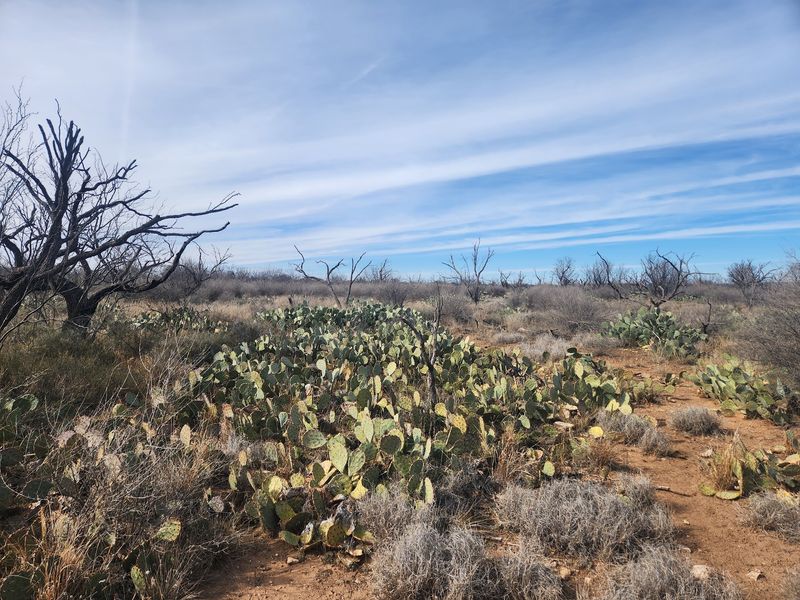
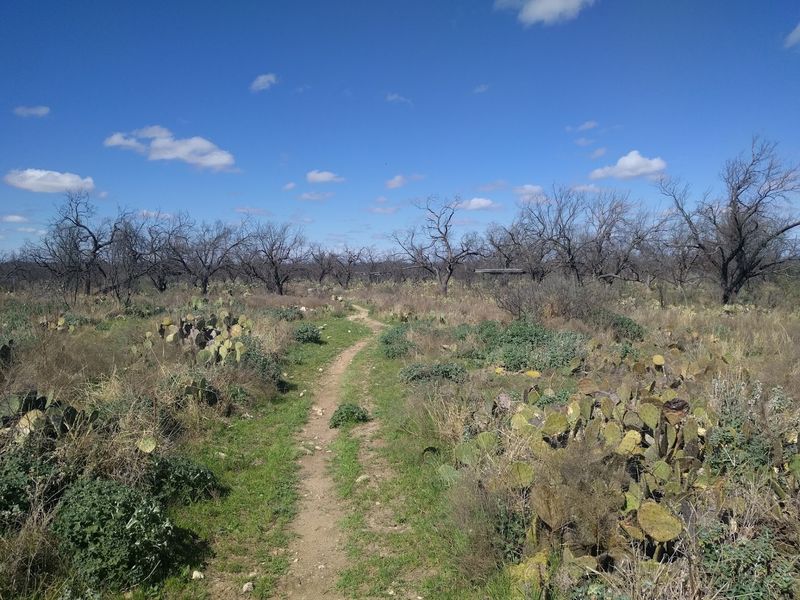
Mountain bikers learn this lesson the hard way. The trails at San Angelo State Park wind through mesquite and cactus-dotted terrain, and those spiny plants grow right up to the path edges. Lose your balance or take a turn too fast, and you might end up with a lap full of prickly pear.
Hikers face the same hazard, especially on narrower paths where vegetation crowds in from both sides. The spines punch through clothing easily and embed themselves deep. Removing them takes patience and tweezers, and some leave behind irritating splinters you’ll feel for weeks.
Kids tend to wander off-trail when exploring, which puts them at serious risk. The bright flowers on blooming cactus attract curious hands, but those pretty plants bite back hard. Keep little ones close and remind them constantly to stay on the marked paths.
Long pants help more than shorts, though denim won’t stop every spine. Watch your footing on rocky sections where loose gravel can throw you off balance. The trails here are beautiful and challenging, but they require constant attention.
One distracted moment, one misjudged turn, and you’ll be picking spines out of your skin for the rest of the day.
3. Loose Gravel and Rocky Terrain
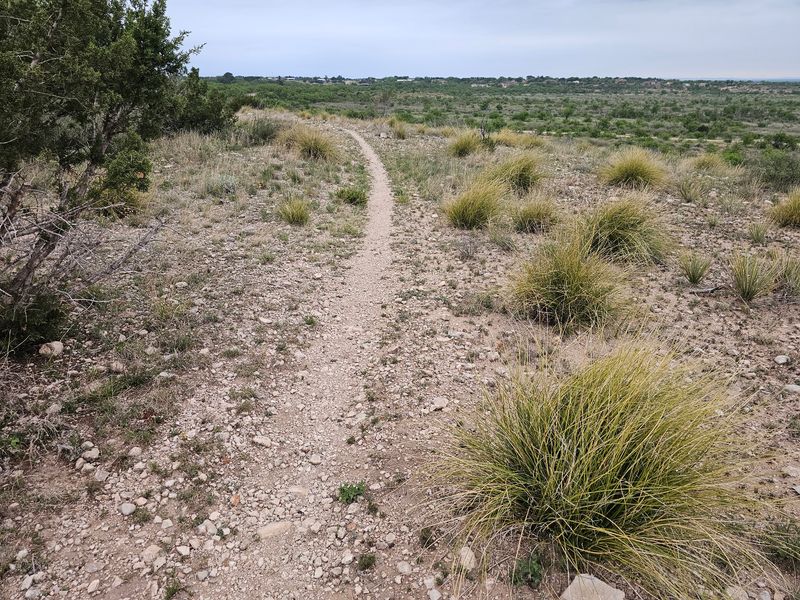
Half the trails here are covered in loose, natural gravel that shifts under your feet like marbles. It’s not the smooth, packed dirt you find at other parks. This stuff rolls and slides, especially on inclines, turning simple walks into balance tests.
Mountain bikers mention it constantly in reviews. Hit a gravel patch going too fast, and your wheels wash out. Hikers slip on descents, and twisted ankles are common among visitors who underestimate the terrain.
Good hiking boots with ankle support make a huge difference. Tennis shoes don’t cut it here, especially after rain when the gravel gets slick. The red clay underneath turns into skating-rink material when wet, and several reviewers warn about dangerous conditions following storms.
Older visitors and anyone with mobility issues should stick to the easier, flatter trails near the campgrounds. The more challenging paths combine steep grades with that treacherous gravel, creating conditions that demand strong legs and solid balance. Kids can handle it, but they need to slow down and pay attention.
Take your time on descents, test your footing before committing your weight, and use trekking poles if you have them. This isn’t terrain that forgives carelessness or distraction.
4. Stickers and Thorns Hide in the Grass
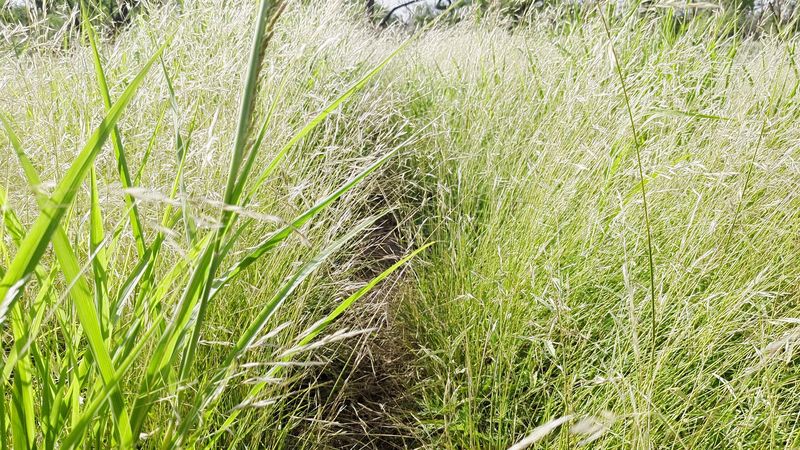
Sandburs and goat-head thorns lurk in the grass around campsites and along trail edges. These nasty little seed pods stick to everything: shoes, socks, pant legs, dog paws, and bare feet. They hurt when you step on them, and they’re nearly impossible to see until it’s too late.
Families with small children face the biggest challenge. Kids want to run around campsites barefoot, but that’s asking for tears and frustration. Even with shoes, the stickers work their way into socks and irritate skin for hours.
Dogs suffer terribly from these thorns. The sharp points wedge between paw pads and cause limping and discomfort. Check your pet’s feet regularly if you bring them along, and consider protective booties for longer hikes.
The problem gets worse in late summer and fall when the plants dry out and drop seeds everywhere. Spring visits offer some relief, but you’re never completely safe. Scan the ground before letting kids play, and keep a pair of tweezers handy for removing embedded thorns.
Wearing long pants helps protect your legs, though the stickers still attach to fabric and hitch a ride back to your tent. Shake out blankets and sleeping bags before bed, or you’ll wake up with painful surprises.
5. Rattlesnakes and Other Wildlife
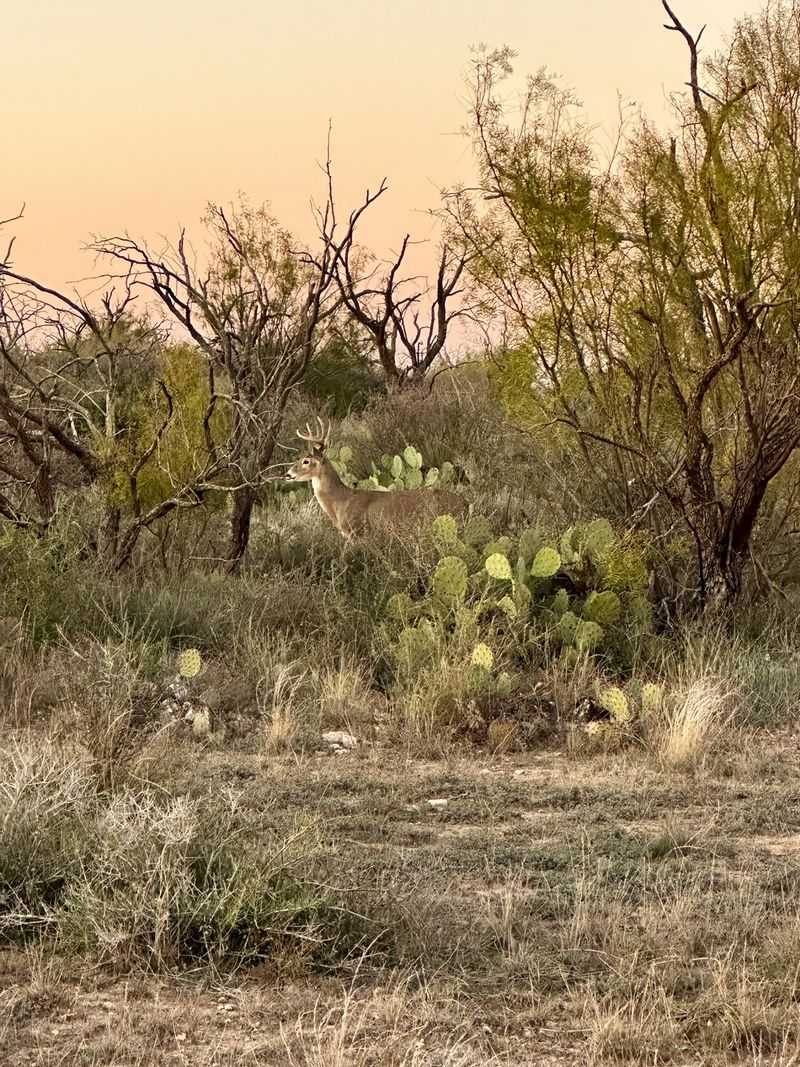
West Texas is snake country, and San Angelo State Park has its share of rattlers. They sun themselves on rocks, hide in brush piles, and cross trails during warmer months. Most snakes flee when they hear footsteps, but surprise encounters happen when hikers step over logs or reach into crevices without looking.
The park is home to other wildlife too: javelina, wild boar, deer, and jackrabbits. While beautiful to observe, these animals deserve space and caution. Javelina can be aggressive if cornered or if you get between a mother and her young.
Make noise while hiking, especially in brushy areas where visibility is limited. Snakes rely on vibrations to detect danger, and loud footfalls usually send them slithering away before you arrive. Watch where you place your hands when scrambling over rocks.
Early morning and late afternoon are prime snake times when temperatures cool down. Stick to the center of trails and avoid shortcuts through tall grass or rocky areas. If you spot a snake, give it plenty of room and wait for it to move along.
Teach kids never to poke sticks into holes or lift rocks without adult supervision. Most snake bites happen when people try to handle or harass the reptiles. Respect wildlife, stay alert, and you’ll enjoy amazing animal sightings without dangerous encounters.
6. Uneven Ground and Hidden Hazards
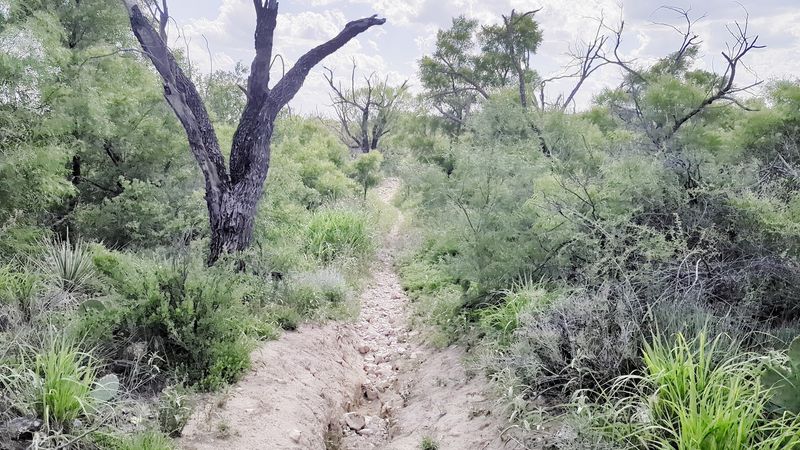
The terrain here doesn’t play fair. What looks like smooth ground often hides holes, roots, and rocks that catch your toe and send you sprawling. The vegetation grows thick in places, obscuring the path and making it hard to see what you’re stepping on.
Ankle injuries are common among hikers who rush or don’t watch their footing carefully. The trails twist through natural landscape without much grooming, which adds to the challenge and beauty but also increases the risk of falls.
After dark, the hazards multiply. Campers walking to bathrooms or exploring at night need flashlights and extreme caution. Several reviewers mention stumbling over unseen obstacles when the sun goes down.
The park’s size means some trails see less maintenance than others. Remote paths might have washouts, loose stones, or erosion damage that creates tripping hazards. Always stay on marked trails where conditions are more predictable.
Photography enthusiasts who focus on their cameras instead of their feet are especially vulnerable. That perfect shot isn’t worth a broken bone or sprained ankle miles from help. Stop walking when you’re lining up a photo.
The landscape is gorgeous and the hiking is rewarding, but it demands full attention. Keep your eyes on the ground ahead, not just the scenery, and slow down when conditions look sketchy.
7. Extreme Heat and Sun Exposure
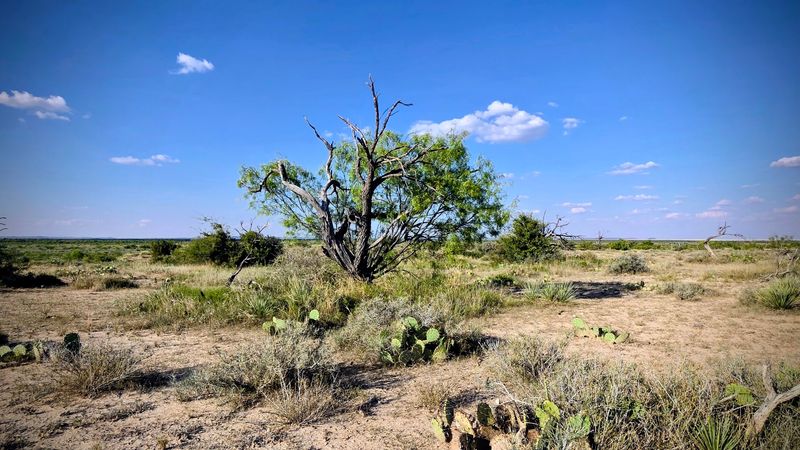
The big open skies that make this park so beautiful also mean zero shade on most trails. Summer temperatures regularly hit triple digits, and the sun beats down relentlessly on hikers and bikers with nowhere to hide.
Dehydration sneaks up fast in this climate. What feels like a short hike can drain your water supply quickly, especially when you’re sweating constantly. Several reviewers emphasize bringing way more water than you think you’ll need.
The mesquite trees scattered around campsites provide some relief, but not enough to keep you cool during midday heat. Most experienced visitors recommend hitting the trails early morning or late afternoon when temperatures drop.
Sunburn happens fast here, even on cloudy days. The UV index in West Texas is brutal, and reflective surfaces like the lake bed amplify the exposure. Sunscreen, hats, and long sleeves aren’t optional if you want to avoid painful burns.
Heat exhaustion and heat stroke are real dangers that send unprepared visitors to the hospital every summer. Know the warning signs: dizziness, nausea, confusion, and rapid heartbeat. If you or someone in your group shows symptoms, get to shade immediately and cool down.
The park is gorgeous year-round, but spring and fall offer the best conditions. If you visit in summer, adjust your expectations and your schedule to match the brutal climate.
8. Remote Locations and Limited Cell Service
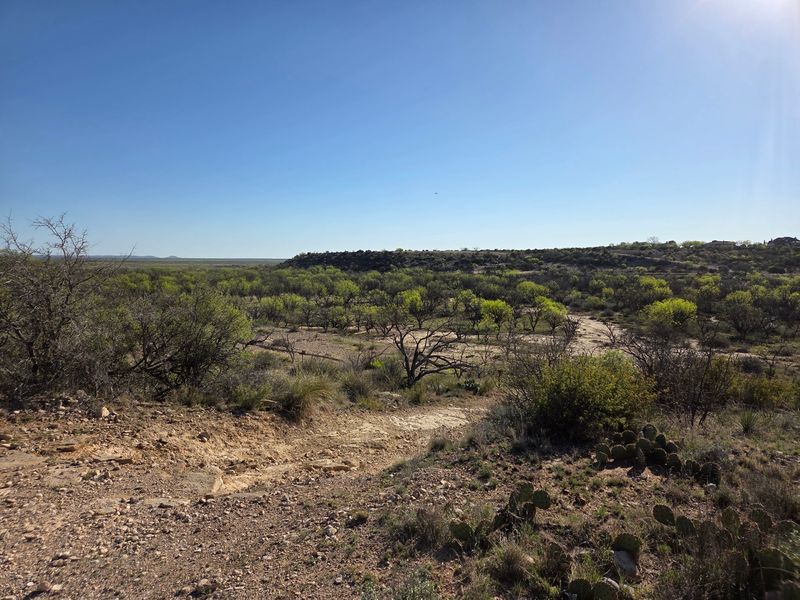
Some camping loops sit eight miles from the main entrance, connected by narrow roads that require opening manual locks. If something goes wrong out there, you’re on your own for a while. Cell service is spotty to nonexistent in many areas of the park.
Medical emergencies become more serious when you can’t call for help. Hikers on remote trails need to be self-sufficient and prepared to handle injuries without immediate assistance. That snake bite or broken ankle becomes a much bigger problem when you’re miles from the nearest road.
The park’s sheer size means help isn’t just around the corner. Staff patrol regularly, but they can’t be everywhere at once. Carry a first aid kit, know basic wilderness medicine, and never hike alone on distant trails.
Let someone know your plans before heading out. Tell the rangers at the entrance which trails you’re planning to explore and when you expect to return. That simple step could save your life if you get injured or lost.
Navigation apps that rely on cell data won’t work here. Download offline maps before you arrive, or pick up a paper map at the entrance. The trail signs are good, but it’s easy to get turned around in 7,000 acres of similar-looking terrain.
The remoteness is part of the park’s appeal, offering true escape from crowds and noise. Just respect that isolation and prepare accordingly.
Share this story