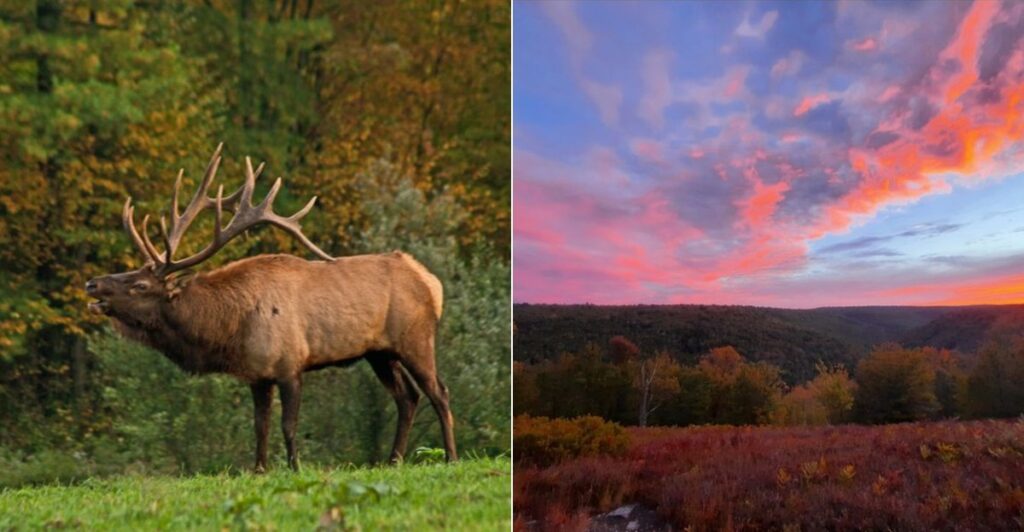
A wild elk’s bugle can turn a quiet fall morning into something you will remember for years. Elk State Forest, Pennsylvania, offers a chance to hear that powerful call among wooded hills, open clearings, and changing leaves. During the fall breeding season, elk become especially vocal, making this one of the most memorable times to experience the forest and its wildlife. You may hear a distant bugle echoing through the trees before you ever spot an animal, adding a sense of anticipation to every walk or drive through the area.
Early mornings and quieter stretches can be especially rewarding for patient visitors who are willing to slow down and listen. Bring some patience, keep a safe distance, respect the wildlife and its habitat, and let the forest surprise you. Even if you don’t catch a close-up glimpse of an elk, hearing one call across the autumn landscape can make the trip worthwhile.
1. A Wild Call That Stops You in Your Tracks
One sharp, rising call can make the whole forest seem to pause.
A bull elk’s bugle often begins with a deeper sound, climbs into a high whistle, and ends with rougher notes.
During the fall breeding season, males use these calls to announce themselves and challenge other bulls.
Hearing one in Elk State Forest connects you to a wild animal without needing a close view.
Find a legal stopping place near suitable habitat, turn off your engine, and give your ears a few quiet minutes.
Wind, flowing water, and other visitors can hide distant calls, so conditions matter.
You may hear a bugle before you spot any movement among the trees.
Resist the urge to follow it into thick cover, because an unseen elk could be closer than you think.
Even a brief call is worth waiting for, especially when it carries across a still clearing in the cool air of early autumn.
2. Fall Brings the Forest’s Loudest Elk Season
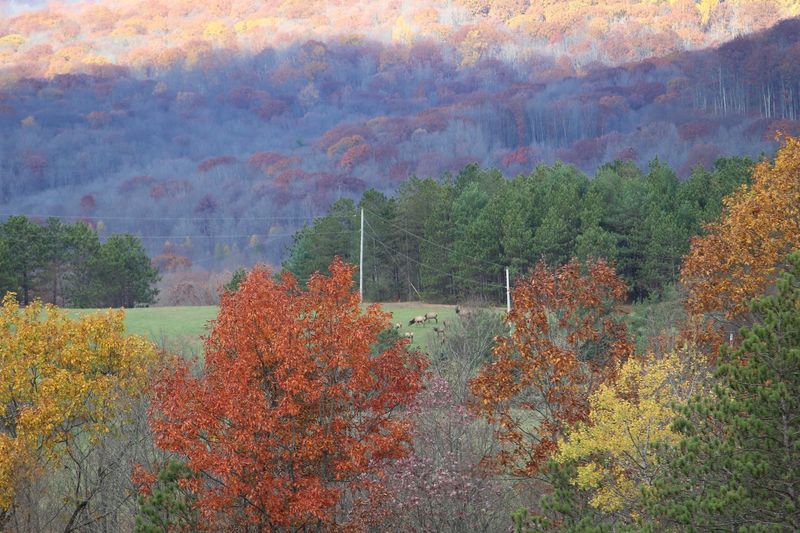
September brings more than changing leaves to these wooded hills.
It also falls within the elk rut, the breeding season when bulls become especially vocal and compete for access to females.
Bugling commonly increases during September and into October, although timing shifts with animal behavior and local conditions.
A date on the calendar cannot promise a chorus, and some visits will be quieter than others.
Plan your trip around the season rather than expecting a single perfect weekend.
If your schedule allows, leave room for more than one listening session in the forest.
Watch for behavior as well as sound: a raised head, alert posture, or moving group may reveal activity nearby.
Keep watching from a distance instead of trying to get a reaction.
Before leaving home, check current Pennsylvania wildlife guidance and forest notices.
Seasonal information can help you choose a sensible day while keeping expectations realistic for a visit with wild animals.
3. Early Mornings Reward Patient Ears
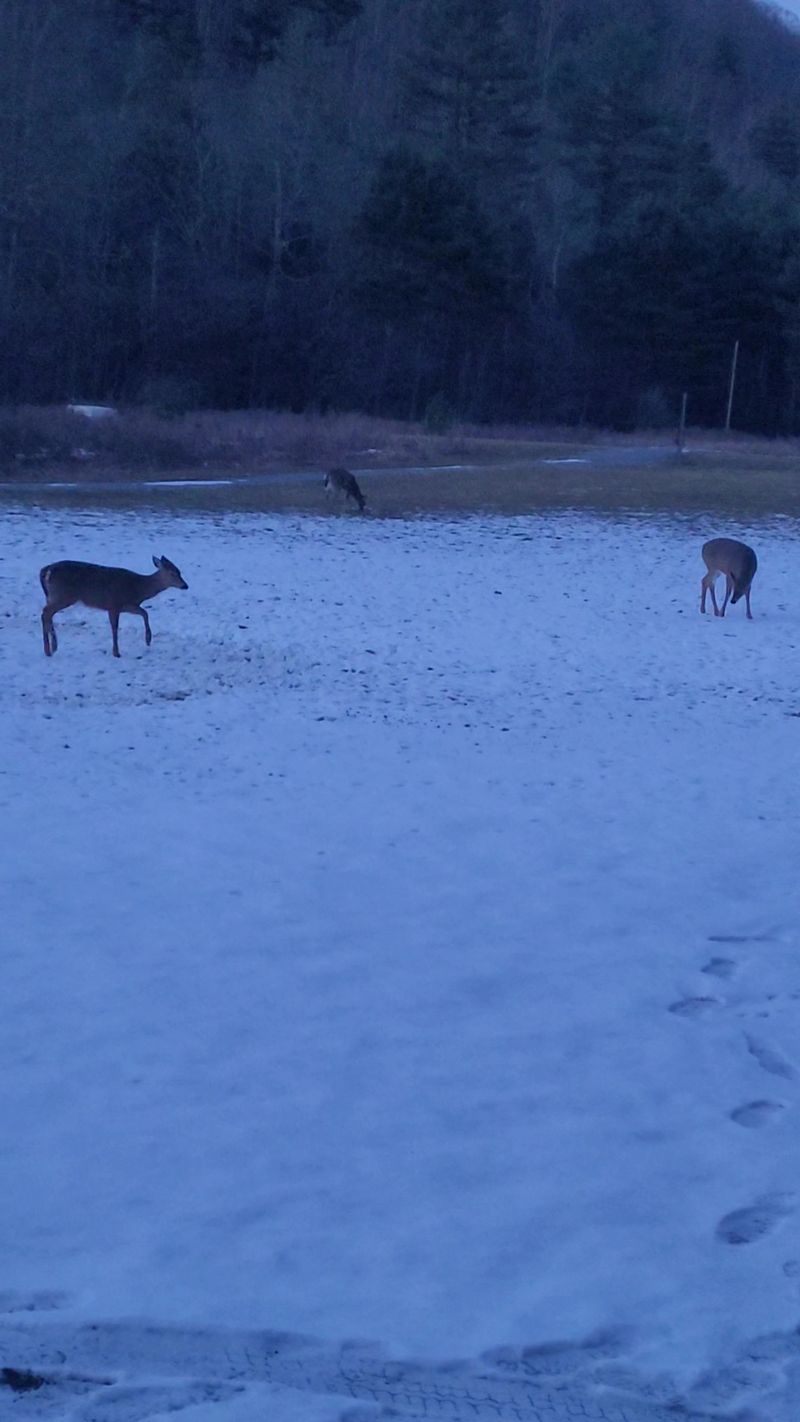
Set the alarm before sunrise, and the forest may repay you with a remarkable soundtrack.
Early morning and the hours near sunset are often good times to watch elk and listen for bugling.
Arrive with enough time to park safely and settle in without rushing.
Doors slamming, loud conversations, and hurried footsteps can spoil the quiet for everyone nearby.
A cool morning calls for layers, even when the afternoon forecast looks comfortable.
Pack a warm jacket, sturdy shoes, and a small flashlight for getting organized before daylight.
Choose a place where you can remain safely without blocking traffic or stepping into animal travel routes.
Once settled, put your phone away and listen in several directions.
Sound may carry from a clearing beyond your view, making stillness more useful than walking.
If nothing happens, enjoy the waking woods anyway; birds, mist, and shifting light can make an early start feel worthwhile on their own.
4. Woodland Edges Offer Clues to Elk Activity
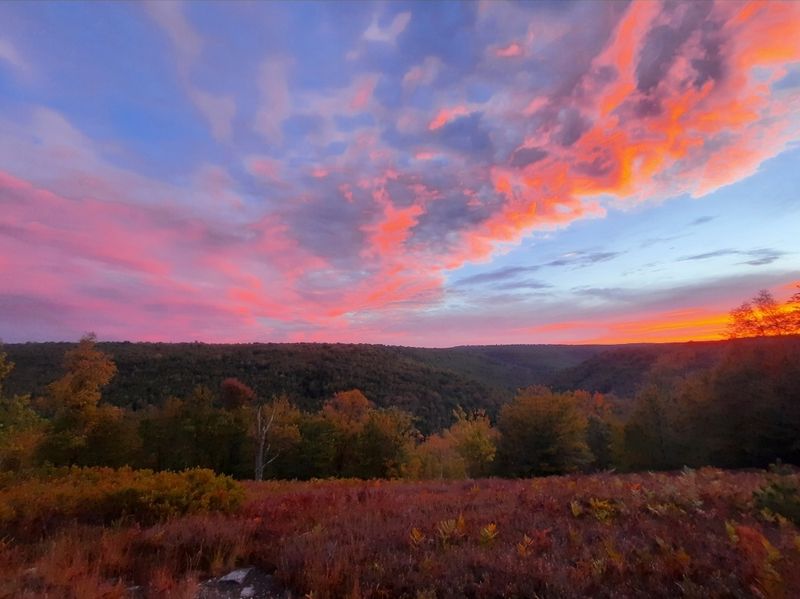
The most useful view is not always deep inside the trees.
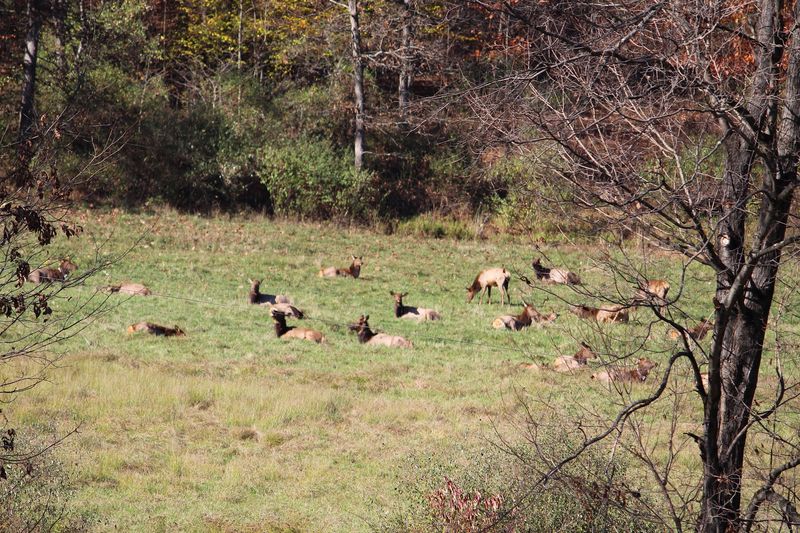
Elk feed in open areas and use nearby woods for cover, making the edges between those habitats worth watching.
Within Elk State Forest, look for accessible clearings and forest openings shown on current maps.
Stay in places where public access and parking are allowed, rather than assuming every grassy patch is available.
Scan slowly with binoculars, paying attention to shaded edges as well as open ground.
An ear, antler, or shifting shape may be easier to notice than an entire animal.
Listening matters here, too, because a bull may call from behind trees while other elk remain visible.
Avoid crossing a clearing to improve your view if animals are using it.
Elk move freely, so yesterday’s sighting does not guarantee today’s encounter.
Treat each stop as a chance to observe habitat, then let the animals decide whether they appear during your quiet wait.
5. Quiet Watching Keeps the Experience Wild
A powerful bull elk is impressive, but it is not a friendly roadside pet.
During breeding season, males can become more aggressive, and every elk deserves plenty of room.
Follow current wildlife agency distance guidance, and back away whenever an animal reacts to your presence.
Binoculars provide a closer view without bringing your body closer to antlers and hooves.
Never feed elk, surround them, or stand between animals in a group.
Keep dogs controlled and away from wildlife, and help children understand that quiet observation is the goal.
Leave elk calls and playback recordings out of your visit.
Trying to attract a bull can change its behavior and create risks for both animals and people.
If an elk approaches, calmly increase the distance rather than stopping for a selfie.
The best encounter ends with the animal carrying on naturally and you leaving with a story that required no interference in its wild life.
6. Forest Roads Require a Slower Pace
An elk beside the road can appear before you have time to reach for a camera.
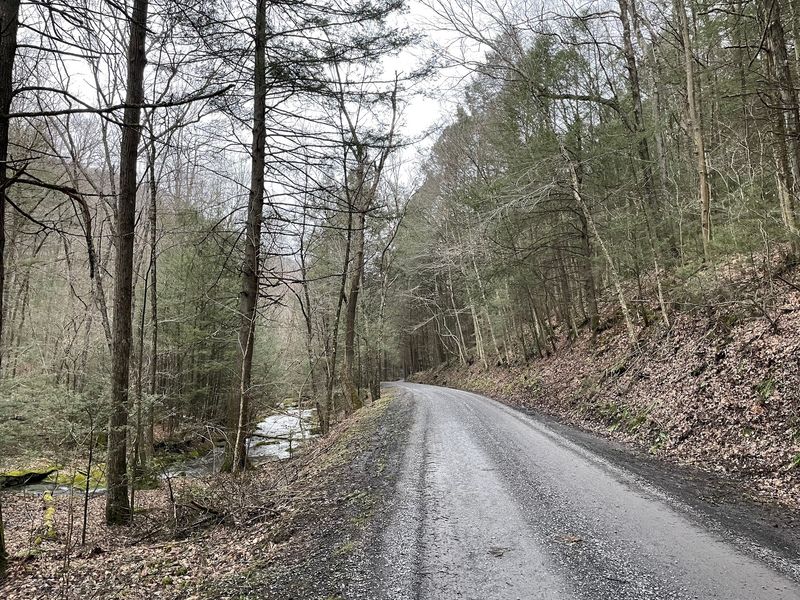
Driving slowly through Elk State Forest helps protect wildlife and gives you more time to notice changing conditions.
Expect a mix of road surfaces, narrow stretches, and routes that may have seasonal restrictions.
Check current forest maps and road notices instead of relying only on a navigation app.
Download directions before your trip, since cell service may be limited in the wooded hills.
Carry a paper map as a backup, especially if you plan several stops.
Pull over only where stopping is legal and your vehicle stays fully clear of traffic.
Never stop suddenly in a travel lane because someone has spotted antlers.
At dawn and dusk, watch carefully for animals crossing or gathering near road edges.
A slower drive is not wasted time here; it makes the journey safer and lets the forest scenery become part of the visit.
7. Autumn Color Adds a Second Reason to Visit
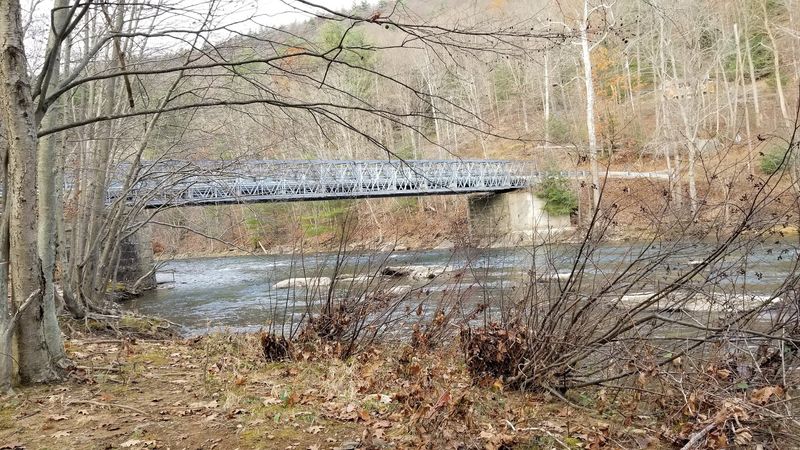
Even when the elk stay hidden, the hills still put on a show.
Fall color adds another layer to a visit, with hardwood trees turning shades of yellow, orange, and red.
The timing of those colors changes from year to year with weather and elevation.
Check current foliage reports, but remember that peak leaves and peak bugling do not always line up perfectly.
Build some flexible time into your day for enjoying woodland views and streams.
A short walk on an open, established trail can offer a welcome break between listening stops.
Keep your attention on footing when leaves cover rocks, roots, or wet ground.
Comfortable shoes make a bigger difference than a perfect photograph.
Visitors have praised the forest’s scenery, including its hills and waterways, and those features need no wildlife schedule.
Think of elk bugling as the thrilling possibility, with autumn scenery providing a dependable reason to slow down and look around.
8. A Small Gear Kit Makes Listening Easier
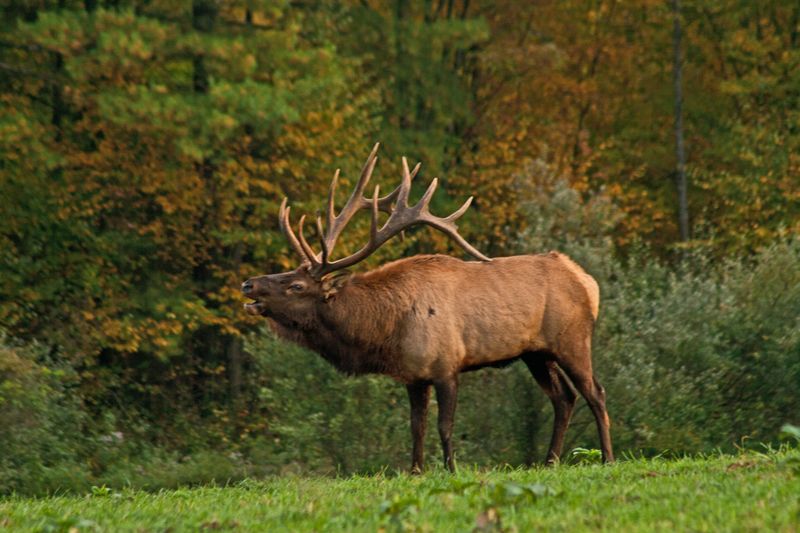
You do not need a trunk full of equipment to enjoy a bugling trip.
A few practical supplies can make a quiet hour outdoors much more comfortable.
Start with binoculars, drinking water, a weatherproof layer, and shoes suited to uneven ground.
Add a flashlight if you will arrive before sunrise or leave after sunset.
A small seat can help during a longer wait where sitting is permitted and safe.
Choose an unobtrusive spot, and avoid spreading belongings across paths or viewing space.
Keep snacks packed away, collect every wrapper, and never offer food to wildlife.
A simple bag for your trash makes leaving the area clean easier.
For recording sounds, your phone may capture a nearby bugle, though wind can overwhelm the microphone.
Silence notifications first, then resist replaying recordings outdoors; your goal is to hear the forest, not add noise to it while other visitors are listening for the same distant call.
9. Respectful Photography Beats a Close Encounter
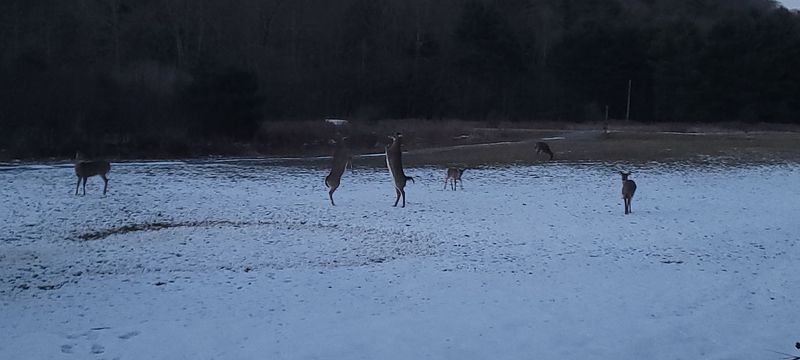
A distant elk against golden leaves can make a better photograph than a risky closeup.
Let the setting help tell the story instead of trying to fill every frame with antlers.
Use a zoom lens if you have one, or crop a phone image later.
Never move closer just because your camera makes the animal look small.
Morning and evening light can be beautiful, but dim conditions also make sharp pictures harder.
Brace your camera securely and accept that some moments are better enjoyed without a photo.
Keep paths and roadside stopping areas clear while setting up equipment.
Other visitors should be able to pass without squeezing around tripods or stepping toward wildlife.
Watch the elk more than your screen, especially if its posture changes or it begins moving.
The most satisfying image is one taken while the animal remains relaxed, with the surrounding forest showing where that memorable fall moment happened naturally.
10. Flexible Plans Leave Room for Real Wildlife
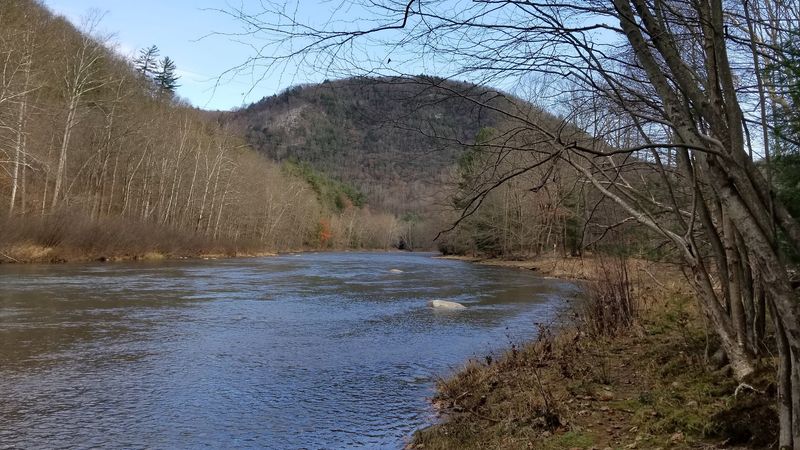
Sometimes the forest gives you a bugle; sometimes it gives you an hour of quiet.
Both outcomes belong to a genuine wildlife trip, where animals follow their own schedules.
Before setting out, review current Pennsylvania DCNR forest information and Pennsylvania Game Commission elk viewing advice.
Look for access changes, weather concerns, and any rules affecting your planned stops.
Fall also overlaps with hunting seasons, so check the dates and applicable safety guidance.
Wear visible clothing appropriate to your activities, and avoid assuming every woodland area is free of hunters.
Choose a manageable route with time for breaks rather than racing between possible sightings.
If a stopping area is crowded, move on safely instead of parking where you should not.
Leave with whatever the day offered: a distant whistle, a glimpse of antlers, or beautiful wooded hills.
That flexible attitude makes returning to Elk State Forest feel like another adventure, not a second attempt at a guarantee.
Share this story