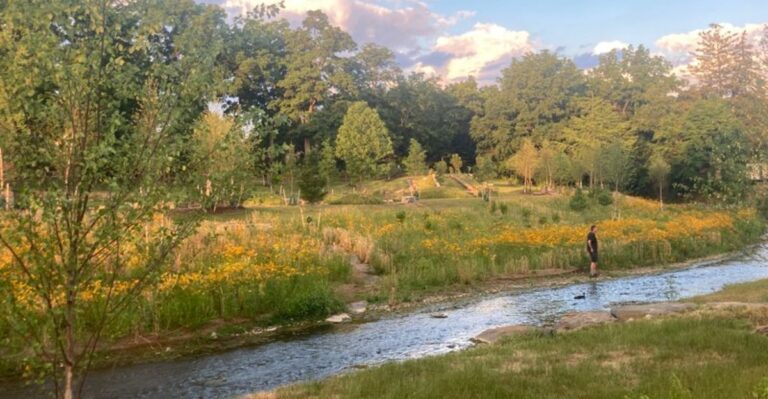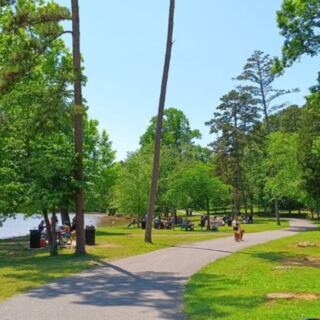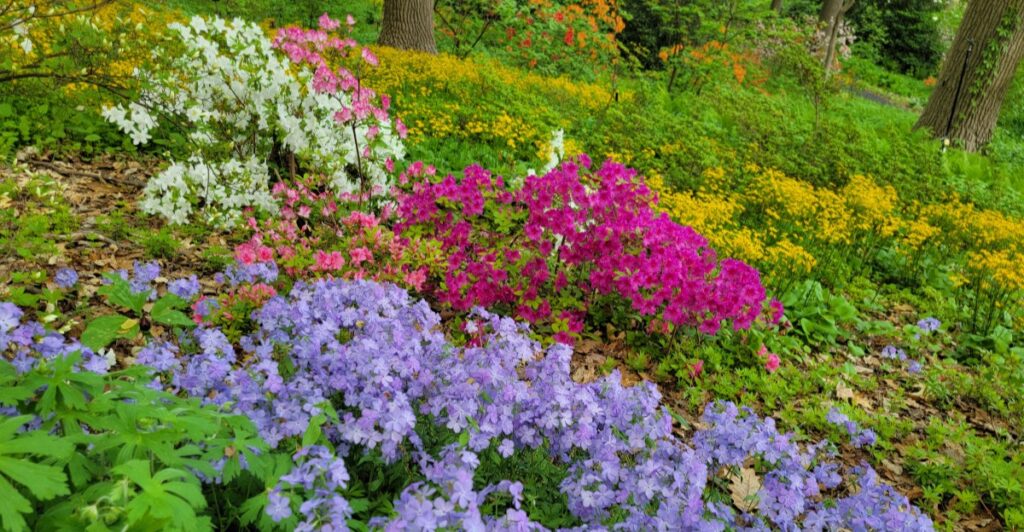
Bright flowers, shady paths, and a peaceful pond make Jenkins Arboretum & Gardens in Devon, Pennsylvania, a place worth slowing down for. This beautiful natural retreat offers visitors a chance to step away from busy routines and enjoy the changing colors and quiet scenery of the gardens. Its celebrated collection of rhododendrons and azaleas is a particular highlight, giving visitors a closer look at these striking flowering shrubs, especially when they burst into bloom. Winding trails, lush greenery, and carefully maintained landscapes make it an inviting spot for a leisurely walk, nature photography, or simply a moment of relaxation outdoors.
While an exact national size ranking is not established here, the impressive plant collection is a major reason to visit. Best of all, admission is free, so you can explore the gardens and enjoy their natural beauty without buying a ticket.
1. A Rhododendron Collection That Steals the Show
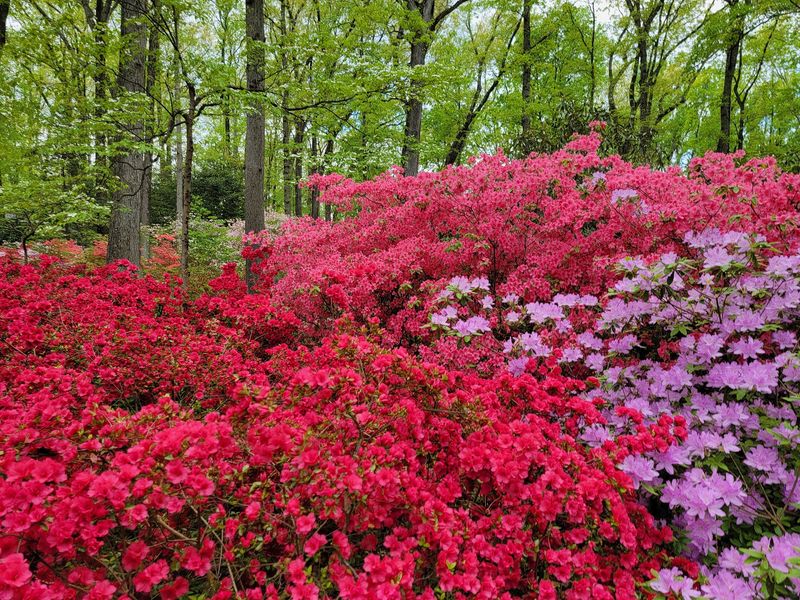
A single flowering shrub can brighten a yard, but a woodland filled with rhododendrons feels like something much bigger.
At Jenkins, these plants are a central part of the garden experience, growing among trees and along paths rather than standing in neat, isolated rows.
The collection includes rhododendrons and azaleas, giving visitors plenty of flower shapes, colors, and leaf textures to compare.
Azaleas belong to the rhododendron genus, so the two names describe closely related plants, not completely separate groups.
Instead of rushing toward the brightest patch, stop beside a few different shrubs and notice their details.
Some leaves stay green through winter, while others fall with the seasons.
Plant labels can help you connect those differences to specific names.
The garden is known for its outstanding collection, though calling it one of America’s biggest should not be confused with a verified national ranking based on published plant counts or acreage measurements.
2. Spring Blooms Worth Planning Around
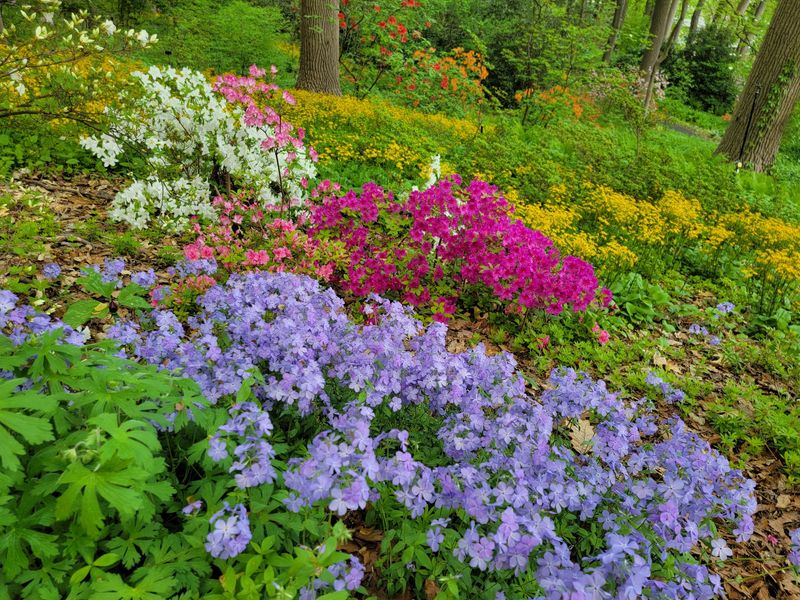
Timing can turn a pleasant garden walk into a colorful afternoon you remember for months.
Several visitors describe early May visits when azaleas and rhododendrons were blooming beautifully, making spring an especially appealing season for flower lovers.
Still, flowers do not follow a fixed appointment book.
Warm spells, cool nights, and changing weather can shift the display, and different varieties open at different times.
Before choosing a travel date, check the garden’s website or call staff to ask what is currently flowering.
Give yourself room to enjoy more than one stopping point rather than expecting every shrub to bloom together.
A partly open bud can be just as interesting as a full flower cluster when you look closely.
If your schedule allows, return later in the season to compare the same paths.
That second visit can reveal how quickly the garden changes, even when only a few weeks separate your walks.
3. Woodland Paths With a Few Real Climbs
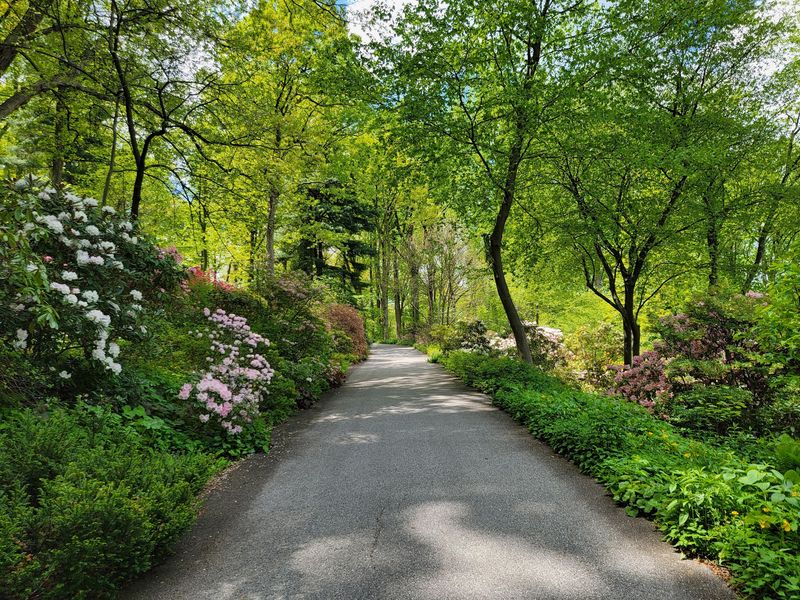
Your legs may notice the landscape before your camera does.
Jenkins sits on hilly ground, and visitor reviews regularly mention climbs, descents, and winding paved paths that make the walk more active than a flat garden stroll.
Wear shoes with reliable grip, especially after rain or when leaves cover parts of the pavement.
Start with a manageable route and remember that heading downhill toward the pond means you will need to climb again.
Benches offer useful places to pause along the way.
Paved surfaces do not automatically mean every route suits every visitor.
People using wheelchairs, walkers, or strollers should ask staff about grades, surface conditions, and the easiest available paths before setting out.
One visitor may find a route comfortable while another finds it demanding.
Choosing a shorter loop is not missing the experience; it simply leaves more energy for studying flowers, enjoying the trees, and taking breaks without feeling rushed.
4. Native Plants Add More Than Color
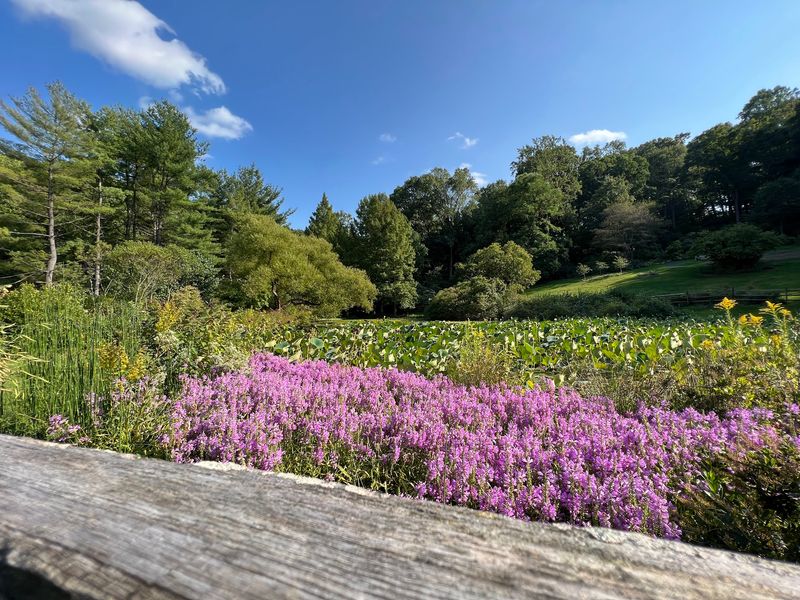
Flowers may catch your eye first, but the plants around them help tell a wider story.
Jenkins showcases native plants alongside its rhododendron and azalea collection, giving visitors a chance to see vegetation connected to the surrounding region.
Native plants can provide food and shelter for local wildlife, including insects that birds depend on.
As you walk, look beyond the largest blossoms and notice groundcover, smaller flowers, shrubs, and trees.
Together, those layers create a richer setting than a single flower bed could offer.
For home gardeners, the grounds can serve as a useful source of ideas rather than a shopping list to copy exactly.
Notice whether a plant grows in shade, how much room it occupies, and what grows nearby.
Your yard may have different soil, moisture, or light.
Taking notes on those conditions will help you ask better questions before choosing plants for your own outdoor space back at home.
5. The Pond Invites a Slower Pace
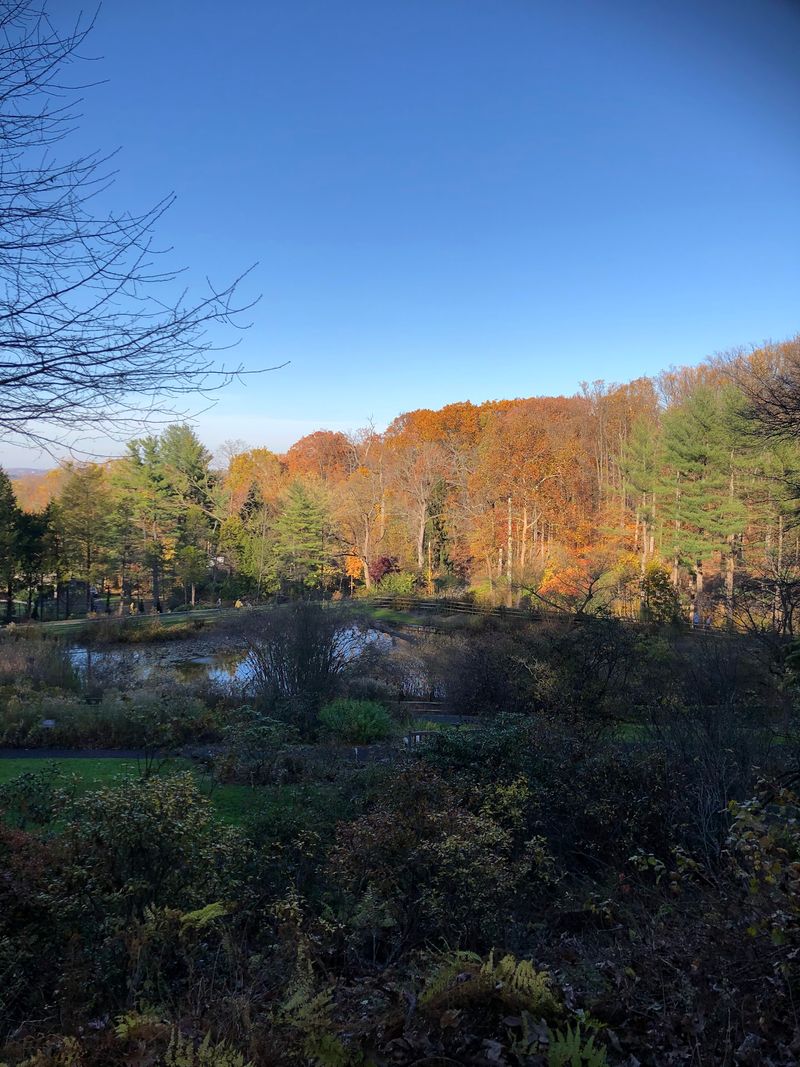
A patch of still water changes the rhythm of a garden visit.
Around the pond at Jenkins, the focus shifts from flower clusters to reflections, moving leaves, and the small signs of life near the water.
Visitors have reported seeing turtles here, although wildlife sightings are never guaranteed.
Watch quietly from the path and avoid feeding animals or reaching toward them.
Giving wildlife space makes the visit safer for both the animals and the people enjoying the garden.
The pond also offers a useful reason to pause before tackling the return climb.
Take a few minutes to listen and compare the view with the wooded paths above.
If you are visiting with children, invite them to spot three different shapes or colors without leaving the walkway.
A simple observation game turns a rest stop into discovery.
Remember that reaching this lower area may involve slopes, so choose your route with care beforehand.
6. Plant Labels Make Every Walk a Lesson
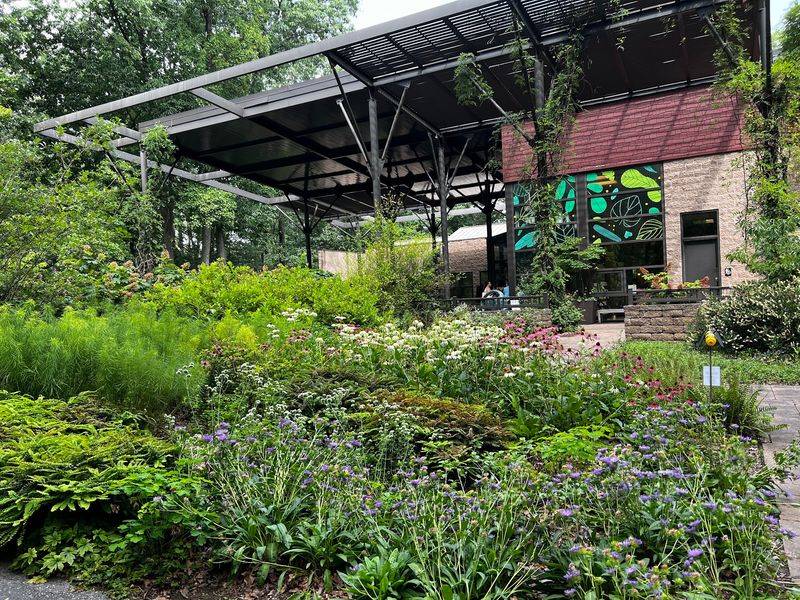
Ever admired a flower and wished someone could tell you its name?
The plant labels at Jenkins help answer that question, turning a casual stroll into a relaxed lesson without requiring a guidebook or any gardening experience.
Read a few labels as you go rather than trying to remember every plant on the grounds.
Compare the name with the leaves, flowers, and overall size in front of you.
Looking at the plant first and then checking its label can make the information easier to remember.
A phone photo of a label paired with a wider plant photo creates a handy reference for later.
Keep your feet on the path while taking pictures, and avoid pulling branches closer for a better view.
Families can make a small challenge of finding two related plants that look different.
Curious adults may enjoy the same game, especially when comparing azaleas with other members of the collection.
7. Free Admission Keeps the Visit Simple
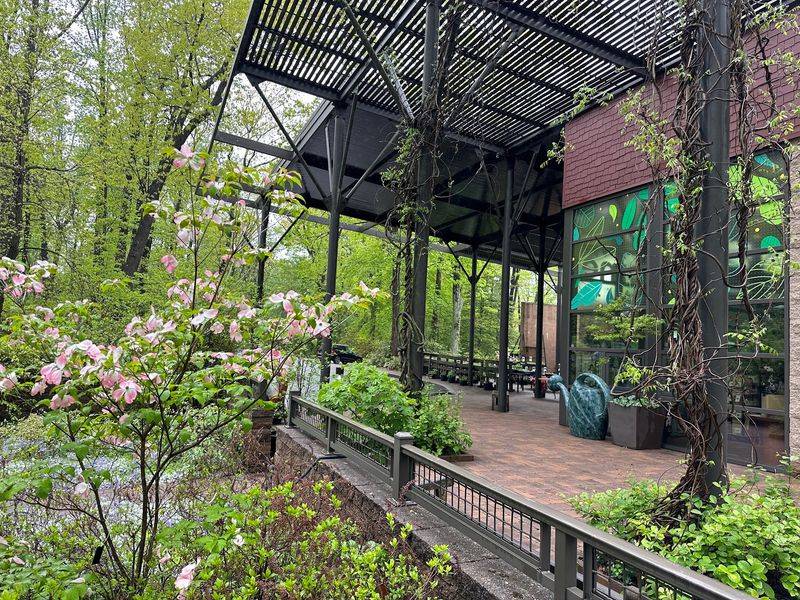
A beautiful afternoon does not have to begin with a ticket purchase.
General garden admission at Jenkins is free, making it easier to stop in for a short walk or return several times as the seasons change.
The address is 631 Berwyn Baptist Road in Devon, Pennsylvania.
The supplied listing shows daily hours of 9 AM to 5 PM, but check the official website before leaving because hours, weather closures, and building schedules can change.
Programs may have separate registration requirements or fees.
Parking deserves a little planning, especially during popular bloom periods.
Some visitors describe the lot as small, so allow extra time and follow posted directions if spaces are limited.
Bring drinking water and dress for outdoor conditions rather than assuming every need will be covered onsite.
For current visitor information, contact the garden at 610-647-8870.
A quick check before departure can prevent confusion and make your arrival much more relaxed.
8. Helpful Staff and Learning Opportunities
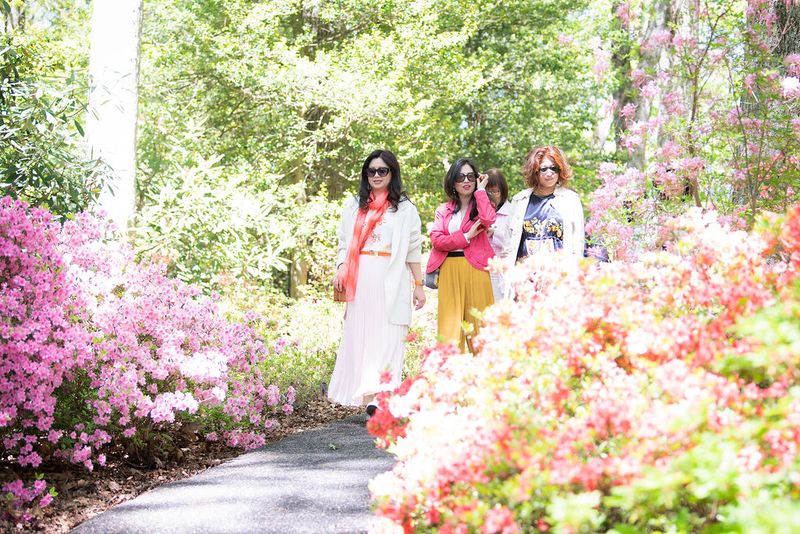
A friendly conversation can make unfamiliar grounds feel much easier to explore.
Reviews often praise Jenkins staff for helping visitors understand the trails, answering plant questions, and offering a warm welcome at the education center.
Begin there if you want guidance on choosing a route or finding seasonal highlights.
Ask about current exhibits, scheduled programs, and activities suited to your group.
Availability can change, so treat past visitor experiences as useful clues rather than promises about what will happen during your visit.
One reviewer describes a positive golf cart tour for a senior living group.
Anyone interested in a similar experience should contact the garden ahead of time to confirm whether arrangements are available and appropriate.
Explain mobility needs clearly instead of assuming a tour removes every access challenge.
Even a brief conversation with staff can help you build a visit that matches your pace, interests, and comfort level from the start.
9. A Camera Finds Beauty Beyond the Blossoms
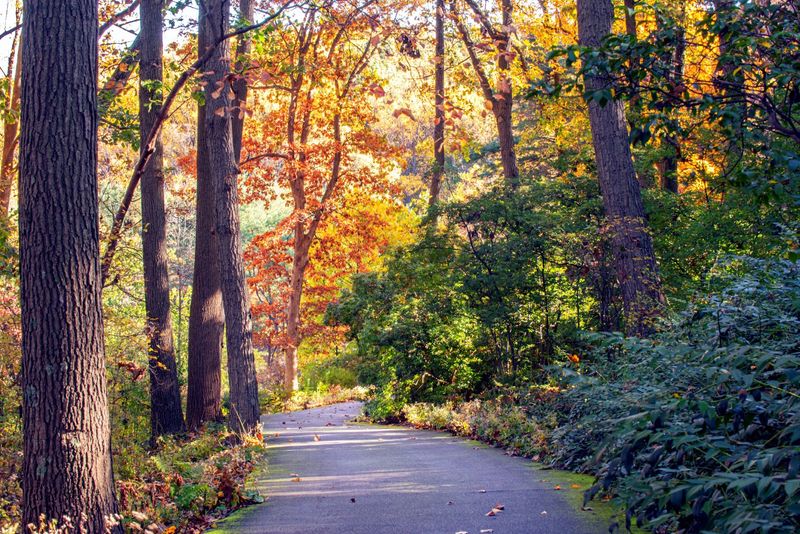
Leave room on your phone for more than closeups of flowers.
Jenkins offers wooded curves, pond reflections, leaf patterns, and changing light that can make strong photographs even when the rhododendrons are not at their peak.
For flower pictures, try shooting in soft morning light or under cloud cover to avoid harsh shadows.
Step back for a wider view that shows how the shrubs fit into the woodland.
Then move closer, without entering planted areas, to capture the shape of a blossom or bud.
Keep paths clear while taking photos, especially where slopes or bends limit visibility.
Other visitors should not have to squeeze around your equipment or wait while you arrange a shot.
Resist the urge to pick flowers, move labels, or bend branches into place.
The most useful souvenir is an honest picture of the garden as you found it, along with a few notes about the season and weather.
10. Every Season Offers a Reason to Return
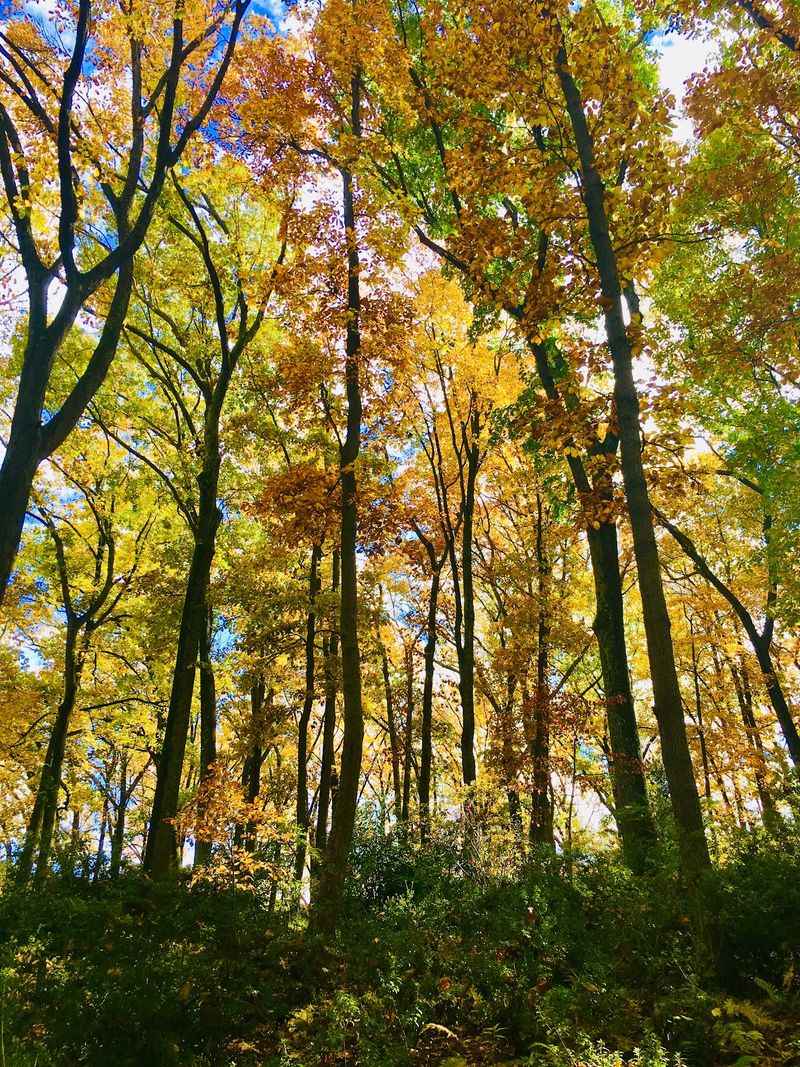
Missing the spring flowers does not mean you missed the garden.
Jenkins remains a rewarding place to notice woodland scenery, changing leaves, evergreen foliage, and the simple pleasure of spending time outside at a slower pace.
Summer visitors appreciate tree cover, though shade does not remove the need for water and weather awareness.
Fall brings a different set of colors, while quieter periods make plant shapes and textures easier to notice.
Check conditions before a winter visit, when slippery surfaces or weather may affect access.
Consider making a small seasonal record: photograph the same bend in the path or the same labeled shrub each time you return.
Those pictures can reveal changes that are easy to overlook during one afternoon.
The garden store may also offer plants for sale, as visitors have reported, but selection varies.
Ask about suitable choices before buying, and let each visit teach you something useful about growing plants.
Share this story