The Da Vinci Science Center in Allentown, Pennsylvania, is the kind of place where a quick visit can turn into a full afternoon. Families come for the river otters, hands-on science, and bright two-story space filled with things to touch, test, and try. It matters because learning feels easier when kids and adults can see science in action. From playful animals to changing exhibits, this downtown science museum gives visitors many reasons to slow down and explore.
Interactive displays encourage visitors to experiment, ask questions, and discover how everyday ideas work in surprising ways. Younger children can stay busy with hands-on activities, while older kids and adults can find plenty of exhibits that spark curiosity and invite a closer look. With so much happening under one roof, the center offers an engaging way to spend time together while learning something new along the way. It is an especially appealing destination when you want an outing that feels entertaining without being purely about entertainment.
1. River Otters Steal the Show
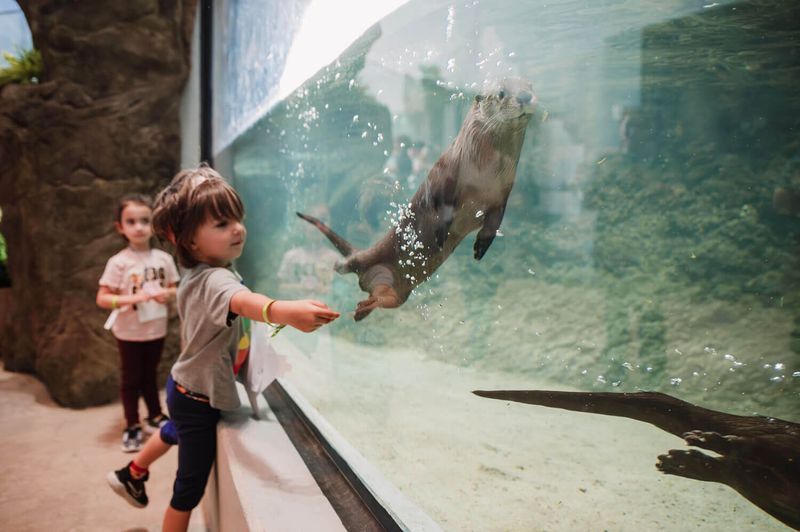
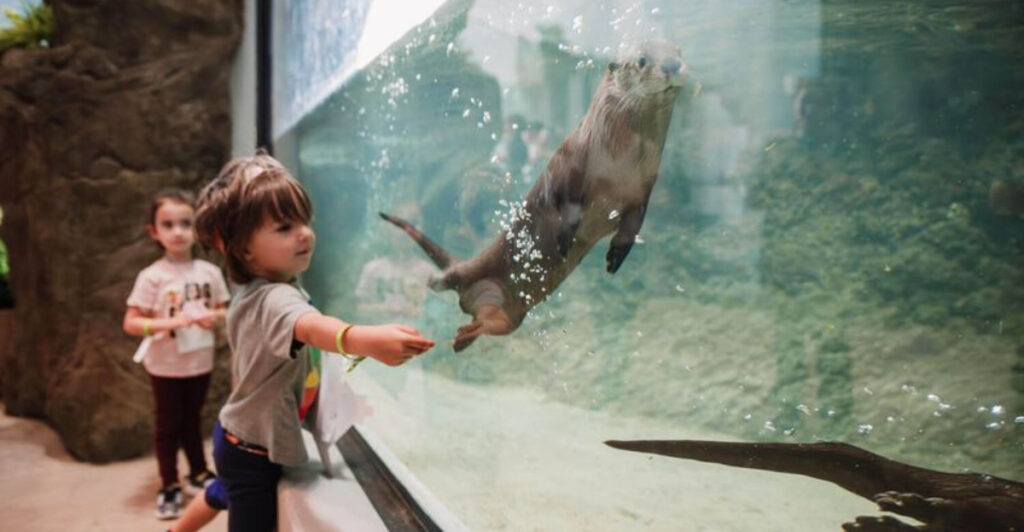
A flash of whiskers can stop a whole family in its tracks, and the river otters often do exactly that.
Visitors say the otters swim right up to the glass, making the exhibit feel close and exciting without being noisy or overwhelming.
Plan to spend extra time here, especially if children like animals.
Watching the otters glide, roll, and pop above the water helps kids notice how body shape, paws, and tails help animals survive in rivers and streams.
The exhibit is also a smart break between busier hands-on areas.
Stand back for a few minutes, let younger kids observe, and ask simple questions like how the otters move differently on land and in water.
It turns a cute moment into real science learning while still feeling like pure fun for everyone.
2. Hands-On Science Fills Both Floors
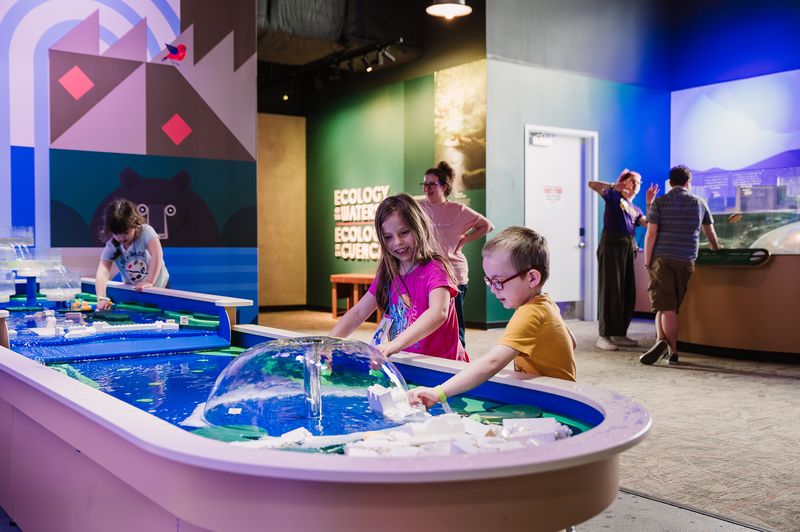
Buttons, levers, screens, sounds, and moving parts make the center feel like a place where curiosity is allowed to run around.
Almost every area gives visitors something to try, so kids are not just reading signs or staring at displays.
The two-story layout helps spread out the experience.
Families can move from one station to another at their own speed, which works well for mixed ages, short attention spans, and adults who still enjoy a good science challenge.
Give yourself at least two hours if you want to try most exhibits without rushing.
A slower visit lets children repeat their favorite experiments, compare results, and ask better questions.
That repeat-and-try-again style is one reason the center works so well for young learners who understand science best by doing it.
3. Rotating Exhibits Keep Visits Fresh
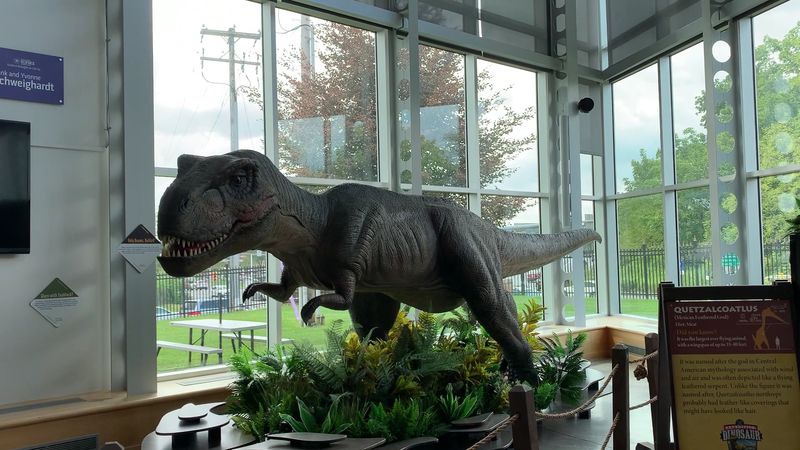
One visit might bring dinosaurs, another might feature anatomy, sharks, birds of prey, art, or a family-friendly character exhibit.
The Da Vinci Science Center uses rotating experiences to make return trips feel different, which is helpful for local families and members.
Before going, check the official website for current exhibits, dates, and add-on ticket details.
Some special exhibits or classes may cost extra, and popular experiences can sell out, especially on weekends or during school breaks.
Rotating exhibits are also a good way to match the visit to your child’s interests.
A dinosaur fan may want fossils and motion displays, while an older student may be more interested in body science.
Adults can enjoy these special exhibits too, so the trip does not have to feel only kid-focused.
4. Downtown Location Makes Planning Simple

Finding a science museum in the middle of a city can feel tricky, but this Allentown spot is fairly straightforward with a little planning.
The center is located at 815 Hamilton Street, close to downtown parking options and other city stops.
Many visitors recommend the Spiral Deck on Linden Street because it is close, easy to use, and usually affordable.
Street parking may have time limits, and families often stay longer than expected once kids find favorite exhibits.
The center is generally open 10 AM to 5 PM every day, but checking hours before leaving home is still wise.
Weather, events, and holiday schedules can change plans.
If you are bringing young children, arrive earlier in the day when energy is high and lines may be shorter.
5. Little Kids Get Room to Explore
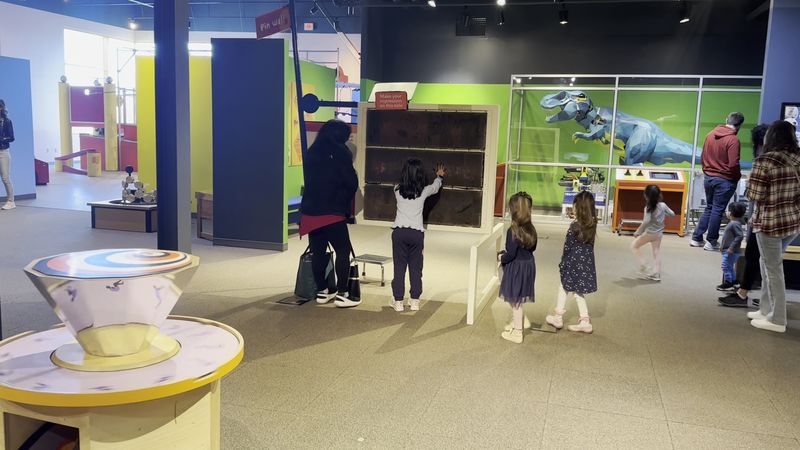
Toddlers do not always move through museums in a straight line, and that is part of the charm here.
The center includes spaces and exhibits that let small children touch, crawl, press, build, and test ideas in ways that feel natural.
Parents of younger kids often mention that the center feels clean, organized, and welcoming.
That matters when children want to repeat the same activity several times or move quickly from one bright station to the next.
A good strategy is to follow your child’s pace instead of trying to see everything in order.
Take breaks, visit the otters more than once, and use quieter corners when needed.
For preschool and early elementary visitors, the best learning may happen when they think they are simply playing.
6. Older Kids and Adults Can Still Have Fun
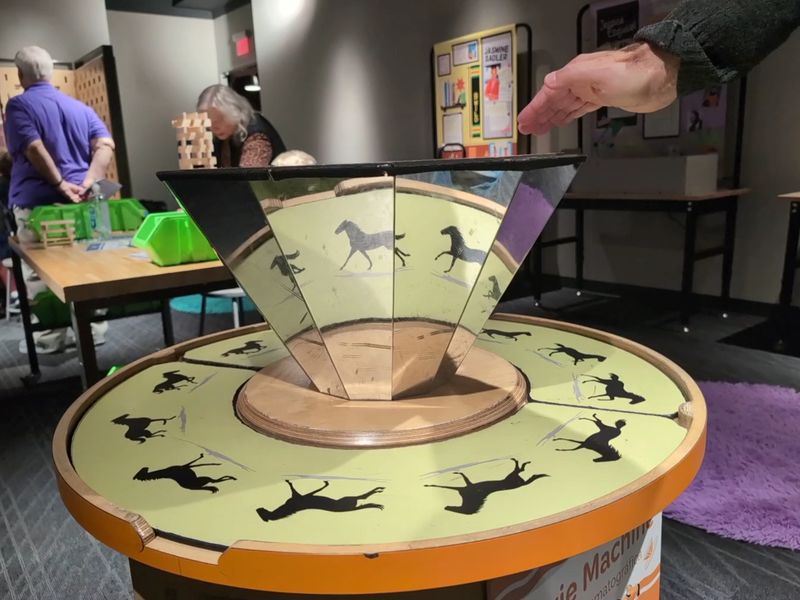
A science center can surprise grown-ups when it gives them permission to play.
Reviews often mention adults enjoying brain displays, music activities, robots, special exhibits, and animal habitats right alongside children.
Older kids may move faster than younger ones, so challenge them to explain how an exhibit works.
Ask them to predict what will happen before pressing a button, changing a setting, or testing a motion-based display.
For adult visitors without kids, choose a day when a traveling exhibit matches your interests.
Body science, art-related science, and live classes can make the visit feel more mature.
The regular exhibits are still playful, but curiosity does not expire after childhood.
A double date, rainy afternoon, or casual learning trip can work well here if expectations are relaxed and open.
7. Bilingual Signs Welcome More Families
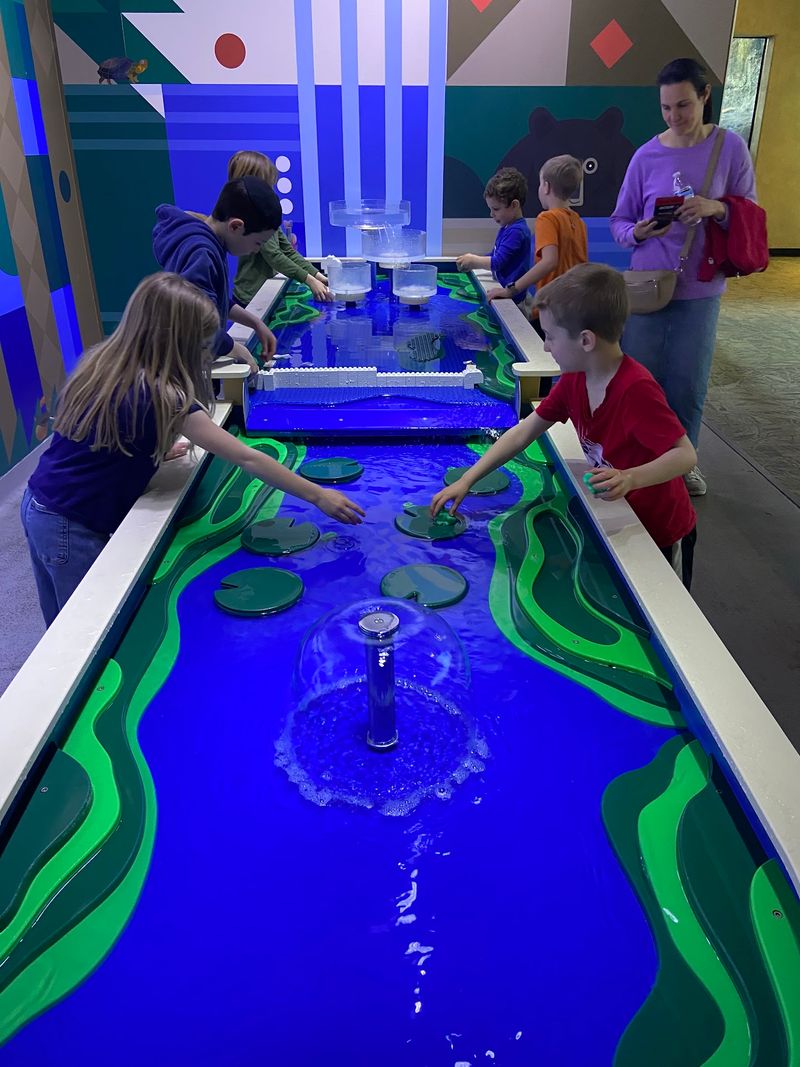
Seeing science explained in more than one language can change the whole feeling of a visit.
Many exhibit signs at the Da Vinci Science Center are presented in English and Spanish, which helps more families take part together.
This is especially meaningful for grandparents, parents, and caregivers who may understand science better in Spanish.
Instead of one person translating everything, families can read, point, laugh, and learn at the same time.
Bilingual exhibits also help children see that science belongs to everyone.
If your family speaks both languages, try reading a sign in English first, then Spanish, or let children teach a word to an adult.
Small moments like that make the museum feel more personal and can build confidence in both language and science skills.
8. Cafe and Gift Shop Add Easy Breaks
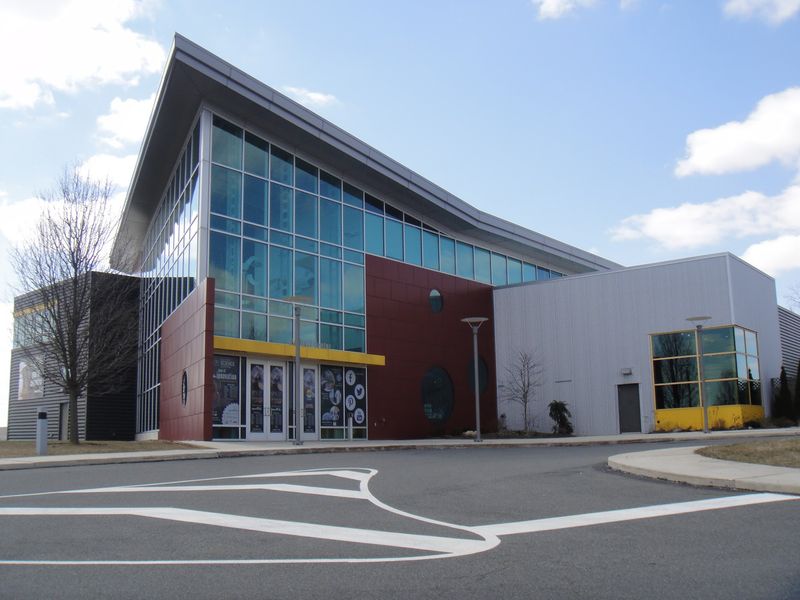
Hungry kids can turn a great museum trip into a race for snacks, so the cafe is a useful stop.
Visitors describe it as small, convenient, and helpful for quick food, drinks, or a short sit-down break during the day.
Prices may be higher than bringing snacks from home, which is common at museums.
If your family is watching costs, plan ahead, check food rules, and use the cafe mainly for convenience or a treat.
The gift shop is another place where children may want to linger.
Plush animals, STEM toys, and small souvenirs can connect the visit to learning after you leave.
Set a budget before entering, or let kids choose one small item.
A smashed penny can be a fun low-cost keepsake if you bring the right coins.
9. Special Classes Turn Science Into a Memory
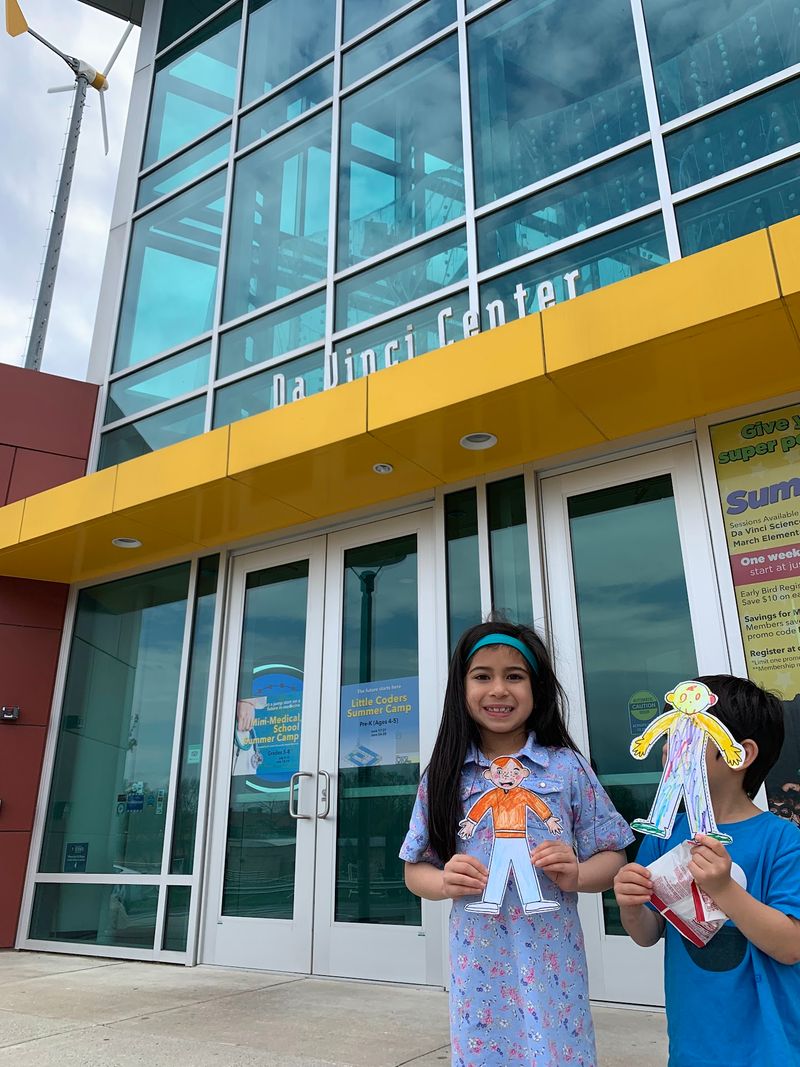
A good workshop can become the story everyone tells on the ride home.
Some visitors have praised add-on experiences, such as science classes and demonstrations, because they give families a deeper activity than a quick exhibit stop.
These programs may include experiments, live presentations, or themed sessions tied to science topics.
Because space can be limited, buying tickets online ahead of time is a smart move when classes are offered.
Workshops are helpful for children who enjoy step-by-step learning.
They can watch an educator, try something new, and connect the lesson to school topics like chemistry, engineering, animals, or the human body.
If your child needs a highlight to focus on, schedule one special activity and build the rest of the visit around it.
10. Smart Timing Helps You Stay Longer
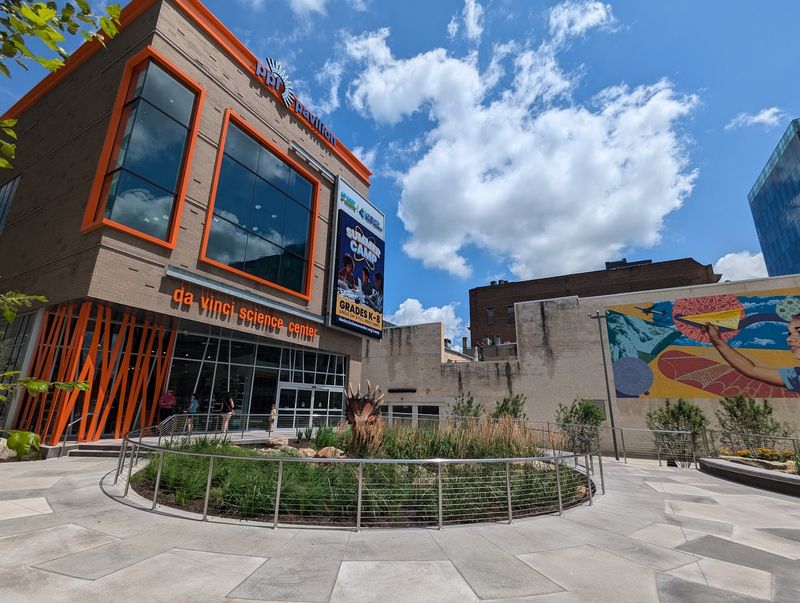
The funny thing about this center is that it can look smaller from outside than it feels once you begin exploring.
Families who expect a short stop often find themselves moving from otters to exhibits, then back again.
Arriving early, especially on weekends, can make the day smoother.
Some visitors report no wait during early Saturday visits, and a calmer start gives kids time to settle before the busiest part of the day.
Keep your plan flexible.
Start with must-see areas like the otters or current traveling exhibit, then leave room for surprises.
Check discount options too, including programs for certain local students, college students, workers, or access card holders when available.
With smart timing, a two-hour visit can easily become a relaxed half-day adventure.
Share this story