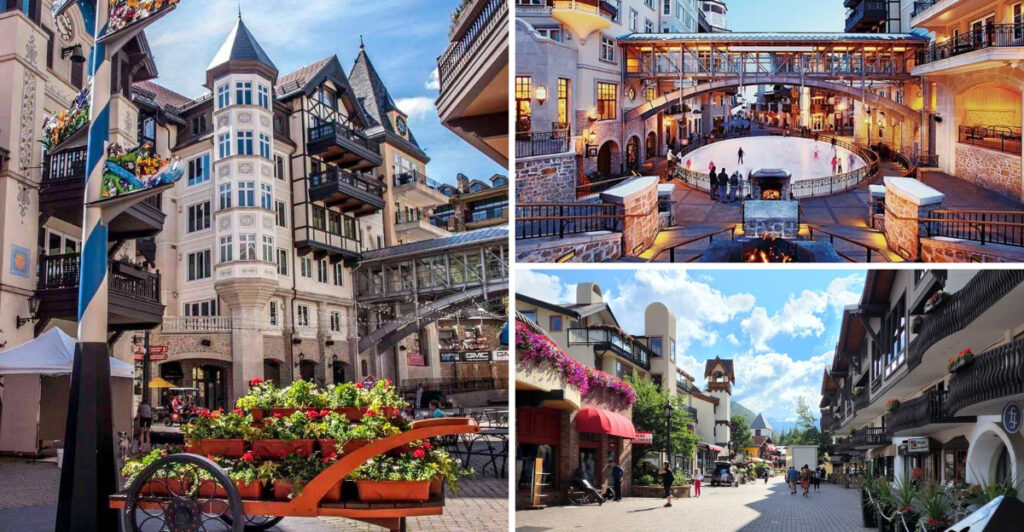
Flower-filled balconies, pedestrian streets, and mountain peaks rising behind the rooftops can make Vail feel more like a movie set than a real Colorado town. Its European-inspired villages invite visitors to wander between cafés, shops, restaurants, and inviting public spaces without constantly reaching for the car keys.
Gore Creek adds another picturesque layer as it winds through town, while nearby trails and mountain activities keep the scenery from being purely decorative. The atmosphere changes with the seasons, but the storybook quality never completely disappears. In Vail, even an ordinary stroll can feel like the opening scene of a feel-good movie.
Storybook Streets Beneath the Mountains
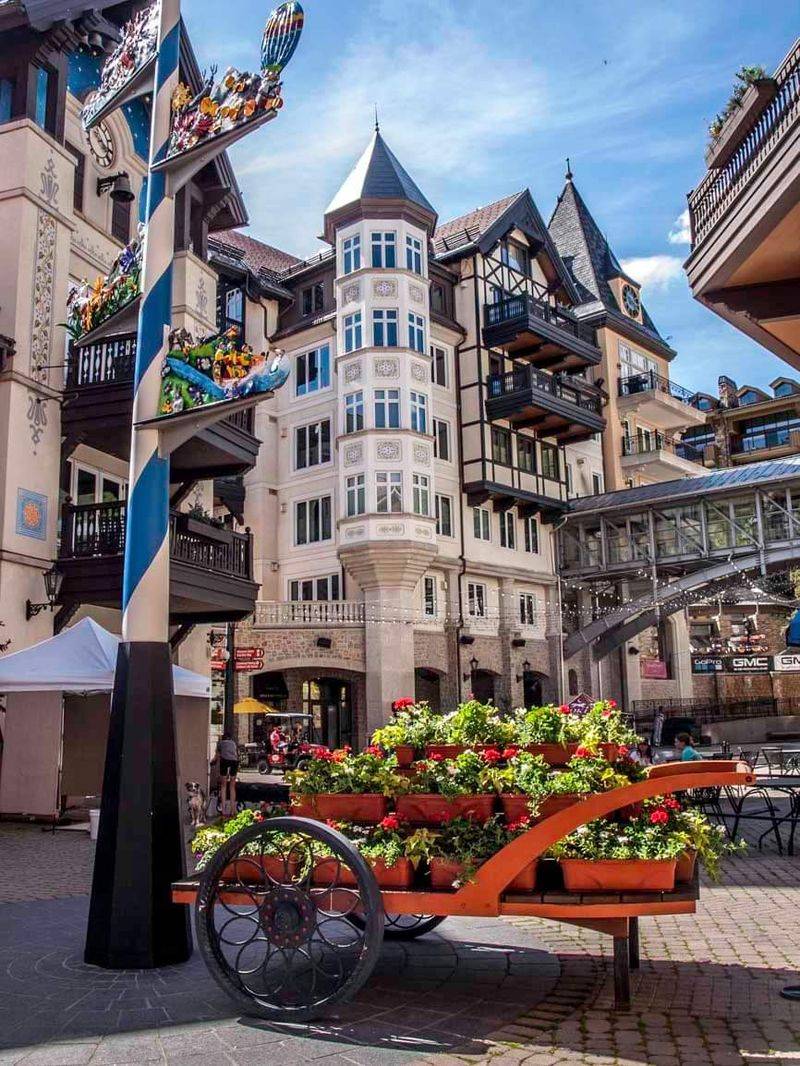
One glance down Vail Village and the movie comparison starts making sense. The streets are lined with alpine-inspired buildings, peaked roofs, timber details, stone walls, and little touches like hanging baskets or window boxes that soften the whole scene.
Even before snow arrives, the place has a polished, tucked-away mountain look that turns an ordinary walk into part of the trip.
Unlike many resort towns built mainly for cars, central Vail rewards going on foot. Brick paths, public art, bridges over Gore Creek, and plazas that open up between buildings keep the layout interesting. Around one corner there might be a quiet bench by the water, and around the next there is a busy square with shops, skiers, or families stopping for hot chocolate.
The mountain backdrop does a lot of heavy lifting, too. Vail sits at the base of Vail Mountain, so the peaks never feel far away. That closeness gives the town a dramatic frame without making the streets feel harsh or wild.
The result is cozy rather than rugged, more twinkling-lights postcard than survival story. For travelers, that setup makes simple plans work well.
Start early for softer light and calmer paths, especially if you want photos without bigger crowds. Comfortable shoes matter because the best parts of town appear while wandering, not while rushing toward one destination.
By evening, lights from restaurants and shops reflect off stone and wood surfaces, and the village shifts from bright mountain hub to quiet, glowing backdrop. It is easy to see why so many first-time visitors pause, look around, and grin before they have even reached an activity. Vail knows how to make an entrance.
Where Ski Culture Meets Small-Town Charm
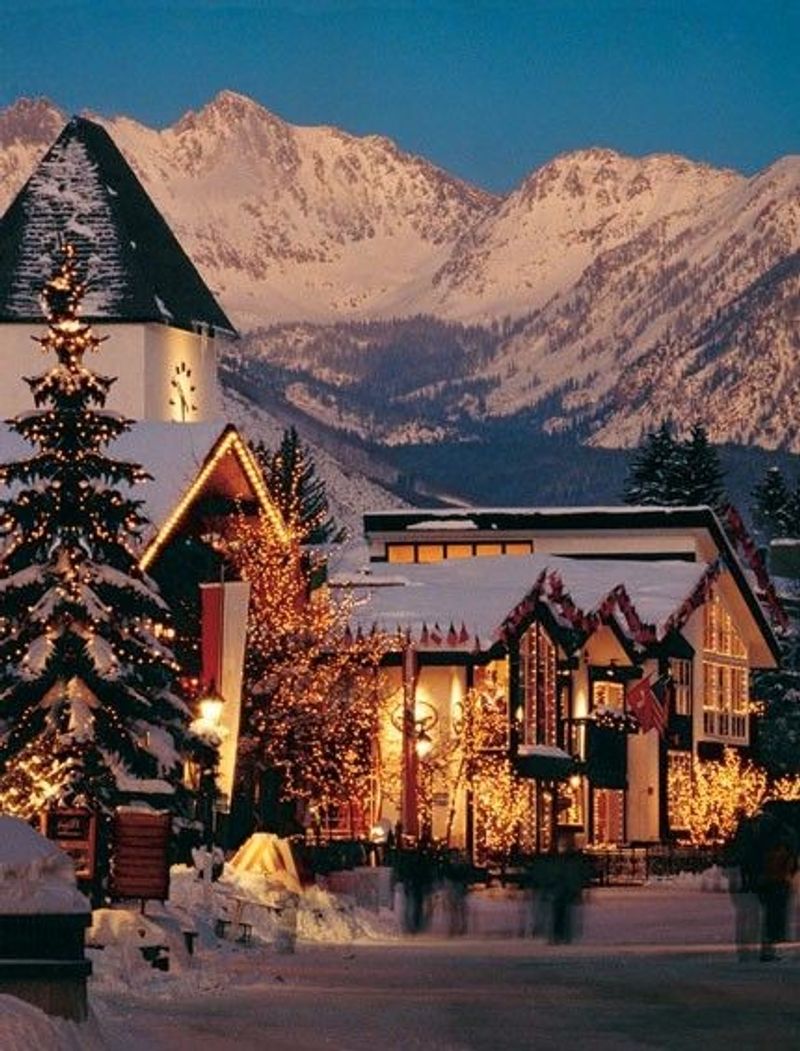
Big mountain energy usually comes with bustle, gear, and a bit of chaos, yet Vail handles it with surprising grace. At the base of Vail Mountain, skiers and snowboarders move in and out of the village, lifts head uphill, and the whole town seems linked to the slopes. Instead of feeling separate from daily life, the ski culture spills right into coffee stops, bakeries, and pathways.
That connection is a major reason the town stands out. Vail Ski Resort is huge, but the base area near town keeps things human-sized once boots hit the ground. After time on the snow, it is easy to warm up indoors, browse shops, or sit beside a fire without needing a long drive across town.
Winter brings the clearest Hallmark-style moments. Fresh snow softens rooftops, people carry skis past glowing storefronts, and steam rises from mugs in outdoor seating areas. Yet the scene works because it is active, not staged.
The town is doing its real job while still looking festive. Travelers who want the smoothest day should think about timing.
Mornings are best for getting onto the mountain with less waiting, while late afternoon is ideal for lingering in the village after the rush begins to thin. If skiing is not on the plan, simply watching the rhythm of the place can still be entertaining.
Warm layers are useful even for a short village stroll in winter, since conditions can change quickly. A hat, waterproof shoes, and a flexible schedule go a long way here. Vail works especially well for mixed groups because one person can ski hard while another explores town, and both still meet back in the middle of the action.
Gore Creek Adds the Soft, Quiet Details
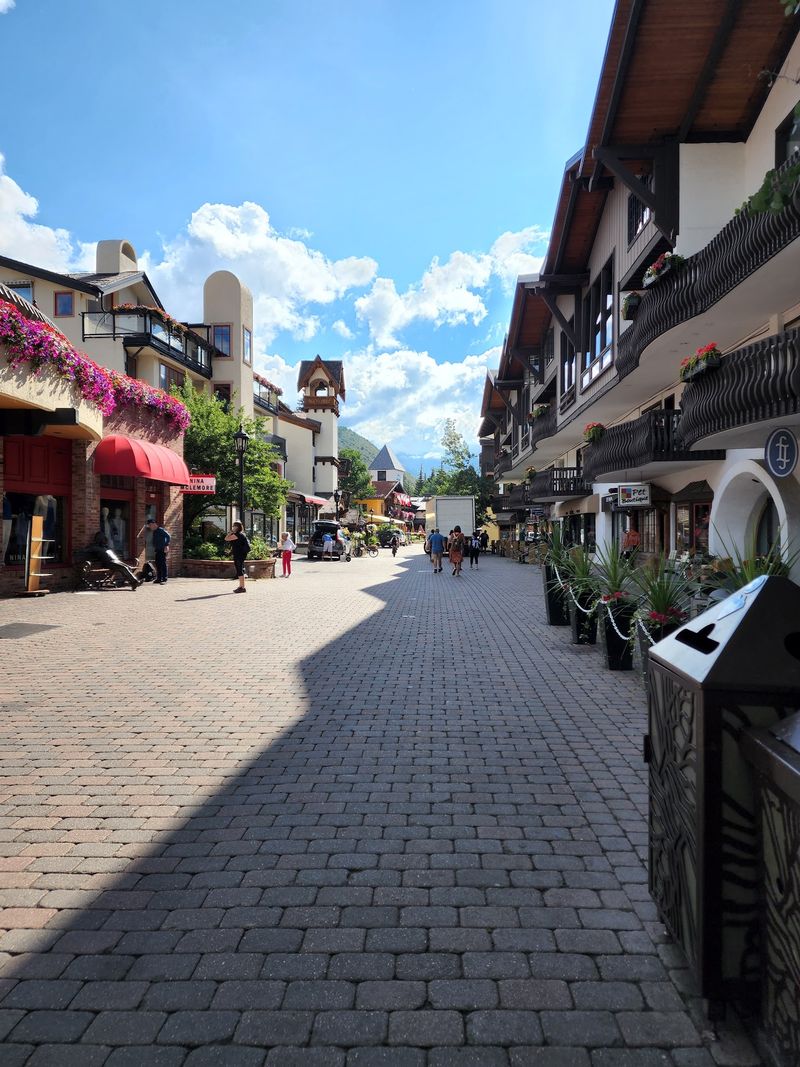
Not every mountain town gets a ribbon of moving water right through its center, and Vail uses that advantage well. Gore Creek cuts through town with a calmer kind of beauty than the ski slopes. It brings sound, motion, and a cooler edge to the village, turning short walks into scenic ones without asking anyone to leave the heart of town.
The creek changes the mood in every season. In summer, it adds sparkle and a fresh mountain feel, especially near bridges and shaded paths. In fall, the water pairs beautifully with yellow leaves, and in winter it slips past snowy banks like a quiet side character doing important work in the background.
That natural feature also helps Vail avoid feeling overly polished. The village architecture is neat and intentional, but the creek keeps the setting from becoming too tidy or artificial. Flowing water, uneven rocks, and the occasional sound of birds create little breaks from the shopping and dining rhythm.
For travelers, the best approach is to slow down and follow the creek instead of treating it like scenery on the way to somewhere else. Look for footbridges, benches, and sections where the sound of the water grows louder than the conversations nearby.
Those spots are ideal for a short rest, family photos, or a quieter snack break. Gore Creek is also known for fly fishing, which adds another local layer to the story of the town.
Even if a rod never enters the picture, knowing the creek supports that activity makes Vail feel more rooted in its mountain landscape. It is not just decorative water running past shops. It is part of the place, and that gives the village a steadier, richer personality.
Colorado Alpine Architecture That Actually Delivers
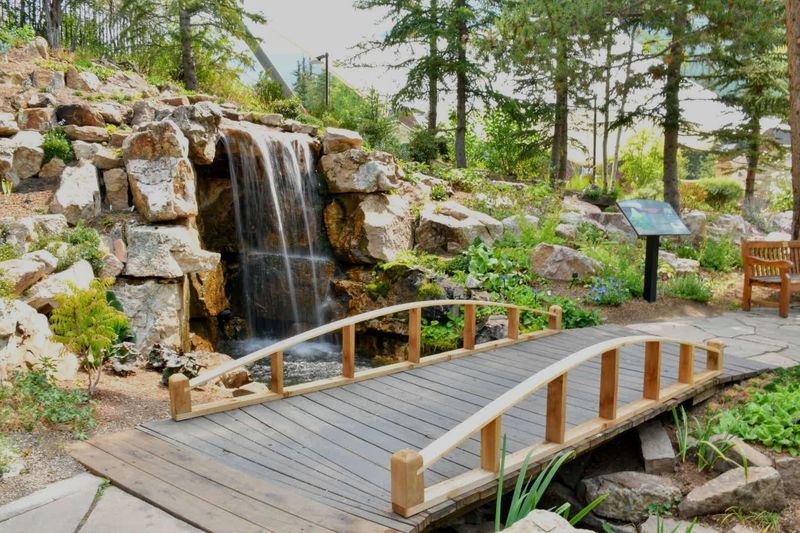
Some towns borrow a theme and hope nobody looks too closely. Vail is more convincing than that. Its alpine architecture is one of the strongest reasons the town lands so well on camera and in person, with chalet-style buildings, textured stone, wooden balconies, and rooflines that look right at home against the mountain backdrop.
The key difference is scale. Many buildings feel detailed rather than oversized, so doorways, courtyards, and lanes stay approachable. That matters because charming places stop being charming when they become giant walls of resort construction.
Vail keeps enough nooks, passages, and visual breaks to preserve a village rhythm. Details reward slower observation. Look up at trim work, lantern-style lights, signs, and balconies dressed for the season. In warmer months, flowers soften the facades.
In colder months, snow resting on roof edges and window glow after sunset make the architecture do extra work without much effort.
This is also why Vail works for travelers who may not spend the entire trip skiing or hiking. There is pleasure in simply moving through the built environment. A short walk to breakfast can turn into a longer loop because one lane opens into a plaza, then another path reveals a bridge, then another row of buildings catches the light.
For the best experience, explore at two different times of day. Morning shows the mountain setting and the crisp lines of the buildings, while evening highlights warmth and texture.
Photo lovers should bring a phone or camera with plenty of storage because Vail can produce a surprising number of frame-worthy corners.
Even practical travelers who claim not to care much about design usually notice that the town looks unusually complete, as if every angle had been planned for a holiday film crew and then handed over to real life.
Summer in Vail Trades Snow for Festivals and Trails
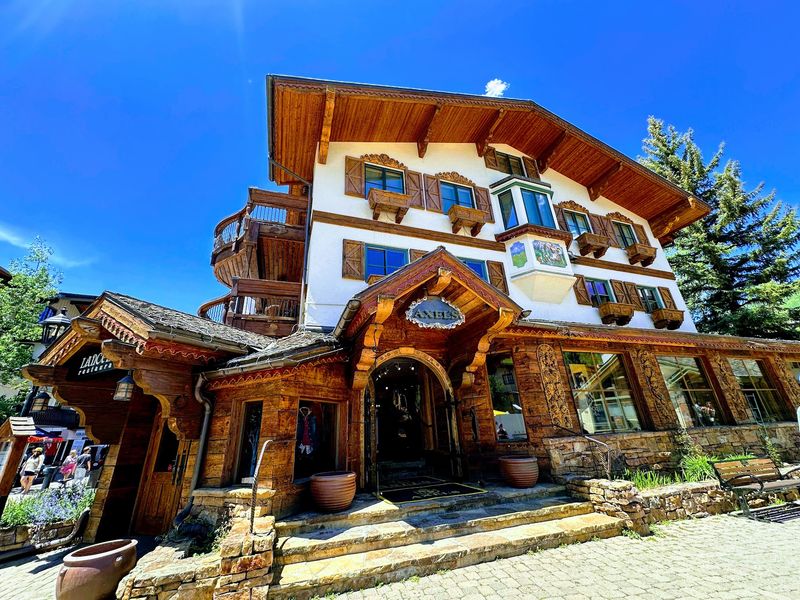
A town that shines in winter can sometimes flatten out once the snow melts. Vail does the opposite. Summer reveals another side of the place, with hiking, golf, festivals, and long daylight hours that stretch the village mood into something breezy and social rather than snowy and snug.
Set within White River National Forest, Vail has easy access to mountain scenery beyond the storefronts. Trails and outdoor recreation become a natural extension of town life, not a separate expedition. That matters for families and casual travelers because the barrier to entry feels lower.
You can enjoy the landscape without needing an all-day backcountry plan. The shift in color changes everything. Rooflines and stonework remain, but now they sit beside bright flowers, green slopes, and blue-sky afternoons.
Gore Creek becomes a stronger visual player, outdoor seating fills up, and the village takes on the hum of a mountain base camp that also knows how to host a relaxed afternoon.
Cultural events help round out the season. Vail is known as a summertime destination for festivals, which gives the town more than one identity. It is not limited to adrenaline or winter sports.
Depending on timing, visitors may find music, community energy, and a busier public-square feeling that suits the walkable layout especially well.
Planning is simple if the day is built in layers. Start with a morning walk or hike while temperatures are cooler, then return to town for lunch and a slower afternoon near the creek or in the village. Bring sunscreen, water, and a light jacket since mountain weather can change quickly even on sunny days.
Summer shows that Vail is not a one-season postcard. It is a flexible mountain town with enough range to keep the setting fresh long after the ski runs are green again.
The Best Moments Happen Between the Big Plans
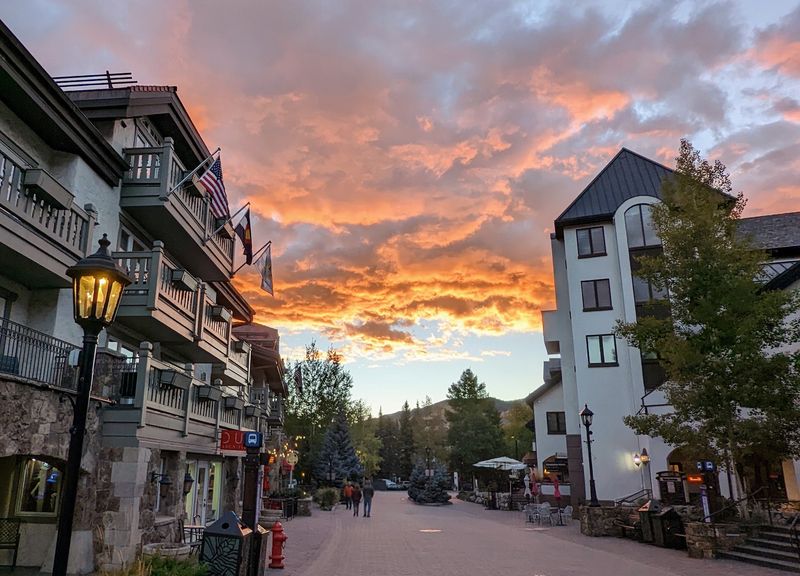
The funniest thing about Vail is that the schedule often matters less than the spaces between activities. Sure, skiing, hiking, and festivals bring people here, but many of the strongest moments come while walking to dinner, crossing a bridge, waiting for friends, or ducking into a warm shop while the weather shifts outside.
That in-between quality is exactly what gives the town its movie-set reputation. Hallmark-style places are rarely only about one attraction. They work because the backdrop supports tiny scenes that feel easy and pleasant.
Vail does that well through its walkability, public spaces, and visual continuity from one block to the next. Families can let the day stay loose here, which is not true in every mountain destination. A child notices the creek. Someone else wants a pastry.
Another person spots a shop window or a quiet lane for photos. In Vail, those little detours do not wreck the day. Often, they become the day.
Couples and friend groups get a similar benefit. The village makes room for wandering without boredom. When one plan ends early, there is always another pleasant direction to go, and the surroundings remain attractive enough that even standing still for a few minutes feels like part of the experience.
To make the most of that quality, avoid overscheduling every hour. Leave open pockets in the afternoon or evening and pick one area of the village to explore without a destination.
Wear layers, keep a phone charged for photos, and allow time to cross footbridges or pause near Gore Creek just because it looks inviting.
Vail is strongest when the town itself gets to do some of the work. It handles transitions beautifully, turning ordinary gaps in the itinerary into scenes that would look entirely at home with soft music and holiday credits rolling in the background.
How to Catch Vail at Its Most Cinematic
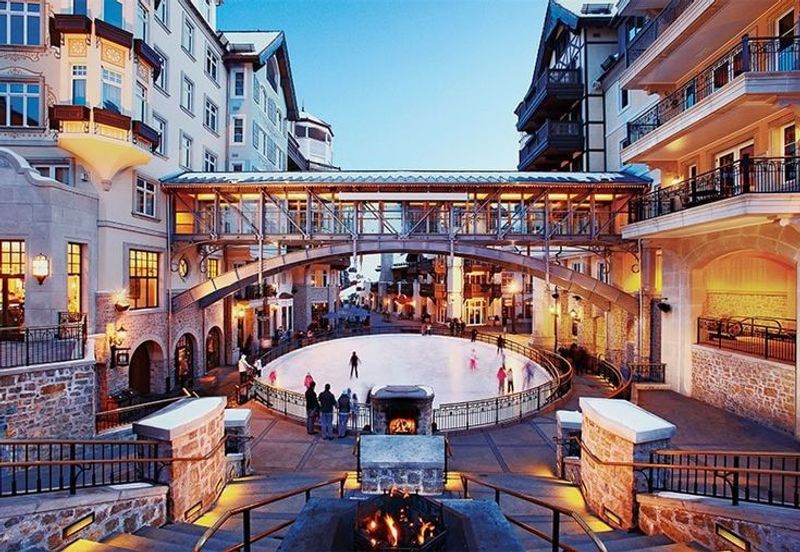
Timing can change Vail from pleasant to unforgettable in a matter of hours. The town is attractive throughout the day, but certain windows make its best qualities line up at once.
Light catches the buildings, mountain air sharpens the colors, and the village settles into a rhythm that is easier to enjoy when you are not racing the busiest crowd.
Morning is excellent for clean views and calmer pathways. In winter, early hours bring crisp snow and a fresher look before footprints multiply. In warmer months, cooler air makes strolling more comfortable, and the mountain backdrop often appears especially clear before afternoon weather shifts in.
Late afternoon into evening is the other sweet spot. This is when lights begin to glow, restaurants fill, and the village gains its coziest look. Stone, wood, and windows all photograph better when the brightness softens.
If snow is falling lightly, the whole scene becomes extra theatrical without trying too hard. Weekdays usually offer a little more breathing room than peak weekend stretches, especially during busy ski periods and major holiday travel times.
Travelers who prefer a slower pace should build in time away from the most obvious central spots as well. Small side lanes, bridges over Gore Creek, and quieter edges of the village often provide the best balance of scenery and space.
Practical planning helps. Parking, weather, and mountain conditions can all shape the day, so flexibility is useful. Wear shoes that handle both pavement and winter slush if visiting in the colder months.
Keep sunglasses handy year-round because mountain light can be bright even when temperatures are low. Vail delivers the movie-town effect most strongly when the timing, weather, and pace all click together. Catch it in those transition hours, and the village seems to glow from within.
Share this story