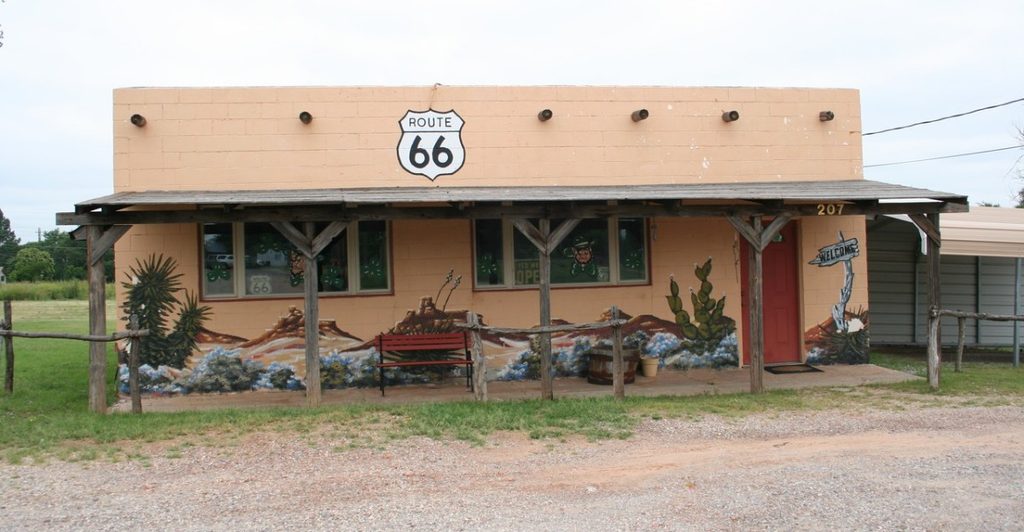
Shamrock sits at the crossroads of Interstate 40 and U.S. Route 83 in the Texas Panhandle, where vintage neon still glows and Route 66 memories come alive. This small town of fewer than 2,000 people played a real role in shaping the fictional world of Radiator Springs from Pixar’s beloved “Cars” movie.
From its famous art deco tower to roadside diners serving up classic comfort food, Shamrock offers travelers an authentic slice of Mother Road history that you can experience for yourself.
1. The U-Drop Inn: Shamrock’s Art Deco Jewel
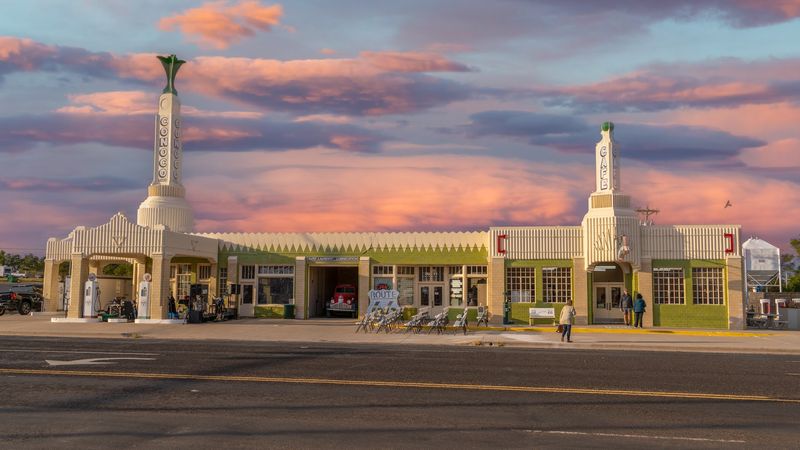
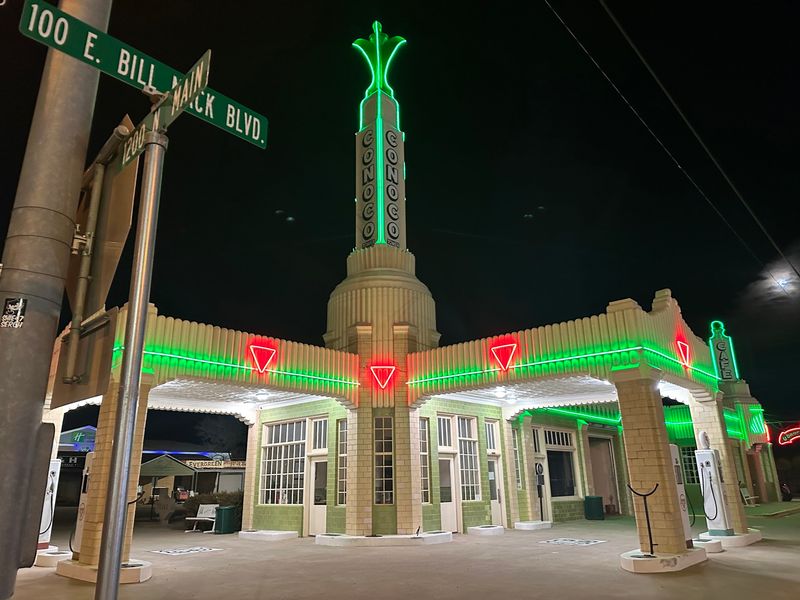
Standing tall at the corner of Route 66 and U.S. 83, the U-Drop Inn catches your eye with its striking tower and geometric green tile roof. Built in 1936, this art deco masterpiece served travelers for decades as both a café and filling station. The building’s unique design features became one of the visual inspirations for Ramone’s House of Body Art in the “Cars” movie.
After years of decline, locals rallied to restore this landmark to its original glory in the early 2000s. Today, the renovated structure houses the Shamrock Chamber of Commerce and a visitor center filled with Route 66 memorabilia. The neon signs light up at night, recreating that classic roadside glow that once guided cross-country travelers.
Walking through the U-Drop Inn feels like stepping back to Route 66’s golden age. The terrazzo floors, original fixtures, and period details transport you to an era when this highway was America’s Main Street. Photo opportunities abound both inside and out, especially when the Texas sunset paints the sky behind that iconic tower.
The building earned its place on the National Register of Historic Places and stands as proof that small communities can preserve their heritage. Volunteers staff the visitor center and love sharing stories about Shamrock’s Route 66 heyday. Whether you’re a “Cars” fan, architecture buff, or road trip enthusiast, this stop delivers authentic Texas Panhandle charm.
2. Pioneer West Museum’s Route 66 Collection
Housed in the historic Reynolds Hotel building, the Pioneer West Museum preserves Shamrock’s colorful past through artifacts, photographs, and personal stories. The Route 66 collection showcases everything from old gas station signs to vintage postcards that capture the highway’s glory days. You’ll discover how this crossroads town thrived when America took to the open road.
The museum’s exhibits go beyond Route 66 to explore ranching heritage, oil boom history, and the Irish-themed traditions that give Shamrock its distinctive character. Original furnishings from the Reynolds Hotel remain in place, letting you imagine what overnight stays looked like during the 1920s and 1930s. Local volunteers curate the displays with obvious pride in their community’s legacy.
One particularly fascinating section documents how Pixar researchers visited Shamrock while developing “Cars.” Photographs and correspondence show the creative team studying the U-Drop Inn and other local landmarks. Seeing these connections between real places and animated characters adds depth to both the movie and your appreciation of the town.
Admission costs just a few dollars, and the staff welcomes questions about any exhibit that catches your interest. The building itself qualifies as an artifact, with its vintage architecture and period details intact. Plan to spend at least an hour browsing the collections, especially if you love Route 66 history or want to understand how small Texas towns evolved through the twentieth century.
3. Shamrock’s Annual St. Patrick’s Day Celebration
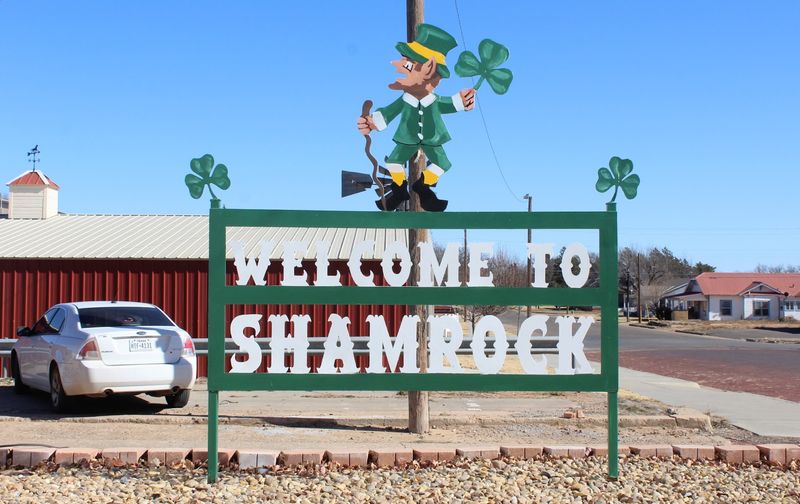
Every March, this Texas Panhandle town transforms into one of the state’s most spirited St. Patrick’s Day destinations. The celebration stretches across multiple days and attracts thousands of visitors who come for parades, concerts, carnival rides, and more green decorations than you can count. Shamrock takes its Irish-inspired name seriously, even though the town sits about as far from Ireland as you can get.
The festivities kick off with Miss Irish Rose pageants and continue through weekend events that pack the downtown streets. A grand parade features floats, marching bands, and local organizations showing off their Irish pride. Food vendors set up along the route, serving everything from funnel cakes to barbecue, though you might find some green-tinted treats too.
What started as a small community gathering in 1938 has grown into one of Texas’s largest St. Patrick’s Day celebrations. The event reflects Shamrock’s determination to create its own identity along Route 66, using the Irish theme to stand out among countless highway towns. Local businesses decorate their storefronts, residents don their greenest outfits, and the whole community comes together.
If you’re planning to visit during the celebration, book accommodations early because nearby hotels fill up fast. The festival atmosphere provides a completely different perspective on Shamrock compared to quieter times of year. You’ll experience small-town Texas hospitality mixed with Irish-themed fun, creating memories that have nothing to do with “Cars” but everything to do with authentic community spirit.
4. The Historic Water Tower
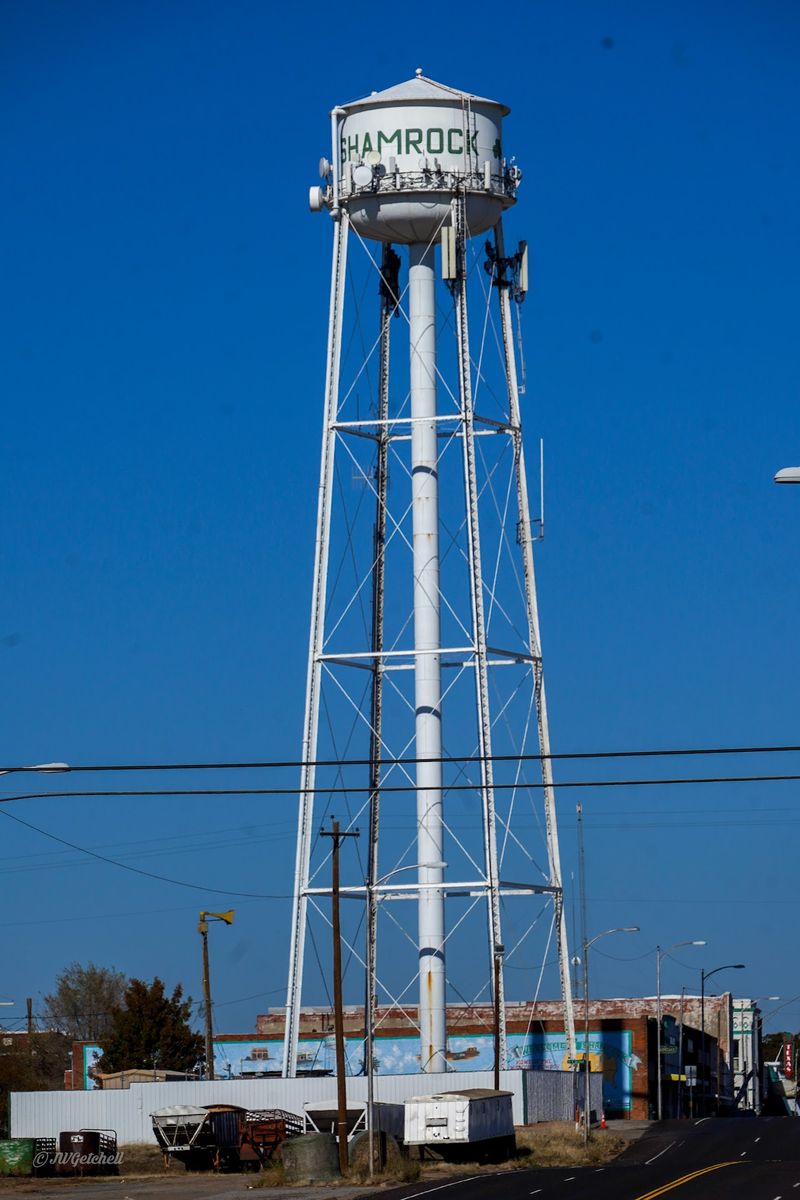
Rising above Shamrock’s skyline, the historic water tower sports a massive shamrock painted on its side that’s visible from miles away on the flat Panhandle landscape. This practical piece of infrastructure doubles as the town’s most recognizable symbol beyond the U-Drop Inn. The green shamrock design reinforces the Irish theme while serving as a welcoming beacon for travelers approaching on Interstate 40.
Built during an era when water towers defined small town skylines, this structure represents the kind of civic pride that kept Route 66 communities thriving. The shamrock painting gets refreshed periodically to maintain its bright appearance and sharp lines. On sunny days, the white tower and green symbol create a striking contrast against the big Texas sky.
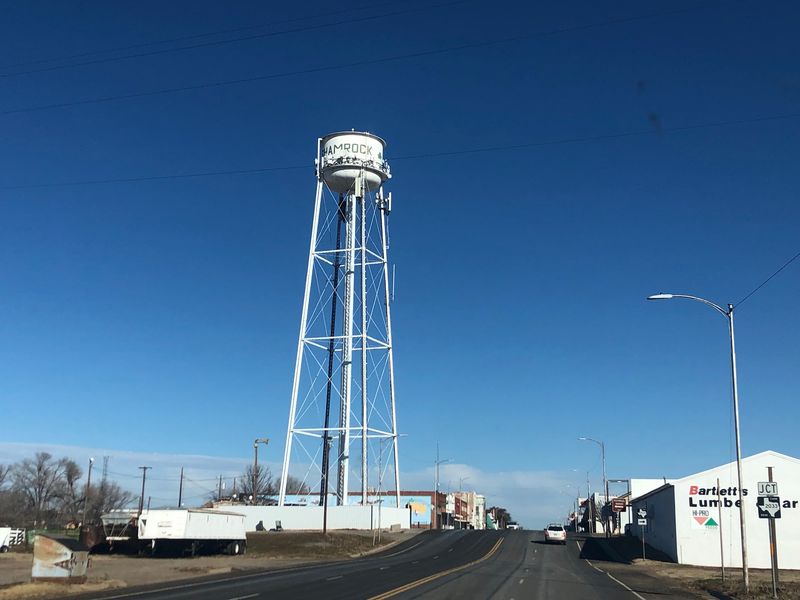
Photographers love capturing the water tower alongside vintage buildings or framed by the endless horizon that characterizes this region. The structure appears in countless Route 66 photo collections and travel blogs, often paired with shots of the U-Drop Inn. Together, these landmarks create Shamrock’s visual identity and help the town stand out in travelers’ memories.
While you can’t climb the tower, viewing it from various angles around town offers different perspectives on how communities brand themselves. The shamrock symbol works year-round but becomes especially meaningful during March celebrations. This simple painted design on utilitarian infrastructure shows how small towns create distinctive identities that resonate with visitors and give locals something to rally around across generations.
5. Route 66 Through Town
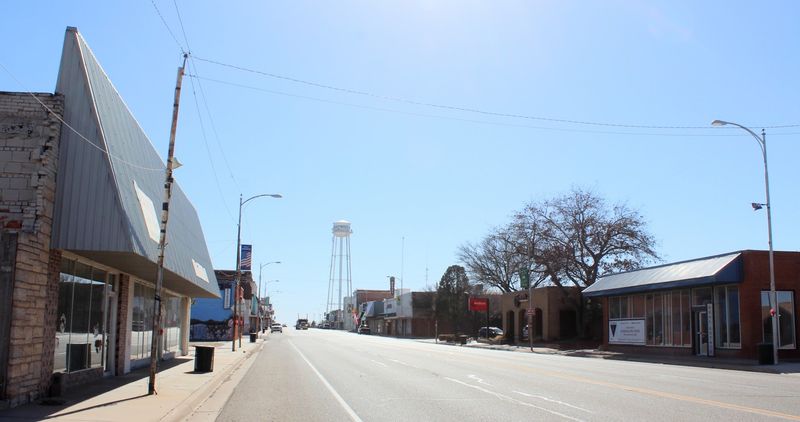
Driving the actual stretch of Route 66 through Shamrock connects you directly to the road that inspired Lightning McQueen’s journey. The historic route runs right through downtown, passing the U-Drop Inn and other vintage structures that have witnessed decades of cross-country travelers. Pavement that once carried Dust Bowl refugees, postwar vacationers, and countercultural road trippers now hosts Route 66 enthusiasts from around the world.
Modern Interstate 40 bypassed much of the original route, but Shamrock’s section remains accessible and well-marked with historic highway shields. Taking this detour off the interstate adds only minutes to your trip but delivers an entirely different experience. The slower pace lets you notice architectural details, read old signs, and imagine what travel looked like before modern highways homogenized the American road trip.
Several buildings along Shamrock’s Route 66 corridor date to the road’s heyday, showing various states of preservation and adaptation. Some house active businesses while others stand empty, creating that slightly melancholic atmosphere that draws Route 66 romantics. The mix of thriving and fading structures tells an honest story about how highway rerouting affects small communities.
Walking or driving this section gives you appreciation for why Pixar chose to celebrate these disappearing towns. The scale feels human compared to interstate exits dominated by chain restaurants and big box stores. Shamrock’s Route 66 stretch preserves something authentic about American road culture, making it more than just a movie inspiration but a living piece of transportation history worth experiencing firsthand.
6. Elmore Park and Recreation Area
After hours of highway driving, Elmore Park offers a welcome chance to stretch your legs and let kids burn off energy. This community park features playground equipment, picnic tables, and open grass areas perfect for a quick break or leisurely lunch. The shade trees provide relief from the intense Panhandle sun, especially during summer months when temperatures soar.
Local families use Elmore Park regularly, so visiting here gives you a glimpse of everyday life beyond the Route 66 tourist attractions. You might catch a Little League practice, see folks walking dogs, or join pickup basketball games depending on when you stop by. The park’s well-maintained facilities reflect the community’s commitment to quality public spaces despite limited budgets.
Picnicking here with food from Big Vern’s or another local restaurant beats eating in your car at a highway rest stop. The park provides a more relaxed setting to enjoy your meal while planning your next Route 66 segment. Restroom facilities and water fountains add practical amenities that road trippers appreciate after long stretches between towns.
Elmore Park won’t make anyone’s list of must-see destinations, but that’s precisely what makes it valuable for understanding Shamrock beyond its movie connections. Real people live here year-round, raising families and building lives in this small Panhandle community. Taking time to experience this ordinary park reminds you that Route 66 towns aren’t just museum pieces but living places where daily life continues alongside tourist visits.
7. Shamrock Country Club
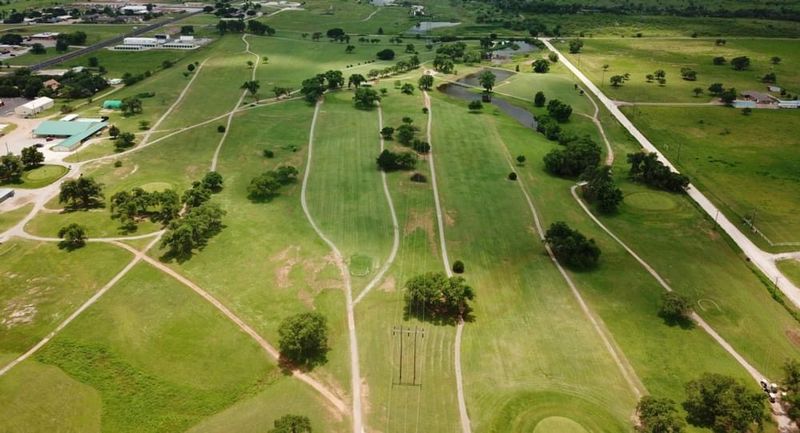
Golf might not be the first activity you associate with Route 66 road trips, but Shamrock’s nine-hole course offers an unexpected detour for players who can’t go too long without swinging clubs. The Shamrock Country Club maintains a surprisingly decent layout considering the town’s small size and remote location. The flat Panhandle terrain means few dramatic elevation changes, but the course designers created interesting challenges through strategic bunker placement and green design.
Greens fees remain remarkably affordable compared to city courses, and you’ll rarely encounter crowds or slow play. The clubhouse provides basic amenities including club rentals if you’re traveling light. Playing here feels casual and welcoming, with none of the stuffiness that sometimes accompanies country club golf elsewhere.
Wind presents the biggest challenge on this exposed Panhandle course, as gusts can dramatically affect ball flight on any given day. Locals know to adjust their club selection and aim points accordingly. The course conditions vary seasonally, looking their best in spring and early summer before the intense heat of July and August takes its toll.
Adding a round of golf to your Shamrock visit extends your stay beyond a quick photo stop at the U-Drop Inn. The extra time lets you experience more of the town’s character and interact with residents who might share stories about Shamrock’s past or recommend other Route 66 stops. Whether you shoot par or struggle to break 50, playing this small-town course creates a unique travel memory that most Route 66 tourists never experience.