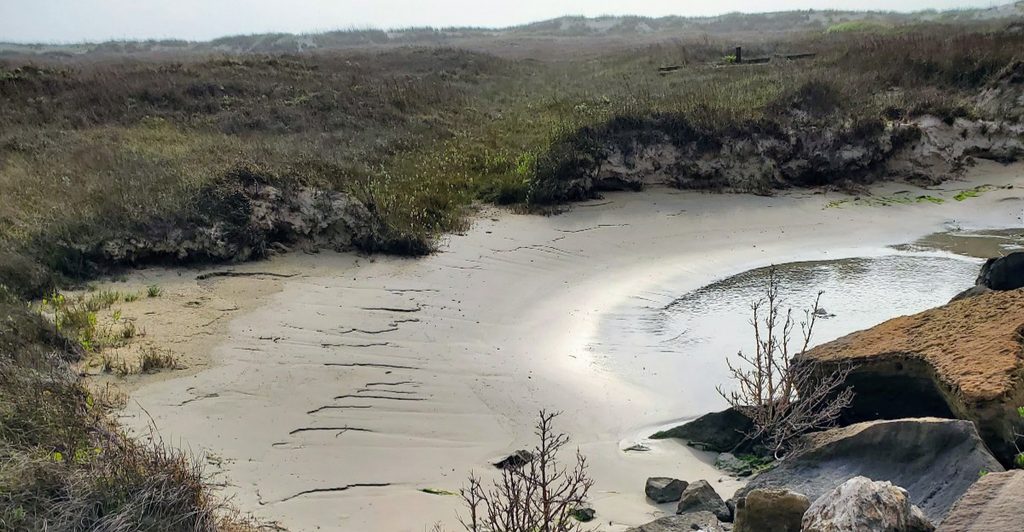
San José Island sits just off the coast of Port Aransas, accessible only by boat and offering a true escape from mainland crowds. This undeveloped barrier island stretches for miles with nothing but sand, shells, and open sky. Whether you’re hunting for seashells along the jetty, watching sea turtles surface in the Gulf, or casting a line into some of the best fishing waters on the Texas coast, this place delivers a raw, unfiltered beach experience you won’t find anywhere else.
1. Getting There by Jetty Boat
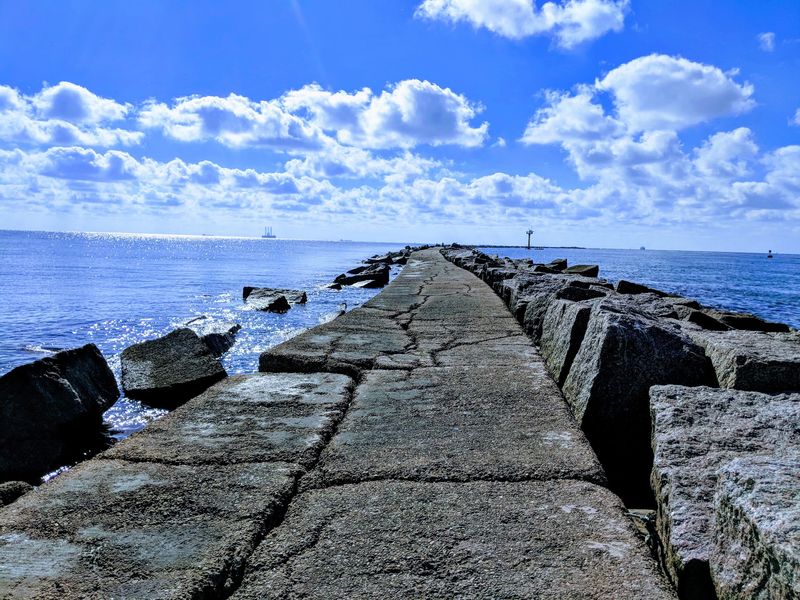
Most visitors catch the jetty boat from Fisherman’s Wharf in Port Aransas, a quick seven-minute ride that zips you across the channel. Round-trip tickets run around $18 for adults and half that for kids, with boats shuttling back and forth every couple of hours throughout the day. The boat ride itself is half the fun, with dolphins often racing alongside and sea turtles popping up for air.
Plan ahead because once you’re dropped off, you’re committed to staying at least two hours until the next pickup. Check the shuttle schedule before you go so you don’t miss the last boat back. Some visitors bring their own boats and dock at the island’s simple pier, but for most people, the jetty shuttle is the only practical way to reach this slice of coastline.
The ride can get choppy when the wind picks up, so hold onto your hat and any loose items. Drivers know these waters well but don’t hesitate to move fast, especially when the current is strong. If you’re prone to seasickness, consider taking something beforehand.
Once you step off onto the dock, you’ll immediately feel the remoteness, with nothing but beach stretching in both directions and not a building in sight.
2. Shell Collecting Along the Shoreline
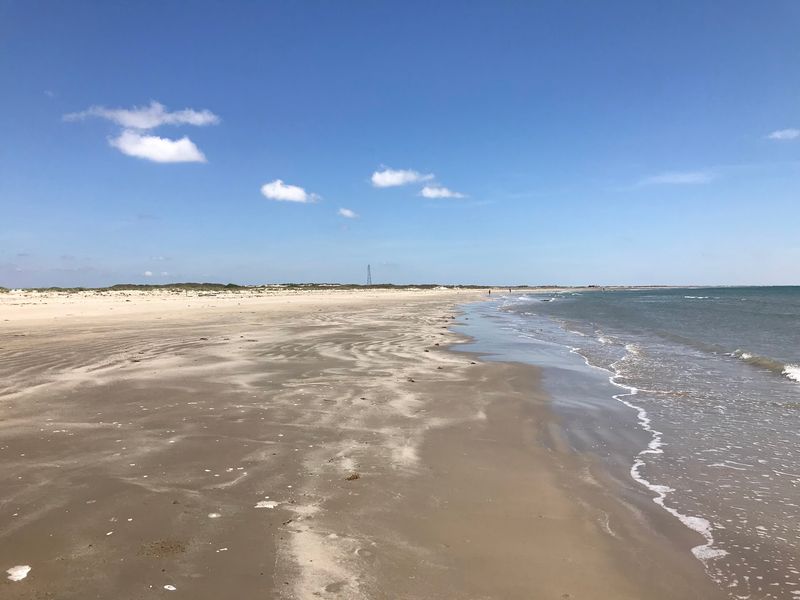
Early morning is prime time for shelling on San José Island, before other beachcombers scoop up the best finds. Walk north or south from the drop-off point and you’ll discover piles of shells near the jetty rocks, where tides deposit fresh treasures daily. Look for lightning whelks, sand dollars, angel wings, and the occasional unbroken conch if you’re lucky.
Bring a mesh bag or bucket because you’ll want both hands free to sift through the offerings. The best shells often sit about 25 feet up from the waterline, mixed in with seaweed and driftwood. After storms, the selection improves dramatically as rough seas churn up specimens from deeper water.
Water shoes are essential since broken shells carpet much of the beach and can cut bare feet easily.
Don’t expect a pristine shell paradise every single visit. Some days the pickings are slim, especially later in the day after crowds have already combed the area. Walking a few miles down the beach away from the main landing zone usually yields better results.
The island’s undeveloped nature means shells accumulate naturally without anyone sweeping them away, but it also means you’ll encounter debris mixed in with your finds.
3. Wildlife Watching Opportunities
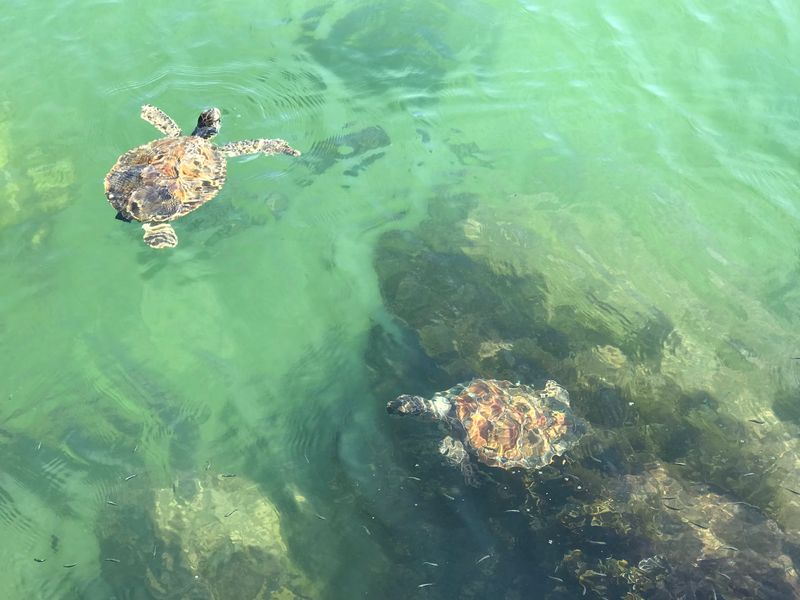
Sea turtles are the stars of San José Island’s wildlife show, surfacing regularly in the waters around the jetty and along the beach. Loggerheads and Kemp’s ridleys both frequent these waters, often visible from shore as they come up to breathe. Bring binoculars for a closer look without disturbing them, and remember these are protected species, so keep your distance if you spot one nesting.
Dolphins patrol the channel between the island and Port Aransas, sometimes in pods of a dozen or more. They’re most active in the morning and late afternoon, hunting fish pushed toward shore by the current. Watch for their dorsal fins cutting through the water or listen for the distinctive puff of their blowholes.
Bird enthusiasts will spot everything from brown pelicans diving for fish to elegant roseate spoonbills wading in the shallows. Sanderlings scurry along the waterline, ghost crabs peek from their burrows, and if you venture toward the dunes, you might catch lizards darting between clumps of beach grass. The lack of development means wildlife acts naturally here, undisturbed by cars or buildings.
Pack a field guide if you want to identify the dozens of species that call this barrier island home year-round or stop during migration.
4. Fishing Off the Jetty and Beach
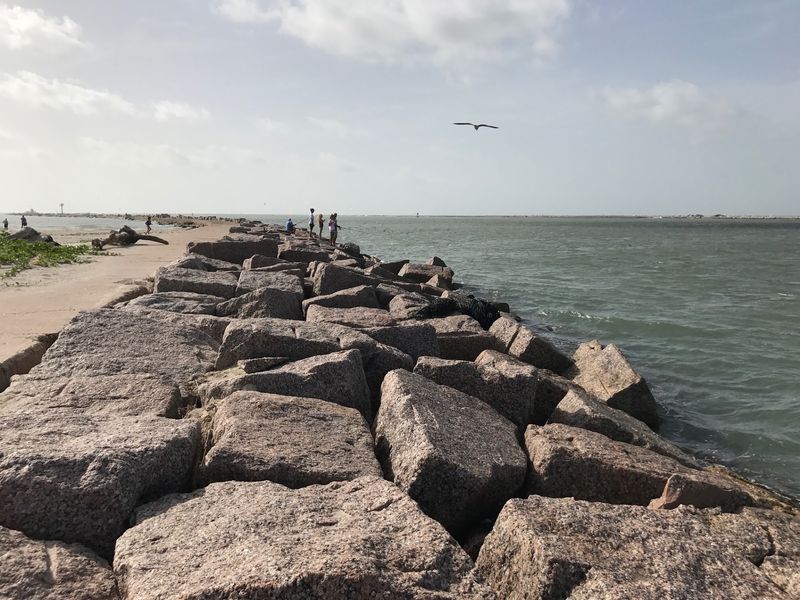
The granite jetty stretching into the Gulf creates perfect habitat for redfish, speckled trout, and flounder. Anglers post up along the rocks with coolers and tackle boxes, casting into the deeper channel where fish congregate around the structure. You don’t need a fishing license to fish from shore in Texas, making this an accessible spot for anyone with a rod and some bait.
Surf fishing along the open beach produces black drum, whiting, and occasional pompano, especially when the tide is moving. Walk away from the crowds near the boat landing to find your own stretch of sand. Live shrimp works well for most species, though cut bait attracts larger predators.
The island’s remoteness means you won’t be shoulder-to-shoulder with other fishermen like on mainland beaches.
Bring everything you need because there’s nowhere to buy forgotten supplies. A five-gallon bucket serves double duty as a seat and a place to store your catch. The sun reflects hard off the water, so sunscreen and a hat aren’t optional.
Some visitors fish all day, packing lunch and staying through multiple tide cycles. Just remember to pack out any trash, including used bait and fishing line, which can harm the wildlife you came to enjoy.
5. What to Bring for a Day Trip
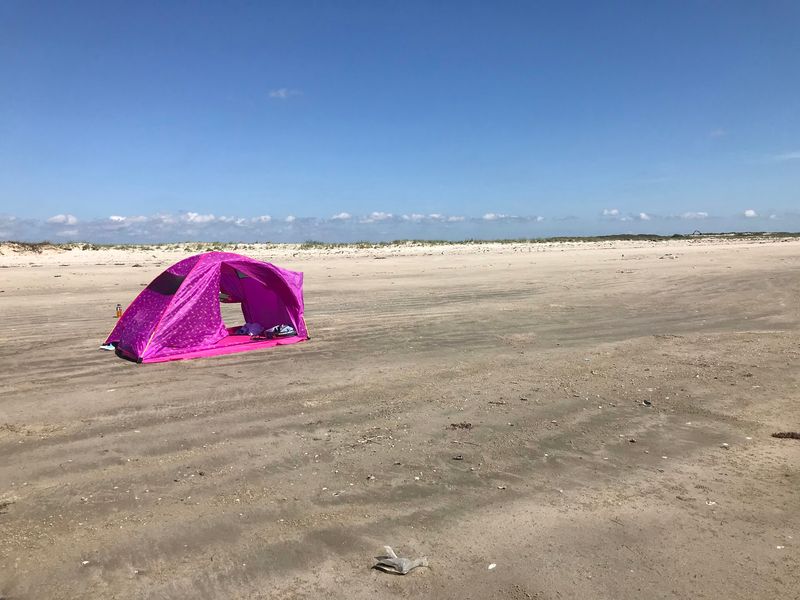
This island has zero facilities, so whatever you bring is all you’ll have for the day. Start with plenty of water because dehydration sneaks up fast under the Texas sun with no shade except what you create. A large cooler packed with ice keeps drinks cold and doubles as a seat.
Food is equally important since you’ll be stuck for at least two hours, often longer if you’re enjoying yourself.
Shade is non-negotiable unless you want to bake like a redfish. Beach umbrellas work, but pop-up canopies provide better coverage for groups. A wagon or beach cart makes hauling your gear from the dock to your chosen spot much easier, especially if you’re walking down the beach.
Some visitors rent carts at Fisherman’s Wharf before boarding the boat.
Trash bags are essential because there are no receptacles on the island. Pack out everything you bring in, and consider grabbing some of the debris you’ll inevitably encounter. Sunscreen, hats, and UV-protective clothing prevent painful burns.
Water shoes protect against broken shells and the occasional piece of sharp debris. Towels, beach chairs, and any toys or games round out the list. Basically, imagine you’re camping for the day on a deserted beach, because that’s exactly what you’re doing.
6. The Reality of an Undeveloped Beach
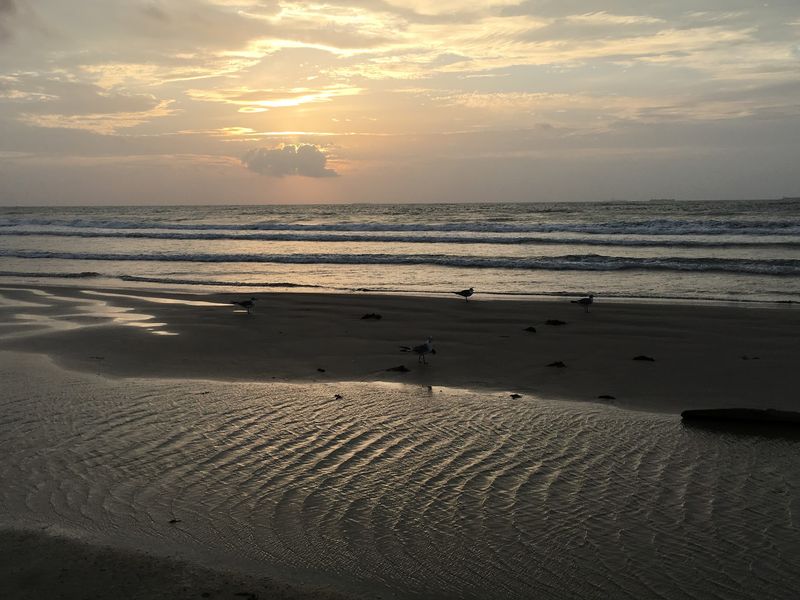
San José Island isn’t a manicured resort beach, and some visitors find that disappointing. Trash washes ashore regularly, from plastic bottles to fishing gear, mixed in with natural debris like seaweed and driftwood. The beach isn’t raked clean every morning by maintenance crews because there are no maintenance crews.
What you see is what nature delivers, for better or worse.
This raw quality is exactly what draws repeat visitors who want an authentic coastal experience. You won’t find boardwalks, concession stands, lifeguards, or restrooms. The nearest bathroom is back in Port Aransas, so plan accordingly.
Broken shells, bits of coral, and the occasional jellyfish require watching where you step.
The water clarity varies from decent to murky depending on wind, tide, and recent weather. You can usually see a couple of feet down, enough to spot fish and turtles, but this isn’t Caribbean snorkeling water. Waves tend to be gentle, making it relatively safe for swimming, though there’s no one to rescue you if you get in trouble.
The isolation is the point. If you want amenities, stick to Padre Island or Galveston. If you want to feel like you’ve discovered a secret beach that time forgot, this is your spot.
7. Walking the Empty Shoreline
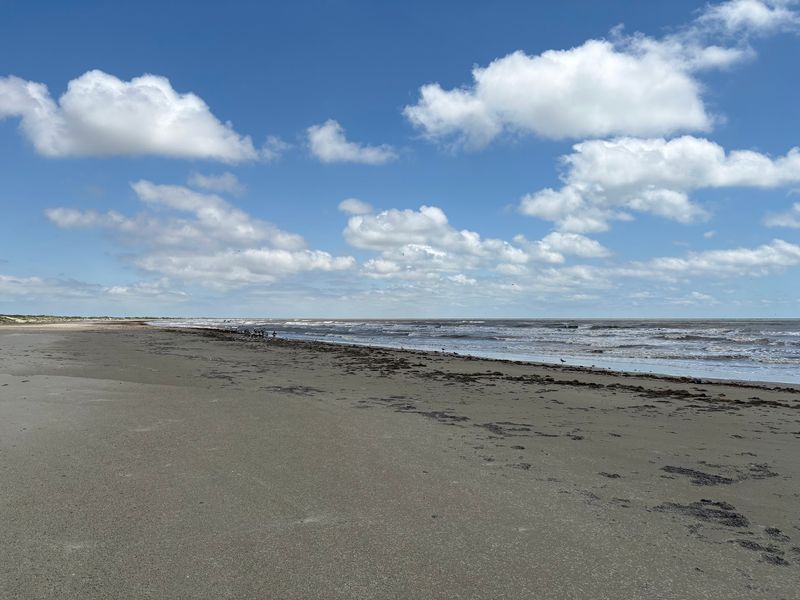
Once you walk 20 minutes in either direction from the boat landing, you’ll likely have the beach almost entirely to yourself. Miles of uninterrupted sand stretch north and south, with nothing but dunes on one side and Gulf waters on the other. It’s the kind of solitude that’s increasingly rare on the Texas coast.
The beach walking here is excellent, with firm sand near the waterline making for easy hiking. Bring a friend or go solo, but either way, you’ll cover serious distance without realizing it. Some visitors walk for hours, exploring the full length of the island’s accessible shoreline.
The scenery stays consistent but never gets boring, with the rhythm of waves and wind creating a meditative experience.
Watch for interesting finds as you walk: unusual shells, pieces of sea glass worn smooth by the waves, driftwood sculptures shaped by salt and sun. The lack of development means the beach changes with every tide and storm, never quite the same twice. Hermit crabs scuttle across your path, and shore birds run ahead of you like they’re leading an expedition.
By the time you turn back, you’ll understand why people return to this island year after year despite its rustic conditions.
8. Planning Your Visit Wisely
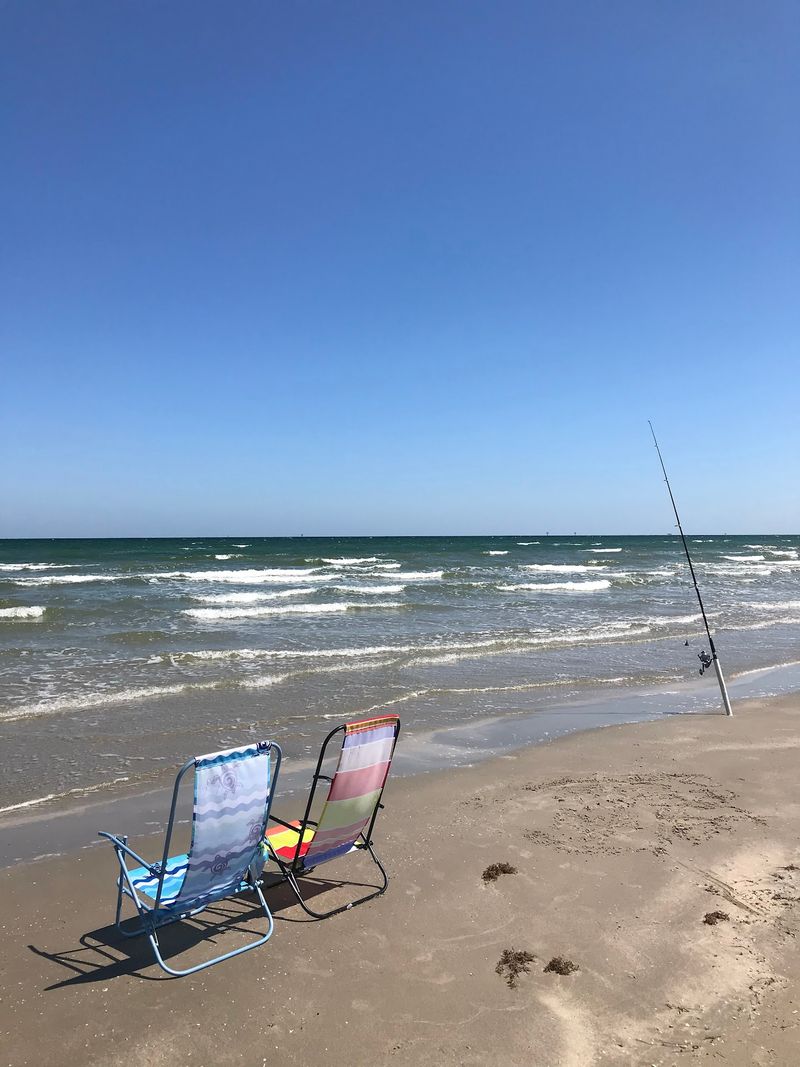
Timing matters more on San José Island than at typical beaches because you’re at the mercy of the boat schedule. Most visitors aim for morning departures to maximize beach time and avoid the worst afternoon heat. Check the weather forecast carefully since wind can make both the boat ride and beach experience less pleasant.
Calm days with light breezes are ideal.
Summer brings heat that can be brutal without proper preparation, while spring and fall offer more comfortable temperatures. Winter visits are possible but expect cooler water and stronger winds. The island sees fewer visitors on weekdays, giving you even more space to spread out.
Weekends during peak season can feel relatively crowded near the landing area, though walking a short distance solves that problem.
Set realistic expectations before you go. This isn’t a luxury beach day with margaritas and beach volleyball. It’s a nature experience that requires self-sufficiency and tolerance for a little chaos.
If you’re prepared for the rustic conditions and embrace the adventure, you’ll likely have a fantastic time. If you need creature comforts and perfectly clean sand, you’ll probably leave disappointed. Know yourself and plan accordingly, and this remote slice of Texas coastline might just become your new favorite escape.
Share this story