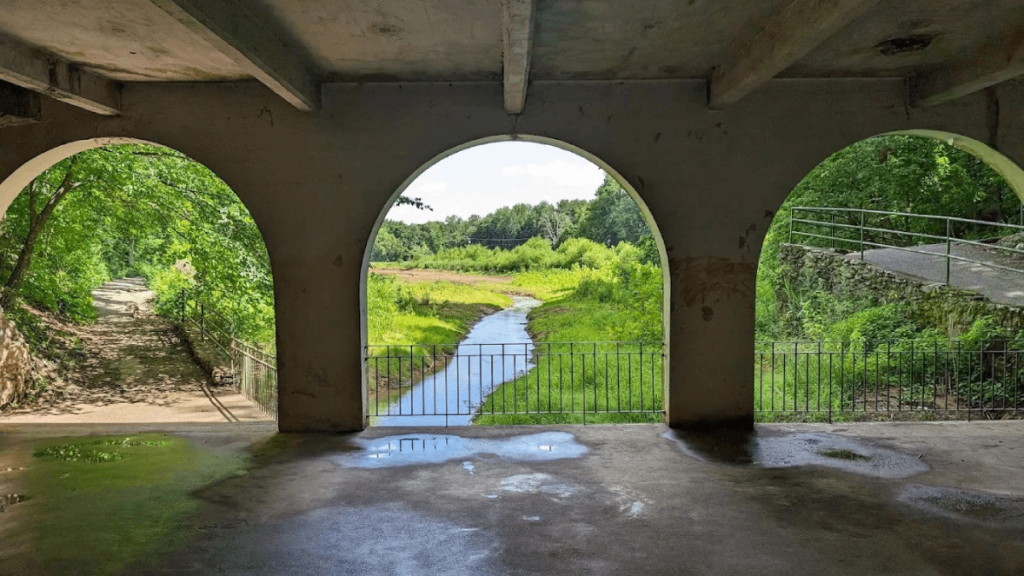
Dunbar Cave State Park in Clarksville is not your typical outdoor destination. It is one of those places where ancient history, natural beauty, and present-day adventure all come together in a way that feels genuinely memorable.
Whether you are walking into a cave that once echoed with big-band concerts, following trails through quiet wooded areas, or learning about prehistoric art tucked deep below the surface, this park offers the kind of experience that stays with you long after the visit is over.
There’s a Lot More to Dunbar Cave State Park Than Meets the Eye
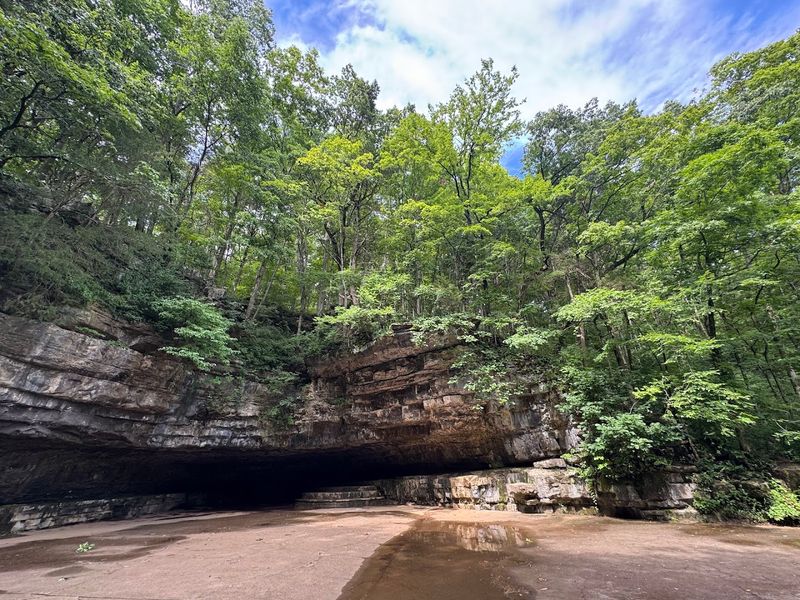
Most people roll up to Dunbar Cave expecting a simple nature walk and maybe a peek at some rocks. What they find instead is a layered experience that keeps surprising them at every turn. The park sits on 110 acres of protected land, and every corner seems to have a story worth hearing.
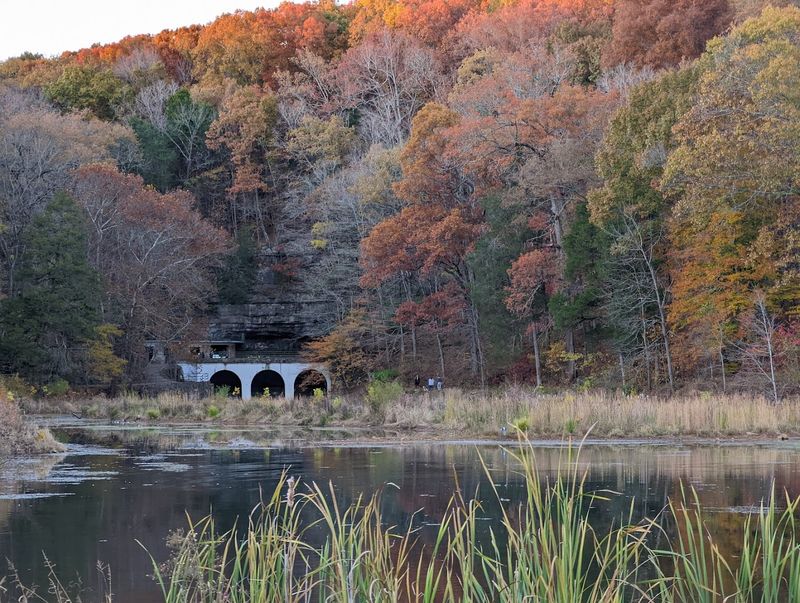
The cave itself is the star attraction, but the grounds around it reveal just as much character. You’ll find a peaceful lake where ducks glide across the water, sinkholes that hint at the underground world below, and rock formations that have been standing for thousands of years. Families spread out picnic blankets near the visitor center while others wander the trails with dogs on leashes.
What makes this place special is how it balances different experiences. History buffs get their fix learning about the cave’s past as a concert venue and dance hall. Nature lovers enjoy birdwatching and spotting turtles sunning themselves on logs.
Kids just love running around and exploring something that feels like a real adventure.
The park operates year-round from 8 AM to 4:30 PM, and admission is free unless you’re taking a cave tour. It’s located at 401 Old Dunbar Cave Road, making it an easy stop whether you’re local or just passing through Clarksville.
This Clarksville Park Blends Natural Beauty With Deep History
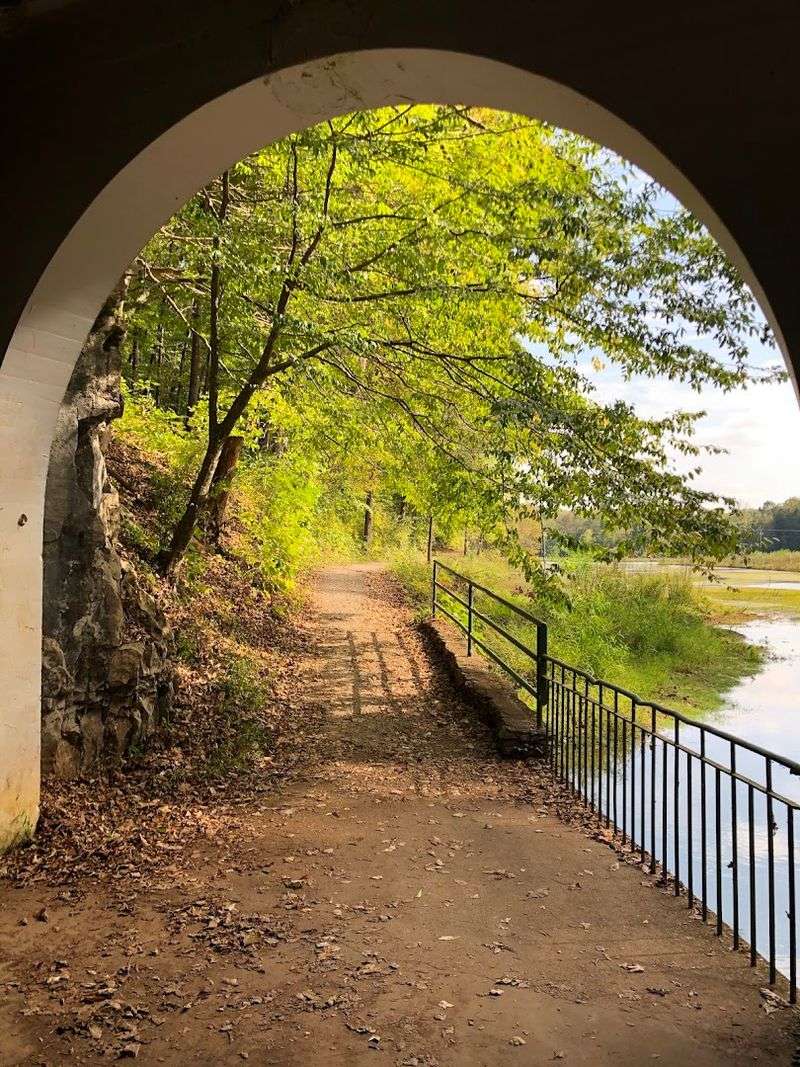
Walking into Dunbar Cave State Park feels like stepping into a time machine that somehow forgot to pick an era. The natural landscape looks wild and untouched, yet human fingerprints are everywhere if you know where to look. This tension between wilderness and civilization creates something genuinely unique.
The cave has been a gathering place for over 10,000 years. Native Americans used it as shelter and left behind artwork that archaeologists still study today. Fast forward to the 1930s and 1940s, and you’ll find big bands playing swing music inside the cave’s mouth while hundreds of people danced on a specially built floor.
Roy Acuff, a country music legend, owned the property for a time and turned it into a popular entertainment venue. The cave’s natural acoustics made it perfect for concerts, and people came from all over to experience music in such an unusual setting. You can still see remnants of that era if you look closely.
Today, the Tennessee State Parks system manages the property, preserving both its natural features and cultural significance. The park staff does an excellent job explaining how geology, archaeology, and entertainment history all converge in one spot. It’s rare to find a place where you can appreciate ancient rock formations and imagine Frank Sinatra-era crowds all at once.
Why the Cave Tours Are One of the Biggest Draws
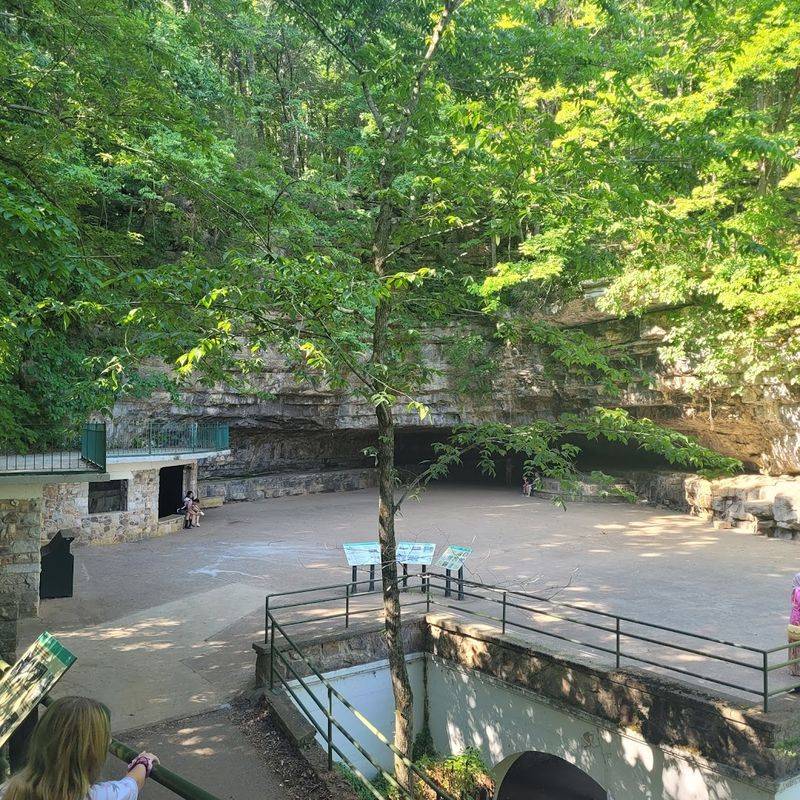
Here’s the thing about Dunbar Cave tours: they’re only available from May through September, which makes them feel like a special event rather than something you can do anytime. That seasonal limitation actually adds to the appeal. People plan their visits around tour availability, and the anticipation makes the experience more memorable.
The guided tours take you about 280 feet into the cave, which might not sound like much, but it’s enough to feel like you’ve entered a completely different world. Rangers lead small groups through the entrance where concerts once echoed, pointing out geological features and sharing stories about the cave’s many lives. The temperature inside stays around 58 degrees year-round, offering natural air conditioning on hot Tennessee days.
What sets these tours apart is the storytelling. Rangers don’t just recite facts about limestone and stalactites. They paint pictures of Native American communities seeking shelter, Depression-era families looking for affordable entertainment, and modern scientists studying the cave’s ecosystem.
The cave becomes a character in its own right.
Tour schedules vary by season, so calling ahead or checking the website is smart. Groups fill up quickly on weekends, especially during peak summer months. Even if tours are full, the cave entrance itself is impressive and worth seeing from the outside.
The Hiking Trails That Make This Spot Even Better
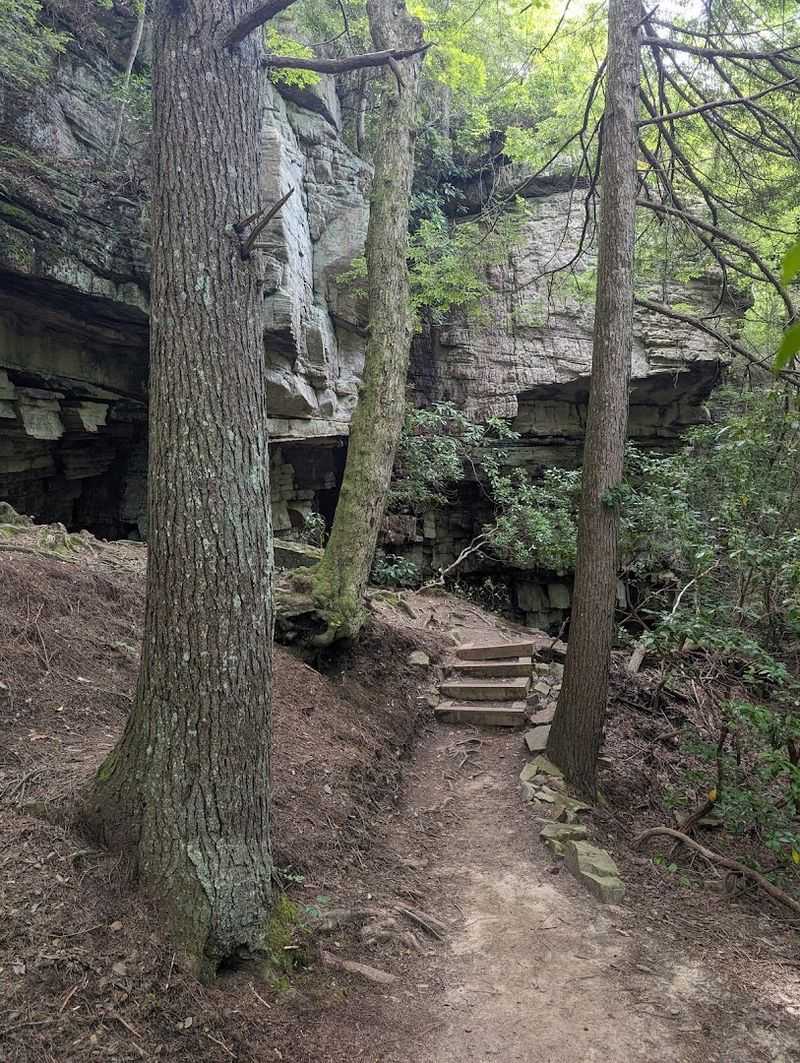
Not everyone comes to Dunbar Cave for underground exploration. Plenty of visitors show up specifically for the trails, which offer something for every fitness level without requiring mountaineering skills or special equipment. The trail system here proves you don’t need extreme elevation changes to have a satisfying hike.
The main loop trail runs about 1.85 miles and takes you around Swan Lake, past the cave entrance, and through wooded areas that feel surprisingly secluded, considering you’re still in Clarksville. It’s rated as moderate, which means you’ll get a workout without needing an oxygen tank at the finish line. The path is well-maintained, though it can get muddy after rain.
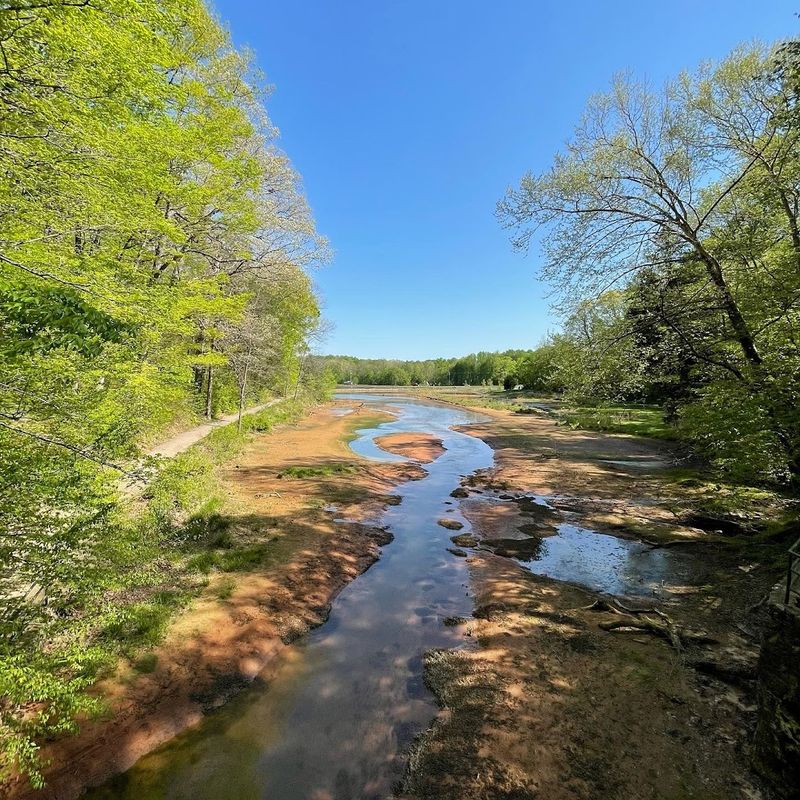
A shorter option circles just the lake area, perfect for families with young kids or anyone wanting a quick nature fix during lunch break. This route stays relatively flat and offers great birdwatching opportunities. Visitors regularly spot herons, ducks, and various songbirds along the water’s edge.
The trails stay open year-round, giving you different experiences depending on the season. Spring brings wildflowers and active wildlife. Summer offers shade under the tree canopy.
Fall turns the woods into a color show. Winter strips everything down to bare essentials, revealing rock formations and landscape features hidden during leafier months. Dogs are welcome on leashes, making this a popular spot for pet owners.
The Story Behind Dunbar Cave’s Prehistoric Art
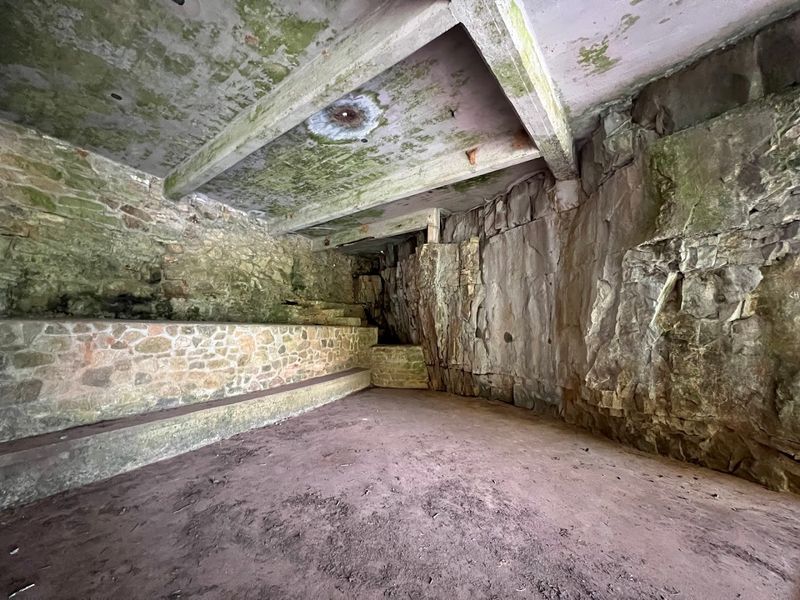
Deep inside Dunbar Cave, beyond where most tour groups venture, lie remnants of artwork created by people who lived here thousands of years before Tennessee became a state. These aren’t elaborate paintings like you’d find in European caves, but they’re significant pieces of North American prehistory that researchers continue studying.
The glyphs and markings were created by Mississippian culture peoples, likely between 800 and 1600 AD, though evidence suggests the cave was used even earlier. They used the cave for ceremonies and shelter, leaving behind symbols that archaeologists believe had spiritual or territorial significance. The exact meanings remain partially mysterious, which adds to their intrigue.
What makes Dunbar Cave’s art special is its preservation. The cave’s stable environment and limited public access have protected these markings from vandalism and environmental damage that have destroyed similar sites elsewhere. Tennessee has strict laws protecting archaeological resources, and the state park system takes preservation seriously.
You won’t see the prehistoric art on standard tours, as that section of the cave is restricted to protect the fragile artwork. However, rangers discuss the discoveries during tours and at the visitor center, where displays explain the significance. Special research tours occasionally happen, but they’re limited and require advance arrangements.
The knowledge that you’re walking in a space used by humans for ten millennia changes how you experience the entire park.
What First-Time Visitors Should Expect
Planning your first visit to Dunbar Cave goes a lot smoother when you know a few practical details ahead of time. The park is open daily from 8 AM to 4:30 PM, which gives you a good amount of time to explore. Getting there early, especially on weekends, usually means lighter crowds and a better chance of finding parking close to the visitor center.
The visitor center is also worth stopping at before you head out on the trails. The staff is genuinely helpful and can answer questions about trail conditions, cave tour availability, and even what kinds of wildlife people have been spotting lately. There is also a small gift shop with Tennessee-themed items and books about the cave’s history.
You will also find clean restrooms there, which is helpful since facilities are pretty limited once you get farther into the park.
Parking is free and usually easy to find, although the main lot can fill up on busy summer weekends. The park follows a pack-in, pack-out trash policy, so it is a good idea to bring a bag for your garbage. Picnic tables are spread around the grounds too, which makes it easy to bring your own lunch and make a day of it.
The trails are dog-friendly, but dogs do need to stay on a leash at all times.
Cave tours cost extra when they are offered from May through September. It is smart to book in advance, especially if you are visiting during the busier parts of the season. Even if you do not take a tour, the cave entrance is still easy to access and impressive to see in person.
It is also a good idea to wear comfortable walking shoes since some of the trails can be uneven. Bringing water is important too, especially in summer when Tennessee humidity can make a short walk feel a lot more intense.
Why Dunbar Cave State Park Is One of Tennessee’s Most Memorable Day Trips
Tennessee has no shortage of beautiful outdoor spaces, yet Dunbar Cave manages to stand out in a crowded field. Its secret weapon is variety packed into a manageable size. You’re not committing to an all-day expedition or driving hours into remote wilderness.
This is an accessible adventure that respects your schedule while still delivering genuine experiences.
The park’s 4.6-star rating from nearly 2,500 Google reviews tells you something important: people consistently leave happy. Families appreciate how it accommodates different ages and abilities. History enthusiasts get their fill of stories and context. Nature lovers find peaceful trails and wildlife watching.
Everyone benefits from the fact that admission is free for general park access.
What visitors mention most often is the park’s maintained-but-not-manicured feel. It doesn’t look like a theme park version of nature. The trails show real wear from actual use.
The cave entrance still feels wild despite its entertainment history. Wildlife behaves like wildlife, not trained performers. This authenticity creates connections that polished attractions can’t replicate.
Located just off Old Dunbar Cave Road in Clarksville, the park sits close enough to civilization for convenience but far enough to feel like an escape. Whether you’re killing a free afternoon, planning a family outing, or looking for a date idea that doesn’t involve staring at screens, Dunbar Cave delivers.
Just remember to check the website or call ahead if cave tours are essential to your visit.