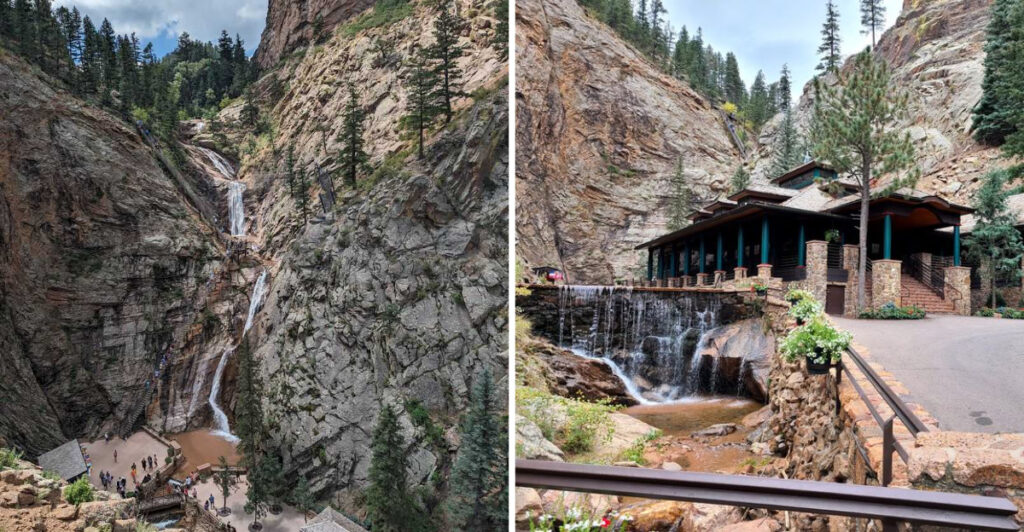
Towering canyon walls make the approach to The Broadmoor Seven Falls feel dramatic long before the water comes into view. Hidden in South Cheyenne Cañon, this Colorado Springs attraction leads visitors through a narrow landscape where steep rock faces and rushing water create an impressive natural corridor.
The relatively manageable outing makes it appealing for families and travelers who want memorable scenery without committing to a lengthy backcountry hike. Once the falls appear, the scale of the canyon makes stopping for photos almost unavoidable. Seven Falls packs an enormous amount of Colorado scenery into an adventure that can fit comfortably into a day.
Red Rock Walls Set the Stage
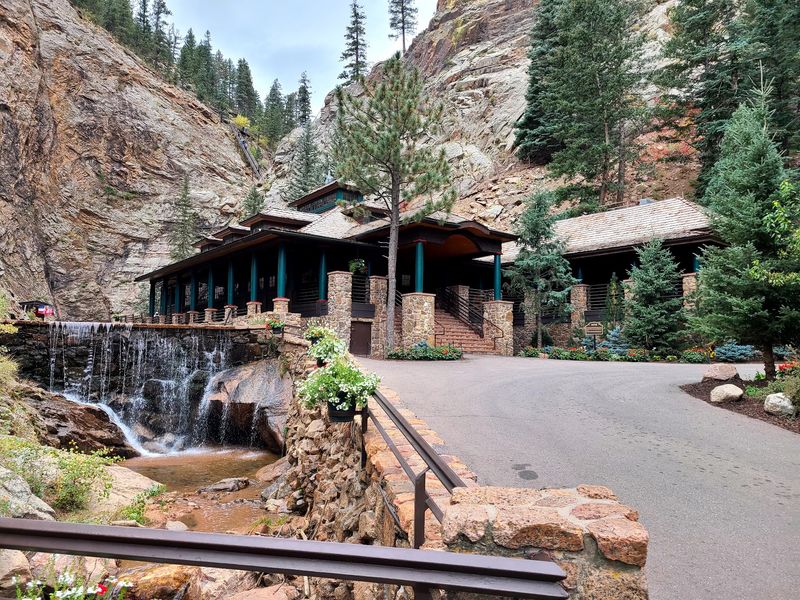
Long before the waterfall comes into full view, the canyon does a lot of the work. The walk in builds excitement with towering rock walls, patches of shade, and a paved route that keeps the path easy to follow. It is not a rough backcountry trek, so the scenery gets to be the star from the very beginning.
That approach matters more than it may sound. A short hike can feel forgettable if the route is plain, but here the canyon narrows and rises around you, turning a simple walk into a dramatic entrance.
The sound of moving water and the changing light on the stone help the whole place feel active, even before reaching the main attraction.
Families usually appreciate that the route is straightforward, while photographers get plenty to work with along the way. Curving pavement, rugged cliff faces, and glimpses of water create natural stopping points without making the outing confusing or overly hard.
Comfortable shoes are still a smart idea, since the grade trends uphill and the distance can feel longer at Colorado elevation.
Early in the day, the canyon often looks crisp and bright, with cooler air and softer light on the rock. Later hours can bring more people and warmer temperatures, which changes the pace of the walk. Carrying water helps, especially for anyone who plans to keep going beyond the base area.
One of the most useful things to know is that the scenic value starts right away. There is no dull stretch to get through first.
By the time the waterfall appears between the canyon walls, the setting has already made the trip feel bigger than the mileage suggests.
A Double Waterfall Look That Stops You Cold
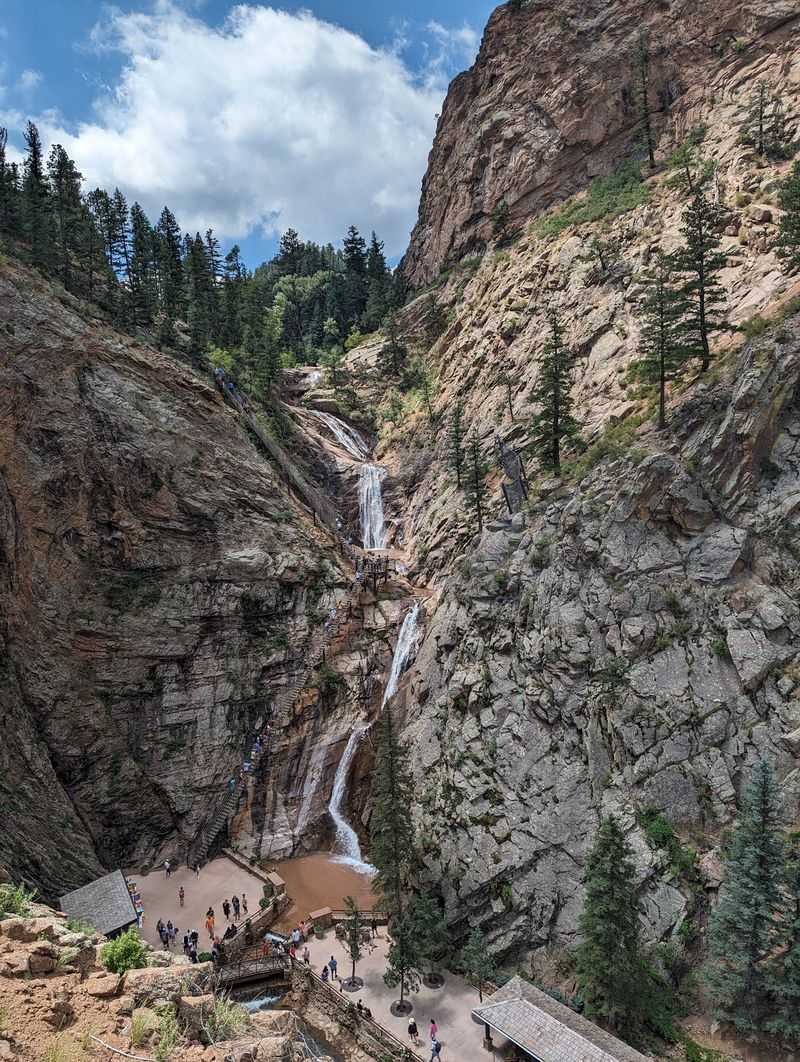
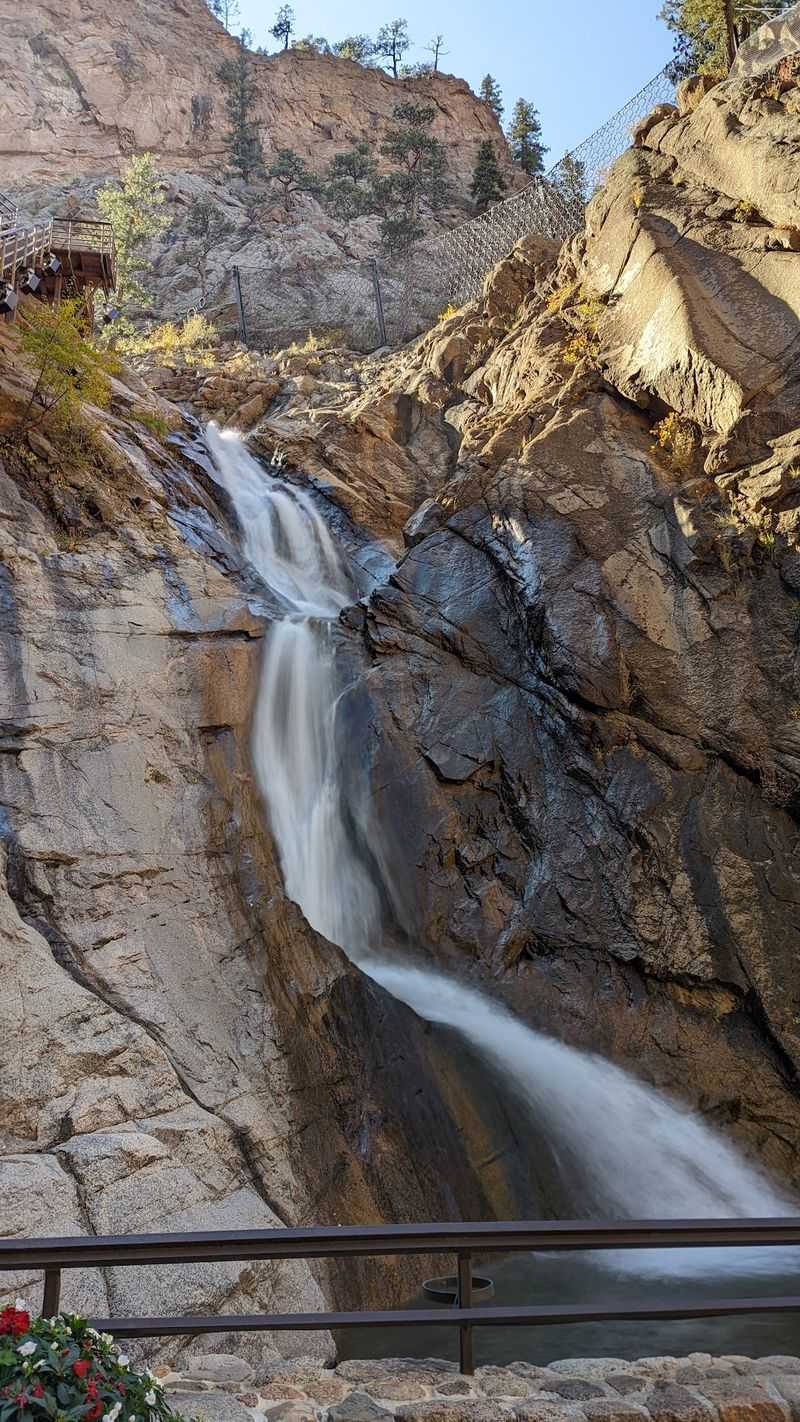
Then comes the big reveal. The waterfall rises between steep canyon walls in a way that looks almost tucked away, and depending on water flow and angle, the cascades can read like a striking double waterfall.
That split look is a huge part of the charm because it adds shape and movement instead of one single sheet of water.
Seeing the falls from below gives the strongest first impression. Water cuts down the rock face in separate channels, creating a layered pattern that looks different from one minute to the next. Some views make the center divide stand out sharply, while other angles show more of the full tiered structure.
Because the hike is not extremely long, the payoff feels quick and satisfying. There is very little waiting for the scenery to improve once you reach the base area.
The combination of vertical rock, white water, and a narrow canyon frame creates the kind of scene that grabs attention fast, even for people who do not usually get excited about waterfalls.
Photos work best when the canyon walls are included rather than cropped out. Those cliffs give the falls their scale and explain why the site feels so dramatic.
A wider shot captures the tight setting, while a closer view highlights the divided rush of water that inspires the double-waterfall description.
If the area is busy, it helps to pause and watch instead of rushing through for one picture. Waterfalls change with light, spray, and viewing angle, so a few extra minutes can completely change what you notice. At Seven Falls, the most memorable detail is often that split, tumbling look between the cliffs.
Stairs, Steel, and a Bigger Reward Above
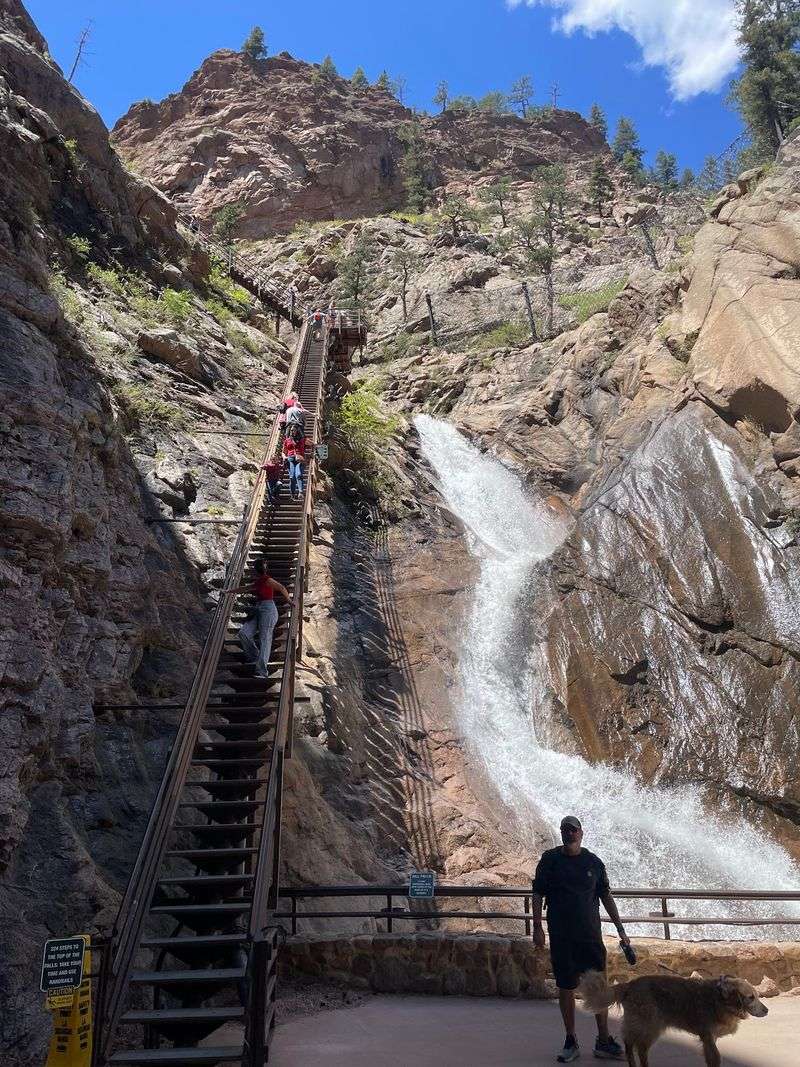
Here is where the outing changes character. The paved walk to the falls is one kind of experience, but the staircase beside the waterfall adds a burst of effort and a much more dramatic point of view. Suddenly the trip becomes less of a stroll and more of a challenge with a clear prize at the top.
The metal stairs are a famous part of Seven Falls for a reason. They pull you up beside the water, making every landing feel a little closer to the canyon walls and a little farther above the base. Looking down between breaks can be thrilling for some people and a bit intimidating for others.
Taking the climb slowly is the smartest approach. Colorado Springs sits at elevation, and even strong walkers can feel that extra strain when stairs get steep.
A bottle of water, a steady pace, and short pauses at landings can make the ascent far more enjoyable than trying to rush through it.
Not everyone needs to tackle every step to enjoy the scene. An elevator to a viewing platform offers another way to gain height and see the falls from a stronger angle, which is especially helpful for mixed-age groups or anyone saving energy for more exploring. That option broadens who can enjoy the best views.
What makes the stair section stand out is the close relationship to the waterfall itself. Instead of admiring it from one flat overlook, you move beside it and watch the canyon open up little by little. Every level changes the shape of the view, from lower spray and rock texture to broader cliffside scenery above.
For many visitors, this is the moment that turns a short attraction into an active adventure. Legs notice the climb, cameras come out again, and the canyon begins to look larger with each step.
Beyond the Falls, Quieter Trails Wait
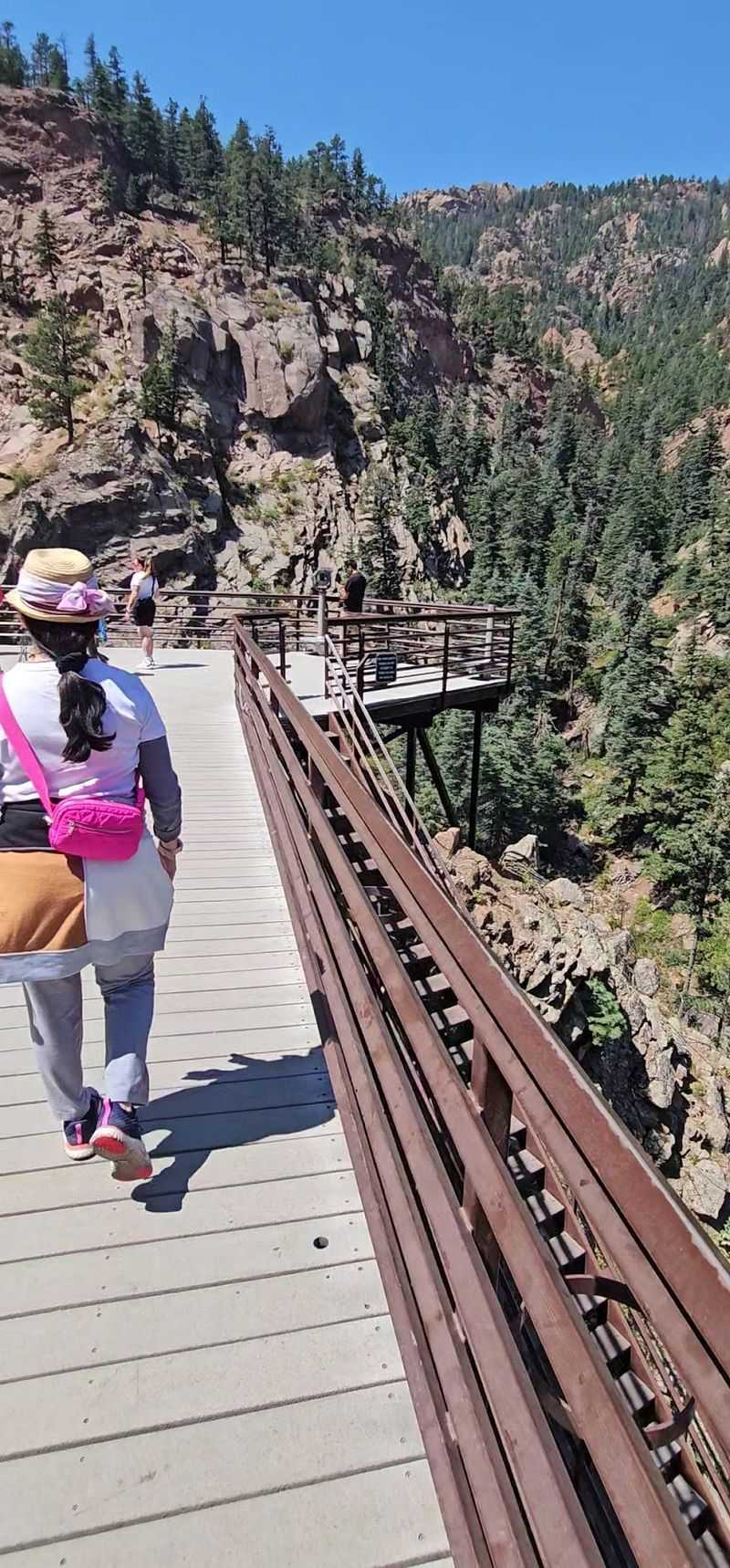
Plenty of first-time visitors treat the waterfall as the finish line, but the area above it changes the mood in a useful way. After the busier base and the stair climb, the upper trails offer more breathing room and a calmer pace.
That shift makes the overall visit feel fuller without demanding a huge extra distance. Trails above the falls give a different reading of the landscape. Instead of looking upward at rock walls and water, you begin to notice trees, broader views, and smaller features that would be easy to miss from below.
The canyon stops acting like a hallway and starts opening into a wider mountain setting. Some paths are easier than others, so checking the posted options before heading out is a good move. A smoother, wider gravel trail can be a better fit for families, older relatives, or anyone who has already used up energy on the stairs.
More ambitious walkers may want to keep exploring a bit farther while the light is good. Timing matters here. Late-day visitors can reach the falls and still find trail access limited by operating hours, so showing up earlier creates more flexibility.
That is especially important for anyone hoping to combine the canyon walk, the waterfall climb, and one of the trails above in a single visit.
There is also a practical reason to continue past the falls if energy allows. It spreads people out, softens the crowded feel near the main attraction, and adds variety to the outing. Rather than one photo stop and a return walk, the visit becomes a sequence of changing scenes.
For travelers who like a place with layers, the upper section is the part that often surprises them most. The waterfall may be the headline, but the trails above it make the destination feel less like a quick stop and more like a real half-day nature experience.
Colorado Springs History Hides in the Canyon
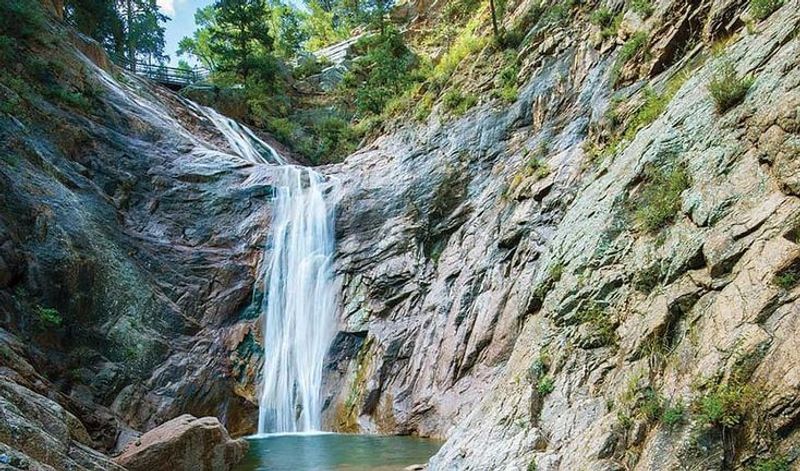
Not every scenic stop carries a strong sense of place, but this canyon does. Seven Falls has long been tied to Colorado Springs tourism, and the setting combines natural spectacle with a more developed, historic attraction style.
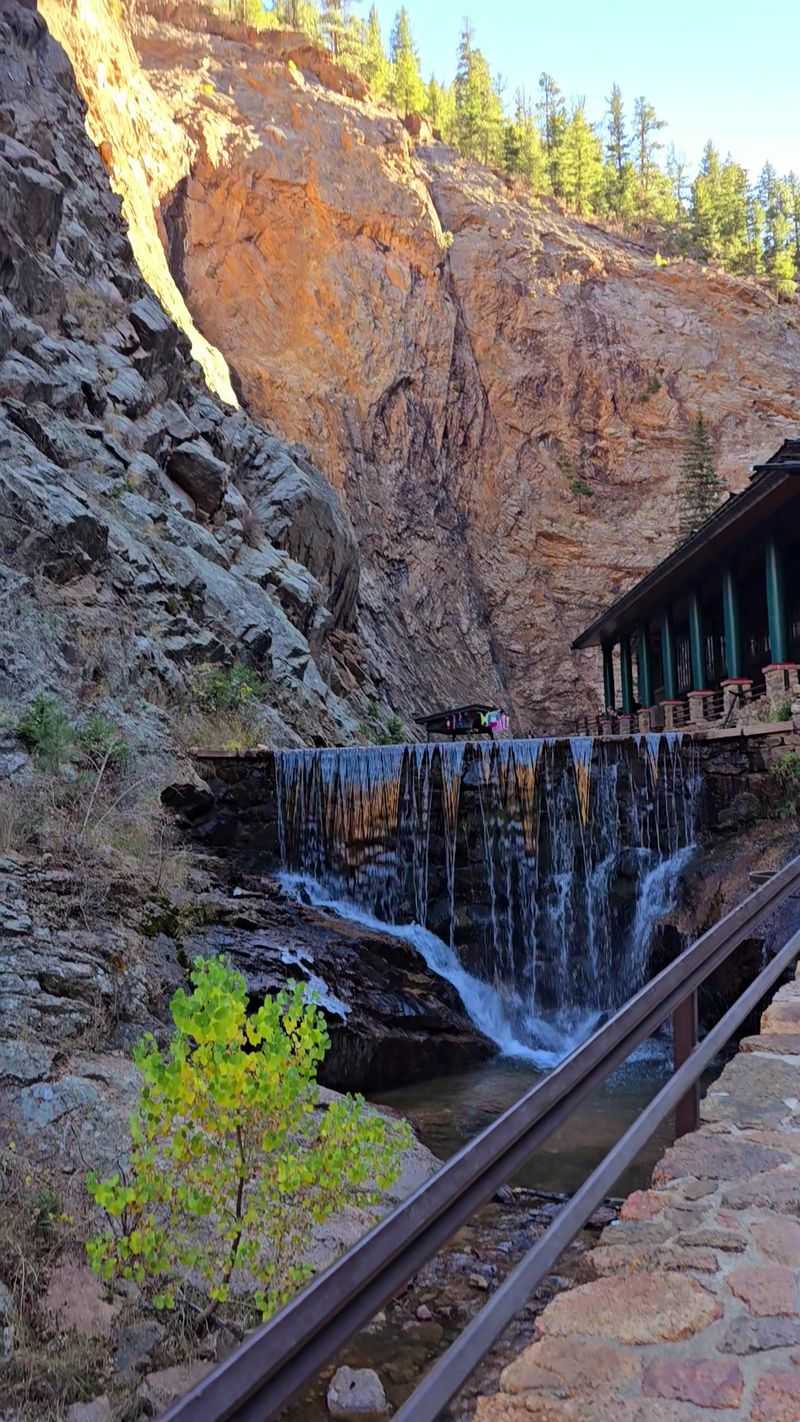
That mix explains why the area feels polished while still centered on rock, water, and vertical space. The canyon itself is a major part of the story. Steep walls funnel the eye straight toward the falls, creating the kind of natural stage that made the site famous in the first place.
Even today, the layout feels intentional, as if the landscape was built for dramatic arrivals and upward-looking views.
There is also a historic gravesite within the broader park area, a detail that reminds visitors this is more than a simple lookout. It adds a quiet layer to a destination otherwise known for movement, stair climbing, and cameras. That contrast gives the place more depth than a basic roadside waterfall stop.
Unlike a remote trail with little structure, Seven Falls has long been experienced as a destination people plan around. Paths, viewing areas, and managed access shape the day, making the site approachable for a wide range of travelers.
In return, the natural features remain easy to reach without losing their dramatic impact. That blend of nature and long-standing popularity also helps explain the park-like maintenance.
The area is known for being kept in good condition, which makes the canyon more inviting for families and first-time visitors who want scenery without route-finding stress. Clean paths and clear circulation can change the whole tone of a trip.
For readers looking for a place that says Colorado Springs in a direct, visual way, this one delivers. It brings together local geography, a recognizable landmark, and a canyon setting that has shaped outings here for generations.
Plan the Day Around the Shuttle and the Clock
A little planning goes a long way here. The most common surprise is not the stairs or the uphill walk, but the arrival process.
Seven Falls uses off-site parking and a shuttle system for many visitors, so the outing begins before the trail even starts.
That detail can shape the whole mood of the day. If shuttle lines are moving slowly, families with tired kids or travelers on tight schedules may feel the wait more than expected.
Going earlier helps, especially because the walk inside the canyon still takes time before the waterfall comes into view.
Another practical point is basic comfort. Restrooms are not always right where first-time visitors assume they will be, so using facilities before the longer walk is a smart move.
Bringing water matters too, since the route trends uphill and the stair section can feel much harder in warm weather.
Shoes should be chosen for walking, not just for photos. The paved approach may sound easy, but distance, grade, and elevation can stack up, especially when combined with the staircase.
If anyone in the group has limited energy, using the elevator option for the viewing platform can save the day. Timing inside the attraction deserves attention as well. Arriving too late can mean less time for upper trails, busier viewpoints, and a more rushed pace on the return.
Midday also tends to bring stronger sun in open areas, so morning visits often feel more comfortable and more relaxed.
The good news is that none of these planning steps are hard. They are just the kind of details that make a scenic outing run smoothly instead of turning into a series of preventable annoyances.
With water, patience, and an early start, the short hike to Seven Falls becomes much easier to enjoy from beginning to end.
Why This Short Hike Earns Its Big Reputation
Some places ask for long miles before giving anything back. Seven Falls does the opposite. It packs a narrow canyon, a famous waterfall, a stair climb, elevated viewpoints, and extra trails into an outing that still fits comfortably into a single morning or afternoon.
That compact experience is the real strength of the destination. Casual travelers can enjoy the paved walk and the base views, while more active visitors can turn the same trip into a workout by climbing higher and continuing onto the upper trails.
Few attractions manage to serve both groups without feeling watered down for either one. The visual contrast also helps the place punch above its size. One minute the route is a calm paved path with trees and rock walls.
Soon after, the canyon tightens around a tumbling waterfall, and then the perspective lifts upward through steel stairs and overlook views. The changing angles keep the short hike from feeling repetitive.
For Colorado Springs, that matters. Travelers often search for a scenic stop that does not require a full backcountry commitment, complicated navigation, or a whole day on the calendar.
Seven Falls meets that need with a route that is easy to understand and a payoff that looks much larger than the effort on paper.
It also works well for mixed itineraries. A visit can pair with other sightseeing in town, yet still delivers enough natural drama to stand on its own. That balance is useful for weekend visitors trying to fit several highlights into limited time.
The headline promise turns out to be accurate. A short Colorado Springs hike really can lead to a breathtaking waterfall view here, and the split, plunging look of the cascades only adds to the effect. For anyone wanting a manageable adventure with a strong finish, Seven Falls knows exactly how to deliver it.
Share this story