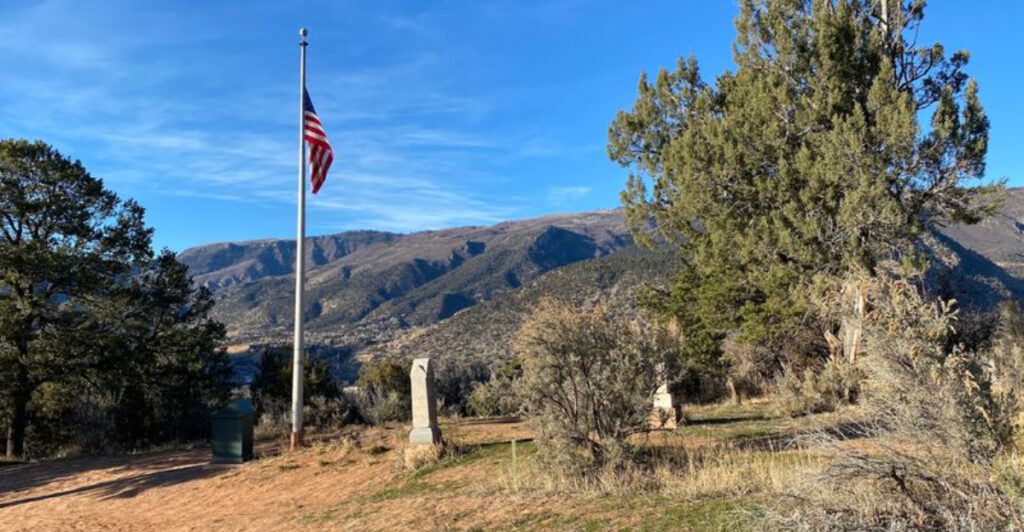
A steep walk above Glenwood Springs leads to a place wrapped in more than a century of Old West legend. The Doc Holliday Grave Trail climbs to Linwood Cemetery, where a memorial marks the resting place associated with the famous gambler, gunfighter, and dentist who died in town in 1887.
Although the hike is relatively short, the uphill grade provides a workout along with views over the surrounding area. The destination adds history and mystery, since Holliday’s exact burial location remains uncertain. For travelers fascinated by frontier stories, this Colorado trail packs plenty of intrigue into a compact adventure.
A Neighborhood Trailhead With a Surprise Above It
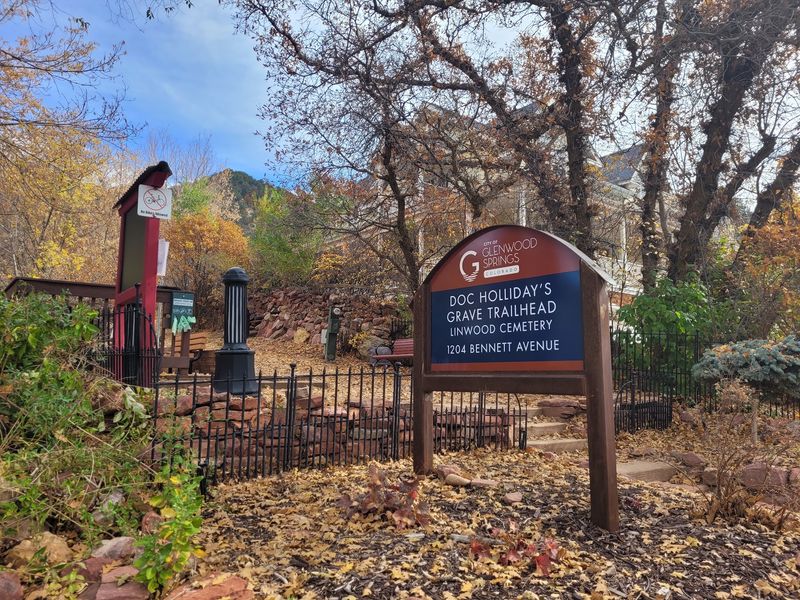
At first glance, the starting point does not look like the gateway to an Old West story. The trail begins near a neighborhood setting, which makes the climb feel a little unexpected.
One minute there are houses and parked cars nearby, and the next the path is rising toward a cemetery tied to one of the most famous names in frontier history.
That contrast gives the trail a special kind of energy. It is easy to reach, easy to spot, and close enough to town that it can fit into a busy travel day without much trouble.
Families, history fans, and casual hikers can all approach it without needing a full day of planning or heavy gear. The entrance also sets the tone for the hike ahead. Instead of a deep forest start or a distant mountain trailhead, this one feels woven into Glenwood Springs itself.
The route connects the town below with the hillside above, almost like a quick stairway into a different chapter of local life.
Because the trailhead sits in a lived-in area, it helps to arrive with a little patience and good manners. Parking can be easier earlier in the day, and the setting works best when hikers keep noise low and stay aware of the neighborhood around them. That small effort makes the visit smoother for everyone.
For travelers who enjoy places that reveal themselves slowly, the opening moments here are part of the appeal. There is no huge dramatic entrance and no oversized attraction trying to grab attention.
Instead, the climb begins quietly, then pulls the story uphill step by step until the city drops lower and the cemetery comes into view.
A Short Climb That Earns Its Reputation
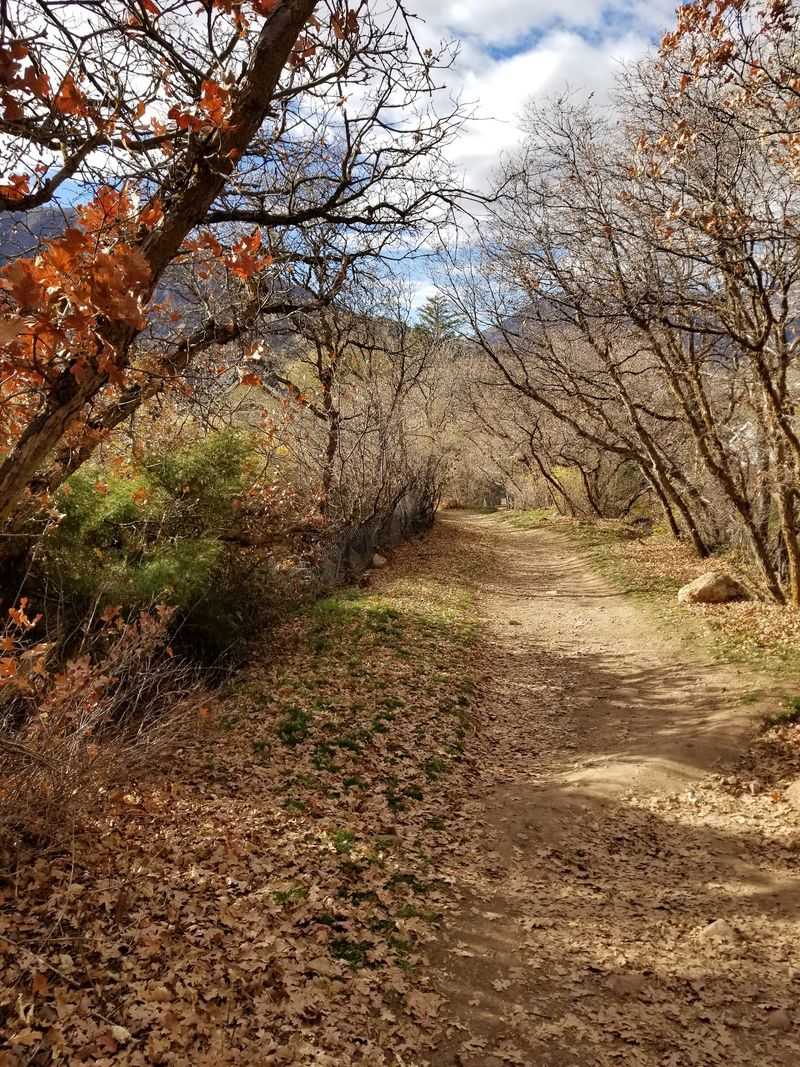
No one should mistake this trail for a flat walk. The route is short, but the uphill grade gives it real bite, especially for anyone coming from lower elevation or jumping out of the car without much warm-up.
That is part of why the hike stays memorable. It asks for effort right away, then rewards that effort quickly. The path is generally easy to follow, and its width helps it feel less intimidating than a narrow mountain track. Even so, the climb can leave people winded.
Loose gravel, rocky spots, and a steady incline mean sturdy shoes and a water bottle are smarter choices than casual flip-flops and empty hands.
Kids who like a challenge may enjoy the feeling of reaching the top fast, while adults often find that the short distance hides more workout than expected. Taking small breaks is not a sign of defeat here.
It is just a practical way to handle a trail that packs most of its difficulty into a compact stretch. Morning shade can make a big difference, especially in warmer months.
The hillside can heat up, and even a cool day may feel warmer once the climb starts. A slow, steady pace usually works better than charging upward and needing a long stop halfway through.
What makes the trail fun is the balance between effort and payoff. The route does not drag on for miles, and the goal is clear from the beginning.
Hikers get a brisk uphill push, a dose of fresh mountain air, and the satisfying feeling of reaching a destination that means more than just a turnaround point on a map.
Linwood Cemetery Turns the Hike Into a History Walk
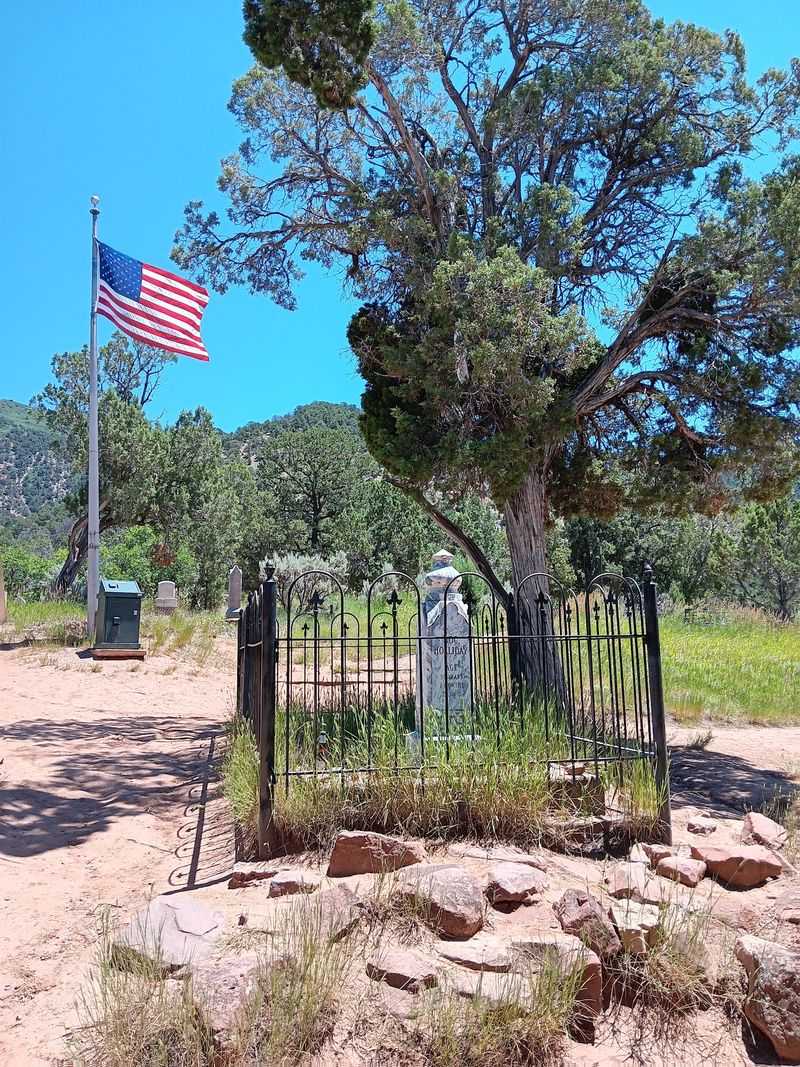
Reaching the cemetery changes the whole mood of the outing. The trail is not simply a climb for exercise. It leads into Linwood Cemetery, where old headstones, hillside paths, and quiet open space create a place that asks for slower steps and a little more attention.
There is real depth here beyond the famous name on the sign. The cemetery includes graves from different eras, and the setting gives a clearer sense of Glenwood Springs as an older mountain town with layers of stories built into its slopes.
Some markers stand out right away, while others are easy to miss unless hikers take time to look around. That slower pace is one of the best parts of the visit. After the uphill effort, the cemetery encourages a shift from movement to observation.
Dates, names, and worn stone surfaces tell small pieces of local history without needing a guide to explain every detail. Respect matters in this section of the trail more than anywhere else. Even though it is a well-known attraction, it is still a cemetery, not a theme set.
Keeping voices down, staying on clear paths, and treating the grounds with care help preserve the calm that gives the place its power.
Travelers who come only for a fast photo can miss the stronger experience waiting here. Linwood Cemetery adds texture to the visit by showing that Doc Holliday is part of a bigger story, not the entire story.
Other graves, older sections, and the hillside layout all widen the frame. Instead of a single famous stop, the trail becomes a compact lesson in Western history, public memory, and the ways mountain towns remember the people who came before them.
The Doc Holliday Memorial Comes With a Bit of Mystery
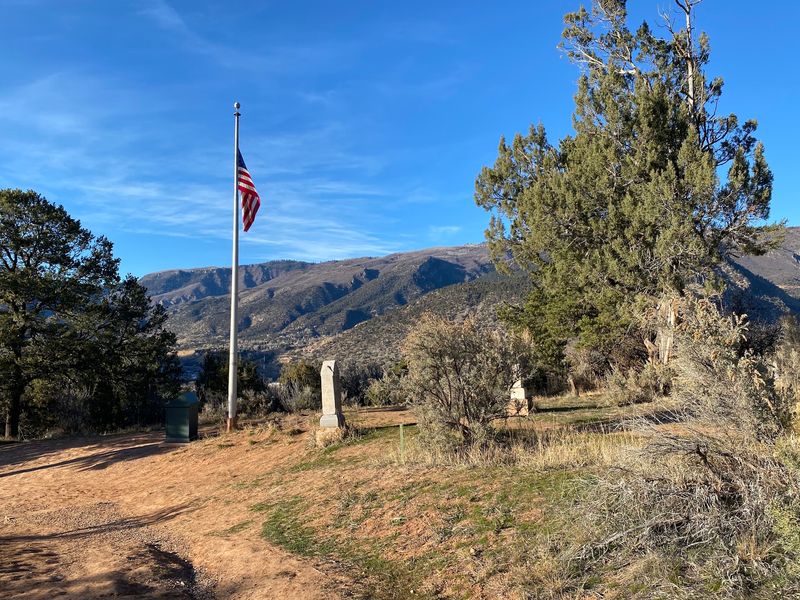
Doc Holliday is the reason many travelers make the climb, but the story at the top is more complicated than a simple marked grave. The memorial honors him, yet the exact burial spot is uncertain.
That small mystery gives the site a different tone from other celebrity graves and fits the rough edges of Old West history.
Instead of one perfectly preserved final resting place, hikers find a memorial that explains the uncertainty. For some visitors, that surprise becomes the most interesting part.
It turns the stop into a lesson about memory, record keeping, and how legends often grow larger than the paper trail left behind.
Holliday’s name still carries weight because of his connection to frontier gambling, gunfights, and his famous friendship with Wyatt Earp. Yet this hillside setting strips away the larger-than-life image.
Up here, the story becomes quieter. The memorial sits among other graves, and the man behind the legend seems tied back to the real town where he spent his last days.
That shift matters because it keeps the visit from becoming cartoonish. The site does not treat history like a costume party.
It presents a well-known figure in a simple, respectful way and leaves room for the unanswered questions that often follow people from the 1800s. For anyone fascinated by Western history, the uncertainty does not weaken the stop. It actually sharpens it.
The memorial asks hikers to think beyond movie scenes and famous shootouts. It points toward illness, travel, poverty, burial practices, and the plain fact that not every legendary life ends with a neat, polished marker. On this trail, the mystery is not a flaw. It is part of the reason the place keeps drawing people uphill.
Colorado Views Open Up Behind the Headstones
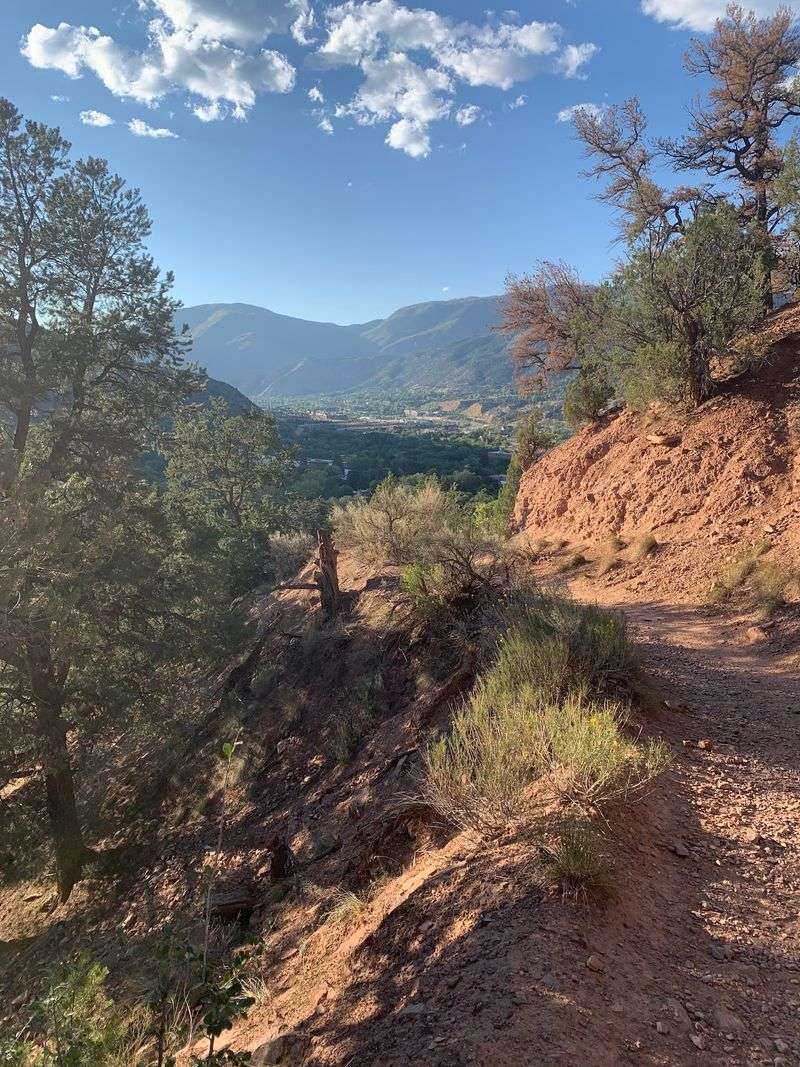
Look up from the cemetery for a moment and the wider setting takes over. The hillside opens to views of Glenwood Springs, the valley, and the surrounding mountains, giving the trail a scenic payoff that reaches beyond history.
It is one of those rare places where a town landmark also works as a natural overlook. The visual contrast is striking. Old headstones sit on the slope while the city spreads out below, busy and modern by comparison.
That mix of past and present is easy to read without any plaque explaining it. A few minutes on the hill can show how closely Glenwood Springs is tucked into the landscape.
Because the hike is short, the views arrive quickly. There is no need for a long backcountry march to get a strong perspective over town.
Travelers with limited time can still get a sense of elevation, mountain scale, and the shape of the valley in a single stop.
Light changes the experience in useful ways. Morning can feel crisp and clear, while later hours may bring warmer color across the slopes and rooftops.
On pleasant days, the overlook invites a slower visit, especially after the climb has settled and breathing returns to normal.
Photos come easily here, but the best scenes are not always the obvious ones. Sometimes the strongest frame includes both cemetery details and the valley beyond, showing exactly why the site stands apart from a normal scenic pullout.
It is not only the beauty of the mountains or the town below. It is the meeting of landscape and story in one compact place.
Hikers who pause long enough to scan the ridges, streets, and trees from above get a fuller picture of why this short Colorado trail carries so much interest for such a brief walk.
Best Timing, Trail Manners, and Smart Prep
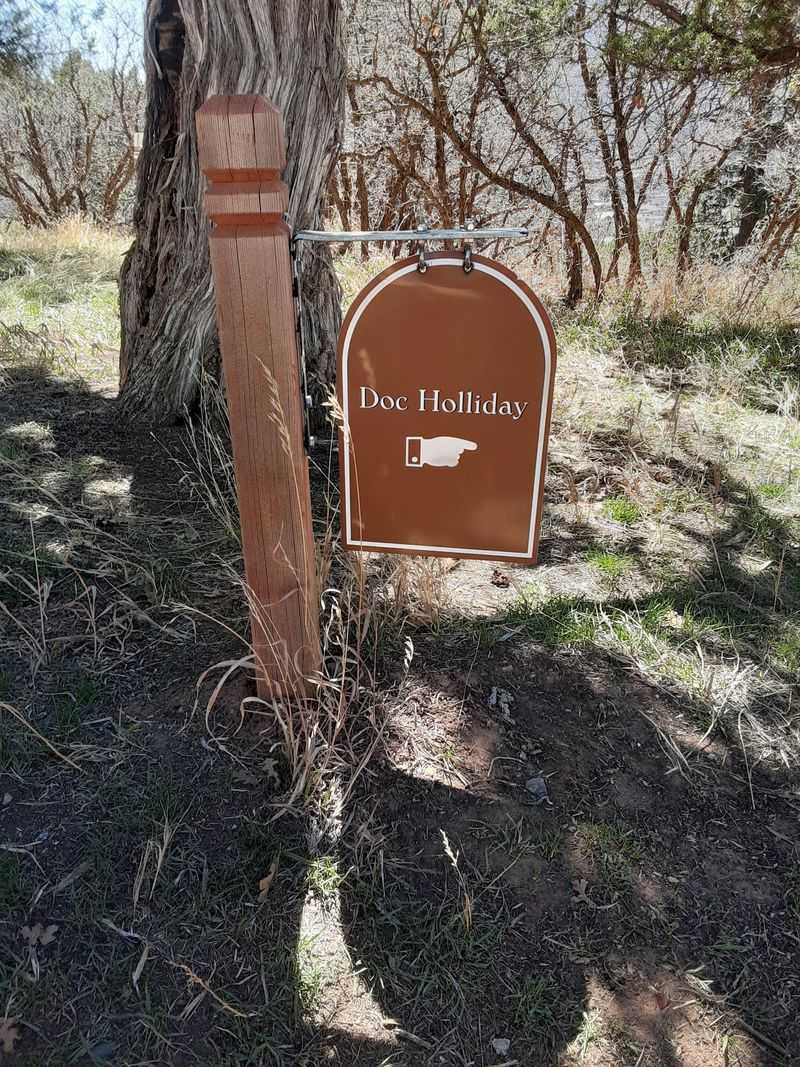
Plenty of short hikes can be tackled on a whim, but this one goes better with a little strategy. The trail is open daily, and earlier hours usually offer cooler temperatures, softer light, and a better shot at easy parking.
Since the route begins near homes, an early and respectful start often makes the whole experience smoother. Water matters more than the distance might suggest. The uphill grade is steady enough to leave hikers breathing hard, especially in warm weather or at Colorado elevation.
A small bottle may be all some people need, but going without one is a gamble that rarely feels clever halfway up. Footwear is another simple decision that pays off fast. The path can be gravelly and uneven in spots, so shoes with decent grip help on both the climb and the descent.
Going down can be quicker, but loose footing can still catch people by surprise if they rush. Weather deserves a quick check before heading out. Snow, ice, mud, or summer heat can change how the trail handles, even though the mileage stays short.
Layering helps in cooler months because the uphill section can warm the body faster than expected. Good trail manners make a visible difference here.
Keeping dogs under control, staying on the path, and remembering that the destination is an active cemetery all help protect the site. The visit works best when hikers treat it as both a recreational stop and a place of remembrance.
Travelers staying downtown should also remember that reaching the trailhead can involve extra uphill walking before the actual trail begins. That small detail can add effort to the outing.
With smart timing, water, solid shoes, and a respectful attitude, the hike stays simple, manageable, and far more enjoyable from the first step to the last one back down.
Why This Glenwood Springs Hike Outshines a Standard Tourist Stop
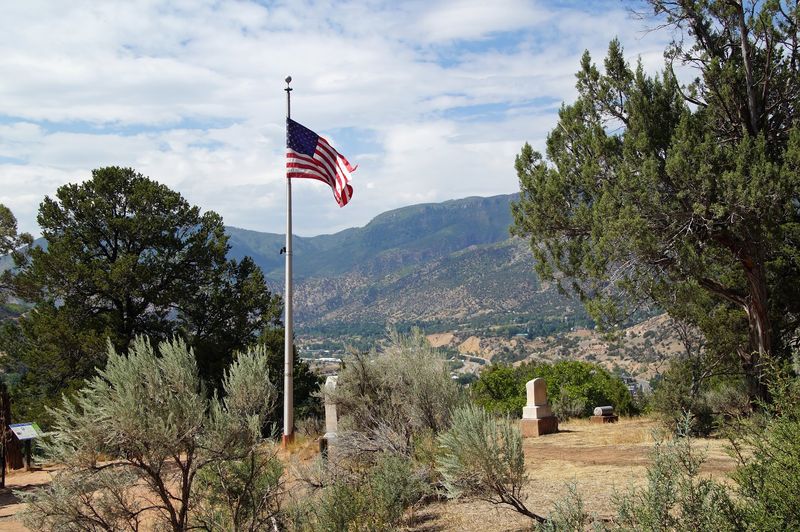
Some attractions ask only for a photo and a quick glance. Doc Holliday’s Grave Trailhead offers more than that, even though the hike itself is brief.
It combines movement, scenery, local history, and a famous name in one outing that can fit neatly into a single morning or afternoon. The trail stands out because each part of the experience does a different job. The climb wakes up the body.
The cemetery slows the pace and redirects attention. The memorial introduces a legend, then complicates it with uncertainty. The overlook adds a broad mountain-town view that gives the whole visit a stronger sense of place.
That layered structure is rare on such a short route. Many quick trails offer scenery but no story, or history but little physical engagement.
Here, the pieces connect naturally. Nothing feels padded or forced. Even the steepness helps by making the destination feel earned instead of handed over with no effort.
It also works for a wide range of travelers. Western history fans get a direct link to one of the era’s biggest names.
Casual hikers get a manageable workout. Families can turn it into a teaching moment about Colorado’s past. Road trippers passing through Glenwood Springs get an easy stop that adds real texture to the day.
Most of all, the trail gives Doc Holliday’s memory a setting that suits the legend without overplaying it. The grave site is not flashy. The town below is still close. The mountain slope does the rest.
By the time hikers head back down, they have not just checked off a famous landmark. They have walked into a piece of Glenwood Springs history, climbed above the streets, and seen how one short path can carry a much bigger story than its mileage suggests.
Share this story