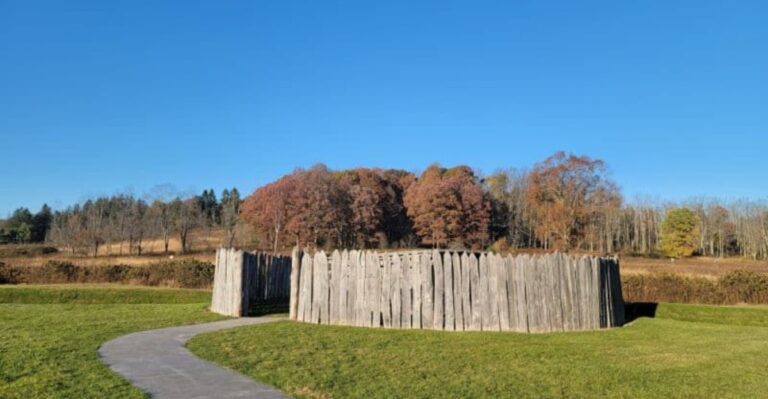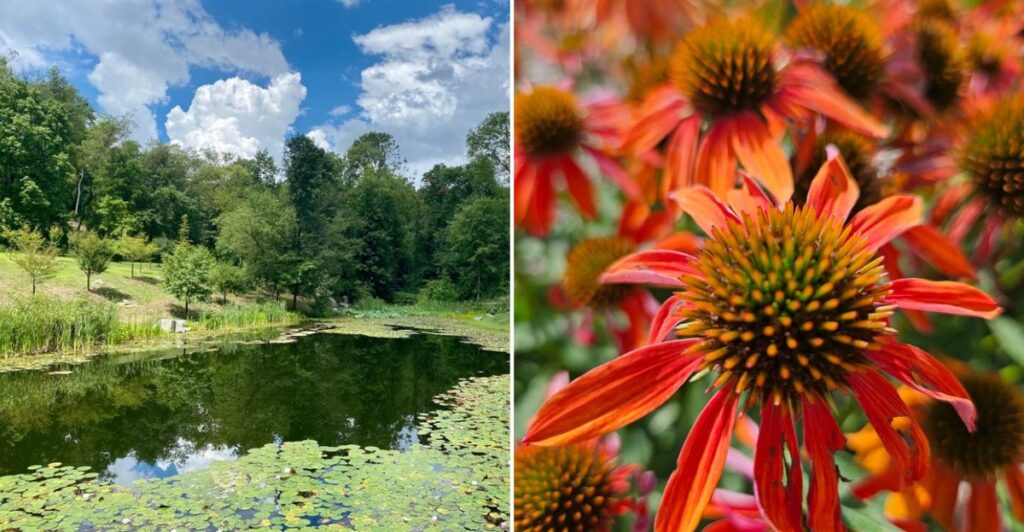
Pittsburgh Botanic Garden in Oakdale, Pennsylvania, is not just a pretty place to walk. It grew from land once harmed by coal mining into a peaceful garden filled with trails, ponds, flowers, trees, and wildlife. What was once a damaged landscape has been carefully restored into a place where visitors can enjoy nature while seeing how the land continues to recover. Along the winding paths, guests can discover colorful gardens, wooded areas, peaceful water views, and plenty of spots to slow down and take in the scenery.
Different sections of the garden offer something new around every corner, making it easy to spend several hours exploring at a relaxed pace. The changing seasons also give the landscape a different look throughout the year, from spring blooms and summer greenery to colorful autumn leaves. Visitors can see how damaged land can heal when people care for it, turning an industrial past into a hopeful future. If you love nature, family outings, photography, or quiet paths, this garden has a story worth knowing and plenty of beauty worth exploring. It is the kind of place where a simple afternoon outdoors can also leave you thinking about restoration, conservation, and what is possible when a community gives old land a new purpose.
1. A Coal Mine Site Gets a Second Life

Old coal land does not sound like a place for flowers, yet Pittsburgh Botanic Garden proves change is possible.
The Oakdale site was once damaged by mining, with scarred ground, poor soil, and water problems that made the landscape difficult to restore.
For years, the land carried the visible marks of its industrial past, but instead of leaving it behind, people began working to give it a new purpose.
Today, visitors walk through a growing landscape shaped by care and patience, with trails winding through gardens and wooded areas while ponds, flowers, and young trees create peaceful places to stop and enjoy the scenery.
The contrast between the site’s past and its present is part of what makes a visit so meaningful.
What once represented environmental damage now offers a place for people to reconnect with nature and see how restoration can transform a landscape.
The garden is also a reminder that this kind of change does not happen overnight.
Every tree planted, trail created, and section of damaged land repaired represents years of planning and hard work.
When you visit, pause to imagine the effort behind every tree, trail, and pond.
Beyond its beauty, Pittsburgh Botanic Garden tells a hopeful story about renewal, conservation, and what can happen when a community chooses to care for the land.
2. Woodland Trails Make the Story Feel Real
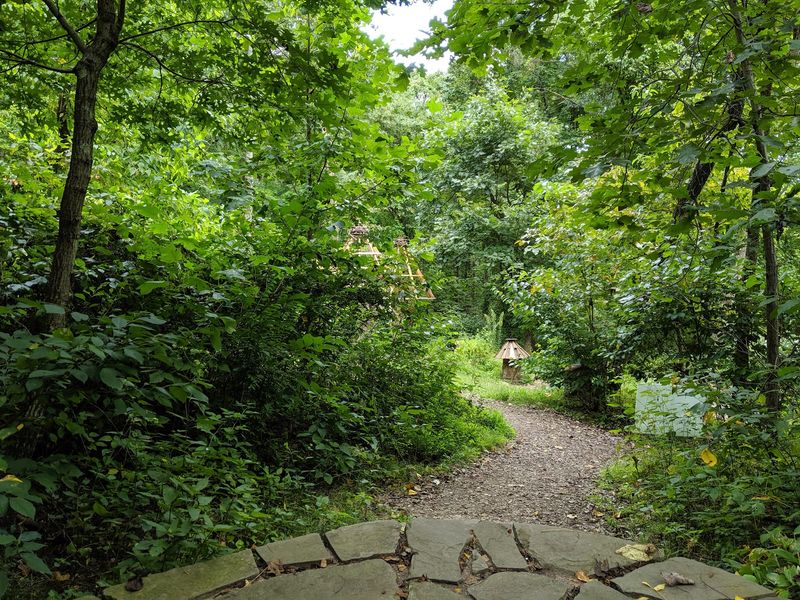
Footsteps tell the garden story better than any sign.
The trails lead through woods, open areas, and restored spaces where nature has slowly returned, giving visitors a chance to see the transformation up close as they move from one part of the property to another.
Along the way, there are peaceful views, changing landscapes, and plenty of places to pause, take photos, or simply enjoy the quiet surroundings.
Paths can be paved, gravel, grass, or muddy, depending on the route and weather, so sturdy shoes are a smart choice, especially after rain.
Families with small children may want an off-road stroller or wagon, since some sections can be less convenient for standard strollers.
Give yourself time to wander rather than trying to rush through every trail, because reviews often mention that one hour only covers part of the garden, not the whole place.
If you have a few hours to spare, you’ll have more time to explore at a comfortable pace and discover the garden’s many different corners.
3. Lotus Pond Adds Quiet Beauty
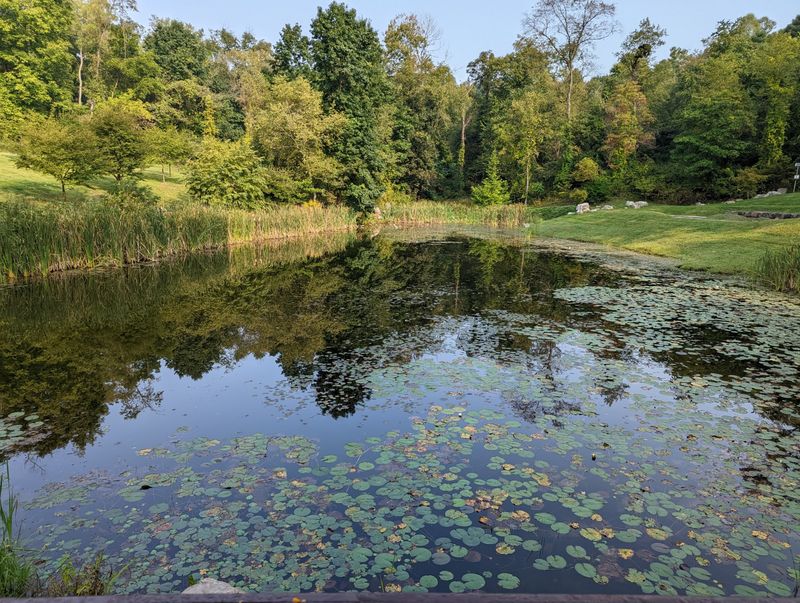
Water brings a calm feeling to the garden, especially near the lotus pond.
After land has been disturbed, clean and peaceful water features feel even more meaningful, offering a quiet contrast to the site’s industrial past.
The pond area gives visitors a slower place to look, breathe, and take photos, with reflections on the water and surrounding plants creating a peaceful scene.
Depending on the season, the landscape can take on a different character, with changing colors, blooming plants, birds, and other small signs of life adding to the experience.
During special events, lights near the water can make the scene feel magical, turning an already peaceful corner into something that feels almost completely different after sunset.
Bring your camera, but also take a screen-free moment to notice reflections, birds, ripples on the surface, and small changes along the shore.
Sometimes the quietest parts of a garden are the ones that stay with you longest, especially when you slow down enough to appreciate them.
4. Dogwood Meadow Opens Up the View
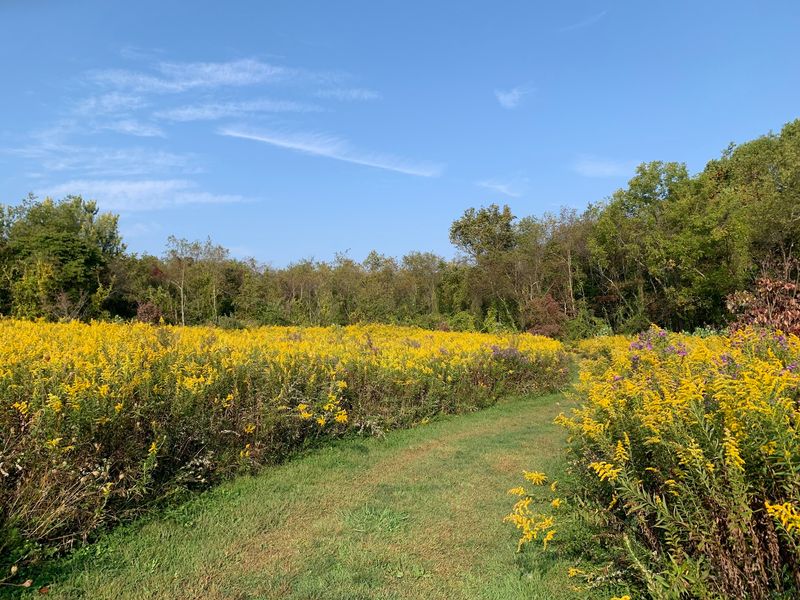
After shaded trails, the Dogwood Meadow feels like a bright breath of air.
Open spaces help visitors see how the garden mixes planned beauty with natural growth, creating a landscape that feels both carefully designed and pleasantly wild.
The wide views also provide a welcome change after walking through wooded areas, giving visitors room to pause, take in the surroundings, and enjoy the changing scenery.
Meadows are useful, too, because they support insects, birds, and seasonal color, making them an important part of the garden’s larger restoration story.
Walk slowly here and look beyond the first pretty view.
You may notice bees working flowers, butterflies moving between plants, birds searching through the grasses, deer tracks near the edge, or different plants taking turns through the year as the seasons change.
In spring and summer, the meadow can feel especially lively, while autumn brings new colors and textures to the landscape.
Take a few minutes to simply stand and observe, because the meadow rewards visitors who pay attention to the smaller details.
It is another reminder that restoring damaged land is not only about making it beautiful, but also about creating space where wildlife and native plants can thrive again.
5. The Garden of the Five Senses Invites Slow Looking

Some gardens are best enjoyed by rushing from flower to flower, but this space asks you to slow down.
The Garden of the Five Senses encourages visitors to notice texture, color, scent, sound, and movement, turning an ordinary walk into a more thoughtful way of experiencing the landscape.
Instead of simply looking at the plants, take time to notice how each area feels and what small details might otherwise go unnoticed.
Kids can turn the visit into a nature game, while adults may enjoy the peaceful focus and chance to disconnect from the usual distractions of the day.
Try choosing one sense at a time and giving it your full attention.
Listen for leaves rustling in the breeze, birds calling nearby, or the gentle sounds of nature around the garden.
Smell herbs, blooms, and other fragrant plants, and compare smooth, fuzzy, waxy, or rough plant shapes.
Notice how colors change as you move through the space and how sunlight, wind, and movement can make the same garden feel different from one moment to the next.
The experience is a simple reminder that nature can be appreciated in more ways than just through what we see.
6. Family Walks Feel Easy and Adventurous
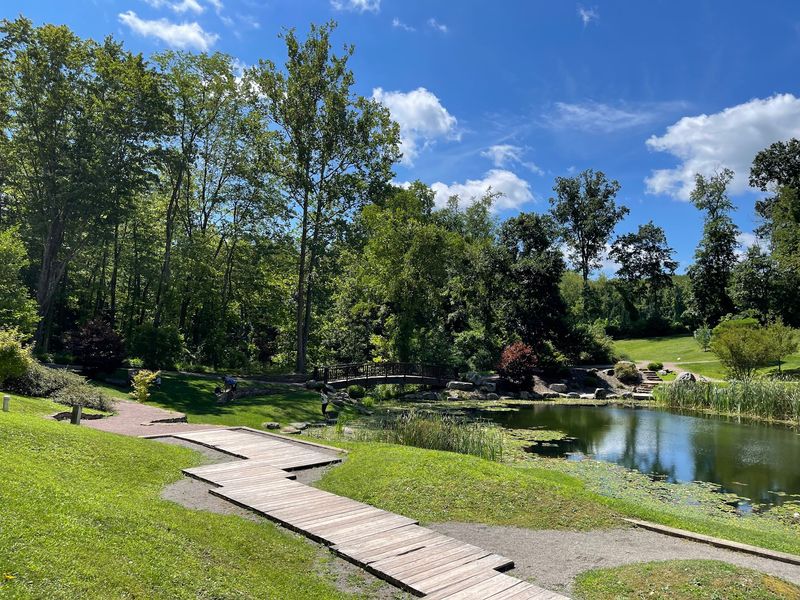
A toddler chasing the next sculpture or flower can turn a simple walk into a tiny expedition.
Many visitors say the garden works well for curious children who like room to roam, explore different paths, and discover something new around each corner.
The open spaces give kids opportunities to look, listen, and observe nature at their own pace, while parents can enjoy watching their curiosity unfold.
Plan ahead for mixed trail surfaces, changing weather, and plenty of walking, especially if you want to explore more than one section of the garden.
Pack water, snacks, sunscreen, and comfortable shoes, and consider bringing a stroller or wagon that can handle uneven ground if you’re visiting with younger children.
Taking breaks along the way can also make the experience more enjoyable for everyone.
Bathrooms are available at the entrance building and along the trail, which helps families relax and enjoy the visit instead of worrying about every little detail.
With a little preparation, the garden can be an easy place for families to spend several hours together, combining outdoor exploration with plenty of opportunities to slow down and enjoy the scenery.
7. Art Installations Bring Surprise to the Paths
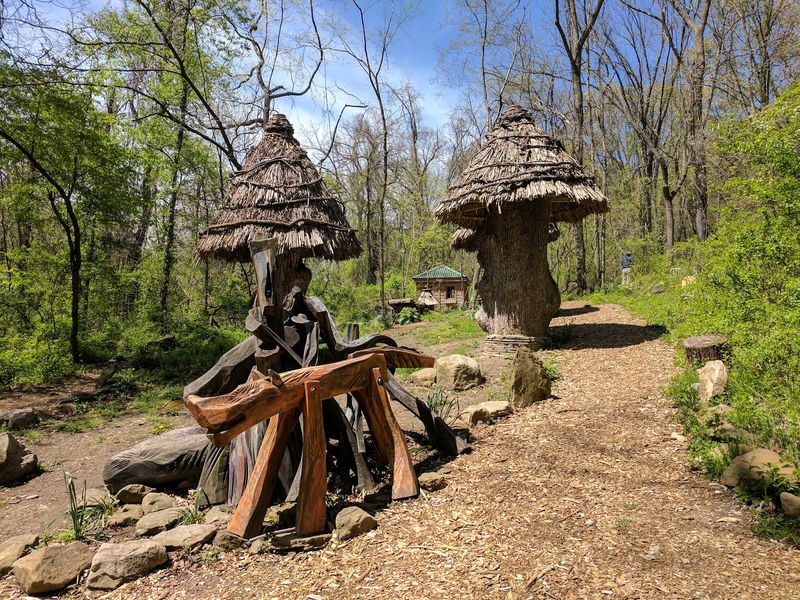
Just when the woods feel quiet, a sculpture may appear around the bend.
Pittsburgh Botanic Garden often features outdoor art that adds fun, color, and surprise to the trails, creating little moments that encourage visitors to stop and take a closer look.
Instead of feeling like a traditional gallery, the artwork becomes part of the landscape, surrounded by trees, flowers, water, and open spaces.
Past visitors have loved seasonal displays, including playful dinosaur-style sculptures and other large installations that make the garden especially exciting for families and children.
These pieces can also create unexpected photo opportunities, giving visitors another reason to explore paths they might otherwise pass by.
Check the official website before going, because exhibits can change and some installations are only available for limited periods.
Art makes the garden feel fresh on return trips, giving regular visitors something new to spot each season.
Even if you’ve walked the same trail before, a new sculpture or temporary display can change the way you experience it, adding another layer of discovery to an already peaceful outdoor setting.
8. Seasonal Events Keep the Garden Changing

Winter nights can turn the garden into a glowing wonderland.
Seasonal events, including holiday light displays, give visitors a reason to return even when flowers are not the main attraction, transforming familiar trails into colorful evening walks filled with lights and festive details.
The cooler season also offers a completely different way to experience the landscape, with bare trees, crisp air, and illuminated paths creating an atmosphere that feels far removed from a typical daytime garden visit.
Cold weather can mean mud, snow, or slick paths, so boots and warm layers matter, especially for families and anyone planning to stay outdoors for an extended time.
Some event trails are about a mile and may include food or drink stations, giving visitors a chance to pause and warm up along the way.
Because popular seasonal events can draw large crowds, it is smart to buy tickets early and read the event details before heading out.
Check what is included, where the trail begins, and what conditions to expect so you can arrive prepared.
With the right clothing and a little planning, a winter evening at the garden can be a memorable way to enjoy the grounds in an entirely new light.
9. A Practical Day Trip Near Pittsburgh
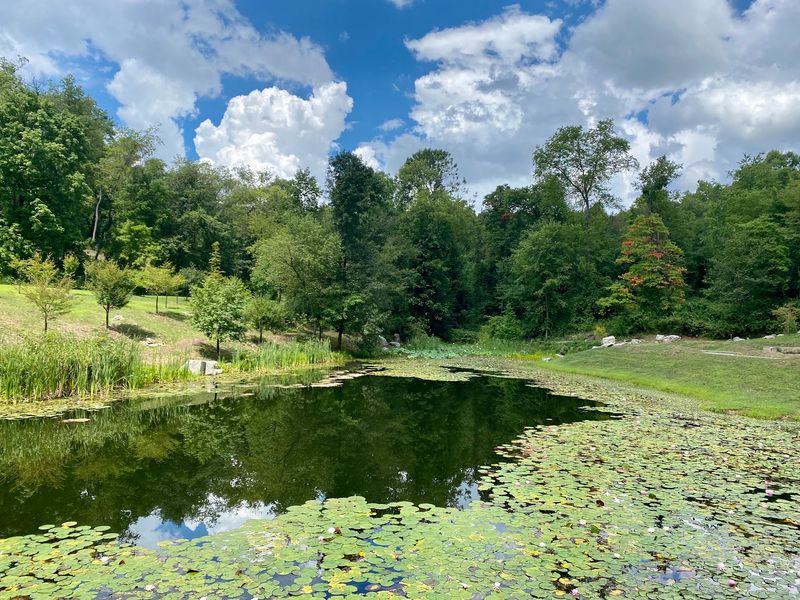
Located at 799 Pinkerton Run Road in Oakdale, the garden is close enough to Pittsburgh for an easy nature break, whether you’re planning a relaxed afternoon or a longer visit to explore the grounds.
Visitors will find parking, a welcome center, a gift shop, and a cafe that may be open during visits, making it convenient to grab a snack, drink, or souvenir while you’re there.
The garden’s trails and outdoor spaces can take some time to explore, so checking the day’s schedule before arriving can help you plan your visit more comfortably.
Hours vary by day, and the garden is closed on Mondays, so check before leaving home, particularly if you’re traveling from outside the area.
Adult admission prices and memberships can change, too, and special events may have separate ticket requirements or schedules.
For questions, call 412-444-4464 or visit the official website for the latest information on hours, admission, events, and visitor guidelines.
Share this story