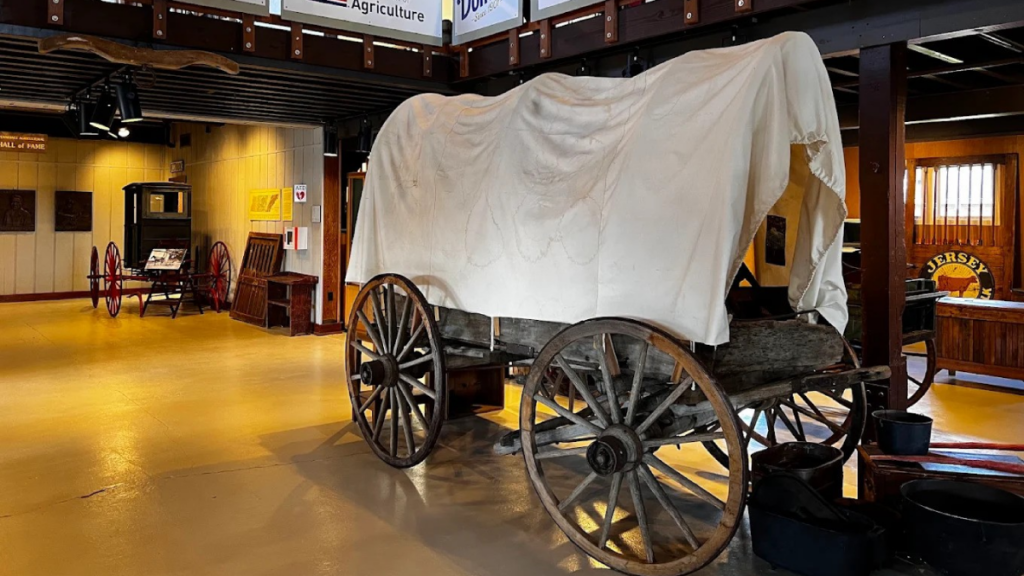
Tucked away on the Ellington Agricultural Center grounds in Nashville, the Tennessee Agricultural Museum offers something rare: a chance to walk through the state’s farming history without stepping into a time machine.
Inside a renovated barn and scattered across peaceful grounds, you’ll find antique tools, restored tractors, historic cabins, and everyday objects that once shaped rural Tennessee life. Best of all, admission is completely free, making it easy to explore the roots of a state built on hard work, family farms, and the rhythms of the land.
Whether you grew up on a farm or just love a good dose of Southern nostalgia, this hidden gem brings Tennessee’s agricultural past to life in the most genuine way possible.
A Tennessee Museum That Honors the Roots of Rural Life
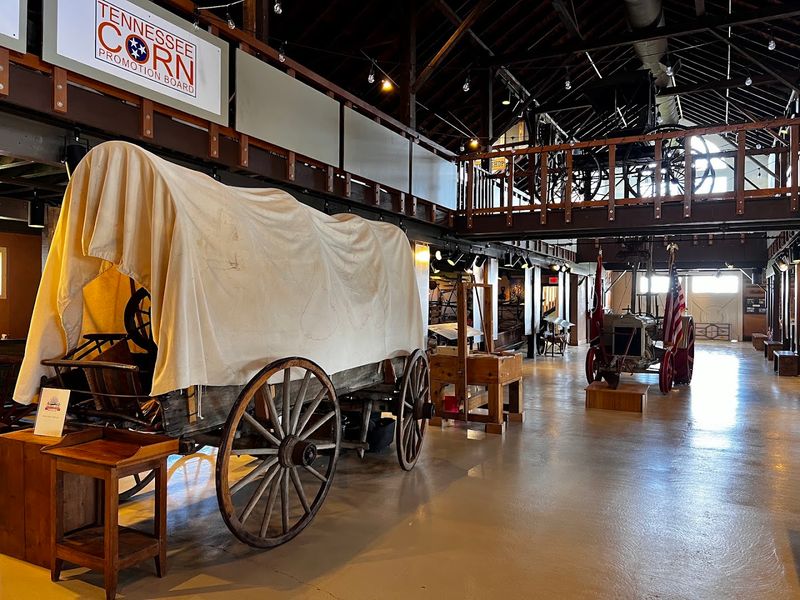
Walk into this renovated barn and you’re stepping straight into Tennessee’s agricultural soul. The Tennessee Agricultural Museum sits quietly on Hogan Road, far from Nashville’s honky-tonks and tourist crowds. What makes it special isn’t just the collection of artifacts—it’s the way the space itself feels like a tribute to the people who worked the land, fed their families, and built communities from scratch.
Visitors often mention the calm, welcoming atmosphere. There’s no rush here, no crowds pushing you along. You can linger over a hand-forged plow or study the intricate mechanics of a corn sheller without anyone hurrying you to the next exhibit.
The staff is genuinely passionate about sharing stories, and they’re quick to offer context or answer questions that bring the displays to life.
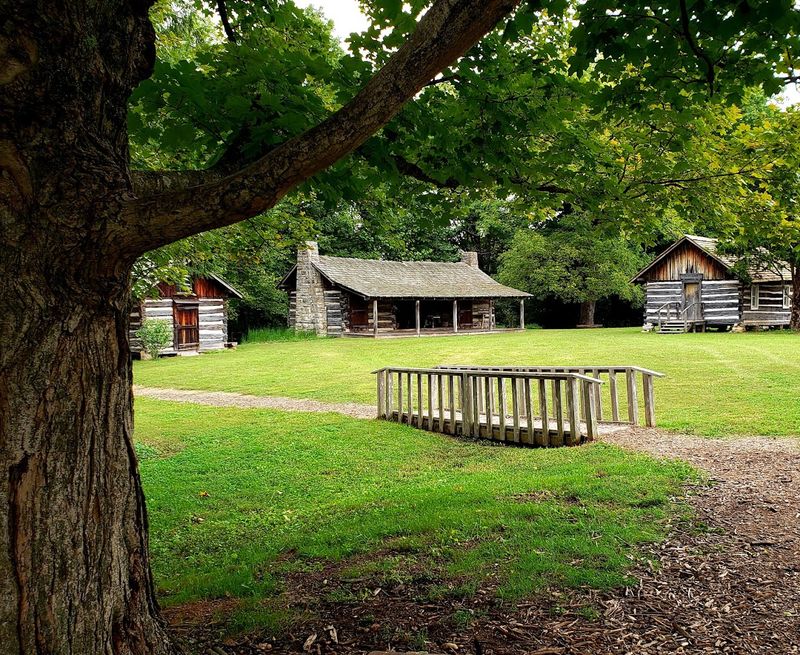
The museum spans two floors packed with tools, household items, and machinery that tell the story of farm life before electricity changed everything. Outside, historic cabins and a one-room schoolhouse add dimension to the experience. You can peek inside these structures and imagine what daily routines looked like for Tennessee families a century ago.
What really stands out is how the museum balances education with emotion. These aren’t just objects behind glass—they’re reminders of resilience, ingenuity, and the deep connection between Tennesseans and their land. For anyone curious about where the state came from, this place offers a grounded, heartfelt look at the roots that still matter today.
Plus, the fact that it’s free makes it accessible to everyone who wants to understand Tennessee’s farming heritage a little better.
Why This Nashville Spot Feels Like a Walk Through Homegrown History
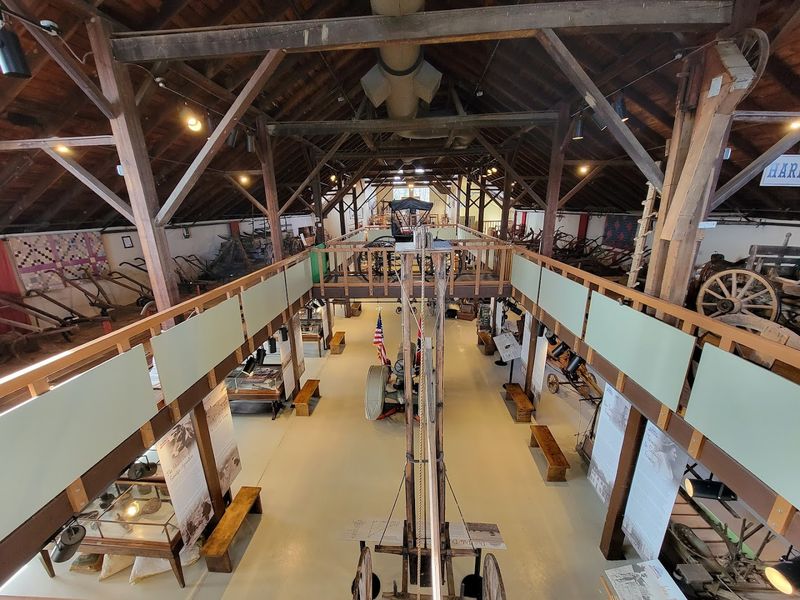
Some museums feel sterile and distant, but not this one. The Tennessee Agricultural Museum has a lived-in quality that makes history feel personal. Maybe it’s the way sunlight filters through the barn’s old windows, or how the wooden floors creak underfoot.
Either way, walking through this space feels less like touring a museum and more like visiting a relative’s attic filled with treasures from another era.
The exhibits cover farm and home life from the 19th and 20th centuries, focusing on the years before modern conveniences transformed rural Tennessee. You’ll see butter churns, washboards, blacksmith tools, and hand-cranked devices that required serious muscle to operate. Each item represents hours of labor and a way of life built on self-sufficiency and community cooperation.
What visitors appreciate most is the authenticity. This isn’t a polished, corporate museum experience with flashy interactive screens. Instead, it’s a collection curated with care, where the objects themselves do the talking.
Some displays lack detailed labels, which can feel frustrating to detail-oriented visitors, but it also leaves room for imagination and conversation. You might find yourself guessing how a particular gadget worked, then chatting with staff to find out you were completely wrong—and that’s part of the fun.
The outdoor area enhances the homegrown vibe. Historic cabins sit among well-kept grounds, and walking trails wind through the surrounding property. In fall, the foliage turns the landscape into something straight out of a postcard.
It’s easy to spend an hour inside and another hour exploring the grounds, soaking in the peaceful atmosphere and imagining what Tennessee life looked like generations ago.
The Tools, Tractors, and Farm Relics That Tell Tennessee’s Story
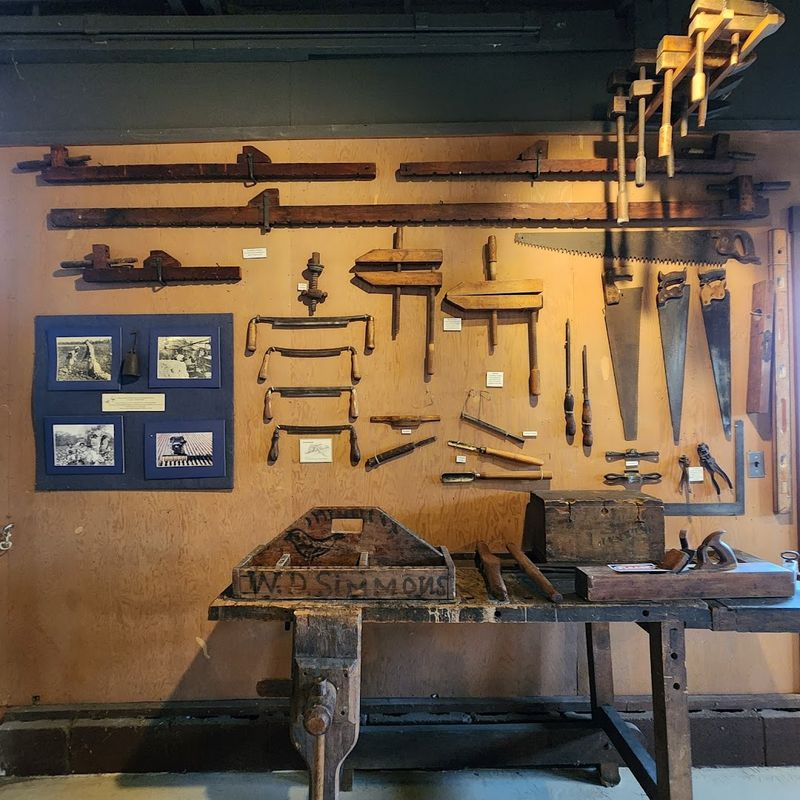
If you’re into mechanical history or just love seeing how things used to work, the Tennessee Agricultural Museum delivers in a big way. The collection includes everything from hand tools that fit in your palm to massive tractors that required serious skill to operate. Each piece represents a chapter in Tennessee’s farming evolution, showing how innovation and necessity shaped the way people cultivated the land.
Antique tractors sit outside, weathered but still impressive. These machines once revolutionized farm work, replacing horse-drawn plows and allowing families to cultivate more acres with less backbreaking effort. Standing next to one, you can almost hear the rumble of the engine and smell the diesel fuel that powered long days in the fields.
Inside, smaller tools reveal the ingenuity of earlier generations. You’ll find corn shellers, seed planters, harnesses, and devices whose purposes aren’t immediately obvious. Some visitors enjoy the detective work of figuring out what each tool did, while others prefer asking the knowledgeable staff for explanations.
Either way, the variety is impressive—and it’s a reminder that farming required a huge toolkit and plenty of problem-solving skills.
The museum also highlights the transition from manual labor to mechanization. You can trace this evolution through the displays, seeing how simple hand tools gave way to more complex machinery over time. It’s fascinating to consider how each advancement changed not just farming practices but entire family structures and community dynamics.
For history buffs and anyone curious about mechanical development, this collection offers a tangible connection to Tennessee’s agricultural past that feels both educational and deeply human.
How Farming Shaped the Families, Communities, and Traditions of the State
Tennessee’s farming heritage isn’t just about crops and livestock—it’s about the people who built lives around the land. The Tennessee Agricultural Museum captures this human dimension beautifully, showing how agriculture shaped family roles, community bonds, and traditions that still echo through the state today. The exhibits go beyond equipment to explore the daily rhythms and social structures that defined rural Tennessee life.
Historic cabins on the grounds offer a glimpse into family living conditions. These small structures housed entire families, with limited space and few modern comforts. Walking through them, you notice how every item served multiple purposes and how resourcefulness was essential.
Children grew up learning farm skills from their parents, and everyone contributed to the household’s survival. This wasn’t hobby farming—it was life or death.
The museum also touches on community cooperation. Neighbors helped each other during harvest season, shared equipment, and gathered for social events that doubled as work parties. Barn raisings, quilting bees, and corn shuckings brought people together, strengthening ties that held rural communities together through hard times.
These traditions created a social fabric that modern life has largely replaced with different structures.
School life gets attention too, with a one-room schoolhouse that reminds visitors how education fit into the farming calendar. Children attended school between planting and harvest seasons, and teachers often boarded with local families. Education was valued but had to work around the demands of farm life.
Seeing these connections helps visitors understand how deeply agriculture influenced every aspect of Tennessee culture, from work schedules to social gatherings to the values families passed down through generations.
A Nostalgic Look at the Everyday Life Tennesseans Once Knew
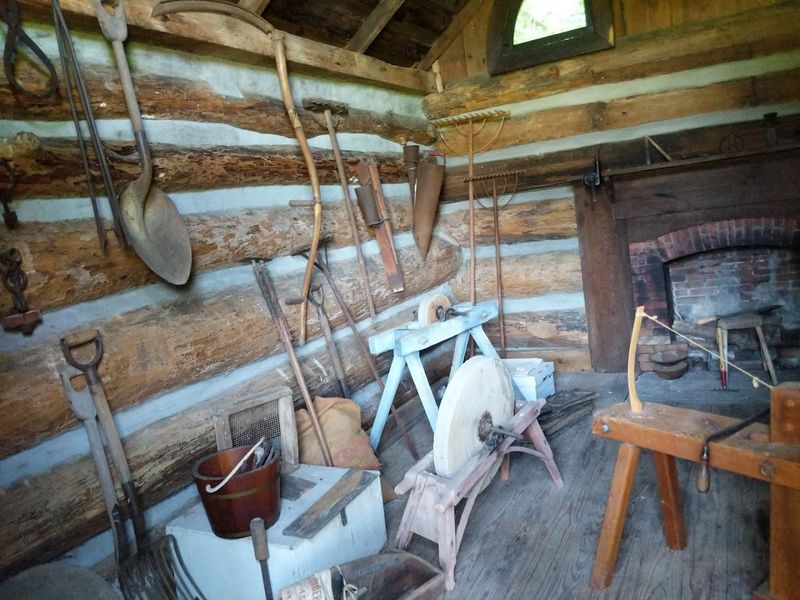
Nostalgia hits differently when you’re looking at objects your grandparents actually used. The Tennessee Agricultural Museum excels at showcasing the everyday items that made rural life possible before electricity, running water, and modern conveniences changed everything. These aren’t glamorous artifacts—they’re the humble tools that filled Tennessee homes and made daily survival possible.
Kitchen implements tell stories of labor-intensive food preparation. Hand-cranked apple peelers, cast-iron cookware, and butter churns remind visitors that every meal required significant effort. Women spent hours preserving food for winter, canning vegetables, churning butter, and baking bread from scratch.
There were no shortcuts, no grocery stores down the road—just skill, time, and strong arms.
Laundry equipment highlights another aspect of domestic work that modern machines have made almost invisible. Washboards, hand-wringers, and flat irons show how much physical effort went into keeping clothes clean. Wash day was an all-day affair involving hauling water, heating it over fires, scrubbing fabric by hand, and hanging everything to dry.
The work never really ended.
Why This Museum Matters to Anyone With Southern Roots
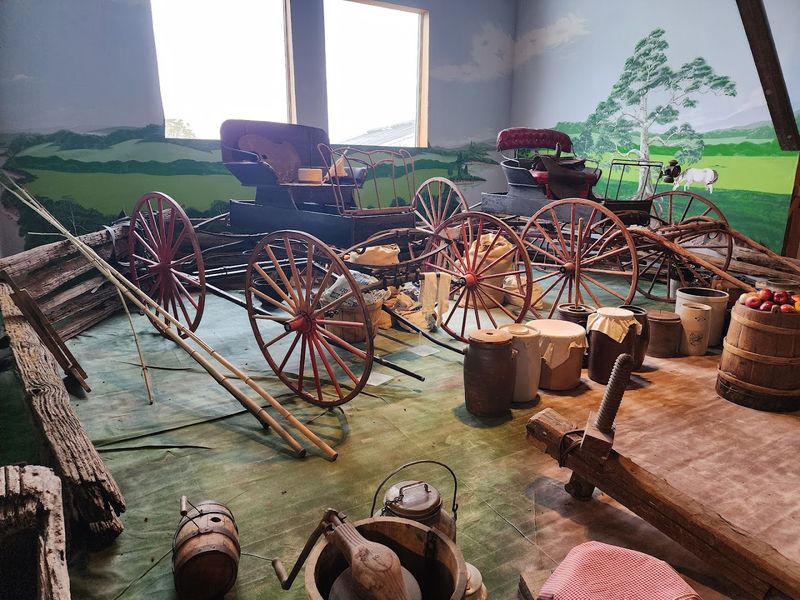
For Southerners with farming in their family history, the Tennessee Agricultural Museum offers something beyond education—it offers connection. Many visitors walk through and recognize tools their grandparents used, remember stories about farm life they heard growing up, or suddenly understand references that never quite made sense before. This place validates a heritage that often gets overlooked in favor of more glamorous historical narratives.
Tennessee’s identity is deeply tied to agriculture, even as the state has urbanized and diversified. Understanding that foundation helps explain everything from food traditions to work ethics to community values that still shape Tennessee culture today. The museum preserves this foundation, ensuring that younger generations can understand where their families came from and what life required before modern conveniences existed.
The museum also honors the dignity of farm work. These weren’t simple people doing simple work—they were skilled problem-solvers who understood weather patterns, soil conditions, animal behavior, and mechanical systems. They built and repaired their own equipment, doctored sick livestock, and made countless decisions that meant the difference between prosperity and hardship.
The displays celebrate that intelligence and resilience without romanticizing the very real hardships involved.
Southern hospitality, self-reliance, and tight community bonds all have roots in agricultural life. Seeing how people lived and worked together helps explain cultural traits that might otherwise seem random.
The museum bridges past and present, showing how Tennessee’s farming heritage continues to influence the state’s identity even as fewer people work the land. That continuity matters, especially in a rapidly changing world where connections to the past can feel increasingly fragile.
What to Know Before Visiting This Tribute to Tennessee’s Farming Past

Planning a visit to the Tennessee Agricultural Museum is refreshingly simple. The museum is located at 404 Hogan Road on the Ellington Agricultural Center grounds in Nashville. It’s open Monday through Friday from 9 AM to 4 PM, and closed on weekends.
Admission is completely free, though donations are welcome and help support the museum’s operations and programming.
Most visitors spend about an hour exploring the two-floor barn museum, though you can easily extend that if you take time to read every display and chat with staff. The outdoor cabins, schoolhouse, and grounds add another 30 minutes to an hour, depending on how thoroughly you explore. If you’re interested in hiking, the Ellington Agricultural Center Trails wind through the surrounding property and offer a peaceful walk through woods and fields—especially beautiful during the fall foliage season.
The museum is small and manageable, making it perfect for families with children or anyone who wants a quick but meaningful historical experience. Kids often enjoy the hands-on feel of the outdoor buildings and the chance to see farm animals that sometimes graze nearby. School groups frequently visit, and staff members are knowledgeable and happy to provide additional context or answer questions that bring the exhibits to life.
A few practical tips: Some displays lack detailed labels, so don’t hesitate to ask staff for information. They’re genuinely passionate about the collection and love sharing stories. The heirloom vegetable garden maintained by Master Gardeners of Davidson County is worth checking out if you visit during growing season.
Parking is free and easy. The museum occasionally hosts special events throughout the year, so checking their website or calling ahead can help you catch demonstrations, festivals, or seasonal activities that enhance the standard visit.