Tucked away in the northeastern corner of Tennessee, Roan Mountain State Park sits at over 6,000 feet elevation, offering a mountain escape that feels worlds away from everyday life. With sweeping views, rhododendron gardens that bloom in spectacular fashion, and trails that wind through some of the most beautiful terrain in the Appalachians, this park delivers an experience that sticks with you long after you leave.
Whether you’re looking for a quiet weekend camping trip, a challenging hike along the Appalachian Trail, or just a scenic drive with jaw-dropping overlooks, Roan Mountain has something that’ll make the journey worthwhile.
This Tennessee Park Feels Like a Breath of Fresh Mountain Air
Elevation does something magical to the air quality here. At 6,285 feet, Roan Mountain State Park sits high enough that temperatures drop noticeably, even in the middle of summer. You’ll feel the difference the moment you step out of your car.
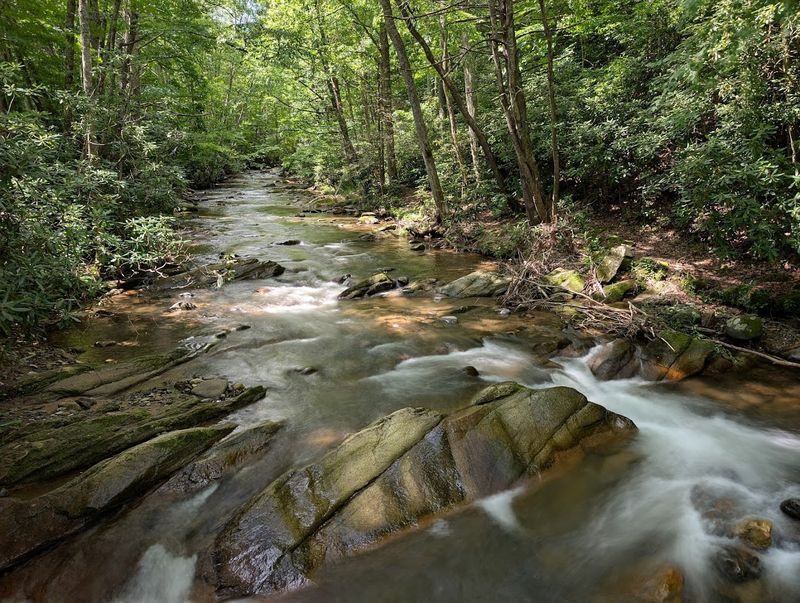
The park sprawls along the Doe River, which adds that perfect soundtrack of rushing water to your stay. Campers who snag sites along the creek talk about falling asleep to the sound of water over rocks, which beats any white noise machine. The combination of altitude, forest cover, and flowing water creates a microclimate that feels refreshingly cool and clean.
Visitors from lower elevations often comment on how crisp everything feels. The air has a clarity that makes colors seem more vivid and stars appear brighter at night. Even in July, you might want to pack a jacket for evenings when temperatures can dip into the fifties.
The park’s location on the Tennessee-North Carolina border means you’re surrounded by protected wilderness in every direction. There’s no industrial development nearby to compromise the atmosphere. Just trees, mountains, and sky stretching as far as you can see.
That remoteness translates directly into air quality that reminds you what breathing is supposed to feel like.
Where to Find Roan Mountain State Park in Tennessee
Roan Mountain State Park sits in the far northeastern corner of Tennessee, right along Highway 143 in the tiny town of Roan Mountain. It’s about as close to the North Carolina line as you can get while staying in Tennessee. If you’re coming from the Tri-Cities area, plan on roughly an hour’s drive through increasingly scenic mountain roads.
From Johnson City, take Highway 321 north through Elizabethton, then follow the signs toward Roan Mountain. The route climbs steadily, giving you a preview of the elevation changes ahead. From Asheville, you’re looking at about an hour and a half heading west on I-26, then north on Highway 19E.
The park itself is easy to spot once you’re on 143. Look for the well-marked entrance with the visitor center just off the main road. The visitor center sits alongside the Doe River and serves as the perfect first stop for maps, trail information, and local tips from rangers who know every inch of the park.
Cell service can get spotty as you climb into the mountains, so download directions before you leave civilization. The park is open daily from 8 AM to 4:30 PM, though the grounds remain accessible for campers and cabin guests around the clock.
Why the Scenery Here Feels Almost Too Beautiful to Be Real
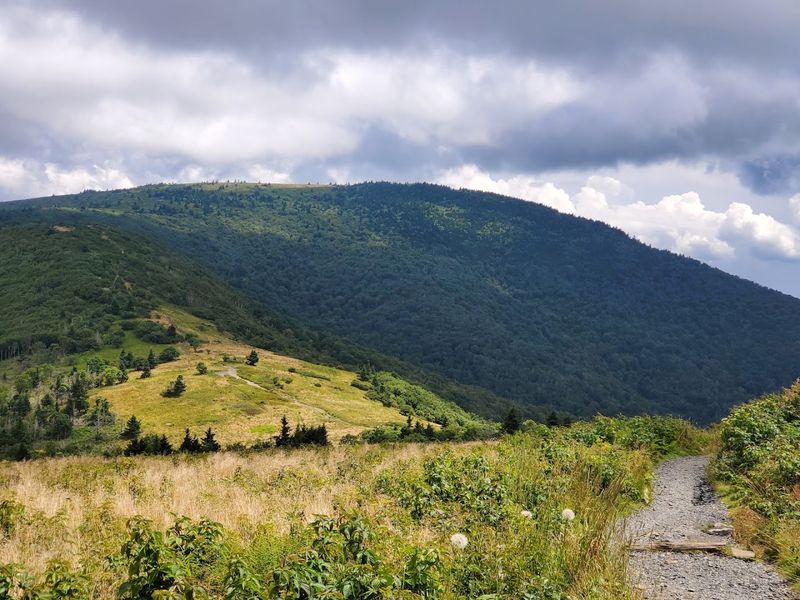
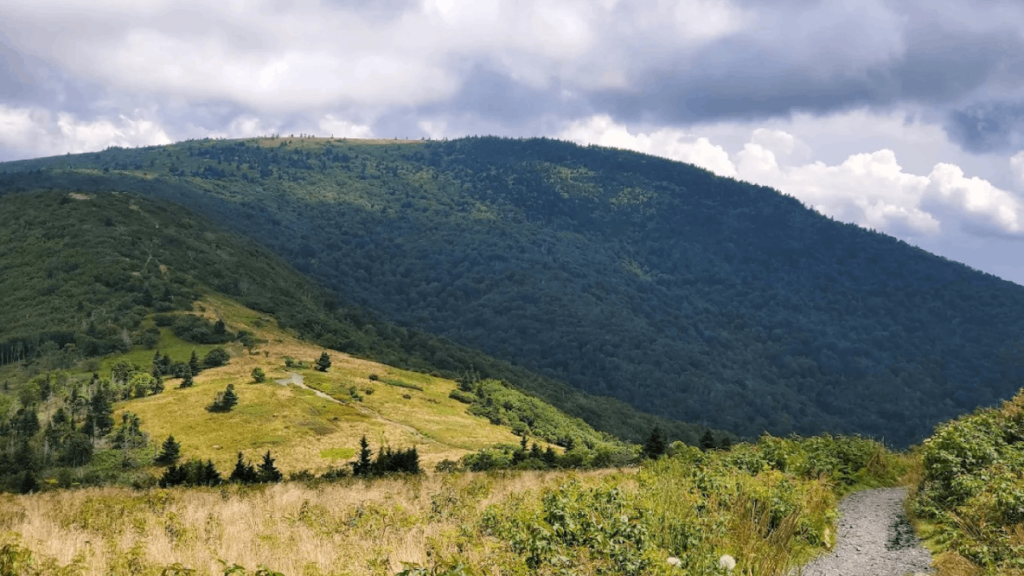
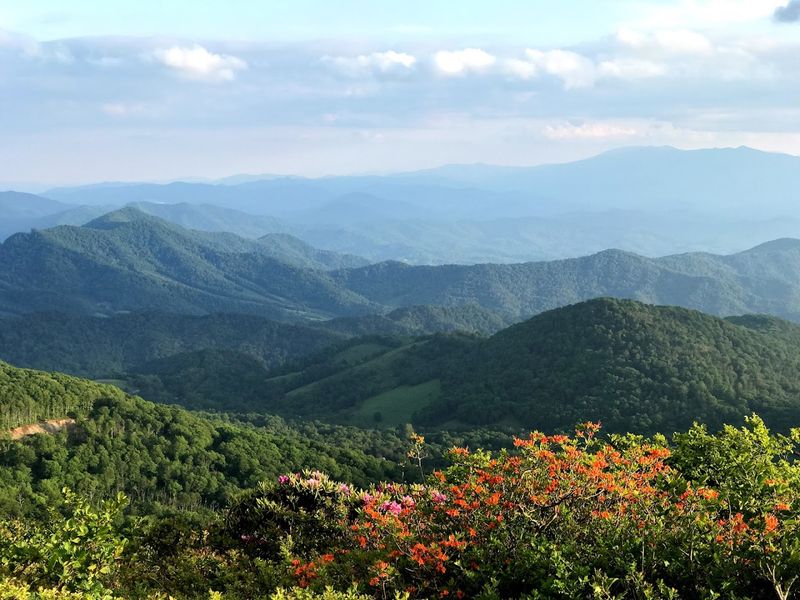
Standing at the top of Roan Mountain, you get a 360-degree view that stretches across multiple states. The balds—those treeless mountain peaks covered in grass and rhododendrons—create landscapes that look almost otherworldly. When the rhododendrons bloom in June, the entire mountainside explodes in purple and pink.
The Roan Highlands are famous among hikers for a reason. These high-elevation meadows offer unobstructed views that go on for miles, with mountain ridges stacked against the horizon like waves. On clear days, you can see well into North Carolina and even catch glimpses of peaks in Virginia.
Cloudland, one of the nearby balds accessible via the Appalachian Trail, earned its name honestly. You’ll often find yourself literally walking through clouds as weather systems roll across the peaks. The experience of hiking above the cloud line, watching mist swirl around you while sunshine breaks through above, creates moments that feel surreal.
Down in the valley where the main park facilities sit, the Doe River carves through dense forest, creating a completely different kind of beauty. Waterfalls, swimming holes, and moss-covered rocks add texture to the landscape. The contrast between the open, windswept balds above and the sheltered, lush valley below gives you two distinct environments in one park visit.
The Best Ways to Spend a Day at Roan Mountain State Park
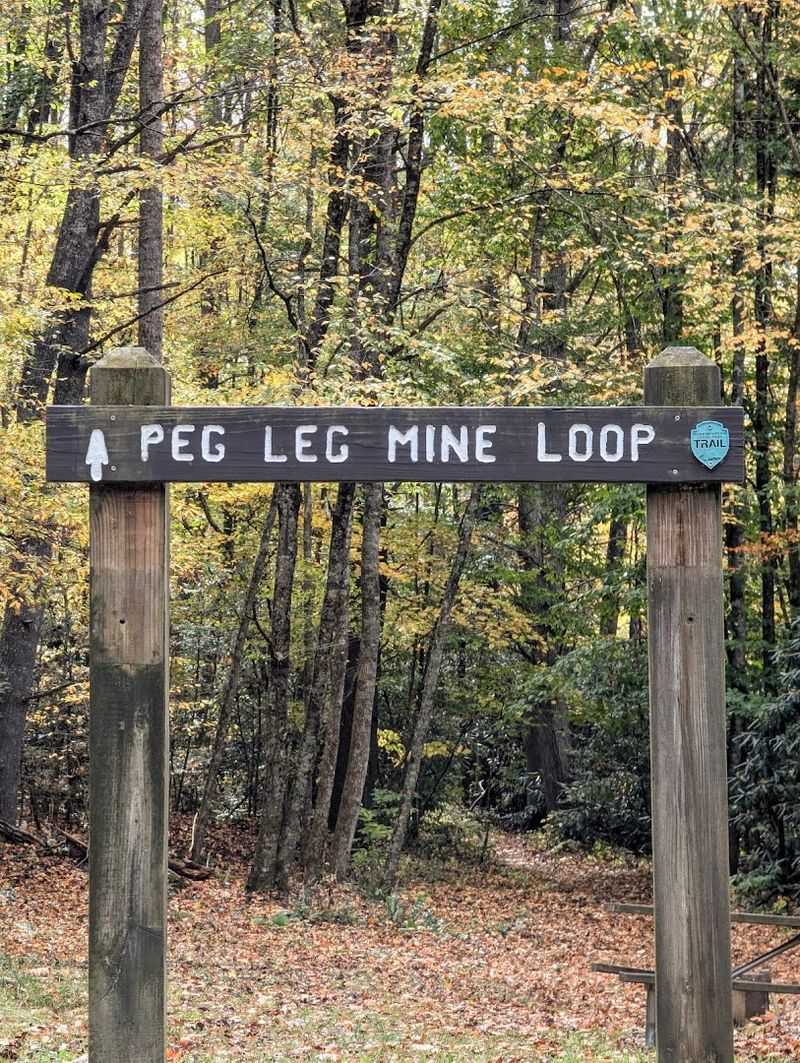
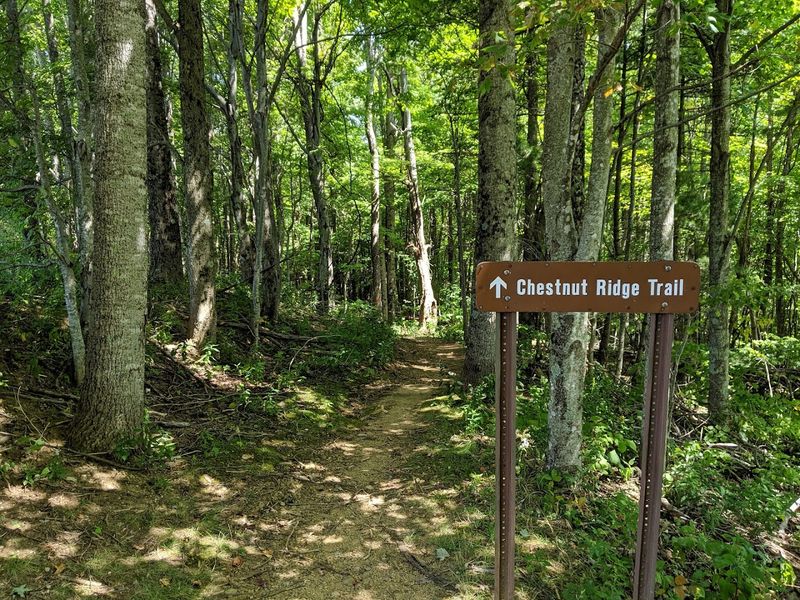
Start your day at the visitor center, where rangers can point you toward trails that match your fitness level and interests. The Peg Leg Mine Loop makes a great warm-up hike—it’s short, relatively easy, and includes a detour to an old mine entrance that adds historical flavor to your walk.
For something more challenging, tackle the Blue 2 Trail, which takes you through varied terrain from narrow mountain paths to meadow-like sections. The diversity keeps things interesting, and you’ll work up enough of an appetite to justify a big lunch back at your campsite or in one of the picnic areas near the river.
If you’re visiting during peak rhododendron season in mid-June, drive up to Carver’s Gap and hike toward Round Bald or Grassy Ridge Bald. The 45-minute hike to these spots delivers views that visitors describe as absolutely breathtaking. Just check with rangers first about weather conditions—fog can roll in quickly and visibility drops to near zero.
Families with younger kids might prefer spending time at the swimming pool or exploring the historic farm on park property. There’s also a game room for rainy days and tennis courts for anyone who packed a racket. Evening programs led by rangers cover everything from tree ring printing to local wildlife, adding an educational component that doesn’t feel like school.
When Roan Mountain State Park Looks Its Absolute Best
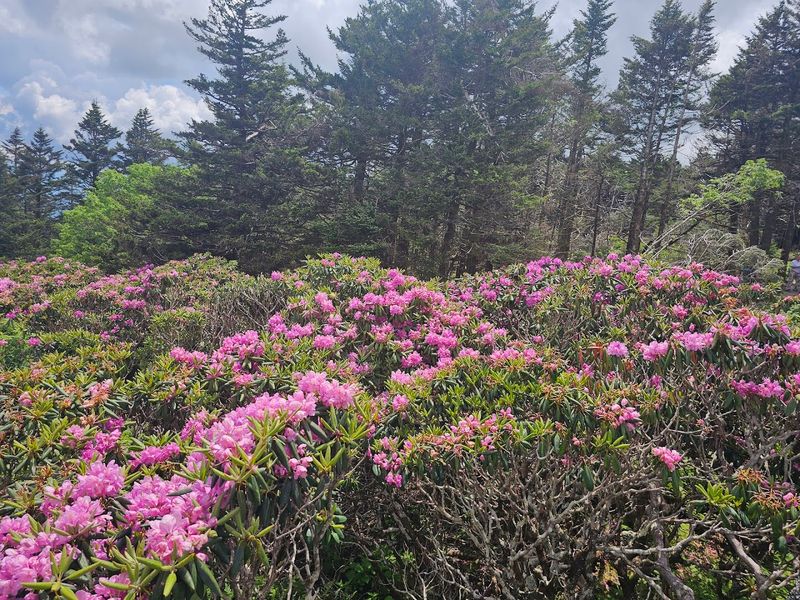
Mid-June brings the famous rhododendron bloom that transforms Roan Mountain into a purple wonderland. The Catawba rhododendrons that blanket the balds typically peak around June 15-20, though exact timing shifts slightly each year depending on spring temperatures. This is when the park sees its biggest crowds, and for good reason—the floral display is genuinely spectacular.
Fall offers a completely different but equally stunning experience. Late September through mid-October brings peak leaf color to the elevations around the park. The combination of elevation changes means you can chase the color as it moves down the mountain, sometimes seeing multiple stages of fall progression in a single hike.
Summer brings cool relief from lower-elevation heat, with temperatures often 15-20 degrees cooler than nearby cities. July and August are perfect for camping families who want to escape the sweltering valleys. The swimming pool operates during these months, and longer daylight hours give you more time on the trails.
Winter transforms the park into a quiet retreat with occasional snow dusting the peaks. While some trails close due to storm damage or ice, the lower elevation paths often remain accessible. Just call ahead to check conditions, as fog can make the mountain drive challenging and some facilities reduce hours during slower months.
Why This Peaceful Escape Is Worth Every Mile of the Drive
Getting to Roan Mountain requires commitment—this isn’t a park you stumble upon accidentally. The winding mountain roads and distance from major highways mean you’re making an intentional choice to visit. That remoteness filters out casual traffic and creates an atmosphere of genuine escape.
The drive itself becomes part of the experience rather than just a means to an end. Highway 143 climbs through increasingly beautiful terrain, with roadside overlooks that tempt you to stop for photos. By the time you arrive, you’ve already transitioned mentally from everyday life to mountain time.
Once you’re there, the lack of cell service and WiFi in the cabins forces a digital detox that most visitors end up appreciating. Families rediscover conversation around campfires. Couples actually talk to each other instead of scrolling on their phones.
The diversity of experiences packed into one location maximizes your drive-time investment. You can hike sections of the Appalachian Trail, explore historical sites, camp by a creek, and watch deer wander through your campsite—all without getting back in your car. That concentration of quality experiences in one destination means you’re not burning vacation days driving between attractions.
Everything to Know Before You Go
The park operates from 8 AM to 4:30 PM daily, though camping and cabin guests have 24-hour access to the grounds. Call ahead if you’re planning to drive to the mountain peak, as rangers can tell you whether fog will ruin your views. There’s nothing worse than making that drive only to find yourself in a cloud with zero visibility.
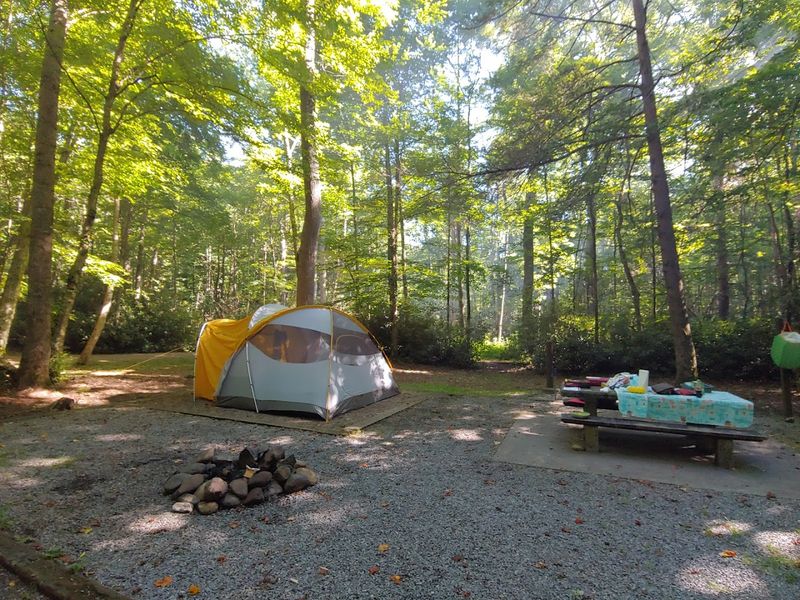
Hurricane Helene caused significant damage in 2024, closing the upper campground and several trails. Recovery work continues, but some areas won’t reopen for a few years. The lower campground remains fully operational with water and electric hookups, clean bathhouses with hot showers, and sites along the creek that are particularly popular.
Reservations are strongly recommended, especially for premium creek-side spots.
The park sells firewood and ice at the gift shop, which also exchanges bills for quarters if you need laundry money. Speaking of the gift shop, it’s worth browsing—they stock local crafts and park-specific merchandise that make better souvenirs than generic tourist stuff.
Cabins offer a cozy middle ground between tent camping and hotel stays, though remember there’s no TV, cell service, or WiFi. Pack entertainment accordingly. The park is dog-friendly on trails, making it perfect for families who travel with pets.
Just keep them leashed and clean up after them to maintain the pristine conditions everyone raves about in reviews.