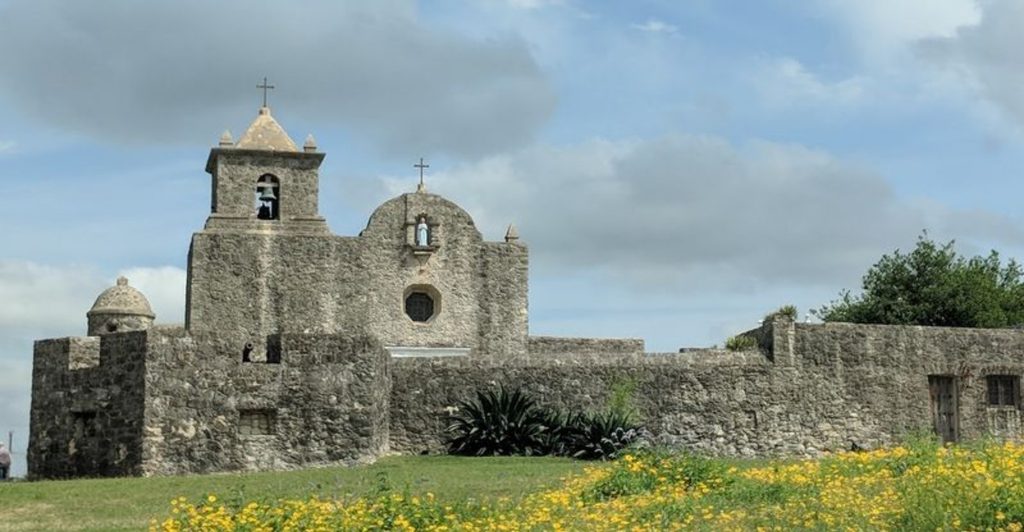
Standing tall along US-183 in Goliad, Presidio la Bahía holds a distinction no other fort in North America can claim. This Spanish colonial stronghold has been completely restored to its original 18th-century glory, offering visitors a rare glimpse into Texas’s earliest days. From bloody battles during the Texas Revolution to centuries of Spanish military might, this fortress tells stories that shaped the Lone Star State and changed history forever.
1. A Fortress Born From Spanish Ambition
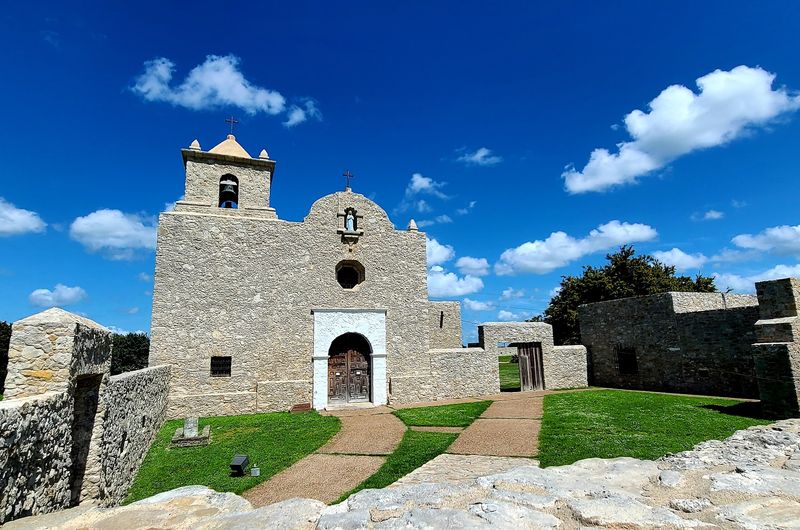
Back in 1721, Spanish soldiers built this fortress to protect their claim on Texas territory. The original location sat closer to the coast, but by 1749, they moved the entire operation inland to its current spot near the San Antonio River. That strategic relocation turned out to be brilliant, positioning the presidio as a vital link between Spanish settlements.
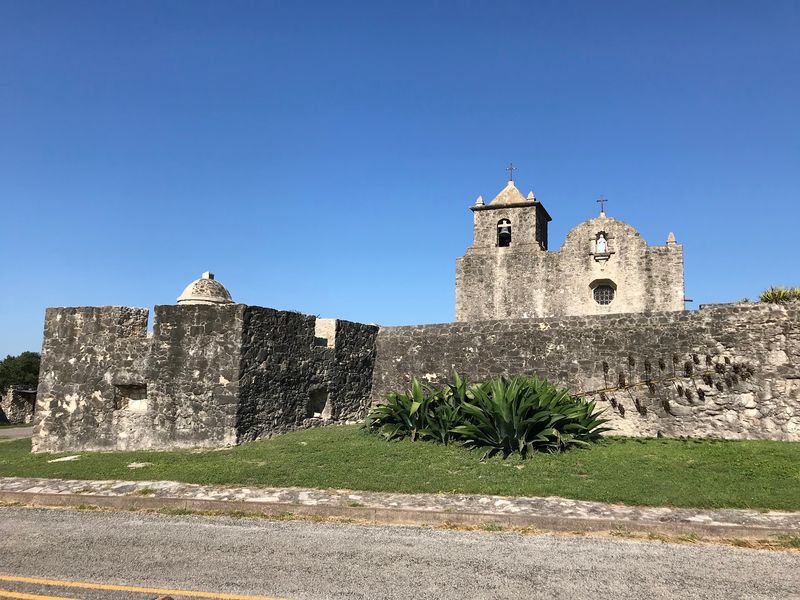
What makes this place truly exceptional is its complete restoration. While most colonial forts across North America exist as crumbling ruins or archaeological sites, Presidio la Bahía stands fully intact. Every stone wall, every watchtower, every defensive position has been carefully rebuilt using historical records and original construction techniques.
Walking through the main gate feels like stepping through a time portal. The thick limestone walls rise impressively around you, just as they did when Spanish soldiers patrolled these grounds. The fort served continuously for over a century under three different flags: Spain, Mexico, and the Republic of Texas.
Visitors can climb onto the ramparts where soldiers once kept watch for approaching enemies. The views stretch across the surrounding countryside, making it clear why Spanish military strategists chose this exact location. For just five dollars, you get access to the entire compound, including the museum packed with authentic artifacts from the colonial period.
History buffs consistently rate this as one of Texas’s most underrated historic sites.
2. The Chapel That Witnessed Texas History
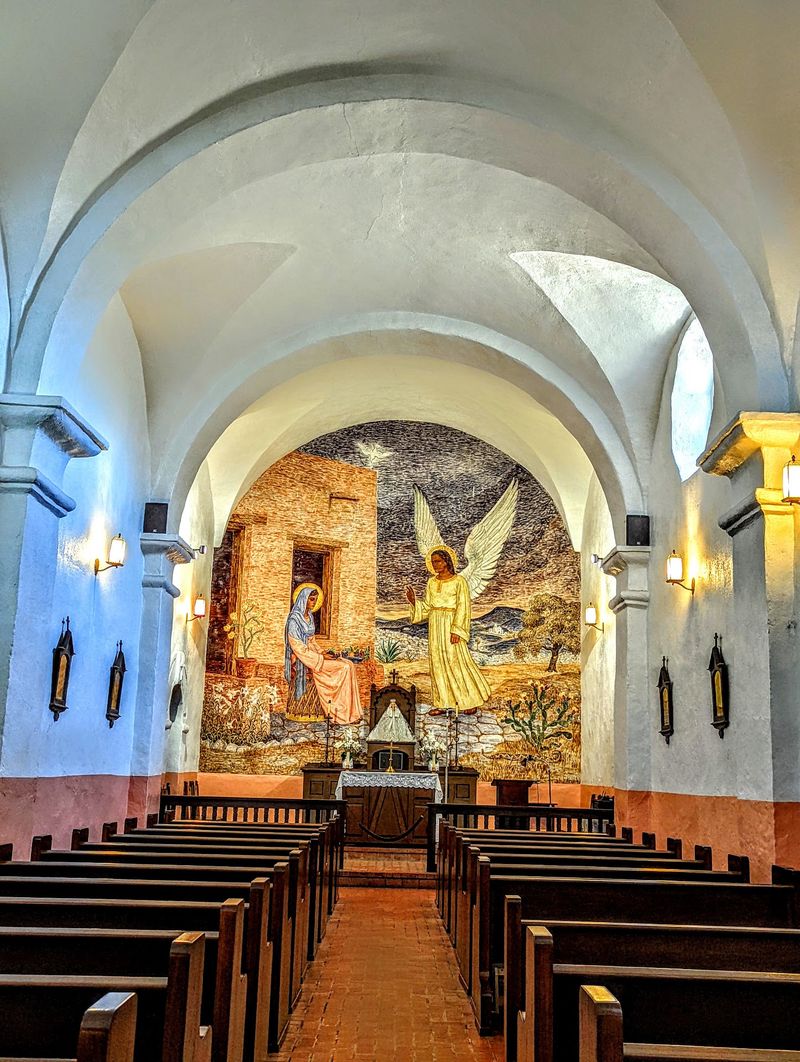
Our Lady of Loreto Chapel stands as the spiritual heart of Presidio la Bahía. Built alongside the military fortress, this stunning sanctuary has witnessed some of Texas’s most pivotal moments. The chapel’s architecture blends Spanish baroque elements with frontier practicality, creating a space that’s both beautiful and historically significant.
Step inside and you’ll understand why visitors call it one of the prettiest chapels they’ve ever seen. The restored altar features intricate carved details and religious artwork that transport you back to colonial times. Sunlight filters through the windows, illuminating the sacred space where Spanish soldiers, Mexican troops, and Texas revolutionaries all once prayed.
The chapel still functions as an active place of worship today. Local parishioners attend services here, maintaining a living connection to centuries of faith and tradition. This continuity makes the chapel more than just a museum piece, it remains a vital part of the community’s spiritual life.
Religious artifacts displayed throughout tell stories of devotion spanning three centuries. Original vestments, ceremonial objects, and historical documents provide insight into colonial religious practices. Photography enthusiasts find endless opportunities here, though visitors are asked to maintain respectful silence inside the sacred space.
Many people don’t realize the chapel survived multiple wars and conflicts virtually intact. While battles raged outside its walls, this sanctuary endured. That resilience symbolizes the enduring spirit of the people who built it and those who continue preserving it for future generations.
3. Where the Goliad Massacre Changed Everything
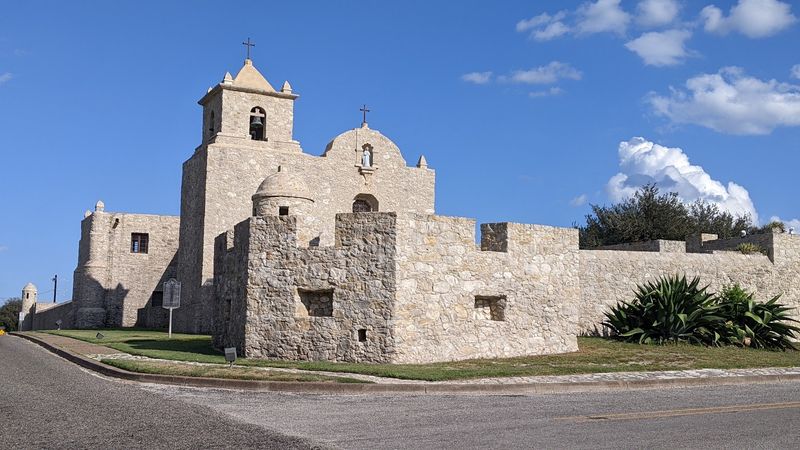
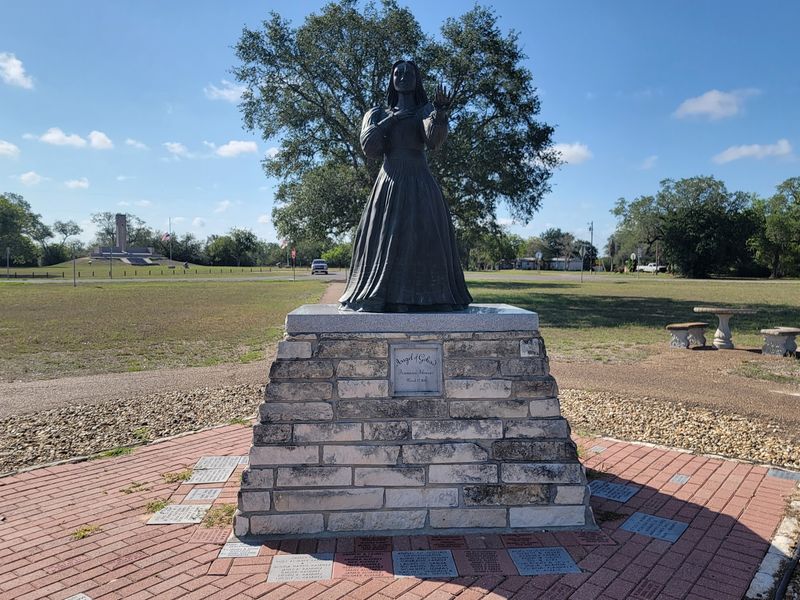
March 27, 1836. That date marks one of the darkest chapters in Texas history, and it happened right here. Colonel James Fannin and over 340 Texian soldiers were executed on orders from Mexican General Santa Anna, an event that became known as the Goliad Massacre.
More men died here than at the Alamo, yet this tragedy often gets overshadowed in popular history books.
The fort’s walls witnessed the prisoners’ final days. Fannin’s men had surrendered after the Battle of Coleto Creek, believing they would be treated as prisoners of war. Instead, Santa Anna ordered their execution as pirates and rebels.
The massacre sparked outrage across Texas and became a rallying cry alongside “Remember the Alamo.”
Walking the grounds today, you can almost feel the weight of that history. Interpretive markers explain what happened and where, helping visitors understand the sequence of tragic events. The nearby Fannin Memorial, just down the road, marks the exact execution site and provides additional context.
Tour guides share powerful stories about the survivors and the few who escaped. Twenty-eight men managed to flee into the surrounding countryside, carrying news of the massacre to Sam Houston’s army. Their accounts fueled the Texas forces’ determination at the Battle of San Jacinto weeks later.
This historical significance makes Presidio la Bahía essential for understanding the Texas Revolution. Students of history recognize this site as equally important as the Alamo, if not more so, for its impact on the revolution’s outcome and Texas independence.
4. Living History Through Passionate Reenactments
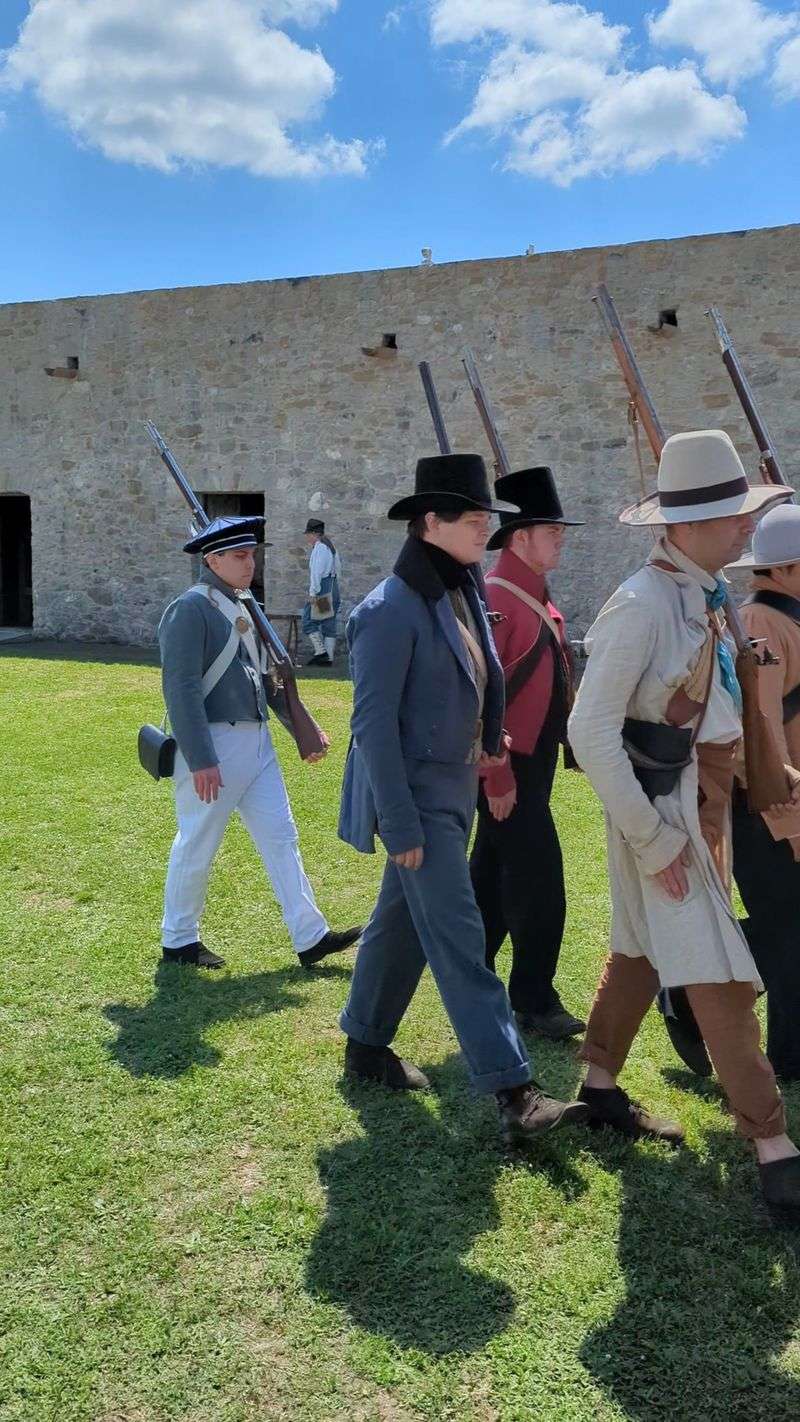
Several times each year, Presidio la Bahía transforms into a living classroom. Reenactors dressed in authentic period costumes fill the courtyard, bringing 18th and 19th-century life back to the fort. These aren’t just people playing dress-up, they’re dedicated historians who’ve researched every detail of their portrayals.
The annual Battle of La Bahía reenactment draws crowds from across Texas. Participants recreate the 1835 battle when Texian forces captured the fort from Mexican troops, marking the first major Texian victory of the revolution. The sound of musket fire echoes off the stone walls while spectators watch history unfold.
Each March, the fort hosts a solemn commemoration of the Goliad Massacre. This event includes candlelight tours, memorial services, and respectful reenactments of the tragic events. Visitors describe these programs as deeply moving and educational, performed with utmost reverence for those who died.
Throughout the year, reenactors set up period-correct camps inside the courtyard. They demonstrate colonial cooking techniques, show how soldiers maintained their weapons, and explain daily life in a frontier fort. Kids especially love interacting with these living historians who eagerly answer questions and share fascinating details.
The fort’s staff coordinates these programs with impressive attention to historical accuracy. Costumes, equipment, and even the language used during demonstrations reflect careful research. Whether you’re visiting during a major reenactment weekend or catching a smaller demonstration, these programs add incredible depth to understanding how people actually lived and fought here centuries ago.
5. An Unbelievable Bargain for History Lovers
Five dollars. That’s all it costs to explore this incredible piece of Texas history. In an era when theme parks charge triple digits and even small attractions ask twenty bucks or more, Presidio la Bahía offers extraordinary value.
Your admission includes access to the entire fort, the museum, the chapel, and often a guided tour with knowledgeable staff.
The fort even partners with nearby Goliad State Park for combination discounts. Visit the state park first, and you’ll receive reduced admission to the presidio. Both sites sit close together, making it easy to experience multiple historical locations in one day without breaking the bank.
Upon entry, visitors receive a special “passport” that can be stamped at various historical sites across Texas. This clever program encourages exploration of the state’s rich history while giving families a fun keepsake. Kids love collecting stamps at different locations, turning history lessons into an adventure.
The gift shop offers souvenirs at all price points, from inexpensive postcards to quality historical books and replicas. Unlike many tourist traps that gouge visitors, the shop maintains reasonable prices while offering genuinely interesting items. Proceeds support the fort’s ongoing preservation and educational programs.
Open seven days a week from 10 AM to 5 PM, the fort accommodates most schedules. The affordable admission and convenient hours make this an accessible destination for school field trips, family vacations, or solo history enthusiasts. Reviewers consistently mention the incredible value, often expressing surprise that such a significant site costs so little to experience.
6. Staff Who Bring History to Life
Something special happens when passionate people share knowledge they genuinely love. The staff at Presidio la Bahía consistently earn rave reviews for their enthusiasm, expertise, and welcoming attitudes. These aren’t bored employees watching the clock, they’re true believers in the importance of preserving and sharing Texas history.
Tour guides demonstrate encyclopedic knowledge of the fort’s history. They don’t just recite memorized facts, they tell engaging stories that make historical figures feel real and events come alive. Visitors report learning more in one hour here than from entire textbooks, thanks to guides who know how to connect past events to present understanding.
The lady behind the front counter greets every visitor warmly, setting a friendly tone from the moment you arrive. Staff members take time to answer questions, recommend other nearby historical sites, and ensure everyone feels welcome. Their genuine hospitality reflects true Texas friendliness.
When school groups arrive, staff expertly manage large numbers of energetic students. They’ve developed engaging programs that hold teenagers’ attention, no small feat at any historical site. Teachers appreciate the professional yet approachable way guides handle educational visits.
Even the museum attendants and gift shop workers display impressive historical knowledge. Ask a question anywhere in the compound and you’ll likely get a detailed, accurate answer. This consistency suggests excellent training and a hiring process that prioritizes passion for history alongside customer service skills.
Multiple reviews specifically mention how staff enthusiasm enhanced their visit and inspired deeper interest in Texas history.
7. Artifacts That Tell Authentic Stories
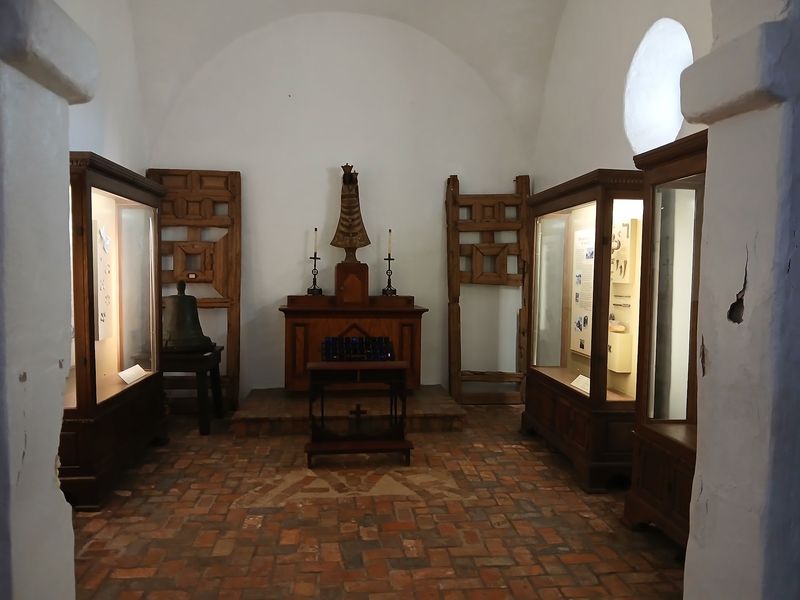
The museum rooms at Presidio la Bahía house an impressive collection of genuine artifacts spanning three centuries. Unlike some historical sites that rely heavily on reproductions, this fort displays actual objects used by the people who lived and fought here. Each artifact connects visitors directly to the past in tangible ways.
Military weapons from Spanish, Mexican, and Texian periods line display cases. Muskets, pistols, swords, and cannons show the evolution of warfare technology across the colonial and revolutionary eras. Seeing the actual tools of battle makes the fort’s military history feel immediate and real.
Everyday objects reveal how soldiers and settlers lived. Cooking implements, clothing fragments, religious items, and personal effects humanize the historical figures who inhabited this place. These mundane objects often prove more fascinating than the dramatic military artifacts, showing the daily reality of frontier life.
Archaeological excavations around the fort continue uncovering new treasures. Recent finds get incorporated into displays, ensuring the museum stays current with ongoing research. This commitment to scholarship distinguishes Presidio la Bahía from static historical sites that never update their interpretations.
Detailed placards explain each artifact’s significance and provenance. The descriptions avoid dry academic language, instead telling stories that help visitors understand what they’re seeing. Photography is permitted in most areas, allowing history enthusiasts to document their favorite pieces.
The sheer quantity and quality of artifacts surprised many reviewers who expected a small, modest collection. Instead, they found a museum that rivals much larger institutions for historical significance and educational value.
8. Accessible History for Everyone
History belongs to everyone, and Presidio la Bahía takes that principle seriously. The fort features wheelchair-accessible pathways throughout most of the compound, ensuring visitors with mobility challenges can experience this important site. Ramps provide access to key areas, and staff members assist anyone who needs help navigating the grounds.
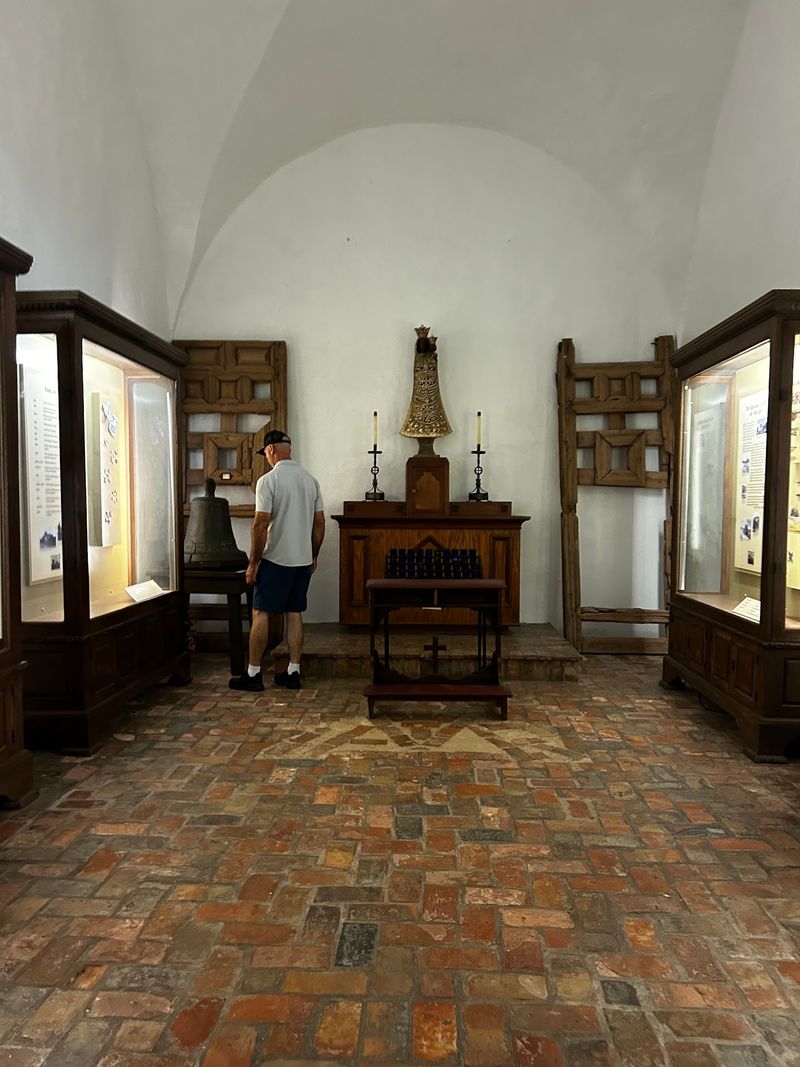
The main museum rooms sit on ground level with wide doorways accommodating wheelchairs and walkers. Display cases are positioned at heights that work for seated visitors. While the rampart walls present obvious accessibility challenges, most of the fort’s significant areas remain reachable for everyone.
Families with strollers find the fort easy to navigate. The courtyard’s flat, paved surfaces make pushing strollers simple, and the compact layout means young children won’t get exhausted walking long distances. Shaded areas provide rest spots during hot Texas afternoons.
The educational video shown at the beginning of visits offers an excellent orientation for all visitors. This short film provides historical context that enhances the physical tour, and the comfortable viewing area accommodates various needs. Reviewers frequently mention how much they appreciated this informative introduction.
Staff members demonstrate awareness and sensitivity toward accessibility needs. They proactively offer assistance and alternative viewing options when certain areas prove difficult to access. This thoughtful approach ensures everyone can participate in the historical experience regardless of physical limitations.
The fort’s commitment to accessibility reflects broader values about preserving history for all Texans. By removing barriers, Presidio la Bahía ensures that everyone can connect with this crucial chapter of Texas heritage and understand the sacrifices made here.
Share this story