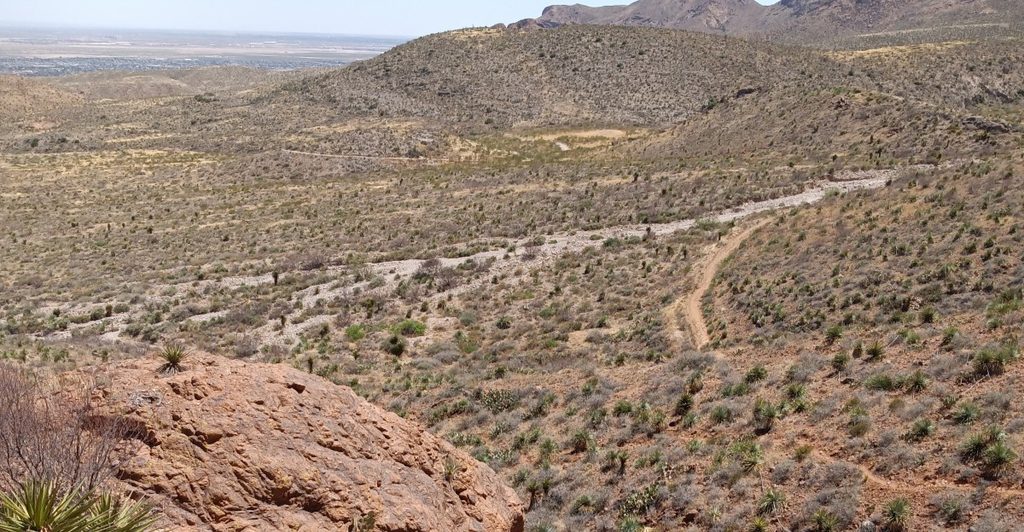
Hidden in the rugged Franklin Mountains just outside El Paso lies a trail that leads adventurers back in time to a forgotten piece of Texas mining history. The Old Tin Mines Trail winds through desert terrain for roughly three miles before reaching its spectacular destination: abandoned mining tunnels you can actually explore. What started as a short-lived tin mining operation in the early 1900s has become one of the most unique hiking experiences in West Texas, combining scenic mountain views with the thrill of underground exploration.
1. Starting Your Journey From Chuck Heinrich Memorial Park
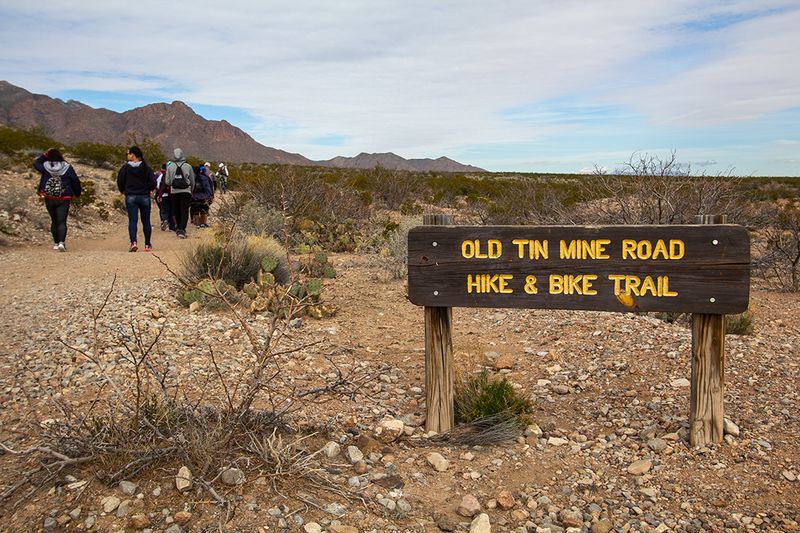
Your adventure begins at Chuck Heinrich Memorial Park, the most popular starting point for reaching the tin mines. The park features a self-pay station where you’ll drop five dollars per person into an envelope or use your online reservation number. Parking fills up quickly on weekends, especially Saturday mornings when mountain bikers and hikers compete for spots, but street parking in the nearby neighborhood offers backup options.
The trailhead might seem a bit confusing at first since there aren’t bathroom facilities and the path isn’t immediately obvious. Walk toward the left side of the parking area and you’ll spot the wide, well-maintained trail heading into the mountains. Early morning starts work best, giving you cooler temperatures for the six-mile round trip and better chances of spotting wildlife without crowds.
Bring cash for the entrance fee since the honor system relies on those envelopes at the trailhead. Many visitors report seeing others skip payment, but supporting Texas State Parks keeps these trails accessible for everyone. The park operates from 8 AM to 5 PM daily, so plan your hike to finish before closing time.
Pack more water than seems necessary because the desert sun hits hard even during cooler months. The trail offers zero shade until you reach the mines themselves, making hydration absolutely critical for a safe, enjoyable experience.
2. The Mostly Flat Trail That Surprises Everyone
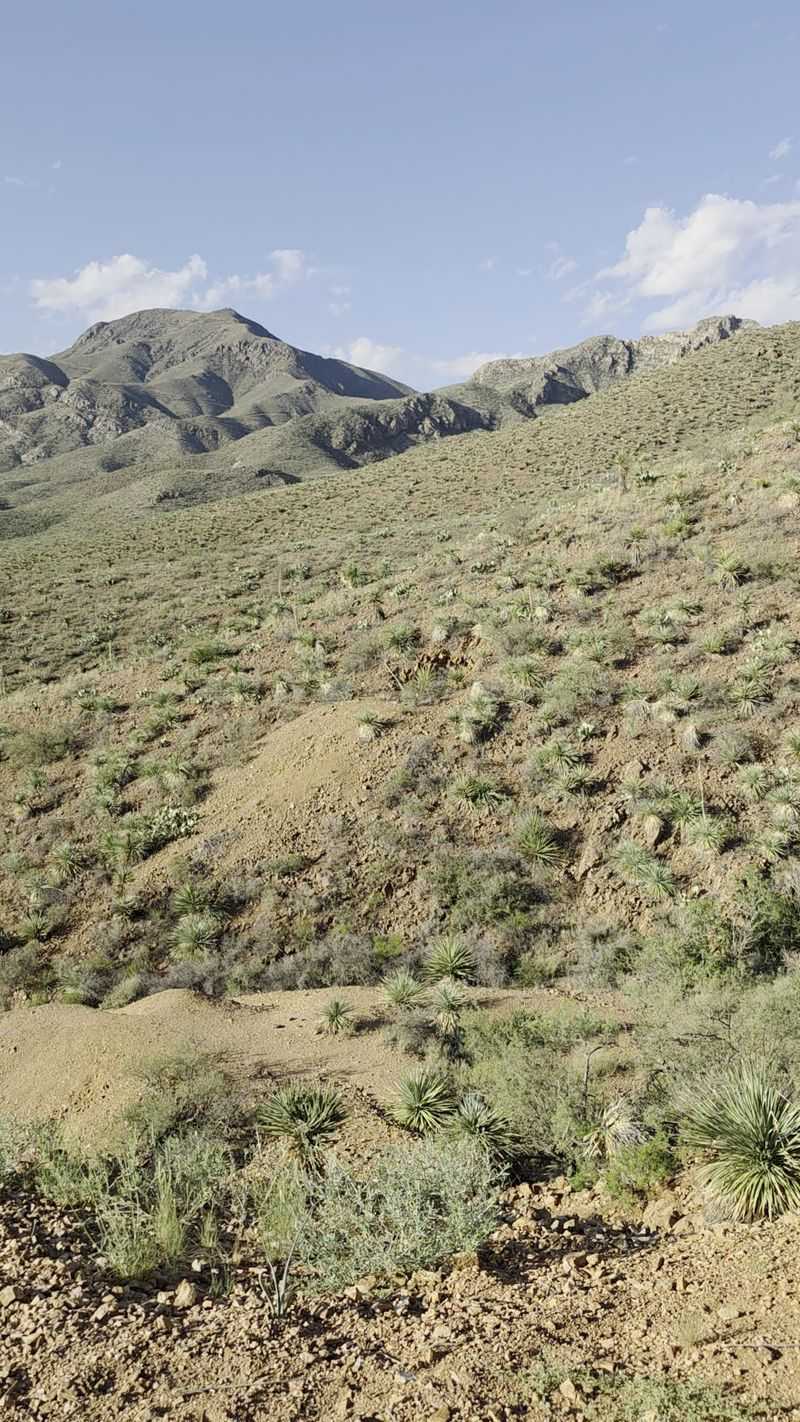
Hikers consistently rave about how manageable this trail feels for most of the journey. The path stretches roughly three miles from the parking area to the mines, maintaining a gentle, gradual incline that even beginners handle comfortably. Loose gravel covers the entire route, crunching under your boots and requiring decent footwear to prevent ankle rolls or blistering.
Mountain bikers share this trail enthusiastically, so stay alert and move to the side when you hear wheels approaching from behind. Common courtesy keeps everyone safe and happy on busy weekend mornings. About halfway to your destination, you’ll pass a bike repair station, a thoughtful addition that shows how well-maintained this route truly is.
Clear signage marks the way at key intersections, though some hikers report wishing for more directional signs as you approach the mines themselves. The trail crosses numerous other paths throughout the Franklin Mountains, but following the main route toward Mundy’s Gap keeps you on track. GPS helps tremendously if you’re prone to second-guessing turns.
Plan for roughly 90 minutes to three hours total depending on your pace and photo stops. The relatively flat terrain makes conversation easy, dogs love the adventure (just keep them leashed), and the consistent width accommodates groups walking side-by-side comfortably for most of the journey.
3. Spectacular Desert Views Along The Way
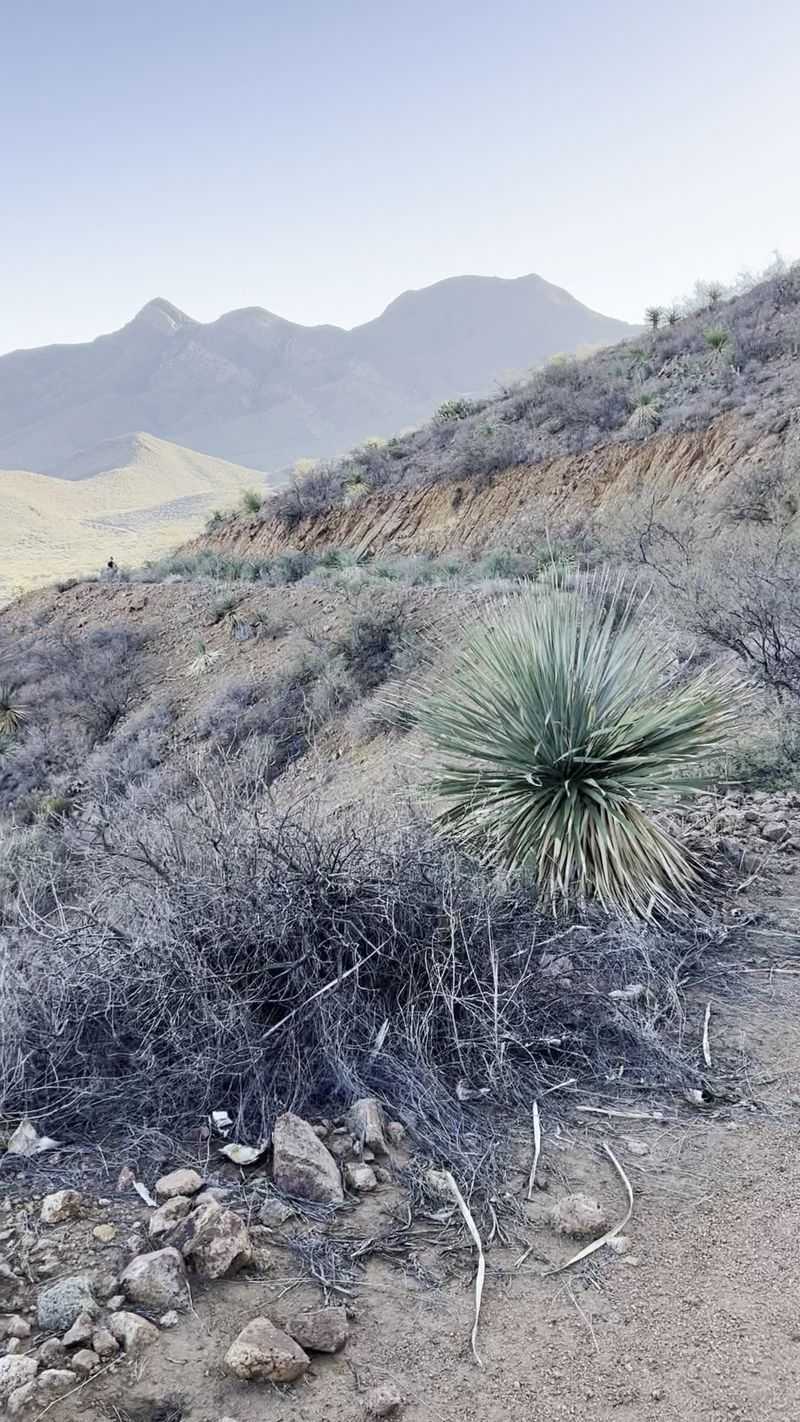
Between focusing on your footing and watching for bikers, don’t forget to look up and appreciate the stunning scenery surrounding you. The trail offers incredible views of El Paso spreading across the valley below, the mountains rising dramatically on all sides, and yucca plants dotting the landscape with their distinctive silhouettes. Photographers find endless opportunities for capturing the raw beauty of West Texas desert terrain.
The Franklin Mountains create a unique ecosystem where Chihuahuan Desert plants thrive alongside rocky outcroppings. Sharp-eyed hikers spot various desert wildlife, though most creatures wisely stay hidden during the heat of day. The wind picks up frequently in this exposed terrain, sometimes helping cool you down but occasionally requiring extra balance on loose gravel sections.
Seasonal changes bring different visual treats to this landscape. Spring wildflowers add unexpected splashes of color after winter rains, while autumn provides slightly cooler temperatures that make the hike more comfortable. Summer demands early morning starts to avoid dangerous heat exposure on this shadeless route.
Many visitors mention feeling completely immersed in wilderness despite the city’s proximity. The trail winds through terrain that looks unchanged for centuries, creating a genuine escape from urban life. Taking breaks to simply absorb the vast desert panorama makes the journey as rewarding as the destination itself.
4. The Final Steep Push To The Mines
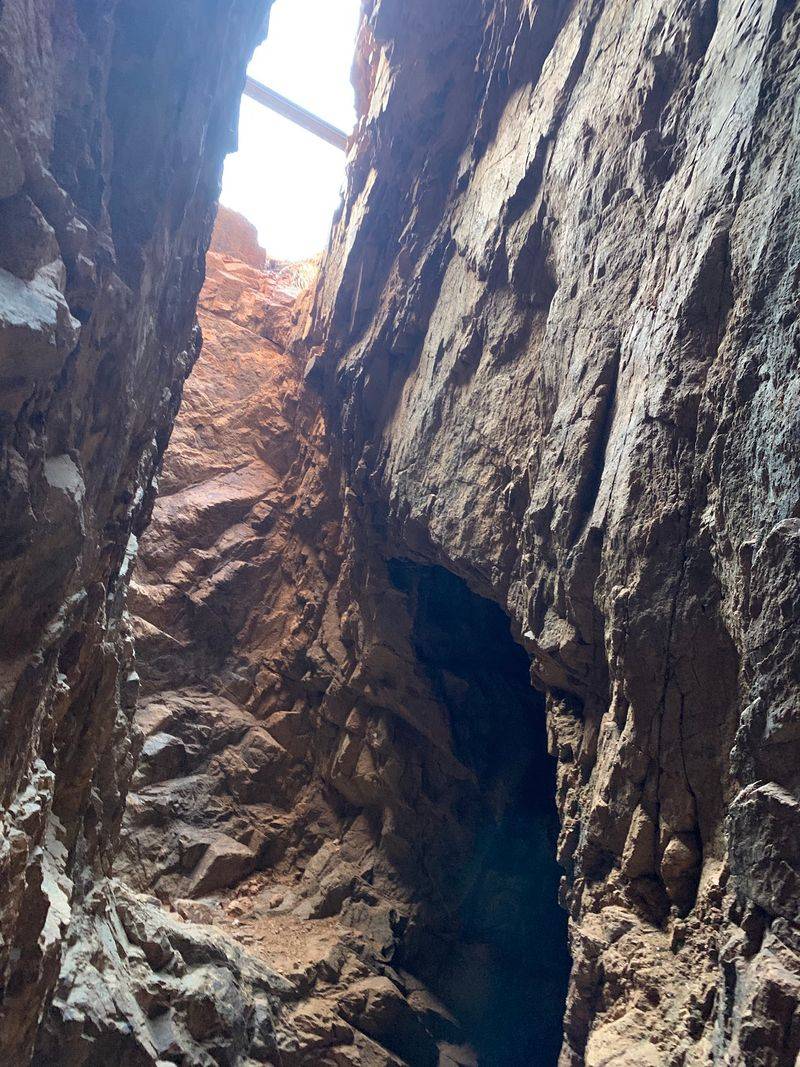
After enjoying that mostly gentle terrain, the trail throws a curveball in the final 200 yards before reaching the mines. The incline suddenly steepens, loose gravel becomes trickier to navigate, and rocks require more careful foot placement. This short but challenging section catches some hikers off guard, especially those who brought kids or less experienced friends along.
Hiking poles prove their worth during this final push, helping maintain balance when rocks shift underfoot. The elevation gain totals around 1,000 feet for the entire hike, with a significant chunk concentrated in this last stretch. Take your time, watch your footing, and remember that what goes up must come back down the same steep path later.
Look to your left as you climb because the mine entrances hide behind metal grates that aren’t immediately obvious from the main trail. Some hikers walk right past them, continuing up a dry creek bed before realizing they’ve gone too far. AllTrails GPS sometimes shows the endpoint beyond the actual mine location, adding to the confusion.
The physical effort required for this final climb makes reaching the mines feel like a genuine accomplishment. Catching your breath at the top, you’ll understand why miners chose this elevated location. The steep approach also explains why this hike earns a moderate difficulty rating despite the mostly easy terrain leading up to this point.
5. Finding The Hidden Mine Entrances
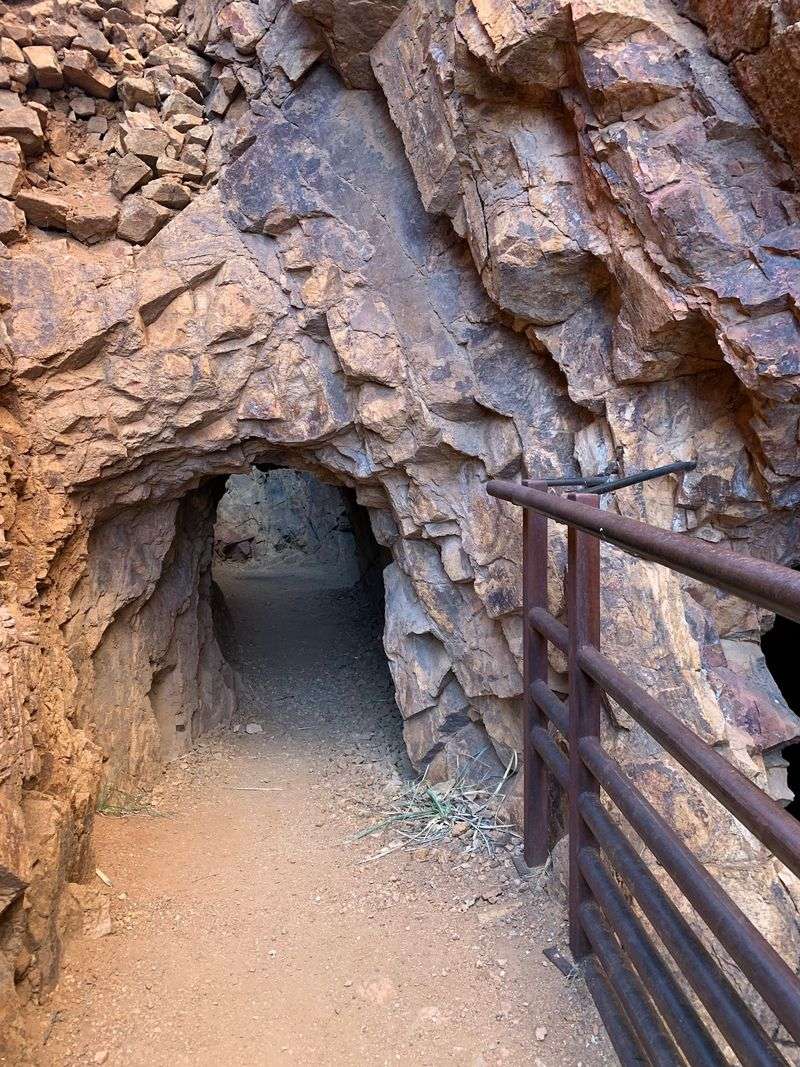
Locating the actual mine entrances frustrates many first-time visitors because signage practically doesn’t exist at this crucial point. The bottom entrance hides behind a metal grate on your left as you climb the mountainside. Duck under this grate and you’ll spot metal railings marking the tunnel entrance, a reassuring sign that you’ve found the right spot.
The second entrance requires following wooden steps built into the ground that lead down the slope. Soon you’ll reach a small door opening that demands crawling to enter, though the tunnels themselves open up to comfortable standing height once you’re inside. At five feet nine inches, most adults walk freely through the majority of tunnel sections without hunching.
A scenic overlook sign near the mines confuses some hikers who expect more obvious markers pointing directly to mine entrances. Patient exploration reveals both accessible tunnels, rewarding those who take time to investigate the area thoroughly. Other collapsed mine entrances dot the landscape throughout this region, but the two main tunnels offer the safest exploration opportunities.
Some adventurous souls discover a lesser-known third mine and old refinery ruins south of the main site, heading toward Mundy’s Gap. These bonus discoveries require more serious exploring skills and GPS confidence. For most visitors, the two primary tunnels provide plenty of underground adventure without venturing into potentially dangerous territory.
6. Exploring The Dark Tunnels Inside
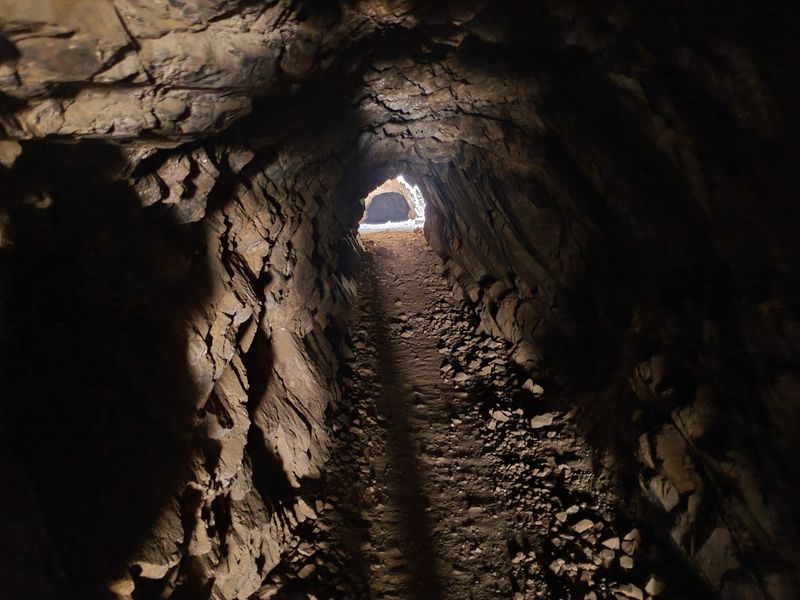
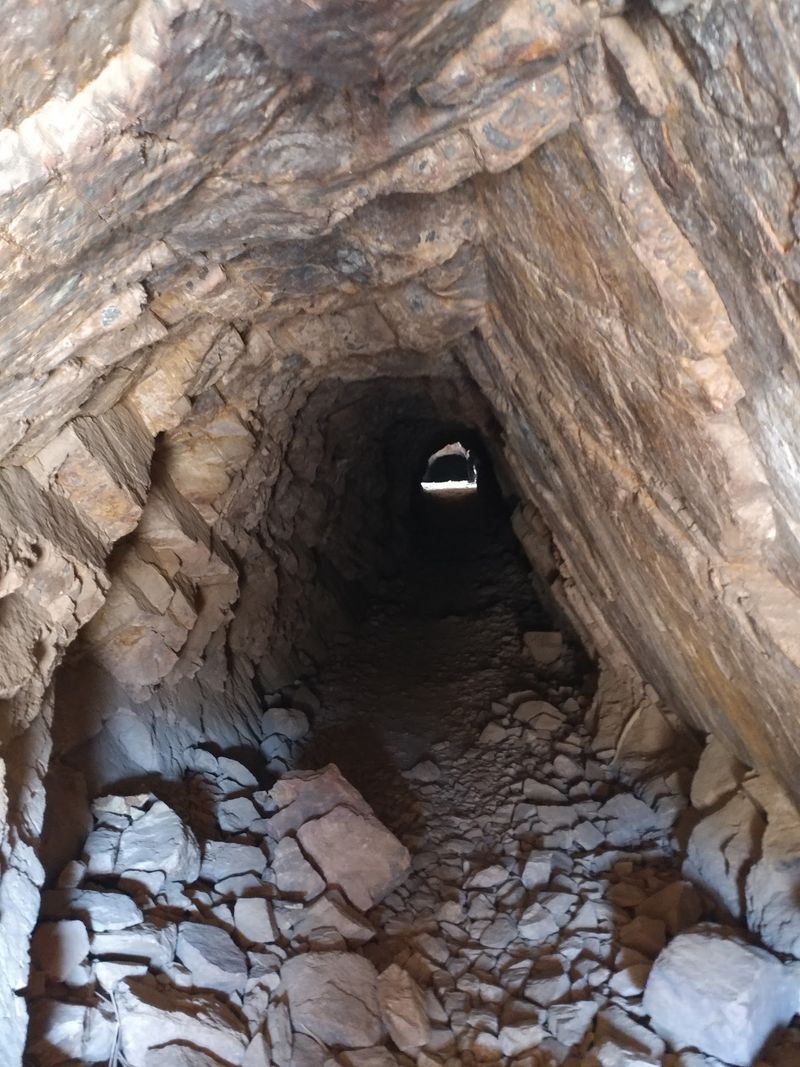
Stepping into the cool darkness of these century-old tunnels creates an unforgettable experience that separates this hike from typical desert trails. Bring powerful flashlights or headlamps because phone lights barely cut through the pitch-black interior, and dropping your phone on the rocky floor would seriously ruin your day. Headlamps work best since they free both hands for balance and stability.
The tunnels stretch back a couple hundred yards with a few forks branching off, but the layout isn’t complex enough to actually get lost. Both entrances serve as the only exits, so you can’t accidentally wander into a maze situation. Sharp rocks cover the floor, making sturdy hiking boots essential for protecting your feet from painful jabs.
Dust fills the air inside, stirred up by every visitor who passes through. The temperature drops noticeably compared to the scorching outside heat, offering welcome relief after that steep final climb. Light streaming through the entrances creates dramatically photogenic scenes, especially where sunbeams cut through the darkness to illuminate the rocky walls.
Most sections allow comfortable standing and walking for average-height adults, with only occasional low spots requiring slight ducking. True claustrophobics might struggle with the enclosed spaces and darkness, but the tunnels feel surprisingly open compared to tight cave systems. The entire exploration takes 30 to 45 minutes depending on how thoroughly you investigate every branch.
7. The Short-Lived Mining Operation History
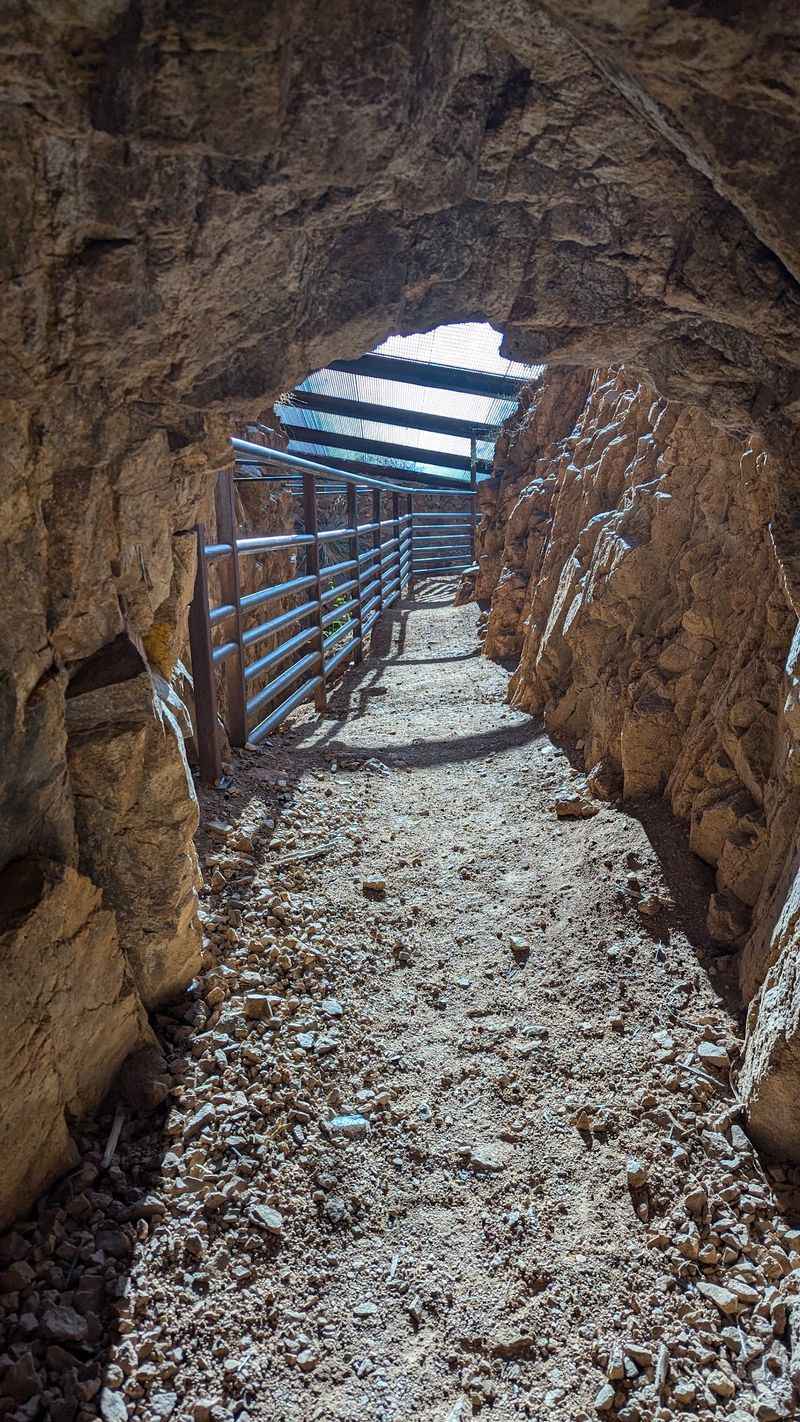
These tunnels tell the story of optimistic miners who arrived in the early 1900s hoping to strike it rich with tin deposits in the Franklin Mountains. Their dreams fizzled quickly when they realized the tin quantities couldn’t support profitable mining operations. The abandoned tunnels and equipment remnants stand as monuments to this failed venture, frozen in time for modern explorers to discover.
Walking through these passages, you can almost picture the miners working by lamplight, hauling equipment through narrow spaces, and dealing with the harsh desert climate. The metal railings still visible at entrances hint at the infrastructure they built expecting long-term operations. Instead, the mines were abandoned relatively quickly, left to the elements and eventually to hikers seeking adventure.
Franklin Mountains State Park preserves this historical site, allowing public access while maintaining basic safety measures like those metal grates. The park’s website offers more detailed history for those interested in learning about El Paso’s mining past. These particular mines represent just one chapter in the region’s broader mining history spanning various minerals and eras.
The refinery ruins near the secondary mine show how extensively the operation was planned before reality dashed those hopes. Today’s visitors benefit from the miners’ misfortune, inheriting a unique destination that combines hiking, history, and hands-on exploration in ways few other trails can match.
8. Essential Gear And Safety Tips
Successfully completing this adventure requires more preparation than a typical desert hike because of the mine exploration component. Powerful flashlights or headlamps top the must-bring list since phone lights simply won’t cut it in those pitch-black tunnels. Pack backup batteries or a second light source in case your primary fails underground.
Sturdy hiking boots with good ankle support protect against the loose gravel covering the entire trail and the sharp rocks littering the tunnel floors. Regular tennis shoes lead to blisters, twisted ankles, or painful foot jabs that can ruin your day. Thick socks prevent rubbing during the six-mile round trip journey.
Water requirements exceed what you’d normally carry because the shadeless trail and desert climate dehydrate you faster than expected. Bring at least twice what seems reasonable, especially during warmer months. Hiking poles help tremendously during the steep final approach and the equally challenging descent back down.
Check for snakes, particularly near the secondary mine entrance where one hiker reported a large snake emerging from a small cave. Stay alert, watch where you place hands and feet, and remember that wildlife lives here year-round. Start early to avoid the worst heat and finish before the park closes at 5 PM.
Weekend crowds mean sharing the trail with many mountain bikers, so stay aware of your surroundings and move aside when faster traffic approaches from behind.