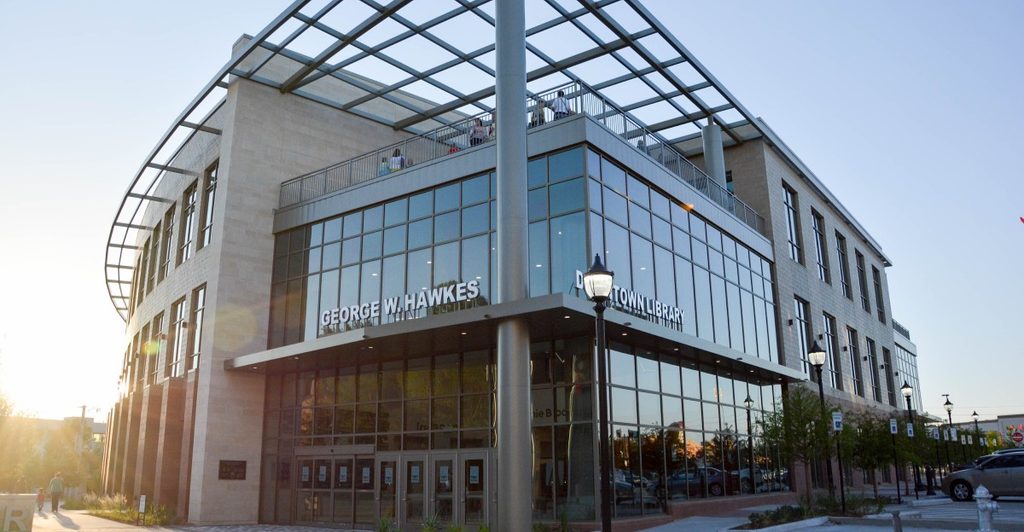
Most libraries stick to quiet rows of books and stern shushing, but the George W. Hawkes Downtown Library in Arlington flips that script completely. Spread across three floors right next to UTA’s campus, this place feels more like a creative playground than a traditional library.
From giant chess boards to maker spaces where you can actually build stuff, it transforms reading and learning into hands-on adventures that pull you right into the action.
1. A Kids Area That Feels Like Stepping Into Wonderland
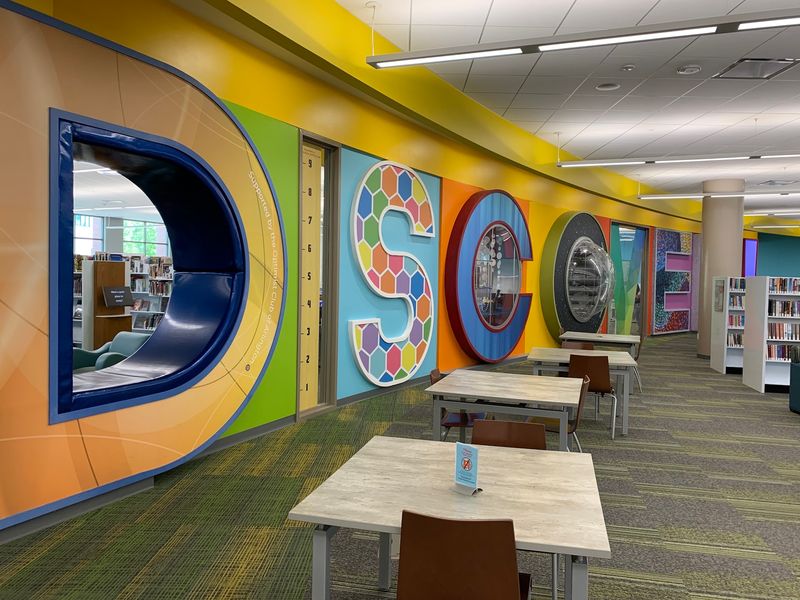
Walk into the children’s section and you’ll immediately notice something different. Books sit in low bins instead of towering shelves, letting even the smallest readers flip through covers and pick their own adventures without adult help. Toddlers who can’t read yet get to judge books by their colorful illustrations, making selection part of the fun.
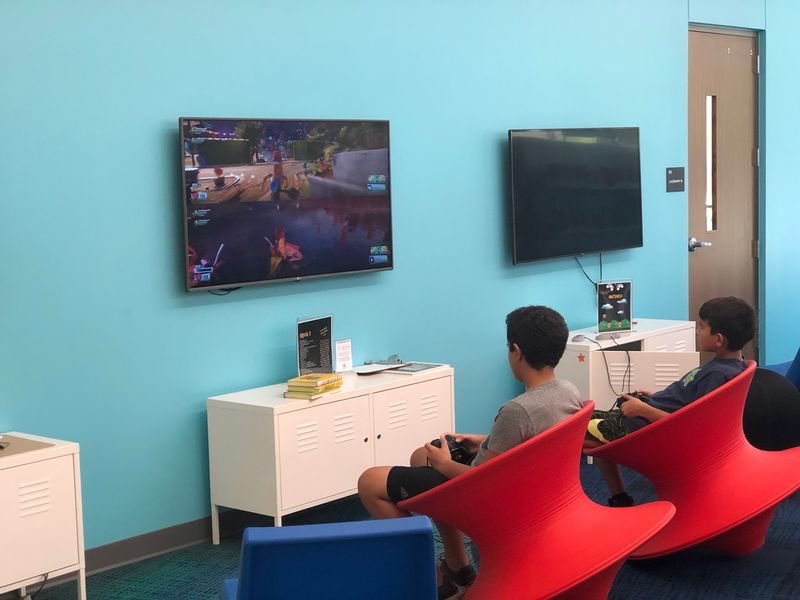
Climbing structures invite active exploration while play tables loaded with building blocks keep hands busy between chapters. Video game stations give older kids a tech break, and computers offer educational programs that feel more like play than work. Parents love how the self-checkout system works flawlessly, turning even library logistics into a teaching moment.
Live book readings happen regularly, with storytellers bringing characters to life right before kids’ eyes. Weekly concerts and dance classes add rhythm and movement to the literary experience. The space stays clean and organized despite constant activity, with staff who genuinely enjoy helping young visitors find their next favorite story.
One mom mentioned how her daughter discovered the joy of browsing when she could actually see book covers instead of just spines. That simple design choice transforms passive reading into active discovery. The area proves that libraries can honor tradition while embracing the way modern kids actually learn and play, creating memories that stick long after the books get returned.
2. Study Rooms That Actually Let You Focus
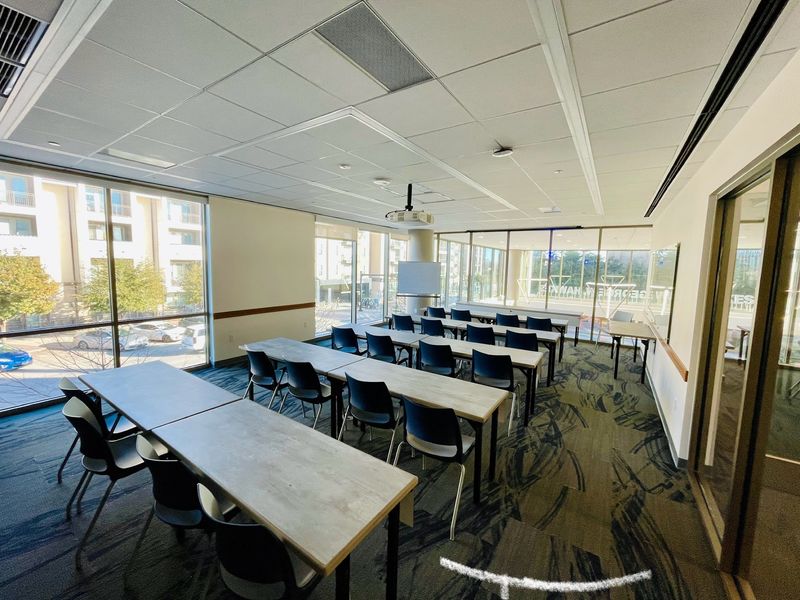
Finding a quiet spot to actually concentrate can feel impossible on a busy campus. The Hawkes Library solves this with reservable study rooms scattered throughout its three floors, giving students and professionals dedicated space away from distractions. These aren’t cramped closets either but properly designed work environments with natural light and modern furniture.
Groups can claim a room for project meetings without worrying about disturbing others. The glass walls maintain an open feel while sound insulation keeps noise contained. Whiteboards line the walls, perfect for brainstorming sessions or mapping out complex ideas that need visual organization.
Individual study spaces offer variety too, from window seats overlooking downtown Arlington to tucked-away corners perfect for deep concentration. The building stays remarkably clean and well-lit, making long study sessions less draining. Staff announcements before closing give you plenty of warning to pack up, though some visitors wish there were more charging stations at every seat.
The library’s location near UTA means student energy fills the building, especially during finals. Some folks find this vibe motivating while others prefer quieter branch locations for serious work. Phone conversations can occasionally break the peaceful atmosphere since there’s no strictly enforced quiet zone, though the outdoor patio offers an alternative for calls.
Despite minor quirks, these study spaces deliver what stressed students and focused professionals need most: reliable, comfortable places to get things done without fighting for a table or dealing with coffee shop chaos.
3. The Maker Space Where Ideas Become Real Things
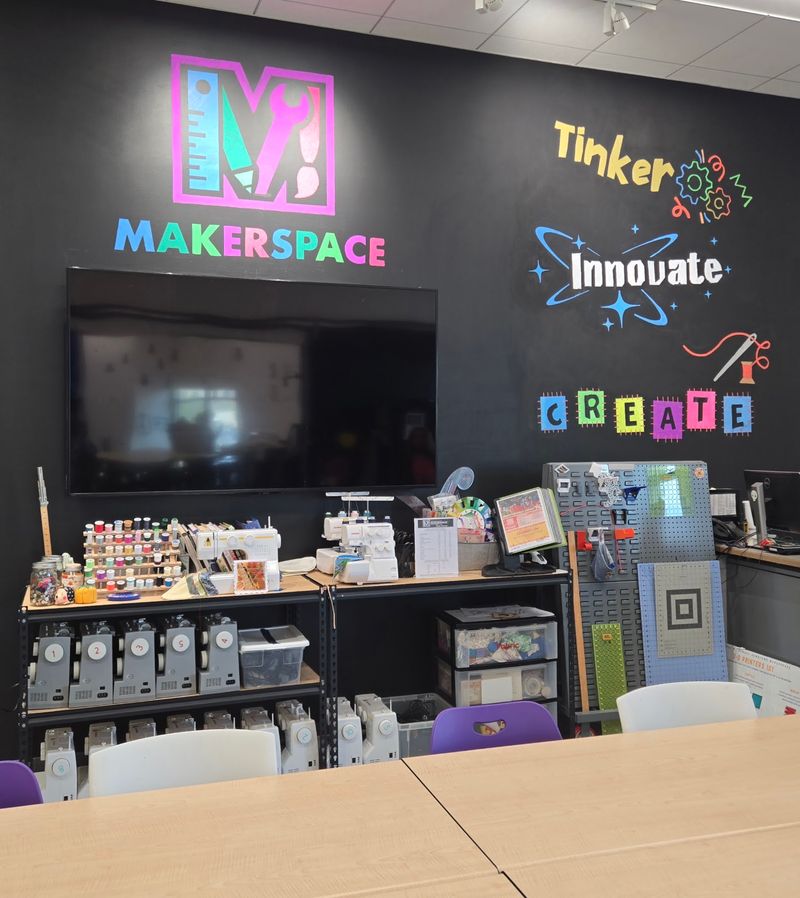
Tucked inside this library sits a maker space that turns abstract ideas into physical objects you can hold. 3D printers hum alongside traditional craft supplies, bridging old-school creativity with cutting-edge technology. Business owners use the space to prototype products while students bring class projects to life in ways textbooks never could.
The technology feels accessible rather than intimidating, with staff ready to help newcomers figure out equipment. Print and copy services go beyond basic black-and-white pages, offering tools for professional presentations and creative projects. Drawing boards let artists sketch concepts before moving to digital creation, keeping the human touch in the process.
This isn’t just a tech showcase gathering dust behind glass. Real people use these resources daily, transforming the library into a genuine workshop for the community. Parents bring kids to explore engineering concepts through hands-on building, making STEM education feel like play rather than homework.
The maker space philosophy extends throughout the building. A shop sells library-branded souvenirs and tees, celebrating the space as a destination worth remembering. The giant chess board outside invites strategic thinking in oversized format, turning an ancient game into a physical experience.
Everything here pushes beyond passive consumption toward active creation.
Reviews consistently highlight this aspect as something special, a feature that separates the Hawkes Library from typical book repositories. When a library gives you tools to make things, it stops being just a place to borrow stories and becomes a launchpad for your own.
4. An Outdoor Patio With Actual Skyline Views
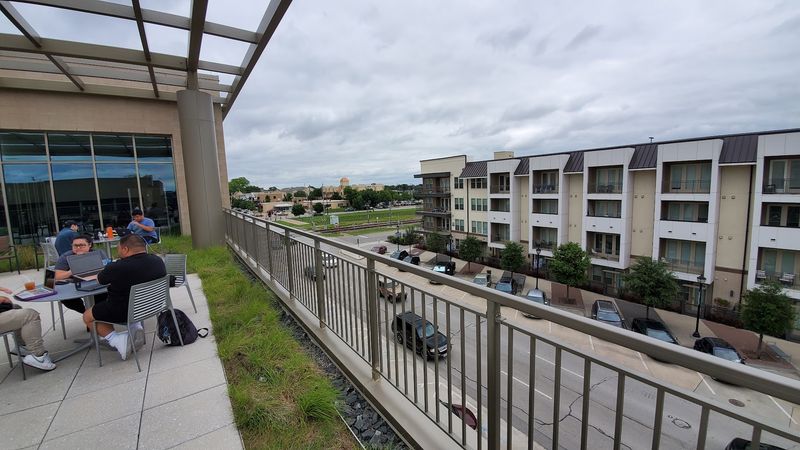
Most library patios offer views of parking lots or brick walls. The third-floor outdoor space at Hawkes delivers something actually worth looking at: downtown Arlington and City Hall spreading out below you. Fresh air and natural light make this spot perfect for reading breaks or phone calls that don’t belong inside quiet study areas.
The patio solves a common library problem by giving loud talkers somewhere to go. Instead of shushing people or suffering through one-sided phone conversations, visitors can step outside without leaving the building entirely. The setup respects both those who need silence and those who need to communicate while still using library resources.
Peaceful landscaping complements the urban views, with the famous lion water fountain providing a focal point that multiple reviews mention. The outdoor area feels intentionally designed rather than tacked on as an afterthought. Benches and seating areas invite you to linger rather than just pass through quickly.
Some visitors discover this space by accident while exploring all three floors. That sense of discovery adds to the charm, like finding a secret rooftop retreat in the middle of a busy day. The patio works equally well for solo reflection or casual meetups with friends between classes.
During nice weather, this becomes one of the library’s most valuable features. You can take your book outside without leaving the building’s ecosystem, combining the best parts of indoor comfort with outdoor refreshment. It’s the kind of thoughtful design that shows someone actually considered how real people use library spaces throughout their day.
5. Event Spaces You Can Rent For Real Celebrations
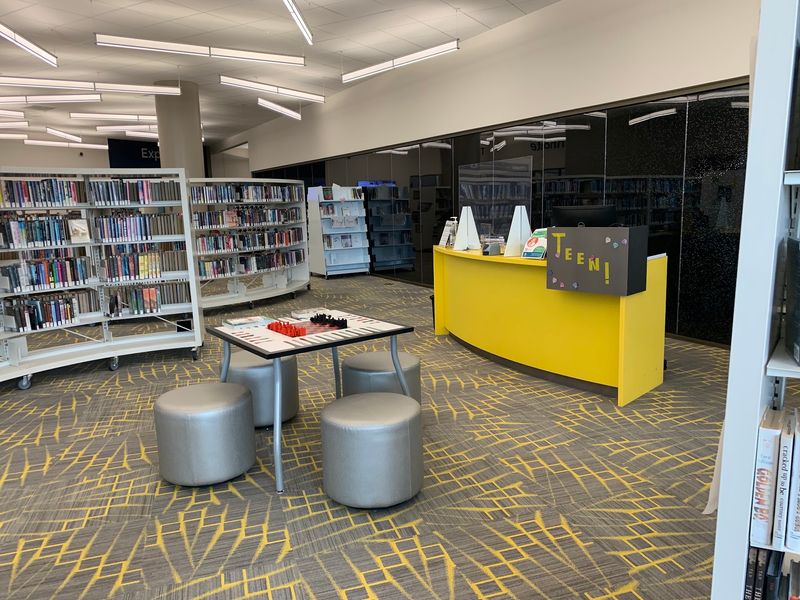
Libraries typically host book clubs and author talks, not wedding receptions and baby showers. The Hawkes Library breaks this mold with rentable event spaces complete with catering areas, available for 75 dollars an hour. Suddenly your celebration gets a sophisticated backdrop without the premium venue price tag.
The spaces work for professional meetings just as easily as personal milestones. Business owners can host client presentations in an environment that feels polished and accessible. The modern architecture photographs beautifully, which explains why groups book the location specifically for pictures even when they’re not holding full events there.
Handicap accessibility means everyone can participate without logistical nightmares. The building’s central location near UTA and downtown Arlington makes it easy for guests to find, with a parking garage across the street handling overflow when street parking fills up. Walking distance to restaurants solves the eternal question of where to eat before or after your event.
This multi-use approach transforms the library into a true community center rather than just a book warehouse. When a space can host a child’s birthday party in the morning and a professional development workshop in the afternoon, it becomes woven into the fabric of daily life. The library stops being a special-occasion destination and becomes part of regular routines.
Some visitors stumble upon wedding setups or celebrations while browsing for books, discovering capabilities they never knew libraries possessed. That element of surprise reinforces how this building constantly exceeds traditional expectations, offering services that feel more like a full-service community hub than a simple reading room.
6. A Collection That Goes Way Beyond Books
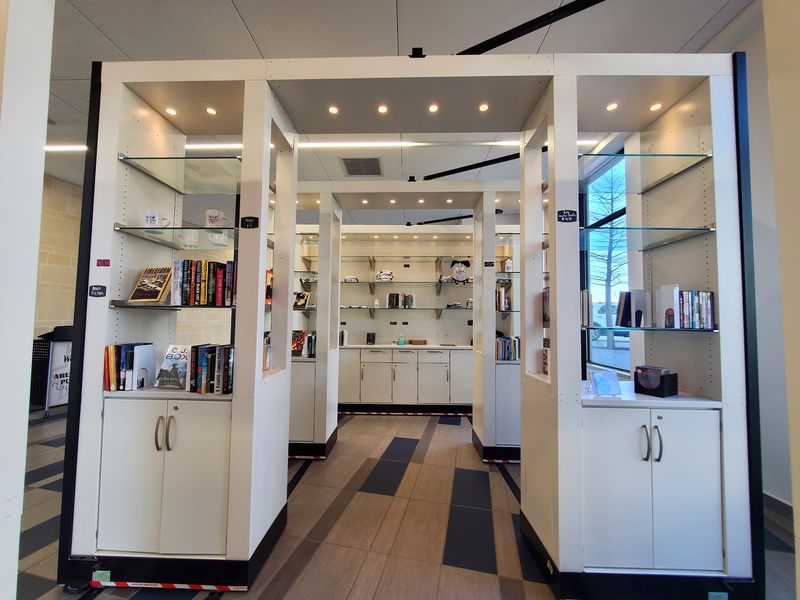
Shelves packed with graphic novels sit alongside traditional literature, acknowledging that stories come in many visual formats. Audiobooks give commuters and multitaskers access to narratives that fit their lifestyle. Movies and TV shows on DVD prove the library understands entertainment and education aren’t mutually exclusive categories.
The variety means different learning styles all get served. Visual learners gravitate toward graphic novels while auditory processors check out spoken-word collections. Someone researching film history can borrow actual movies instead of just reading about them.
This multimedia approach makes knowledge accessible regardless of how your brain best processes information.
One reviewer mentioned stumbling upon Six Flags and amusement park maps laid out for browsing, an unexpected touch that celebrates local culture and nostalgia. These quirky additions show curators thinking beyond standard library fare, including items that spark joy and memories rather than just checking academic boxes. The collection feels curated by people who actually use libraries themselves.
Book selection gets consistent praise in reviews, with enough depth to satisfy serious readers and enough variety to help casual browsers discover new interests. The wide assortment means you can walk in looking for one specific title and leave with three others you didn’t know you needed. Serendipitous discovery becomes part of every visit.
This abundance of formats and subjects positions the library as a genuine resource center rather than a book-lending service with extras. When you can borrow a cookbook, the movie adaptation of your favorite novel, and a graphic novel about Texas history all in one trip, the library becomes genuinely indispensable to daily life.
7. Architecture That Actually Inspires You
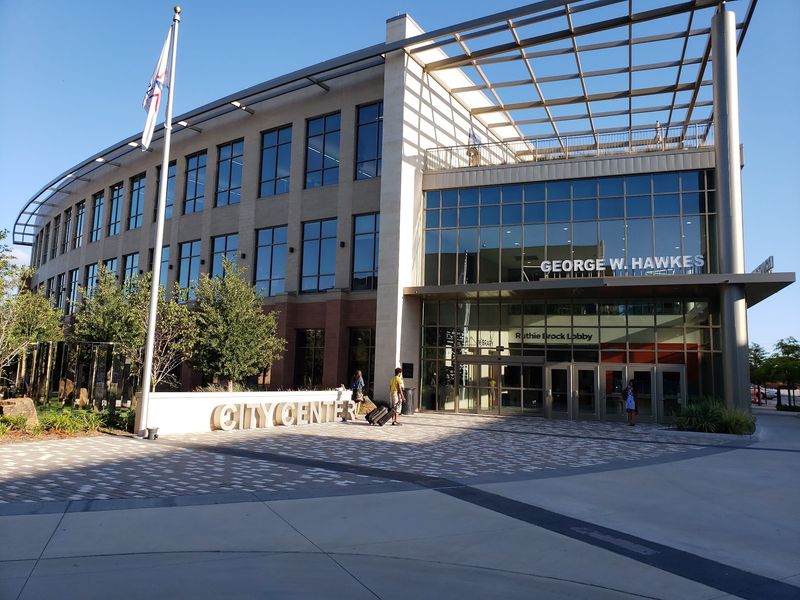
The building itself functions as an attraction separate from what’s inside. Modern design with clean lines and abundant windows creates an environment that feels energizing rather than stuffy. Natural light floods interior spaces, reducing the cave-like atmosphere that plagues older libraries and makes long visits feel draining.
Reviews repeatedly describe the building as beautiful, gorgeous, and peaceful, words not typically associated with municipal architecture. The consistent cleanliness impresses visitors who’ve experienced other public spaces where maintenance clearly takes a back seat. Every floor offers something visually interesting, rewarding exploration with new perspectives on the space.
A wall of mirrors creates unexpected visual interest while making spaces feel larger and more dynamic. The design choices feel intentional rather than random, like someone actually considered how architecture affects mood and productivity. Good organization means you can find what you need without getting lost in a confusing maze of identical-looking sections.
From the outside, landscaping complements the modern structure without overwhelming it. The building fits its downtown location while maintaining its own identity, becoming a landmark people reference when giving directions. First-time visitors consistently express surprise at how impressive the space feels, expecting a standard library and discovering something closer to a cultural center.
This attention to aesthetics matters more than it might seem. When a building feels inspiring, you want to spend time there. When spaces feel thoughtfully designed, you treat them with more respect.
The architecture itself becomes part of the library’s mission, creating an environment where learning and creativity feel natural rather than forced.
8. A Staff That Actually Wants To Help
Helpful and patient staff get mentioned across multiple reviews, a detail that might seem small but makes enormous practical difference. Library systems can feel intimidating with their classification schemes and borrowing rules, so having people willing to guide you through the process removes a major barrier to access. The team seems genuinely invested in helping visitors find what they need.
Customer service quality separates good libraries from great ones. You can have the best collection and most beautiful building in Texas, but if staff make you feel stupid for asking questions, you won’t come back. The Hawkes Library clearly understands this, creating a welcoming atmosphere where questions get answered without judgment.
Some confusion exists around partnership agreements with neighboring cities, with one reviewer noting staff seemed unclear on which benefits extend to non-Arlington residents. This represents a training opportunity rather than a fundamental problem, though it shows even excellent teams have room for improvement. Clear communication about policies helps everyone feel included rather than othered.
Staff make closing announcements to remind people to gather belongings, a simple courtesy that prevents lost items and frustration. They maintain the lost and found and help patrons track down missing things. These small touches demonstrate respect for visitors and their property, building trust that makes the library feel like a safe community space.
When library workers genuinely enjoy their jobs, it shows in every interaction. Patience with confused students, enthusiasm when helping kids find books, professionalism with business patrons seeking resources all contribute to an environment where everyone feels welcome to learn and explore at their own pace.