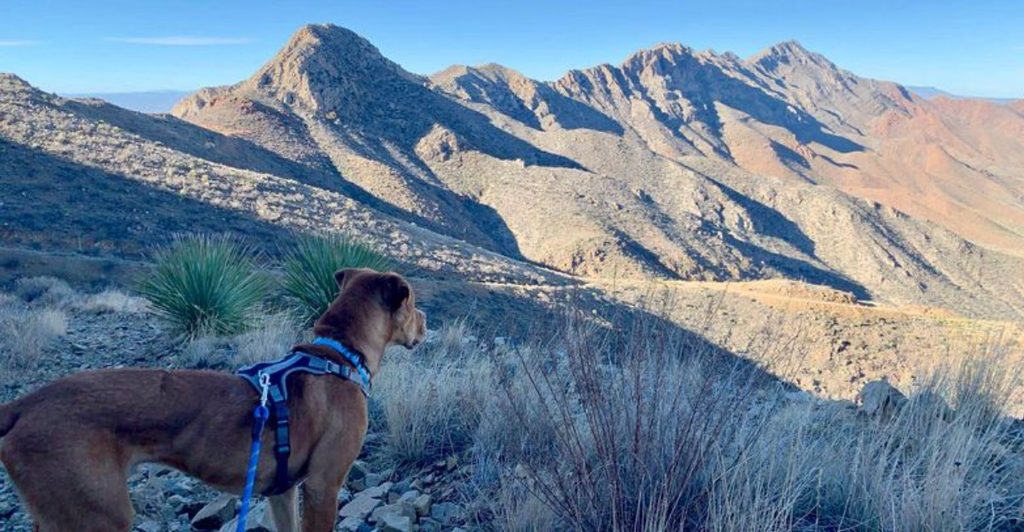
Standing at the edge of Franklin Mountains State Park, you’ll swear someone edited the view with a filter. The rugged desert peaks, sprawling city below, and endless sky create a panorama that feels too perfect to be natural. This urban wilderness right in El Paso offers some of the most jaw-dropping overlooks in Texas, proving you don’t need to travel far to find beauty that takes your breath away.
1. Sunrise at North Franklin Peak
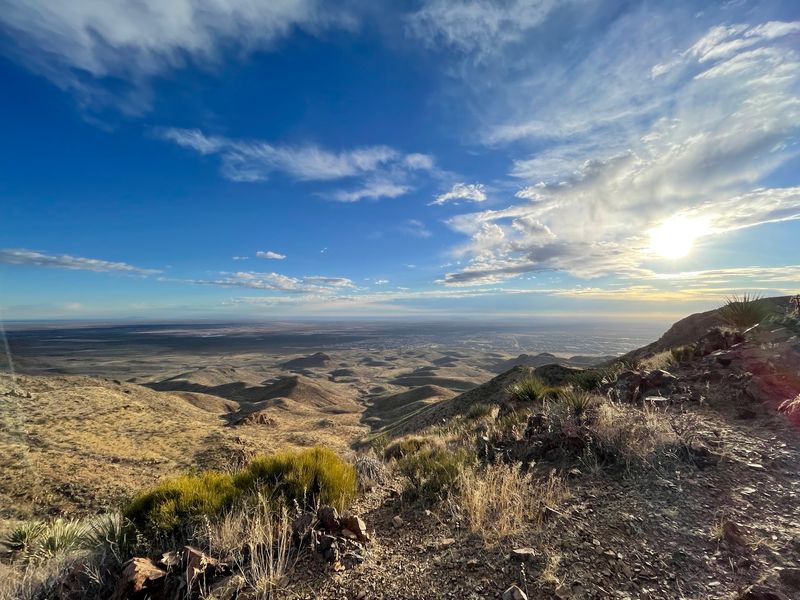
Catching dawn from North Franklin Peak feels like watching the earth wake up in slow motion. The 7,192-foot summit rewards early risers with colors that shift from deep purple to blazing orange across the Chihuahuan Desert. El Paso sprawls below like a glittering carpet, and if you time it right, you’ll see the sun break over the horizon just as the city lights start to fade.
Getting up there requires commitment since the trail covers about seven miles round trip with serious elevation gain. Most hikers start around 5 a.m. during summer to avoid the brutal afternoon heat. The rocky path demands sturdy boots and plenty of water, but every steep section pays off when you finally reach the top.
What makes this overlook special isn’t just the height. You’re standing at the highest point in the entire park, with Mexico visible to the south and New Mexico spreading out to the north. The 360-degree views give you a sense of just how massive this desert landscape really is.
Winter and spring offer the most comfortable hiking conditions, though summer sunrises have their own magic. Bring layers since temperatures at the peak run cooler than down below. The descent gets easier once the sun fully rises, lighting up every cactus and rock formation along the way back down.
2. Aztec Cave Trail Overlook
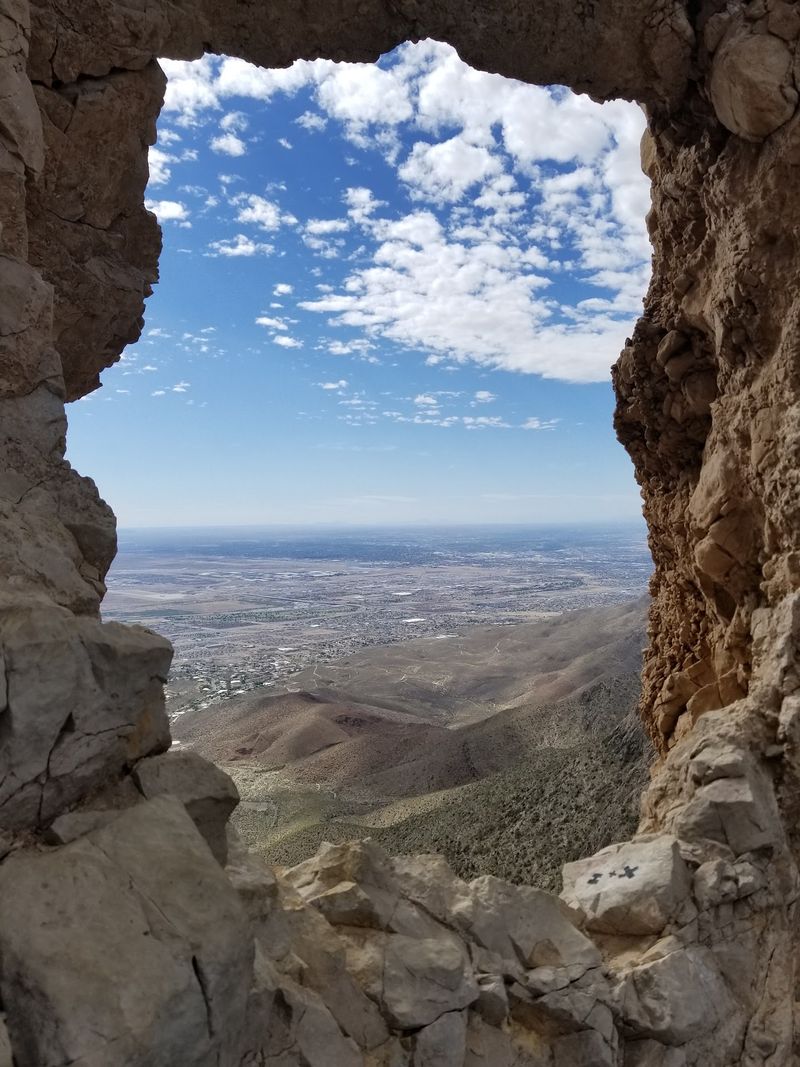
The Aztec Cave sits about halfway up the mountain, offering one of those views that makes you forget how tired your legs feel. Despite the name, this natural rock shelter has zero connection to the Aztec civilization, but nobody cares once they see the panorama. The short 2.3-mile round trip hike makes it accessible for families, though the final scramble up to the cave gets your heart pumping.
Standing inside the shallow cave, you’re perfectly framed by ancient limestone walls that open onto the entire El Paso valley. Military jets from Fort Bliss occasionally roar past at eye level, adding unexpected drama to your photo ops. The trail itself winds through classic Chihuahuan Desert landscape, with barrel cactus and ocotillo lining the well-marked path.
Late afternoon brings the best light, when the sun casts long shadows across the mountains and the city starts glowing in warm tones. Weekends get crowded since this ranks as the park’s most popular destination, so weekday mornings offer more solitude. The loose rocks near the cave entrance require careful footing, especially when other hikers are coming and going.
Even three-year-olds have conquered this trail according to park visitors, though adults should plan on helping little ones with the steeper sections. The cave itself provides welcome shade for resting before heading back down. Pack extra water since the desert sun dehydrates you faster than you’d expect, even on shorter hikes like this one.
3. Sunset Vista from Tom Mays Unit
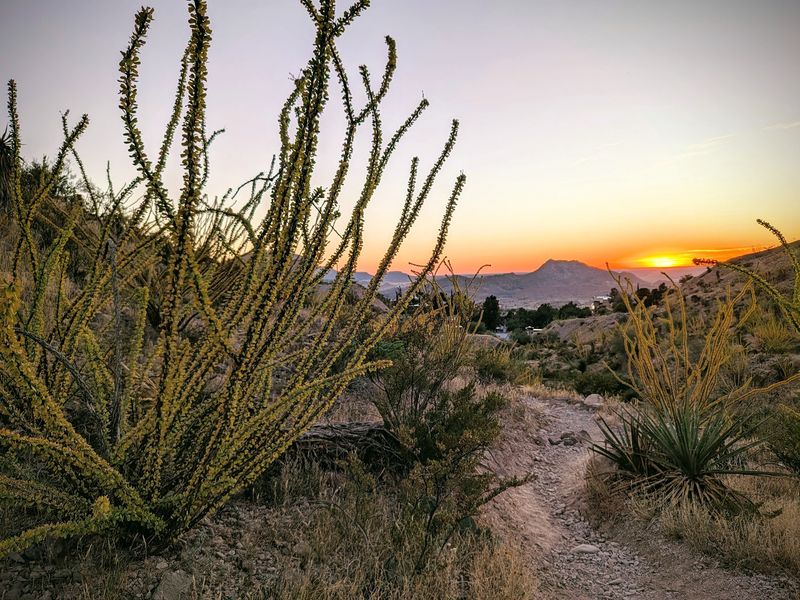
You don’t need to hike for hours to catch a mind-blowing sunset at Franklin Mountains. The picnic areas near the Tom Mays entrance offer front-row seats to evening shows that paint the sky in shades most people don’t believe until they see photos. Families spread out blankets on the rocks, and photographers set up tripods as the light starts its nightly transformation.
What sets this spot apart is how the mountains themselves become part of the color show. The rocky peaks catch fire with reflected light while shadows deepen in the valleys below. El Paso’s grid of streets begins twinkling as streetlights kick on, creating a beautiful contrast between wild nature and urban life.
The accessibility makes this overlook perfect for anyone who can’t tackle steep trails but still wants that postcard-worthy experience. Parking sits right nearby, and the short walk to prime viewing spots works for strollers and wheelchairs. Several picnic tables let you settle in with snacks while waiting for the main event.
Spring and fall deliver the most spectacular sunsets, when dust in the atmosphere creates those intense pinks and purples. Summer storms sometimes roll through just before dusk, adding dramatic cloud formations to the mix. Winter sunsets happen earlier, which works great if you’re visiting with kids who can’t stay out late.
The whole show typically lasts about 45 minutes from first color to full darkness, giving you plenty of time to soak it all in.
4. Ron Coleman Trail Panoramic Points
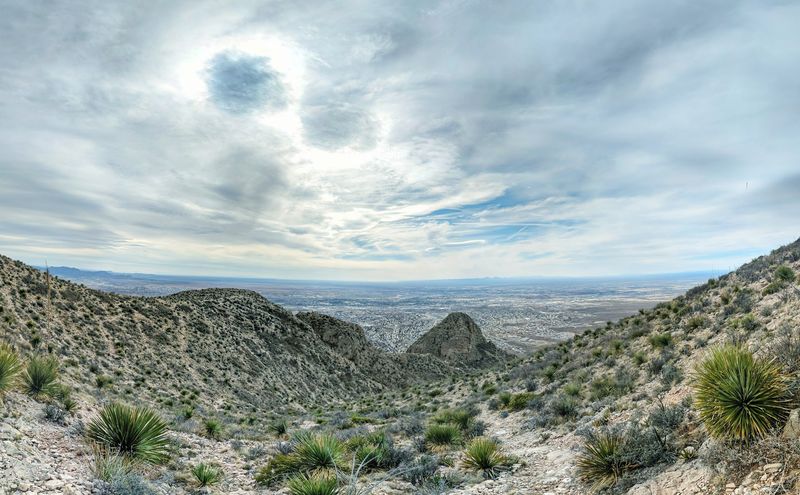
Ron Coleman Trail snakes along the mountain’s eastern flank, serving up constantly changing views that make you stop every few hundred feet. This 5.9-mile path connects the east and west sides of the park, with multiple spots where the overlooks genuinely take your breath away. Military personnel use this trail for training runs, but recreational hikers love it for the payoff-to-effort ratio.
The eastern approach climbs more gradually than the western side, making it the smarter choice if you want to save energy for enjoying the views. About halfway up, the trail opens onto a series of rocky outcrops where you can see clear across to Mexico on good days. The Hueco Mountains rise in the distance, creating layers of blue-gray peaks that fade into the horizon.
What makes Ron Coleman special is how it shows you different faces of El Paso depending on which direction you’re looking. Turn north and you’ll spot the University of Texas at El Paso campus. Swing south and the border with Juarez becomes obvious.
The trail’s popularity means you’ll likely share these viewpoints with other hikers, but there’s enough space that it never feels cramped.
Early morning brings cooler temperatures and softer light that’s easier on your eyes and camera. The exposed sections offer zero shade, so summer hikers should start before 7 a.m. or wait until late afternoon. Loose rocks and steep drop-offs on some sections require attention to where you’re stepping rather than just staring at the scenery.
5. Anthony’s Nose Rock Formation Vista
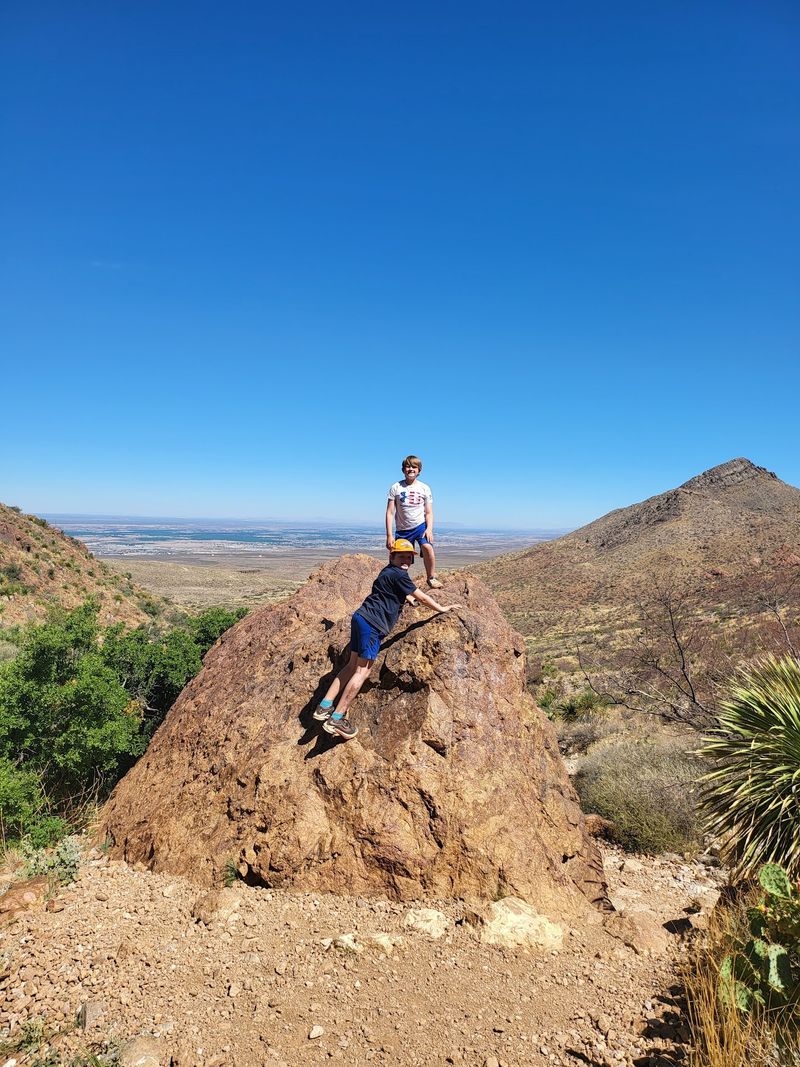
Anthony’s Nose juts out from the mountainside like nature decided to create the perfect selfie platform. This distinctive rock formation sits along one of the park’s more challenging trails, but reaching it means earning views that few casual visitors ever see. The unusual shape makes it instantly recognizable in photos, and standing on the “nose” itself gives you an adrenaline rush mixed with awe.
Getting there requires navigating some sketchy sections where the trail narrows and rocks get loose underfoot. Experienced hikers rate this as moderate to difficult, mainly because of the exposure and the need to occasionally use your hands for balance. Once you’re perched on the formation, though, the effort makes perfect sense.
The 360-degree views from Anthony’s Nose rival anything you’ll find at the park’s highest peaks. You’re not quite as high as North Franklin, but the dramatic drop-offs make it feel more intense. The rock itself provides a natural seat where you can rest and take in the sprawling desert landscape without feeling rushed.
Weather conditions matter more here than on sheltered trails since wind whips across the exposed rock pretty intensely. Spring winds can make the final approach genuinely scary, so check conditions before committing to this hike. The rock surface gets scorching hot in summer, making it uncomfortable to sit or touch without gloves.
Winter offers the calmest conditions, though you’ll want layers since temperatures drop quickly at this elevation once the sun starts setting.
6. Mundys Gap Scenic Overlook
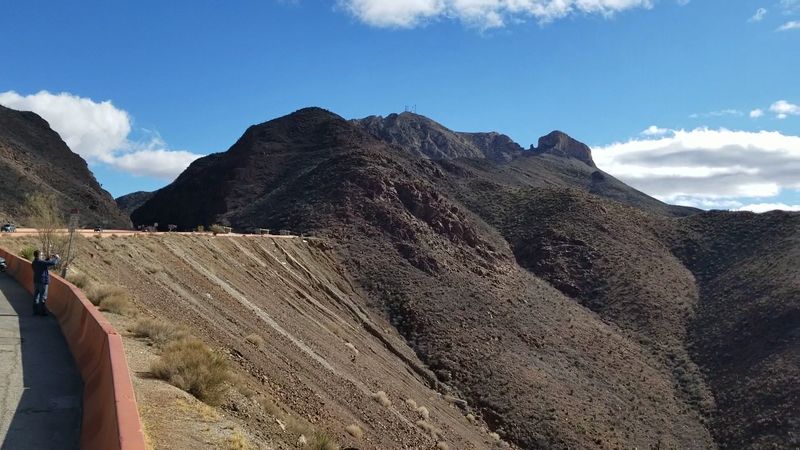
Mundys Gap cuts right through the Franklin Mountains, creating a natural mountain pass where Trans Mountain Road crosses from east to west. The overlook here captures both sides of the range in one sweeping view, showing you how dramatically the landscape shifts. Pull into the designated viewing area and you’re instantly rewarded without burning a single hiking calorie.
This spot works perfectly for visitors who want impressive views but can’t commit to serious trail time. The paved parking area sits right off the main road, making it accessible for everyone including those with mobility challenges. Information panels explain the geology and ecology you’re looking at, adding context to the dramatic scenery.
What makes Mundy’s Gap interesting is how it shows the contrast between the eastern and western slopes. The east side catches more moisture and supports slightly denser vegetation, while the west faces the full force of afternoon sun. From this vantage point, you can trace hiking trails snaking up both sides and spot rock climbers tackling the vertical faces.
Sunrise and sunset both work beautifully here since you’re positioned to catch light from either direction. The gap creates interesting wind patterns that keep temperatures slightly cooler than surrounding areas, making it comfortable even during summer afternoons. Cyclists love this overlook as a rest stop on the challenging climb up Trans Mountain Road.
The combination of easy access and genuine wow-factor views makes this a smart stop for anyone short on time but hungry for that Franklin Mountains experience.
7. West Cottonwood Picnic Area Vistas
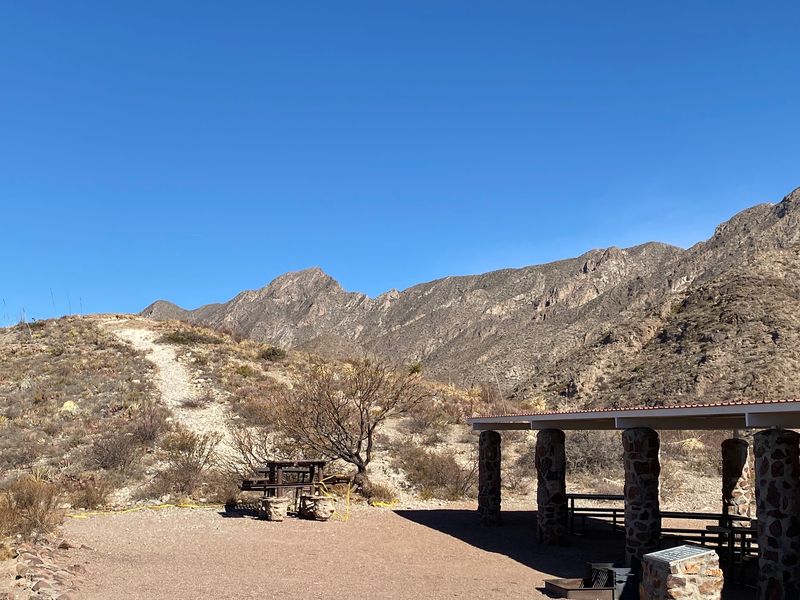
West Cottonwood sits tucked into a canyon that opens onto surprisingly expansive views considering how sheltered the area feels. The picnic tables here offer shade under ramadas while still giving you clear sightlines across the western valley. Families claim spots early on weekends, spreading out for full-day adventures that mix hiking with serious relaxation time.
The protected location means less wind than exposed overlooks, making this ideal for spring days when gusts make other areas uncomfortable. Short trails branch out from the picnic area, leading to higher viewpoints if you want to work for even better perspectives. But honestly, the views from the tables themselves justify the visit, especially during golden hour when everything glows.
Kids love this area because they can explore safely while parents keep easy watch from the picnic sites. The terrain around West Cottonwood shows classic desert diversity, with different cactus species, yucca, and seasonal wildflowers creating surprising pops of color. Lizards dart across the rocks, and if you’re patient, roadrunners sometimes make appearances.
The western exposure means afternoon visits offer the best light, with the sun illuminating the valley below while the mountains behind you cast dramatic shadows. Photographers appreciate how the ramadas frame views without blocking them entirely. The facilities here stay cleaner than you’d expect for a desert park, with well-maintained restrooms and trash collection.
Pack your lunch, claim a table, and settle in for a few hours of that rare combination where stunning views meet genuine comfort and convenience.
8. North Loop Trail Canyon Views
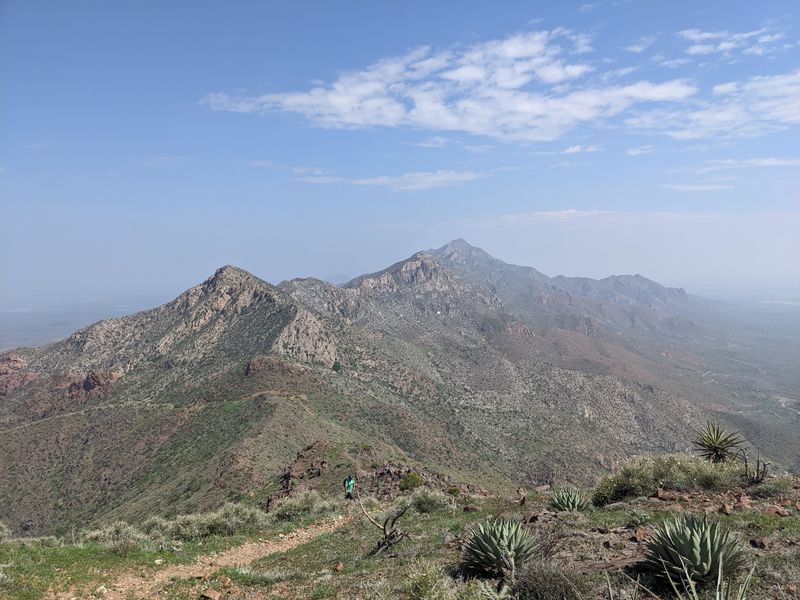
North Loop Trail winds through canyons and across ridges, creating a constantly shifting perspective that keeps your eyes busy. This 7-mile loop challenges hikers with varied terrain while delivering overlook moments that feel earned rather than handed to you. The trail’s design means you’re always either climbing toward a view or descending from one, with very little flat walking in between.
The canyon sections provide dramatic contrast to the exposed ridge walks, showing you both intimate rock formations and sweeping valley vistas within the same hike. Some stretches tunnel through vegetation thick enough to create actual shade, while others leave you completely exposed to the elements. This variety makes the trail interesting but also demands preparation since conditions change significantly along the route.
Several spots along North Loop offer perfect rest stops where natural rock seats face optimal views. These aren’t marked overlooks but rather places where the trail opens up and smart hikers pause to appreciate what’s around them. The northern sections show parts of the park that fewer people see, including remote canyons where wildlife sightings become more common.
Completing the full loop takes most hikers four to five hours, so starting early makes sense especially in warmer months. The trail connects to other paths, letting you customize your route based on energy levels and time available. Spring wildflower displays transform sections of this trail into something special, adding color to views that are already impressive.
Bring more water than you think you’ll need since the length and elevation changes will drain you faster than expected.
Share this story