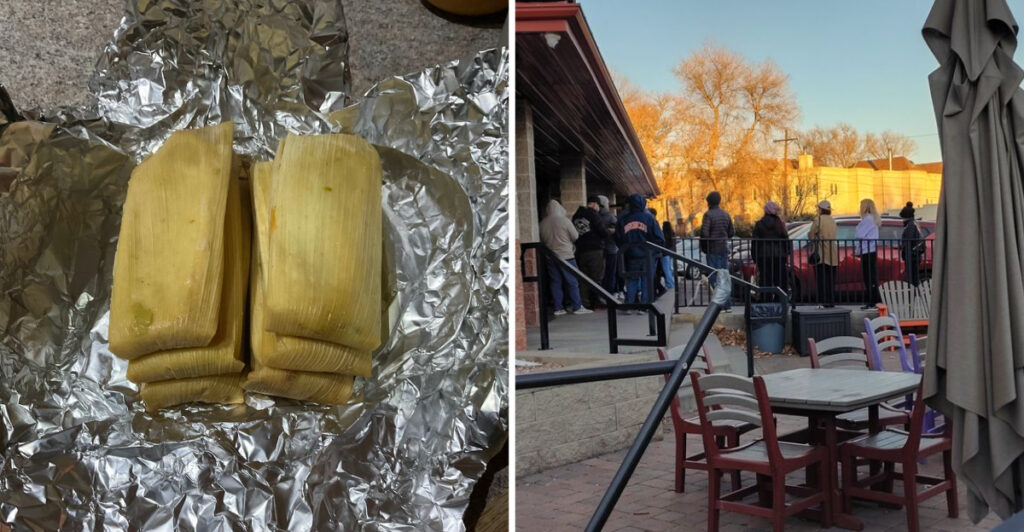
Steam rising from a freshly unwrapped tamale is enough to explain why Tamales By La Casita has become such a beloved Denver stop. This compact Tejon Street favorite keeps the focus on satisfying Mexican comfort food, with tamales taking center stage for everyday meals and holiday traditions alike.
The casual counter-service setup makes grabbing breakfast or lunch easy, while the warm, bakery-like atmosphere adds to its neighborhood appeal. Locals know that simple food can become something special when care and tradition go into every batch. For anyone craving a hearty Colorado food find, these tamales make a compelling reason to visit.
A Small Tejon Street Stop With Big Pull
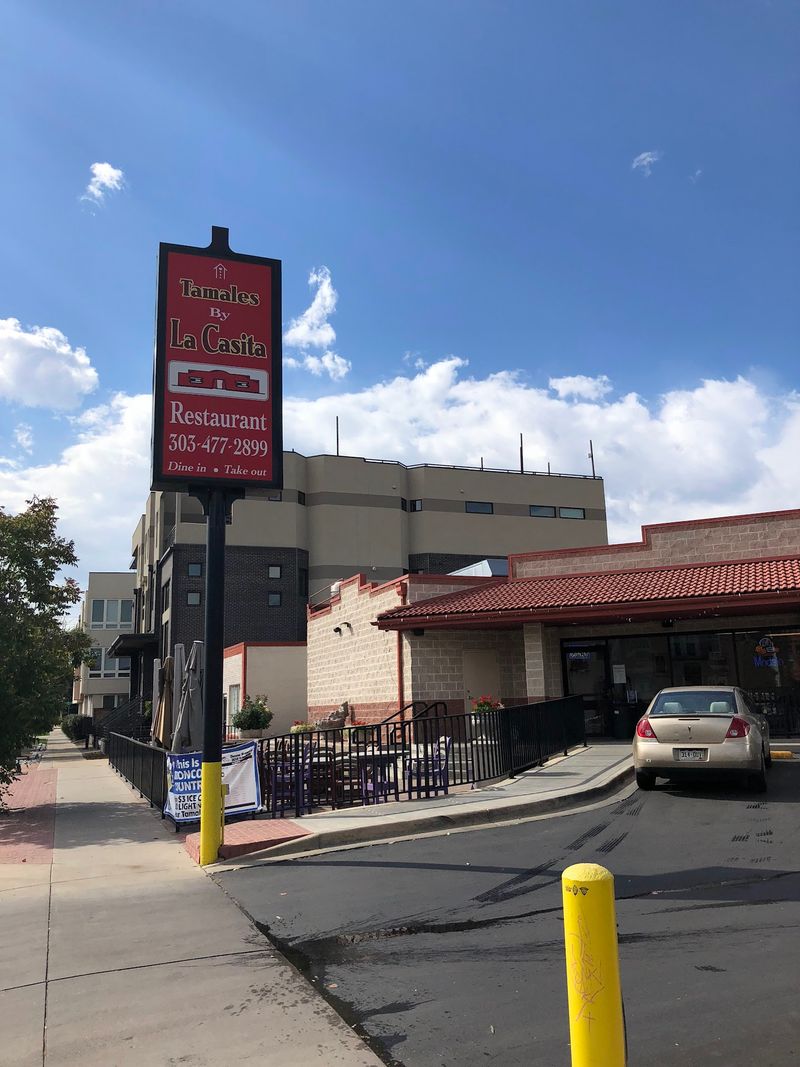
Some food places announce themselves with flashy signs and giant dining rooms. Tamales By La Casita does the opposite, and that is part of the appeal.
Sitting on Tejon Street in northwest Denver, it reads more like a neighborhood staple than a polished destination built for tourists.
The scale changes the mood right away. There is no giant lobby, no dramatic entrance, and no extra design trying to distract from the main event.
Instead, the place puts its energy where it counts, into fast counter service, steady kitchen movement, and food that regulars clearly come back for again and again.
That compact setup also shapes how the restaurant works. Seating is limited, so the room often feels active, especially at breakfast or during busy tamale-buying stretches.
Rather than turning that into a problem, La Casita leans into a practical rhythm where dine-in orders, carryout bags, and larger tamale pickups all move through the same small footprint.
It helps that the location fits the experience. The surrounding neighborhood has the kind of everyday Denver traffic that supports true repeat business instead of one-time curiosity.
A place with more than two thousand reviews and a strong rating does not build that kind of record by accident, especially while keeping such a plainspoken look.
There is also a lesson here for first-timers. Skip the expectation of a fancy meal and pay attention to the signs of a working local favorite: early opening hours, people walking out with foil-wrapped orders, and a room organized around food rather than spectacle.
La Casita wins interest before the first bite because it looks exactly like the kind of place where one item became famous for a reason.
Where the Tamales Take Center Stage
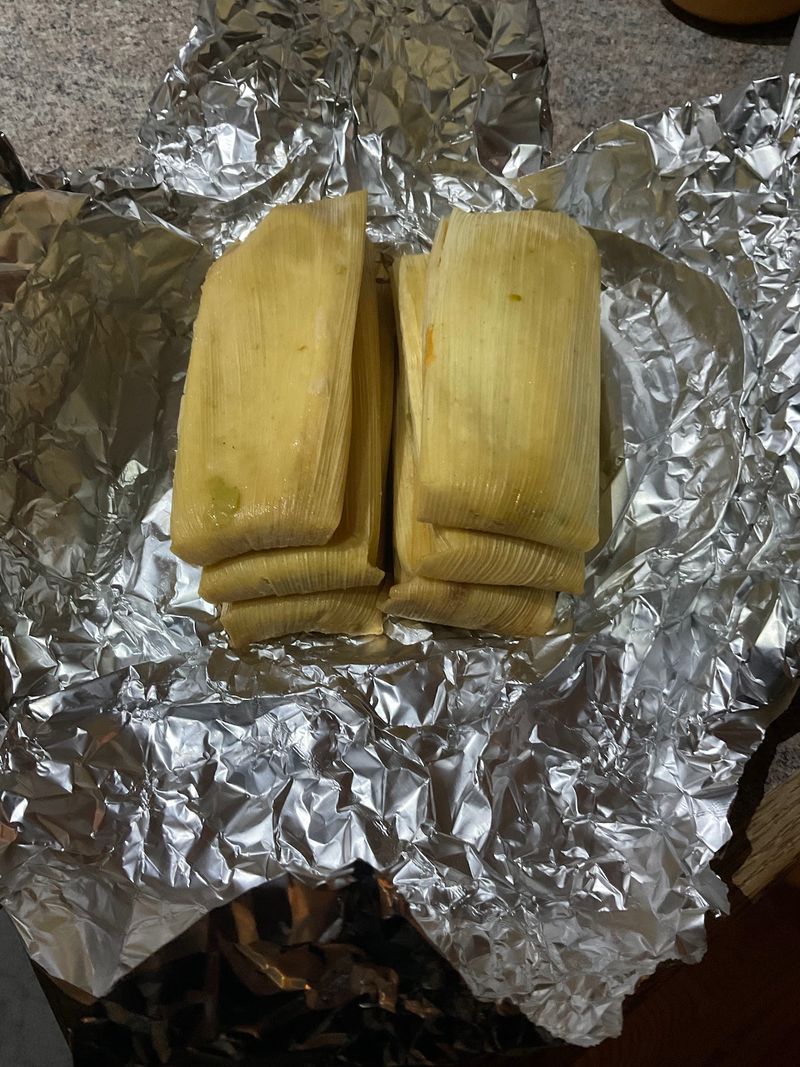
Warm masa can carry a whole reputation, and at La Casita the tamales are clearly the star. Red and green versions get most of the attention, and the menu structure makes it easy to understand why.
People are not hunting for a trendy special here. They are showing up for a classic item done in a direct, filling, old-school way.
The biggest draw is how tamales fit both quick cravings and larger family plans. One person can stop in for a plate, while another can leave with a dozen wrapped to go.
That flexibility matters because tamales are not just restaurant food. They are celebration food, weekend food, and freezer-stocking food when life gets busy.
Texture is a huge part of the story. A good tamale needs masa that is soft without turning mushy, sturdy enough to hold together, and flavorful enough that the filling does not have to do all the work.
At La Casita, the conversation around red and green options keeps coming back to that balance between corn masa, chile flavor, and the satisfaction of a compact but hearty package.
Even the disagreements surrounding specific batches tell a useful story. A place with a long tamale reputation creates strong expectations, so small changes get noticed fast. That kind of scrutiny usually happens only when the signature item has mattered to people for years.
For a first visit, the smartest move is simple. Try both red and green if possible, eat at least one order while it is hot, and notice the contrast in flavor and heat.
It turns a quick purchase into a clearer look at why this little Denver restaurant built its name around a single food that still leads the whole operation.
Green Chile, Burritos, and the Rest of the Colorado Hook
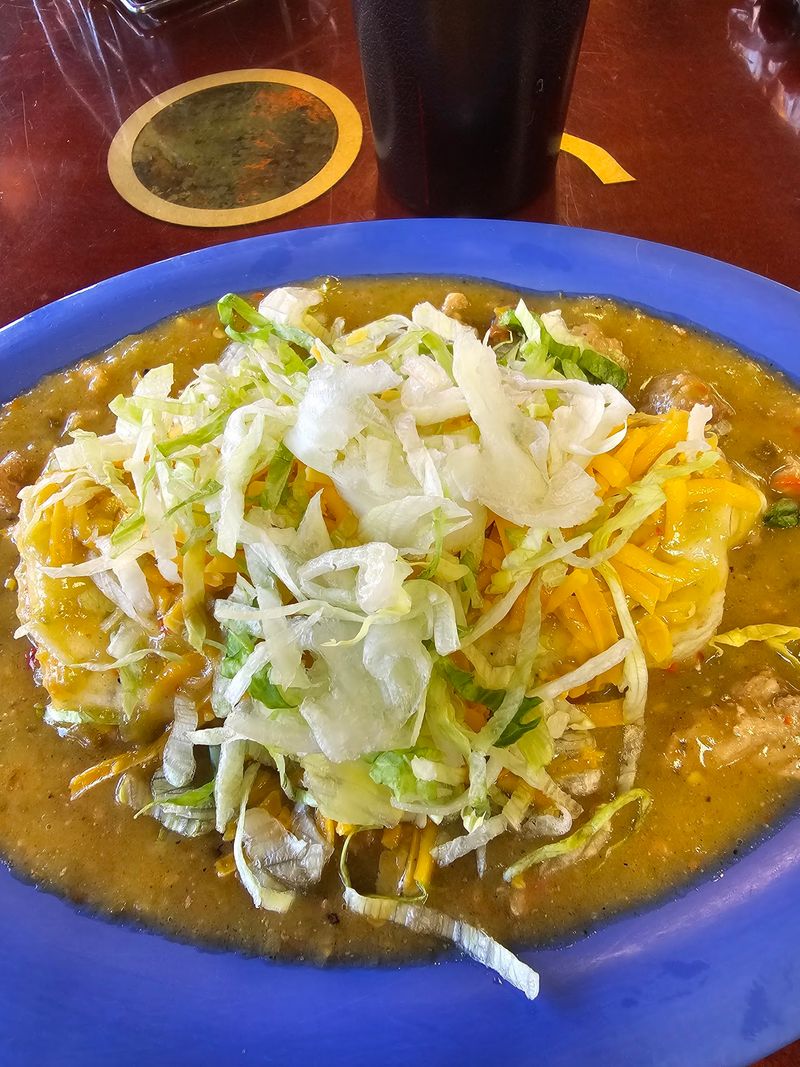
A tamale specialist that also turns out strong burritos and green chile becomes more than a one-note stop. At La Casita, that wider menu matters because it shows the kitchen is working in a broader New Mexican and Denver comfort-food lane, not just selling one famous item and coasting on it.
Green chile is central to that story. It shows up as a topping, a side, and even something people buy by the quart to take home.
That says a lot about trust in the flavor. Sauce only becomes a take-home staple when it works beyond the restaurant, over breakfast potatoes, on burritos, or spooned onto leftovers the next day.
Then there are the smothered breakfast burritos, shredded beef burritos, Frito pie, chicharrones, and chile cheese fries that appear again and again in conversations about the place. Those foods add range without pulling attention away from the tamales.
Instead, they reinforce the same appeal: filling portions, direct flavors, and no pressure to decode the menu. Colorado belongs in the headline for a reason. In Denver, green chile can define a meal as much as any main dish, and La Casita clearly understands that local expectation.
The food is built for people who want spice, comfort, and enough sauce to turn a plate into a full event rather than a neat little serving.
Anyone planning a first order should think strategically. If the goal is to understand the restaurant, pair tamales with a side of green chile or choose a smothered item on the same visit.
That side-by-side approach makes the place easier to read. It reveals a kitchen rooted not only in wrapped masa but also in the saucy, hearty, deeply regional style that Denver diners know almost by instinct.
Family-Run Energy You Can See in the Room
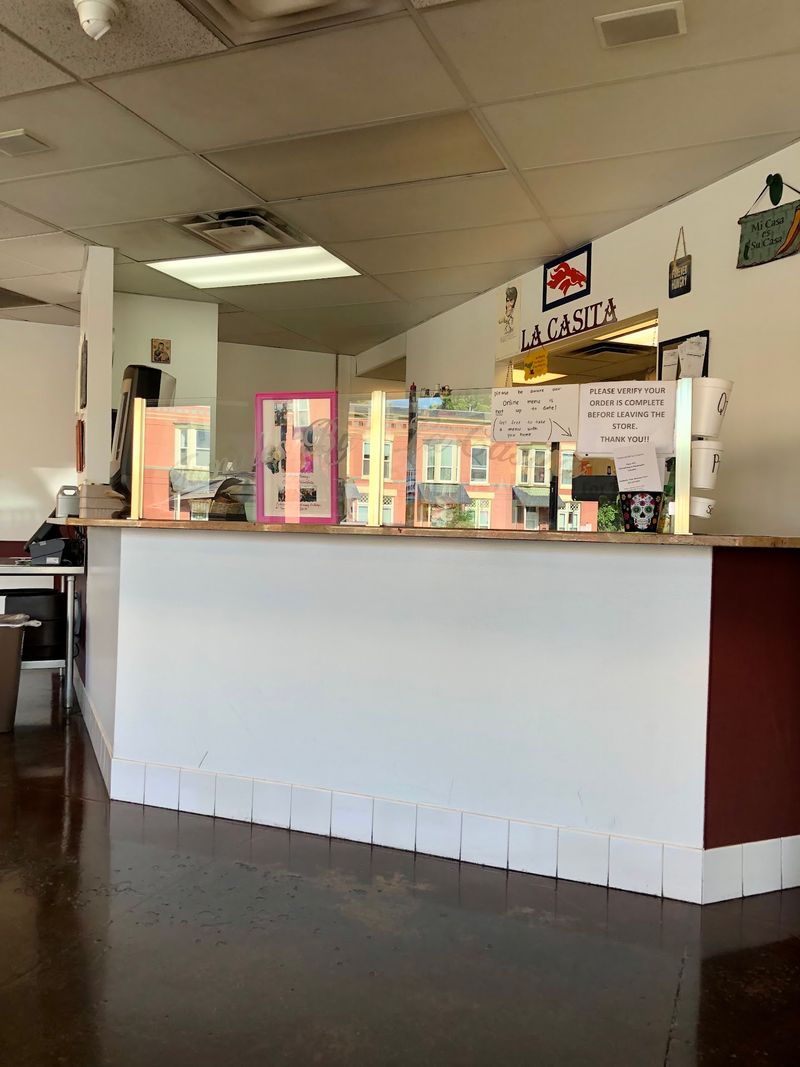
Some restaurants tell their story with framed history on the walls. La Casita tells it through function. The description of the place as family-run makes sense once the room, service style, and menu all line up into one practical system centered on regular business rather than performance.
Counter service sets the tone right away. Orders move through a compact front area, the dining room stays simple, and the kitchen focus remains on getting out tamales, burritos, plates, and takeout bundles without fuss.
That stripped-down setup can feel brisk, but it also reads as honest. Nothing is trying to dress up the core identity of the restaurant.
That identity includes long-term neighborhood trust. Places that become holiday traditions or routine breakfast stops usually earn that role over time through repetition, not novelty.
Opening early, staying straightforward, and offering food in larger to-go quantities all point to a business built around real habits in the community.
At the same time, the small scale means the operation is visible in ways larger restaurants can hide. When things run smoothly, the room feels efficient and lively.
When an order gets mixed up or seating gets tight, those problems show quickly because there is not much distance between the counter, the kitchen, and the customer.
Oddly enough, that visibility is part of what keeps the place grounded. A polished chain can smooth over every rough edge and still feel anonymous.
La Casita comes across as the opposite, a working neighborhood restaurant where the human side is always close to the surface.
For readers wondering whether the family-run label matters, the answer is yes, but not as decoration. It matters because it explains the rhythm, the scale, and the kind of loyalty the place inspires.
The restaurant is organized like a business that has fed the same city for a long time and knows exactly what many of its regulars came for.
How to Order Like You Know the Place
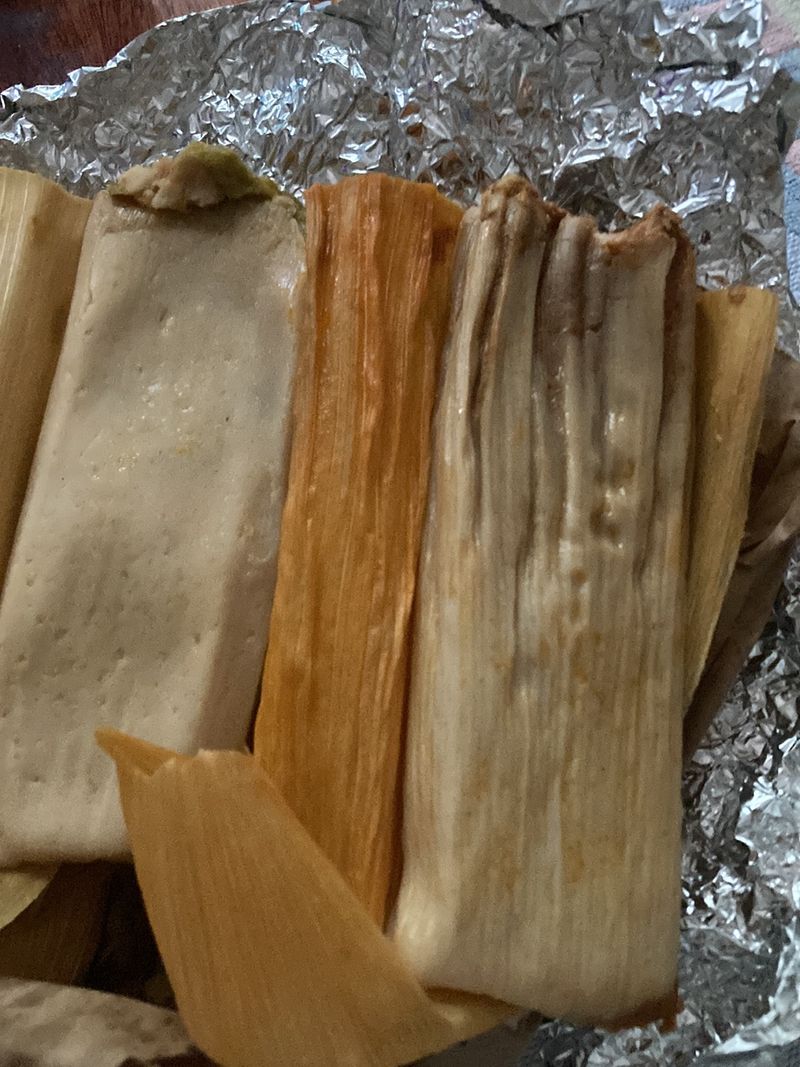
Regulars do not always order the same way first-timers do, and La Casita is a good example. The menu supports quick plates, breakfast, lunch, and take-home bundles, but the smartest visit often starts with a simple question: is this a sit-down meal or a tamale run?
If the answer is dine-in, getting tamales with another house favorite helps show the restaurant at full strength. A smothered burrito, eggs with tamales, or a side of chile can round out the experience and give a better sense of how the kitchen handles different textures and heat levels.
That matters in a place where sauce and masa both carry real weight. If the goal is takeout, especially by the dozen, a little extra care goes a long way.
Because large tamale orders are common here, checking the bag before leaving is practical, not fussy. It is the kind of habit that saves a long drive home from becoming a frustrating surprise.
Timing also affects the order strategy. Early visits improve the odds of getting exactly what is wanted, and that seems especially true when demand spikes around holidays.
The place opens at 7 AM most weekdays, which makes it easier to treat a pickup like a planned errand instead of a late-day gamble.
One more useful approach is to think beyond a single meal. Tamales can be lunch today and backup dinner tomorrow, while a quart of green chile can stretch into several home meals.
That makes La Casita part restaurant, part supply stop for comfort food. The best ordering advice is not complicated. Know whether the visit is for immediate eating or stock-up buying, order with purpose, and verify the takeout before leaving.
In a tiny, busy spot where many people are moving fast, that small bit of planning fits the place perfectly and makes the whole experience smoother.
Best Times to Go, and When Denver Lines Get Serious
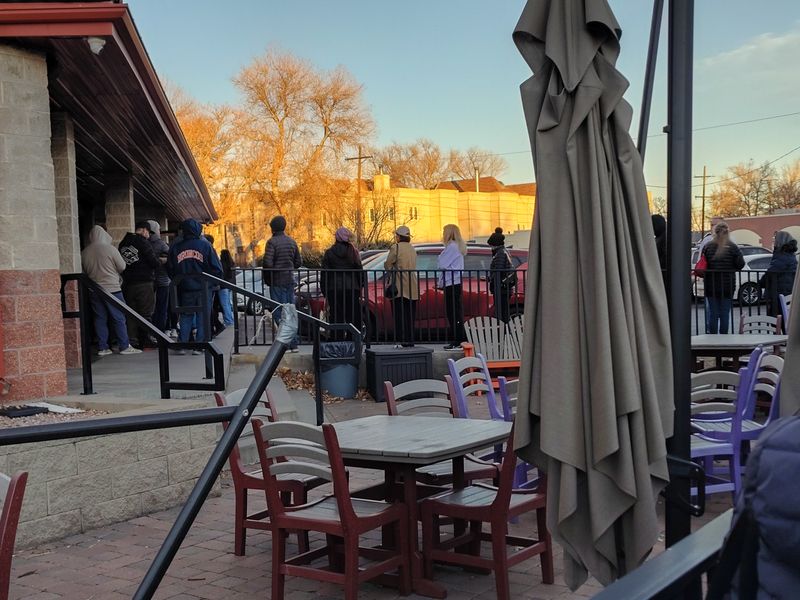
Not every busy restaurant is busy in the same way. At La Casita, demand seems to rise in clear patterns, and learning those rhythms can change the whole visit.
The restaurant opens early on weekdays, closes at 5 PM, and stays closed on Sunday, which already tells a practical story about how people use it.
Morning is important here. An early opening time points to breakfast traffic, commuter stops, and planners who want tamales or green chile before the day gets away from them.
That schedule gives the restaurant a working-day pulse instead of a late-night dining personality. Then there is holiday season, when the tamale side of the business becomes even more intense.
Reports of people lining up well before opening around Christmas turn the place from neighborhood stop into seasonal mission.
That is a very different kind of popularity from ordinary lunch rush fame. It suggests tradition, bulk ordering, and families building meals around pickup timing.
Even outside the holidays, small capacity affects the experience. Limited tables mean the room can feel full fast, and the parking lot does not always absorb the demand.
Planning to park nearby and walk a short distance is often wiser than expecting a perfect spot directly in front. The easiest way to use this information is to match the visit to the goal. For a more relaxed first impression, aim for an earlier weekday run rather than a packed seasonal rush.
For holiday tamales, treat the trip like a scheduled event and show up much sooner than casual instinct would suggest.
Hours matter because they reveal character. La Casita is built around daytime eating, practical takeout, and periodic spikes of serious demand.
People who read those signs correctly are more likely to catch the place at its best, with shorter waits, fuller choice, and a better chance to enjoy the food before the next wave arrives.
Why This Tiny Colorado Spot Still Owns the Tamale Conversation
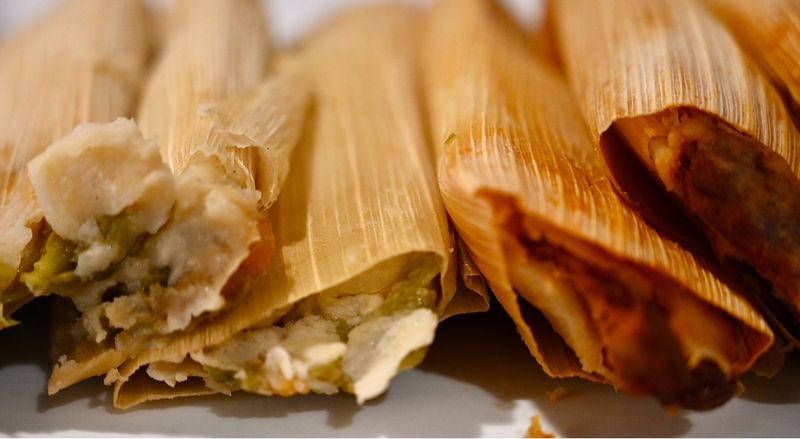
Plenty of restaurants make good tamales. Very few build a lasting local identity around them while staying this small, this plain, and this busy.
That is the real reason La Casita keeps a strong hold on the Denver food conversation. The place does not need trendiness to stay relevant.
Its strengths are easy to spot. The restaurant opens early, serves hearty New Mexican and Mexican comfort food, sells tamales in bulk, and gives green chile a major role beside the main attraction.
Those details create a clear specialty instead of a vague all-purpose menu. Even the room supports that focus, with limited seating that signals movement and demand rather than leisurely lingering.
The public record is not perfectly smooth, and that actually sharpens the picture. Some orders miss the mark, some batches draw criticism, and the small operation can show strain when the place gets crowded.
Yet the overall rating remains high across a huge number of reviews, which suggests a business with real staying power. A spot does not reach that scale on hype alone.
There is also a wider lesson in why the restaurant stands out. People tend to trust food traditions that are useful in everyday life.
Tamales by the dozen for gatherings, breakfast plates before work, chile by the quart for home meals, and a quick stop that fits a neighborhood routine all make the place functional as well as flavorful.
That combination is rare. La Casita is not selling a polished story about itself. It is offering a direct, filling, deeply local food experience shaped by repetition, appetite, and ritual.
For anyone chasing the article headline, the answer is not found in fancy presentation. It is found in the way one compact Denver restaurant turned tamales into a habit, a holiday plan, and a food memory for enough people to keep Tejon Street busy year after year.
Share this story