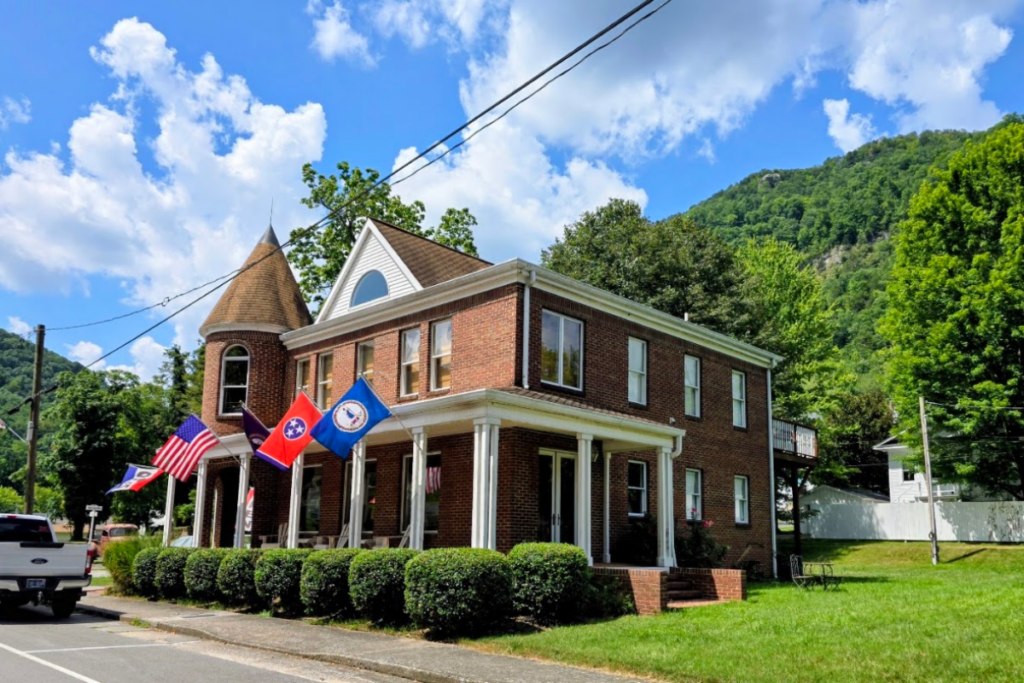
Cumberland Gap sits tucked into the folds of the Appalachian Mountains where Tennessee, Kentucky, and Virginia meet, and it might just be one of the most underrated spots in the entire state. With a population hovering around 300 people, this tiny mountain community offers something you won’t find in bigger tourist towns: authentic Appalachian charm mixed with jaw-dropping natural beauty at every turn.
Whether you’re craving hiking trails, historic sites, or simply a break from the noise of everyday life, Cumberland Gap delivers all of it without the crowds or commercialization.
A Tiny Tennessee Town Tucked Into the Appalachian Mountains
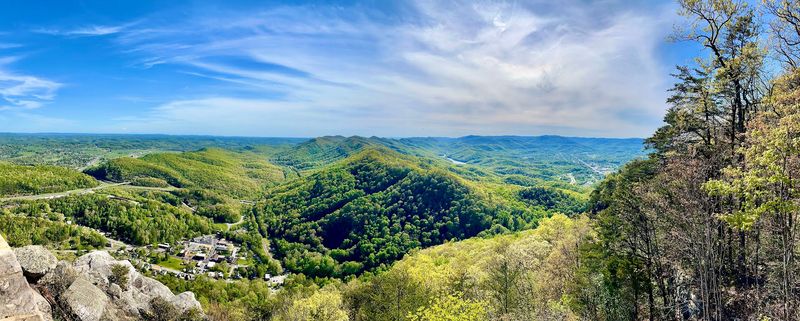
Cumberland Gap doesn’t just sit near the mountains. It lives inside them.
This town of roughly 300 residents clings to the steep ridges where three states converge, creating a geographic curiosity that has drawn travelers for centuries. The streets wind upward and downward in ways that feel more like hiking trails than roadways, and nearly every corner offers a glimpse of forested peaks rising in the distance.
The town’s location isn’t just scenic. It’s historically significant.
For thousands of years, this natural gap through the mountains served as a gateway for Native Americans, pioneers, and Civil War soldiers alike. Today, that same rugged landscape creates an atmosphere that feels frozen in time, where modern life takes a backseat to the rhythms of mountain living.
Walking through Cumberland Gap feels like stepping into a postcard that hasn’t been updated in decades, and that’s exactly its charm. There are no chain restaurants here, no sprawling shopping centers, and certainly no traffic jams.
What you will find are friendly locals who wave from their porches, a handful of family-owned shops, and a pace of life that encourages you to slow down and breathe deeply.
The surrounding Appalachian ridges create a natural amphitheater around the town, trapping morning fog in the valleys and painting sunsets across layered mountain silhouettes each evening. It’s the kind of place where you can hear birdsong over car engines and where stargazing isn’t a special activity but simply what happens when the sun goes down.
For anyone seeking an authentic mountain town experience without the tourist trappings, Cumberland Gap delivers in spades.
Mountain Views Seem to Follow You Everywhere Here
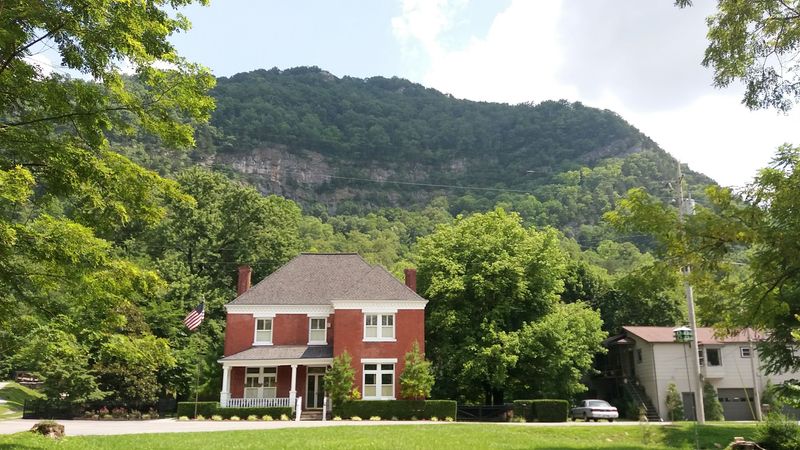
Stand anywhere in Cumberland Gap and you’ll be staring at mountains. Not just one peak in the distance, but layer after layer of ridges stacked like waves frozen in stone.
The town sits at such an elevation that the views aren’t something you have to hike to earn. They’re just there, all the time, framing your morning coffee or your evening walk with a backdrop that never gets old.
The Appalachian Mountains here don’t rise as dramatic single peaks but instead roll in endless succession, each ridge slightly hazier than the last until they fade into the blue-gray horizon. During sunrise, the valleys fill with fog that pools between the ridges like milk in a bowl.
By afternoon, the sunlight picks out individual trees on distant slopes, and by sunset, the whole landscape glows in shades of amber and purple that photographers dream about.
What makes Cumberland Gap special is how accessible these views are. You don’t need special equipment or athletic ability to experience the mountains here.
Simply driving through town offers vistas that would be the highlight of most national park visits. The roads climb and curve through the terrain in ways that constantly shift your perspective, revealing new angles on familiar peaks.
Even the most mundane errands become scenic adventures when the backdrop includes thousand-foot ridges covered in hardwood forests. Locals might take it for granted, but visitors quickly realize that this kind of constant natural beauty is rare.
The mountains here don’t just surround the town. They embrace it, creating an intimate relationship between community and landscape that defines every aspect of life in Cumberland Gap.
Walk Through a Downtown Filled With Small-Town Appalachian Charm
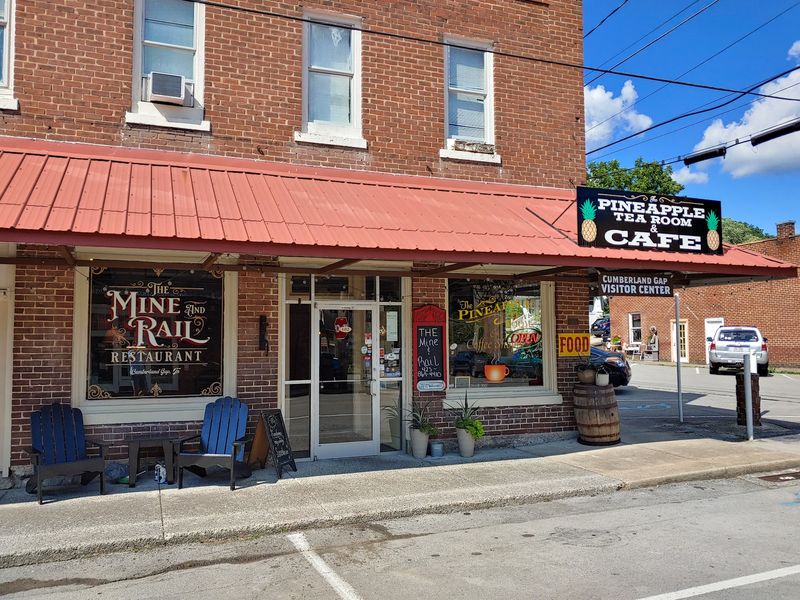
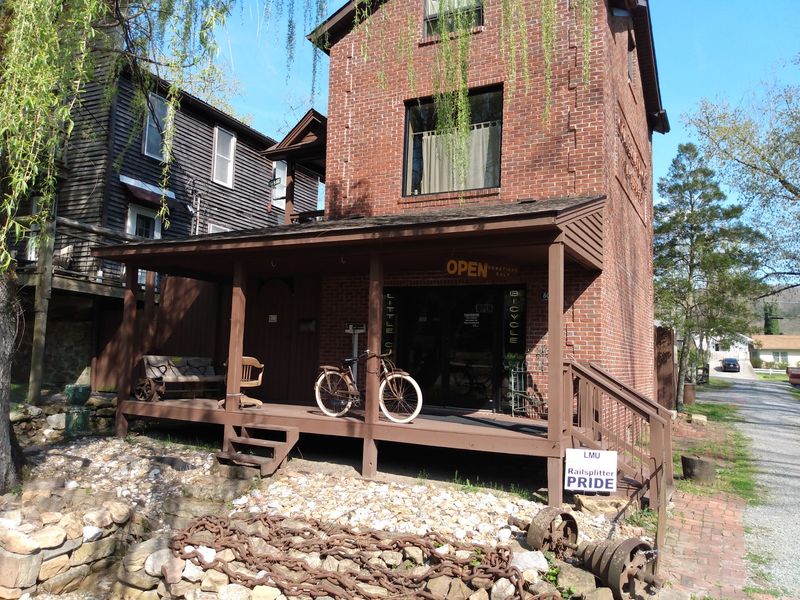
Downtown Cumberland Gap won’t take you long to explore, and that’s part of its appeal. A few blocks of historic buildings cluster along Colwyn Avenue, the main drag, where local businesses operate out of structures that have stood for generations.
There’s no pretense here, no carefully curated tourist district designed to separate you from your money. Just honest small-town commerce conducted at a pace that respects conversation over transaction.
The architecture tells stories of different eras, from Victorian-era storefronts to mid-century additions, all weathered by mountain winters and humid summers into a cohesive aesthetic that screams authenticity. Some buildings lean slightly, their foundations adjusted by time and shifting earth.
Others sport fresh paint jobs that stand out like Sunday clothes against their more weathered neighbors.
What you won’t find are crowds. On a typical afternoon, you might encounter a handful of people running errands, stopping to chat on sidewalks, or sitting on benches watching the world slowly pass by.
The businesses that survive here do so because they serve the community first and visitors second, which means you’re getting the real deal rather than a sanitized version created for tourists.
Local shops sell practical goods mixed with mountain crafts, antiques, and the occasional surprise. A hardware store might sit next to a place selling handmade quilts.
A small cafe serves breakfast to regulars who know each other by name. There’s a simplicity to it all that feels increasingly rare in modern America, where even small towns often try to mimic big-city amenities.
Cumberland Gap hasn’t gotten that memo, and it’s all the better for it.
Explore the Trails and Overlooks Just Beyond Town
Step beyond the town limits and you’re immediately in Cumberland Gap National Historical Park, where over 80 miles of trails wind through some of the most beautiful terrain in the Appalachians. The transition from town to wilderness happens so quickly it’s almost jarring.
One moment you’re on a paved street, the next you’re surrounded by towering trees and the sound of your own footsteps on packed earth.
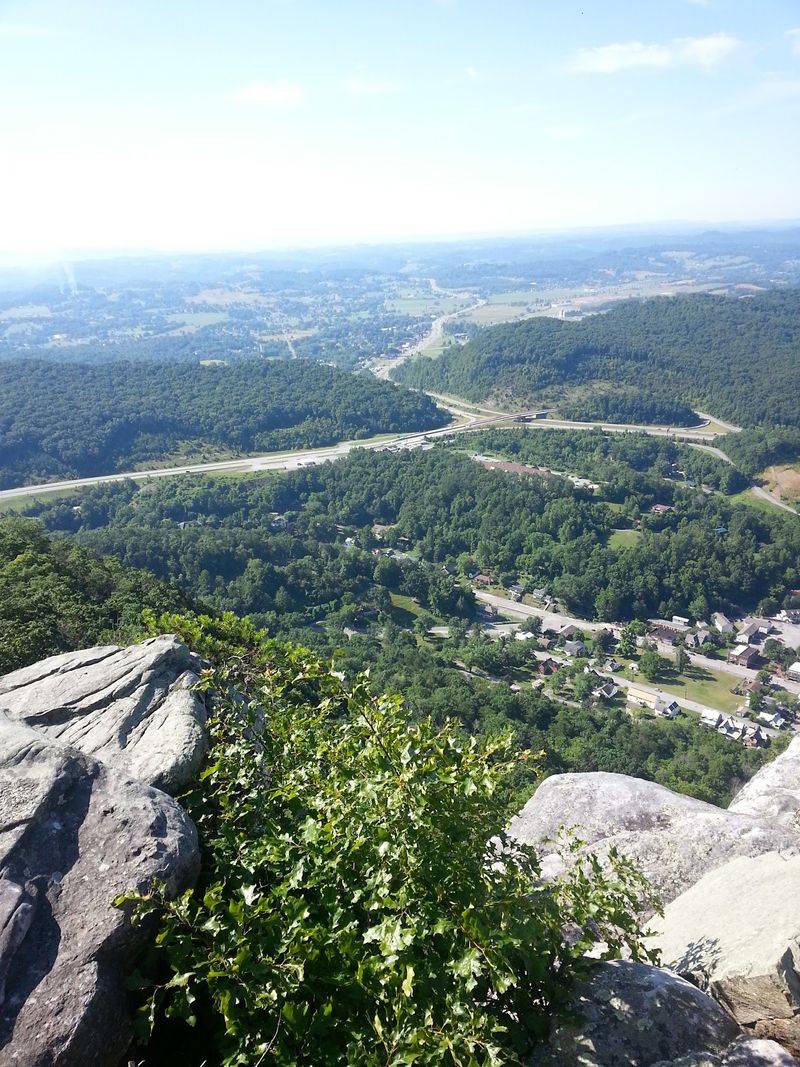
The trails here range from easy strolls to challenging climbs, but even the shorter walks deliver impressive payoffs. The Pinnacle Overlook trail, probably the park’s most popular route, climbs to a viewpoint where you can see three states at once.
Standing there, you understand why this gap became such an important passage. The mountains stretch endlessly in every direction, and the gap itself cuts through like a purposeful notch carved by nature.
Other trails explore different aspects of the landscape. Some follow old wilderness roads used by pioneers.
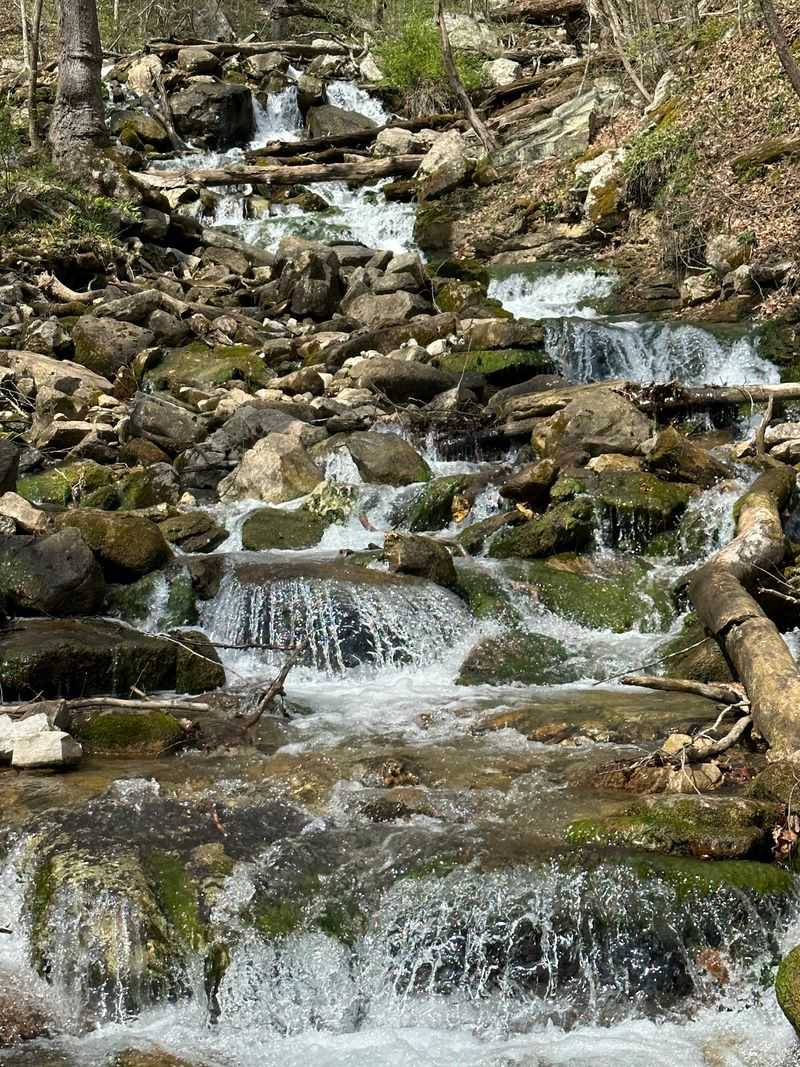
Others climb to rock formations or descend into hollows where streams tumble over mossy stones. The forest itself changes character with elevation, from dense rhododendron thickets at lower levels to oak and hickory groves higher up.
What makes these trails special isn’t just their beauty but their proximity to town. You can eat breakfast at a local spot, hike five miles through pristine wilderness, and be back in time for lunch.
The convenience removes all the usual barriers to outdoor adventure. No long drives to trailheads, no complicated logistics. Just walk out of town and into the mountains, where the real magic of this place reveals itself one footstep at a time.
History Runs Deep Through This Mountain Community
Cumberland Gap’s history reads like a greatest hits of American westward expansion. Daniel Boone blazed his Wilderness Road through here in 1775, opening Kentucky and points west to thousands of settlers who followed.
Before that, Native American tribes used this natural passage for centuries, recognizing it as the easiest route through an otherwise impenetrable mountain barrier. The gap itself is a geographic gift, a low point in the ridge that makes crossing feasible without extreme climbing.
During the Civil War, the gap became a strategic prize fought over by both Union and Confederate forces. Control of this passage meant control of supply lines and troop movements between the western theater and the eastern armies.
The town and surrounding area changed hands multiple times, and fortifications built during that era can still be explored in the national park.
Walking through modern Cumberland Gap, you’re literally following in the footsteps of historical figures whose names fill textbooks. The same mountains that frame your Instagram photos once challenged pioneers traveling with all their worldly possessions loaded onto wagons.
The same gaps in the ridges that seem merely scenic today represented the difference between successful passage and dangerous detours for those early travelers.
The town maintains this historical connection without turning it into a theme park. There are interpretive signs and museums, yes, but the history here feels lived-in rather than performed.
Buildings that housed Civil War soldiers now house regular folks. Roads that carried pioneer wagons now carry pickup trucks.
The past and present coexist naturally, creating a sense of continuity that’s increasingly rare in a country that often bulldozes its history to make room for progress.
Slow Down and Soak Up the Peaceful Appalachian Setting
There’s no rush in Cumberland Gap. You’ll figure that out within an hour of arrival.
The town operates on mountain time, which means things happen when they happen, not according to some rigid schedule imposed by efficiency experts. Conversations meander.
Meals take their time. Even the light seems to move more slowly here, filtering through the mountain atmosphere in ways that soften edges and blur the line between morning and afternoon.
This isn’t laziness. It’s intentionality.
When you’re surrounded by mountains that have stood for millions of years, the urgency that drives modern life starts to feel a bit silly. What’s the rush?
The mountains aren’t going anywhere, and neither, it seems, is much else.
Visitors often arrive with packed itineraries and ambitious plans, only to find themselves abandoning those plans in favor of simply being present. Maybe that means sitting on a porch watching the fog burn off the valleys.
Maybe it’s spending an hour at a local cafe talking to someone whose family has lived here for five generations. Maybe it’s just driving the mountain roads with no particular destination, letting the scenery wash over you like a slow-moving river.
The peaceful quality of Cumberland Gap isn’t something manufactured for tourists. It’s the natural byproduct of a place where nature dominates and human activity adapts to fit the landscape rather than the other way around.
Cell service can be spotty, which initially frustrates some visitors until they realize it’s actually a gift. Without constant digital interruptions, you’re forced to engage with your immediate surroundings, and those surroundings happen to be spectacularly beautiful and genuinely calming.
Why Cumberland Gap Belongs on Your Tennessee Road Trip List
Most Tennessee road trips focus on the usual suspects: Nashville’s music scene, Memphis’s barbecue and blues, Gatlinburg’s tourist attractions, or Chattanooga’s revitalized downtown. Those places have their merits, but they’re also crowded, commercialized, and expensive.
Cumberland Gap offers something different, something increasingly hard to find: authenticity without pretense, beauty without crowds, and history without the gift shop gauntlet.
Adding Cumberland Gap to your Tennessee itinerary doesn’t require major detours if you’re already exploring the eastern part of the state. The town sits just off Highway 25E, accessible enough to reach without adventure-vehicle requirements but remote enough that you’ll feel like you’ve discovered something special.
It pairs well with visits to other East Tennessee destinations, offering a complete contrast to more developed tourist areas.
The town works as either a day trip or an overnight stay, depending on how deeply you want to explore the surrounding park. Day visitors can hit the main overlooks, walk through downtown, and get a feel for the place.
Overnight guests can tackle longer trails, catch both sunrise and sunset over the mountains, and experience the town after the few day-trippers have departed, when the locals reclaim their streets and the mountain quiet deepens.
What makes Cumberland Gap essential rather than optional is how it represents a Tennessee that’s rapidly disappearing. Small mountain communities are either being discovered and transformed by outside money or slowly fading as younger generations move to cities.
Cumberland Gap exists in a sweet spot where it’s still authentic but accessible enough that visitors can experience it without special equipment or insider knowledge. It’s a reminder that Tennessee’s greatest treasures aren’t always its most famous ones.