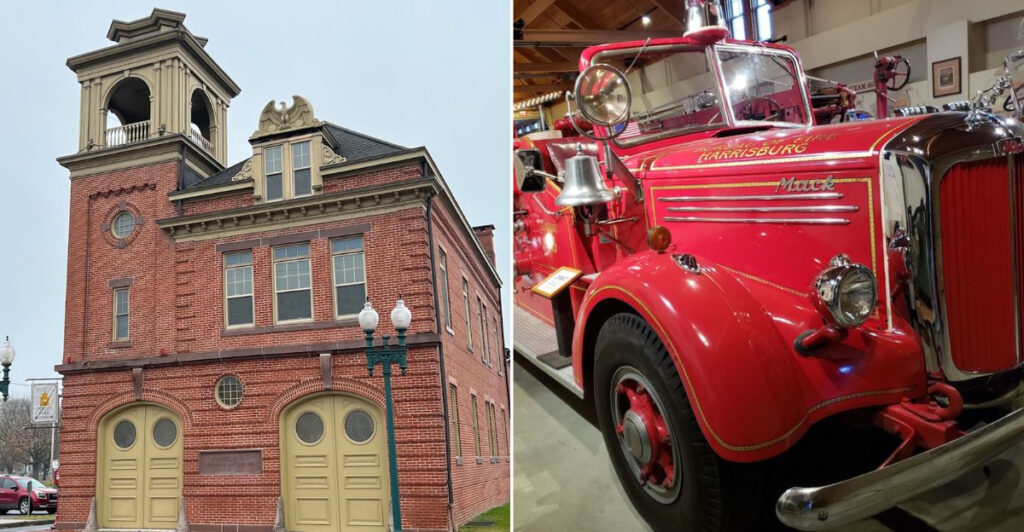
If you love places where the building is just as compelling as the collection, this Harrisburg museum deserves a spot on your list. The Pennsylvania National Fire Museum transforms an 1899 Victorian firehouse into a vivid walk through firefighting history, complete with restored apparatus, rare artifacts, and stories that still feel personal. The historic setting adds another layer to the experience, allowing visitors to explore the past inside a space that was once an active part of the city’s firefighting story.
Visitors consistently rave about the knowledgeable volunteers, engaging exhibits, and welcoming atmosphere that make the museum feel more like a conversation than a typical museum visit. From antique equipment and carefully preserved displays to the personal stories behind the people who served, every corner offers a new detail to discover. It is a place that appeals to history buffs, families, and curious travelers alike. By the time you leave, you may find yourself seeing fire service history in a whole new way. What begins as a visit to a small museum often becomes a memorable journey through courage, community, and the people who have protected Pennsylvania’s towns and cities for generations.
1. A Victorian firehouse that sets the tone
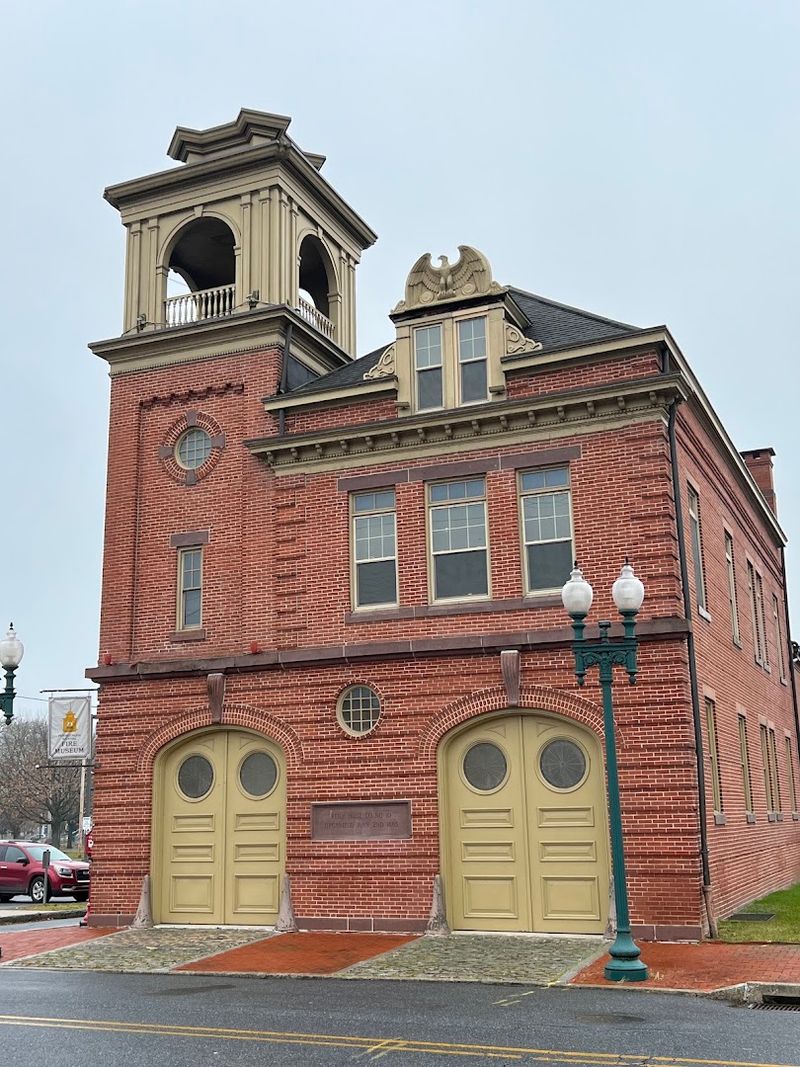
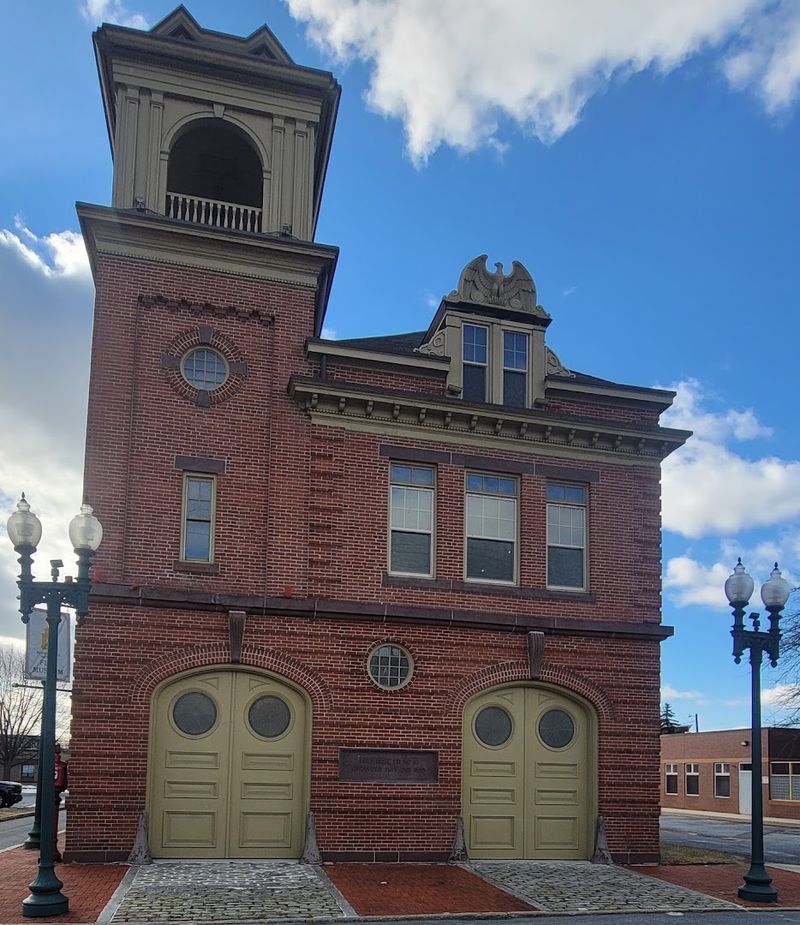
Before you even step inside, the Pennsylvania National Fire Museum makes a strong first impression with its 1899 Victorian firehouse facade.
The brick exterior, tower, and historic details instantly set the mood, making you feel like you are about to enter a preserved piece of Harrisburg history.
It does not look like a generic gallery, and that alone gives the visit a real sense of character.
Inside, that old firehouse setting continues to shape the experience in a way newer museums rarely can.
You are not just looking at artifacts in random rooms, because the building itself helps tell the story of firefighting in Pennsylvania’s capital city.
Every hallway and doorway seems to carry echoes of past alarms, crews, and routines, which turns an ordinary museum stop into something immersive, memorable, and deeply rooted in place.
2. Restored apparatus that command attention
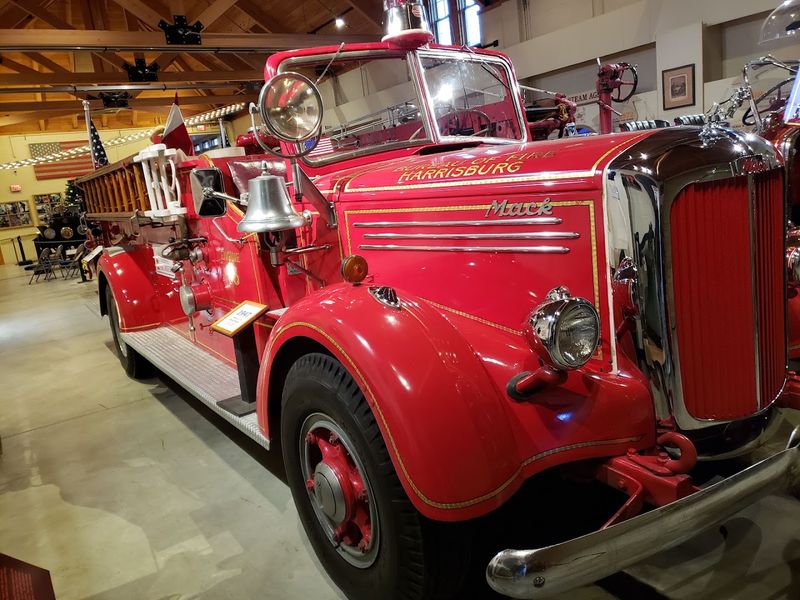
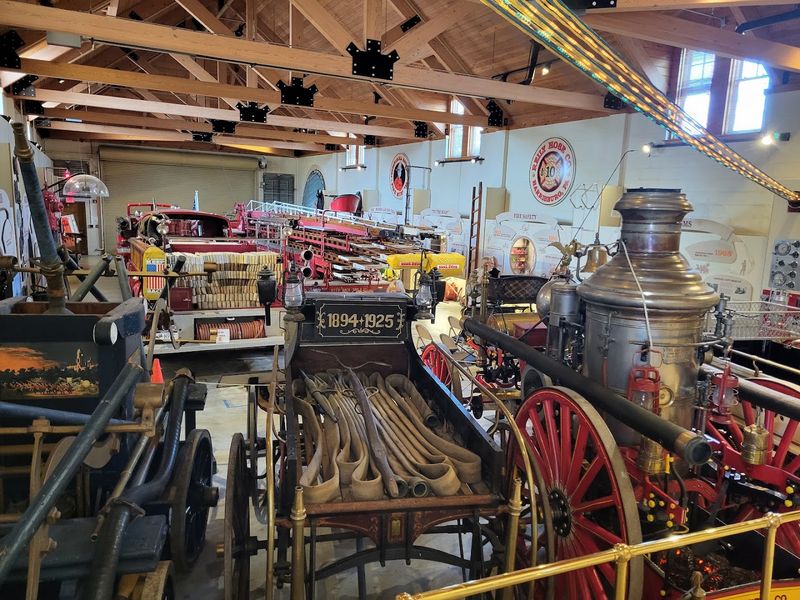
One of the biggest highlights here is the apparatus bay, where restored fire vehicles immediately grab your attention.
The collection gives you a clear visual timeline of how firefighting equipment changed over the decades, from simpler early designs to more advanced machines.
If you enjoy craftsmanship, chrome, painted lettering, and beautifully maintained historic vehicles, this room alone can keep you occupied for quite a while.
What makes the display work so well is that it feels approachable rather than overwhelming.
You can move at your own pace, compare details from one truck to another, and appreciate how each piece reflects the needs of its era.
Visitors often mention how well maintained everything looks, and I can see why, because the apparatus do not feel dusty or forgotten – they feel respected, preserved, and ready to tell their stories.
3. A clear look at firefighting’s evolution
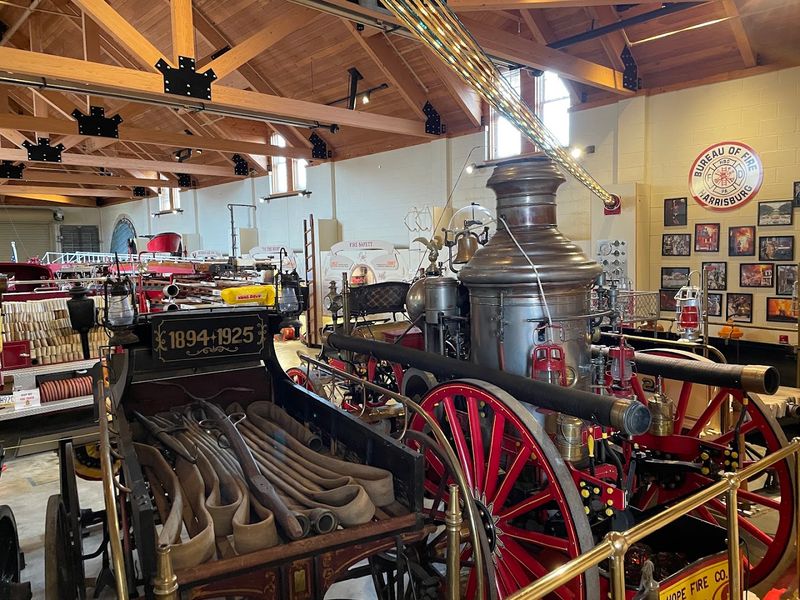
The museum does an excellent job showing how firefighting evolved from manpower and horses to modern emergency response.
Instead of presenting history as a string of dates, it uses artifacts, equipment, and thoughtful displays to show how daily fire service life actually changed.
That approach makes the experience feel grounded, especially if you are curious about the practical side of earlier firefighting methods.
You can trace the shift in tools, transportation, communication, and protective gear as you move through the exhibits.
Reviews often mention how much visitors learn about Harrisburg and Dauphin County specifically, and that local focus gives the museum extra depth.
Rather than offering a broad, anonymous overview, it connects larger firefighting history to the people, neighborhoods, and departments that shaped this part of Pennsylvania over more than a century.
4. The Gamewell fire alarm telegraph is a must-see
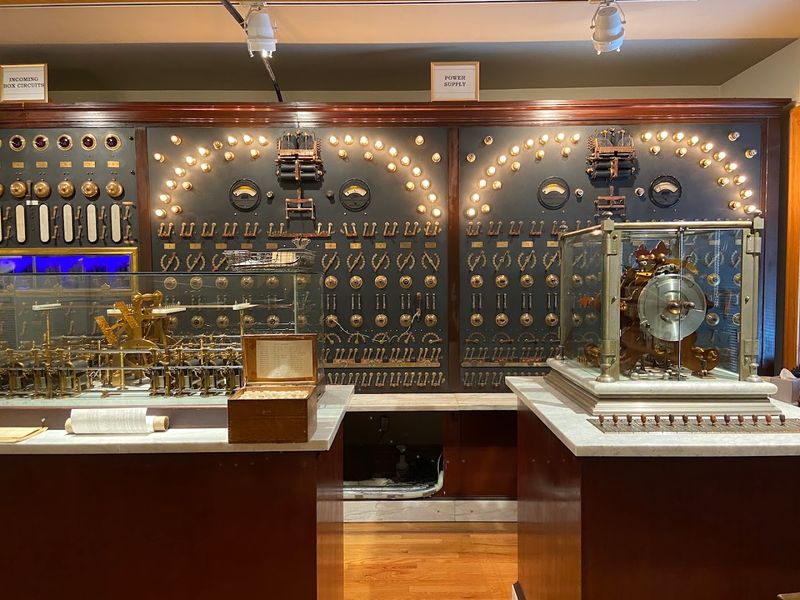
If you visit this museum, the Gamewell Fire Alarm Telegraph System deserves special attention.
Multiple reviewers call it one of the most fascinating parts of the experience, and it is easy to understand why once you see it explained.
For anyone who has only known modern phones and digital alerts, this exhibit reveals an ingenious earlier system for reporting fires and dispatching help.
The museum’s presentation makes technical history feel surprisingly engaging, especially when a volunteer walks you through how the alarm boxes worked.
Instead of staring at unfamiliar hardware and moving on, you come away understanding how communities once communicated during emergencies.
That kind of interpretation is where this place shines, because it transforms an old wall of equipment into a vivid reminder of how urgently, creatively, and efficiently people solved problems before today’s technology existed.
5. Volunteers bring the whole museum to life
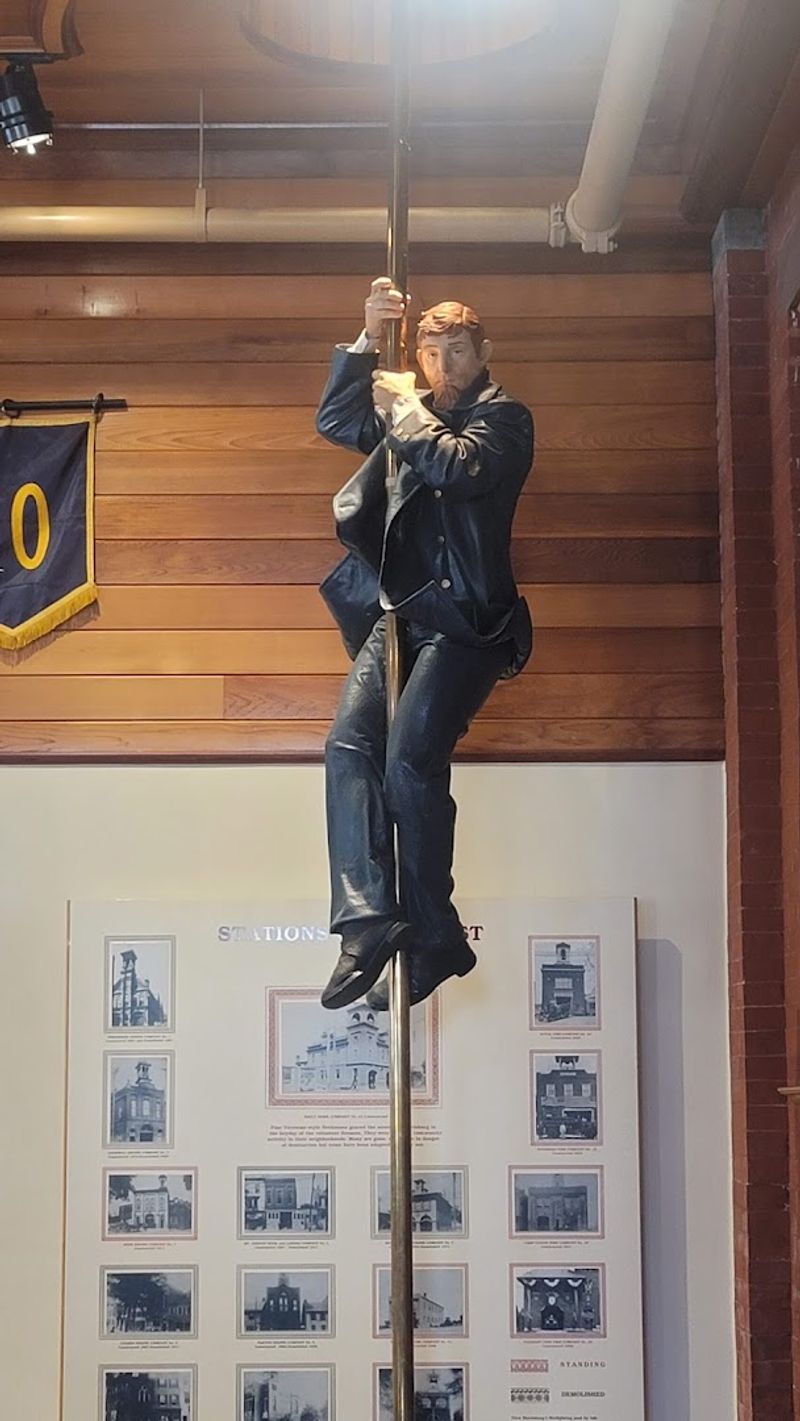
Again and again, visitors praise the volunteers, and that says a lot about what makes this museum special.
Knowledgeable staff can turn a good collection into a memorable experience, and here the volunteers seem to do exactly that with warmth, enthusiasm, and deep subject knowledge.
Many reviews mention being greeted right away, getting helpful background information, and feeling comfortable asking questions throughout the visit.
That personal touch matters because firefighting history can be broad, technical, and easy to skim past without context.
The volunteers help connect the dots, whether they are explaining apparatus, local department history, or the alarm system upstairs.
Rather than feeling formal or distant, the atmosphere comes across as welcoming and conversational, almost like being shown around by people who genuinely love the building, the artifacts, and the stories they are preserving for future visitors.
6. The museum honors sacrifice with real emotion
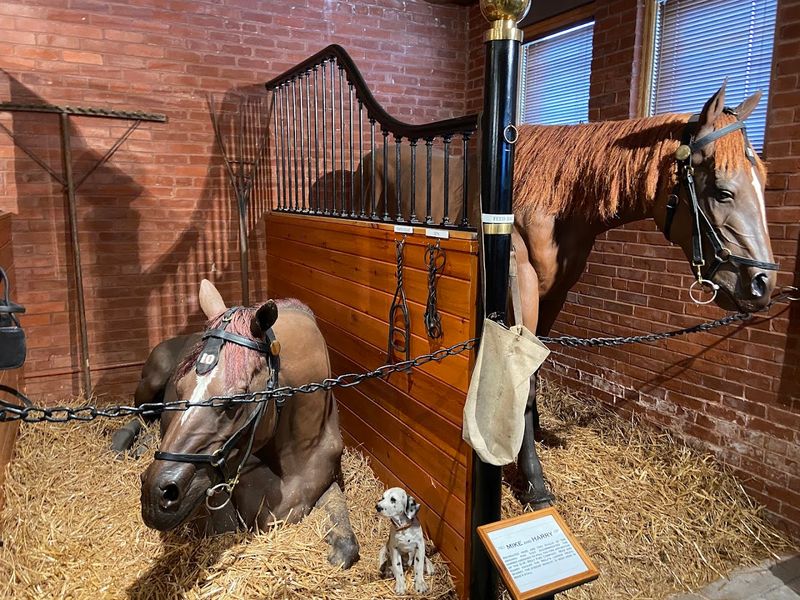
Beyond the trucks and tools, the museum also highlights the human side of the fire service.
Reviews point to displays that honor the bond between firefighters and horses, as well as a moving exhibit dedicated to the heroes of September 11.
Those touches broaden the experience, reminding you that this history is not only about machinery and methods, but also about courage, service, and loss.
That emotional dimension gives the museum surprising depth for a relatively compact attraction.
You can admire restored equipment one moment, then pause in front of exhibits that ask you to reflect on the people behind the uniforms and the risks they accepted.
When a museum combines technical history with heartfelt remembrance this effectively, it leaves a stronger impression and makes the visit feel meaningful long after you walk back outside.
7. Easy to visit and welcoming for all ages
Practical details can make or break a museum stop, and this one seems to get them right.
Visitors mention free parking, easy access, reasonable admission, and wheelchair accessibility, all of which make planning a visit much simpler.
With hours from 10 AM to 4 PM Thursday through Saturday and 1 PM to 4 PM on Sunday, it works well for a relaxed weekend outing in Harrisburg.
The museum also sounds appealing for a broad mix of visitors.
Families, retired firefighters, casual history fans, and people just passing through the area have all described it as worthwhile, educational, and enjoyable.
That versatility is important, because it suggests you do not need specialized knowledge to have a good time here – only a little curiosity and enough time to let the exhibits, volunteers, and historic setting work their charm.
8. A gift shop and mission worth supporting
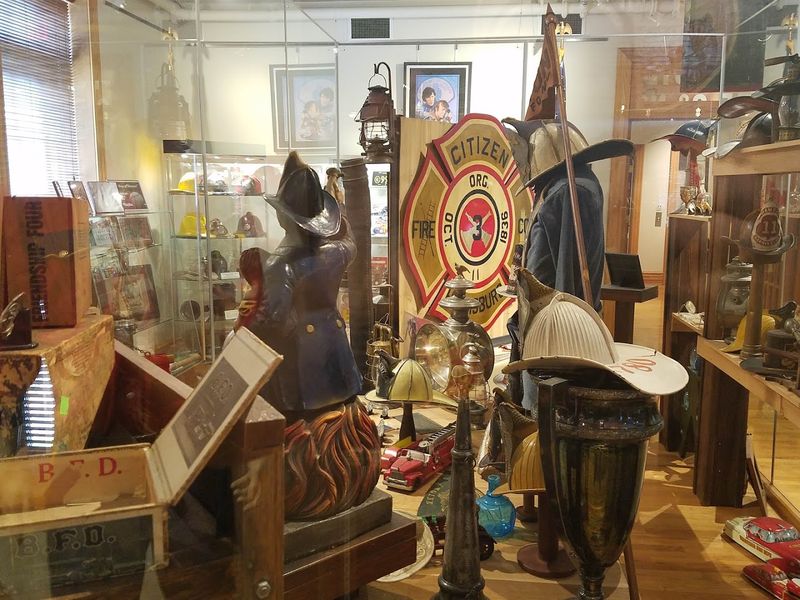
Several reviews mention the gift shop, and that small detail tells you something useful about the overall visit.
People describe it as nicely stocked, reasonably priced, and worth browsing at the end of the tour, which adds one more pleasant layer to the experience.
If you like leaving with a book, shirt, or simple keepsake, it sounds like an easy place to find something meaningful without feeling overpriced.
More importantly, spending here supports a museum that depends on admissions, donations, and volunteer dedication.
Knowing that gives the visit a little extra weight, because your ticket helps preserve both the historic firehouse and the stories inside it.
In a place so clearly maintained with care, supporting the museum feels less like a transaction and more like participating in the ongoing effort to keep local firefighting history alive.
9. Why this museum stands out in Harrisburg
What makes the Pennsylvania National Fire Museum stand out is how many strengths come together in one place.
You get a historic Victorian firehouse, restored apparatus, thoughtful local interpretation, interactive exhibits, and volunteers who clearly care about every part of the collection.
Add in the strong reviews, the approachable size, and the museum’s 4.8 star reputation, and it becomes easy to see why so many visitors call it a gem.
This is the kind of museum that can pleasantly surprise you, even if firefighting history was not already on your radar.
It feels personal, well kept, and rooted in Harrisburg rather than designed for rushed sightseeing.
If you want a stop that is educational, visually interesting, and rich with stories of service and community, this museum earns a place near the top of your list in Pennsylvania’s capital.
Share this story