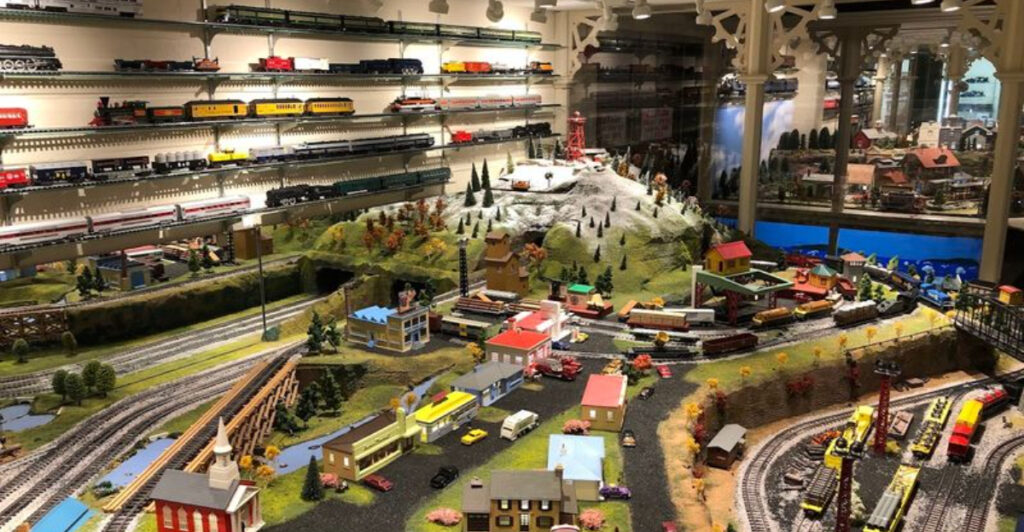
If you are driving through Lancaster County and think you have already seen every classic family attraction, this Victorian-style museum in Ronks will prove you wrong fast. The National Toy Train Museum packs generations of nostalgia, meticulous craftsmanship, and moving miniature worlds into one remarkably welcoming stop at 300 Paradise Lane. What surprised me most is how easily it bridges generations, with serious collectors admiring rare pieces while kids race to the next button that sends a train gliding through mountains, towns, and glowing nighttime scenes.
Beyond the impressive displays, the museum offers a chance to slow down and appreciate the creativity, history, and dedication behind each collection. With a 4.7-star rating, friendly staff, and exhibits spanning the 1800s to today, it is the kind of place that turns a quick visit into one of the highlights of your Pennsylvania trip. Whether you grew up building train sets or are discovering them for the first time, this hidden gem delivers a nostalgic experience that feels both timeless and unforgettable.
1. A Victorian Landmark Filled With Motion
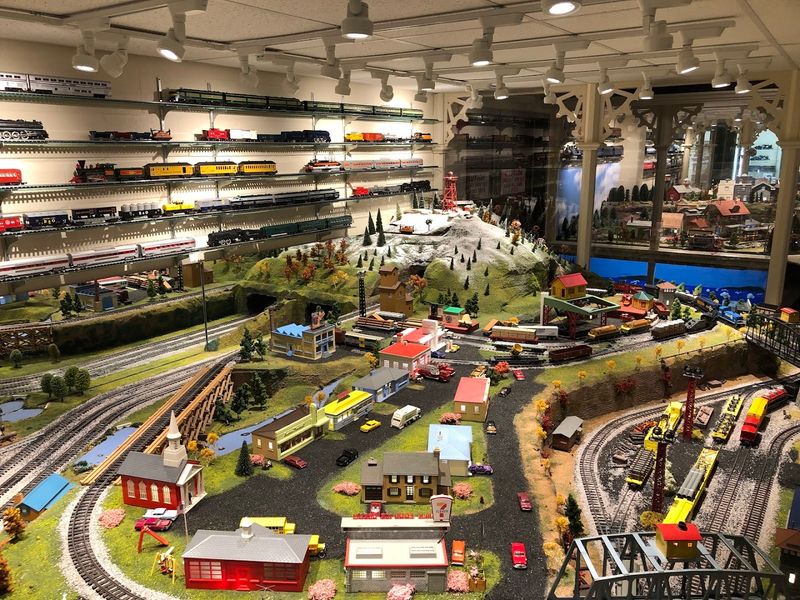
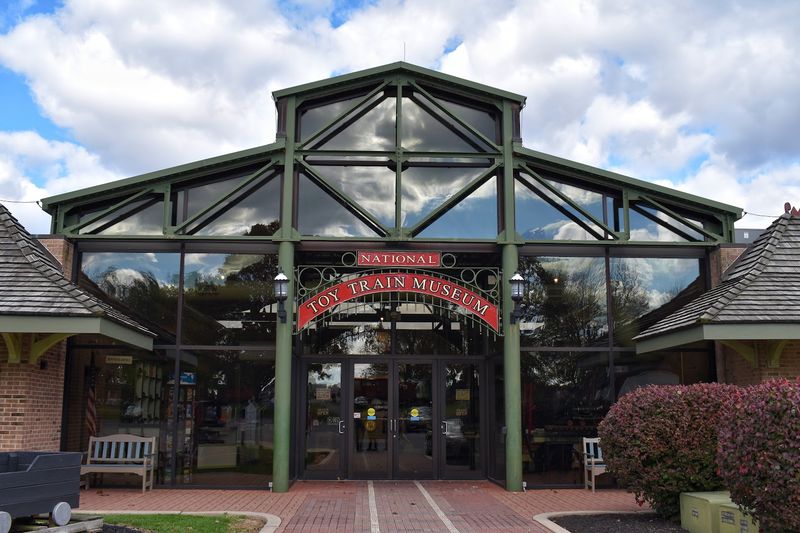
From the outside, the National Toy Train Museum already feels like a destination worth pulling over for.
Its Victorian-style architecture gives it a storybook presence, and that charm sets the mood before you even step inside.
Tucked along Paradise Lane in Ronks, it fits beautifully into the nostalgic character of Lancaster County.
Once you enter, the mood shifts from quaint to quietly thrilling.
You are greeted by galleries filled with movement, color, and carefully arranged scenes that make the whole place feel alive.
Rather than relying on a single headline exhibit, the museum surrounds you with one engaging display after another.
I love that it never feels stuffy or overly formal.
The atmosphere is approachable, bright, and designed for curiosity, whether you know train history by heart or just want a memorable stop between other local attractions.
That balance is a big reason people leave so impressed.
2. One Of The World’s Largest Toy Train Collections
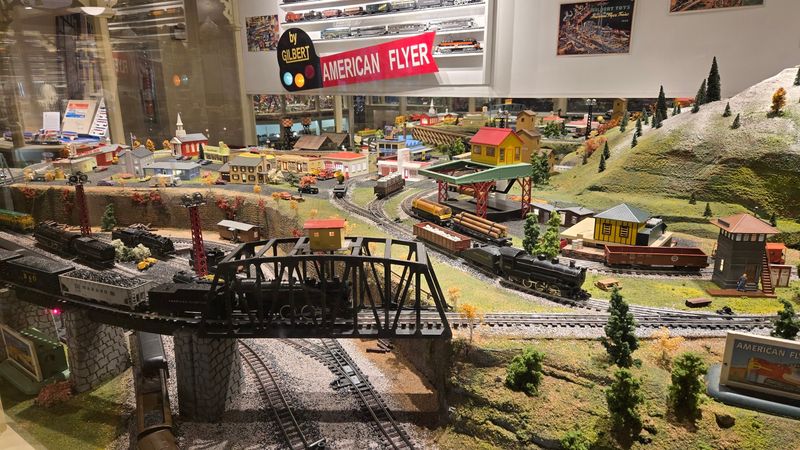
The biggest draw here is the sheer scale of the collection.
The National Toy Train Museum is known for housing one of the world’s largest toy train collections, and that reputation makes sense the moment you begin exploring.
Cases and layouts reveal just how much imagination, engineering, and collecting history are packed into this museum.
You will find trains from the 1800s through the present day, which gives the visit a satisfying sense of progression.
Instead of seeing toy trains as simple playthings, you start noticing changing materials, design trends, branding, and the craftsmanship that defined different eras.
It becomes a walk through American cultural history as much as a display of hobby pieces.
What I find especially rewarding is the range.
Serious enthusiasts can appreciate manufacturers and gauges, while casual visitors can simply enjoy the visual variety.
Either way, the collection feels significant, lovingly preserved, and surprisingly easy to connect with.
3. Interactive Layouts Kids And Adults Love
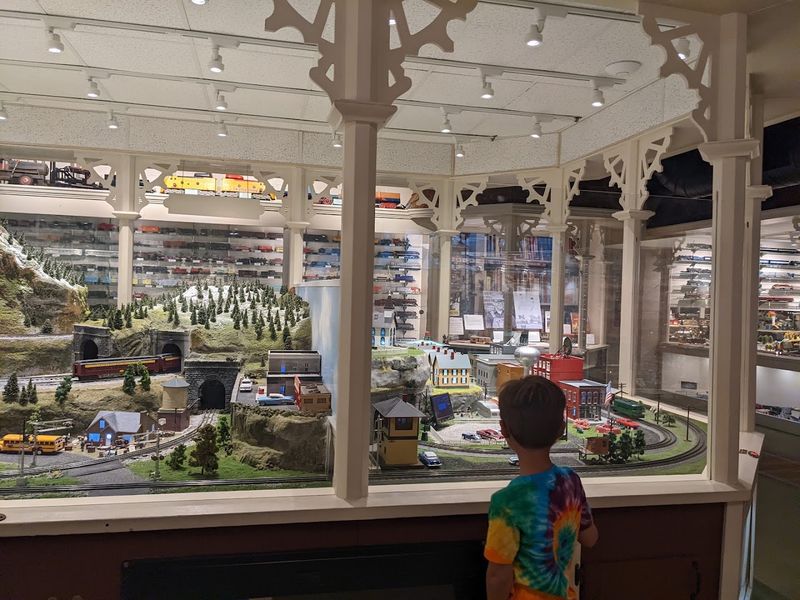
What really makes this museum stand out is how interactive it feels.
Many of the displays include buttons that activate trains, accessories, lights, and animated details, so you are not just looking at miniature worlds, you are helping bring them to life.
That hands-on approach is a huge reason families rave about the experience.
Kids seem to light up instantly here, especially when they realize they can trigger motion across the layouts.
Reviewers frequently mention toddlers and young children being completely absorbed by the exhibits, and it is easy to see why.
There is something satisfying about pressing a button and watching an entire tiny scene spring into action.
Adults are not left out of the fun either.
Even if you arrived thinking this was mainly for children, the interactivity quickly pulls you in.
It turns passive viewing into participation, which gives the museum an energy that feels playful, welcoming, and wonderfully memorable for all ages.
4. Miniature Worlds With Remarkable Detail
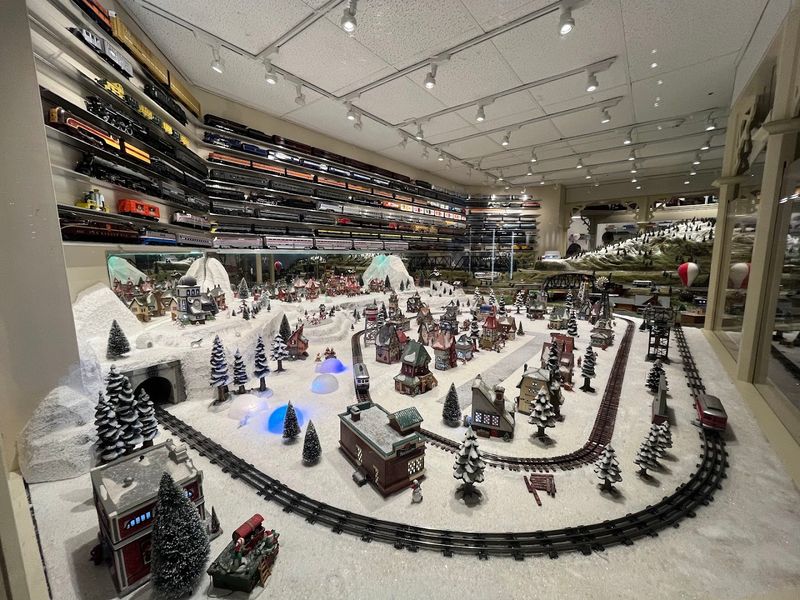
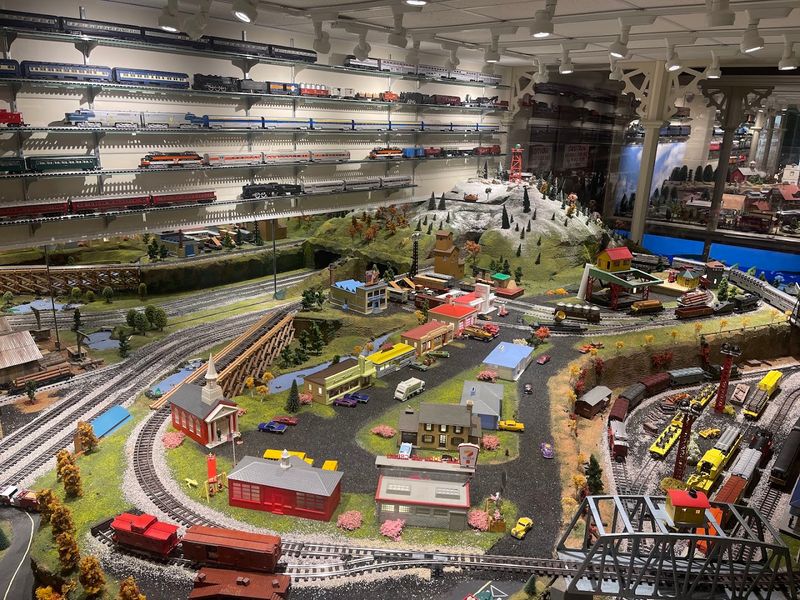
Beyond the trains themselves, the layouts are packed with scenery that rewards slow looking.
Tracks weave through cities, snowy mountains, small towns, amusement areas, and layered landscapes where something interesting seems to happen in every corner.
The craftsmanship is so detailed that you can easily spend extra time inspecting scenes you almost walked past.
Several visitors mention how relaxing it is to simply stand back and watch everything unfold.
I understand that completely, because the museum balances motion with careful design in a way that feels immersive rather than chaotic.
Every bridge, structure, figure, and crossing seems intentionally placed to support a larger story.
That storytelling quality is what keeps the exhibits from feeling repetitive.
Each setup has its own personality and rhythm, and you start noticing how scale, lighting, and architecture create distinct moods.
It is a museum where patience pays off, because the more closely you look, the more you discover.
5. A Strong Sense Of Toy Train History
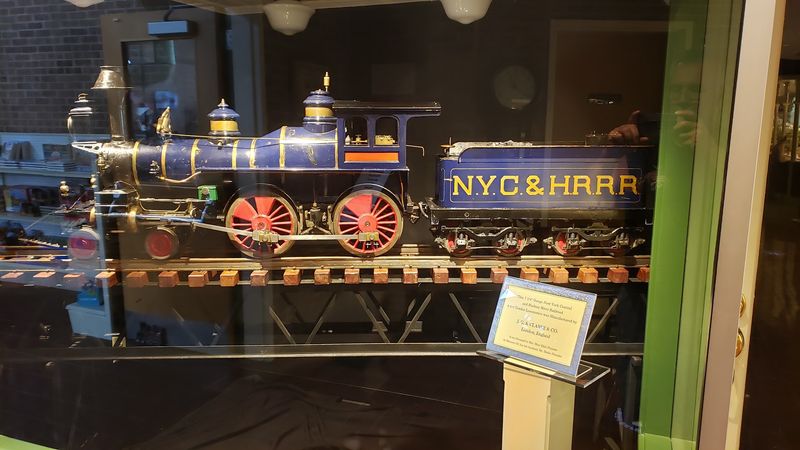
The National Toy Train Museum is not just a visual attraction, it is also a thoughtful history lesson.
As you move through the galleries, the displays show how toy trains evolved over time, from early pieces to more modern examples that reflect changing technology and tastes.
That broader perspective gives the museum real depth.
Visitors often mention the self-guided audio component, which adds context without making the experience feel rigid.
You can listen at your own pace and learn about gauges, makers, and the role toy trains played in family life and collecting culture.
It is a helpful way to turn simple admiration into understanding.
I like that the educational side never overwhelms the fun.
The museum respects serious hobbyists, but it also speaks clearly to people who are brand new to this world.
That balance makes the history accessible, especially if you want a family outing that feels enjoyable and genuinely enriching.
6. Lighting Effects That Transform The Displays
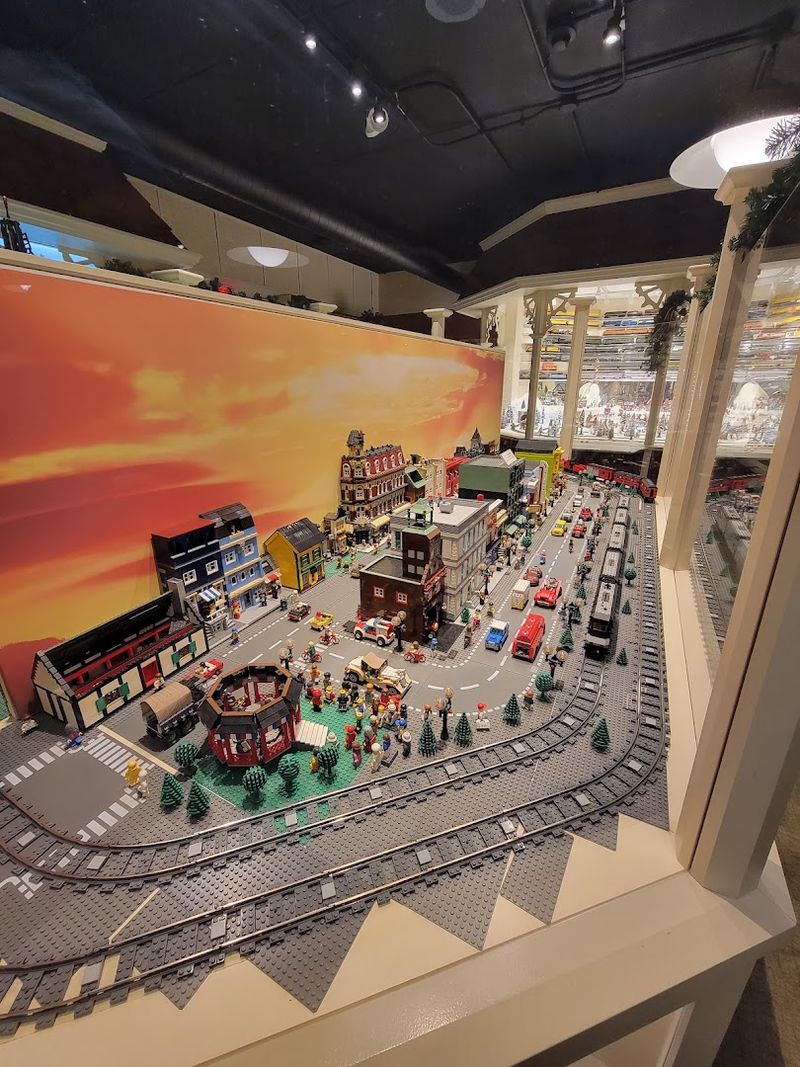
One of the museum’s most memorable features is the way some displays shift through day and night lighting.
That change sounds simple on paper, but in person it adds drama, atmosphere, and a surprising amount of emotion to the miniature scenes.
Buildings begin to glow, streets feel warmer, and the layouts take on a completely different character.
Several visitors single out this effect as one of the coolest parts of the museum, and I can see why.
It invites you to linger longer, because the same display can look fresh moments later under altered light.
Watching a tiny town transform from daytime brightness to nighttime sparkle feels unexpectedly cinematic.
This feature also highlights just how carefully the museum has been designed.
The lighting is not a gimmick layered on top of the trains, it is part of the storytelling.
It deepens the realism, emphasizes fine details, and makes each layout feel more alive and immersive.
7. Friendly Staff And An Easygoing Visit
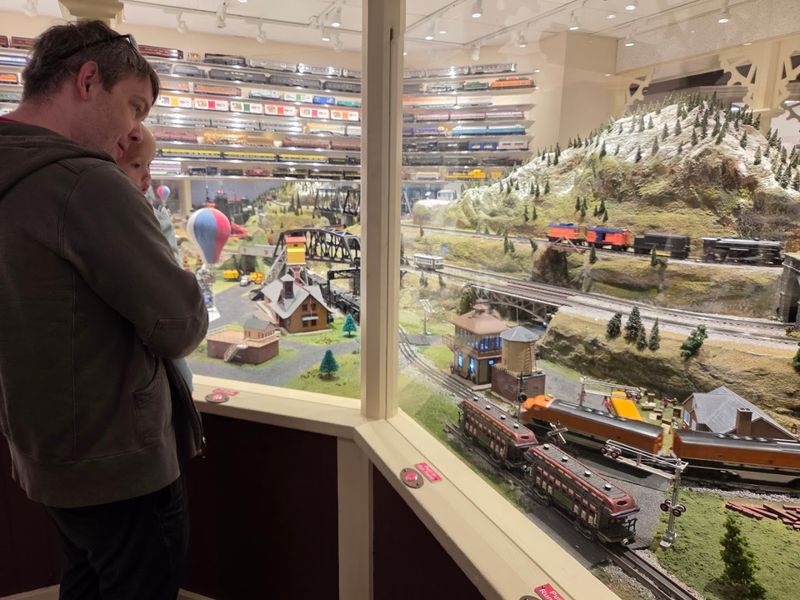
A lot of attractions have great collections but forget the human side of the experience.
This museum does the opposite, with review after review praising the staff as friendly, welcoming, and knowledgeable.
That kind of hospitality matters, especially when you are visiting with kids or are not sure where to begin.
The museum also earns consistent compliments for being clean, well maintained, and thoughtfully organized.
Those details create an easygoing visit where you can focus on exploring instead of navigating confusion or crowds.
If you arrive near the end of the day or during a quieter stretch, the peaceful atmosphere can make the experience even better.
I think that warmth is part of what gives the museum such broad appeal.
Experts feel respected, first-time visitors feel comfortable, and families feel encouraged to take their time.
When a place combines strong exhibits with genuinely kind service, it becomes much easier to recommend without hesitation.
8. A Perfect Stop In Lancaster County
The museum’s location makes it especially appealing if you are already exploring Lancaster County.
In Ronks, near Strasburg-area train attractions, it fits naturally into a day built around rail history, family fun, and classic Pennsylvania countryside.
Many visitors discover it while staying nearby and end up calling it a highlight of the trip.
That convenience matters because the museum works for different kinds of schedules.
You can make it a focused destination, or add it between rides, meals, and other local stops without feeling rushed.
Since it is open daily from 10 AM to 5 PM, planning around it is refreshingly simple.
I also like that it offers something useful on quieter days in the region.
Families mention it as a great option when other attractions are limited, and its indoor setting makes it dependable.
If you want a stop that feels distinctive, local, and easy to enjoy, this one delivers.
9. Why This Museum Leaves Such A Lasting Impression
What stays with you after visiting is not just the rarity of the collection, but the feeling the museum creates.
It blends nostalgia, craftsmanship, history, and play in a way that feels genuinely generous to visitors.
Whether you grew up with trains around a holiday tree or are seeing vintage toy railroading for the first time, there is a strong emotional pull here.
The best museums make people slow down, notice details, and talk about what they are seeing.
This one does that beautifully, often across generations at once.
Grandparents, parents, and children can all find their own entry point, which is harder to achieve than it looks.
If you are considering a visit, the National Toy Train Museum at 300 Paradise Lane is easy to recommend.
With excellent reviews, approachable exhibits, and a warm sense of wonder, it proves that a specialized museum can still have broad appeal.
In Ronks, this is more than a niche attraction.
Share this story