Every fall, Tennessee’s lakes and rivers welcome some impressive visitors. American white pelicans, known for their enormous wingspans, bright white feathers, and distinctive orange bills, make their way through the state during migration.
These magnificent birds often travel in large flocks, creating unforgettable scenes as they glide across the sky or gather on open water. For birdwatchers and nature lovers, spotting them is one of the season’s most exciting wildlife experiences.
While pelicans might seem more at home along the coast, Tennessee offers several excellent places to observe them. From the peaceful waters of Reelfoot Lake to the expansive shorelines of Kentucky Lake, these birds stop to rest, feed, and sometimes remain through winter.
Even locations near Nashville and East Tennessee’s river valleys can provide opportunities for unexpected sightings.
Whether you’re an experienced birder or simply looking for a memorable outdoor adventure, knowing where to look can make all the difference. Bring your binoculars, check recent sightings, and prepare for a little patience.
Here are seven Tennessee locations where you might catch a glimpse of these remarkable birds during their seasonal travels, along with helpful tips for making the most of your visit.
1. Reelfoot Lake State Park
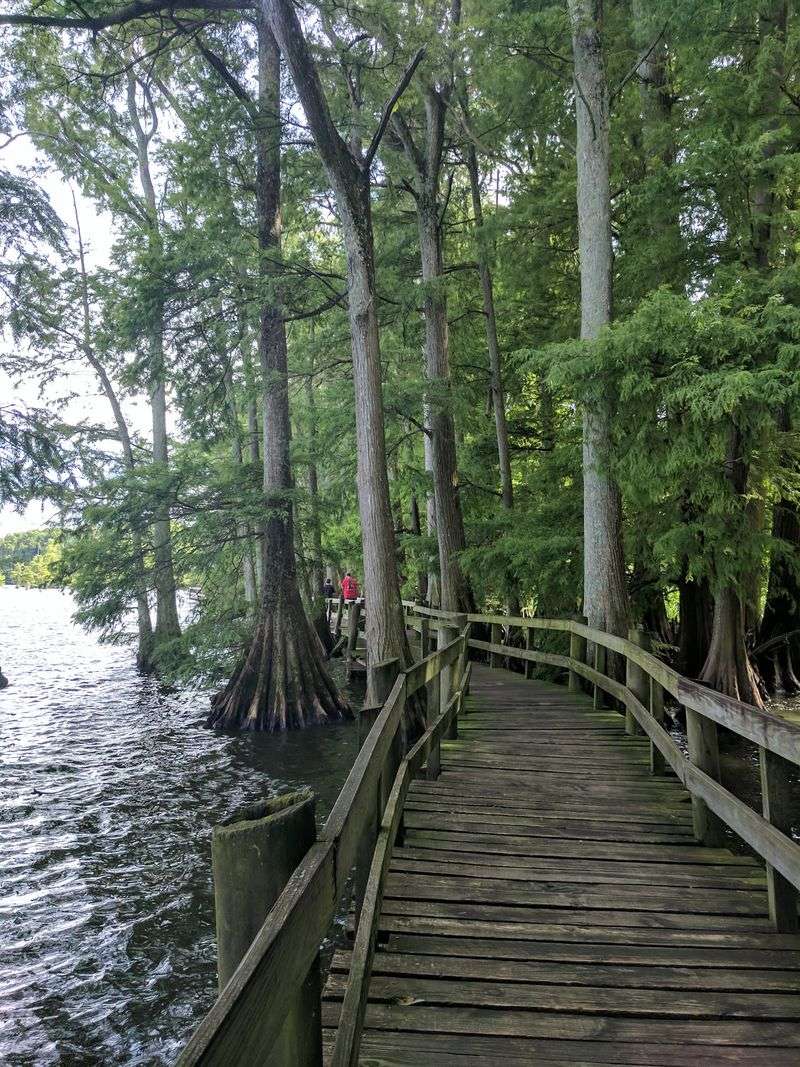
Picture a lake born from an earthquake, with cypress trees standing in the water like old giants. That is Reelfoot Lake, and in fall it doubles as a runway for pelicans. It is often named among the top places in Tennessee to watch them.
The big flocks tend to show up during fall migration. Sometimes the birds spread out across open water in a white blanket. Other times they lift off together, and the wingbeats look like a slow wave rolling across the sky.
Plan your visit for early morning. The light is soft, the air is calm, and the birds are often busy feeding or stretching their wings. Bring binoculars, because pelicans can float far from the shore.
A spotting scope is even better if you have one.
Dress in layers. Mornings by the water can feel chilly, even when the afternoon warms up. A thermos of something hot makes the waiting much nicer.
Wear shoes that can handle damp ground near the edges.
The park has a visitor center and nature programs. Rangers and staff often know what the birds have been doing lately. A quick question at the front desk can save you an hour of guessing.
Local folks love talking about birds, so do not be shy.
Here is a fun fact. American white pelicans do not dive from the air like brown pelicans. Instead, they swim together and herd fish into shallow spots, then scoop them up.
Watch for groups moving in a loose line, because that is the team fishing in action.
Keep your distance and stay quiet. Startled birds burn energy they need for the long trip south. If the whole flock suddenly takes off, you probably got too close or made too much noise.
Do not forget the rest of the scenery. Eagles, herons, and egrets also hang around the lake. You might come for pelicans and leave with a notebook full of other sightings.
Check the weather before you drive, since fog or wind can change how the lake looks and how far you can see.
Pack snacks, charge your camera, and give yourself a few hours. Bird watching rewards patience. The longer you stay, the more the lake seems to show you.
2. Kentucky Lake
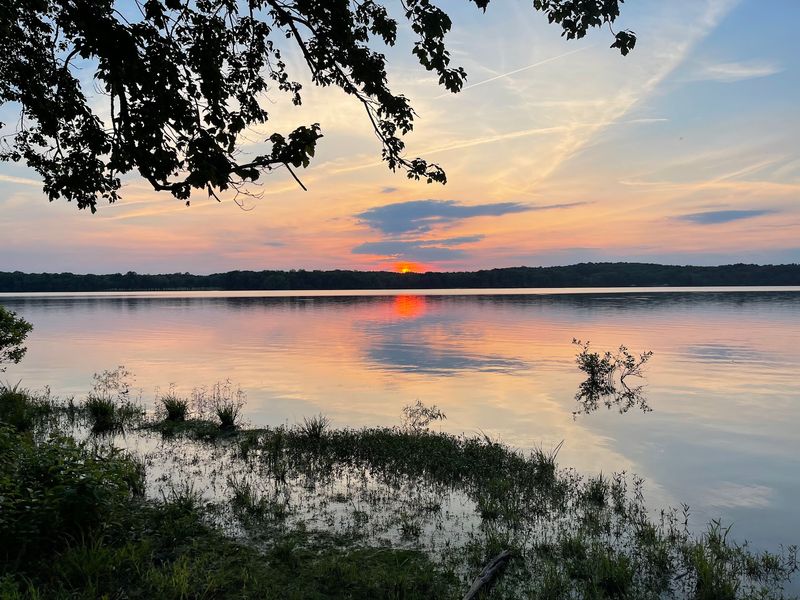
Few lakes in the South stretch out as far as Kentucky Lake. All that open water and those shallow edges give traveling pelicans exactly what they want: fish to eat and a safe place to rest. If you like wide views, this is your kind of bird hunt.
The shallow shorelines are the key. Pelicans like to stand in the shallows, preen their feathers, and nap in groups. From a distance, a resting flock can look like a pile of snow on the water or on a sandbar.
Because the lake is so big, it helps to pick a few stops instead of trying to see everything. Look for public access areas, boat ramps, and overlooks along the shore. Scan the water slowly with binoculars, moving from left to right like you are reading a line of text.
Timing matters here. Pelicans migrate through the area in fall, but some also remain on Tennessee’s larger lakes during winter. Check local bird reports or wildlife agency updates before you go.
A quick look online can tell you if recent visitors spotted any.
Wind plays a big role too. On breezy days, the water gets choppy and birds may tuck into calmer coves. On still days, they may spread out wide.
Be flexible and check a few places before you decide the birds are not around.
Here is a handy trick. Look up as well as out. Pelicans often travel in high, graceful spirals, riding warm air without flapping much.
Their black wing edges stand out against bright white feathers, so they are easy to spot once you know the pattern.
If you have a camera with zoom, this is the place to use it. Shooting from the shore keeps you far enough away to avoid stressing the birds. A steady hand or a small tripod makes the pictures much sharper.
Bring water, sunscreen, and a folding chair. Lakeside watching can turn into a lazy afternoon fast. That is part of the charm.
Sit back, sip something cold, and let the flock come to you.
3. Lake Barkley
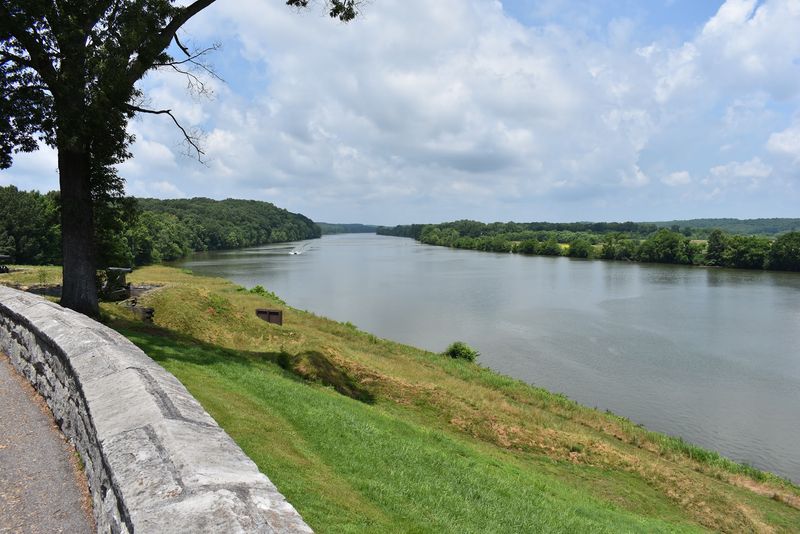
Ask a Tennessee birder where else to look, and Lake Barkley comes up quickly. It sits right next door to Kentucky Lake, separated by a strip of land that is a wildlife playground. Pelicans know a good neighborhood when they see one.
State wildlife sources list it as another recommended place to spot these big migrants. That makes it a smart second stop on a pelican road trip. If the birds are not on one lake, they may be on the other.
Think of it as a two-for-one plan. You can start your morning at one lake and finish at the other. The drive between them is short, and the scenery is pretty the whole way.
When you arrive, find a spot with a clear view of open water and take a minute to just look. Resist the urge to rush. Pelicans are big, but they can look small when they float far out.
Slow scanning works better than quick glances.
Listen too. Pelicans are mostly quiet, but nearby gulls, geese, and ducks can tip you off. A sudden burst of noise from other birds sometimes means something has stirred the flock.
Follow the commotion and you might find your target.
One wild detail is wingspan. An adult American white pelican can stretch its wings around nine feet wide, which is wider than many front doors are tall. When one passes overhead, the shadow alone is impressive.
Pack for changing weather. Late fall near the water can swing from sunny to gray in an hour. A light rain jacket and a warm hat earn their space in your bag.
Respect posted rules at boat ramps and shorelines. Stay out of closed areas and give the birds plenty of room. If they paddle away from you, that is your sign to back up.
Good watchers leave no trace and no stress.
Finish your visit with a snack in a nearby town. A pelican day deserves a good meal afterward.
4. Old Hickory Lake
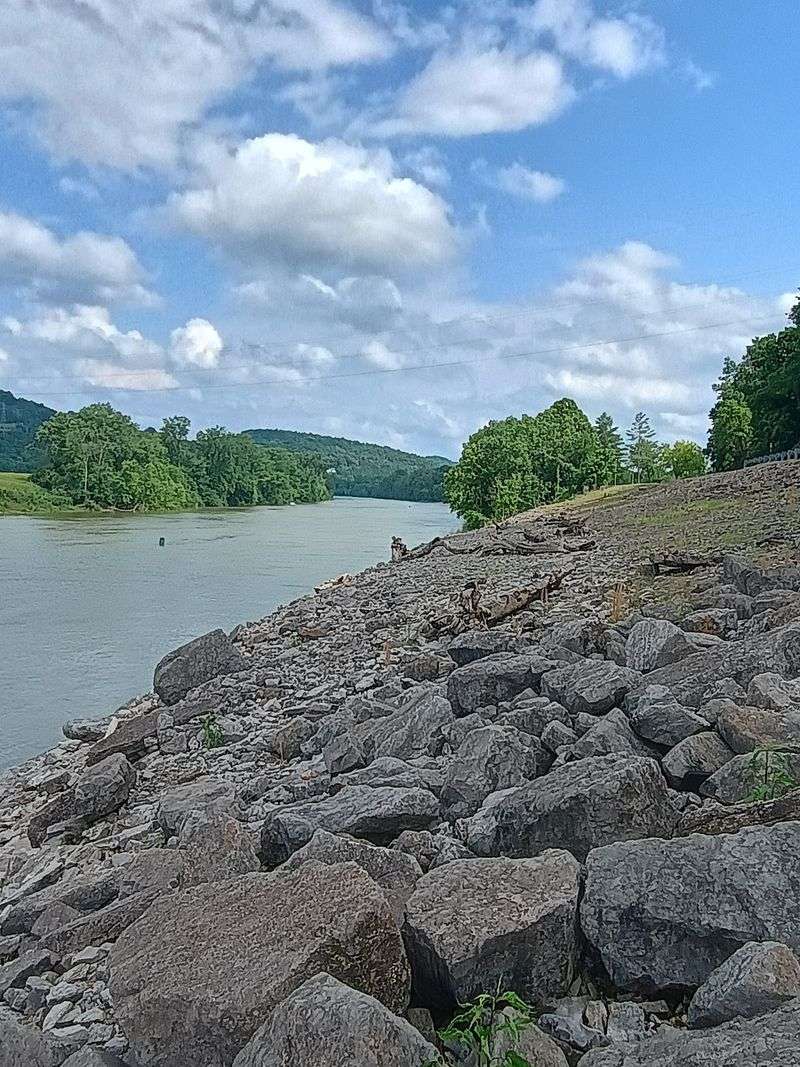
Middle Tennessee does not usually make people think of pelicans, which is exactly why Old Hickory Lake is so fun. Spotting one near Nashville feels like finding a palm tree in a snowstorm. It is a real surprise, and it has been documented.
Records from migration seasons show that these birds do stop here. They are not guaranteed, though, so treat this trip as a treasure hunt. Part of the thrill is not knowing what you will find.
The lake is close to many neighborhoods, which makes it easy for a quick outing. You can stop after work, bring a thermos, and scan the water as the sun sets. Evening light turns the white feathers a warm gold.
Check different parts of the shoreline. Parks, boat launches, and quiet coves all offer different angles. Pelicans sometimes rest on islands or sandbars, so look for pale shapes on the edges of the water.
Tell friends and neighbors you are looking. Local bird groups and social pages often share sightings in real time. A single post saying birds are at a certain cove can send you straight to them.
Here is a helpful clue for beginners. A large white bird with black wingtips and a long bill may be an American white pelican, especially if it has a distinctive large throat pouch. Gulls are much smaller, and swans have long thin necks and no pouch.
Bring a field guide or a bird app. Identifying birds is half the fun, and apps can help with sound and shape. Kids tend to love the challenge, especially if you turn it into a scavenger hunt.
Stay flexible about when you go. Migration moves with weather fronts, so a windy cold snap can push birds in overnight. After a big weather change, take a drive and look.
Even if no pelicans show, the lake usually pays you back with herons, cormorants, and sunsets. Nobody leaves unhappy.
5. Hiwassee Wildlife Refuge
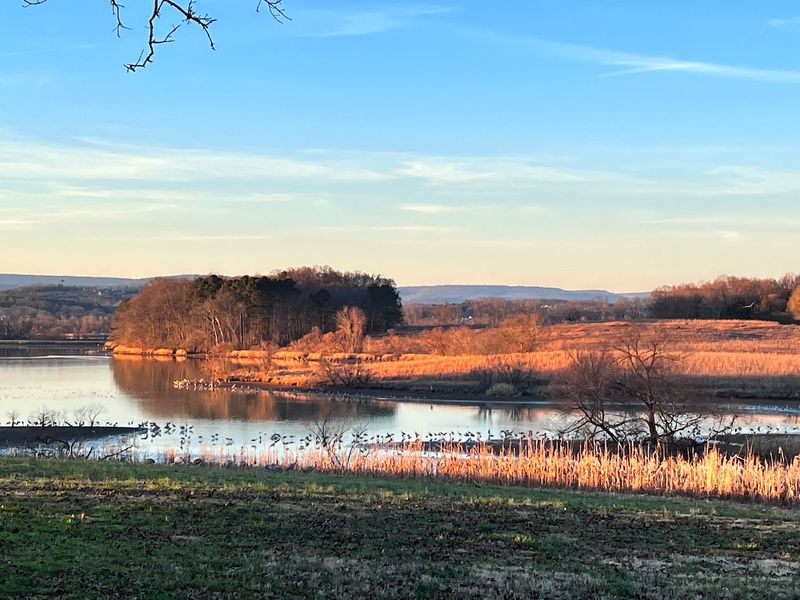
Most folks know Hiwassee for its sandhill cranes, but the refuge has more surprises tucked into its fields and river bends. Pelicans have been reported here, which adds a new chapter to a place already famous for big birds. Think of it as a bonus round.
The refuge sits in East Tennessee, where the Hiwassee and Tennessee rivers meet. Mudflats, shallow water, and open fields attract many species. That mix of habitat is why so many travelers stop in during fall.
Sightings here are less predictable than at the big western lakes. That is fine. Birders like a challenge, and spotting a pelican near the Hiwassee and Tennessee rivers feels like a prize.
Visit early and bring layers. River valleys hold cool air, and morning fog can hang around until mid-morning. Once it burns off, the views open up and the birds become easier to find.
Walk slowly and stop often. Use viewing areas instead of wandering into fields or sensitive spots. Refuges exist to protect wildlife, and staying on marked paths keeps everyone safe, birds included.
Bring binoculars and a notebook. Jot down what you see, even common birds. Over time, those notes show patterns, like which days the flocks showed up and what the weather was doing.
Check for seasonal rules before you go. Some areas have limited access during certain times of year to protect resting birds. A quick look at official wildlife agency updates can save you a wasted trip.
If you are lucky enough to see pelicans, take a moment to watch how they move. They glide with slow, heavy wingbeats, then tilt and circle like dancers who have rehearsed for years.
Pair your outing with a scenic drive through nearby towns. The mix of birds, water, and mountain views makes this one of the prettiest bird trips in the state.
6. Blythe Ferry
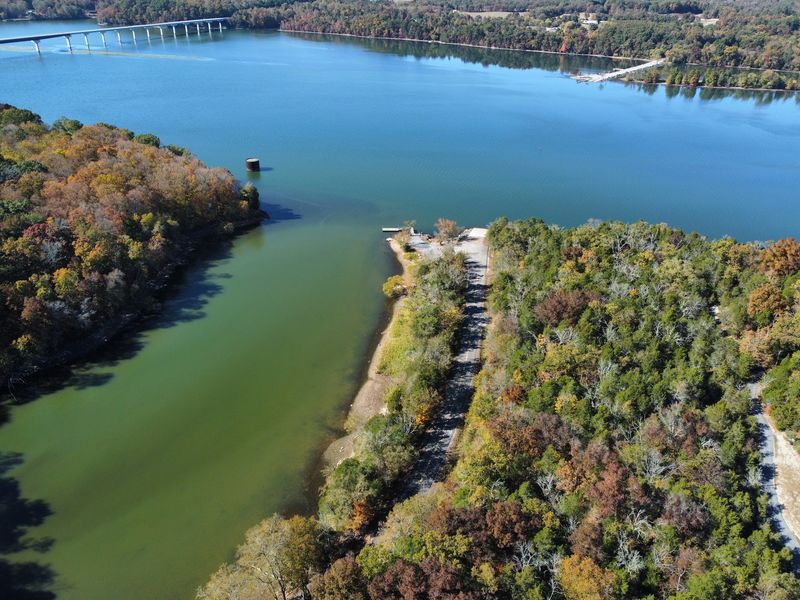
Blythe Ferry is a historically significant crossing on the Tennessee River, including its role in the forced removal of thousands of Cherokee people along the Trail of Tears in 1838. Today, visitors also come to the area to watch wildlife. Old reports say migrating pelicans have been seen from this spot.
The location sits along a wide stretch of river in East Tennessee. The calm water and open view make it easy to scan for birds. You do not need a long hike or fancy gear.
Arrive with patience and a camp chair. Plenty of birders say the best sightings come after you have been sitting still for a while. Birds seem to forget about you once you stop moving.
Bring binoculars, and look at both the water and the sky. Pelicans may be floating, standing on a bank, or circling above. Their white bodies stand out against darker trees and clouds.
Fall mornings are lovely here. Mist rises off the river, and the first light paints everything soft pink. Even if no pelicans appear, you get a postcard moment.
Because this area has historical significance, take a few minutes to read any signs or learn about its past. It adds meaning to the visit. You will be watching wildlife in a place where people have traveled for centuries.
Pack a snack and a warm drink. Riverside breezes can cut through a light jacket quickly. Gloves are not a bad idea once November rolls around.
Keep noise low and give birds space. If you bring kids, make it a quiet game. See who can spot the first white shape and win bragging rights.
Check local bird updates before you travel. Pelicans move fast, and a good report from the day before can make all the difference.
7. Louisville Point Park
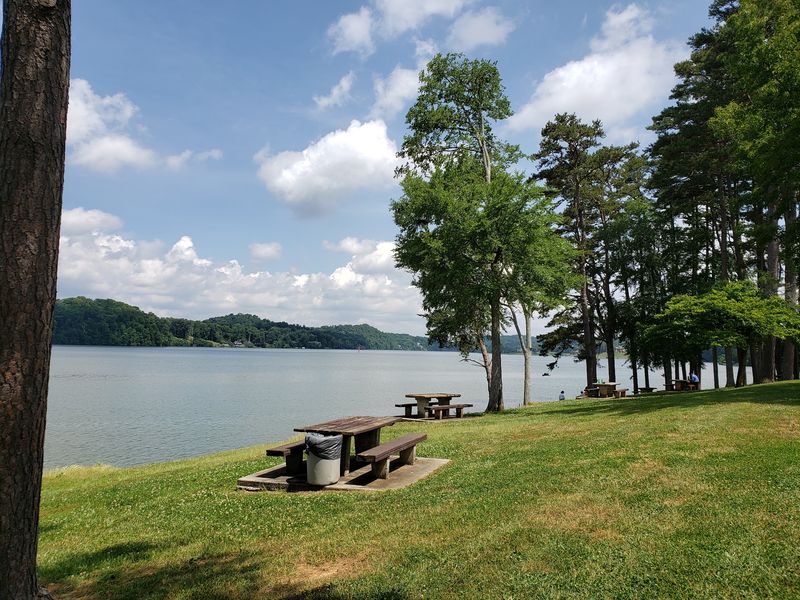
Sometimes the best wildlife spot is the one hardly anyone talks about. Louisville Point Park fits that description. It is a quieter East Tennessee location where pelicans have also been spotted, and the peaceful setting is part of the appeal.
Crowds are usually small here. That means more room to set up, more calm for the birds, and a better chance to hear the soft sounds of the water. If you like your nature without a line, this is for you.
Start by walking the shoreline and picking a viewpoint. Look for open water, sandbars, or quiet inlets where birds might rest. Pelicans like safe places to float in groups.
Bring binoculars and a light snack. A simple picnic can turn a bird search into a relaxing afternoon. The park is a great place to slow down and let the day unfold.
Remember that sightings can change from day to day. A flock might be there Monday and gone by Tuesday. Check recent bird reports if you can, and be ready to enjoy whatever the water offers.
Here is a quick tip for photographers. Shoot with the sun behind you so the white feathers show clean detail. Shooting into the sun turns birds into dark shapes and hides their orange bills.
Look for other wildlife while you wait. Herons often stalk the shallows, turtles bask on logs, and kingfishers zip along the edge. A pelican trip can double as a general nature outing.
Respect the space around you and leave the place cleaner than you found it. Quiet spots stay quiet because visitors treat them well.
Finish your day with a drive along the river. Even without pelicans, the scenery makes it a trip worth taking.
Share this story