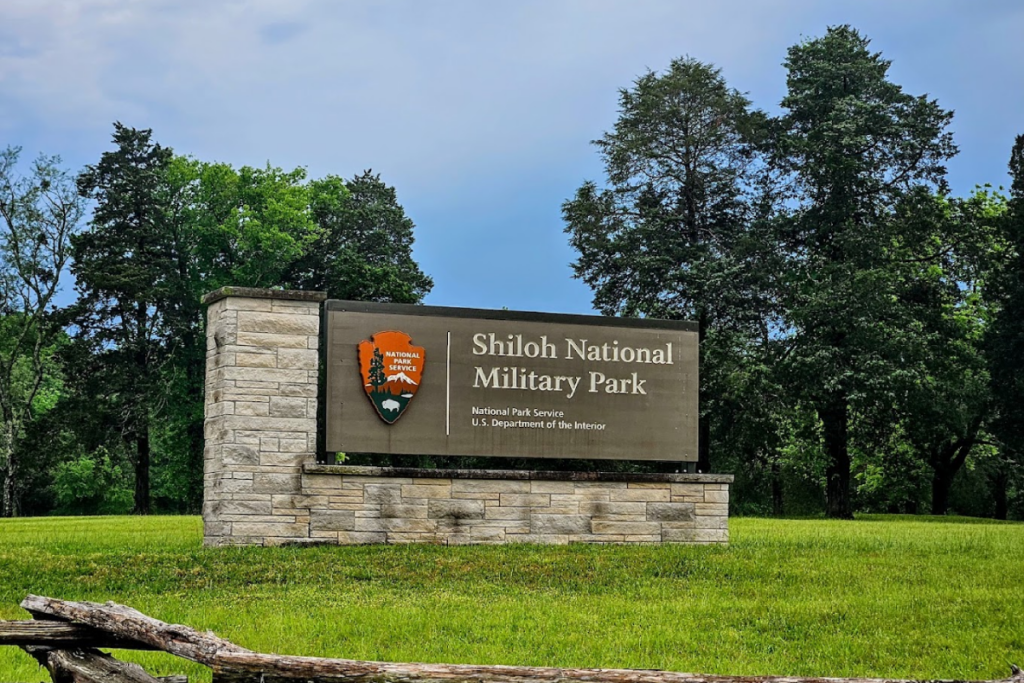
Imagine standing in a quiet forest where, over 160 years ago, thousands of soldiers fought one of the bloodiest battles in American history. Shiloh National Military Park in southwestern Tennessee preserves the ground where Union and Confederate forces clashed in April 1862, changing the course of the Civil War.
Today, the cannons are silent and the fields are peaceful, but the story of what happened here still echoes across the landscape. Walking through this park means stepping back in time to understand a battle that shocked the nation and shaped our country’s future.
A Quiet Corner of Tennessee With a Deafening Past
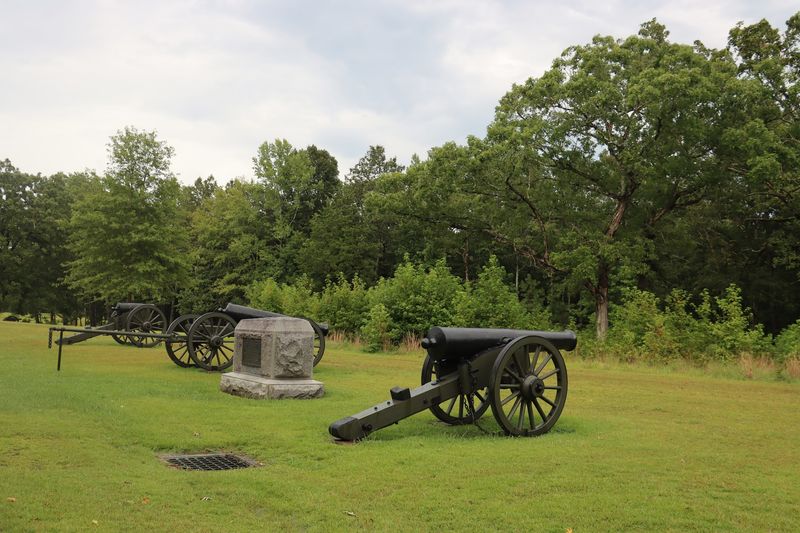
Tucked away in Hardin County near the Tennessee River, Shiloh looks like any other peaceful stretch of Tennessee countryside. Trees sway gently in the breeze, birds chirp overhead, and sunlight filters through the canopy onto grassy clearings.
Nothing about the scenery today hints at the violence that once erupted here.
But on April 6 and 7, 1862, this quiet corner exploded with the roar of artillery, the crack of muskets, and the shouts of nearly 100,000 soldiers locked in desperate combat. The Battle of Shiloh became one of the war’s deadliest encounters, with more than 23,000 casualties in just two days.
Soldiers who survived described the chaos as unlike anything they had imagined.
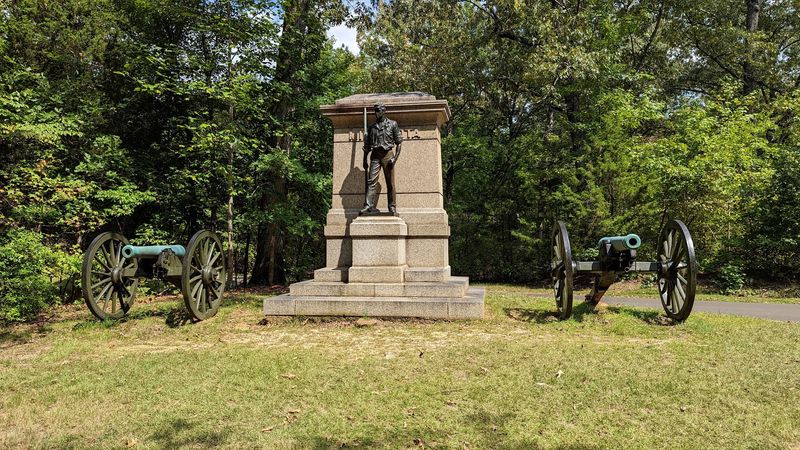
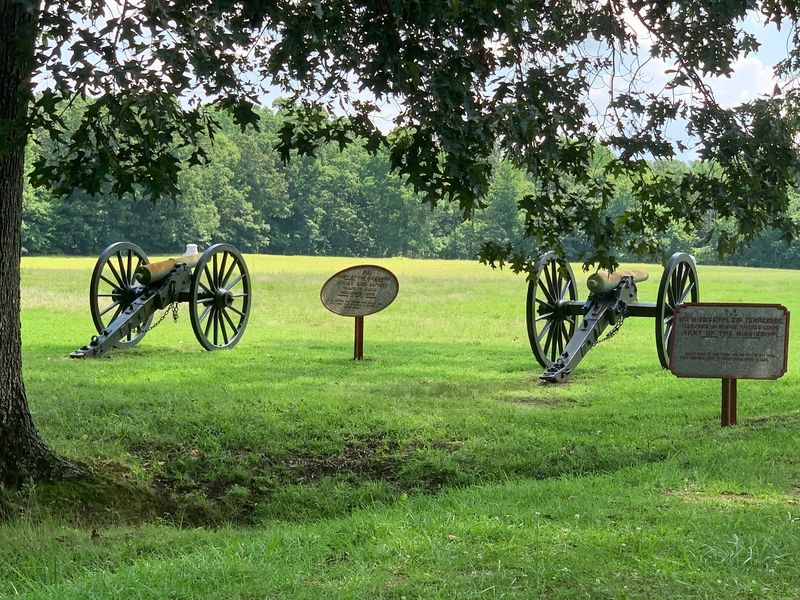
Now managed by the National Park Service, the 4,000-acre site preserves the battleground almost exactly as it appeared during the fight. Monuments mark where regiments stood their ground or fell back under fire. Plaques explain troop movements and key moments.
Walking the grounds today feels surreal because the contrast is so striking. Where cannon fire once shook the earth, families now picnic and children explore trails.
The silence amplifies the weight of what happened here, making visitors pause and reflect.
Many people say Shiloh feels different from other historic sites because the landscape itself tells the story. You can trace the path soldiers marched, see the ridges they defended, and stand where generals made split-second decisions.
The park’s preservation efforts mean you’re not just reading about history but experiencing the actual terrain that shaped the battle’s outcome. This combination of natural beauty and profound historical significance makes Shiloh a place that stays with you long after your visit ends.
What Happened at Shiloh in April 1862
Spring 1862 brought a critical moment in the Civil War. Union General Ulysses S. Grant had pushed deep into Confederate territory, camping his army near Pittsburg Landing along the Tennessee River. His troops waited for reinforcements before marching south to capture a vital railroad junction at Corinth, Mississippi.
Confederate General Albert Sidney Johnston saw an opportunity. He gathered 44,000 soldiers and launched a surprise dawn attack on April 6, catching many Union soldiers still in their tents.
The first day of fighting was chaos.
Union forces scrambled to form defensive lines as Confederates pushed them back toward the river. Fighting raged through peach orchards, cotton fields, and dense thickets.
One area became known as the Hornet’s Nest because bullets flew so thick they sounded like angry hornets.
General Johnston himself was killed during the afternoon assault, bleeding to death from a leg wound. His second-in-command, General P.G.T. Beauregard, took over but couldn’t break the Union lines before nightfall. That evening, Union reinforcements arrived by steamboat, completely changing the situation.
On April 7, Grant counterattacked with fresh troops. The exhausted Confederates fought hard but were slowly pushed back across the ground they had captured the day before.
By afternoon, Beauregard ordered a retreat to Corinth.
The casualties shocked both sides. Combined losses topped 23,000 men killed, wounded, or missing.
Until that point, no American battle had produced such horrific numbers. The carnage at Shiloh made everyone realize the war would be longer and bloodier than anyone had imagined.
This battle also established Grant’s reputation as a commander who wouldn’t quit under pressure, setting the stage for his eventual rise to overall Union command.
Why This Battlefield Became So Important
Geography made Shiloh matter. The Tennessee River served as a highway into the Confederate heartland, and whoever controlled it could move troops and supplies deep into enemy territory.
Grant understood this perfectly.
His spring 1862 campaign aimed to capture Corinth, Mississippi, where two major railroad lines crossed. These rail lines connected Memphis to the east and Mobile to the north, making Corinth a logistics hub the Confederacy desperately needed.
Losing it would cripple Southern supply chains.
Confederate leaders knew they had to stop Grant before he reached Corinth. That’s why Johnston gathered every available soldier for the attack at Shiloh.
If the Confederates could destroy Grant’s army near Pittsburg Landing, they might push Union forces out of Tennessee entirely.
The battle’s outcome proved devastating for Southern hopes. Though they came close to victory on the first day, the Confederate army ultimately retreated and abandoned Corinth within weeks.
Union control of the Tennessee River corridor opened the way for future campaigns deeper into the South.
Shiloh also marked a turning point in how Americans viewed the war. Before this battle, many people on both sides expected a short conflict with limited casualties.
The shocking losses at Shiloh shattered that illusion.
Newspapers published long lists of dead and wounded soldiers. Communities across the country mourned.
The scale of suffering made everyone realize the war would require total commitment and exact a terrible price.
Historians consider Shiloh the moment when the Civil War transformed from a limited conflict into total war. The battle demonstrated that neither side would quit easily and that victory would require years of hard fighting and enormous sacrifice.
Walking the Ground Where the Fighting Unfolded
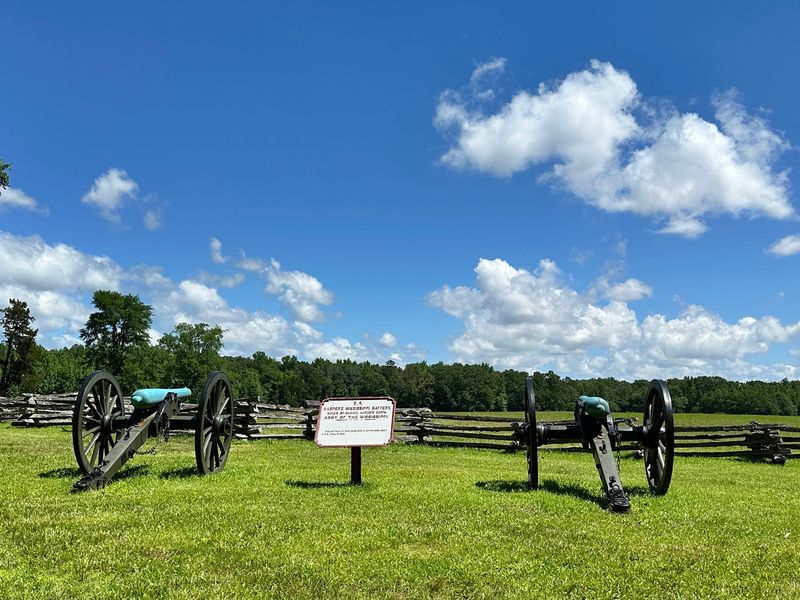
Nothing beats experiencing Shiloh on foot. While the 13-mile auto tour hits all the major stops, getting out and walking the actual ground gives you a completely different perspective.
You notice details you’d miss from a car window.
Several trails wind through the park, ranging from easy quarter-mile walks to longer hikes. The paths follow ridges where artillery batteries positioned their guns, cross ravines where soldiers took cover, and pass through woods that once echoed with gunfire.
Interpretive signs along the way explain what happened at each location.
One of the most powerful spots is the Hornet’s Nest, where Union troops held a sunken road position for hours against repeated Confederate attacks. Standing there, you can see how the natural terrain created a strong defensive position.
You can also understand why so many soldiers fell trying to capture it.
The Bloody Pond trail takes you to a small body of water where wounded soldiers from both sides crawled to drink and wash their injuries. The water reportedly turned red from blood, giving the pond its grim name.
Today it’s peaceful and clear, but the story stays with you.
Many visitors appreciate that Shiloh preserves both Union and Confederate positions equally. Monuments honor soldiers from both armies, recognizing their courage regardless of which side they fought for.
This balanced approach helps everyone understand the human cost of the battle.
Rangers recommend wearing comfortable shoes because the terrain can be uneven. Bring water, especially in summer, since Tennessee heat and humidity can be intense. Early morning or late afternoon offers the best light for photography and cooler temperatures for exploring.
Taking time to walk the trails transforms your visit from a quick drive-through into a meaningful connection with history.
The River That Shaped the Battle—and Still Shapes the Visit
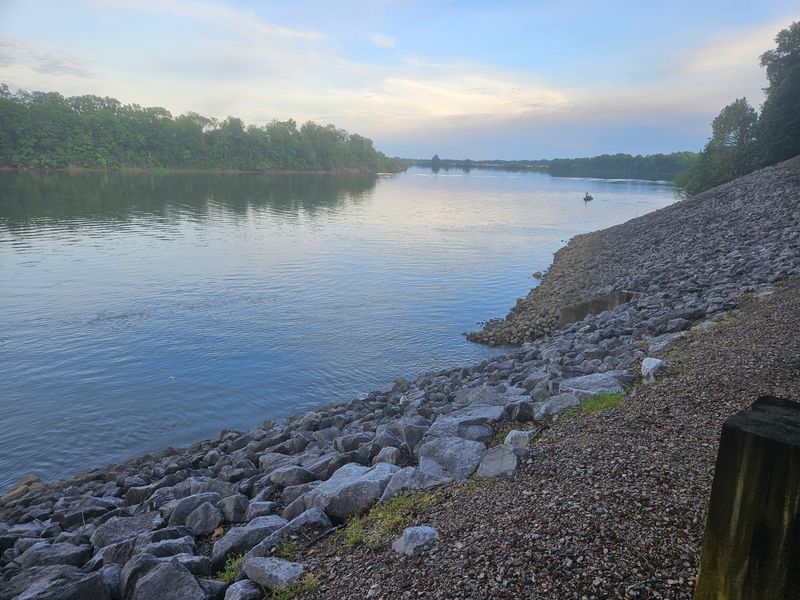
The Tennessee River winds through the western edge of the battlefield, and its presence explains almost everything about why the battle happened here. Rivers were the superhighways of the 1860s, especially in regions with few good roads.
Grant’s army traveled up the Tennessee River by steamboat and landed at Pittsburg Landing, a spot chosen specifically because the high bluffs provided a good defensive position. The river became the Union army’s lifeline, bringing supplies, reinforcements, and a guaranteed escape route if things went badly.
On the battle’s first day, Confederate forces nearly pushed Grant’s troops into the river. Union soldiers fighting with their backs to the water knew they had nowhere to retreat.
That desperation probably saved them because they fought harder to hold their ground until darkness ended the day’s combat.
That night, Union reinforcements arrived by steamboat under cover of darkness. Thousands of fresh troops disembarked at Pittsburg Landing and marched straight into battle the next morning.
Without the river providing quick transportation, those reinforcements never would have arrived in time.
Today, visitors can walk down to Pittsburg Landing and see where those steamboats docked. The bluff still rises steeply from the water, and you can imagine the chaos as wounded soldiers were loaded onto boats while fresh troops hurried up the hill toward the fighting.
The river itself remains beautiful and peaceful. Trees line the banks, and the water flows quietly past.
It’s another example of Shiloh’s striking contrast between past violence and present tranquility.
Some visitors bring fishing gear and spend time along the riverbank after touring the battlefield. The National Park Service allows fishing in designated areas, making it possible to combine historical exploration with outdoor recreation in a single trip.
What You Can See at Shiloh National Military Park Today
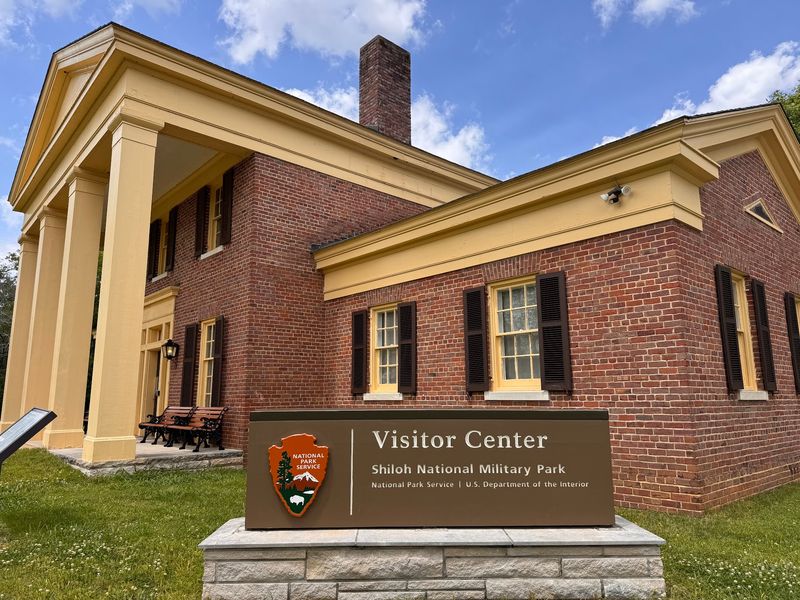
Start your visit at the modern visitor center, where rangers provide maps and answer questions. The center houses a museum with artifacts recovered from the battlefield including weapons, uniforms, personal items, and medical equipment.
These objects make the human side of the battle feel more real.
The highlight is a 25-minute film that explains the battle’s progression using maps, historical images, and expert commentary. Watching this film before exploring the battlefield helps everything make sense because you’ll understand the sequence of events and key locations.
Outside, the 13-mile auto tour route connects numbered stops across the battlefield. Each stop features monuments, markers, and interpretive signs explaining what happened there.
Some stops have short walking trails leading to specific features like artillery positions or important landmarks.
The park preserves over 600 monuments and markers, erected by states and military units to honor their soldiers. These range from simple stone markers to elaborate sculptures.
Reading the inscriptions gives you insight into how different groups remembered and honored their fallen comrades.
Shiloh National Cemetery sits within the park, containing the graves of nearly 4,000 Union soldiers. The neat rows of white headstones create a powerful visual reminder of the battle’s cost.
Many graves are marked “Unknown” because soldiers couldn’t be identified after the fighting.
The park also protects prehistoric Native American mounds built centuries before the Civil War. These earthworks add another layer of history to your visit and remind you that this land has witnessed human activity for thousands of years.
Rangers offer guided tours and programs during peak season. Check the park website or ask at the visitor center about scheduled activities. These ranger programs provide expert insights you won’t get from self-guided exploration alone.
Why Shiloh Feels So Different From an Ordinary Historic Site
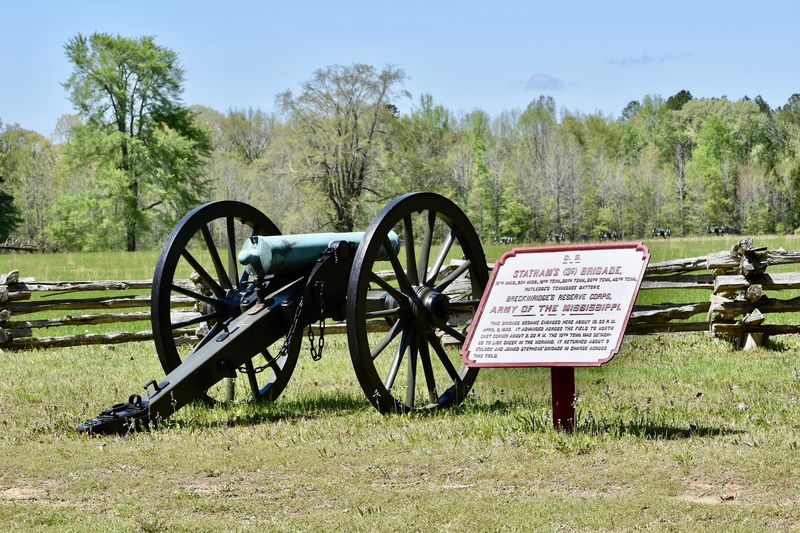
Something about Shiloh gets under your skin in ways other historic sites don’t. Maybe it’s the contrast between the peaceful setting and the violent history. Maybe it’s the scale of the preserved battlefield, which lets you truly grasp how the fighting unfolded across miles of terrain.
Many visitors mention the silence. Unlike busy urban historic sites with traffic noise and crowds, Shiloh often feels genuinely quiet.
You might hear wind in the trees, birds calling, or your own footsteps on a gravel path, but little else.
That silence creates space for reflection. Standing where thousands died makes you think about courage, sacrifice, and the terrible cost of war.
People often find themselves pausing longer than expected, just absorbing the weight of what happened here.
The park’s excellent preservation also sets it apart. Because the battlefield sits in a rural area that never developed into suburbs or shopping centers, the National Park Service could protect the historic landscape.
Fields, woods, and ridges look remarkably similar to how they appeared in 1862.
This authenticity helps your imagination work. You don’t have to mentally remove modern buildings or ignore highways cutting through the site. The terrain itself tells the story if you take time to observe and listen.
Visitors consistently rate Shiloh highly for how well-maintained and thoughtfully interpreted it is. Rangers and staff clearly care about helping people understand not just what happened, but why it mattered.
Their passion shows in the quality of exhibits, programs, and preservation efforts.
Whether you’re a serious history buff or just someone looking for a meaningful day trip, Shiloh delivers an experience that stays with you. It’s not just about learning facts but connecting emotionally with a pivotal moment in American history.
Share this story