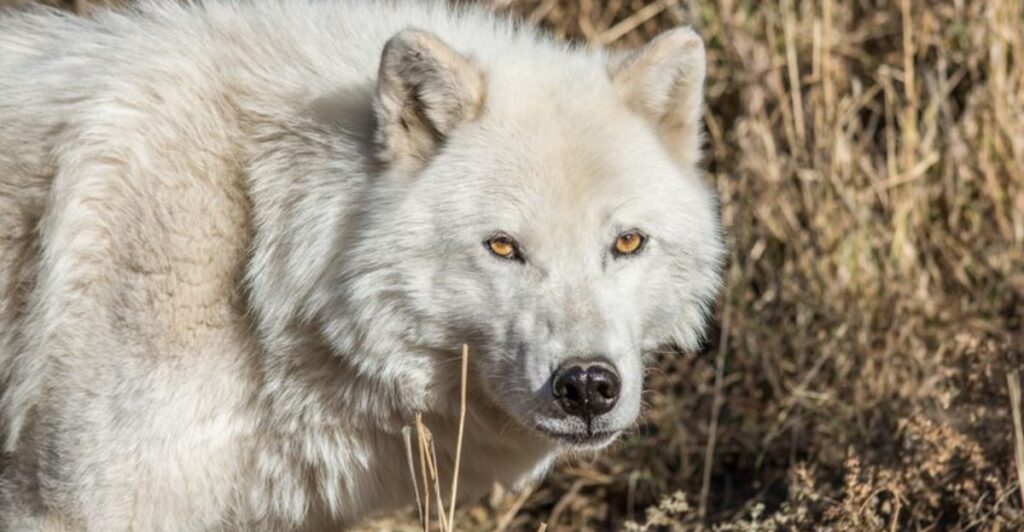
Reaching Mission: Wolf feels like leaving the usual Colorado tourist trail far behind. Tucked into the rugged mountains near Westcliffe, this remote nonprofit sanctuary provides a home for wolves and wolf-dogs while giving visitors a thoughtful look at the animals, their behavior, and the responsibilities involved in their care.
The experience is centered on education and respect rather than flashy entertainment, which suits the wild surroundings perfectly. Even the journey into this quiet corner of the state adds to the sense of discovery. For animal lovers, Mission: Wolf offers an unusual Colorado outing that can linger in your thoughts long after the drive home.
A Mountain Road That Sets the Tone
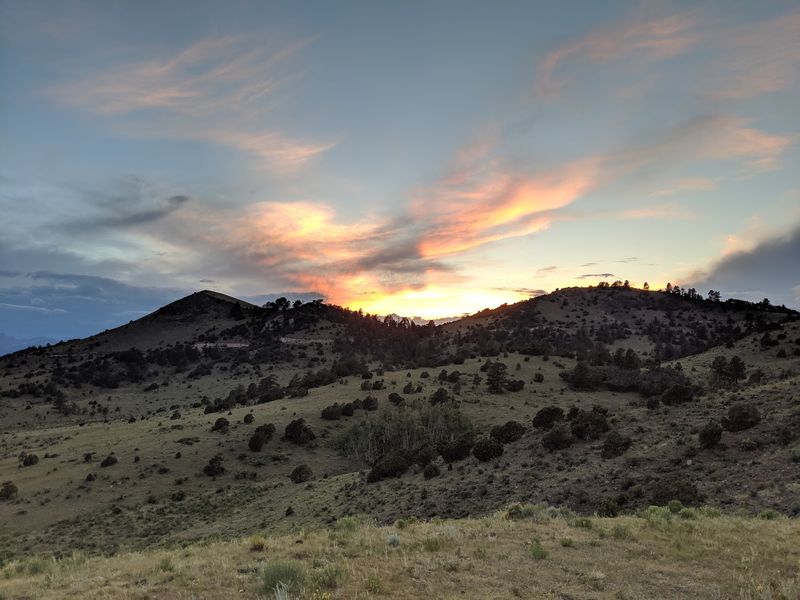
The approach to Mission: Wolf begins long before any wolf-dog comes into view. After leaving the easier paved routes near Westcliffe, the drive turns rougher, quieter, and much more remote. That change matters because it prepares visitors for a place built around land, distance, and a slower pace.
Dust rises behind tires, fences thin out, and the big Colorado sky starts doing most of the talking. The final stretch is known for being an unmaintained dirt road, so a careful driver, extra time, and realistic expectations help a lot.
Low cars can make it through in fair weather, but road conditions can shift after rain, and the trip is easier when nobody is rushing.
Instead of gift-shop-town energy, the setting offers open space, mountain views, and a real sense of separation from daily noise.
Cell service may not be reliable, which is less a problem than a reminder that this sanctuary operates far from ordinary convenience. That remoteness gives the visit its shape.
Families with kids should pack water, snacks, sun protection, and layers, since the weather can feel different from town. Closed-toe shoes are a smart choice because this is a working property, not a polished attraction with smooth walkways everywhere. Anyone sensitive to altitude should also take the day steadily.
By the time the sanctuary appears, the landscape has already explained part of the mission. Wolf-dogs need room, care, and an environment that respects their instincts instead of forcing them into crowded settings. The road may be bumpy, but it clears away the usual distractions and makes the arrival feel earned.
Meeting Wolf-Dogs Up Close, With Rules That Matter
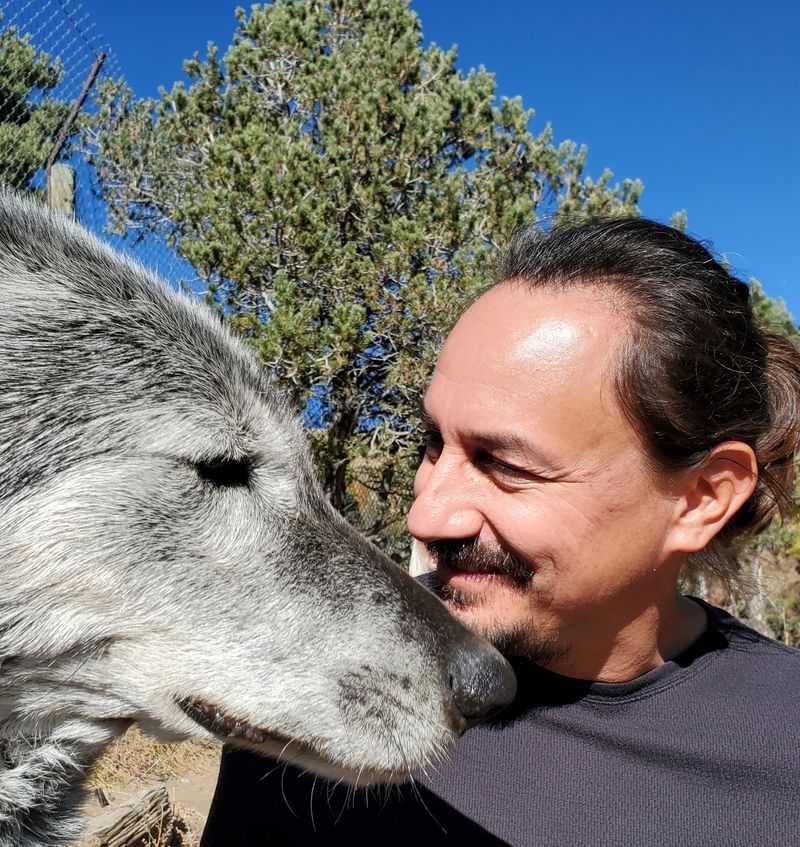
Few places make the idea of meeting a wolf-dog feel both thrilling and serious at the same time. Mission: Wolf is known for educational encounters that can bring visitors surprisingly close to ambassador animals, but the experience is shaped by rules, not spectacle.
That balance is a big reason the visit feels meaningful instead of staged. Before any close interaction, guides explain behavior, body language, and respectful conduct. Visitors learn that wolf-dogs are not oversized pets and should never be treated like backyard companions.
Clear instructions help everyone understand how to stand, move, and respond, which keeps attention on the animal’s comfort.
When an encounter happens, the moment can be unforgettable for very concrete reasons. A large face comes near, paws look bigger than expected, and the animal’s calm focus changes the whole pace of the room or enclosure.
Excitement rises fast, yet the strongest impression often comes from how controlled and deliberate the staff remains. That approach teaches an important lesson. The sanctuary does not present closeness as a guaranteed right.
It presents it as something earned through patience, safety, and the animal’s willingness, which is a much healthier message for kids and adults alike.
Visitors should listen closely, avoid sudden motions, and leave expectations flexible. Some tours may include direct interaction, while others focus more on observation and education, depending on conditions and which animals are suitable that day.
Walking in with curiosity instead of entitlement makes the entire experience richer. For many people, this section of the visit becomes the clearest proof that Mission: Wolf is about relationship, not performance. The wolf-dogs remain the center of the story, and every rule points back to their wellbeing.
The Real Lesson Hiding Behind the Howls
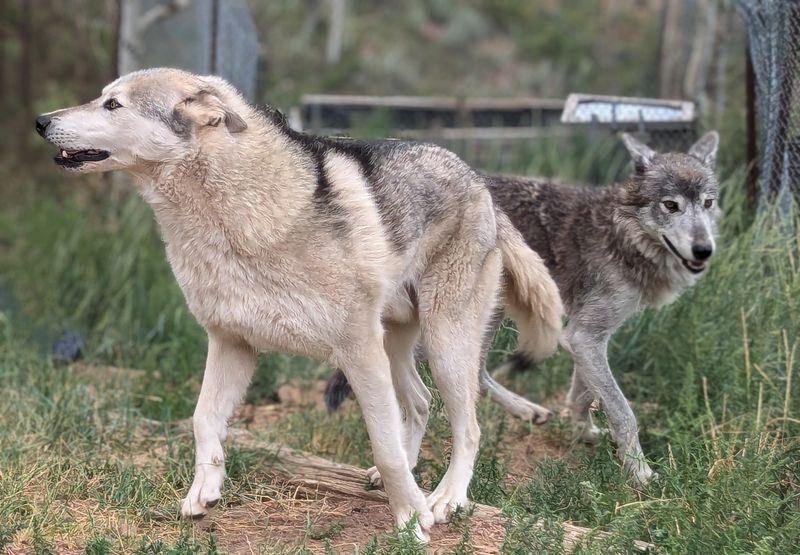
A howl may be the sound people hope to hear, but education is the deeper reason to come. Mission: Wolf has built its identity around teaching visitors about wolves, wolf-dogs, ecosystems, and responsible human behavior. That makes the sanctuary more than a photo stop in the mountains.
Tours and talks often explain how wolves function in the wild, why they matter in larger landscapes, and how myths can distort public understanding. Wolf-dogs are part of that lesson too. Many end up in sanctuaries because people underestimate how strong, smart, and demanding they are.
For younger visitors, the learning lands best because it is tied to real animals standing nearby. A classroom fact can drift away by dinner, but a guide explaining pack behavior while a wolf-dog watches from an enclosure is much harder to forget.
The sanctuary turns abstract wildlife ideas into something visible and immediate. Adults often leave with a correction in thinking as well.
Wolves are not cartoon villains, and wolf-dogs are not novelty pets for people who want a wild look with easy care. Mission: Wolf presents both with honesty, which keeps the message grounded and useful.
The strongest plan is to arrive ready to listen, not just look. Ask questions, pay attention to the terms staff use, and notice how often the conversation returns to respect, boundaries, and long-term care.
Those details reveal the sanctuary’s purpose more clearly than any single encounter. There is also a practical side to all this teaching. Better understanding can shape future choices about animals, land, and support for rescue work.
A visit becomes more valuable when it changes how someone talks about wolves afterward, especially with kids who are still forming their view of wildlife.
Life Off the Grid in Southern Colorado
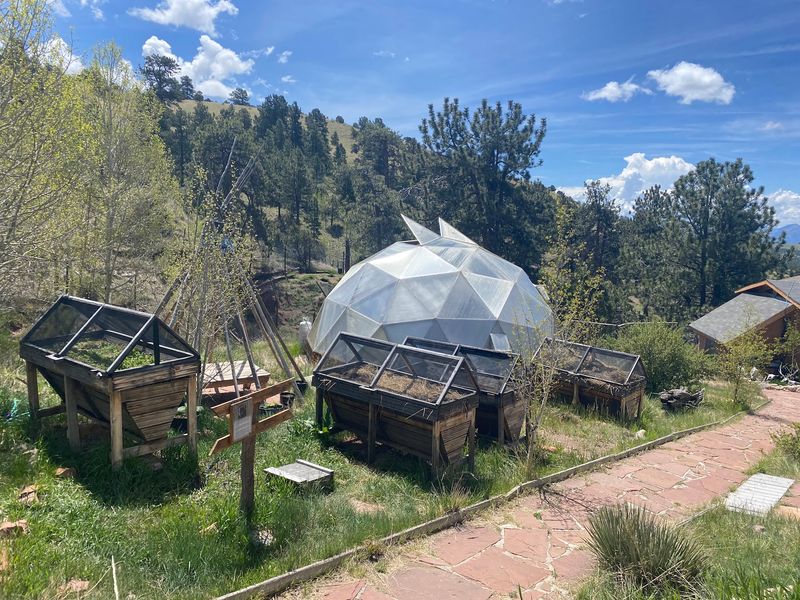
Mission: Wolf does not sit in the mountains as a neat little attraction cut off from real work. The sanctuary is part animal refuge, part educational center, and part off-grid living experiment, all set in a demanding landscape.
That combination gives the place a rough-edged honesty that many polished destinations simply do not have. Daily life here involves much more than introducing visitors to wolf-dogs.
Food has to be moved, enclosures maintained, supplies managed, and the property cared for in a setting where modern convenience is limited.
Reviews and visitor accounts often point to hardworking crews and volunteers because the tasks are visible all around the site.
That self-sustaining spirit adds texture to the visit. Greenhouse areas, work spaces, and practical structures help explain that this is not a passive rescue operation.
The sanctuary functions through labor, planning, and a community willing to live close to the land. For travelers, this means the atmosphere is less polished and more purposeful. Expect dust, tools, chores, and signs of ongoing projects rather than a perfectly manicured campus.
Kids who are used to tidy attractions may find it eye-opening to see animal care connected so directly to hauling, building, cleaning, and maintenance.
The setting also helps explain the staff culture. In a remote place, everyone has to be useful, adaptable, and respectful of the animals first.
That practical energy gives tours a different tone from standard wildlife presentations because the people speaking are tied to the daily realities of sanctuary life.
If the goal is to understand Mission: Wolf, notice the infrastructure as closely as the animals. Fences, pathways, work areas, and living systems tell their own story about commitment.
The wolf-dogs may be the heart of the sanctuary, but the off-grid framework is the backbone that keeps that heart beating.
Volunteering Here Is Not a Token Activity
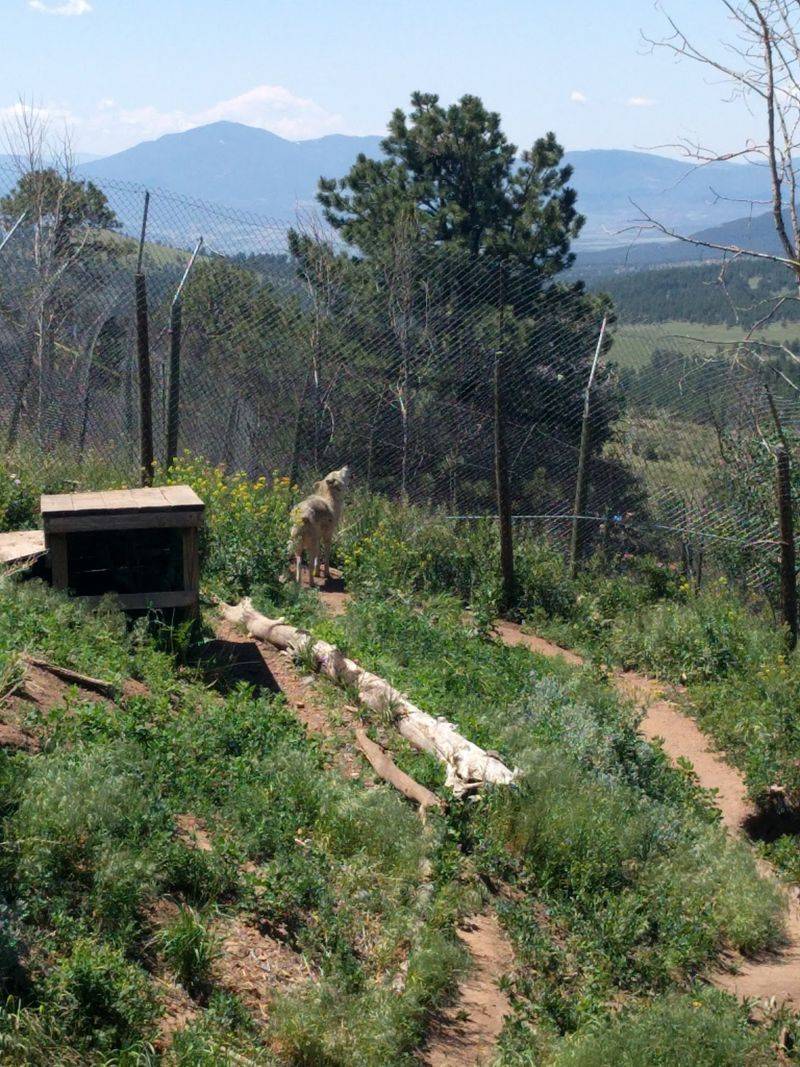
Some places use the word volunteer when they really mean lightly helping for a photo. Mission: Wolf has a different reputation.
Work on the property is real, physical, and tied directly to the needs of the sanctuary and the wolf-dogs who live there.
Tasks can include chores such as moving supplies, clearing problem plants, maintaining areas around enclosures, and helping with property upkeep.
That kind of labor makes sense in a remote mountain setting where every fence line, pathway, and feeding routine matters. The experience attracts people who want to contribute, not just observe from the sidelines.
Because the work is meaningful, the learning can be stronger too. Volunteers do not simply hear that sanctuary care takes effort.
They see how much planning, muscle, and patience are required to support rescued animals in a rugged environment.
For teens, students, or adults thinking about joining in, the key is to arrive with humility and decent stamina. Bring clothes that can get dirty, sturdy shoes, work gloves if allowed, and an attitude that welcomes instruction.
This is not the place for showing off or chasing a dramatic wolf moment. That said, volunteering can deepen the emotional side of the visit in a healthy way.
Instead of treating the wolf-dogs as symbols from a distance, helpers become part of the support system that keeps the sanctuary functioning.
Even simple jobs take on more meaning when they protect paws, improve enclosures, or ease the daily workload.
Not everyone will volunteer, and that is fine. Still, knowing that Mission: Wolf offers short-term and longer-term ways to help gives the place a wider purpose than tourism alone.
It invites people to participate in care, which is a stronger and more lasting form of connection than standing still for a quick picture.
How to Plan a Smart Visit Without Stress
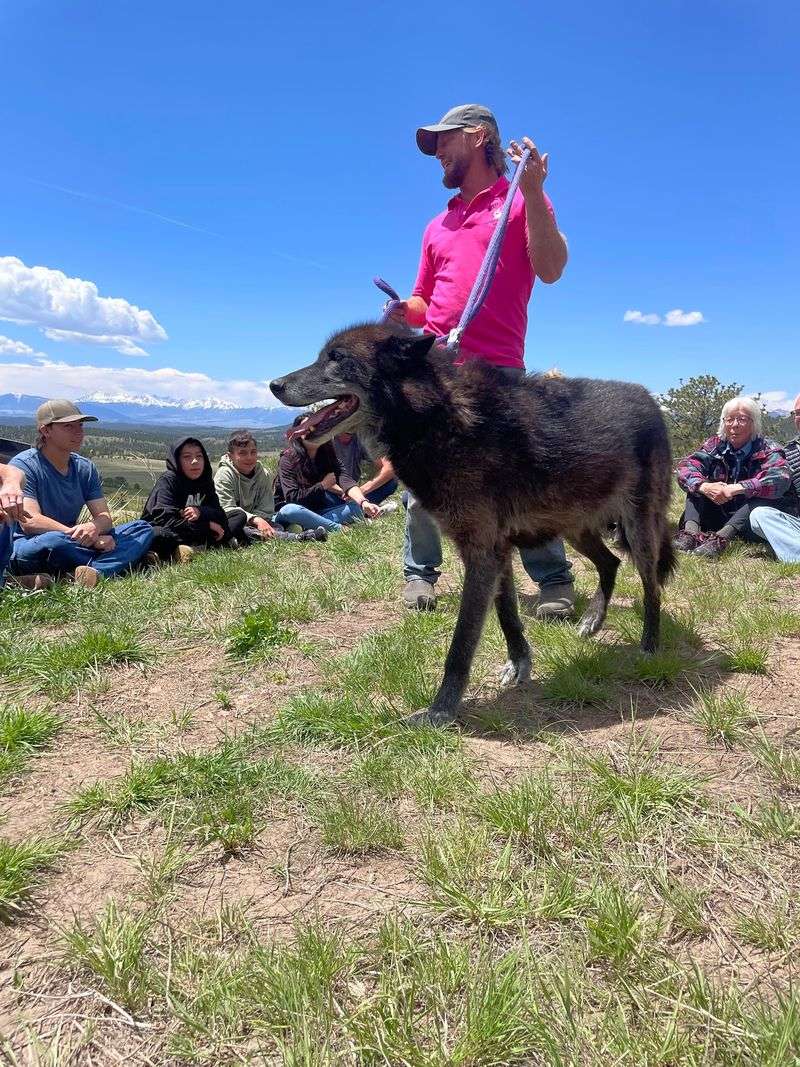
Good planning makes a huge difference at Mission: Wolf because the sanctuary runs on its own schedule, terrain, and animal-centered priorities.
Visitors who treat it like a casual roadside stop may be caught off guard. A little preparation helps the day stay focused on learning instead of logistics.
Start with timing. Public hours are limited, with openings on Tuesday and Saturday according to the place information provided, so checking the current schedule before leaving town is a smart move.
Since the road in can be slow, arriving with extra time is much better than rushing in late. Clothing matters more here than at a typical attraction. Wear sturdy shoes, bring layers for mountain weather, and pack sun protection because high-elevation light can be strong even on mild days.
Water is essential, especially for children, and a simple snack can save the mood if the drive runs longer than expected.
It also helps to reset expectations around accessibility and comfort. This is a semi-remote working sanctuary, not a smooth indoor museum.
Conditions may be uneven, dusty, or weather-dependent, so visitors should plan around mobility needs as carefully as possible.
Families often do best when they prepare kids ahead of time. Explain that animals may not perform on cue, close encounters are never guaranteed, and listening to guides is part of the adventure. That framing keeps excitement high while reducing disappointment.
One more tip stands above the rest: bring curiosity, not a checklist. A successful visit may include a tour, a talk, views of the mountains, and a few striking moments with wolf-dogs, but the value comes from the full setting working together. Thoughtful planning gives all those parts room to shine.
Why Mission: Wolf Stands Apart in Colorado
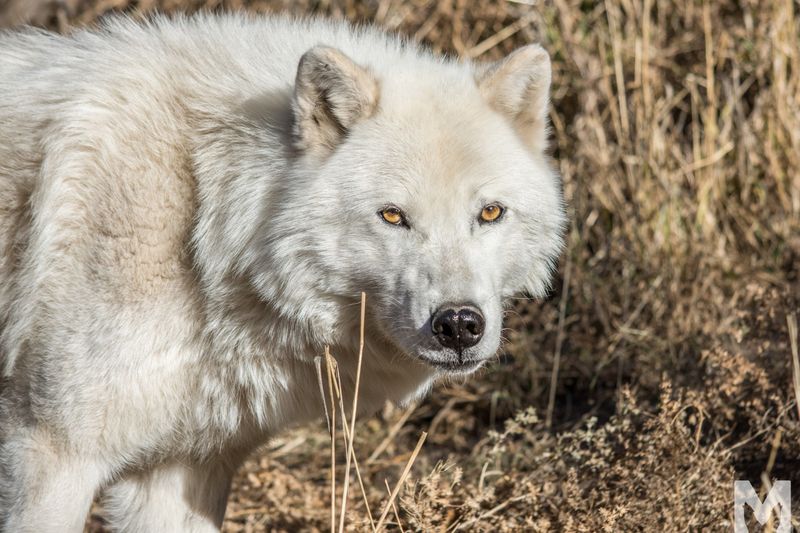
Plenty of animal attractions promise excitement, but Mission: Wolf stands apart by refusing to simplify the animals in its care. The sanctuary does not smooth everything into a cute story.
Instead, it presents wolf-dogs as complex beings that require knowledge, structure, and long-term commitment. That honesty changes the entire experience. Visitors get scenery, education, and the possibility of unforgettable animal contact, yet the place never loses sight of its central purpose.
The nonprofit mission stays visible in the way staff talk, the way tours are handled, and the way the property itself functions.
Colorado has no shortage of dramatic landscapes, so scenery alone would not be enough to make this destination special. What lifts Mission: Wolf above a standard mountain outing is the combination of remoteness and responsibility.
The sanctuary asks people to travel farther, pay closer attention, and think harder about wildlife than they usually would on a day trip. That challenge is part of the reward. A child might come for the chance to hear a howl.
An adult might arrive curious about rescue work. Both can leave with a better grasp of animal behavior, habitat, and the difference between admiration and ownership.
The sanctuary also resists the speed of modern travel culture. There is no quick shortcut to understanding this place.
The road is long, the setting is rugged, and the strongest moments happen when visitors settle into that pace instead of fighting it.
For anyone building a Colorado itinerary with one unusual stop, Mission: Wolf offers a rare blend of wild setting, practical education, and direct connection. It is not designed to be easy, flashy, or ordinary. That is exactly why meeting the wolf-dogs here can feel so powerful.