Landis Valley Museum in Lancaster, Pennsylvania, feels like a storybook village you can actually walk through. Instead of simply reading about the past, you can wander among old homes, shops, tools, gardens, barns, and other historic buildings that bring Pennsylvania’s early days to life. The museum shares the history of Pennsylvania German farm life in a way that feels authentic, approachable, and easy to understand.
As you explore, you’ll find plenty of details that show what everyday life looked like generations ago, from traditional crafts and household items to working farm spaces and gardens. The peaceful setting makes it easy to slow down and imagine what it might have been like to live in another era. If you enjoy time-travel stories, old-world charm, or hands-on history, this place can turn an ordinary day into a memorable little adventure.
1. A Village That Feels Frozen In Time
The first few steps into Landis Valley Museum can make you slow down without even trying.
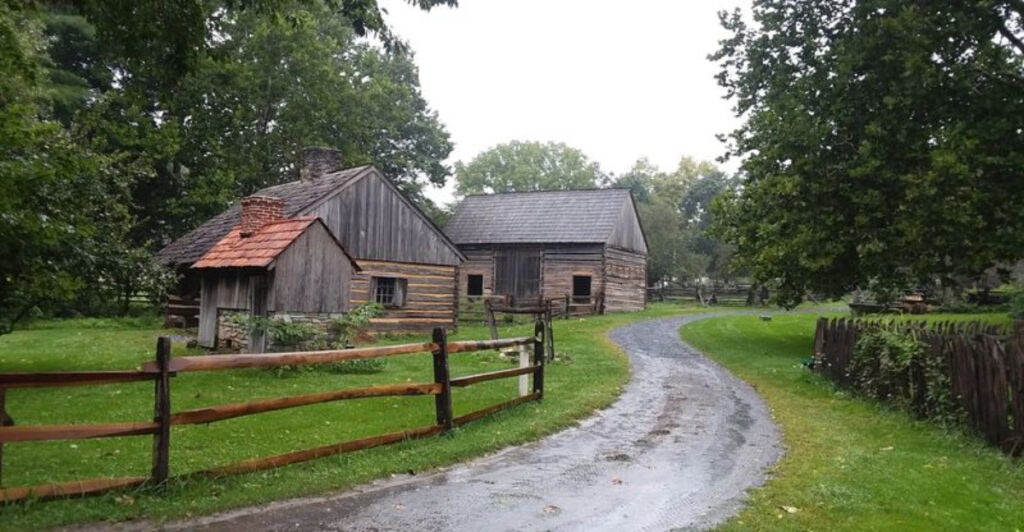
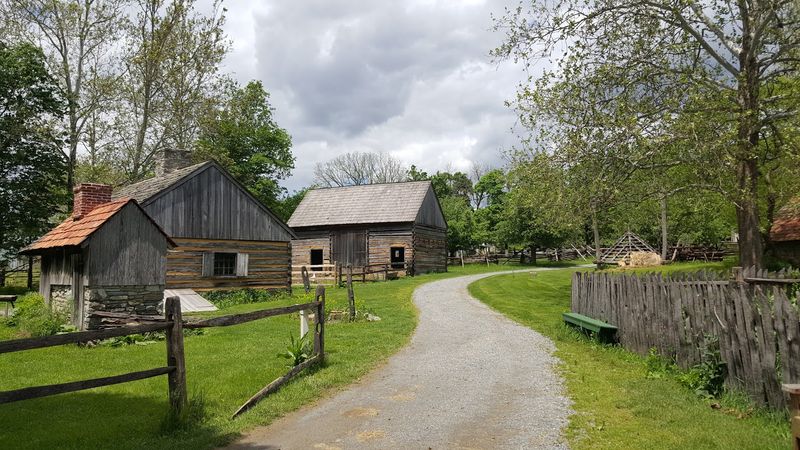
The village setting feels calm, with old buildings, open lawns, fences, and farm spaces spread across the grounds.
Located at 2451 Kissel Hill Road in Lancaster, the museum focuses on Pennsylvania German rural life from the 1700s through the early 1900s.
That wide time span helps visitors see how families worked, cooked, traded, worshiped, and built their lives over many generations.
Plan to walk more than you might expect, because the site is larger than it first appears.
Comfortable shoes are a smart choice, and families with young children may want a stroller for the paths.
The best approach is not to rush.
Let the village set the pace, peek into the buildings, and imagine what daily life felt like before cars, phones, and electric kitchens changed everything.
2. Historic Buildings With Real Story Power
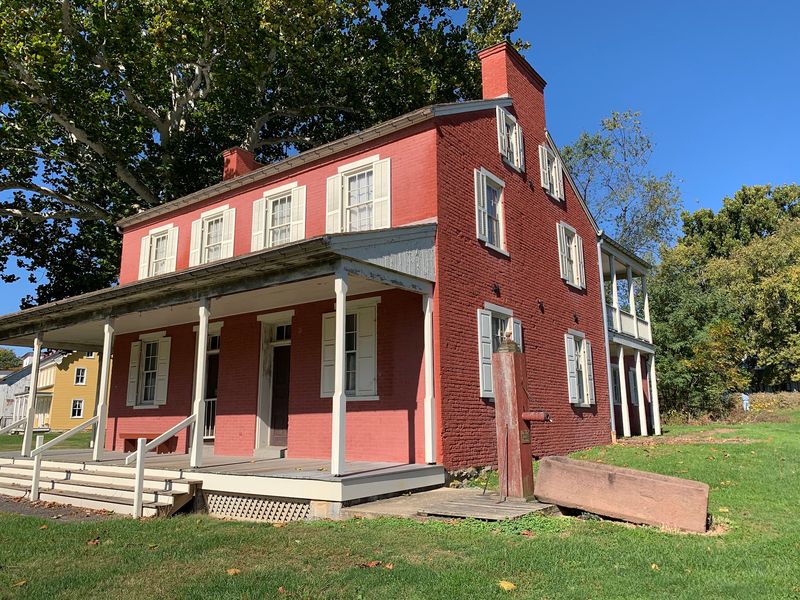
Old buildings have a way of telling secrets, especially when they are filled with tools, furniture, and signs of daily work.
Landis Valley Museum has several historic structures that make the past feel close enough to touch.
Visitors often mention the Tavern, Schoolhouse, General Store, Tin Shop, Blacksmith Shop, and family homes as favorite stops.
Each one shows a different part of village life, from trade and travel to learning, cooking, mending, and making goods by hand.
Some buildings may be fully open, while others may be viewed from the doorway or window, depending on staffing and preservation needs.
That is normal for a living history site, so check at the visitor center or ask staff what is open that day.
If an interpreter is inside, ask questions.
A simple question about a stove, desk, or tool can turn into one of the best stories of the visit.
3. Blacksmith Sparks And Old-World Craft
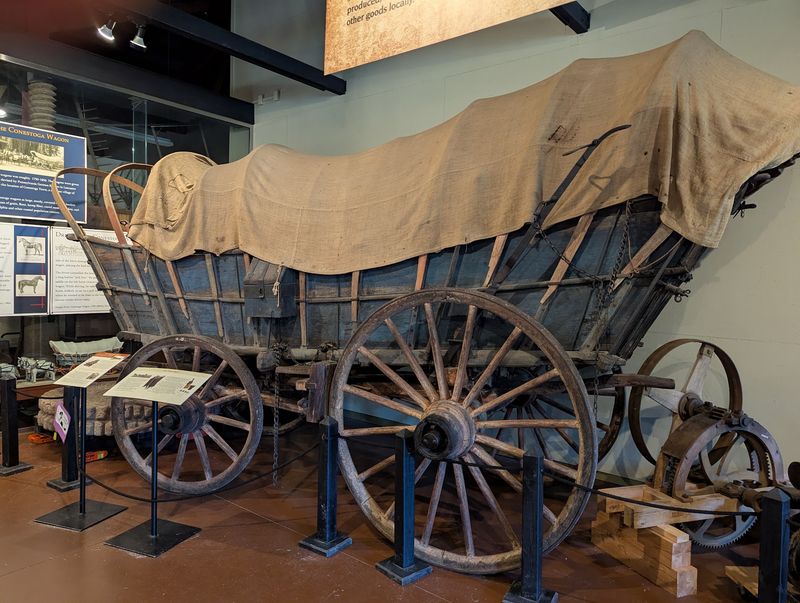
A ringing hammer can pull people toward the Blacksmith Shop faster than a sign ever could.
At Landis Valley Museum, the blacksmith area is one of the places where history feels loud, warm, and full of motion.
Blacksmithing mattered deeply in farm communities because metal tools kept daily life moving.
Horseshoes, hinges, hooks, wagon parts, and farm items often depended on skilled hands, strong arms, and a hot forge.
Watching a demonstration, when available, helps visitors understand how much talent went into objects people once used every day.
Stand where you can see safely, and give younger kids a quick reminder that the forge and tools are real.
Demonstrations may vary by day, so call ahead or check the museum schedule if this is a must-see stop.
Even without live work, the shop helps explain why village craftspeople were so important to rural Lancaster life.
4. Guided Tours That Bring The Past To Life
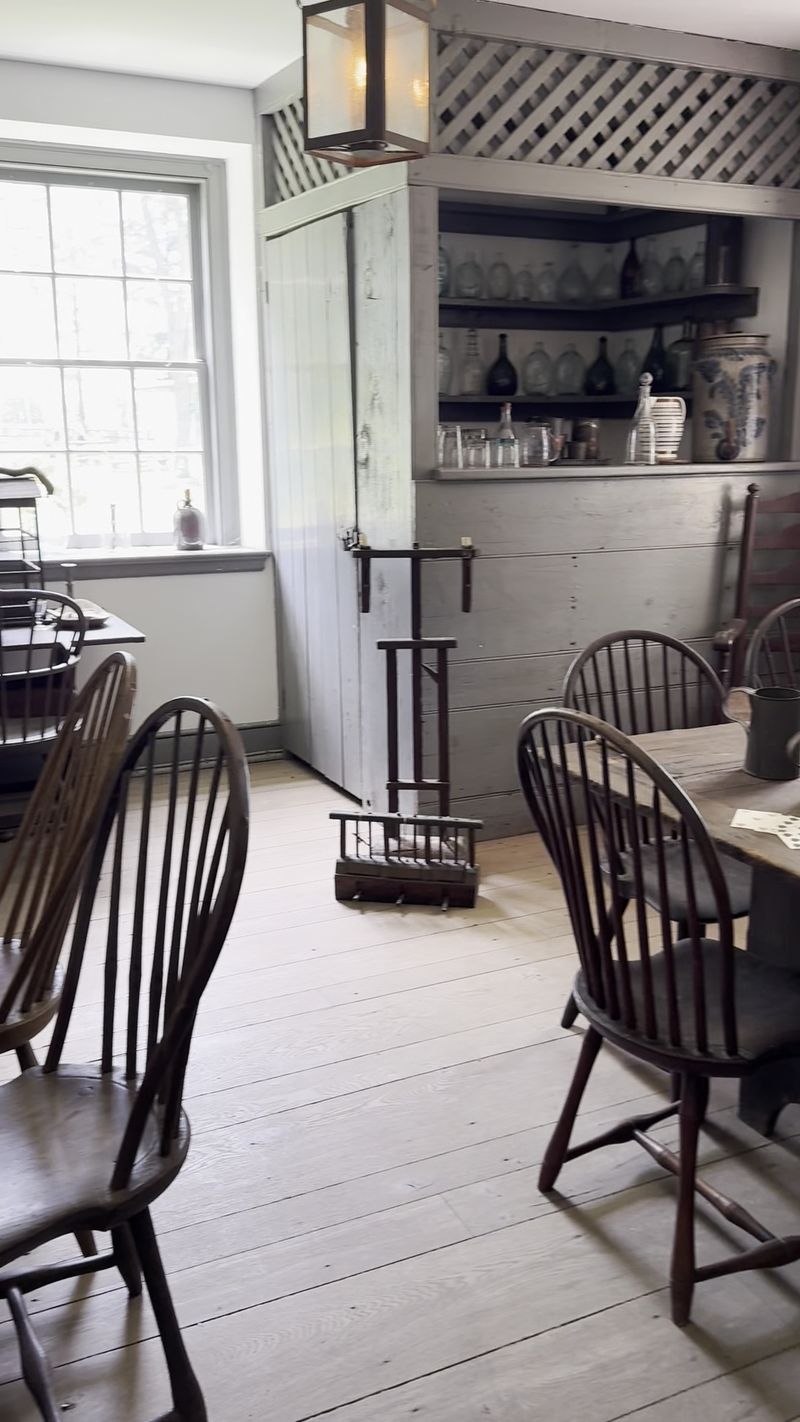
A good guide can turn a quiet room into a scene you remember for years.
Many visitors praise the knowledgeable staff at Landis Valley Museum because they explain history in a friendly, practical way.
Guided tours are helpful if you want more than labels and displays.
A guide can connect buildings, families, farming, religion, food, and work into one clear story.
Reviews often mention that tours make the museum feel educational without being stiff or boring.
If you have limited time, ask which tour or route fits your group best.
Some visits may take about 1.5 to 2 hours, while curious history fans can easily spend longer.
Homeschool families, grandparents, and first-time visitors may especially enjoy having someone lead the way.
Bring your questions, because staff members often know the little details that make an old home, tool, or shop suddenly feel personal and easy to picture.
5. Pennsylvania German Culture Beyond The Textbook
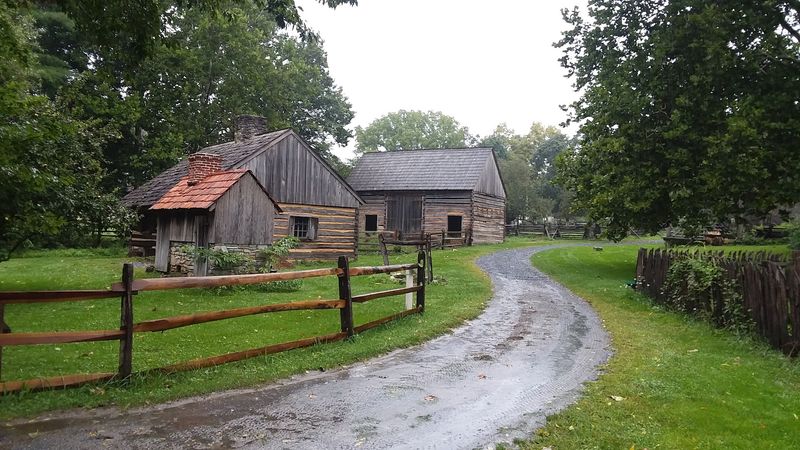
Textbooks can make history feel flat, but Landis Valley Museum gives Pennsylvania German culture color, texture, and sound.
The museum is devoted to the rural German community that helped shape Lancaster County and much of Pennsylvania.
Here, visitors can learn about farming families, Mennonite roots, traditions, language, religion, home life, and local crafts.
The story is not just about famous people or big battles.
It is about ordinary families who planted fields, raised children, saved tools, made clothing, and built communities that lasted.
The museum began with collections gathered by brothers Henry and George Landis, who wanted to preserve local heritage.
That origin matters because many artifacts feel personal, like they came from real kitchens, barns, and workshops.
Take time with the displays.
Look for small items, such as cookware, baskets, signs, and furniture, because they often reveal the most about how people lived.
6. Gardens, Heirloom Seeds, And Seasonal Beauty
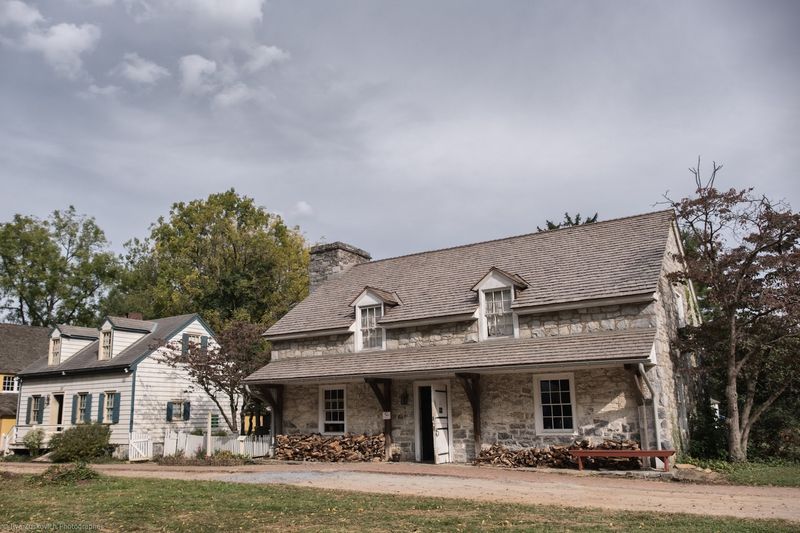
Not every time-travel moment happens inside a building.
At Landis Valley Museum, the gardens and plantings add life, scent, and color to the historic village setting.
Garden lovers often visit for heirloom plants, native flowers, herbs, and seasonal events.
The museum is especially known for its Herb and Garden Faire, held around Mother’s Day weekend, where visitors can find plants, seeds, and garden vendors.
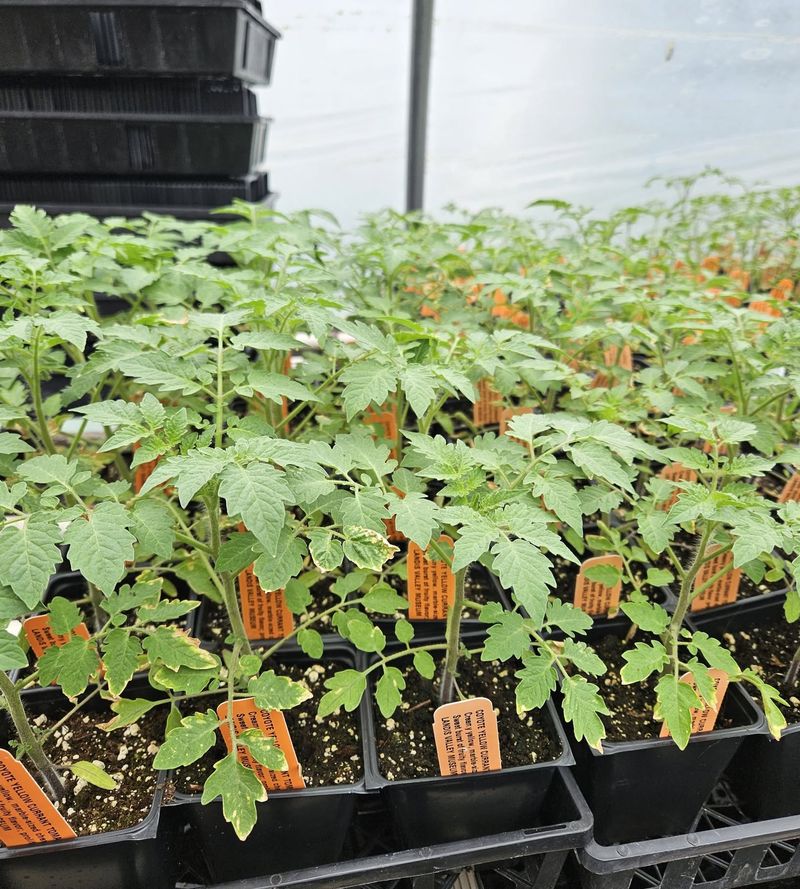
Heirloom tomatoes and old-fashioned varieties connect modern gardeners with the kinds of plants families once grew for food, medicine, and flavor.
If you enjoy photography, spring and fall can be especially rewarding.
Bring a tote if you plan to shop during a plant event, and leave room in the car for unexpected finds.
Even on a regular museum day, the gardens make walking the grounds more peaceful.
They also remind visitors that farming history was never only about barns and tools.
7. Farm Tools That Show How Hard Life Was
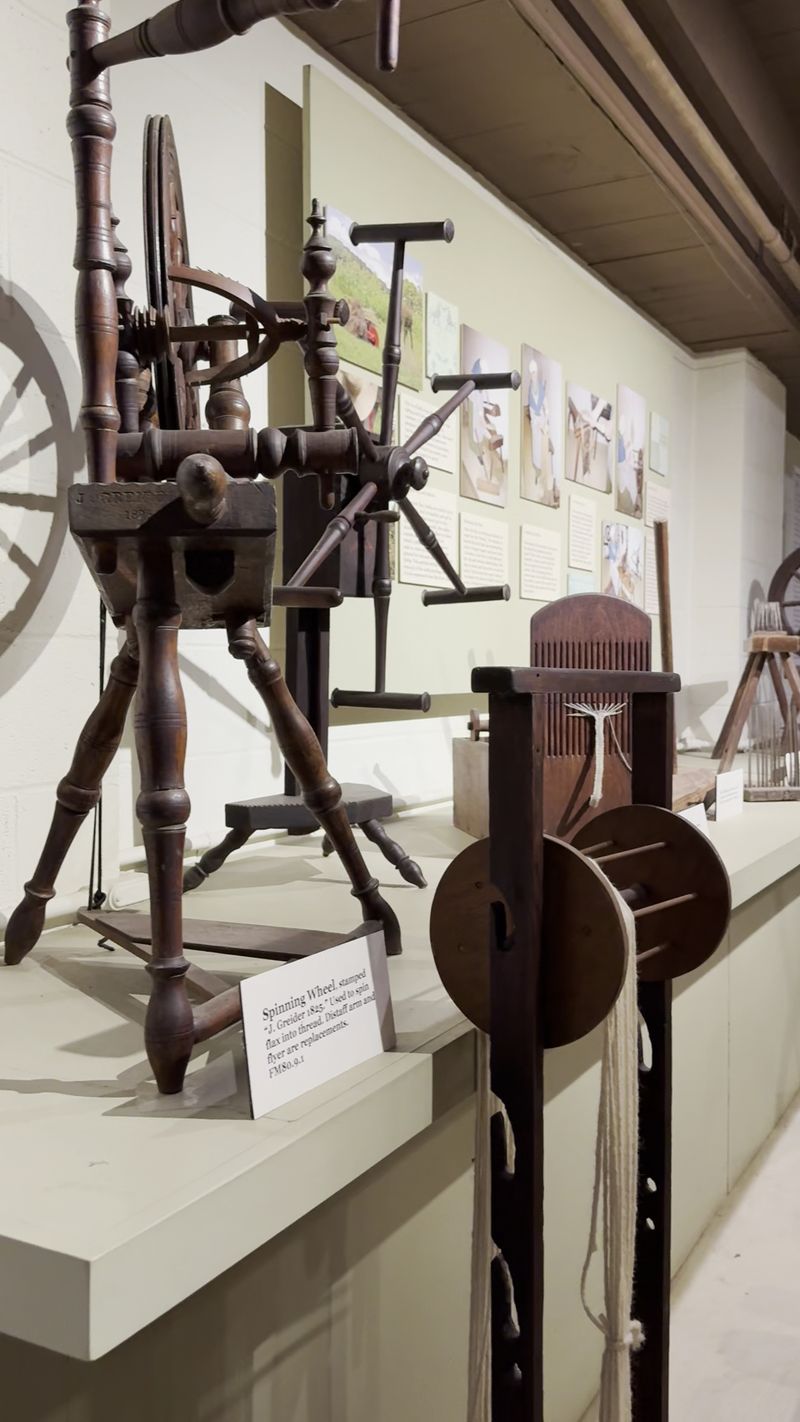
One look at the old farm equipment can make modern chores seem a little easier.
Landis Valley Museum has collections that show just how much strength, patience, and skill rural families needed.
Farm tools, wagons, household items, and equipment help explain the work behind food, clothing, transportation, and shelter.
Before modern machines, many tasks were done by hand, by horse, or with simple tools that still required deep knowledge.
Seeing these objects up close helps visitors respect the rhythm of farm life.
Kids may be surprised by how large some tools are, while adults may notice clever designs made for very specific jobs.
Ask staff how an item worked if you are unsure.
The answer can be more interesting than the object first appears.
Give yourself time in the collections buildings, because the variety is bigger than many visitors expect, with everyday items that tell rich stories.
8. A Family-Friendly Field Trip With Room To Roam
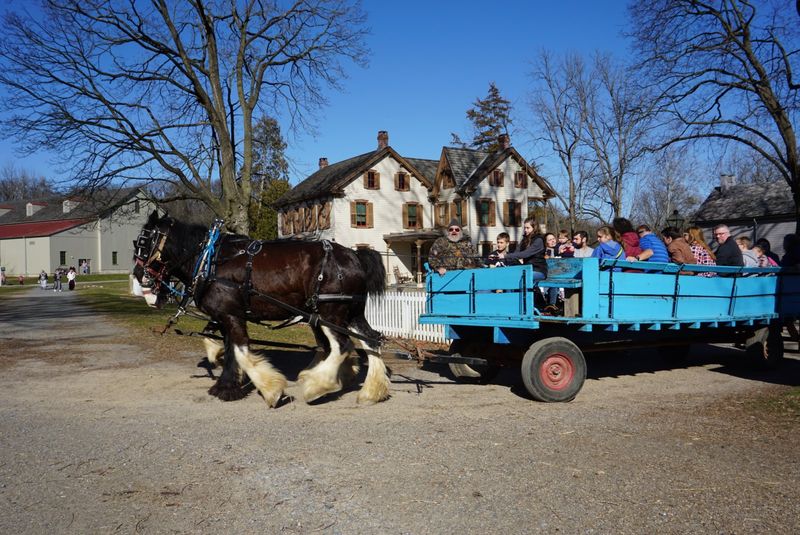
Families looking for a learning day that does not feel like school can find a strong match here.
Landis Valley Museum gives kids space to move while still keeping history at the center.
Parents and homeschool groups often appreciate the mix of self-guided areas, tours, open grounds, and hands-on style learning.
Children can compare old classrooms, shops, homes, and farm spaces with the world they know now.
That kind of side-by-side thinking makes history easier to understand.
There is a large parking lot, which helps on busy days or when visiting with a group.
Bring water, dress for the weather, and expect plenty of walking between buildings.
A stroller can be useful for younger children, though you may need to leave it outside certain historic spaces.
Before going, check current hours, since the museum is typically closed Monday and Tuesday and has shorter Sunday hours.
9. Events That Make The Village Feel Alive
Festival days at Landis Valley Museum can feel like the whole village has woken up at once.
Seasonal programs, craft demonstrations, plant sales, and community events add extra energy to the historic grounds.
Visitors mention fall events, family activities, and the popular Herb and Garden Faire as special reasons to return.
During events, there may be more demonstrations, vendors, music, food, or themed activities than on a regular day.
That can make the museum feel closer to a working village than a quiet collection of buildings.
Check the official website before planning around an event, because dates, tickets, and activities can change.
Arrive early if you want easier parking or first choice at plant and craft vendors.
A special event is a smart option for visitors who enjoy a livelier pace.
For a calmer visit, choose a regular weekday and enjoy the grounds with fewer crowds.
10. Gift Shop Finds With Local Character
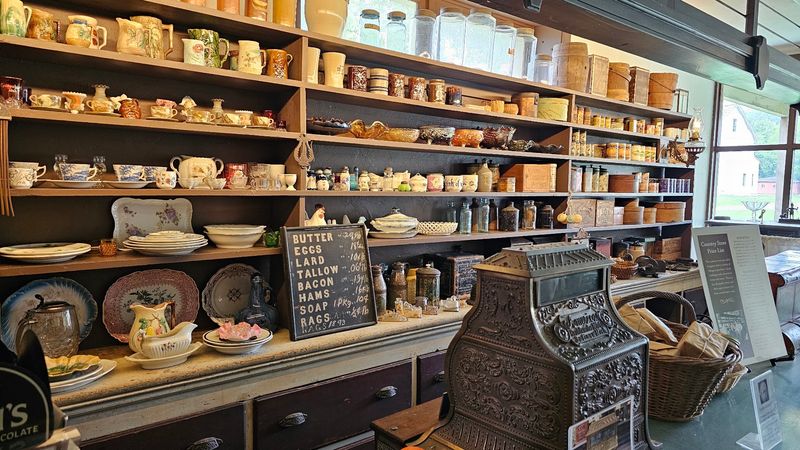
The gift shop is the kind of place where a quick look can turn into a pleasant half hour.
At Landis Valley Museum, it offers more than basic souvenirs.
Shoppers may find local handcrafts, books, heirloom seeds, garden items, small gifts, and pieces connected to Pennsylvania German heritage.
Reviews often point out that the shop is well stocked and worth visiting, even for people who do not have time for a full museum tour.
That makes it a handy stop if you are nearby in Lancaster.
Look for items made by local artists or goods that connect to what you saw on the grounds.
A seed packet, handmade object, or history book can keep the visit going after you leave.
If you are buying gifts, this shop feels more personal than a standard tourist stop.
Ask staff for suggestions if you want something tied closely to the museum’s story.
Share this story