Tennessee’s wild side needs your help, and getting involved is easier than you might think. From rescuing injured songbirds to protecting endangered species, wildlife programs across the state welcome volunteers of all ages and experience levels. Whether you’re looking to learn new skills, give back to your community, or simply spend time outdoors, these ten programs offer hands-on opportunities to make a real impact on the animals that call Tennessee home.
1. Walden’s Puddle Wildlife Rehabilitation and Education Center – Joelton
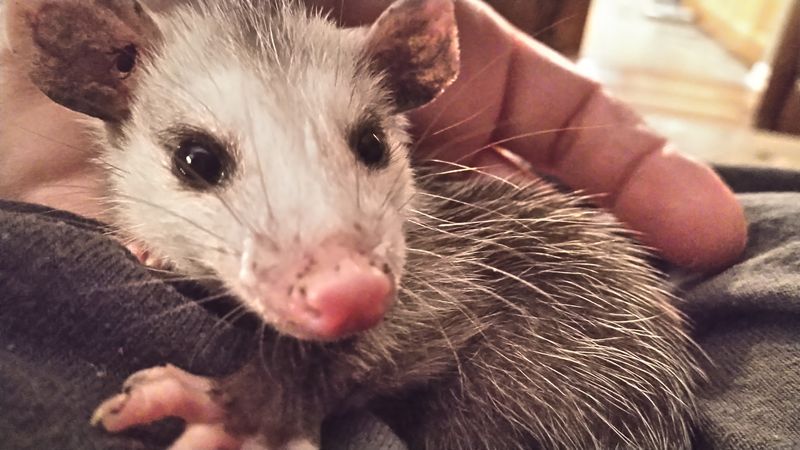
Ever wonder what happens to a baby squirrel that falls from its nest or a hawk injured by a car? Walden’s Puddle steps in to give these animals a second chance. Located just north of Nashville in Joelton, this nonprofit rehabilitation center treats thousands of native Tennessee wildlife each year, from tiny hummingbirds to red-tailed hawks.
Volunteers here get their hands dirty in the best possible way. You might spend your morning preparing meals for recovering raccoons, cleaning enclosures for opossums, or even bottle-feeding orphaned fawns. The center offers training programs that teach you how to handle wildlife safely and understand their specific needs.
No prior experience is necessary, just a willingness to learn and a genuine care for animals.
What makes Walden’s Puddle special is its focus on releasing animals back into the wild whenever possible. You’ll witness the entire journey from rescue to release, which is incredibly rewarding. The education programs also bring school groups and community members to the facility, so volunteers often help teach others about Tennessee’s native species and why protecting their habitats matters.
Beyond the animal care, you’ll join a community of like-minded people who share your passion for wildlife conservation. The friendships formed here often last well beyond your volunteer hours. If you’re ready to roll up your sleeves and make a tangible difference in the lives of Tennessee’s wild creatures, Walden’s Puddle offers one of the most hands-on experiences you’ll find anywhere in the state.
2. Harmony Wildlife Rehabilitation Center – Nashville
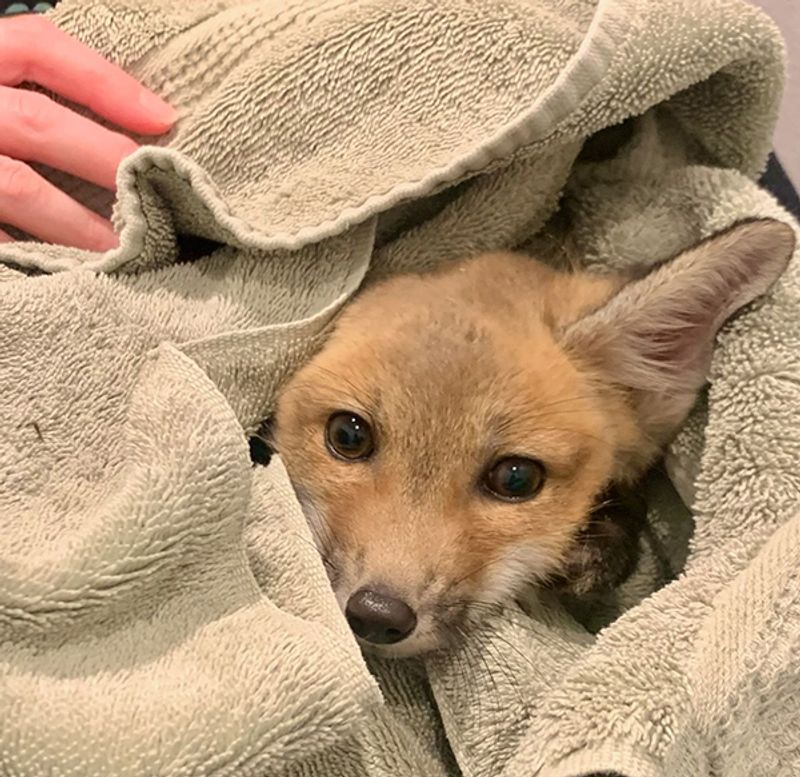
Right in the heart of Music City, Harmony Wildlife Rehabilitation Center operates as a quiet sanctuary for animals in crisis. This small but mighty organization specializes in treating injured and orphaned wildlife, giving them the care they need before returning them to their natural habitats. The center handles everything from songbirds with broken wings to foxes hit by vehicles.
Volunteering at Harmony means becoming part of an intensive care team for wild animals. You might assist with feeding schedules that run around the clock, help prepare specialized diets for different species, or maintain clean and safe housing for recovering patients. The staff provides thorough training, so you’ll learn proper handling techniques and understand the medical needs of various animals.
It’s demanding work, but watching a bird you’ve cared for take flight again makes every early morning worth it.
The center also emphasizes public education, teaching Nashville residents how to coexist peacefully with urban wildlife. Volunteers often participate in community outreach events, answering questions about what to do when you find an injured animal or how to prevent wildlife conflicts in your backyard. These interactions help spread awareness about the challenges facing Tennessee’s wildlife in urban environments.
Because Harmony operates on a smaller scale than some facilities, volunteers develop close relationships with both the animals and the staff. You’ll truly feel like part of a team working toward a common goal. If you’re searching for meaningful volunteer work that combines compassion, education, and real conservation impact, Harmony Wildlife Rehabilitation Center delivers on all fronts.
3. Appalachian Bear Rescue – Townsend
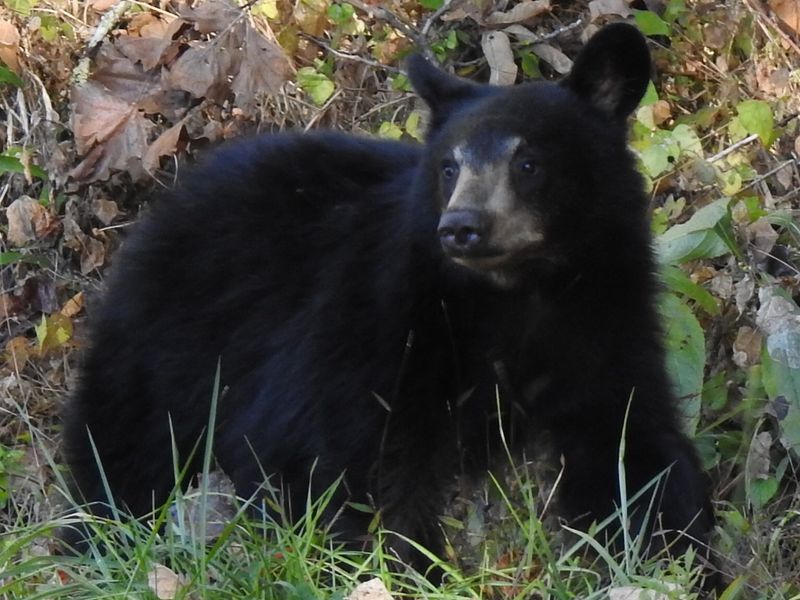
Black bear cubs tumbling through the forest, learning survival skills before they’re released back into the Smokies. That’s the daily scene at Appalachian Bear Rescue, a specialized facility near Townsend dedicated exclusively to rescuing and rehabilitating orphaned black bear cubs. Since 1996, ABR has successfully returned hundreds of cubs to the wild, and their unique approach minimizes human contact to ensure the bears remain wild.
Volunteer opportunities here differ from typical hands-on animal care because the goal is to keep bears afraid of humans. Instead, volunteers support the mission through fundraising events, educational programs, and facility maintenance. You might help with grounds keeping, assist during special events, or participate in awareness campaigns that teach people how to avoid bear conflicts.
The center also offers internship programs for college students studying wildlife biology or related fields.
One of the coolest aspects of ABR is the live webcams that let supporters watch the cubs from afar without disturbing them. Volunteers sometimes help manage the online community, answering questions from viewers worldwide and sharing updates about the cubs’ progress. This virtual connection helps people understand why protecting bear habitat matters and how human actions affect these magnificent animals.
The location itself, nestled at the edge of Great Smoky Mountains National Park, provides stunning views and a genuine connection to wild Tennessee. Even if you’re not directly handling bears, you’re contributing to one of the most successful bear rehabilitation programs in the country. For anyone passionate about large wildlife conservation and preserving Tennessee’s mountain ecosystems, Appalachian Bear Rescue offers a truly unique way to make a difference.
4. The Elephant Sanctuary in Tennessee – Elephant Discovery Center – Hohenwald

Did you know Tennessee is home to the nation’s largest natural habitat refuge for elephants? Hidden away in the rolling hills of Hohenwald, The Elephant Sanctuary provides a permanent home for elephants retired from zoos and circuses. While the sanctuary itself isn’t open to the public (to give the elephants privacy and peace), the Elephant Discovery Center in town offers visitors and volunteers a window into this remarkable conservation work.
Volunteers at the Discovery Center help educate thousands of visitors each year about elephant welfare, conservation challenges, and why these intelligent giants deserve better treatment. You might lead tours through interactive exhibits, assist with educational programs for school groups, or help maintain the facility. The center uses technology like live cameras to show elephants in their natural habitat without disturbing them, and volunteers help interpret what visitors are seeing.
What’s fascinating is learning about each elephant’s unique story and personality. Many arrive with physical or emotional trauma from years of performing or inadequate care. Through the Discovery Center, volunteers share these stories and help people understand the complex needs of elephants.
You’ll become an advocate for elephant welfare and broader wildlife conservation issues.
The sanctuary also conducts important research on elephant behavior and health, contributing to global conservation efforts. Volunteers support this work by participating in fundraising events and community outreach programs throughout Middle Tennessee. If you’re drawn to large animal conservation and want to support groundbreaking welfare work, the Elephant Discovery Center provides meaningful opportunities to contribute to something truly special happening right here in Tennessee.
5. Tennessee Aquarium Conservation Institute – Chattanooga
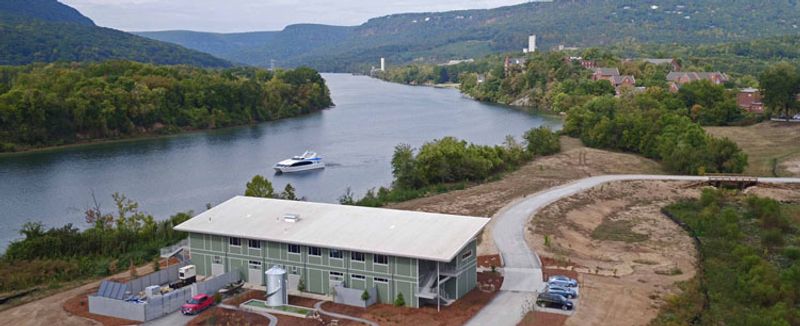
Beneath Chattanooga’s famous downtown aquarium lies a serious conservation powerhouse. The Tennessee Aquarium Conservation Institute works to protect freshwater ecosystems throughout the Southeast, focusing on the rivers, streams, and wetlands that make Tennessee’s aquatic biodiversity so remarkable. Their scientists study everything from rare mussels to threatened fish species, developing strategies to restore damaged habitats.
Volunteers join field research teams that head out to rivers and streams across the region. You might help survey fish populations, collect water quality data, or assist with habitat restoration projects. The institute also breeds endangered species in captivity, working to reintroduce them to the wild once their populations are stable.
Some volunteers help care for these animals in behind-the-scenes facilities not visible to regular aquarium visitors.
What makes this opportunity special is the combination of hands-on fieldwork and cutting-edge science. You’ll wade into streams with researchers, learning to identify native species and understand the threats they face. The institute also partners with universities and government agencies, so volunteers often participate in projects with real scientific value.
Your contributions might end up in published research or inform conservation policy decisions.
Educational outreach is another key component, and volunteers help bring conservation messages to schools and community groups throughout the Tennessee Valley. You’ll learn to explain complex ecological concepts in ways that inspire others to care about protecting local waterways. For anyone interested in aquatic biology, environmental science, or river conservation, the Tennessee Aquarium Conservation Institute offers unmatched opportunities to engage with meaningful research and restoration work happening right in your backyard.
6. Reflection Riding Arboretum & Nature Center – Chattanooga
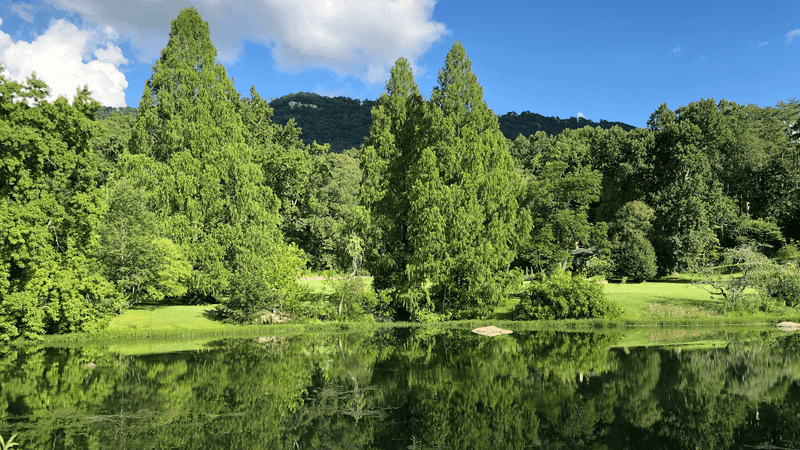
Tucked into a scenic valley at the base of Lookout Mountain, Reflection Riding combines botanical gardens, wildlife exhibits, and environmental education in one beautiful 317-acre property. The nature center has been connecting people with the natural world since 1955, and today it serves as both a peaceful retreat and an active conservation hub. Native animals that can’t survive in the wild find permanent homes here, while the arboretum showcases plants native to the Southern Appalachians.
Volunteers wear many hats at Reflection Riding. You might spend your day caring for resident animals like owls, hawks, or turtles that serve as wildlife ambassadors. Others help maintain the extensive trail system, work in native plant gardens, or assist with educational programs that bring thousands of school children to the property each year.
The variety means you can find a role that matches your interests and skills.
One particularly rewarding program involves habitat restoration work. Volunteers help remove invasive plants, plant native species, and monitor wildlife populations on the property. You’ll learn to identify local plants and understand how healthy ecosystems function.
The center also participates in regional conservation initiatives, so your work contributes to broader efforts to protect Tennessee’s natural heritage.
The setting itself is reason enough to volunteer here. Imagine spending your morning surrounded by blooming wildflowers with Lookout Mountain rising behind you, knowing your efforts help preserve this special place. Reflection Riding also hosts special events throughout the year, from butterfly releases to nighttime owl prowls, and volunteers make these experiences possible for the community.
If you want to combine outdoor work, animal care, and environmental education in a truly gorgeous setting, this Chattanooga gem delivers.
7. Ijams Nature Center – Knoxville
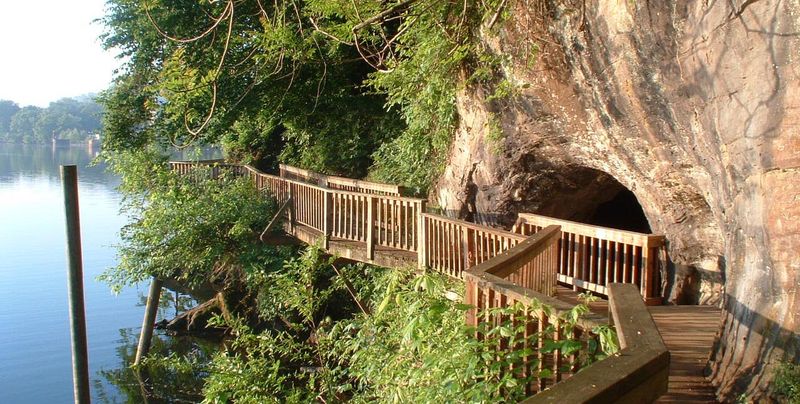
Just minutes from downtown Knoxville, Ijams Nature Center proves that you don’t need to travel far to find wilderness. This 315-acre urban greenspace sits along the Tennessee River, offering forests, wetlands, caves, and river access right in the city. What started as a family’s private nature retreat in the 1960s has grown into one of East Tennessee’s premier environmental education centers, serving over 200,000 visitors annually.
Volunteers keep Ijams running smoothly and help connect visitors with nature in countless ways. Trail maintenance crews work to keep miles of hiking paths accessible and safe. Others staff the visitor center, greeting guests and helping them plan their visit.
If you enjoy working with kids, you can assist with summer camps, school field trips, or weekend family programs that introduce young people to wildlife and outdoor skills.
The nature center also houses several non-releasable birds of prey and other native animals used for educational programs. Animal care volunteers help feed and care for these ambassadors, and some even get trained to handle them during public presentations. Watching a child’s face light up when they see a hawk up close never gets old, and you’ll play a direct role in creating those memorable moments.
Ijams has embraced adventure recreation too, with rock climbing areas, paddling access, and mountain bike trails. Volunteers with specific outdoor skills sometimes lead guided trips or help maintain these facilities. The center’s commitment to making nature accessible to everyone, regardless of age or ability, creates a welcoming atmosphere where your contributions truly matter.
For Knoxville residents looking to give back while spending time outdoors, Ijams offers flexible opportunities that fit various schedules and interests.
8. Bays Mountain Park & Planetarium – Kingsport
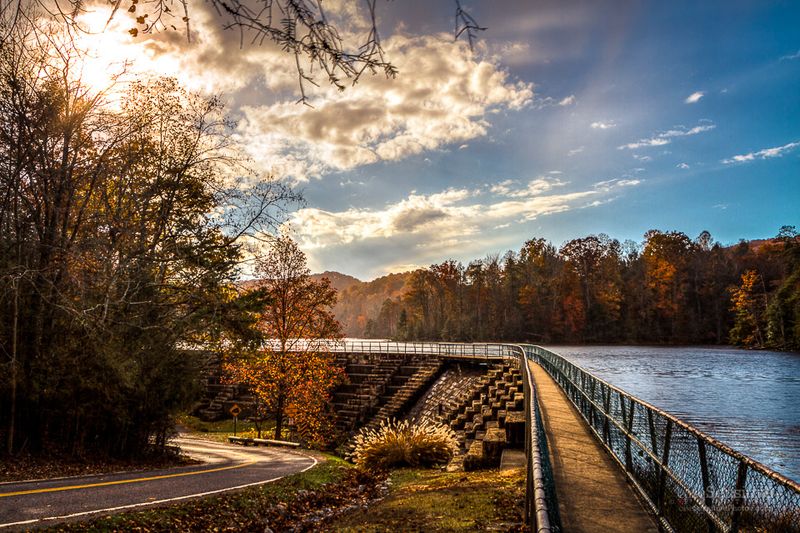
Perched in the mountains above Kingsport, Bays Mountain Park & Planetarium spans 3,550 acres of protected wilderness, making it one of the largest city-owned nature parks in the country. The park combines extensive trail systems, a nature center with live animals, a planetarium, and a 44-acre lake into one incredible resource for outdoor education and recreation. It’s where astronomy meets ecology in the most Tennessee way possible.
Volunteer opportunities here are remarkably diverse. You might help care for the park’s resident animals, which include river otters, bobcats, raptors, and even a small herd of white-tailed deer. The animal habitats provide homes for creatures that can’t survive in the wild while teaching visitors about Tennessee’s native species.
Other volunteers maintain the 40-plus miles of trails, assist with environmental education programs, or help run the planetarium shows that introduce visitors to the night sky.
One unique aspect is the park’s wolf habitat, home to a pack of red wolves. These critically endangered animals once roamed Tennessee but were extinct in the wild for decades. Volunteers help educate visitors about wolf conservation and why protecting predators matters for healthy ecosystems.
You’ll learn fascinating facts about wolf behavior and the ongoing efforts to save this species from extinction.
The park also offers seasonal programs like maple syrup production, wildflower walks, and night hikes that require volunteer support. If you have specialized knowledge in astronomy, botany, or wildlife biology, there are opportunities to share your expertise with the public. For anyone in the Tri-Cities area seeking a volunteer experience that combines outdoor work, animal care, and education in a spectacular mountain setting, Bays Mountain delivers on every level.
9. Nashville Zoo at Grassmere – Nashville
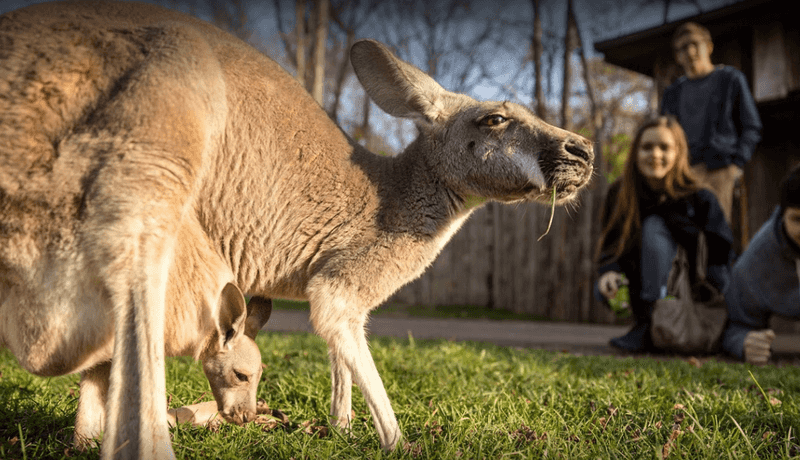
Nashville Zoo at Grassmere has evolved far beyond just a place to see exotic animals. This 188-acre facility actively participates in global conservation efforts, breeding endangered species and supporting wildlife protection projects around the world and right here in Tennessee. The zoo’s commitment to conservation education and research makes it a hub for people who want to make a difference for wildlife.
Teen and adult volunteers support virtually every aspect of zoo operations. You might work in the education department, helping with programs that teach visitors about animal behavior and conservation challenges. Others assist zookeepers with animal enrichment activities, creating puzzles and toys that keep the animals mentally and physically stimulated.
There are also opportunities to help with special events, guest services, and even horticulture work maintaining the beautiful grounds.
The zoo’s conservation initiatives extend beyond its gates. They support projects protecting Tennessee’s native species, including grassland birds and gopher frogs. Volunteers sometimes participate in these local conservation efforts, doing fieldwork that directly benefits wildlife in Middle Tennessee.
You’ll learn how zoos contribute to preserving biodiversity both globally and locally, changing how you think about their role in conservation.
What’s particularly valuable is the training volunteers receive. The zoo offers comprehensive programs that teach animal behavior, conservation biology, and public speaking skills. These experiences look great on college applications or resumes for anyone pursuing careers in biology, education, or environmental science.
Plus, you’ll join a large community of volunteers who share your passion for wildlife. Whether you’re interested in exotic species or local conservation, Nashville Zoo provides structured opportunities to contribute meaningfully while learning from professionals in the field.
10. Radnor Lake State Park – Nashville
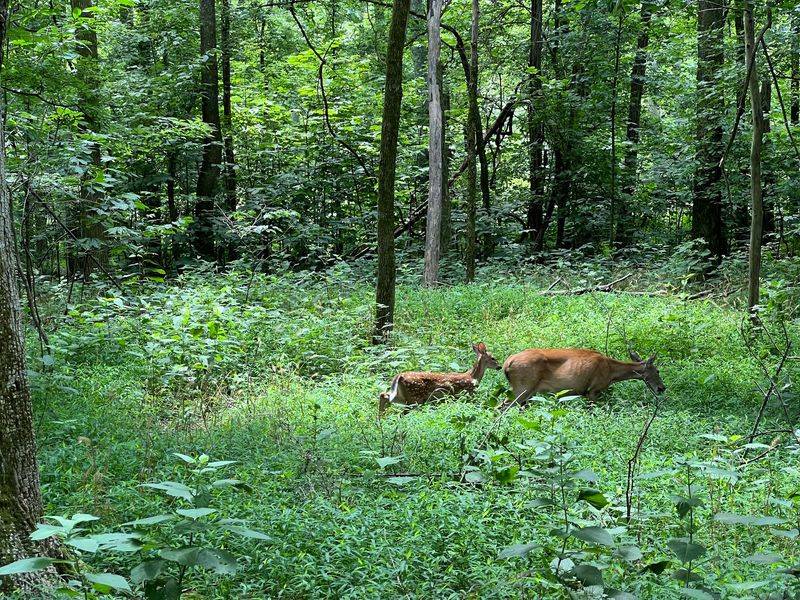
Radnor Lake sits like a hidden jewel in the heart of Nashville, an 85-acre lake surrounded by 1,368 acres of protected forest and trails. This state park serves as a critical wildlife refuge in an increasingly urbanized area, providing habitat for deer, owls, herons, and countless other species. The park’s commitment to remaining a natural area means no boating, no fishing, just quiet observation of nature doing its thing.
Volunteers here focus on education and stewardship rather than hands-on animal care. You might lead guided nature walks, teaching visitors how to identify birds by their calls or track wildlife through the forest. The visitor center needs volunteers to greet guests, answer questions about the park’s ecology, and help with educational displays.
Others participate in citizen science projects, monitoring bird populations or documenting plant species to help park managers understand how the ecosystem is changing over time.
Trail maintenance is another crucial volunteer role. Keeping the six miles of trails safe and accessible requires regular work, especially after storms. You’ll learn about erosion control, invasive species management, and sustainable trail design while spending time in the forest.
The park also hosts special events like owl prowls and wildflower walks that need volunteer support to succeed.
What makes Radnor Lake special is its accessibility. You can volunteer here without a huge time commitment, and the park is easy to reach from anywhere in Nashville. It’s perfect for people who want to contribute to conservation but have busy schedules.
Watching the lake at dawn, surrounded by mist and birdsong, while knowing your efforts help preserve this sanctuary for future generations creates a connection to place that’s hard to find elsewhere. For Nashville residents seeking meaningful outdoor volunteer work close to home, Radnor Lake offers peaceful opportunities to give back.
Share this story