Some Oklahoma traditions live in museums behind glass, and some still show up for work on Monday morning. In Oklahoma City, one of them involves pens full of cattle, catwalks overhead, and an auction that moves faster than most people can follow.
Ranchers haul in livestock, buyers come from across the country, and families who book a tour get to watch it all from up close. It is not a theme park, and that is exactly the point.
The place has been called a piece of living history, and the folks who work there have the stories to back it up. Keep reading to learn which days to go, how the guided tours work, what to expect on the grounds, and why setting an early alarm could give your family one of the most authentic western outings in the state.
1. A Working Landmark on Exchange Avenue
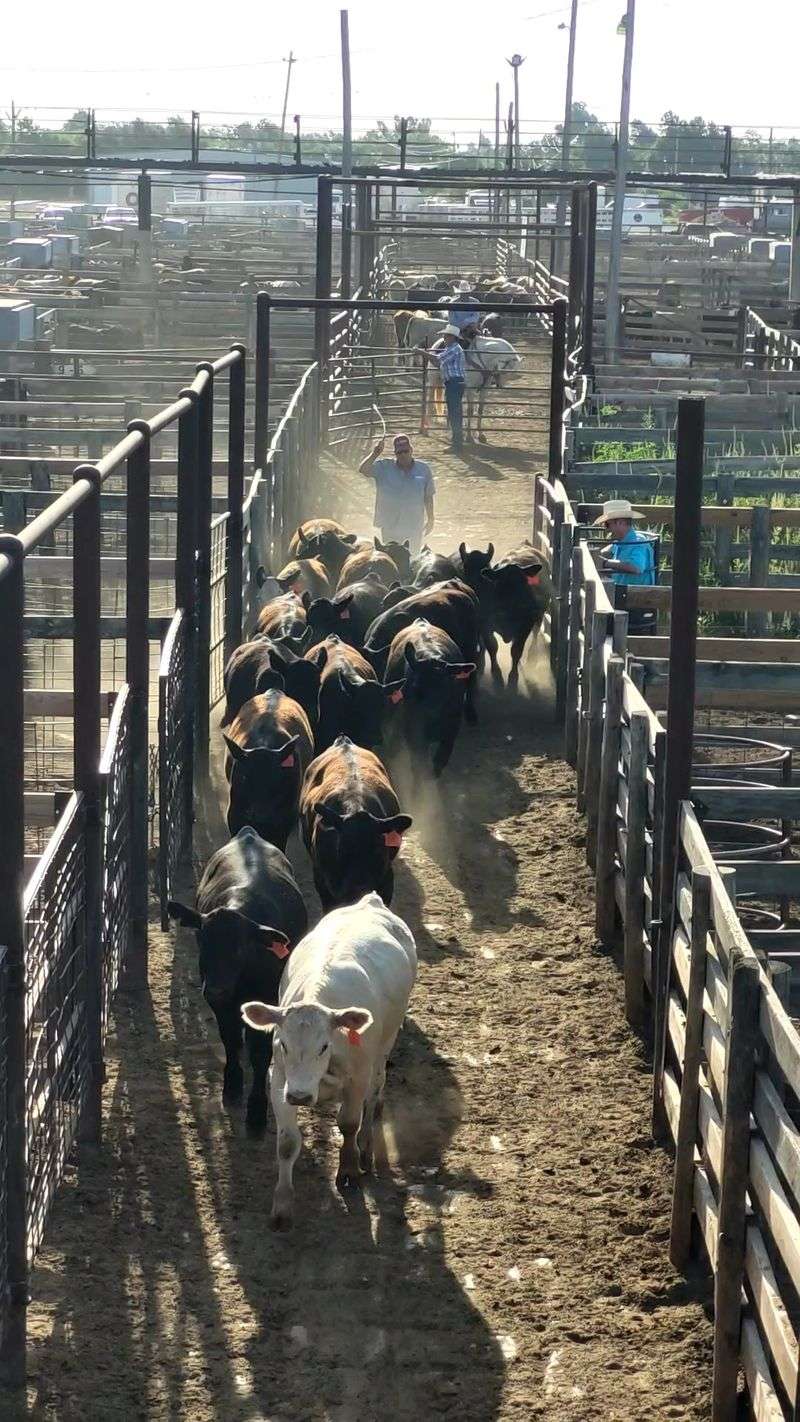
Cattle country does not always start at the edge of town. Sometimes it sits a short drive from downtown Oklahoma City.
The Oklahoma National Stockyards stands at 2501 Exchange Ave, Oklahoma City, OK 73108, in the heart of Oklahoma. It is listed as a livestock auction house, and that label tells you plenty about its priorities.
Cattle arrive here to be sold, and buyers show up to bid on them. Ranchers and truck drivers drop off and load animals at the pens on a regular schedule.
For families, the appeal is simple. You get to see a real agricultural business doing its everyday job, not a staged show built for cameras.
Many people describe it as a functioning stockyard first and a destination second. One longtime admirer even called it the largest live stockyard market in the world, which gives you a sense of the local pride attached to the place.
The grounds earn strong marks from the people who have explored them, with plenty of praise for the history, the cattle, and the people who keep things running.
So before you plan the rest of the day, it helps to know a bit about the story behind those pens. That story is where the real fun begins.
2. History You Can Still Watch Happen
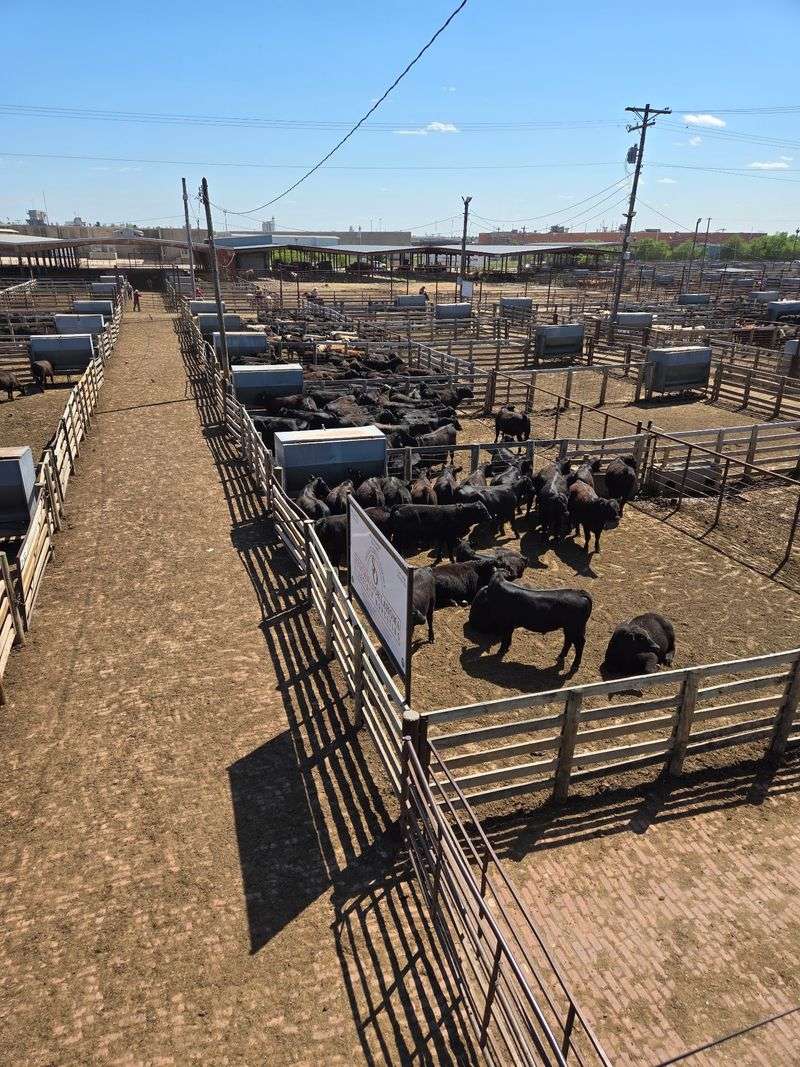
History books usually describe things that already ended. Here, the history keeps clocking in.
The stockyards are often called a piece of US history, and people who tour the grounds tend to agree. Some have described it as the only remaining functioning stockyard of its kind in the country, a claim that shows how rare this kind of place feels to travelers.
That sense of history is a big part of the draw. Cattle trading has shaped Oklahoma for generations, and this spot keeps that tradition in motion.
One traveler who finished a three year van and motorhome trip across the entire USA ranked a tour here among the most interesting stops of the whole journey. That says a lot, considering the competition.
The pens are described as clean and well maintained. The setting is honest and practical, which makes the history feel less like a display and more like a daily routine.
Words like great tradition and Oklahoma pride come up often when people talk about the place. For Oklahomans who love proving their state has deep roots, this is an easy stop to brag about.
Of course, a place is only as good as the people who explain it. And that brings us to a very well known guide.
3. Bo and Decades of Stockyard Stories
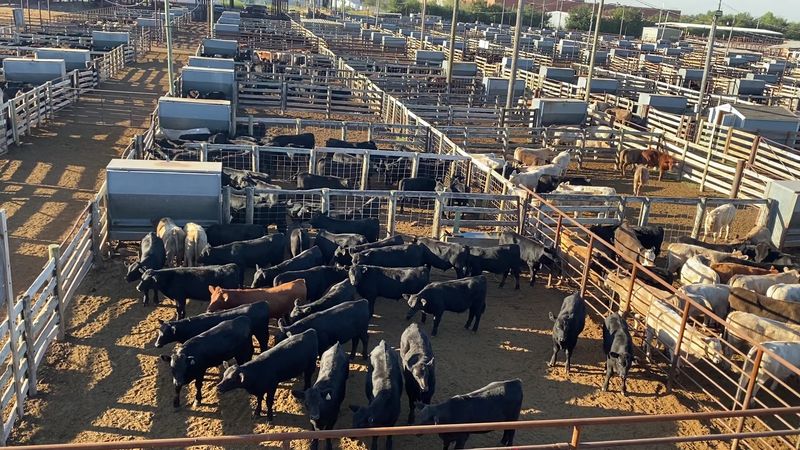
Forty-plus years on the job is a résumé few people can match. At the stockyards, a guide named Bo has racked up exactly that kind of record.
Tour groups have mentioned that Bo worked at the stockyards for 44 years, and later groups put the number at 46. Either way, that is a long time to learn every corner of a cattle market.
People who have taken his tour call him fabulous and the best. One group simply said that his long service speaks well of both Bo and the business.
His stories seem to be the highlight. One traveler even urged him to write a book, since a 90 minute tour could not hold all 46 years of memories.
Guides change over time, so there is no promise you will get the same person. Still, the stockyards clearly value staff who know the place inside and out.
Tours have been described as running about 90 minutes. That is long enough to learn a lot without wearing out younger kids.
So how do you get in on one of these walks? The answer is easier than rounding up a stray calf.
4. Booking a Tour Online
Good news for planners: you do not need a ranch to get a backstage pass. Several groups mention that they booked their tour online.
The official website, oknationalstockyards.com, is the place to start. Tour times, availability, and any costs may change, so check there before you drive.
Taking the tour seems to be the best way to understand what you are seeing. Without a guide, the pens and auction can feel confusing to newcomers.
People who went on the guided walk often describe it as amazing and really cool to see. One group put it plainly: if you have the time, take the tour.
A booked tour also helps families who want structure. Kids get a clear start and finish, and parents get answers to all the questions that pop up along the way.
Since the stockyards are a working business, a reservation also helps the staff plan around their busy days. Think of it as good manners in cattle country.
Once you are signed up, one part of the tour tends to steal the spotlight. It happens above the pens.
5. The View From the Catwalk
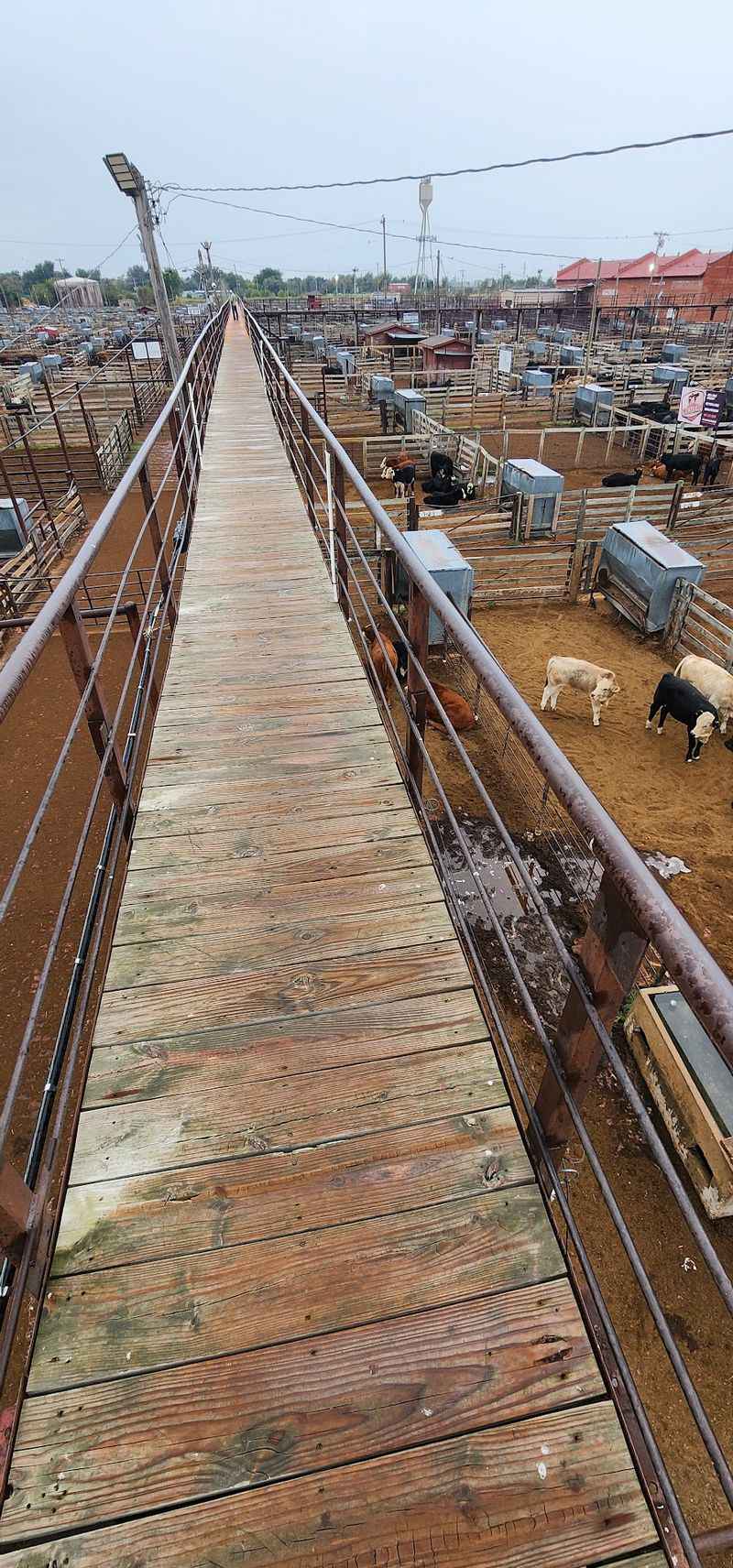
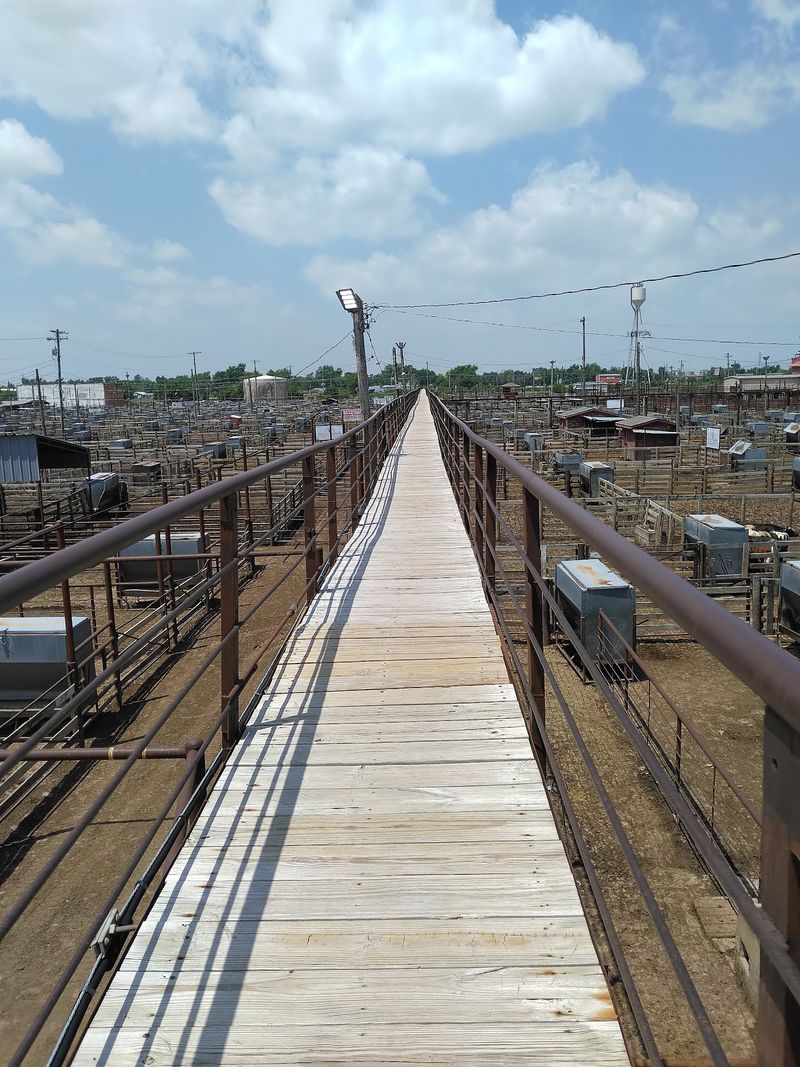
Up is the best direction at the stockyards. The catwalk gives tour groups a bird’s eye view of the pens below.
Walking over the catwalk while hearing the guide’s stories ranks as a favorite memory for many tour groups. It turns a maze of fences into something you can actually follow.
From above, you can see how the layout works. Pens connect to alleys, alleys lead toward the sale area, and cattle move through it all in an organized way.
Kids especially tend to enjoy this part. It is a safe vantage point that still feels close to the action.
Even on quieter days, some people say it is still cool just to walk around and look. The setup itself tells a story about how big this operation is.
Bring comfortable shoes, since you will be on your feet. Clothes you do not mind getting a little dusty are a smart call too.
The catwalk is great, but the real show happens when the bidding starts. Timing that right takes a little planning.
6. Why Monday and Tuesday Matter
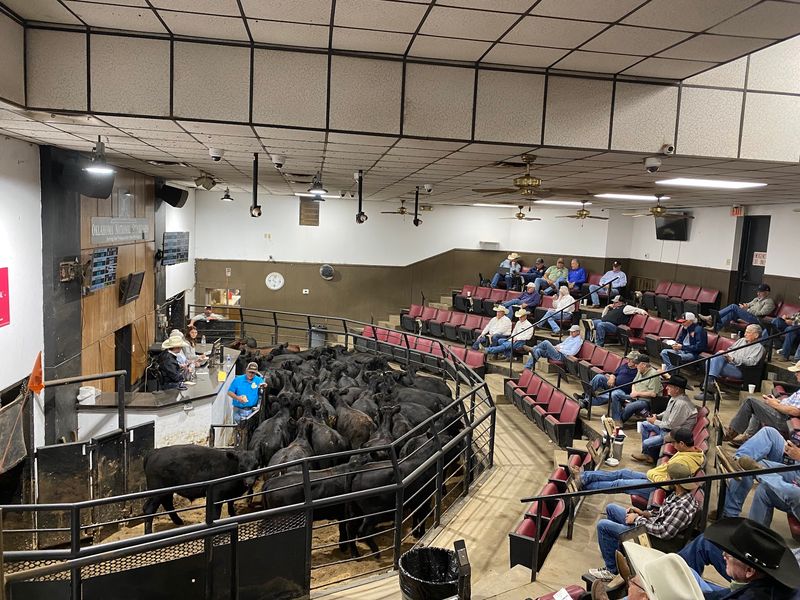
Here is the insider tip that matters most. Go on a Monday or Tuesday.
Those are the days when cattle are auctioned, according to people who have visited. Show up on another day, and the pens may be close to empty.
The auction is described as a really interesting process and like nothing many people have seen before. Buyers and sellers come from all over the country to trade cattle here.
Some guests who came on a quiet day said they would love to return during an actual sale. That is a pretty clear hint about what you might miss.
This is also where the wake up early advice pays off. Cattle work starts with the day, so earlier arrivals usually catch more activity.
Auction schedules can shift, so check the official website before you leave home. A quick look can save a long drive to empty pens.
One ranching family even noted that their cattle brought a good price here. That is the business side most tourists never get to see.
Of course, watching an auction is a special kind of fun. It helps to know what the mood is really like.
7. Cowboy Stampede and Western Festivities
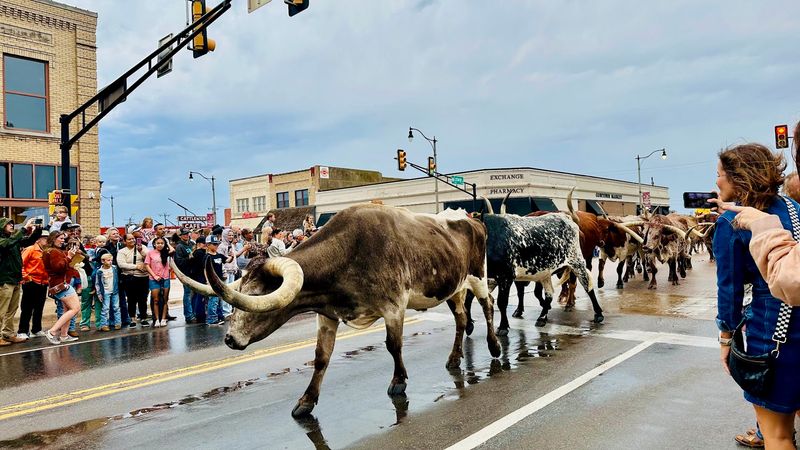
Every so often, the stockyards trade work boots for parade boots. The Cowboy Stampede event brings a festival feel to the grounds.
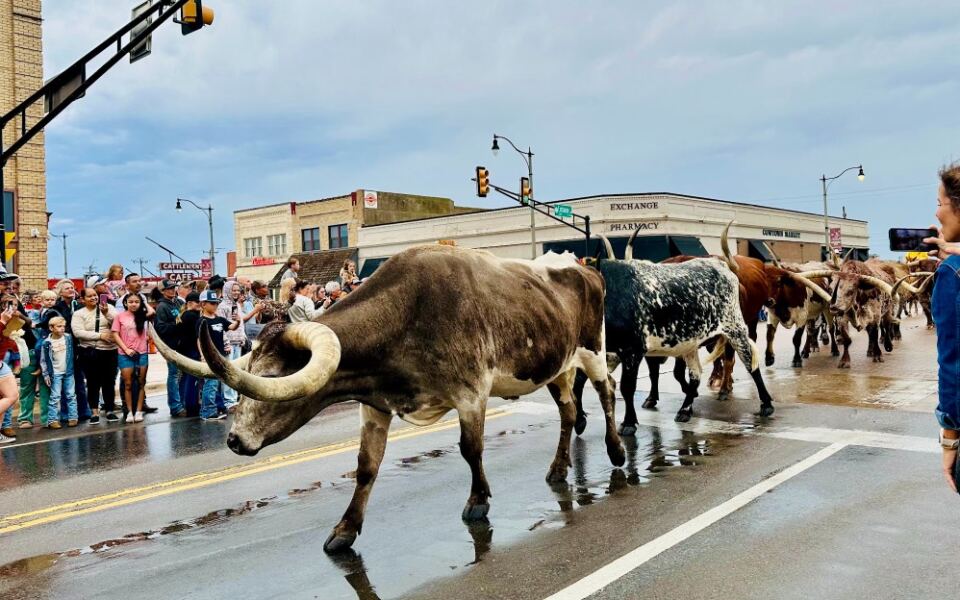
Guests describe a longhorn parade, rodeo-style activities, and a cowboy cooking demonstration. The crowd is described as lively and welcoming, with friendly people everywhere.
It is a strong pick for families who want photos, western culture, and a chance to learn more about cowboy life. Many say it is a great way to experience real Oklahoma traditions.
Event dates are not set in stone from year to year. Watch the official website for announcements before you plan your trip.
For first-timers who feel unsure about a working auction, a special event can be a friendly starting point. It shows the cowboy side of the place with plenty of extras.
Afterward, many families come back for a tour or an auction day. Once the western bug bites, it tends to stay.
Still, not every day is a parade. The regular atmosphere deserves an honest look.
8. Who Will Love It and Who Might Not
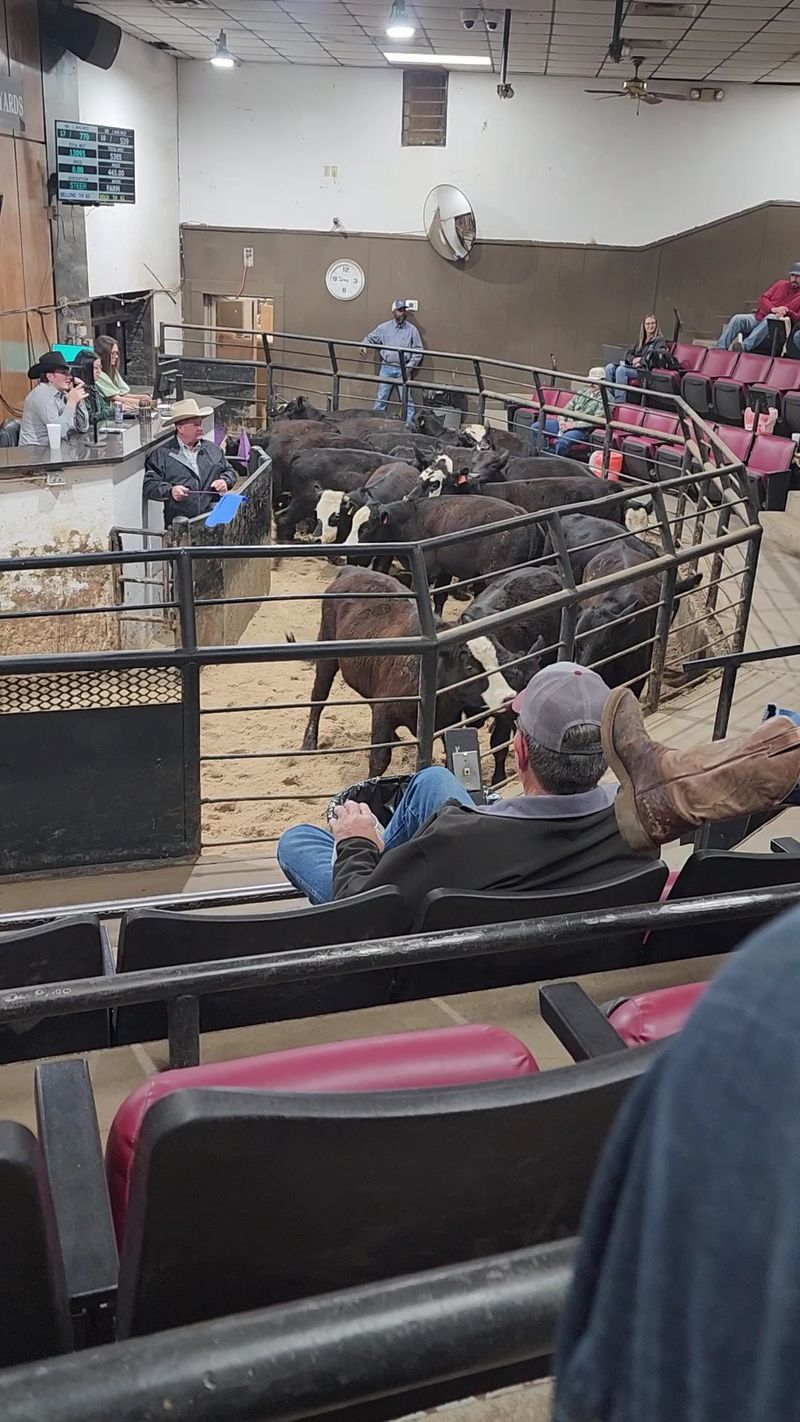
Honesty time. The stockyards are a place of business first, and that shapes the experience.
Some people call it not really a tourist attraction. One longtime cattle buyer summed it up simply: it is a place where cattle get sold, and it does that job well.
That means you should come with the right mindset. If you like cows, history, or ranch life, you will probably love it.
Families with curious kids often find the day exciting. Anyone hoping for rides or gift shops at every turn may feel differently.
A recent comment pointed out that things can feel a little slow, with a lot of dust and no bathrooms. Plan restroom stops before you arrive, and bring water.
Truck drivers and ranchers who drop off and load cattle praise the good people here. Some drivers have even suggested ideas like a load board, which shows how busy the trucking side can be.
So who is this for? It suits anyone who wants the real deal instead of a polished show.
9. Worth the Early Alarm
Alarms are rarely anyone’s favorite part of a day trip. This one is worth hitting snooze on everything else.
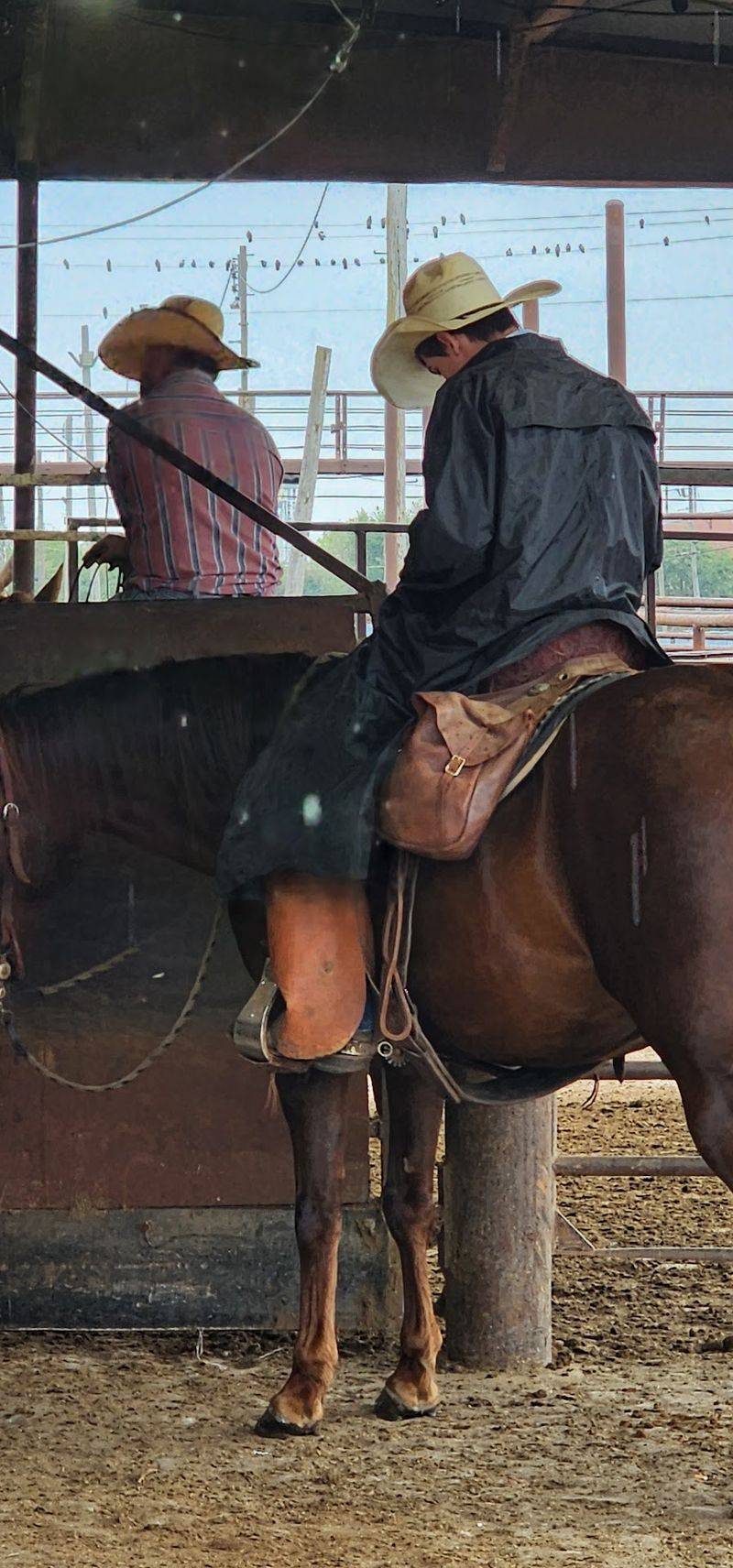
The Oklahoma National Stockyards gives families a chance to see a working piece of Oklahoma history. The cattle are real, the cowboys are real, and the business is still going strong.
To get the most out of it, aim for a Monday or Tuesday. Book a tour online, and arrive ready for dust and a little walking.
Hours, tour times, and costs can change. Check oknationalstockyards.com before you head out so the trip goes smoothly.
Plan bathroom breaks ahead of time, since facilities may not be available on the grounds. A water bottle and sturdy shoes will help too.
For Oklahomans who love showing off their frontier heritage, few stops say it better. It proves the state is much more than flat prairie.
Set that alarm, gather the kids, and head to Exchange Avenue. The cattle will not wait, and neither should you.
Share this story