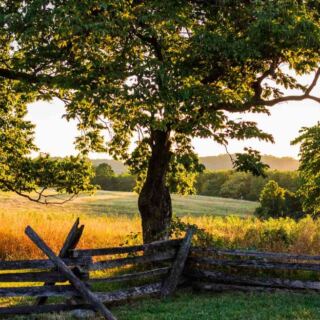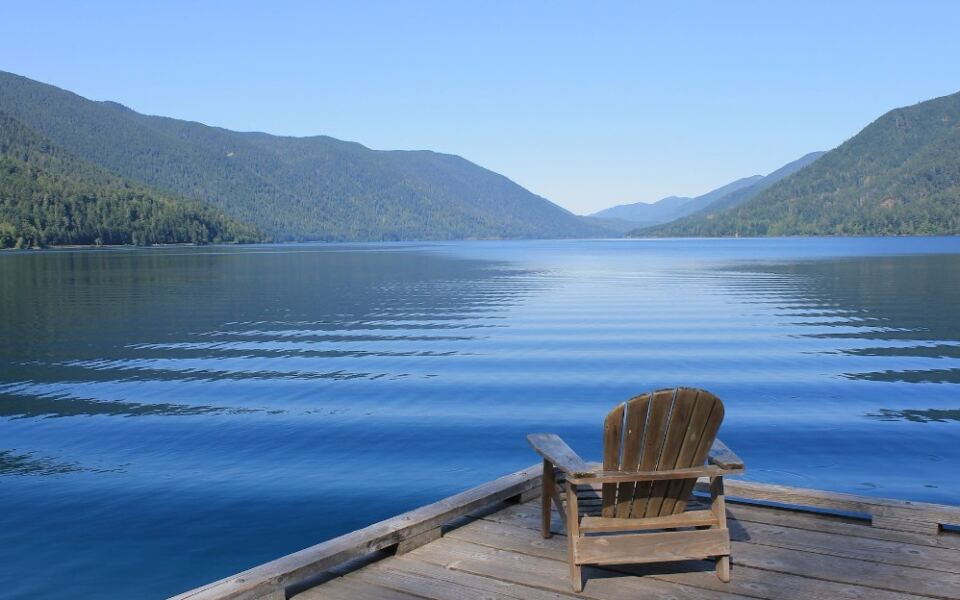
The water looks ready for a tropical vacation. Your first step into it would suggest packing a sweater instead.
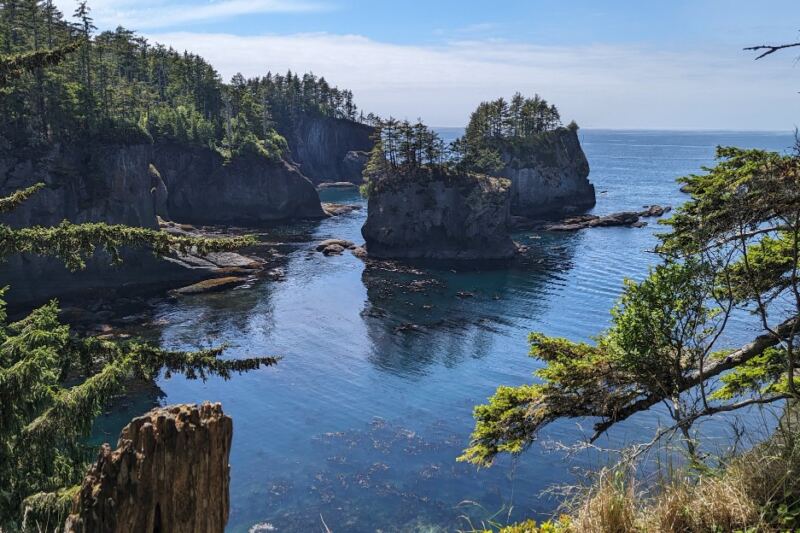
This mountain lake pairs brilliant blue water with the kind of cold that can make even a late-summer swim feel ambitious. Part of its remarkable clarity comes down to chemistry.
With very little nitrogen available, algae have a harder time growing, leaving the water clear enough to hold your attention from shore.
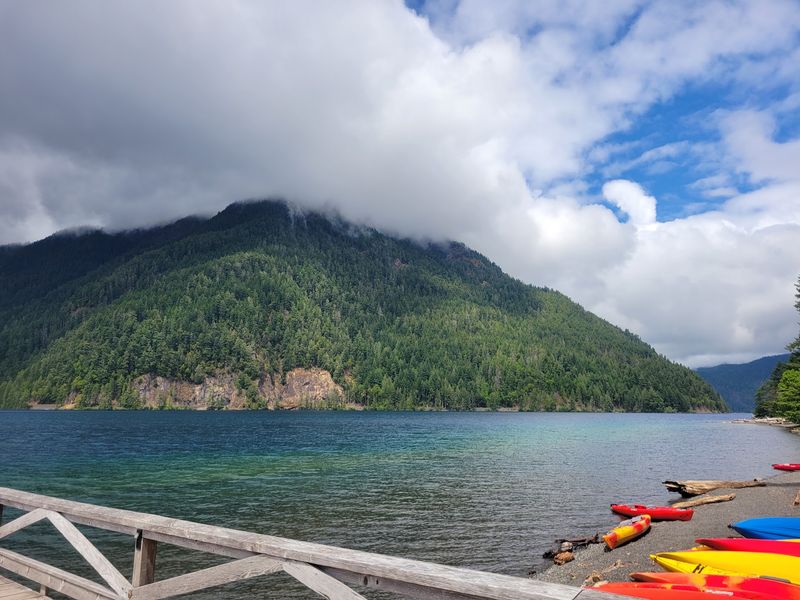
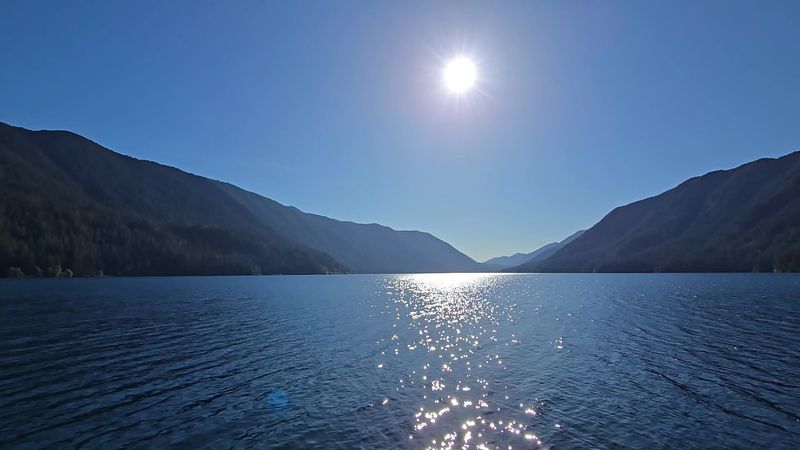
Glaciers carved the basin, which plunges more than 600 feet deep. Steep, forested mountains rise around it, and pebbly beaches give you somewhere to sit and take in that unlikely combination of blue water and towering firs.
I’d be tempted to leave the afternoon open here. There are kayaks, waterfall trails, and a historic lodge porch, so swimming doesn’t have to be the whole plan.
You could spend a while debating whether to get in at all.
That’s part of the appeal. A lake this striking invites a closer look, and the shoreline offers plenty of reasons to follow where it leads.
That Shocking Blue Color Has a Science Fair Explanation
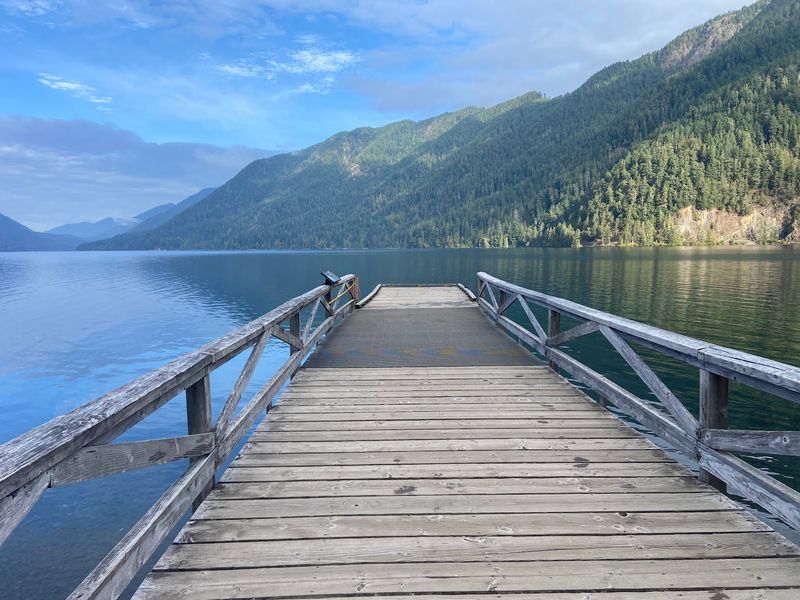
Caribbean water gets its glow from white sand and warm shallows. Lake Crescent pulls off a similar trick using cold chemistry instead.
The lake sits inside Olympic National Park, just off Highway 101 west of Port Angeles. According to the National Park Service, its water contains very little nitrogen, which keeps algae from taking over.
Less algae means less murk. Sunlight travels deep into the water, and the lake shows off brilliant shades of blue and teal.
Near the shore, you can often spot smooth stones resting well below the surface. On a calm day, the clarity feels almost unreal, like someone forgot to fill the lake.
Depth adds to the drama too. The lake reaches more than 600 feet down, making it one of the deepest lakes in Washington.
That depth helps explain the darker sapphire tones farther from shore. Close in, the water looks pale and glassy, then it drops off into a rich, inky blue.
Mornings tend to bring the stillest surface for photos. Bring polarized sunglasses if you have them, since they cut the glare and let you see even deeper into the water.
A President Slept Here, and the Porch Still Has the View
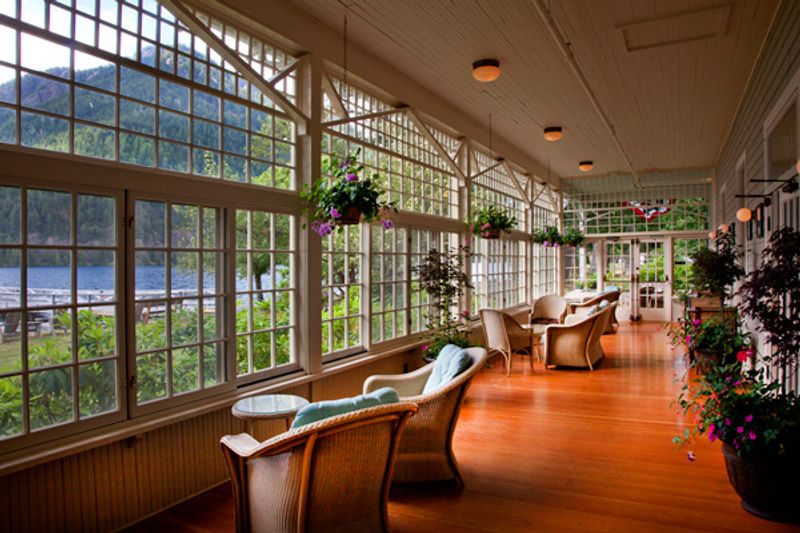
Back in 1915, a lodge opened on the south shore under the name Singer’s Tavern. Today, it’s known as Lake Crescent Lodge, and it still faces that same jaw-dropping water.
Its most famous guest arrived in 1937. President Franklin D.
Roosevelt stayed at the lodge during a trip to the Olympic Peninsula.
The following year, Congress created Olympic National Park. Historians often connect his visit to that decision, which gives the lodge a pretty impressive place in park history.
The main building keeps an old-fashioned feel. A fireside lobby and a sunny, glassed-in porch let guests soak in the lake without stepping into the chilly air.
Even if you aren’t staying overnight, the grounds are a lovely place to stretch your legs. Adirondack chairs line the shoreline, offering front-row seats to the mountains across the water.
Sunset turns that view into a slow, colorful show. The peaks catch the last light while the lake shifts from bright blue to deep silver.
History buffs and view seekers both win here. Few lodges can claim a presidential guest and a Caribbean-blue backyard at the same time.
Grab a Paddle Before the Afternoon Breeze Shows Up
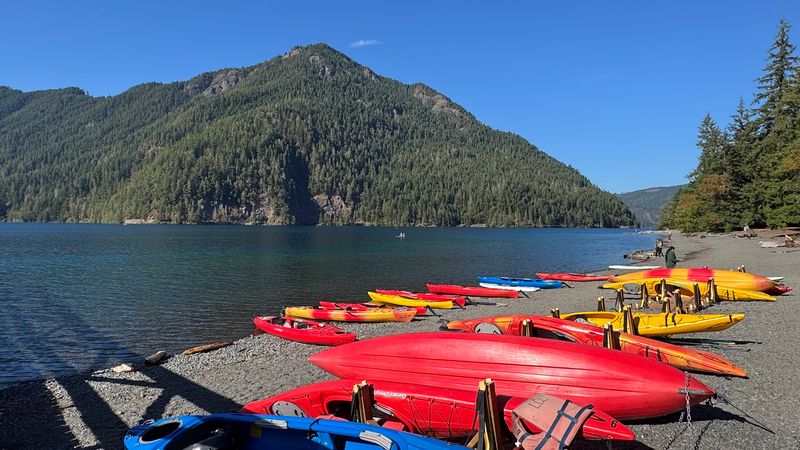
Paddling might be the best way to understand how clear this water really is. From a kayak, you can peer straight down and watch the bottom slowly fade into blue.
Lake Crescent Lodge offers seasonal kayak and canoe rentals right on its shoreline. That makes it easy to launch without hauling your own boat up Highway 101.
Timing matters on a mountain lake. Mornings often bring calmer conditions, while wind can kick up later in the day and make the return trip a workout.
Keep an eye on the weather before heading out. The lake is long and deep, and conditions can change faster than you’d expect.
Life jackets are a must, and the water stays cold year-round. A tip from any sensible paddler: stay closer to shore so you can enjoy the views without any drama.
The scenery from the water is something else. Forested slopes rise straight up from the lake, and Mount Storm King looms over the lodge like a friendly giant.
Bring a waterproof phone case for photos. You’ll want proof that Washington really has water this color.
Your Toes Will Have Opinions About This Swim
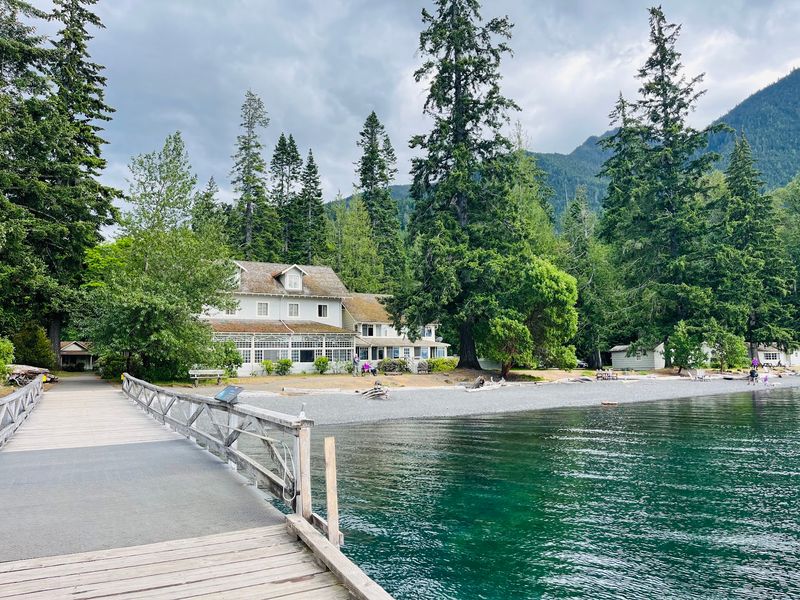
Brave souls, this one’s for you. The lake looks tropical, but the water temperature leans firmly toward glacier.
Swimming is allowed at Lake Crescent, and several spots around the shoreline offer easy access. Pebbly beaches near the lodge, East Beach, and Fairholme give you room to wade in slowly.
Notice the word slowly. Even on hot summer afternoons, the water stays chilly, and that first plunge can steal your breath.
Many people stick to knee-deep dips and call it a victory. Honestly, that’s a smart plan, because the bottom drops off quickly in some areas.
Devil’s Punchbowl, along the north shore, is famous for its deep, blue cove. Some visitors jump from the nearby bridge, but the National Park Service urges caution around cold, deep water.
Bring water shoes for the rocky shoreline. A towel and warm layers will also feel like luxury items once you climb out.
Not a swimmer? Sitting on the beach still counts as a great afternoon, especially with sunshine bouncing off that clear surface.
A Waterfall Waits Less Than a Mile Into the Forest
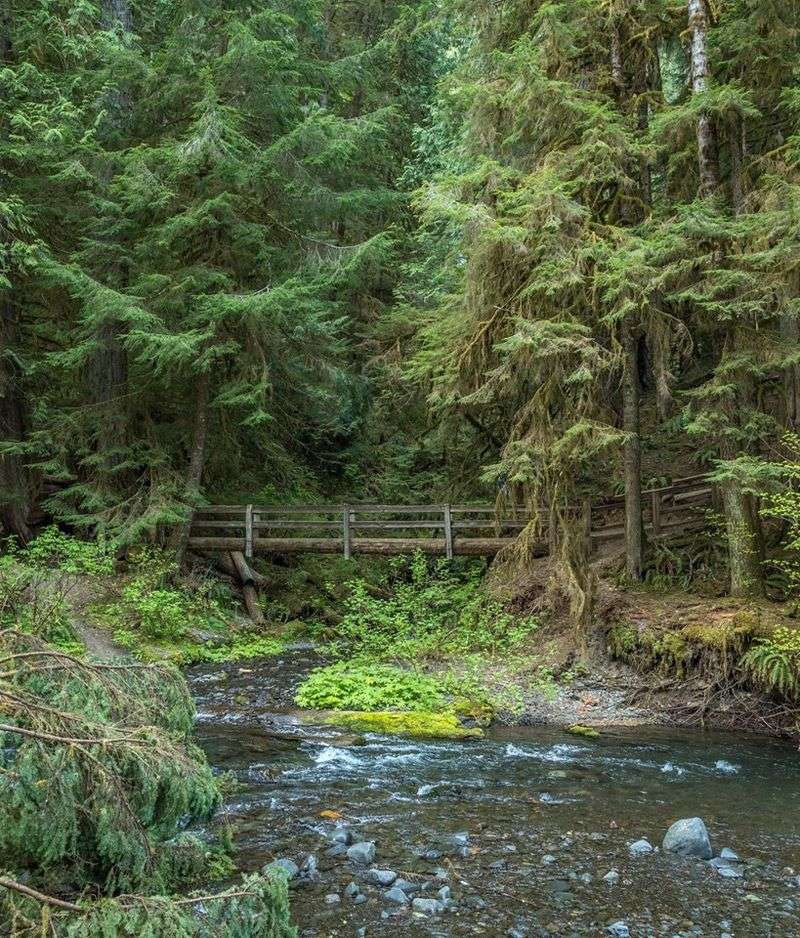
Old-growth trees, mossy logs, and a tall waterfall all fit into one easy walk. The Marymere Falls trail is a favorite for good reason.
The path starts near the Storm King Ranger Station area, close to Lake Crescent Lodge. The round trip runs about 1.8 miles, according to the National Park Service.
Most of the route stays fairly gentle. Near the end, a few staircases climb up to viewpoints of the falls.
Marymere Falls drops roughly 90 feet down a rocky cliff. Ferns and moss frame the water, creating that classic Olympic Peninsula look.
Along the way, the trail passes through towering forest that feels miles away from any highway. Kids usually find the bridges and log crossings pretty exciting too.
Spring and early summer often bring stronger water flow. Later in the season, the falls may look thinner, but the shady forest still makes the walk worthwhile.
Pair this hike with a beach break back at the lake. It’s a sweet combo of cool forest air and bright blue water in a single afternoon.
Earn the Postcard View on Mount Storm King
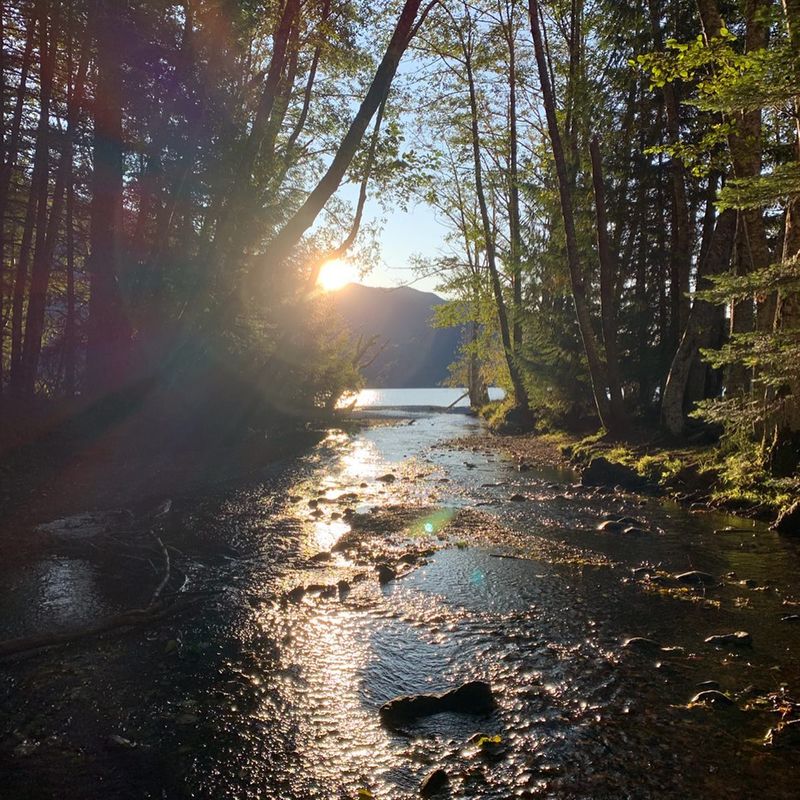
Steep. That one word sums up the climb up Mount Storm King, and your legs will agree.
The trail branches off the route toward Marymere Falls. From there, it climbs about 2,000 feet in under two miles to a rocky viewpoint above Lake Crescent.
The payoff is huge. From above, the lake stretches out in long ribbons of blue, framed by dark green forested ridges.
This is the view that lands on so many Washington postcards. Seeing the full curve of the lake helps explain how it earned its crescent-shaped name.
The upper section gets rough and exposed. Beyond the maintained trail, visitors sometimes install ropes on steep, exposed terrain.
The National Park Service warns that these ropes are not installed or maintained by the park and may be unsafe.
Good boots are essential here. Bring plenty of water, snacks, and enough daylight to come down without rushing.
You don’t need to reach the very top to enjoy the hike. Several spots along the way offer filtered glimpses of the lake, which can be plenty rewarding for a casual climber.
Bike Through Tunnels on an Old Railroad Grade
World War I left an unexpected gift on the north shore. Crews built a railroad here to haul spruce, a lightweight wood used for airplanes.
Today, that route is the Spruce Railroad Trail, part of the larger Olympic Discovery Trail. It follows the lakeshore for about four miles and connects with a longer paved section of the Olympic Discovery Trail.
It welcomes walkers, cyclists, and wheelchair users.
The trail is paved for a smooth ride. Two restored railroad tunnels add a fun dose of history along the way.
Views stay close to the water for much of the route. In places, the lake glows bright turquoise right beside the path.
Devil’s Punchbowl sits along this trail, crossed by a small bridge. It’s a popular place to pause and admire the deep blue cove below.
Bikes make the full distance feel easy. Walkers can choose a shorter out-and-back section and still catch plenty of lake views.
Bring a light jacket, since tunnels and shady stretches feel cool. A flashlight can also help inside the longer tunnel, even on a sunny day.
Spend the Night So the Lake Is Yours at Sunrise
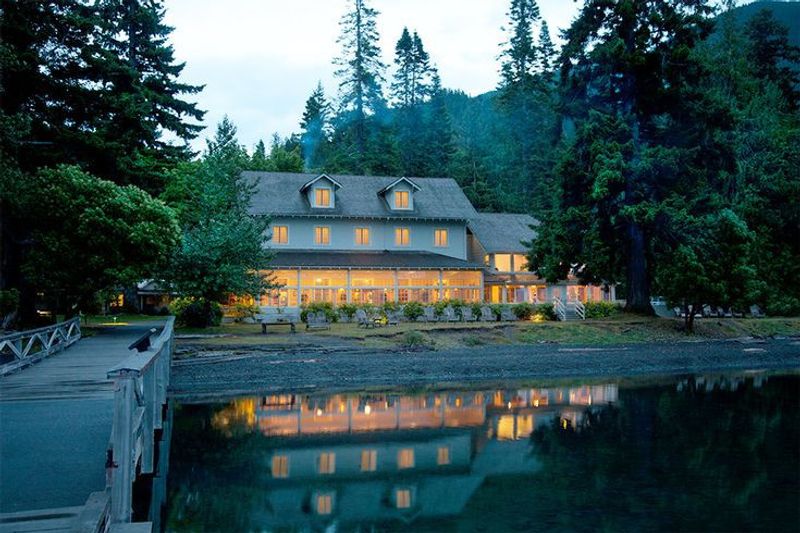
Day trips are great, but sunrise on this lake deserves a front-row seat. Lake Crescent Lodge offers overnight stays right along the shore.
You’ll find it at 416 Lake Crescent Rd, Port Angeles, WA 98363. The lodge sits inside Olympic National Park, a short drive from Highway 101.
Room choices range from historic rooms in the main lodge to private cottages. Some cottages feature fireplaces, and the property skips TVs in favor of lake and forest views.
Rooms in the main lodge use shared bathrooms. That old-school setup fits the building’s long history, so pack accordingly.
An on-site restaurant serves meals overlooking the water. Seafood shows up on the menu, which makes sense this close to the Pacific Northwest coast.
The lodge operates seasonally, and rooms can book up well ahead of summer. Planning early gives you the best shot at your favorite dates.
Free parking and Wi-Fi help keep things simple. Still, the real luxury is stepping outside before breakfast and finding the lake calm, quiet, and glowing.
Some of These Fish Live Nowhere Else on Earth
Here’s a fun one for trivia night. Lake Crescent is home to two unique trout, the Beardslee rainbow and the Crescenti cutthroat.
These fish developed in the lake after it was cut off from nearby waters long ago. They’re found naturally only in Lake Crescent.
Because they’re so special, fishing rules here focus on protection. Anglers should check current Olympic National Park regulations, which include catch-and-release requirements for these trout.
The lake’s isolation shaped more than its fish. Glaciers carved the deep basin, and a landslide about 7,000 years ago separated Lake Crescent from Lake Sutherland.
Getting here is refreshingly simple. Highway 101 hugs the south shore, and the lake sits roughly 20 miles west of Port Angeles.
That easy access makes it a natural stop on any Olympic Peninsula road trip. Pull off at a viewpoint, and the water looks bright enough to rival any tropical postcard.
Washington has plenty of pretty lakes. Few can match this mix of rare fish, deep history, and water this impossibly blue.
Share this story