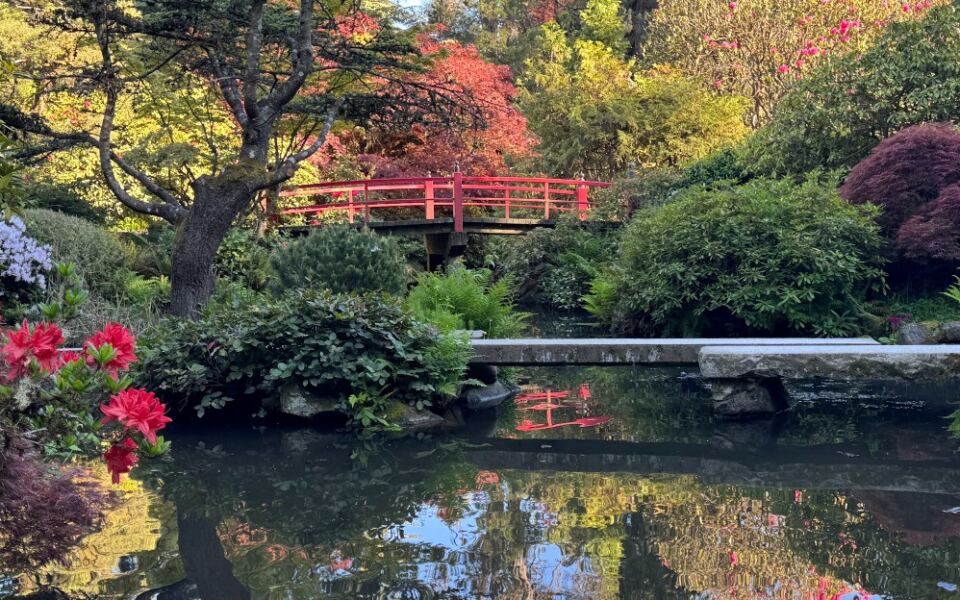
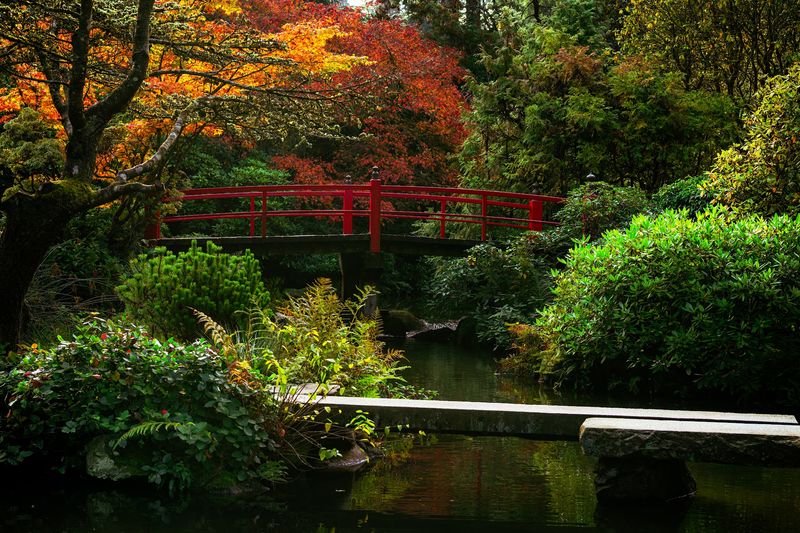
The bright red bridge asks you to climb a little before it lets you cross. Below it are ponds, with stone paths and waterfalls giving you reasons to take your time.
Looking around, it’s hard to picture the logged-over swampland where this garden began.
In 1927, a man with no formal design training started working on a few soggy acres. He spent decades shaping what became a 20-acre Japanese-style garden.
That’s the part of the story I keep coming back to. A place this carefully made began with someone willing to work on ground that offered very little encouragement.
Come fall, the maples turn red, orange, and gold, and fallen leaves gather around koi ponds and along the trails. You can walk in without paying admission, making it easier to stay a while without feeling you need to fit everything into one visit.
The autumn color is reason enough to come. But knowing what stood here before gives every pond, path, and steep little bridge a story worth following.
One Gardener’s Big Dream Became 20 Acres You Can Wander For Free
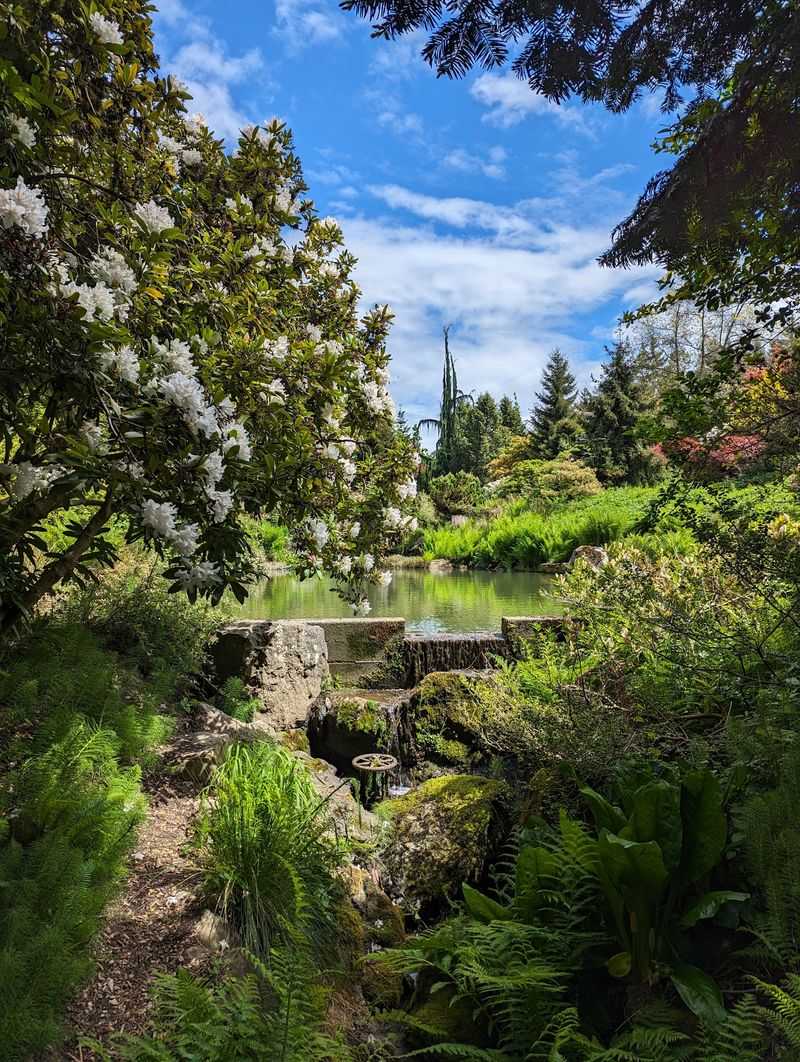
Fujitaro Kubota came to the United States from Japan in 1907. In 1927, he bought five acres of logged-over swampland in south Seattle.
That sounds like a rough place to start a garden. He saw something else entirely, and he kept adding land until it reached about 20 acres.
Kubota Garden began as both a family home and a display space for his landscaping business. He taught himself his craft, which makes the results even more impressive.
His style blended Japanese garden ideas with plants native to the Pacific Northwest. The mix feels both far away and right at home.
During World War II, the Kubota family was sent to an incarceration camp in Idaho. The garden waited, and the family returned to rebuild and keep growing it.
Later, the City of Seattle named the garden a historical landmark in 1981. The city bought the property in 1987 to protect it for everyone.
Today, Seattle Parks and Recreation runs the grounds with help from the Kubota Garden Foundation. That partnership keeps the gates open without an admission fee.
So when you stroll these paths, you’re following one family’s long, patient vision. Pretty good deal for zero dollars, right?
Fall Maples Turn the Whole Hillside Into a Color Show
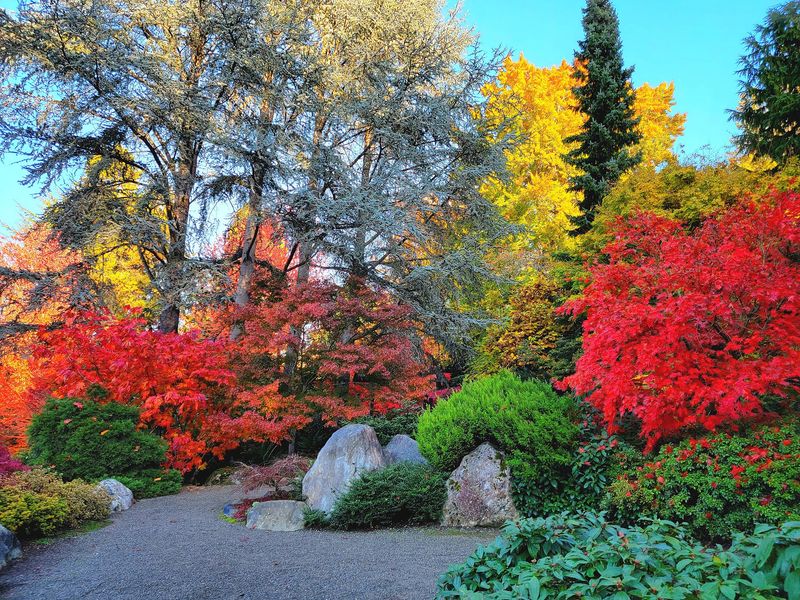
Red. Orange.
Gold. Come October, the maples here practically shout their colors across the hillsides.
Japanese maples are a big part of the garden’s charm. Their small, lacy leaves catch the low autumn light and glow against dark evergreens.
That contrast is what makes fall so striking. Deep green pines and bright maples sit side by side, like nature planned a costume party.
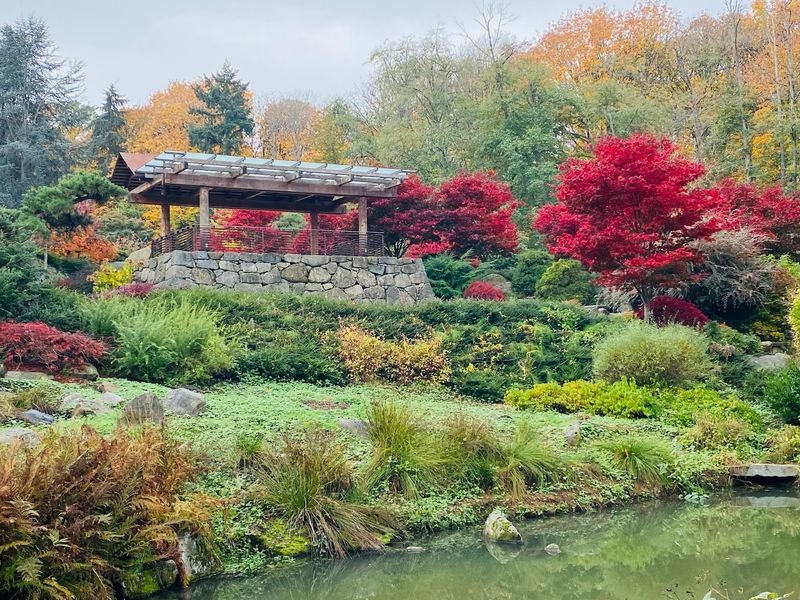
Leaves also drift onto the ponds and paths. The water reflects the colors, so you get double the show without extra effort.
Peak color depends on the weather each year. Mid to late October is often a strong bet, but checking the garden’s social pages before you go helps.
Bring a light rain jacket, too. This is still the Pacific Northwest, and fall drizzle can show up uninvited.
Honestly, a little mist only makes the maples look moodier. Photographers tend to love that soft, cloudy light anyway.
Wear shoes with good grip for wet leaves on sloped trails. Slipping on a pretty leaf is still slipping.
Plan an unhurried loop and keep stopping. Every turn seems to reveal another tree showing off.
Keep an Eye on the Water Because the Koi Are Watching Too
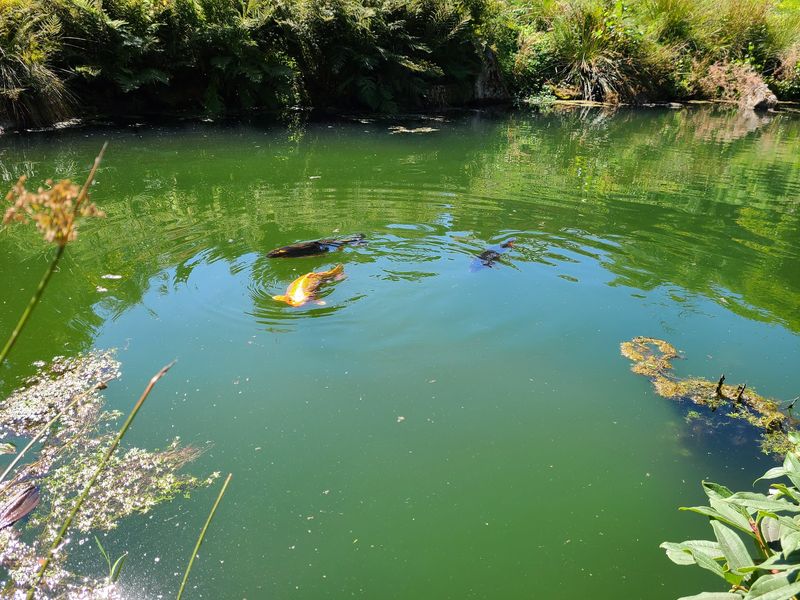
Flashes of orange, white, and gold slide under the surface of the ponds. Those are the koi, and some of them are surprisingly large.
Koi have long been part of Japanese garden tradition. They add movement and color to still water, almost like living paint.
Kubota Garden has several ponds linked by small streams. That means you can spot fish in more than one place as you explore.
Patience pays off here. Stand still near the edge for a minute, and the koi often drift into view.
Turtles sometimes appear as well, sunning themselves on rocks or logs. Spotting one feels like winning a tiny prize.
Please don’t feed the fish or toss anything into the water. Keeping the ponds clean helps the animals stay healthy.
Kids usually love this part of the visit. Turn it into a game and count how many colors you can find.
Dragonflies and birds also gather near the water in warmer months. The ponds act like busy little neighborhoods.
In fall, the koi swim beneath floating maple leaves. It’s a calm, colorful scene that’s hard to walk past quickly.
Follow the Sound of Rushing Water to the Garden’s Waterfalls
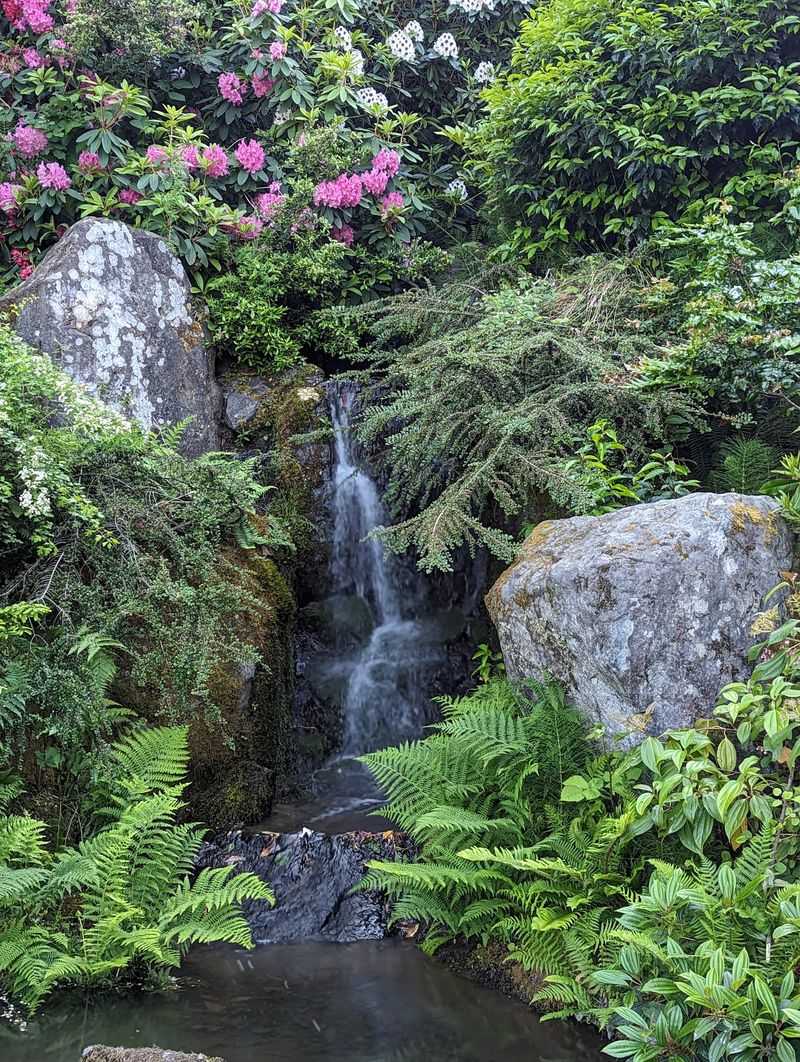
You’ll probably hear the waterfalls before you see them. That steady splash pulls you along the trail like a friendly guide.
The garden’s water features tumble over stacked rocks between ponds. Streams carry the water downhill and tie the whole landscape together.
Kubota had a gift for working with stone. He placed rocks carefully so the water would look natural, not built.
The Mountainside area is a highlight for water lovers. Its slopes, stones, and falling water feel like a small mountain scene shrunk down.
That area was built in the 1960s, decades into the garden’s life. It shows how Kubota kept experimenting as he aged.
Stone paths and steps wind around the falls. Some are uneven, so take your time and watch your footing.
Bring your camera, but also try just listening for a moment. The sound blocks out city noise surprisingly well.
Rainy seasons can make the falls more lively. A wet Seattle day suddenly has a bright side.
Find a nearby bench and let the water do its thing. Few free activities feel this relaxing.
Climb the Bright Red Moon Bridge for the Best Little View
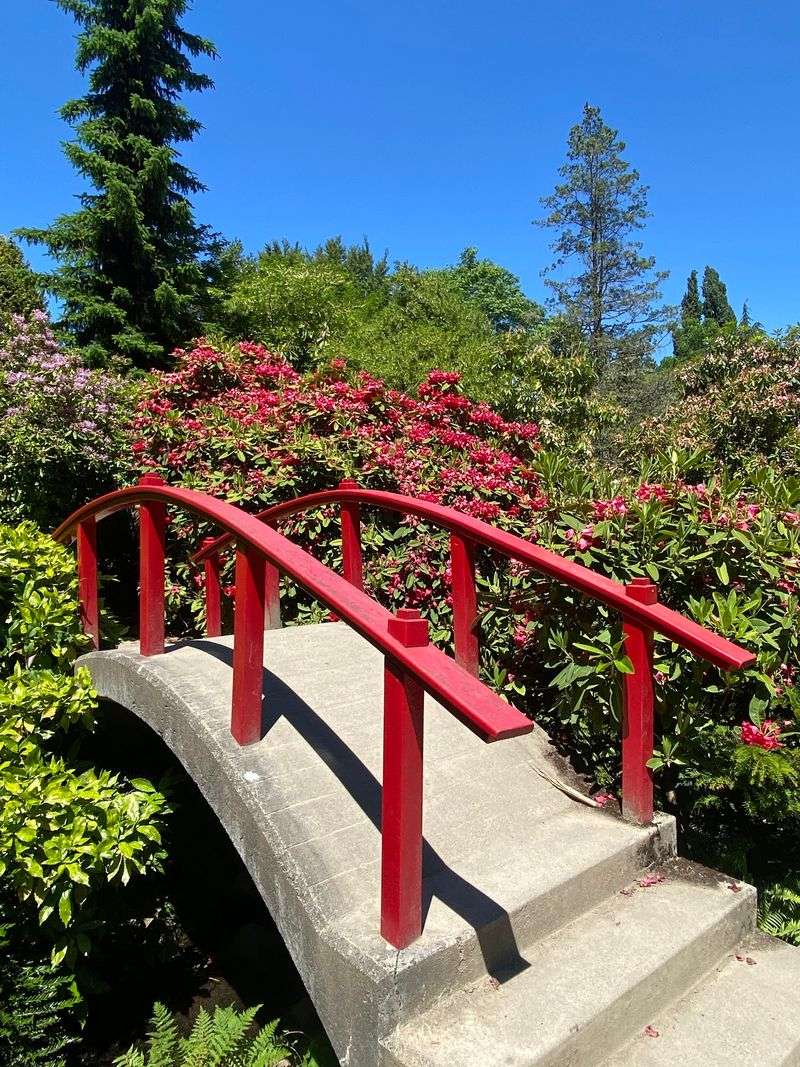
Some bridges are flat and boring. The Moon Bridge here arches so high that crossing it feels like a mini workout.
Its bright red color pops against the greenery all year. In fall, it practically matches the maples around it.
Moon bridges get their name from their curved shape. When the water below is calm, the arch and its reflection can form a circle.
That steep curve means you should go slow. Use the side rails and watch your step, especially when it’s wet.
The top offers a fun view of the surrounding pond and trees. It’s one of the most photographed spots in the garden.
Families often use it as a backdrop for pictures. Grad photos, prom photos, and holiday cards all work well here.
The Heart Bridge is another lovely crossing to look for. Hunting down the different bridges makes a great walking goal.
Visit earlier in the day if you want photos without lots of people. Mornings tend to feel calmer and softer anyway.
One climb usually isn’t enough. Something about that arch makes you want to cross it twice.
Grab a Map Because These Winding Trails Love to Loop
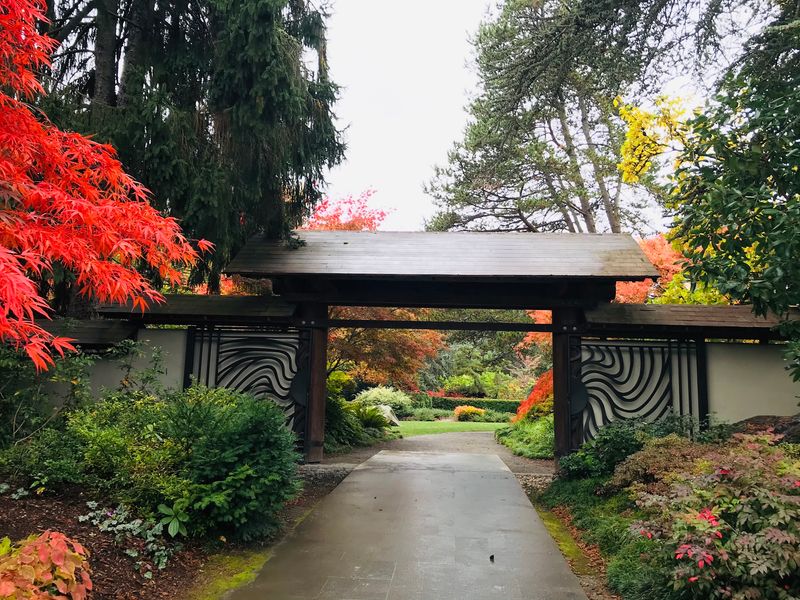
Getting a little lost is half the fun here. The trails twist, climb, and loop back in ways that keep you guessing.
Kubota Garden spreads across about 20 hilly acres. Paths lead through open lawns, quiet groves, ponds, and rocky slopes.
A map helps a lot. Look for one near the entrance, or pull up the garden map on your phone before heading in.
The terrain includes hills, gravel, and stone steps. Some sections may be tricky for wheelchairs or anyone with limited mobility.
Plan at least an hour for a relaxed visit. Many people find two hours goes by fast once they start exploring.
Spring brings rhododendrons and azaleas into bloom. Fall swaps those flowers for fiery leaves, so each season feels different.
Wear comfortable shoes with decent grip. Sandals and muddy slopes don’t make great friends.
Benches appear along the way for quick breaks. Bring water, since the hills can sneak up on you.
Leashed dogs are welcome, which makes this a nice outing for pups too. Just clean up after them and keep them on the paths.
Free Admission and Free Parking Feel Almost Too Good to Be True
Free admission and free parking in Seattle? That combo sounds like a myth, yet here it is.
Kubota Garden sits at 9817 55th Ave S, Seattle, WA 98118. It’s in the Rainier Beach neighborhood in the southeast part of the city.
The garden is generally open daily from dawn to dusk. Checking the official site before your trip is smart, since hours can shift.
An on-site parking lot makes arriving easy. That’s a welcome change from circling city blocks for a spot.
Restrooms are available near the entrance area. Small details like that make a long stroll much more comfortable.
Donations help keep the garden in great shape. The Kubota Garden Foundation supports care, programs, and preservation.
If you enjoy your visit, consider giving a little. It helps keep this Washington treasure open to everyone.
Picnics on the lawn are a lovely option, too. Pack lunch and grab a spot with a view of the trees.
Just carry out any trash you bring. Leaving the grounds clean helps protect the plants, ponds, and wildlife.
Look for the Stone Gardens and the Bell Along the Way
Stones do a lot of talking in a Japanese garden. At Kubota, they line paths, edge ponds, and anchor quiet corners.
Kubota’s family and crew moved many heavy rocks by hand and machine over the years. Each placement helped shape how the water and paths flow.
Keep an eye out for stone lanterns along the trails. They add a classic Japanese touch and make lovely photo subjects.
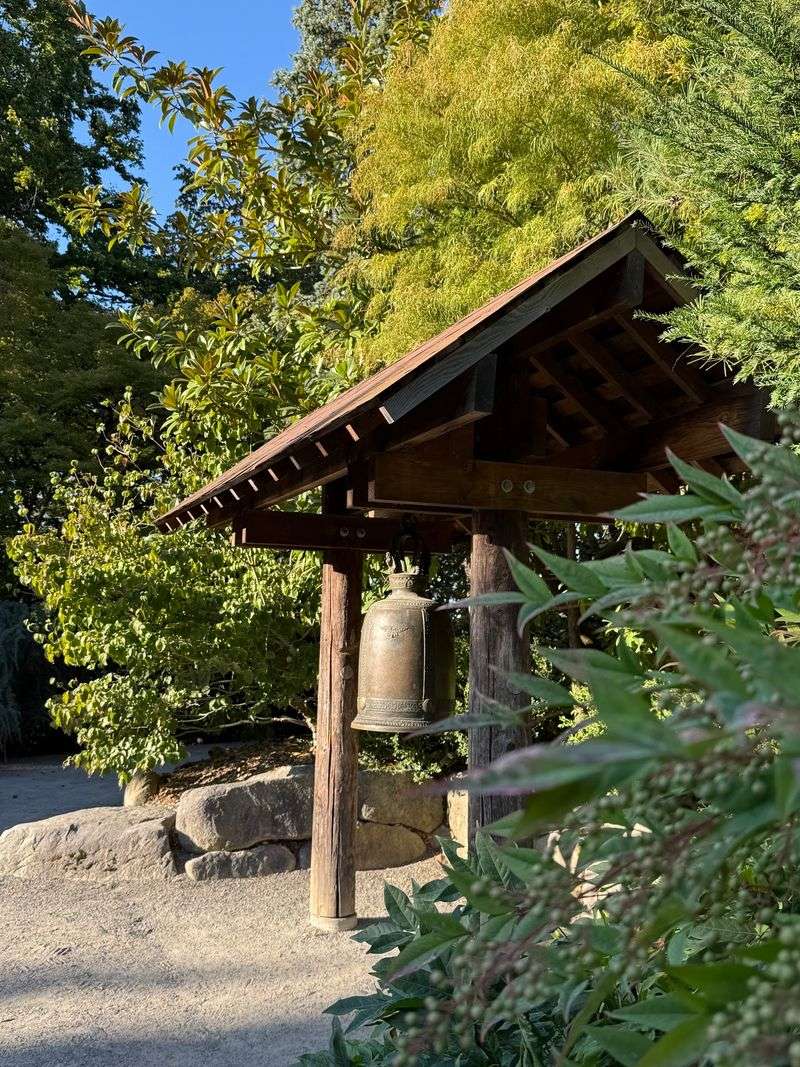
The garden also features a large bell in a traditional-style shelter. It’s a peaceful spot that invites you to slow down.
Nearby, look for the Terrace Overlook and other spaces added after the city took over. Newer features blend into the older design gracefully.
The Japanese-style gate near the entrance is another landmark. It works like a welcome sign without a single word.
Reading the small markers can teach you a lot about the garden’s past. History feels closer when you’re standing right beside it.
Take a moment at each structure before rushing on. These details reward people who look closely.
Honestly, rocks rarely get this much admiration. Kubota made sure they earned it.
Plan a Return Trip Because Every Season Tells a New Story
One visit rarely feels like enough. The garden changes so much through the year that it almost becomes a different place.
Spring brings bright rhododendrons, azaleas, and fresh green leaves. Summer turns the paths shady and cool, a nice break on warm days.
Fall, of course, steals the spotlight with glowing maples. Winter strips things back so you can admire the shapes of trees and stones.
The Kubota Garden Foundation hosts events and guided tours at different times. Their calendar is worth checking before you plan a trip.
Volunteers also help care for the grounds. Joining a work party is a fun way to give back while learning.
Washington has plenty of beautiful outdoor spots, but few blend history and design like this one. It’s a quiet piece of Seattle’s story.
Bring friends who haven’t heard of it yet. Watching them discover the Moon Bridge is half the fun.
Leave time to sit and do nothing for a bit. That might be the best way to honor Kubota’s patient work.
Then mark your calendar for next season. The maples will be waiting.
Share this story