Texas is full of surprises beyond the usual tourist spots. From bizarre museums to quirky roadside wonders, the Lone Star State hides some truly unforgettable oddities. We mapped out ten of the strangest attractions we could find and spent a week exploring them, and honestly, every single stop was worth the detour.
1. Newman’s Castle (Bellville)
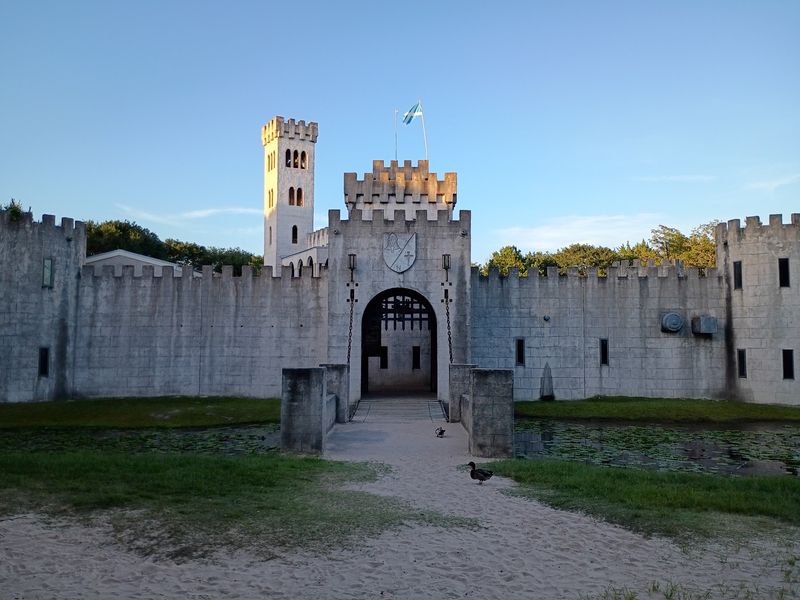
Baker Mike Newman spent decades building something absolutely wild in the middle of rural Texas. Using salvaged materials, recycled objects, and an imagination that refused to quit, he constructed a towering castle that looks like it belongs in a fantasy novel. The structure rises several stories high and features turrets, walkways, and architectural details that defy conventional building logic.
Every inch of this place tells a story. Old railroad spikes, discarded windows, colorful bottles, and random metal pieces all found new life in Newman’s vision. Walking around the property feels like stepping into someone’s dream, where the rules of normal construction simply don’t apply.
The sheer creativity and determination required to build something this elaborate without formal training is mind-blowing.
Newman worked on his castle for over three decades, continuously adding new sections and details. The property sits on a quiet stretch of land, and stumbling upon it feels like discovering a secret. Visitors can view the exterior and marvel at the intricate details that cover every surface.
Some sections feature mosaic work, while others showcase welded metal sculptures.
What makes this spot truly special is the personal touch evident in every corner. This wasn’t built by a team of architects or funded by wealthy investors. One person with a vision and a pile of discarded materials created something genuinely unique.
It’s a testament to what passion and persistence can achieve, even when working with limited resources.
Photography enthusiasts love this location because every angle offers something different. The textures, colors, and unexpected combinations create endless visual interest. Whether you appreciate folk art, unusual architecture, or just enjoy seeing what happens when creativity runs wild, this castle delivers an experience you won’t find anywhere else in Texas.
2. Museum of the Weird (Austin)
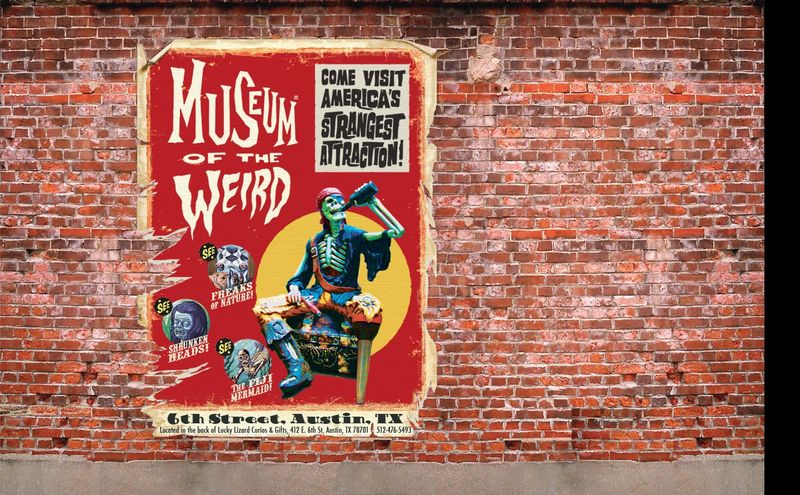
Tucked away on Sixth Street in downtown Austin sits a collection of oddities that would make P.T. Barnum proud. This small museum packs an incredible amount of strangeness into a relatively compact space.
Shrunken heads, vintage sideshow posters, mysterious creatures preserved in jars, and artifacts that challenge your sense of what’s real fill every available inch.
The vibe here leans heavily into old-school carnival culture. Dim lighting, creaky wooden floors, and glass cases displaying bizarre specimens create an atmosphere that’s equal parts spooky and fascinating. You’ll find everything from supposed cryptid remains to genuine historical oddities collected from around the world.
The curators clearly have a passion for the unusual and a talent for presentation.
What separates this place from typical museums is the entertainment factor. Live shows happen regularly, featuring performers who carry on traditions from traveling sideshows of the past. Fire eaters, sword swallowers, and other skilled acts bring the weird factor to life right in front of you.
The combination of static displays and live performance creates a dynamic experience.
Kids and adults alike find plenty to gawk at here. Some exhibits make you laugh, others make you scratch your head, and a few might make you slightly uncomfortable. That’s exactly the point.
The museum doesn’t take itself too seriously but maintains genuine respect for the history of oddities and sideshow culture.
Located right in the heart of Austin’s entertainment district, it’s an easy stop during a night out. The admission price is reasonable, and you can browse at your own pace. Whether you’re a believer in the unexplained or a skeptic who enjoys a good story, this museum offers a refreshing break from conventional attractions and embraces weirdness without apology.
3. The Whiteside Museum of Natural History (Seymour)
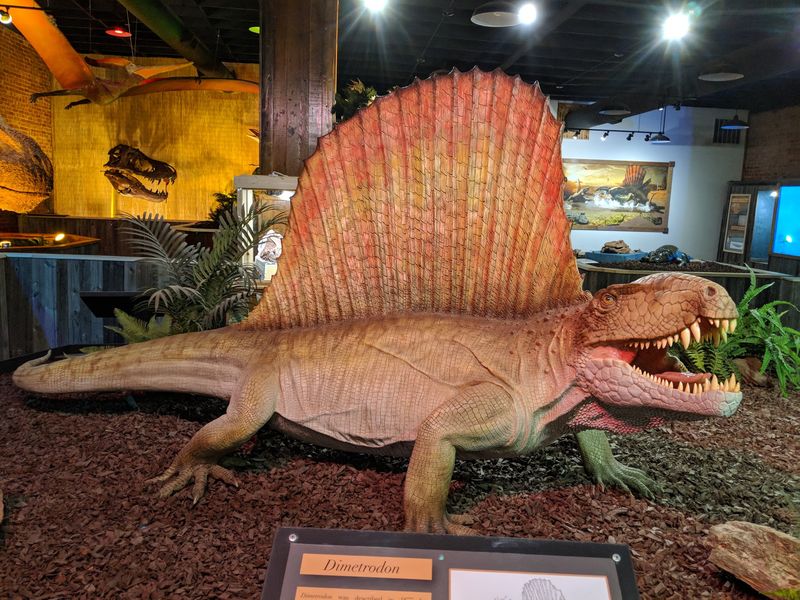
Most people drive right past Seymour without a second thought, which means they’re missing something genuinely cool. This small museum houses an impressive collection of fossils, minerals, and prehistoric artifacts that rival collections in much larger cities. The focus here is on local geology and paleontology, with specimens found right in the surrounding Texas soil.
Walking through the exhibits feels like traveling back millions of years. Dinosaur bones, ancient sea creature fossils, and remnants of long-extinct mammals tell the story of what Texas looked like before humans arrived. The displays are well-organized and informative without being overwhelming.
Even if you’re not a science nerd, the sheer age and variety of the specimens command respect.
What makes this museum particularly special is its connection to the local landscape. Many items on display were discovered within a short drive of the building itself. This gives visitors a tangible connection to the ancient past that existed right beneath their feet.
The museum staff are knowledgeable and often available to answer questions or share stories about specific finds.
The building itself is modest, which somehow adds to the charm. There’s no flashy marketing or corporate sponsorship here, just a genuine dedication to preserving and sharing natural history. The admission fee is minimal, making it accessible for families or anyone passing through the area.
Seymour isn’t on most tourist maps, but that’s part of what makes stopping here feel like a discovery. You won’t fight crowds or wait in lines. Instead, you get an unhurried opportunity to explore fascinating specimens and learn about the deep history of North Texas.
For anyone interested in paleontology, geology, or just appreciating how different this landscape once was, it’s absolutely worth the detour.
4. Stonehenge II (Ingram)
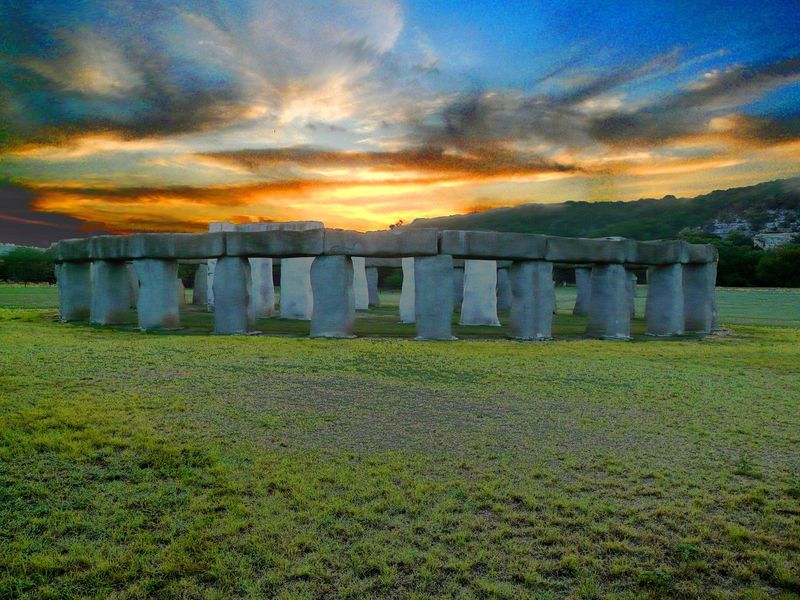
Someone looked at the English countryside and thought, why not recreate that in the Texas Hill Country? The result is a full-scale replica of Stonehenge, complete with two Easter Island moai statues thrown in for good measure. Built in the 1980s by local artists, this quirky installation has become a beloved roadside attraction that perfectly captures Texas’s bigger-than-everything attitude.
The stones aren’t ancient rock formations, of course. They’re made from steel mesh, plaster, and limestone, but the scale and arrangement match the original remarkably well. Standing among the towering structures gives you a sense of what the real Stonehenge might feel like, minus the crowds and admission fees.
The Hill Country backdrop adds its own beauty to the scene.
What started as an art project and 90th birthday gift has evolved into a popular photo spot. Visitors love posing with the moai statues, which add an unexpected twist to the already unusual site. The combination of ancient monument replica and Polynesian statues makes zero historical sense, which is precisely what makes it fun.
The site sits on private property but remains open to the public during daylight hours. There’s no charge to visit, though donations are appreciated for maintenance. The area includes some picnic tables and plenty of space to wander around and examine the structures up close.
Dogs are welcome, making it a nice stop if you’re traveling with pets.
Photography enthusiasts particularly enjoy this location at sunrise or sunset when the light hits the stones just right. The Texas sky provides dramatic backdrops that rival anything you’d find in England. Whether you’re a history buff amused by the concept or just someone who appreciates weird roadside Americana, this replica delivers an experience that’s uniquely Texan in its ambitious absurdity.
5. Texas Prison Museum (Huntsville)
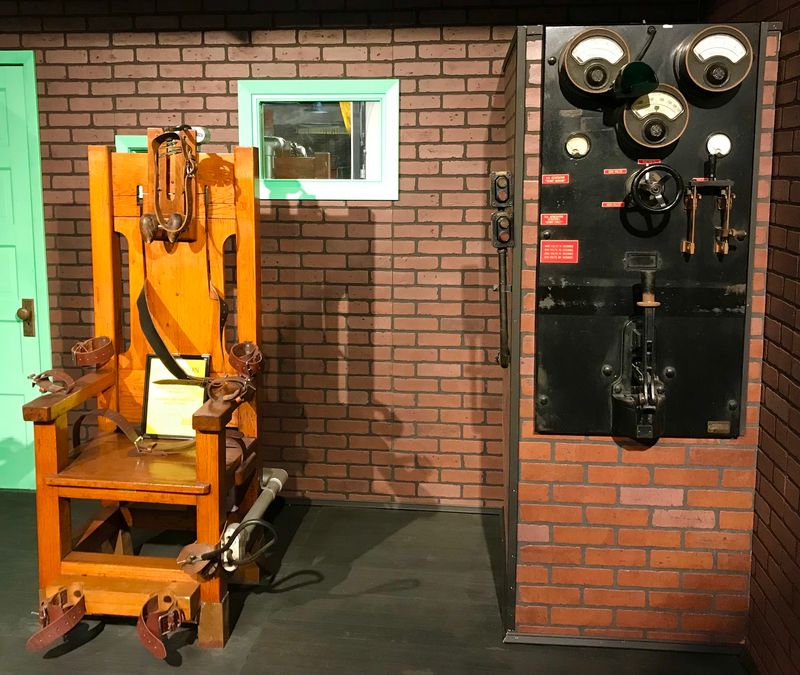
Huntsville has a long history with the Texas prison system, and this museum doesn’t shy away from the darker aspects of that story. Located in the shadow of several active correctional facilities, the collection includes everything from vintage cells to execution equipment. It’s sobering, educational, and unlike any museum experience you’ll have elsewhere.
The exhibits cover the evolution of the Texas prison system from its earliest days through modern times. You’ll see confiscated weapons made by inmates, escape attempt stories, and artifacts from famous criminals who passed through the system. One of the most talked-about displays features Old Sparky, the electric chair used for executions from 1924 to 1964.
Walking through recreated cell blocks gives visitors a visceral sense of what incarceration actually looks like. The cramped spaces, basic furnishings, and institutional atmosphere create an experience that’s hard to shake. Educational panels provide context about prison reform, rehabilitation efforts, and the challenges facing the correctional system.
This isn’t entertainment for entertainment’s sake. The museum takes its educational mission seriously, presenting difficult topics with respect for both victims and those incarcerated. School groups frequently visit as part of criminal justice education programs.
The staff are knowledgeable and handle sensitive topics with appropriate gravity.
Some visitors find the museum uncomfortable, which is arguably the point. Confronting the realities of crime and punishment forces reflection on justice, consequences, and human behavior. The gift shop offers an unusual selection of items, including artwork created by inmates through prison programs.
For anyone interested in criminal justice, Texas history, or the human stories behind headlines, this museum offers valuable perspective. It’s not lighthearted or fun in the traditional sense, but it’s undeniably fascinating and serves as an important reminder of a system that affects thousands of lives daily.
6. Cadillac Ranch (Amarillo)
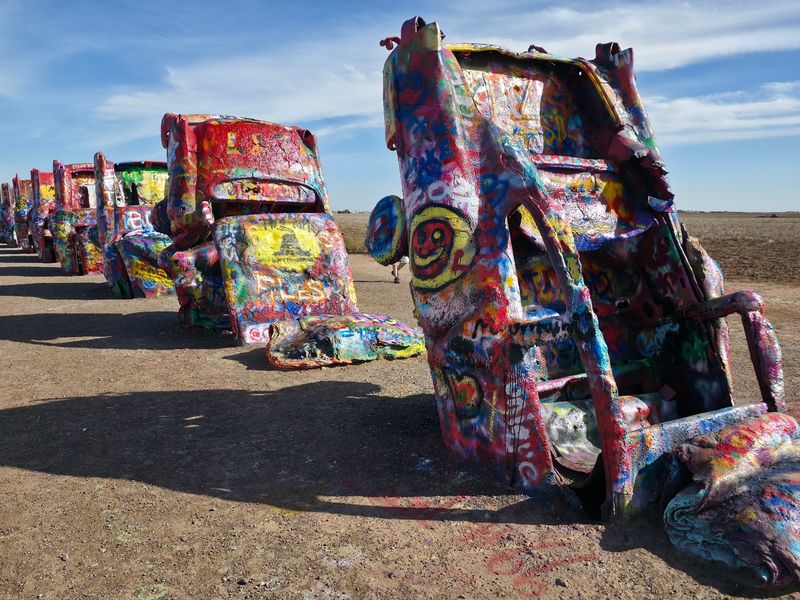
Ten Cadillacs buried nose-first in the dirt have become one of Texas’s most photographed landmarks. Created in 1974 by an art collective, this installation along old Route 66 has evolved from a statement about American car culture into an interactive canvas that changes daily. Visitors are actively encouraged to bring spray paint and add their own mark to the cars.
The sight of these vintage automobiles sticking up from the ground at matching angles is surreal. Each car represents a different model year, spanning the golden age of American automotive design. Over the decades, countless layers of paint have accumulated, creating a constantly shifting palette of colors and messages.
What makes this attraction special is the participatory aspect. Unlike most art installations where you can only look, here you’re invited to become part of the work. People leave names, dates, declarations of love, political statements, and random doodles.
By the next day, someone else might paint over your contribution, continuing the cycle.
The location itself adds to the experience. Sitting on the flat Texas panhandle with endless sky stretching overhead, the cars create a striking contrast against the landscape. The remoteness and simplicity of the setting let the installation speak for itself without distraction.
It’s accessible 24 hours a day, and there’s never an admission fee.
Practical tips: bring your own spray paint because there’s no store nearby. Wear clothes you don’t mind getting paint on, and be prepared for wind. The ground can be muddy after rain.
Most visitors spend 20 to 30 minutes exploring, photographing, and painting.
Whether you see it as art, kitsch, or just plain weird, Cadillac Ranch captures something essentially American about roadside culture. It’s goofy, interactive, and completely unpretentious, which is exactly why it works so well.
7. National Videogame Museum (Frisco)

Gaming history gets the respect it deserves at this dedicated museum in the Dallas suburbs. From Pong to modern consoles, the evolution of video games unfolds through playable exhibits and rare artifacts. This isn’t just a collection of old machines behind glass; it’s an interactive experience where you can actually play many of the games that defined different eras.
The museum covers gaming’s entire timeline with impressive depth. Early arcade cabinets stand alongside home console systems, showing how technology and game design evolved. Rare prototypes, development documents, and behind-the-scenes materials offer insight into how beloved games were created.
The curators clearly love their subject matter and it shows in the thoughtful presentation.
Hands-on stations let visitors experience gaming across different decades. You can play an original arcade version of Pac-Man, try out an Atari 2600, or test your skills on classic Nintendo titles. Younger visitors get to see what gaming was like before high-definition graphics and online multiplayer, while older guests enjoy the nostalgia trip.
Special exhibits rotate regularly, focusing on specific games, companies, or aspects of gaming culture. Past displays have covered everything from the history of role-playing games to the art of game music composition. The museum also hosts events, tournaments, and educational programs that explore gaming’s impact on technology and culture.
The space is well-designed with clear organization and plenty of room to move around. Information panels provide context without overwhelming you with text. The staff are enthusiastic and knowledgeable, often eager to share stories about specific games or systems.
Whether you grew up dropping quarters in arcade machines or you’re curious about gaming history, this museum offers something valuable. It celebrates an entertainment medium that’s become a major cultural force while preserving the technology and creativity that made it possible. Plus, you get to play some genuinely fun games along the way.
8. Longhorn Cavern State Park (Burnet)
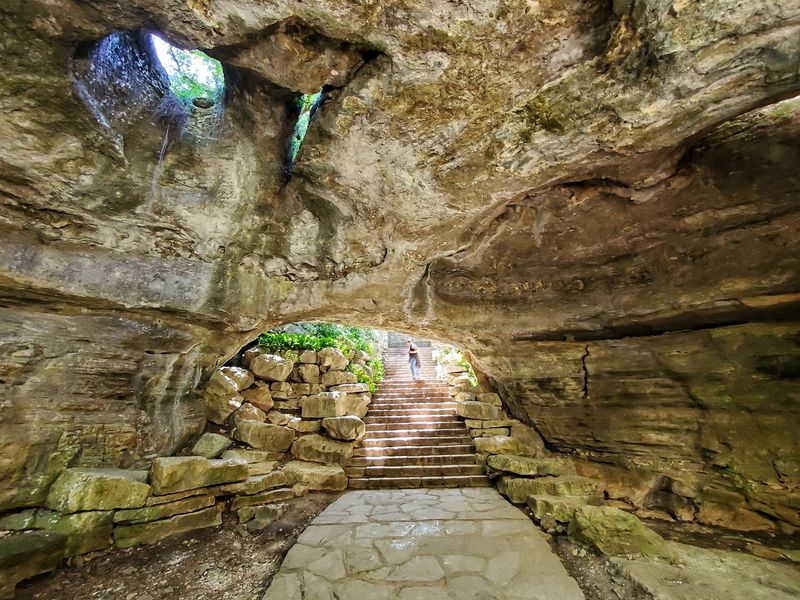
Beneath the Texas Hill Country lies a massive cave system with a colorful past. Formed not by water dripping from above but by an ancient underground river, these caverns feature unique geological formations you won’t see in typical caves. The history here goes beyond geology too, with stories involving everyone from Confederate soldiers to Prohibition-era bootleggers.
Guided tours take visitors through spacious chambers and winding passages carved into the limestone over millions of years. The cave maintains a constant temperature year-round, making it a comfortable escape from Texas heat or winter cold. Unlike some commercialized caves, this one retains much of its natural character with minimal artificial alterations.
The formations here differ from standard stalactites and stalagmites. Because the cave was formed by a river rather than dripping water, you’ll see smooth, flowing rock shapes and interesting erosion patterns. Some chambers are large enough to have hosted dances during the 1930s when the Civilian Conservation Corps developed the site.
Yes, people actually danced underground here.
Historical exhibits share the cave’s various uses over time. Native Americans sheltered here thousands of years ago. Later, it allegedly served as a hideout for outlaws.
During Prohibition, the constant temperature and hidden location made it perfect for storing illegal liquor. These stories add human interest to the natural wonder.
Tours last about 90 minutes and involve a moderate amount of walking on paved paths. The lighting is subtle, designed to show formations without overwhelming the natural atmosphere. Guides share both geological information and historical anecdotes, keeping the experience engaging for different interests and age groups.
Above ground, the state park offers hiking trails and picnic areas. But the cave is definitely the main attraction. It provides a literal look beneath the surface of Texas, revealing both natural processes that shaped the landscape and human stories that unfolded in the darkness below.
9. Cathedral of Junk (Austin)
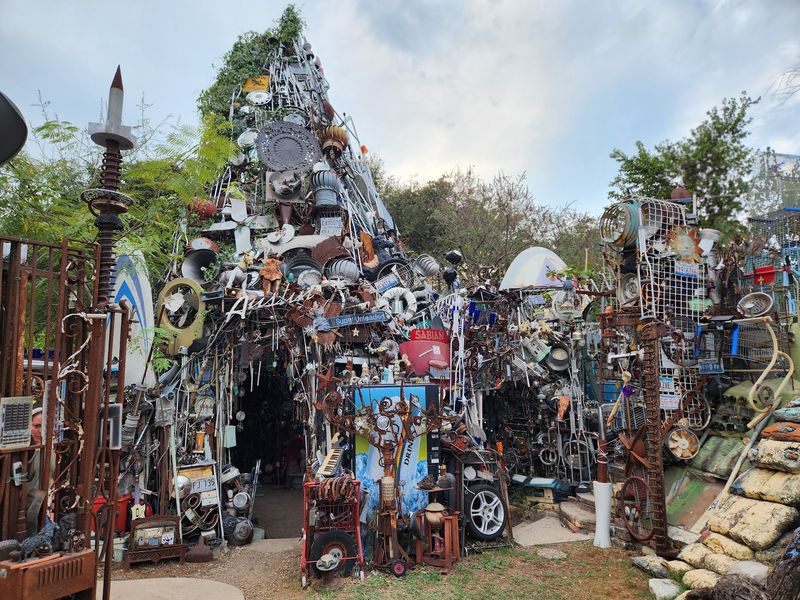
In a South Austin backyard stands a three-story structure built entirely from discarded objects. Vince Hannemann has spent over three decades collecting and assembling junk into a towering installation that defies easy description. Hubcaps, bicycles, signs, toys, tools, and thousands of other castoff items are woven together into something that’s part sculpture, part architecture, and entirely unique.
Climbing through the structure feels like exploring a physical manifestation of someone’s imagination. Tunnels lead to chambers, stairs wind upward to platforms, and every surface is covered with objects arranged in patterns that somehow make visual sense. The sheer volume of items incorporated into the design is staggering.
You could visit multiple times and still notice new details.
Hannemann welcomes visitors by appointment, maintaining the installation on his own property. He’s usually around to chat about the ongoing project and share stories about specific pieces. His passion for the work is obvious, and he’s constantly adding new sections or rearranging existing areas.
The cathedral is never truly finished, always evolving.
What makes this attraction particularly Austin is the community acceptance and appreciation of such eccentric creativity. Neighbors haven’t run him out of town; instead, the cathedral has become a beloved local landmark. It represents the weird, creative spirit that Austin residents value, even as the city changes around it.
Photography restrictions apply to respect Hannemann’s privacy and the residential location, but visitors can take personal photos. The experience is free, though donations help with maintenance. Visiting requires reaching out in advance through the cathedral’s social media presence to arrange a time.
This isn’t a polished tourist attraction with gift shops and parking lots. It’s one person’s ongoing art project that he generously shares with curious visitors. The raw creativity and dedication required to build something this elaborate from literal garbage makes it one of the most genuinely impressive sights in Texas.
10. National Museum of Funeral History (Houston)

Death might be the ultimate taboo topic, but this Houston museum approaches it with respect, education, and even occasional humor. The collection covers funeral customs from around the world and throughout history, examining how different cultures handle death and remembrance. It’s surprisingly fascinating once you get past any initial squeamishness.
Exhibits include everything from elaborate Victorian mourning customs to modern funeral practices. You’ll see ornate caskets, vintage hearses, embalming equipment, and memorabilia from famous funerals. One popular display features a collection of presidential funeral items.
Another explores Day of the Dead traditions from Mexico, showcasing the colorful, celebratory approach to honoring deceased loved ones.
The museum doesn’t shy away from unusual topics. There’s an entire exhibit about fantasy coffins from Ghana, where caskets are custom-built to reflect the deceased person’s life or profession. Fish-shaped coffins for fishermen, airplane coffins for pilots, and even coffins shaped like cell phones demonstrate how funeral customs vary dramatically across cultures.
What could be morbid instead becomes educational and thought-provoking. The exhibits encourage reflection on mortality, cultural differences, and how we choose to remember those who’ve passed. The presentation is professional and tasteful, never exploitative or sensationalistic.
Museum staff are knowledgeable and handle questions with appropriate seriousness.
Special exhibits rotate regularly, covering topics like pet funerals, famous graves, or the history of embalming. The museum also offers educational programs for students studying mortuary science or cultural anthropology. The gift shop sells books on funeral customs and surprisingly tasteful memorial items.
This attraction won’t appeal to everyone, and that’s okay. But for those interested in cultural history, anthropology, or simply curious about a universal human experience that’s rarely discussed openly, it offers valuable perspective. Death is part of life, and understanding how different people approach it enriches our appreciation of human diversity and creativity.
Share this story