Movie scenes can make a staircase, a diner, or a quiet cemetery feel unforgettable, turning ordinary places into settings that stay with audiences long after the credits roll. Across Pennsylvania, real locations have helped bring stories to life, from tales of brave fighters and young friendships to encounters with strange creatures and dangerous secrets. Exploring these places in person offers a different perspective than watching them on screen.
You can appreciate the scale of an old steel furnace, take in the sounds and energy of a busy city street, or discover the view waiting beyond a familiar tunnel. Some locations look much as they did in their film appearances, while others have changed over time or require a little imagination to recognize. This guide explores famous filming sites and other Pennsylvania screen connections, with practical tips for visitors and clear notes wherever a location’s connection to a movie needs extra context.
1. Evans City Cemetery: A Quiet Beginning for Night of the Living Dead
A peaceful hillside became the starting point for one of the most famous horror movies ever made.
The opening cemetery scenes in George A.
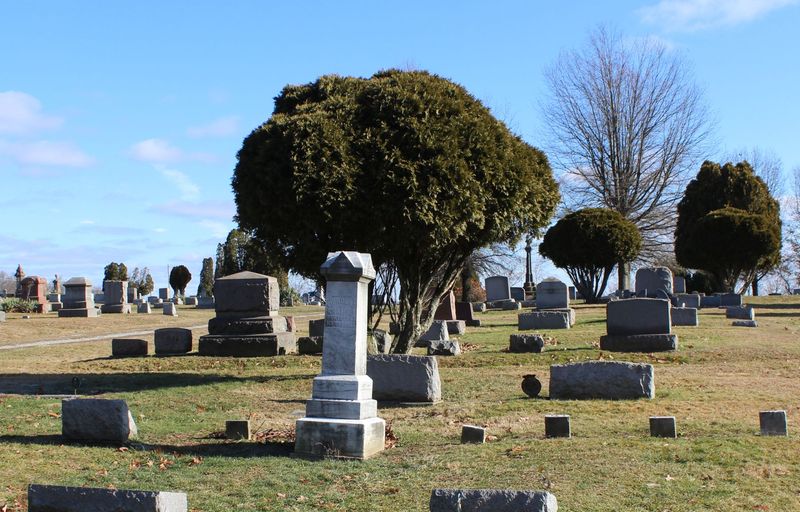
Romero’s 1968 Night of the Living Dead were filmed at Evans City Cemetery, north of Pittsburgh.
On screen, the setting feels lonely and threatening.
In person, the grass, old markers, and trees reveal an ordinary community cemetery.
That contrast helps explain why the movie still works: the fear grows from somewhere familiar rather than a grand, imaginary castle.
The cemetery chapel is another reason film fans make the trip.
Supporters helped restore the building after years of decline, giving this small piece of movie history a future.
Its modest size is part of its appeal, especially when compared with the film’s huge influence.
Before visiting, check current access information and any posted rules.
A cemetery remains a place of remembrance, so keep voices low and give families plenty of space.
Never climb on markers, move flowers, or enter areas closed to visitors.
Bring a few reference images from the opening sequence if you want to compare camera angles.
Stay on established routes while looking for familiar views.
You do not need costumes or dramatic poses to appreciate how Romero used the landscape.
Comfortable shoes are useful because the ground can be uneven or damp.
Morning light often makes the setting easier to photograph without harsh shadows.
Leave any horror reenactments for a more suitable setting.
The strongest takeaway is how much creativity came from a simple location.
Long before expensive effects became common, a quiet Pennsylvania cemetery helped change horror filmmaking.
A thoughtful visit lets you notice the real landscape behind that achievement while respecting the people whose stories belong here beyond the movie, too.
That balance makes the stop meaningful rather than merely another photograph to collect.
2. Fort Pitt Tunnel and Bridge: Pittsburgh’s Big Reveal
Few city entrances deliver a reveal quite like Pittsburgh’s.
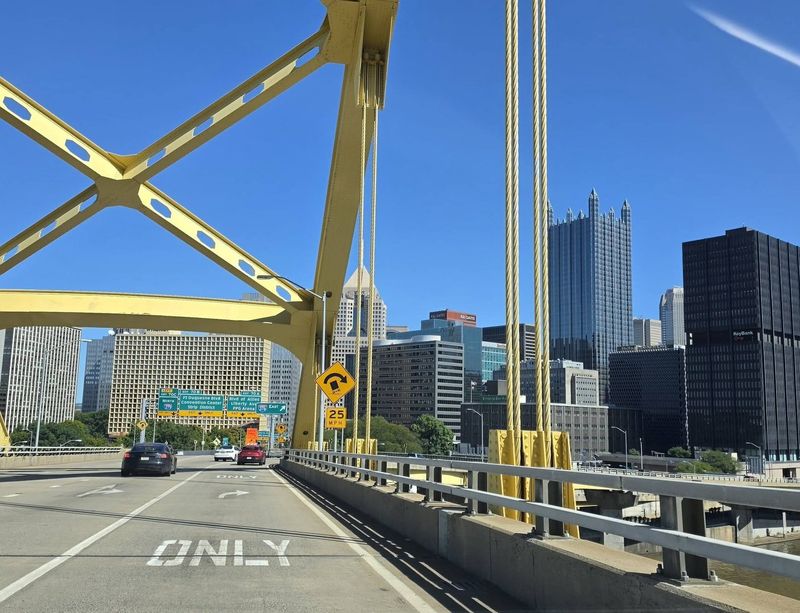
After the enclosed stretch of the Fort Pitt Tunnel, the downtown skyline suddenly opens ahead of the bridge.
That change from darkness to light gives the setting its movie magic.
The Perks of Being a Wallflower uses the tunnel ride for one of its most memorable moments.
Music, friendship, and the rush of moving toward the city turn a regular drive into something much larger.
Fans often recognize the feeling before they identify every building.
Up close, the geography does much of the work.
The tunnel passes through Mount Washington, and the bridge carries traffic across the Monongahela River.
Pittsburgh’s hills and waterways explain why this arrival feels so different from entering a city on a flat highway.
Enjoy the view as a passenger if possible.
Drivers need to watch signs, lane changes, and other vehicles, especially near the tunnel exit.
Never lean out of a moving vehicle or copy the film’s unsafe behavior.
For photographs, choose a legal, stationary viewpoint instead of trying to capture everything from the road.
Public overlooks on Mount Washington offer broad views of the skyline and bridges.
They also give you time to understand the layout without traffic pressure.
Weather can change the experience quickly.
Clear afternoons show the rivers and buildings sharply, while evening adds glowing windows and reflections.
Rain or fog may hide details but can create a moodier view.
Pair the drive with time on foot somewhere nearby rather than treating it as a quick stunt.
The scene celebrates a feeling of possibility, and Pittsburgh supplies that feeling through its landscape.
Seeing the entrance safely makes the memory stronger, not smaller, because you can actually notice the city opening around you.
Allow extra time for traffic, and keep your attention on the journey itself.
3. Ontario Street Comics: Superhero Stories on Familiar Shelves
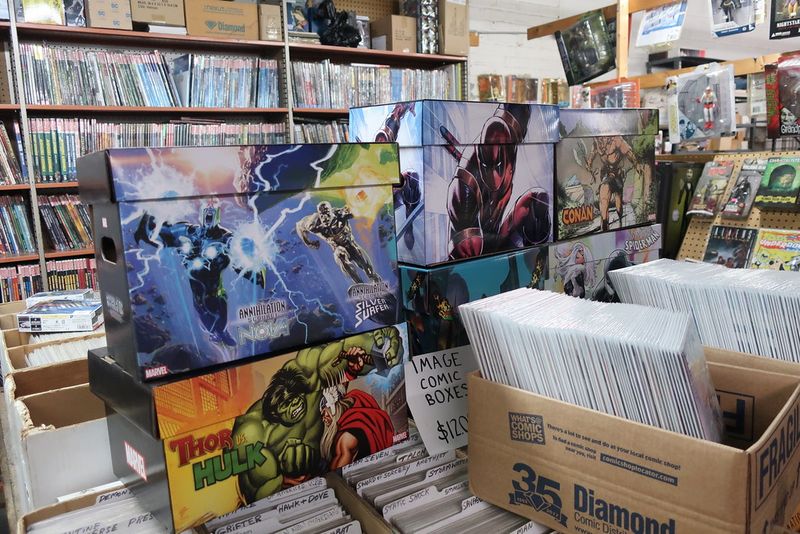
Not every superhero landmark needs a towering skyline or an enormous explosion.
Sometimes, shelves packed with comic books provide the right stage.
Ontario Street Comics in Philadelphia connects everyday shopping with the unusual world of Unbreakable and Glass.
M.
Night Shyamalan’s stories use comic books to explore heroes, villains, and the rules people build around them.
A real shop gives those ideas a believable home.
Instead of looking like a polished studio display, the setting belongs to a neighborhood and a community of readers.
The appeal here comes from details you might miss during a movie.
Rows of issues, colorful covers, and the close arrangement of merchandise create a space made for browsing.
Even visitors who rarely read comics can appreciate how much visual storytelling fills a small room.
Check current business hours before traveling, since an independent shop may not keep the schedule you expect.
If you hope to photograph the interior, ask first.
Staff and customers should not have to work around an unannounced photo session.
Buying a comic or another small item is a useful way to support the business.
You might ask for a beginner recommendation rather than choosing only by a familiar movie character.
A short conversation can turn the visit into something more personal than a storefront snapshot.
Keep filming questions friendly and brief when the shop is busy.
Employees may know about its screen history, but serving customers comes first.
Avoid assuming every fixture still matches its appearance in either film.
What makes the location rewarding is the overlap between fiction and ordinary life.
The movies treat comic books as clues to a hidden order, while the shop serves people looking for their next good read.
Both sides remain interesting, and neither requires special effects to hold your attention.
Leave room in your bag for an unexpected discovery.
4. SteelStacks: Giant Furnaces Behind Transformers
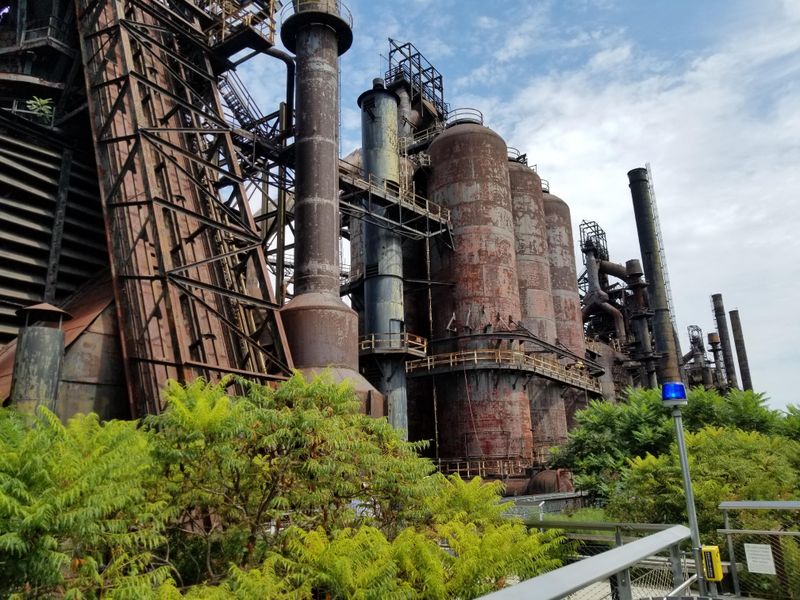
Rust-colored towers rise overhead like machinery built for a world of giants.
At SteelStacks in Bethlehem, the former Bethlehem Steel blast furnaces make an immediate impression.
Their scale helps explain why the industrial site attracted Transformers: Revenge of the Fallen.
The production used the former steelworks area for action set in a fictionalized overseas industrial setting.
That screen identity differs from the location’s real story.
Here, the structures belong to Pennsylvania’s manufacturing past, not an imaginary robot battlefield.
Standing nearby reveals layers that a fast movie sequence can hide.
Pipes cross between massive forms, platforms stack above one another, and weathered surfaces show years of hard use.
The view is dramatic, but it also invites questions about the people who once worked here.
Today, SteelStacks serves as an arts and entertainment destination.
Depending on the calendar, visitors may find concerts, films, festivals, or other activities around the historic industrial backdrop.
Check the official schedule before planning your day.
The Hoover-Mason Trestle offers an elevated way to study the site when open.
Follow current access rules and stay within public areas.
Old industrial structures are not invitations to climb fences or explore restricted buildings.
Wear shoes suited to walking, and consider bringing water during warm weather.
Open outdoor spaces can feel hot in direct sun.
Evening visits may offer appealing light, although events can change parking availability and crowd levels.
Give yourself time to read historical information rather than using the furnaces only as a photo background.
Their real significance reaches beyond a few minutes of movie action.
The best visit combines the excitement of recognizing a film setting with a clearer understanding of Bethlehem’s workers, industry, and changing identity.
Even without a robot in sight, the enormous structures provide plenty of spectacle and a powerful sense of place for anyone standing beneath them today.
5. Colonial Theatre: The Blob’s Famous Escape Route
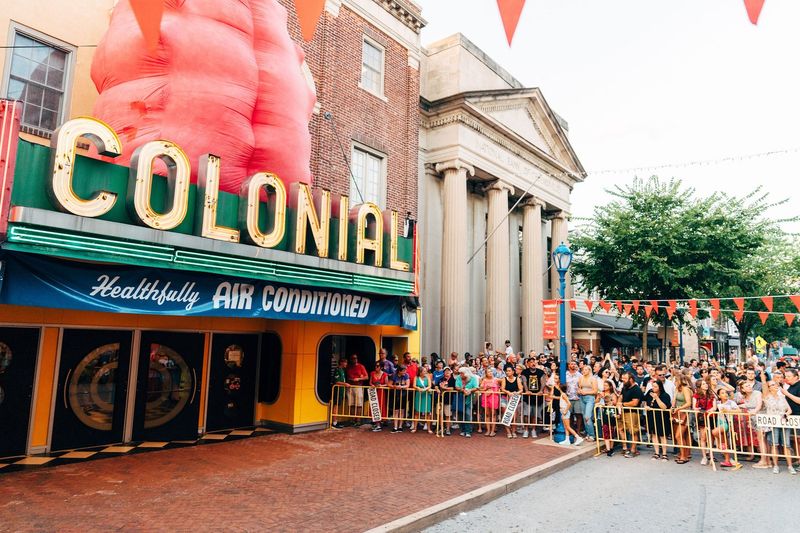
A movie theater rarely gets to become the star of a movie scene.
The Colonial Theatre in Phoenixville earned that distinction in The Blob, the 1958 creature feature starring Steve McQueen.
Its famous theater sequence still draws fans decades later.
In the film, frightened moviegoers rush outside as the growing creature causes panic.
The entrance makes the scene easy to connect with the real building.
Seeing it on a normal day creates a funny contrast between screen chaos and an inviting neighborhood cinema.
The theater opened in 1903, well before its brush with science fiction fame.
That longer history matters because the building is more than a preserved movie reference.
It remains a working cultural space where audiences gather for films and live events.
For the fullest experience, check the schedule and buy a ticket to something that interests you.
Going inside gives the visit more substance than a quick photograph of the marquee.
Programming and access can vary, so do not assume every auditorium is available for casual viewing.
Blobfest is the major draw for dedicated fans.
The annual celebration is known for activities tied to the film, including its famous runout tradition.
Confirm dates, ticket requirements, and participation rules directly with the theater before making plans.
Outside event periods, Phoenixville offers a less crowded way to enjoy the setting.
Walk along Bridge Street, look at the theater frontage, and leave time for nearby shops or a meal.
Respect pedestrians when framing your pictures from the sidewalk.
The lasting charm comes from a place embracing its unusual screen history without becoming only a novelty.
Horror fans find a recognizable doorway, while regular audiences still find a place to watch a good film.
That combination makes the Colonial feel alive, not frozen in a single frantic moment from 1958.
Save time for both experiences.
6. St. Paul’s Episcopal Church: A Gentle Setting for The Fault in Our Stars
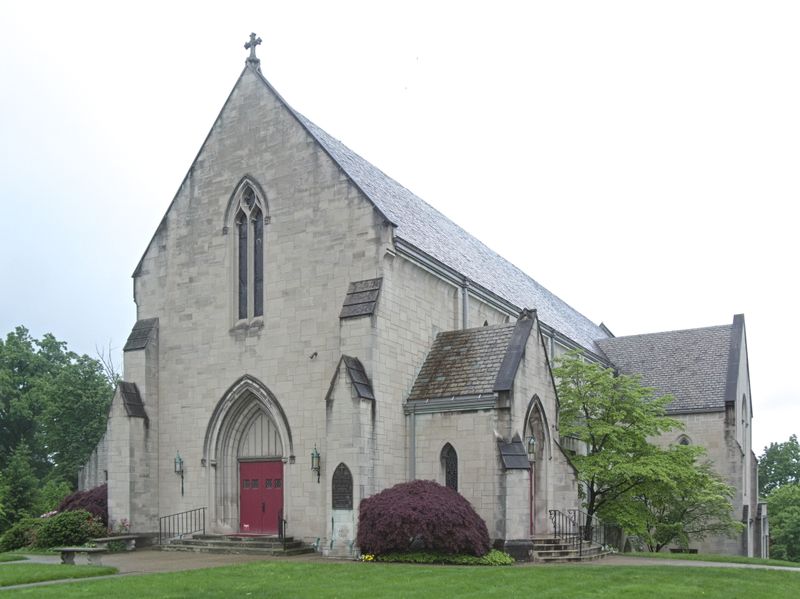
Some movie locations matter because they hold a quiet conversation rather than a grand chase.
St. Paul’s Episcopal Church in Mt. Lebanon is associated with the support-group scenes in The Fault in Our Stars.
Its role fits the film’s focus on connection during difficult times.
Although the story’s main characters live elsewhere, much of the movie was produced in the Pittsburgh area.
The church is one example of Pennsylvania helping create that world.
A familiar local building became part of a story seen by audiences far beyond the state.
Fans may arrive thinking about Hazel and Gus, but the real setting has its own purpose.
It is an active place of worship and community life.
That means any visit should begin with respect for the people who use it every week.
Check church information before stopping by, and contact staff if you hope to see an interior space.
Public worship hours do not automatically mean filming areas are open for sightseeing.
Events, services, and private gatherings always take priority.
An exterior visit can still be worthwhile.
Notice the building’s materials, the surrounding neighborhood, and the quieter pace compared with downtown Pittsburgh.
Those ordinary details help explain why a church can feel convincing as a place where vulnerable people meet.
Keep photographs discreet and avoid including people without permission.
If a service or family event is underway, return another time rather than waiting near an entrance.
Parking should follow posted instructions and neighborhood restrictions.
The most thoughtful approach is not to chase a perfect recreation of a scene.
Instead, consider how an everyday community space supported a story about friendship, illness, and being understood.
The location feels meaningful precisely because it remains useful to real people.
A brief, considerate stop can honor both its screen connection and its ongoing role in Mt. Lebanon.
7. Philadelphia Museum of Art Steps: Rocky’s View Still Delivers
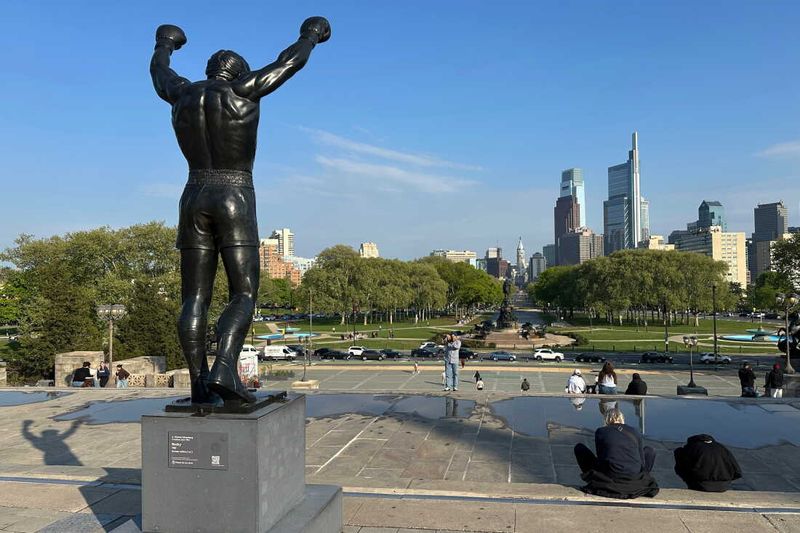
The climb is real, even when the training montage is only playing in your head.
Outside the Philadelphia Museum of Art, the broad staircase remains one of Pennsylvania’s most recognizable movie landmarks.
Rocky turned an everyday climb into a symbol of determination.
Reaching the top gives you more than a chance to raise your arms.
The view stretches down the Benjamin Franklin Parkway toward the city.
That open perspective helps explain why the sequence feels uplifting even to viewers who have never followed boxing.
Visitors often move between the stairs and the Rocky statue near the base.
These are separate photo stops, so allow time for both if they matter to you.
Lines at the statue can grow, especially on busy weekends and pleasant afternoons.
You do not have to run to enjoy the experience.
Walk at your own pace, pause when needed, and watch for other visitors crossing the stairs.
Wet weather can make stone surfaces slippery, so choose safety over a dramatic finish.
Early visits may offer softer light and fewer people, though conditions vary.
Bring water in warm weather and avoid leaving bags unattended while posing.
A friend taking the picture is often easier than balancing a phone somewhere unreliable.
The museum itself deserves attention beyond its famous entrance.
Check current hours, ticket options, and exhibitions if you want to add an indoor visit.
The art collection gives the stop a second chapter that has nothing to do with boxing gloves.
What stands out most is the shared good mood.
People from different places recognize the same gesture and understand what it means.
Yet the landmark also belongs to Philadelphia’s broader cultural landscape.
Enjoy the movie moment, then turn around and take in the actual city, because that view is the reward the camera helped millions of people discover.
8. Buffalo Bill’s House: A Screen Villain’s Surprisingly Ordinary Home
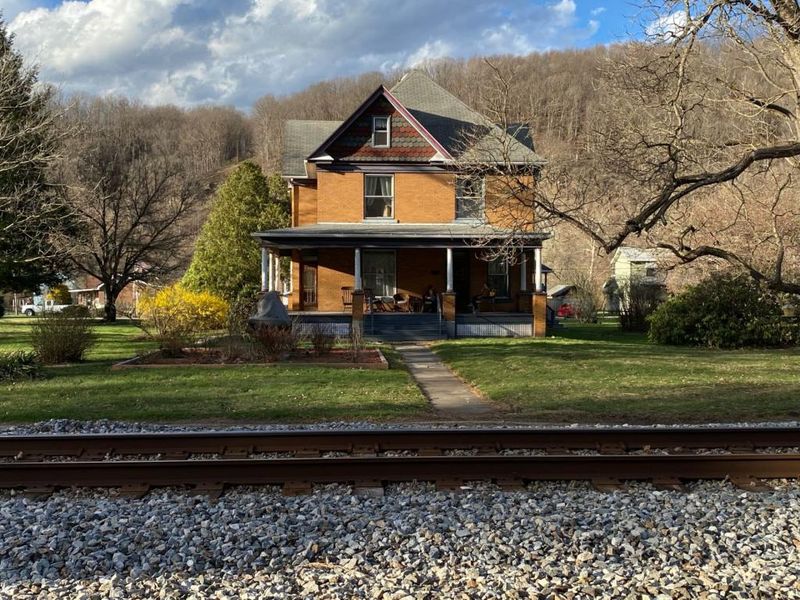
From the outside, the house looks far more welcoming than its movie reputation suggests.
Near Perryopolis, the property known as Buffalo Bill’s House supplied the exterior and some interior settings for The Silence of the Lambs.
Its ordinary appearance makes that connection especially unsettling.
The location sits in Fayette County, in the village of Layton near Perryopolis.
That distinction is useful when checking directions.
Searching only for the town name can be less helpful than using the property’s official information.
Movie editing can make a house seem larger and stranger than it really is.
Not every space associated with Buffalo Bill was filmed here, and the famous basement pit was a set.
Keeping that difference in mind prevents disappointment and makes the actual craftsmanship easier to appreciate.
The property has operated as a film-themed accommodation and visitor destination.
Access depends on current booking options, events, and house rules.
Do not assume you can arrive without a reservation and walk through the rooms.
If you book a stay or scheduled experience, read the details carefully.
Check which areas are included, what photography is allowed, and whether the visit suits everyone in your group.
The film’s disturbing subject matter may make this a poor choice for younger children.
Outside, respect the surrounding community and property boundaries.
Avoid blocking roads or wandering through neighboring land while looking for camera angles.
A recognizable movie house is still a real place with real neighbors.
The most interesting part of a visit is the gap between fiction and architecture.
Porch details, room shapes, and household scale can feel surprisingly normal after years of imagining the film’s darkness.
That contrast reveals how performances, lighting, and editing transformed a Pennsylvania home into a chilling screen setting.
Look closely at what is genuine, and let the movie’s invented spaces stay clearly separate in memory.
9. Kovalchick Complex: Checking Indiana’s Southpaw Connection
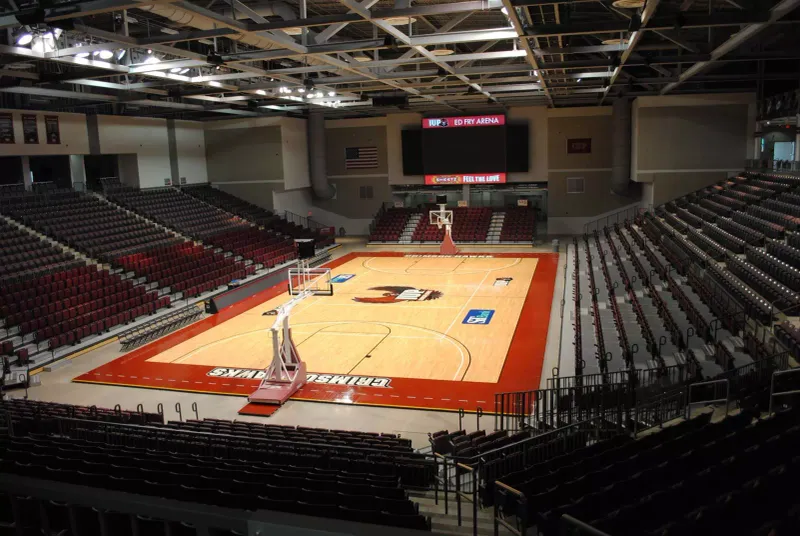
A boxing movie can make an arena feel charged before the first punch lands.
For Southpaw, starring Jake Gyllenhaal, western Pennsylvania provided several production settings.
The Kovalchick Convention and Athletic Complex in Indiana is associated with the film’s arena work.
One detail needs care before you build an itinerary.
The supplied name Henry Hillman Hall does not clearly match the complex’s commonly identified public spaces.
Its major venues include the Ed Fry Arena and Toretti Auditorium, so verify the exact room rather than relying on that label.
This is a useful reminder that film-location lists sometimes repeat unclear names.
A venue connection does not mean every hall inside it appeared on screen.
Ask the complex about documented production use and current visitor access if the movie connection is your main reason for coming.
From outside, the building offers a different experience from Pennsylvania’s older movie landmarks.
Glass, broad entrances, and event infrastructure reflect its role as a modern gathering place.
The setting belongs to Indiana University of Pennsylvania’s campus environment.
The best way to experience the interior may be through a public event.
Check the current calendar for sports, performances, or other programs that interest you.
Ticketed admission does not necessarily include access to backstage areas or specific filming positions.
Plan around campus traffic, event parking, and posted security rules.
Photography policies can change depending on the program.
Arriving early helps you find the right entrance without rushing or interrupting staff.
Even if a precise movie angle is unavailable, the visit can show how a working arena supports screen storytelling.
Seating, lighting, and open floor space can become a convincing stage for a fictional fight.
Just keep the distinction between confirmed venue history and uncertain room names clear.
Reliable details make the experience more satisfying than repeating a claim that has not been checked.
10. Llanerch Diner: A Booth With Silver Linings History
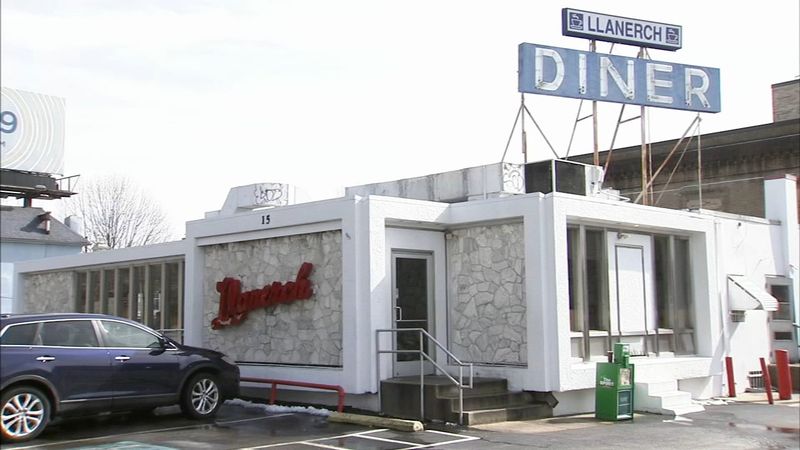
Coffee cups and booth seats can carry a scene just as well as a sweeping landscape.
At Llanerch Diner in Upper Darby, Silver Linings Playbook found a setting for the tense, memorable conversation between Pat and Tiffany.
The ordinary surroundings make their exchange feel close and believable.
The diner’s screen connection is easy to appreciate because it remains a place built around everyday routines.
People come for meals, conversation, and a break in the day.
Film fans arrive with a different memory, but both uses belong comfortably under the same roof.
If you hope to sit near the area associated with the scene, ask politely when you arrive.
Availability depends on customers and staff needs, not movie enthusiasm.
A different booth can still give you a good sense of the room’s atmosphere.
Order something you genuinely want rather than treating the dining room as a free exhibit.
Menus, prices, and opening hours can change, so check current information before traveling.
Supporting the business helps keep the location useful beyond its film fame.
Photographs should be quick and considerate.
Ask before taking interior pictures, and avoid capturing other diners without permission.
During a busy meal period, keeping aisles clear matters more than matching a camera angle.
The location works especially well for visitors who enjoy noticing small details.
Booth spacing, windows, tabletop items, and background movement all help create a scene’s mood.
Some features may differ from the movie, which is normal for a working restaurant.
Rather than expecting a frozen film set, enjoy a real meal in a place with an extra layer of history.
The scene’s emotional energy came from the characters, but the diner gave them a believable space to clash and connect.
That combination makes an ordinary lunch feel a little more memorable without needing a scripted moment of your own.
11. Cooper’s Seafood House: A Scranton Stop for The Office Fans
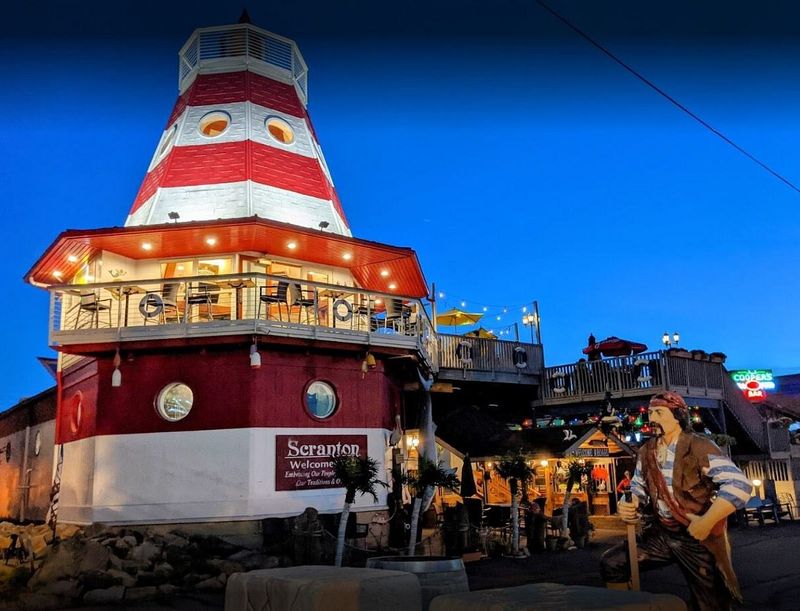
A lighthouse-style restaurant in Scranton feels unusual enough to belong in a workplace comedy.
Cooper’s Seafood House is a popular stop for fans of The Office, thanks to its local character and references connected with the show.
However, its screen connection needs a clear distinction.
The Office is set in Scranton, but most production took place in California.
Cooper’s should not be described as a confirmed filming location for the series simply because it is associated with the fictional world.
It is better understood as a real Scranton destination with a strong fan connection.
That does not make the visit less entertaining.
The restaurant’s nautical theme, unusual exterior, and lively collection of decorations give it plenty of personality.
There is more to notice here than a single doorway or a wall that matches a television frame.
Plan to enjoy the business on its own terms.
Check current dining hours, menus, reservation policies, and any information about its gift shop.
Seafood may be the main draw, but review available choices if your group has dietary needs.
Fans can look for show-related merchandise where offered, without assuming the selection will stay the same.
Ask staff about current items instead of relying on old photographs online.
Shopping and dining also give you a respectful reason to spend time inside.
Keep cameras out of the way of servers and other guests.
The busy setting is part of its charm, but it also means people are working around you.
Exterior photographs may be easier when the entrance is less crowded.
As a final Pennsylvania stop, Cooper’s shows the difference between filming history and a story’s sense of place.
Scranton helped give The Office its identity even when cameras were elsewhere.
Visiting a real local favorite offers that hometown connection honestly, with a meal and a setting memorable enough to stand alone.
Share this story