A quick museum stop can turn into the best part of a whole trip, especially in North Carolina. Across the state, you can walk from giant dinosaur displays to shipwreck stories, from Cherokee history to the lunch counter that helped change America, and each place has a way of pulling you in longer than planned. That matters because museums do more than fill time on a rainy day; they help families, students, and travelers understand the people, land, science, and big moments that shaped North Carolina.
If you like places that are easy to enjoy but full of surprises, these museum picks can turn a simple visit into an afternoon you will still be talking about on the drive home, when the kids ask one more question, or when you suddenly realize you skipped lunch because there was just one more room you had to see.
1. North Carolina Museum of Art

Some museums ask for a quiet look and a quick lap, but this one practically dares you to stay longer.
Between the galleries inside and the huge park outside, a short visit can stretch into half a day before you even notice the time.
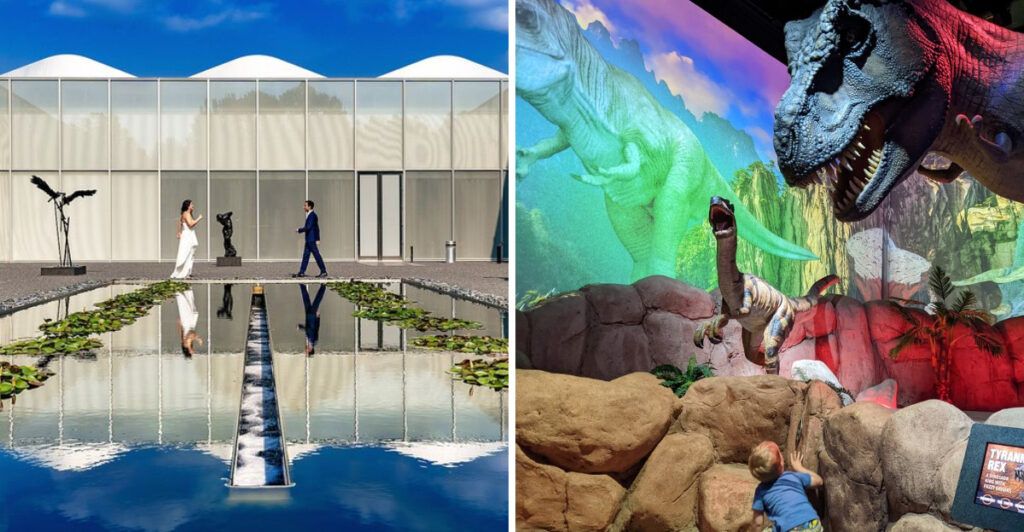
Set in Raleigh, the North Carolina Museum of Art mixes famous works, traveling shows, and open-air art in a way that feels easy for first-time visitors.
You do not need to know art terms to enjoy it, because the rooms are arranged to let color, shape, and story do the heavy lifting.
One minute you may be standing in front of a European painting, and the next you are looking at bold modern pieces that spark totally different reactions.
Kids often like spotting unusual details, while adults tend to slow down and read about the artists and the time periods they lived in.
The museum park is one reason people linger.
Trails, fields, and large sculptures make it feel part art trip and part outdoor break, which is helpful if your group includes restless children or anyone who needs fresh air between exhibits.
Bring walking shoes if you want the full experience, because the grounds are bigger than many visitors expect.
A stroller, water bottle, and weather check are smart ideas too, especially in warmer months when the sun can make a long walk feel longer.
Another plus is the way the museum makes art feel less stiff than some people fear.
Special exhibits, family programs, and changing displays mean even repeat visitors can find something new instead of seeing the exact same experience every time.
If you are planning your day, give yourself more time than you think you need.
Start indoors if the weather is hot or rainy, then head outside for the sculpture trails, or do the reverse if you want to burn energy first.
Photos from the park often become trip favorites, so keep your phone charged.
By the end, what seemed like a simple stop for art can feel like a full North Carolina outing with space to think, move, and look closely at things you might normally pass by.
2. North Carolina Museum of Natural Sciences
Few places can make a child run toward science and an adult forget to check the clock, but this museum pulls it off.
There is always something to stare at, test out, or talk about, so a quick stop often turns into a long and happy detour.
Located in Raleigh, the North Carolina Museum of Natural Sciences is one of the most exciting museum choices in the state for families, students, and curious travelers.
Its mix of giant fossils, live animals, habitat displays, and science labs gives visitors more than one way to learn.
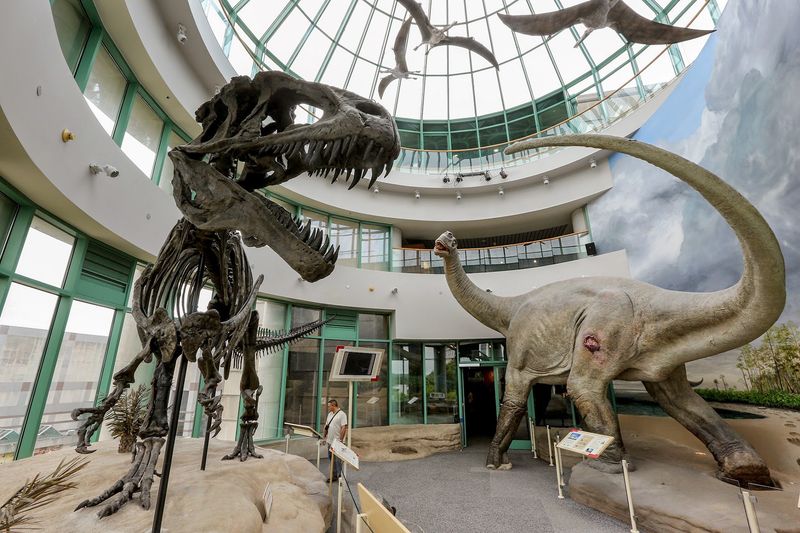
The dinosaur section grabs attention fast.
Standing under huge skeletons makes it easier to imagine the size of creatures that once walked the earth, and that sense of scale is something pictures in a textbook just cannot match.
Elsewhere, you can move from ocean life to forests to insects without feeling lost.
The museum does a good job of connecting North Carolina landscapes to bigger science ideas, so local nature starts to feel more interesting after your visit.
Live animals add a special spark.
Watching creatures move, eat, or rest keeps younger visitors engaged, and it gives everyone a break from reading signs while still learning something real and memorable.
If your group enjoys interactive exhibits, plan extra time.
Hands-on stations and rotating programs can slow your pace in the best way, because people stop to compare answers, point things out, and try one more activity before heading on.
Arriving earlier in the day is a smart move if you want a calmer experience.
School groups and weekend crowds can fill popular areas quickly, especially around the biggest displays and family-friendly zones.
It also helps to set loose priorities instead of trying to see every single thing.
Pick a few must-see sections, then leave room for surprises, since those unplanned moments often become the reason you stayed much longer than expected.
By the time you leave, science may feel less like a school subject and more like a story happening all around you.
That is what makes the North Carolina Museum of Natural Sciences such a strong stop: it turns curiosity into a full afternoon without trying too hard.
3. Greensboro Science Center
At first glance, it sounds like one kind of attraction.
Then you realize it is part museum, part aquarium, and part zoo, which explains why people walk in expecting an hour and walk out wondering where the afternoon went.
The Greensboro Science Center stands out because it keeps changing the pace of your visit.
Instead of moving through one long line of display cases, you shift between indoor exhibits, animal habitats, and underwater scenes that each bring a different mood.
That variety is a huge help for families.
If someone in your group loses interest in a science display, there may be fish, reptiles, or another live exhibit just around the corner to pull them back in.
The aquarium areas are usually crowd-pleasers.
Watching marine life glide through the water has a calming effect, and it gives visitors time to slow down, notice details, and ask questions they might not think to ask anywhere else.
Animal exhibits add even more energy.
Seeing living creatures up close turns abstract facts into something more personal, especially for kids who connect better with movement, sound, and behavior than with long labels on a wall.
Science displays help balance all that fun with learning.
Many exhibits are designed to be approachable, so children can explore without feeling talked down to and adults can join in without needing a guide.
Comfort matters here because there is so much ground to cover.
Wear shoes you can walk in for a while, and build in a snack or rest break so nobody burns out halfway through the experience.
Another good idea is to avoid rushing from area to area just to say you saw everything.
The best visits usually happen when you let one fascinating space lead to the next instead of watching the map more than the exhibits.
Greensboro has many worthwhile stops, but this one is unusually good at filling different interests at once.
Whether your group loves animals, ocean life, or hands-on learning, the Greensboro Science Center makes it easy to stay curious for hours and still leave feeling like you could come back for more.
4. Museum of the Cherokee People
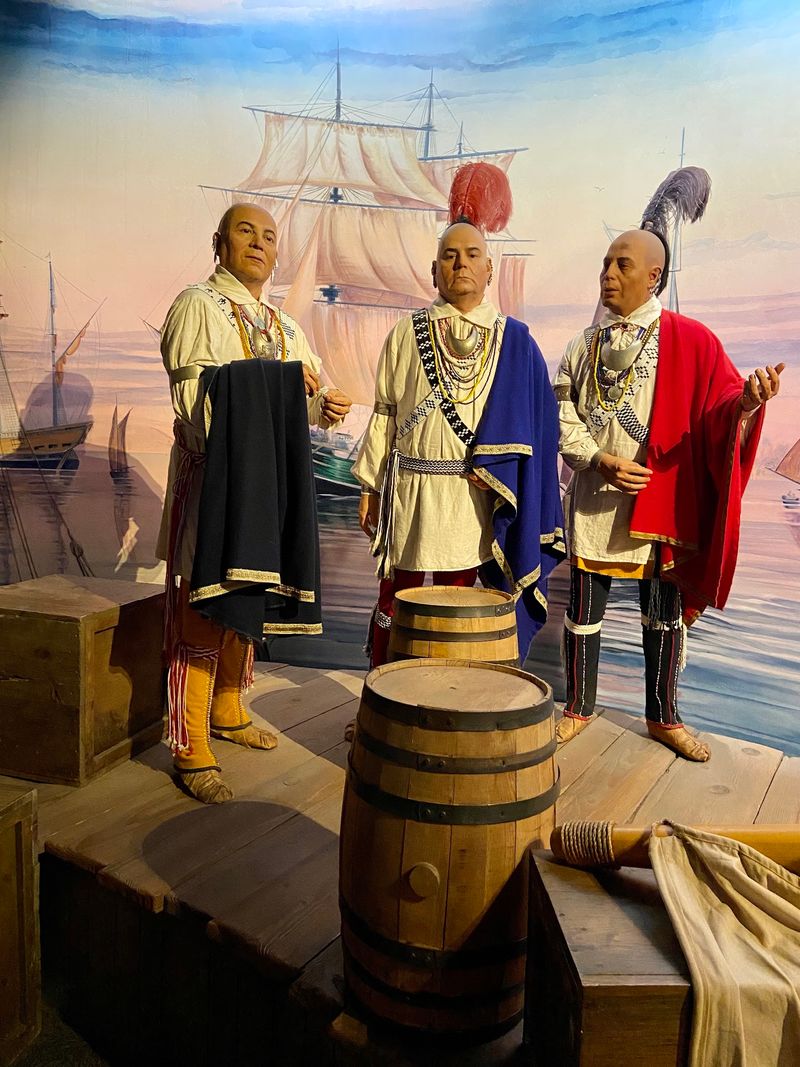
Some museum visits feel entertaining, while others feel important in a deeper way.
Time slows down here because the stories are personal, layered, and closely tied to the mountains of western North Carolina.
In Cherokee, the Museum of the Cherokee People gives visitors a stronger understanding of the history, culture, and endurance of the Cherokee.
Rather than offering a shallow overview, it helps people see Native history as living history, not something frozen in the distant past.
Exhibits often blend objects, words, and visual storytelling in ways that are clear and moving.
You learn about community life, art, language, removal, survival, and the ongoing strength of the Eastern Band of Cherokee Indians with more context than many travelers expect.
What keeps people there longer is the need to pause.
Instead of rushing past one display after another, many visitors stop to read carefully, reflect, and talk quietly about what they are seeing.
For families, this can be a meaningful place to ask bigger questions about whose stories get told and how history is remembered.
Older children and teens may get the most from it, especially if adults are ready to discuss difficult parts of the past with honesty and care.
Try not to treat the museum as a box to check before shopping or heading back on the road.
Giving it real time shows respect for the subject and gives you room to absorb more than names and dates.
It also helps to pair your visit with other nearby cultural experiences in Cherokee if your schedule allows.
Doing that can make the museum feel even richer because the community connection becomes easier to understand.
Unlike louder attractions, this one leaves an impression through thoughtfulness.
You may not come out buzzing with noise and excitement, but you are likely to leave with stronger questions, a fuller sense of North Carolina history, and a feeling that your short stop turned into something much more lasting.
That quiet staying power is exactly what makes the Museum of the Cherokee People so memorable.
It invites visitors to slow down, listen better, and carry the story with them long after they leave the building.
5. North Carolina Maritime Museum at Beaufort
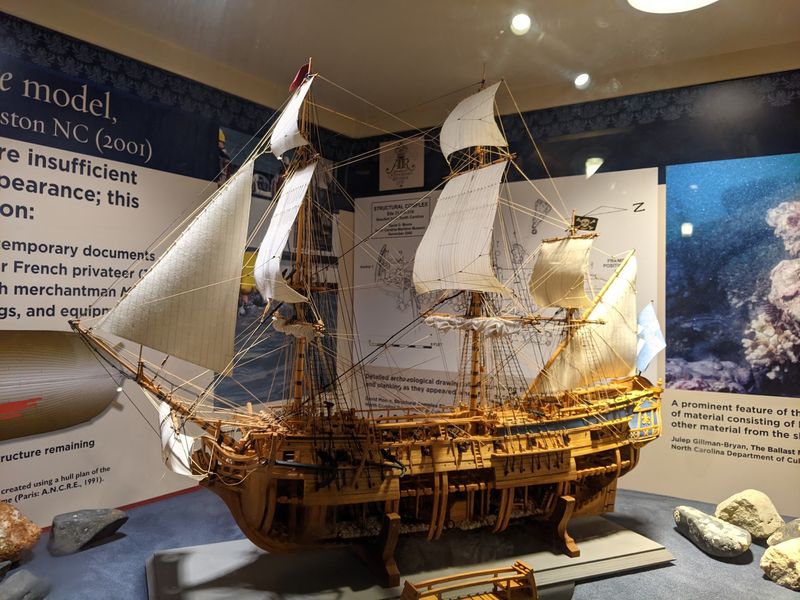
Salt air outside and shipwreck stories inside make this museum an easy place to underestimate.
Then you step in, start reading about the coast, and suddenly your quick walk-through turns into a full lesson on how the sea shaped North Carolina.
In Beaufort, the North Carolina Maritime Museum offers a close look at life on the water, from fishing and boatbuilding to storms, piracy, and famous wrecks.
Coastal history feels vivid here because the exhibits connect big events with everyday work done by people who depended on the ocean.
One of the biggest draws is shipwreck history.
North Carolina waters have seen many disasters over the years, and artifacts from lost vessels can make those stories feel immediate in a way that books often do not.
Visitors who enjoy local history usually get pulled in by the details.
Tools, gear, models, and recovered objects show how hard and skilled maritime life could be, and they reveal how deeply coastal communities were tied to changing weather and trade.
Beaufort itself adds to the mood.
After seeing the exhibits, a walk near the waterfront can make the museum experience feel even more real, since the surrounding town still carries a strong connection to the sea.
If you are traveling with kids, try pointing out the adventure side first.
Pirates, shipwrecks, and rough waters often spark interest quickly, and once children are hooked, they are more likely to pay attention to the deeper history behind the drama.
Take your time with labels and models rather than hurrying from case to case.
Maritime museums can surprise visitors with how much there is to notice, especially if you enjoy maps, engineering, or the stories hidden inside ordinary-looking objects.
Rainy days are especially good for a stop here, but sunny days work well too because the museum pairs nicely with exploring Beaufort afterward.
That mix of indoor learning and coastal wandering can fill a large part of your day without feeling forced.
By the end, the coast may seem less like a pretty backdrop and more like a powerful force in state history.
That shift in perspective is a big reason the North Carolina Maritime Museum at Beaufort keeps visitors around longer than planned.
6. International Civil Rights Center and Museum

There are places where history stops feeling far away.
Standing in a building tied to the civil rights movement can make a person go quiet, slow their steps, and stay much longer than expected.
In Greensboro, the International Civil Rights Center and Museum tells one of the most important stories in North Carolina and American history.
The museum is located in the former Woolworth building where the 1960 sit-ins began, linking visitors directly to a turning point in the fight for equal rights.
That connection gives the museum unusual power.
You are not only learning about brave action, you are standing where young people chose courage over comfort and helped push the country toward change.
Exhibits help explain the larger movement, but the setting itself carries much of the emotion.
Many visitors find that reading the details of what people faced, and what they risked, makes it hard to rush through the experience.
This is a strong stop for older children, teens, and adults who are ready for serious history.
Families may want to talk before and after the visit so everyone has a chance to ask questions and process what they saw.
Plan enough time to move slowly.
A museum like this works best when you leave room for reflection instead of trying to squeeze it between several lighter attractions on the same day.
If a guided experience is available, it can add a great deal.
Hearing the story explained clearly and in order often helps visitors connect the Greensboro sit-ins to the larger civil rights movement across the South.
Bring tissues if you tend to feel emotional in historic places.
Many people leave inspired, but they also leave with a sharper understanding of how ordinary citizens, especially students, can shape public life through determined action.
The International Civil Rights Center and Museum is not just a museum you visit and forget.
It stays with you, and that lasting effect is one reason a quick stop so often turns into a thoughtful, unhurried visit that becomes one of the most meaningful parts of a North Carolina trip.
7. Graveyard of the Atlantic Museum
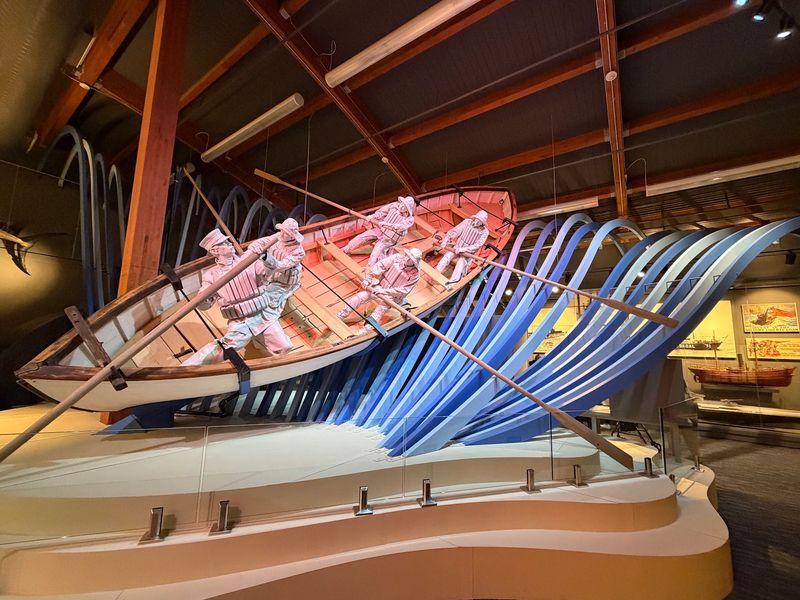
The name alone is enough to make most travelers curious.
Once you start learning why the waters off the Outer Banks earned that chilling nickname, it becomes very easy to lose track of time.
Located in Hatteras, the Graveyard of the Atlantic Museum focuses on the dangerous coastal waters off North Carolina and the many ships lost there.
It is a great match for visitors who enjoy maritime history with a little mystery, danger, and weather drama mixed in.
Storms, shifting shoals, wartime attacks, and rescue efforts all play a role in the story.
Instead of treating shipwrecks like legends from long ago, the museum shows how real these events were for sailors, families, and coastal communities.
Artifacts and exhibits help explain the risks of traveling these waters.
Even people who do not usually care about boats often get interested once they understand how many lives, goods, and stories vanished just off the North Carolina coast.
There is also something compelling about the Outer Banks setting itself.
Looking out at the water before or after your visit adds a powerful layer, because the sea you see from shore is the same force that shaped the history inside.
Visitors who like dramatic true stories should give themselves extra time here.
The museum rewards slow reading, and many displays lead naturally to more questions about weather, navigation, and how rescue crews worked in terrifying conditions.
If you are traveling with children, frame the visit like a real-life adventure story with high stakes.
Lifesaving stations, storms, and survival details can help younger visitors stay engaged while still learning about the serious history behind the exhibits.
This museum also works well as part of a wider Outer Banks day.
Pair it with beach time, a lighthouse stop, or a drive along the coast, and the region starts to feel less like a vacation postcard and more like a place marked by struggle and resilience.
That mix of eerie name, coastal beauty, and gripping history gives the Graveyard of the Atlantic Museum its staying power.
What begins as simple curiosity often grows into a long visit full of stories you will probably retell long after leaving Hatteras.
8. Museum of the Albemarle
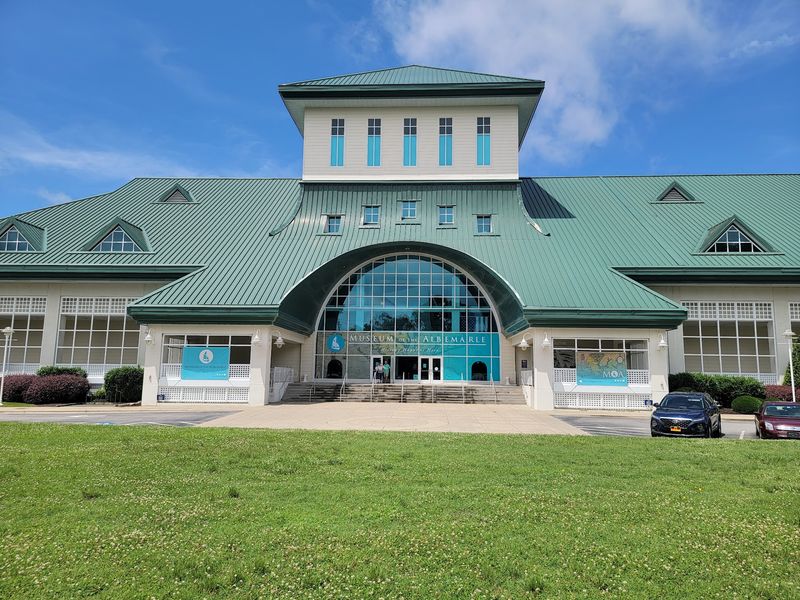
Regional museums can be the biggest surprise on a trip.
You may walk in expecting a few local facts and walk out with a much clearer picture of how an entire corner of North Carolina grew and changed over time.
In Elizabeth City, the Museum of the Albemarle explores the history and culture of the northeastern part of the state.
Its exhibits connect daily life, transportation, war, work, and community change in a way that helps visitors understand the Albemarle region beyond the map.
What makes it easy to stay awhile is the sense of place.
Instead of presenting history as one long list of events, the museum shows how people in this area lived, adapted, traded, traveled, and built their communities across generations.
Visitors often enjoy the wide range of objects and stories.
One section may focus on early settlement, while another highlights military history or water-based travel, creating a fuller picture of how the region was linked to the rest of North Carolina.
For families, it can be a smart stop because the museum makes local history feel less abstract.
Children can connect better when they see household items, tools, clothing, and transportation displays that point to real people with real routines.
It is also a good place for travelers who want a break from crowded headline attractions.
The experience can feel calmer and more personal, giving you room to move at your own pace and notice details that might be missed in a busier museum.
Try reading the exhibit text closely, even if you usually skim.
Smaller museums sometimes hold the most surprising facts, and the stories here can deepen your understanding of coastal plain life, trade routes, and community development in northeastern North Carolina.
If you are exploring Elizabeth City or taking a broader road trip, this museum fits nicely into a flexible day.
It works in bad weather, in cooler seasons, or anytime you want a stop that feels thoughtful without being overwhelming.
The Museum of the Albemarle may not always get the loudest attention, but it earns your time through strong storytelling and regional character.
That is why so many visitors stay longer than planned, discovering that local history can be every bit as gripping as bigger-name attractions.
9. Aurora Fossil Museum
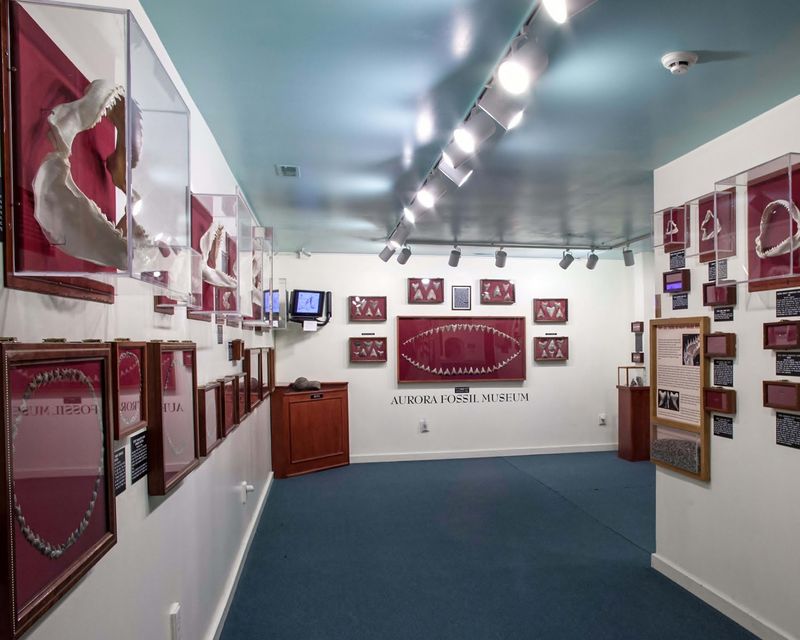
Nothing stretches a quick stop like the chance to see ancient fossils and maybe imagine finding one yourself.
What looks small from the outside can become a surprisingly fun visit, especially for families who love hands-on discoveries.
The Aurora Fossil Museum in eastern North Carolina is a favorite for people interested in prehistoric life, marine fossils, and the thrill of real finds.
It focuses on fossils from the area, which helps visitors understand that North Carolina has its own deep natural history hiding under the surface.
Shark teeth are often the stars of the show.
Kids light up when they realize they are looking at remains from creatures that swam long before people were around, and adults usually get pulled in by the same excitement.
The museum may not be massive, but its charm comes from how approachable it feels.
Displays are usually easy to understand, and the subject matter invites visitors to slow down, compare shapes, and think about what the land and sea looked like millions of years ago.
One of the biggest reasons people stay longer is the connection to fossil hunting nearby.
Even if your group does not spend hours searching, the idea that fossils can still be found in the area adds a treasure-hunt feeling to the visit.
This is a strong stop for road trippers because it feels different from larger city museums.
There is a small-town curiosity here that makes the experience memorable, as if you stumbled onto a hidden North Carolina story many travelers miss.
Bring patience for kids who want to inspect every tooth and stone-shaped object.
Encouraging them to ask why one fossil looks different from another can turn a simple outing into a lively mini science lesson without any pressure.
It is also smart to pair the museum with other eastern North Carolina stops if you are exploring the region.
That way, the visit feels like part of a bigger adventure rather than a random detour.
The Aurora Fossil Museum proves that size is not everything.
A modest museum with a strong hook, clear displays, and a link to real fossil ground can easily hold your attention for hours, especially when everyone leaves still talking about shark teeth and ancient seas.
Share this story