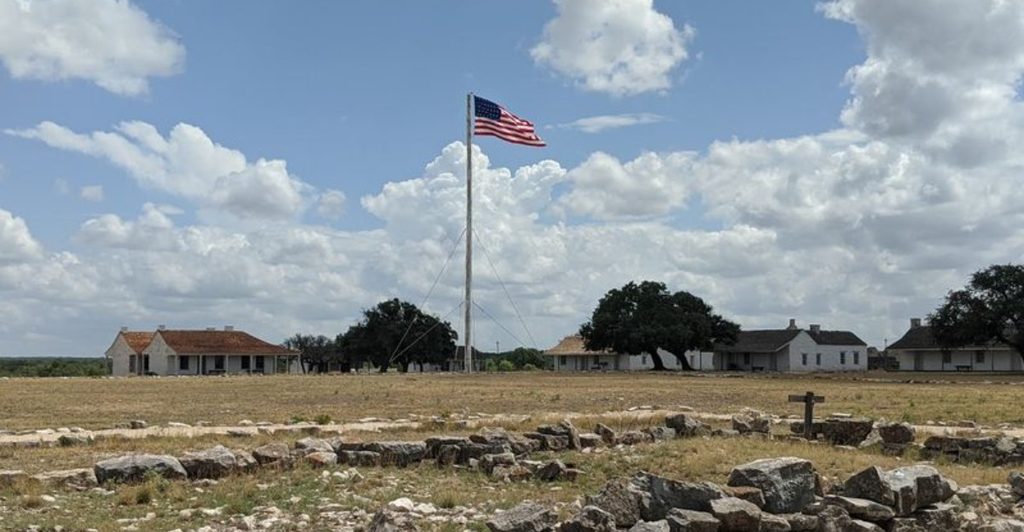
Most people hear “historic site” and picture dusty plaques and empty fields. We used to think the same thing until we started exploring Texas’s lesser-known historic parks. Turns out, these places are packed with wild stories, stunning scenery, and enough adventure to make you forget you’re technically learning history.
Whether you’re into frontier forts, revolutionary battles, or just want to see where Texas became Texas, these spots will completely change your mind about what a historic park can be.
1. Fort Davis National Historic Site (Fort Davis)
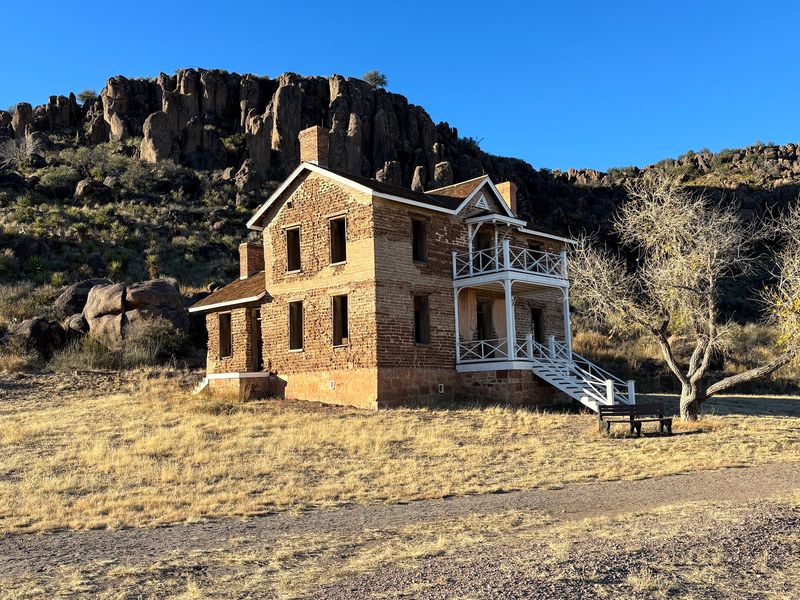
Sitting at 5,000 feet in the gorgeous Davis Mountains, this old cavalry post feels more like a mountain retreat than a history lesson. The fort protected mail routes and settlers from the 1850s through the 1880s, and walking through the restored buildings gives you chills when you realize soldiers actually lived here. The setting alone is worth the trip, with those rugged peaks rising all around you.
What makes this place special is how well-preserved everything is. You can wander through officers’ quarters, barracks, and the hospital, imagining what life was like for the Buffalo Soldiers who served here. The park hosts living history events where costumed interpreters bring the past to life, and suddenly you’re watching blacksmiths work or listening to period music.
It’s way more engaging than staring at exhibits behind glass.
The hiking trails around the fort are spectacular, offering views that’ll make you stop and stare. Morning light hits those mountains just right, creating photo opportunities you won’t find at your typical historic site. Bring water because the high desert climate is no joke, even when it’s cool.
Ranger programs happen regularly and they’re genuinely entertaining, not boring lectures. Kids love the Junior Ranger program, and adults appreciate learning about the complex history of the frontier without feeling like they’re back in school. The bookstore has fascinating reads about the Buffalo Soldiers and frontier life if you want to go deeper.
Plan to spend at least half a day here because there’s more to see than you’d expect. The fort sits near the McDonald Observatory too, so you can easily combine history with some serious stargazing. This place proves that Texas history doesn’t have to be dull when it’s set against such an incredible backdrop.
2. San Felipe de Austin State Historic Site (San Felipe)
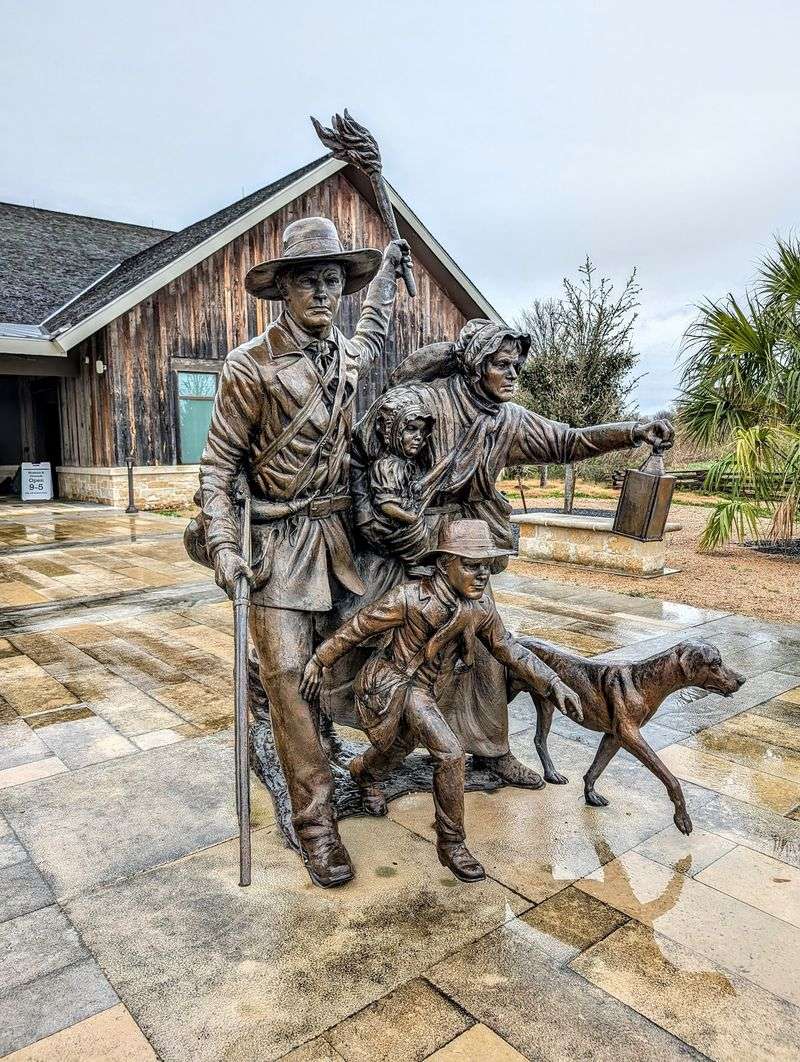
This unassuming spot along the Brazos River was basically the capital of early Anglo Texas, where Stephen F. Austin set up shop and changed everything. Most people drive right past it without realizing they’re passing the birthplace of American settlement in Texas.
Once you stop and explore, though, you realize this quiet park holds some seriously important stories.
The replica buildings and archaeological sites show you where Austin’s colonists built their community in the 1820s. Walking the grounds, you can picture the bustling town that once stood here, complete with a newspaper, stores, and hundreds of settlers trying to make it in Mexican Texas. The interpretive center does a great job explaining how this little settlement grew into something that eventually led to the Texas Revolution.
What’s cool is how the park connects to so many bigger events. The Consultation of 1835 happened here, where Texian leaders debated independence versus loyalty to Mexico. You’re literally standing where those heated arguments took place.
The town got burned during the Runaway Scrape, adding drama to an already intense history.
The trails along the river are peaceful and pretty, perfect for a quiet walk after absorbing all that history. Bring bug spray in warmer months because the Brazos attracts mosquitoes like crazy. The park isn’t huge, but it packs a lot of significance into a small space.
Special events throughout the year bring history to life with reenactors and demonstrations. The staff is passionate and happy to answer questions, making the experience feel personal rather than institutional. If you’re tracing Texas Revolution history, this site is absolutely essential.
It’s free to visit, which is amazing considering how important this place is to Texas history. The nearby town of San Felipe is tiny but charming, with a few spots to grab lunch. This park reminds you that huge historical movements often started in surprisingly humble places.
3. Presidio la Bahía State Historic Site (Goliad)
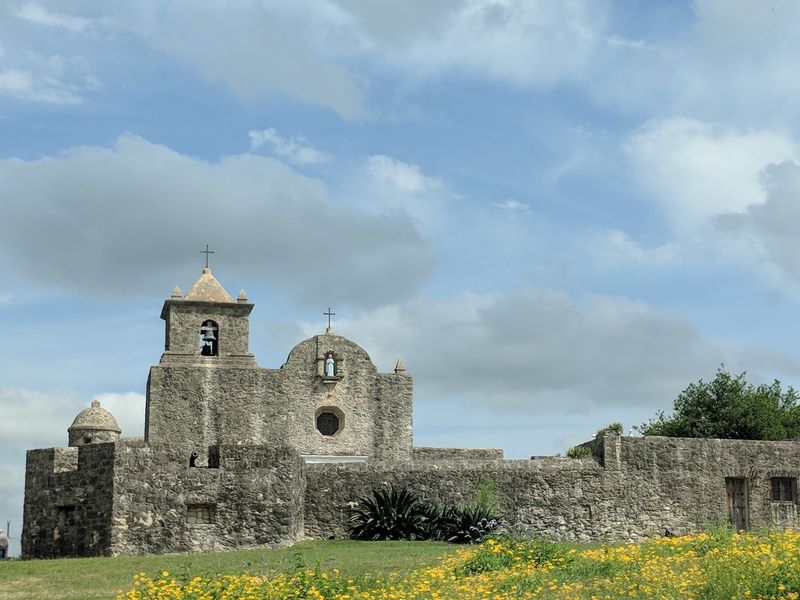
This massive Spanish fort has stood near Goliad since the 1700s, and it’s hands-down one of the most impressive historic sites in Texas. The stone walls are thick and imposing, exactly what you’d expect from a frontier presidio that had to withstand attacks and sieges. Walking through the gates feels like stepping into another century, especially when you see the chapel with its gorgeous architecture still intact.
The fort played a huge role in the Texas Revolution, though not in a happy way. Colonel James Fannin and his men surrendered here, only to be executed in what became known as the Goliad Massacre. Standing in the courtyard where those men spent their final days hits different when you know the story.
The site doesn’t shy away from the tragedy, presenting the history honestly and respectfully.
Beyond the revolution, the presidio tells the longer story of Spanish Texas and the mission system. The chapel, Nuestra Señora de Loreto, is still an active Catholic church and it’s beautiful inside. You can attend Mass here if you want, which is a surreal experience given the centuries of worship in that space.
The museum displays artifacts found during archaeological digs, including weapons, tools, and personal items from soldiers who lived here. Seeing actual objects from the 1700s and 1800s makes history tangible in a way that textbooks never could. The fort also has a great view of the surrounding countryside from the walls.
Guided tours are available and highly recommended because the guides know incredible details about daily life in the presidio. They’ll point out features you’d otherwise miss, like the clever defensive designs and the soldiers’ living quarters. The site hosts events throughout the year, including a moving memorial service for the Goliad victims.
Bring your camera because this place is photogenic from every angle. The stone walls, the chapel, the cannons positioned around the grounds create perfect shots. It’s a powerful reminder of Texas’s complicated, often violent path to independence.
4. Fort Griffin State Historic Site (Albany)
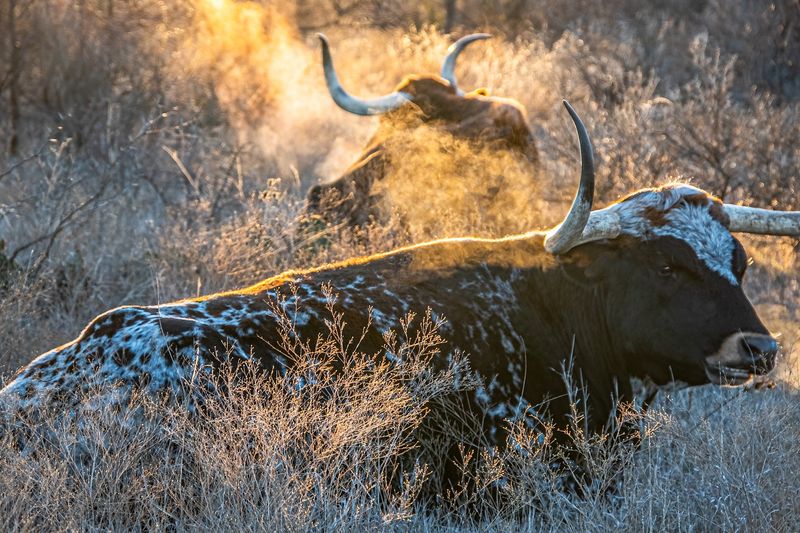
Perched on a bluff overlooking the Clear Fork of the Brazos, these fort ruins tell stories of the wild frontier days when this area was the edge of civilization. The remains aren’t much, mostly stone chimneys and foundations, but the location is stunning and the history is fascinating. This was a rough-and-tumble outpost in the 1860s and 1870s, protecting settlers and serving as a base for campaigns against Comanche raiders.
What makes this site unique is the official state longhorn herd that roams the park. Seeing those massive cattle grazing near the old fort creates a scene straight out of the Old West. You can get surprisingly close to them, though rangers warn you to keep a respectful distance because they’re still wild animals with impressive horns.
The nearby town of Fort Griffin, known as “The Flat,” was one of the rowdiest places in Texas during the buffalo hunting boom. Gunslingers, gamblers, and frontier characters like Doc Holliday and Wyatt Earp passed through here. The park interprets both the military and civilian sides of frontier life, showing how they intertwined.
Hiking trails wind through the park, offering great views of the river valley and surrounding prairie. The landscape hasn’t changed much since the 1870s, so it’s easy to imagine what soldiers and settlers saw. Spring wildflowers are spectacular if you time your visit right.
The visitor center has excellent exhibits about the fort’s history and the buffalo hunting industry that boomed here. Rangers offer talks about frontier military life and the interactions between soldiers, settlers, and Native Americans. The interpretive programs don’t sugarcoat the conflicts and complexities of that era.
Camping is available if you want to spend the night, and stargazing here is phenomenal because there’s almost no light pollution. The park feels remote and peaceful now, a stark contrast to its violent past. It’s a great spot to reflect on how quickly the frontier transformed into settled country.
5. Washington-on-the-Brazos State Historic Site (Washington)
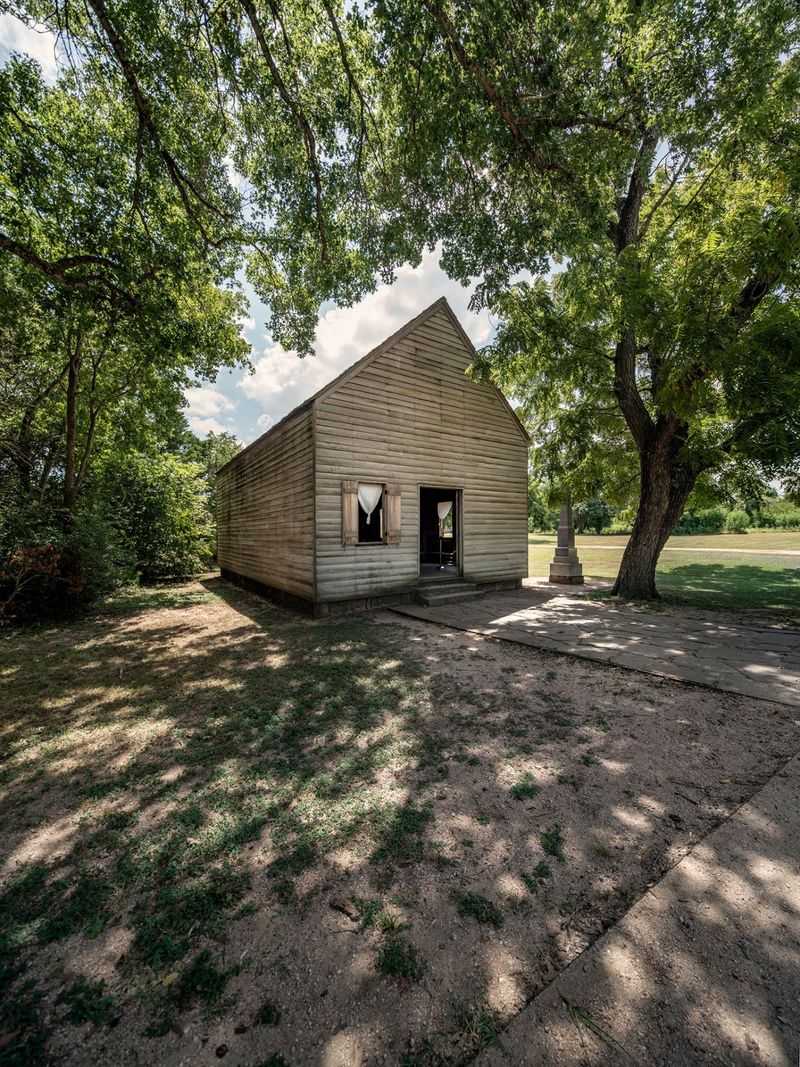
Texas declared independence right here on March 2, 1836, making this sleepy park one of the most important spots in state history. The original town is long gone, but the park recreates and interprets what happened when 59 delegates gathered in an unfinished building to break away from Mexico. Standing where Texas became its own nation gives you goosebumps if you care even a little about history.
The replica Independence Hall looks modest, almost disappointing, until you realize that’s exactly the point. These guys signed a declaration of independence in a drafty, unfinished shed with Mexican troops approaching. The courage that took becomes clearer when you see the humble setting.
Interpretive programs inside the hall bring that dramatic moment to life.
Barrington Living History Farm is part of the park, showing what life was like for Anson Jones, the last president of the Republic of Texas. The working farm has heritage breed animals, heirloom crops, and costumed interpreters doing actual farm work. Kids love feeding chickens and watching blacksmith demonstrations, while adults appreciate the authentic details of 1850s farm life.
The Star of the Republic Museum is surprisingly excellent, with exhibits covering Texas history from Native Americans through statehood. The museum doesn’t just focus on the declaration; it explores the whole story of the Republic years. Interactive displays keep kids engaged while adults dig into the complex politics of that era.
Trails wind through the park along the Brazos River, offering peaceful walks through woods and fields. The landscape is pretty year-round, but spring brings wildflowers that make the whole place glow. Picnic areas are perfect for lunch after exploring the historic sites.
Special events happen throughout the year, especially around Texas Independence Day on March 2nd. Reenactors, period demonstrations, and living history programs make the past feel immediate and real. The park does an impressive job balancing education with entertainment, never feeling preachy or boring.
This place proves that Texas history can be both significant and genuinely interesting when presented well.
6. Fort Leaton State Historic Site (Presidio)
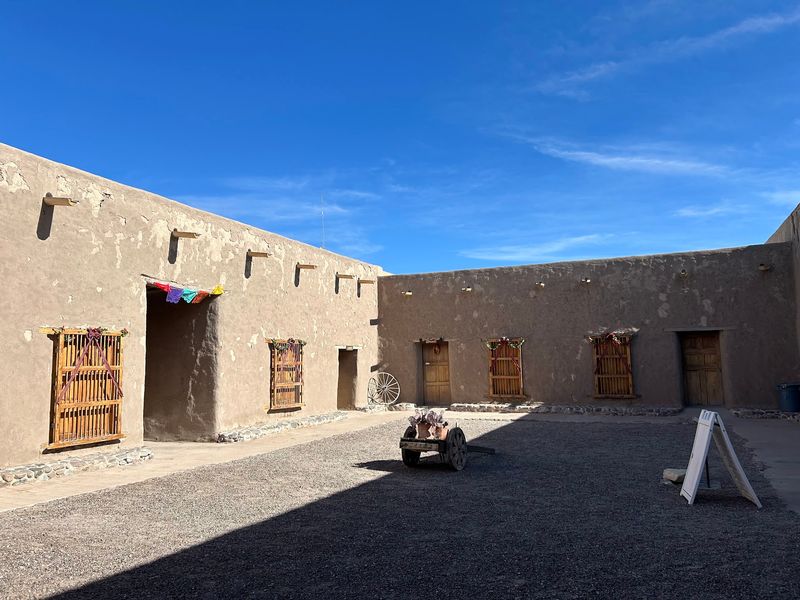
Way out in the Big Bend region, this massive adobe fort sits near the Rio Grande looking like something from a Western movie. Ben Leaton built this private fortified trading post in the 1840s, and it’s the largest adobe structure in Texas. The thick mud walls and fortress-like design protected him while he traded with everyone from local farmers to Comanche raiders, playing all sides to make a profit.
Leaton’s story is wild and morally complicated. He made money however he could, allegedly including dealing in stolen goods and playing different groups against each other. The fort reflects his paranoia and ambition, with defensive features throughout.
Walking the rooms and courtyards, you can almost feel the tension of life on this remote stretch of border.
The restoration work is impressive, showing you how these adobe structures were built and maintained. Interpretive signs explain construction techniques and daily life in the fort. The thick walls kept the interior surprisingly cool even in brutal desert heat, a lesson in pre-air-conditioning climate control.
The setting is spectacular, with desert mountains rising in the distance and the Rio Grande flowing nearby. This area is incredibly remote even now; in Leaton’s time it was the edge of beyond. The isolation adds to the atmosphere, making you wonder what kind of person chooses to live and do business in such a harsh, dangerous place.
The visitor center has exhibits about border history, trade routes, and the complex relationships between different groups in this region. Rangers offer insights into the fort’s history and the characters who passed through here. The site doesn’t romanticize Leaton, presenting him as the complicated, often ruthless businessman he was.
If you’re exploring Big Bend, this fort makes a great addition to your itinerary. The drive to Presidio is scenic and the fort itself is fascinating. Bring water and sun protection because the desert doesn’t mess around.
The fort’s story reminds you that Texas history includes plenty of morally gray characters, not just heroes and villains.
7. Fannin Battleground State Historic Site (Fannin)
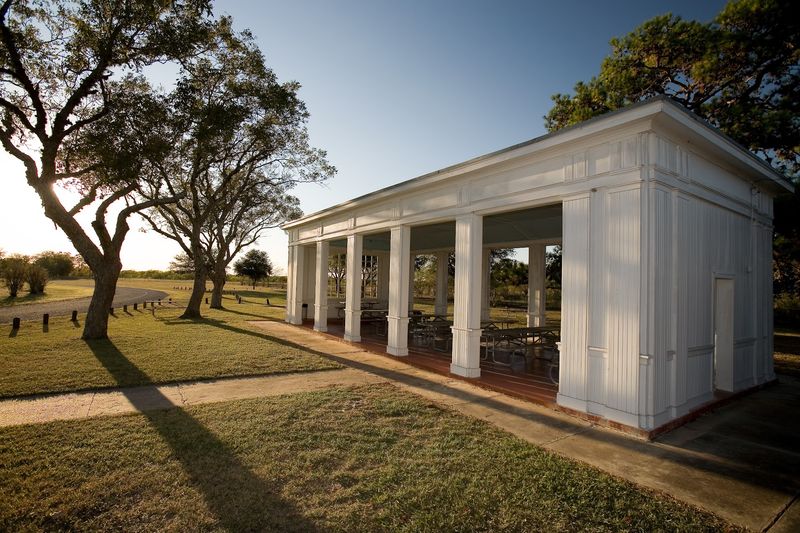
This quiet prairie marks where Colonel James Fannin and his men fought their final battle before surrendering to Mexican forces in March 1836. The site is simple, mostly open grassland with monuments and markers, but knowing what happened here makes it powerful. Fannin’s command got caught in the open during the retreat from Goliad, and the resulting battle sealed their fate.
The main monument is a tall obelisk that you can see from the road, marking where the Texians formed their square and fought off Mexican cavalry. Walking the battlefield, you can understand the tactical situation and why Fannin’s position became hopeless. The flat, open terrain offered no cover and no escape once they were surrounded.
Interpretive signs explain the battle’s progression and the decisions that led to this disaster. Fannin made several mistakes, from delaying the retreat to stopping in the open to rest his oxen. Reading about these choices while standing where they happened drives home how small decisions can have huge consequences.
The site is peaceful now, just wind blowing through the grass and birds calling. That quiet feels haunting when you know hundreds of men fought desperately here, only to be executed days later at Goliad. The contrast between the calm landscape and the violent history creates a somber mood.
This isn’t a big tourist attraction, and you might have the place to yourself. That solitude actually enhances the experience, letting you reflect without distractions. The site is well-maintained despite its remote location, showing respect for the men who died here.
If you’re visiting Goliad and Presidio la Bahía, the battleground is a short drive and adds important context to that story. Seeing where Fannin’s command was defeated helps you understand the full tragedy of the Goliad Massacre. The site doesn’t need elaborate exhibits or reconstructions; the land itself tells the story.
Bring bug spray in warm months because the prairie grass harbors plenty of mosquitoes. The site is free and open during daylight hours. It’s a sobering reminder of the costs paid during the Texas Revolution, honoring men whose sacrifice is sometimes overshadowed by the Alamo.
8. Kreische Brewery & Monument Hill State Historic Sites (La Grange)
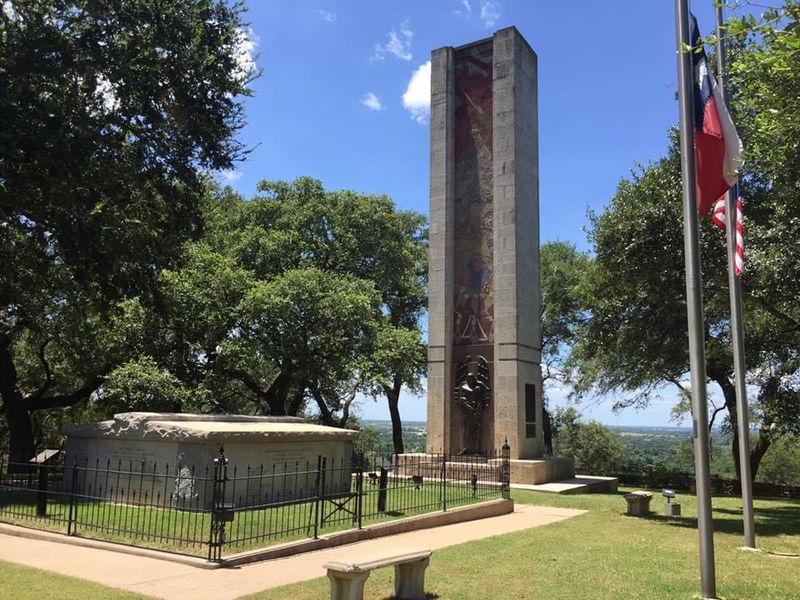
This unusual combo site pairs a 19th-century brewery with a monument honoring Texas Revolution casualties, creating one of the state’s most interesting historic parks. Heinrich Kreische built his brewery on this bluff overlooking the Colorado River in the 1860s, using caves to keep his beer cool. The stone ruins are atmospheric and surprisingly extensive, showing how ambitious his operation was.
Kreische came from Germany and brought serious brewing knowledge with him. His beer became popular across Texas, distributed by wagon and riverboat. Walking through the brewery ruins, you can identify different functional areas and imagine the production process.
The natural caves provided perfect temperature control, a clever use of the landscape.
Monument Hill sits on the same bluff, holding the remains of Texans killed in two incidents: the Dawson Massacre and the Mier Expedition. The monument itself is impressive, and the hilltop setting offers beautiful views of the river valley. Connecting a brewery with a war memorial seems odd until you realize both are important parts of Texas history, just different chapters.
The Kreische family home still stands, a sturdy limestone house that shows how successful the brewery made them. Interpretive signs explain both the brewing operation and the family’s life. The house has great architectural details and the setting on the bluff is lovely.
Trails connect the different parts of the site, winding through woods and offering river views. Spring wildflowers are gorgeous here, covering the hillside in color. The park is peaceful and often uncrowded, perfect for a quiet afternoon of exploration.
The combination of industrial history and military memorial makes this site unique among Texas historic parks. You get brewing history, immigrant success stories, and solemn remembrance of Texas Revolution casualties all in one visit. The ruins are photogenic and the views are stunning.
La Grange is a charming small town worth exploring after visiting the park. The site proves that Texas history includes more than just battles and cowboys; it includes entrepreneurs, immigrants, and industries that shaped the state. The brewery ruins especially appeal to craft beer fans interested in Texas brewing heritage.
9. Goliad State Park & Historic Site (Goliad)
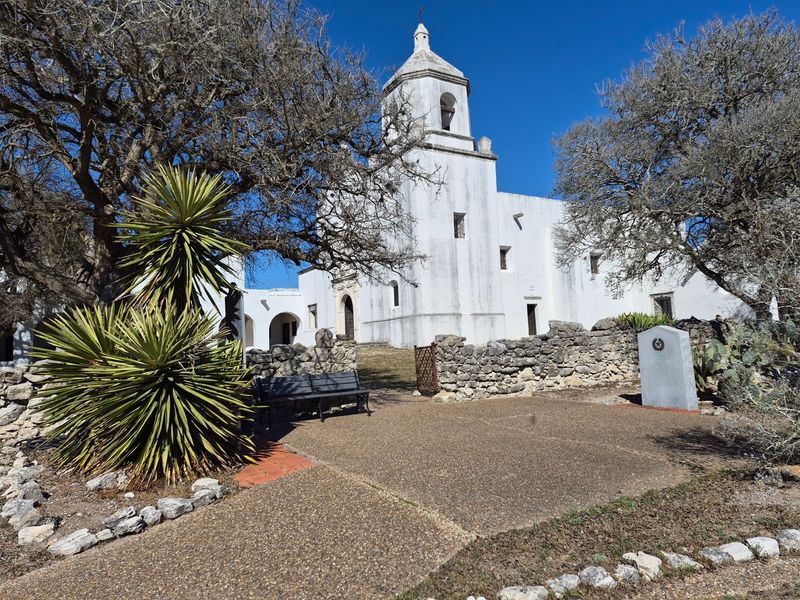
Right in Goliad, this park preserves Mission Espíritu Santo, a beautifully restored Spanish mission that tells the story of colonial Texas. The church is stunning, with white walls and classic mission architecture that photographs beautifully. But this isn’t just a pretty building; it’s a window into the 18th-century mission system and the complex interactions between Spanish colonizers and Native peoples.
The mission was originally founded in 1722 and moved several times before settling here. Walking through the restored buildings, you see how missionaries, soldiers, and Native converts lived and worked. The church still holds services, maintaining its spiritual purpose after nearly 300 years.
That continuity is remarkable.
What makes this site special is how it interprets mission life honestly, not romanticizing it. The exhibits explain how missions served Spanish colonial goals while also showing the Native perspective and the cultural conflicts involved. It’s educational without being preachy, presenting history’s complexities.
The park surrounding the mission offers hiking, fishing, and camping along the San Antonio River. Ancient oaks shade the grounds, creating a peaceful atmosphere. You can easily spend a full day here, combining history with outdoor recreation.
The river attracts lots of wildlife, making it great for birdwatching.
Civilian Conservation Corps workers rebuilt much of the mission in the 1930s, and their craftsmanship is impressive. You can see where original stone meets restoration work, showing the care taken to preserve this site. The CCC history adds another layer to the story, connecting Depression-era conservation efforts to Spanish colonial heritage.
Ranger programs and living history events bring the mission to life throughout the year. Artisan demonstrations show traditional crafts and skills used during the mission period. The park does excellent work making history accessible and interesting for all ages.
Combined with nearby Presidio la Bahía, Goliad offers an incredible concentration of historic sites. The town itself is charming and proud of its heritage. This park proves that mission history can be fascinating when presented well, moving beyond stereotypes to show real people and real conflicts that shaped Texas.
10. Fort McKavett State Historic Site (Fort McKavett)
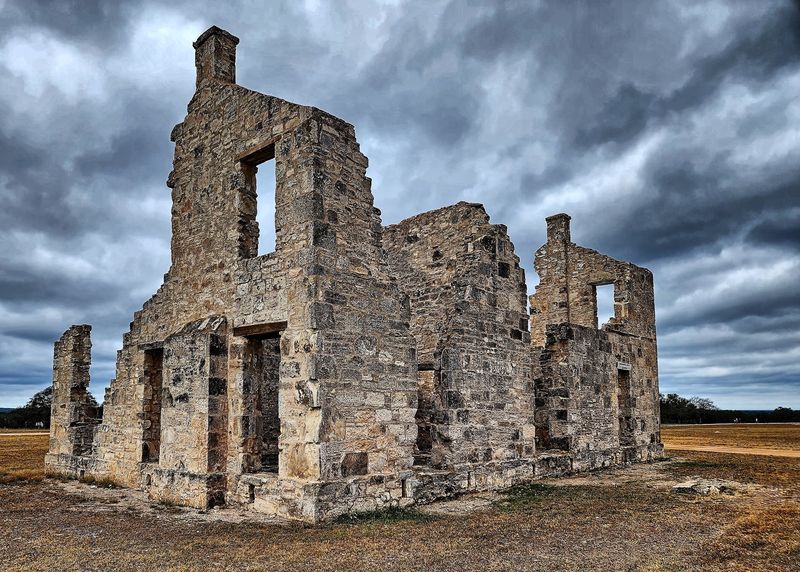
Out in the Hill Country, this remarkably well-preserved fort shows you exactly what frontier military life looked like in the 1850s through 1880s. The stone buildings still stand, including barracks, officers’ quarters, hospital, and support structures. It’s one of the best-preserved frontier forts in Texas, giving you an authentic sense of the place without much imagination required.
The fort protected settlers and travelers on the frontier, serving as a base for cavalry operations against Comanche and Apache raiders. Buffalo Soldiers of the 9th and 10th Cavalry served here, and the fort interprets their crucial but often overlooked contributions. Walking through the barracks where they lived makes their service feel real and personal.
What’s impressive is how complete the fort remains. You can explore the hospital with its surgical room, the bakery with its massive ovens, and the schoolhouse where soldiers’ children learned. Each building tells part of the story of military community life.
The fort wasn’t just about fighting; it was a complete settlement with families, shops, and social activities.
The setting is beautiful, with the fort nestled in rolling hills near the San Saba River. Hiking trails wind through the grounds and surrounding area, offering great views and chances to spot wildlife. The landscape hasn’t changed much since the 1800s, helping you imagine what soldiers saw.
Interpretive programs include guided tours that bring the fort’s history to life. Rangers share stories about individual soldiers, daily routines, and the challenges of frontier military service. The programs avoid dry recitation of dates, focusing instead on human stories that engage visitors.
The nearby village of Fort McKavett is tiny but historic, with old limestone buildings and a quiet, timeless feel. The area is remote even now, emphasizing how isolated these frontier posts were. Visiting requires some planning since services are limited, but that isolation is part of the experience.
Special events throughout the year feature reenactors demonstrating military drills, period crafts, and daily life activities. The fort is a photographer’s dream, with beautiful stone buildings and scenic surroundings. It’s proof that historic sites don’t need flashy attractions when the real thing is this well-preserved and thoughtfully interpreted.
11. San Jacinto Battleground State Historic Site (La Porte)
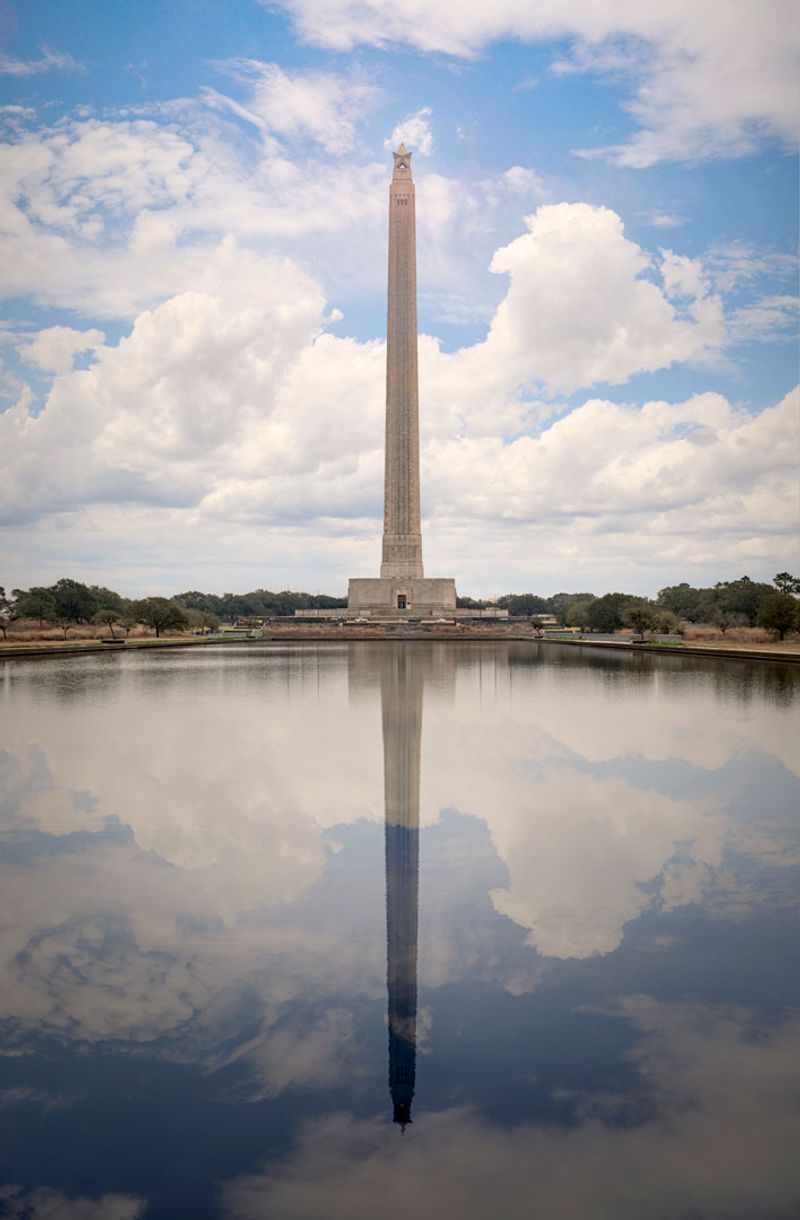
The 567-foot San Jacinto Monument dominates the landscape near Houston, marking where Texas won its independence in 18 minutes of furious fighting. The battle on April 21, 1836, was short but decisive, with Sam Houston’s army crushing Santa Anna’s forces and capturing the Mexican general. Standing on the actual battlefield where Texas changed forever is genuinely moving, even if you’re not usually into history.
The monument itself is taller than the Washington Monument, and you can take an elevator to the observation deck for incredible views of the battlefield, the Houston Ship Channel, and the city skyline. From up there, you can see the whole tactical situation and understand how Houston’s surprise attack worked. The scale of the battlefield becomes clear when viewed from above.
The museum at the monument’s base is excellent, covering Texas history from Native peoples through statehood. Exhibits include artifacts from the battle, weapons, uniforms, and personal items from both sides. The museum doesn’t just glorify Texas victory; it presents the Mexican perspective too, showing the battle’s complexity.
Walking the battlefield itself, marked with monuments and interpretive signs, helps you follow the action. You can trace where the Texian lines advanced, where the Mexican camp stood, and where the desperate fighting occurred. The site preserves the marshy terrain that trapped Mexican soldiers trying to escape, adding grim reality to the story.
The Battleship Texas is moored nearby, adding a completely different chapter of military history. The World War I and II veteran is being moved for restoration, but when accessible, it’s an amazing complement to the battlefield. Seeing both a revolutionary battlefield and a 20th-century battleship in one visit spans centuries of Texas military history.
Special events on San Jacinto Day (April 21st) include reenactments, living history demonstrations, and commemorative ceremonies. The site gets crowded during these events but the programs are top-notch. Regular days are quieter, letting you explore at your own pace.
The park is free, which is remarkable given its importance and the quality of the museum. It’s easily accessible from Houston, making it perfect for a half-day trip. The site proves that Texas’s most important battle happened in a place you can actually visit and walk, connecting you directly to that pivotal moment in history.
Share this story