Some barbecue spots try to impress you before the food even hits the table. Payne’s Bar-B-Que does the opposite, and that is exactly why people remember it.
On Lamar Avenue in Memphis, this former gas station has built a reputation on chopped pork, mustard slaw, and a level of local loyalty you cannot fake. If you want the real story of why Payne’s still matters, keep reading.
A former gas station with serious Memphis credibility
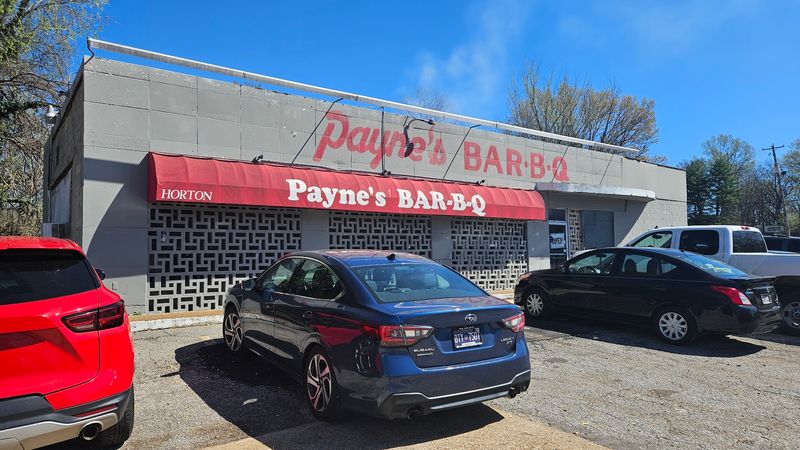
Payne’s Bar-B-Que does not look like a place that spent years polishing a brand story. It looks like what it is: a longtime Memphis barbecue stand with roots deeper than fresh paint or trendy signage.
Sitting on Lamar Avenue in a plain old building that once operated as a gas station, Payne’s carries the kind of credibility you cannot stage.
That former life matters because the place still feels connected to the road, the neighborhood, and the practical, get-it-done spirit that defines so many beloved food institutions. You are not walking into a restaurant designed by consultants trying to imitate Southern character.
You are stepping into a real Memphis business that grew from use, need, smoke, and decades of regulars showing up hungry.
There is something refreshing about that. Too many spots want you to admire the setting first and the food second, but Payne’s flips the order without apology.
The building is simple, even severe, and that plainness works like a filter, quietly telling you this stop is for people who care about barbecue more than decor.
That is also why the place feels bigger than its footprint. For many visitors, the first glance can be surprising, maybe even a little intimidating if you are expecting a polished dining room.
Then the aroma hits, the counter comes into focus, and suddenly the whole point of Payne’s becomes obvious.
It has survived because it gives Memphis exactly what it wants from a neighborhood barbecue institution: consistency, flavor, personality, and zero unnecessary theater. The old gas station shell is not a gimmick or a romantic prop.
It is simply the container that happened to hold one of the city’s most talked-about chopped pork sandwiches.
In a city where barbecue is practically civic identity, that kind of staying power means everything. Payne’s is not trying to reinvent itself for attention.
It already earned its place the hard way, one smoky lunch at a time.
The chopped pork sandwich that made Payne’s famous
If Payne’s has a headline act, it is the chopped pork sandwich. This is the item that shows up again and again in glowing reviews, local recommendations, and stories from people who still think about a meal they ate here years ago.
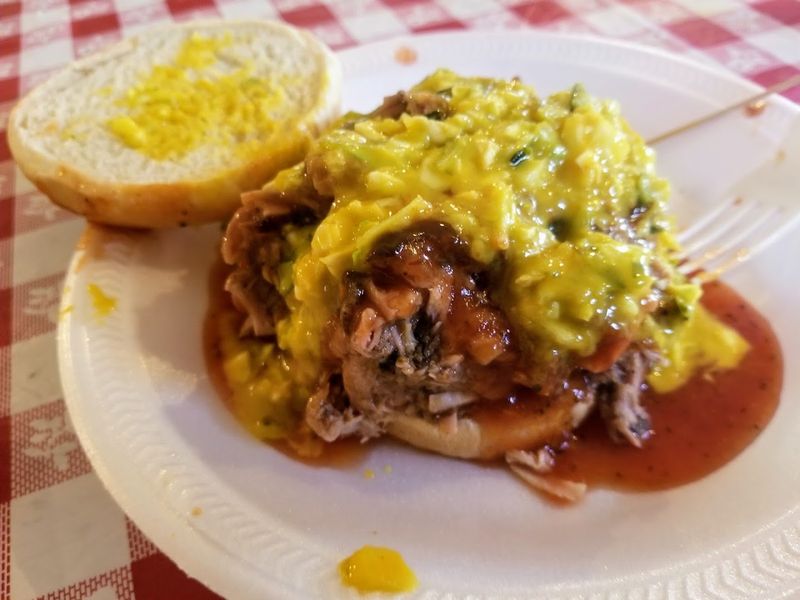
One look tells you why: the sandwich is not neat, restrained, or interested in tidy presentation.
It is piled high with chopped pork, loaded onto a bun that seems almost unprepared for the task, then topped with the restaurant’s signature slaw and sauce. You do not eat this sandwich so much as commit to it.
The experience is gloriously messy, and that is part of the appeal.
What makes it stand out is the balance. The pork brings smoke, tenderness, and those flavorful bark bits that many barbecue fans hunt for in every bite.
Then the slaw jumps in with mustard tang, crunch, and a bright edge that cuts through the richness instead of disappearing into the background.
That slaw is a major reason the sandwich has such a following. Plenty of places add slaw because it is expected, but Payne’s uses it like a defining ingredient.
The yellow mustard base gives the sandwich a punchy personality that feels distinctly its own, especially when it meets the vinegary sauce.
The result is classic Memphis barbecue through a very specific Payne’s lens. Some people instantly fall in love with the sweet-smoky-tangy mix, while others need a minute because it is not trying to taste like every other sandwich in town.
Either way, it leaves an impression.
And that is the key. In a city full of barbecue traditions, the chopped pork sandwich at Payne’s does not survive on reputation alone.
It survives because it tastes like somewhere, made by people who know exactly what they want it to be, and they are not interested in toning it down for anybody.
Why the mustard slaw is the real game changer
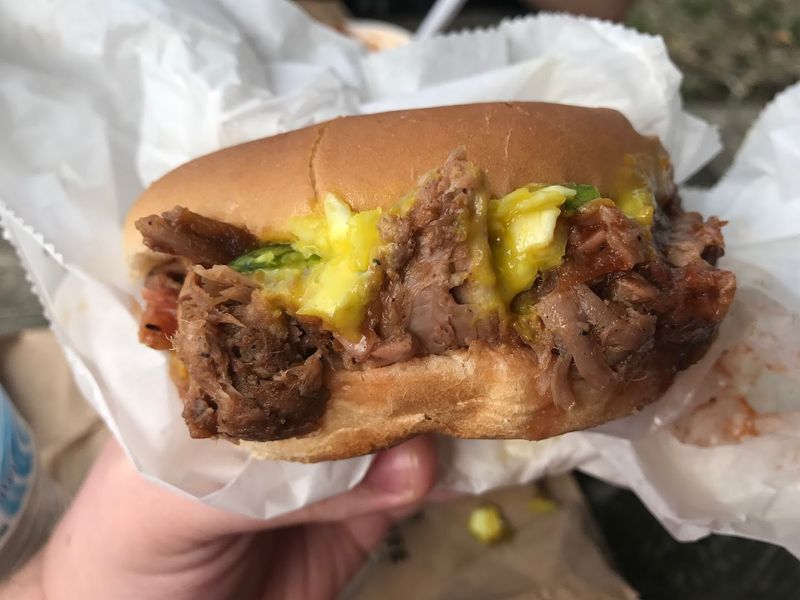
At Payne’s Bar-B-Que, the mustard slaw is not some side detail you politely notice after the meat. It is one of the biggest reasons the food feels unforgettable.
A lot of first-time visitors expect standard slaw, take one bite, and realize very quickly that Payne’s is playing a different game.
The color gives it away before the flavor does. This is that unmistakable yellow slaw, sharp with mustard, touched by vinegar, and built to wake up everything around it.
On the chopped pork sandwich, it adds crunch and brightness, but more importantly, it changes the whole rhythm of each bite.
Instead of a heavy, one-note pile of meat, you get contrast. The pork is smoky and rich.
The sauce adds sweetness and tang. Then the slaw cuts through with a lively kick that keeps the sandwich moving instead of dragging.
That combination explains why so many people mention the slaw by name when they talk about Payne’s. Even customers who debate the sauce or prefer a different rib style often pause to admit that the slaw makes the sandwich special.
It is unusual enough to stand out, but not so overpowering that it steals the show.
In fact, it works best because it knows its role. The slaw sharpens the meat, supports the sauce, and gives the sandwich texture that would be missing without it.
You could call it the secret weapon, except there is nothing hidden about it once the sandwich lands in front of you.
It also says a lot about Payne’s approach. This is not barbecue built around trends or broad appeal.
It is barbecue with a house personality, the kind that develops when a place trusts its own flavor logic over everyone else’s expectations.
So if you are wondering what separates Payne’s from a long list of decent barbecue counters, start here. The mustard slaw is not just a topping.
It is the move that pushes the whole experience from good lunch into memorable Memphis signature.
A tiny menu that knows exactly what it is doing
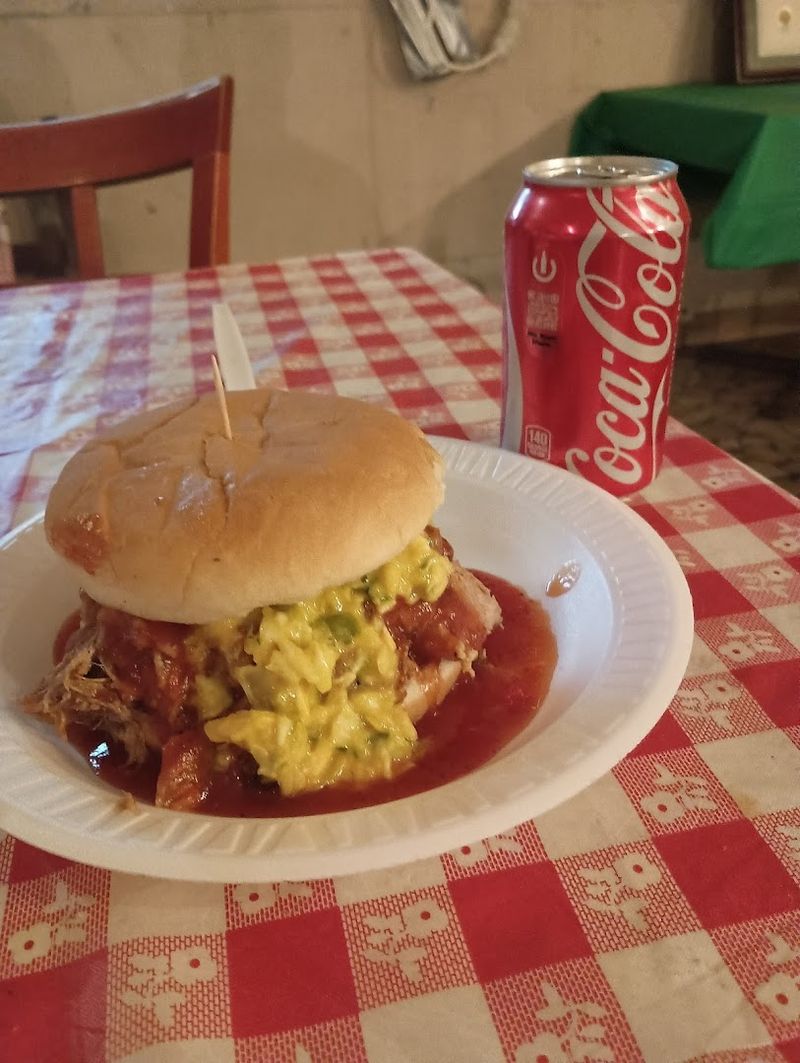
One of the smartest things about Payne’s Bar-B-Que is that it never pretends to be everything. The menu is famously short, and that is part of the charm.
Instead of chasing every smoked meat category or trying to satisfy every barbecue trend, Payne’s keeps the focus tight and lets a handful of core items carry the name.
You are looking at chopped pork, ribs, smoked sausage, bologna, and a few straightforward sides. No giant menu.
No endless customization. No parade of distractions designed to make the place feel bigger than it is.
That kind of restraint can be powerful, especially in a city where barbecue opinions are serious business. A smaller menu tells you the restaurant knows where its strengths live.
It also creates a certain confidence at the counter, because the food coming out has been repeated, refined, and defended over many years.
There is a practical side to it too. Payne’s keeps limited hours, serves lunch, and does not waste energy on extra flourishes that do not matter to its identity.
The operation feels built around doing a few things well, moving people through, and keeping the focus on smoked meat rather than spectacle.
For visitors, that can be liberating. You are not there to study a laminated booklet.
You are there to decide how you want your barbecue delivered and then get out of the way. In a weirdly satisfying sense, the menu almost trains you to trust the place.
Of course, a compact menu also raises the pressure. If you offer fewer options, those options need to count.
That is exactly why the chopped pork sandwich and smoked sausage earn so much attention, and why the sides get remembered when they hit the right note.
Payne’s understands a truth many restaurants forget: variety is not the same thing as identity. By staying narrow, it keeps its personality clear.
In the barbecue world, that kind of focus is not limiting. It is often the reason a place becomes legendary.
No frills, all flavor, and that is the whole point
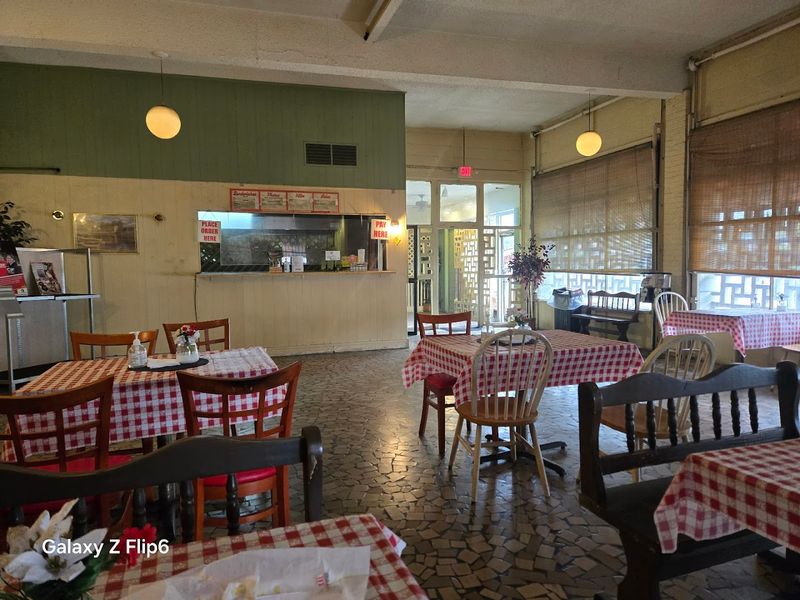
There are restaurants where the room does a lot of the talking. Payne’s Bar-B-Que is not one of them.
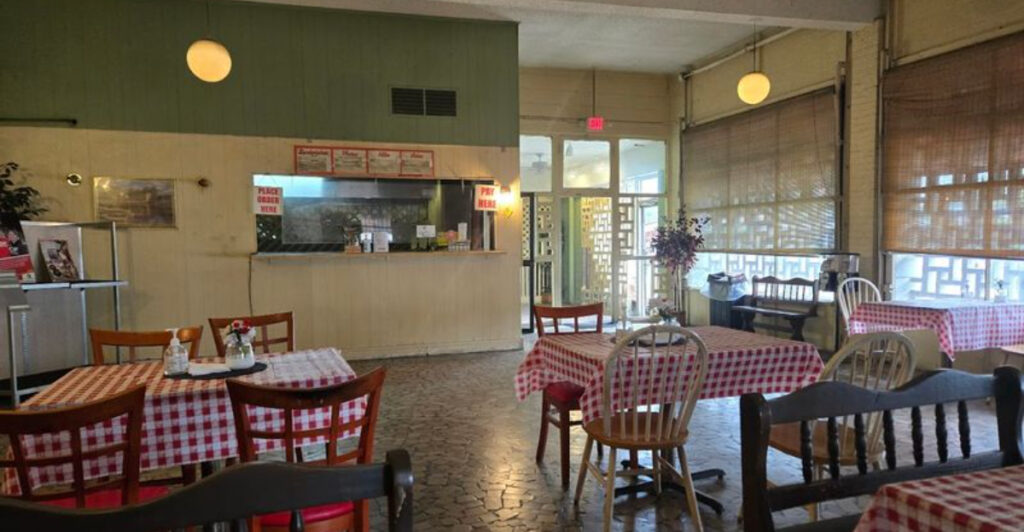
The setup is humble, the seating is simple, and the atmosphere lands squarely in the no-frills category that longtime barbecue fans tend to respect more than fear.
That matters because people often confuse plain surroundings with low ambition. At Payne’s, the opposite is true.
The modest interior makes a direct statement: all the effort went into the barbecue, not into decorating around it.
You see this in the way customers describe the place. Some mention the dated look, the basic tables, or the stripped-down feel right away.
Just as quickly, many of those same people pivot to the food, the smell of the smoke, and the warmth behind the counter, because that is where Payne’s wins them over.
There is also something deeply Memphis about a restaurant that refuses to perform authenticity while actually being authentic. Payne’s does not need reclaimed wood, old license plates, or a neon pig on the wall to communicate character.
The character is already present in the building, the neighborhood, the staff, and the food itself.
For first-time visitors, that can be part of the thrill. You walk in expecting one thing and leave understanding another.
The room may be plain, but the flavors are not. The service may be casual, but the loyalty it inspires is anything but accidental.
This kind of place asks you to shift your priorities in the best possible way. Stop looking for polish.
Start paying attention to smoke, texture, sauce, slaw, and the rhythm of a lunch counter that has no interest in pretending to be upscale.
That is the whole point of Payne’s. It is not trying to create a fantasy of Southern barbecue for visitors.
It is serving its version of the real thing, exactly where it has lived for decades. If you appreciate honesty on a plate, the no-frills atmosphere starts to feel less like a compromise and more like proof.
What the neighborhood location says about the experience
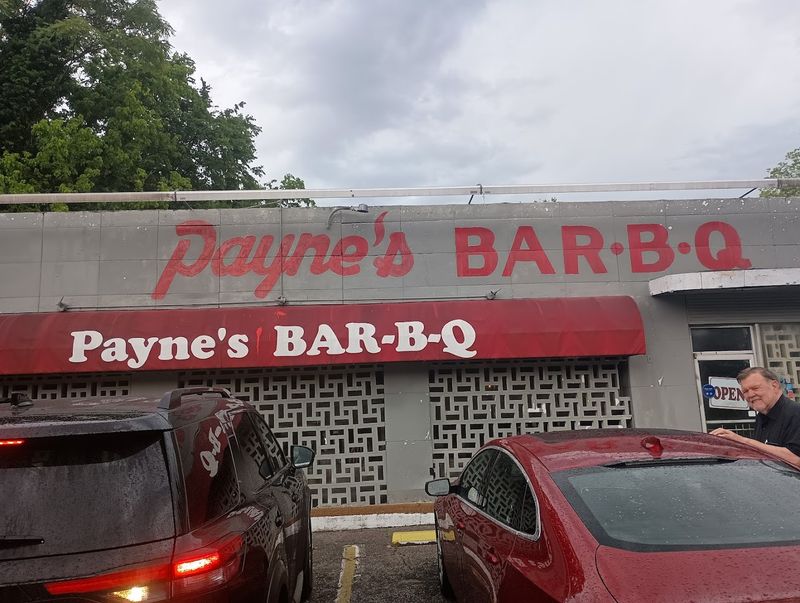
Payne’s Bar-B-Que is not tucked into a polished entertainment district or packaged for easy tourist comfort. It sits on Lamar Avenue in South Memphis, and that location is part of the story whether visitors expect it or not.
Plenty of reviews mention the surroundings, often with a note of hesitation before the food changes their minds.
That reaction says more about expectation than it does about Payne’s. The restaurant has long existed as a neighborhood place first, not a staged attraction built around outsider convenience.
It belongs to its corridor, and the sense of place is real from the moment you pull up.
For some travelers, that creates a tiny moment of uncertainty. Then they step inside, meet the staff, smell the smoke, and realize they are dealing with a restaurant whose reputation was earned through food, not location strategy.
In fact, the contrast often becomes part of the memory.
There is no need to romanticize the setting, but there is also no reason to flatten it into a warning label. Payne’s is one of those spots that rewards people who understand that great local food does not always arrive in polished contexts.
Sometimes the best meal is attached to a block that feels lived-in, practical, and unconcerned with selling itself.
That is especially true in Memphis, where barbecue history is deeply tied to neighborhoods, family operations, and buildings that grew into institutions almost by accident. Payne’s fits that pattern beautifully.
It is not separated from the city around it. It is part of that city.
If anything, the Lamar Avenue setting helps explain why the place still feels grounded. There is no glossy buffer between the restaurant and daily life.
You pull in, order lunch, and experience a Memphis favorite in the environment that shaped it.
For me, that makes Payne’s more compelling, not less. The location tells you this place did not rise on marketing polish.
It rose because enough people, year after year, thought the barbecue was worth the stop, the wait, and the return trip.
The family feel behind the counter keeps the legacy alive
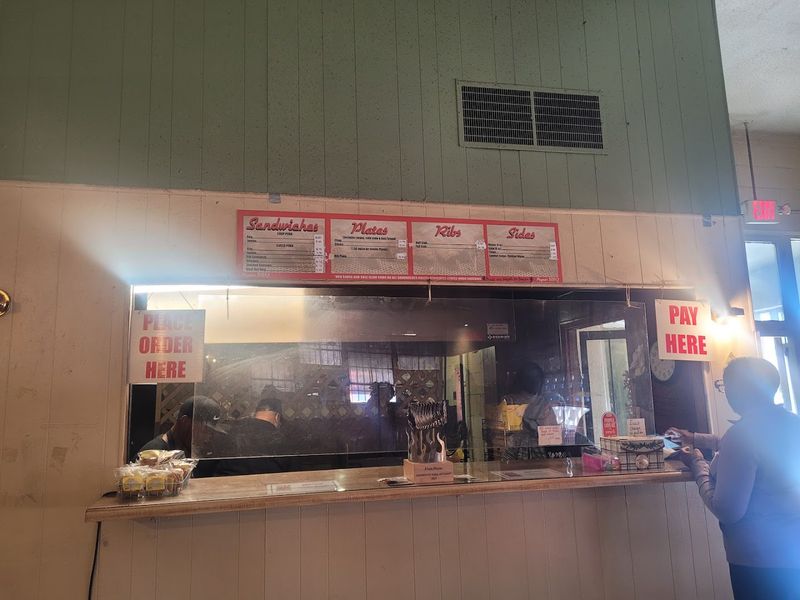
One reason Payne’s Bar-B-Que sticks with people has nothing to do with architecture or menu design. It is the human side of the place.
Again and again, customers mention being greeted kindly, served warmly, and made to feel like they stepped into a family operation that still understands hospitality in a direct, unforced way.
That matters more than many restaurants realize. In a no-frills setting, service becomes part of the atmosphere, and at Payne’s it often acts like the bridge between first impression and lasting affection.
The building may be plain, but a friendly welcome changes the entire room.
You can feel the continuity in the way regulars and returning visitors talk about the people behind the counter. There is a sense of legacy here, of a barbecue tradition being kept in motion by individuals who care about the name, the food, and the customers walking through the door.
It does not come off rehearsed. It feels lived in.
That family-run energy is especially important for a place with such a strong local reputation. Institutions survive on flavor, yes, but also on trust.
People come back because they believe the food will taste right and the experience will still feel familiar.
At Payne’s, familiarity does not mean robotic service. It means being down to earth, casual, and genuinely present.
The restaurant has the easy rhythm of a place that knows what it is doing and who it is serving, whether that is a lifelong Memphian or someone visiting for the first time.
It also softens the harder edges of the setting. What could feel too stark in another restaurant instead feels personal here, because the hospitality supplies the warmth the room does not try to manufacture.
That is a subtle but powerful advantage.
When people talk about Payne’s as more than a lunch stop, this is part of what they mean. The barbecue gets you in the door.
The family atmosphere gives the place emotional weight. In a city full of famous food, that personal connection is one reason Payne’s remains more than just another name on a best-of list.
The sauce, smoke, and flavor profile that split opinions
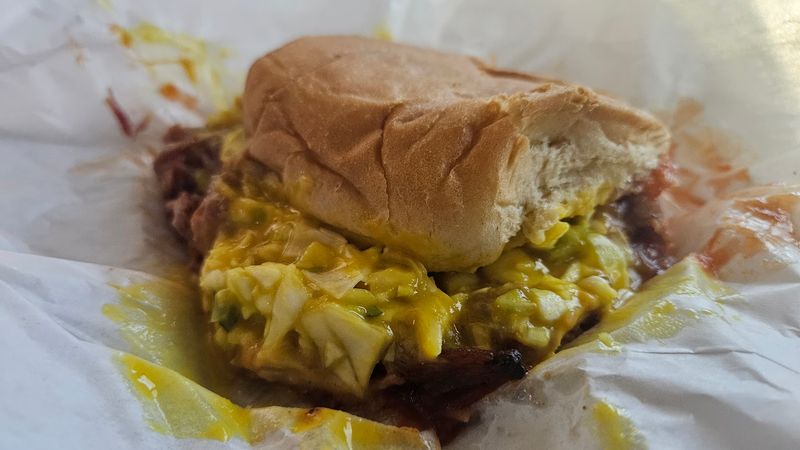
Payne’s Bar-B-Que has something every true food institution eventually develops: a flavor profile strong enough to create loyalists and skeptics at the same time. That is not a weakness.
If anything, it proves the restaurant is serving its own style instead of flattening everything into broad, easy approval.
The sauce is a big part of that conversation. Some visitors love the tang and sweetness, especially when it mixes with the chopped pork and mustard slaw on the sandwich.
Others find it too sweet or too vinegary, depending on what they expected when they walked in.
The same goes for the smoke and texture. Fans rave about tender pork, flavorful bark, and ribs with deep smoky character.
A few less enthusiastic reviews mention tough bites, too much char, or meat that did not match their ideal version of Memphis barbecue.
That divide is worth talking about because it helps define Payne’s honestly. This is not barbecue engineered to offend nobody.
It is barbecue with edge, with contrast, and with enough assertive flavor choices that people remember exactly what they ate. In a crowded food city, being memorable counts for a lot.
I also think the sandwich format changes how people experience the meat. Between the bun, slaw, and sauce, Payne’s is serving a composed bite, not a bare showcase of pork alone.
If you want every ingredient to stay in its lane, you may find it loud. If you enjoy barbecue where the components collide in a deliberate way, it can feel brilliant.
That tension is part of the fun. Great local restaurants are not always unanimous crowd-pleasers.
Sometimes they are beloved because they stay committed to a taste memory that regulars understand immediately and newcomers either embrace or argue about.
Payne’s fits that model perfectly. The smoke, sauce, and slaw create a house style that will not be confused with anyone else’s.
Even when opinions split, the place still wins a kind of respect, because nobody leaves wondering whether Payne’s knows what kind of barbecue it wants to serve.
Why lunch hours and low prices add to the legend
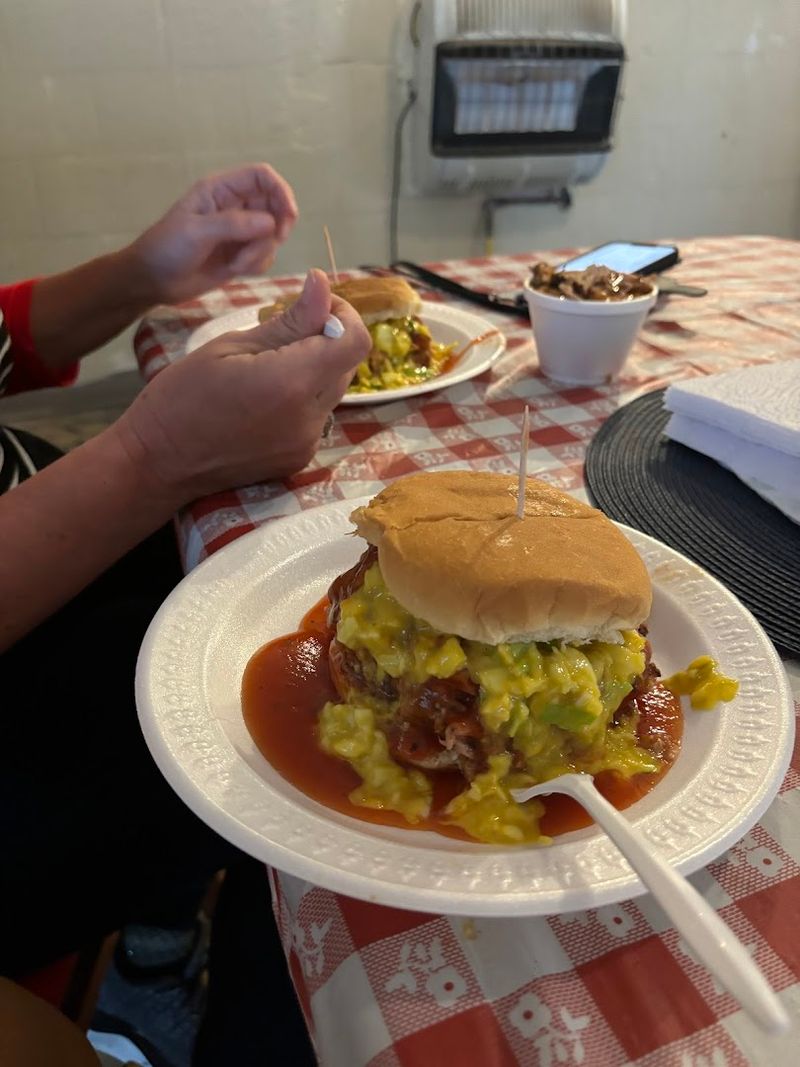
Part of Payne’s Bar-B-Que’s identity comes from its schedule. This is not an all-day operation stretching itself across breakfast, dinner, and late-night cravings.
Payne’s opens for lunch and closes early, which gives the place a rhythm that feels old-school, practical, and oddly exciting if you like restaurants with boundaries.
The hours are tight: open Tuesday through Friday from 11 AM into the early afternoon, a slightly shorter stretch on Saturday, and closed Sunday and Monday. That limited window does two things at once.
It keeps the restaurant feeling specific, and it subtly raises the stakes of the visit.
You cannot just wander in whenever the mood strikes at 8 PM. You have to plan a little, or at least pay attention.
That simple fact makes Payne’s feel less like background dining and more like a lunch mission worth timing right.
The price point adds another layer to the appeal. Payne’s is known as a budget-friendly spot, and several customers point out that you can still get a satisfying lunch here without the kind of sticker shock that now follows too many casual meals.
In an era when barbecue can easily drift into premium pricing, that matters.
Low prices alone do not create loyalty, of course. Cheap food is forgettable if the flavor is dull.
But when the chopped pork sandwich lands with all that smoke, sauce, and mustard slaw personality, value becomes part of the story rather than the whole story.
There is also something deeply neighborhood-friendly about a restaurant that operates this way. Lunch hours, straightforward service, and accessible prices tell you Payne’s was built to feed people regularly, not just entertain them occasionally.
That practical spirit is woven into the legend as much as any signature item.
So yes, the short schedule can catch newcomers off guard, and yes, showing up after closing would be a painful mistake. But that constraint is part of Payne’s charm.
It remains a place you catch at the right time, on the right day, for the kind of lunch Memphis locals have been defending for decades.
How Payne’s became a Tennessee barbecue institution
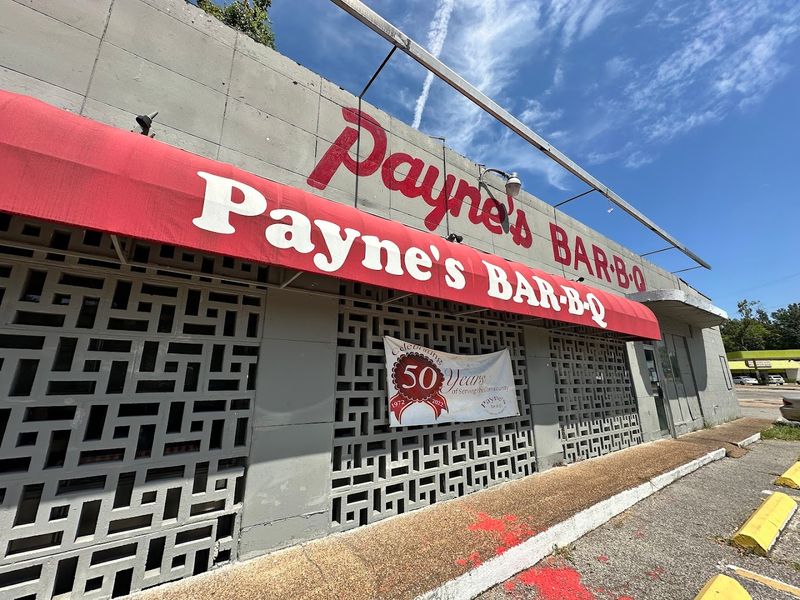
Payne’s Bar-B-Que did not become a Tennessee barbecue institution by chasing hype. It got there through repetition, local trust, and a sandwich so distinctive that people still talk about it like a personal discovery.
In Memphis, that kind of long-term devotion means more than any splashy opening ever could.
The restaurant’s staying power is especially impressive because nothing about it relies on fashionable restaurant formulas. It is not selling ambiance, expansive menus, or polished nostalgia.
It is selling the same core promise that built its reputation in the first place: serious barbecue in a simple setting that refuses to overcomplicate itself.
That promise has carried Payne’s through changing tastes, changing neighborhoods, and changing expectations about what a famous restaurant is supposed to look like. Plenty of places become popular.
Far fewer become part of the state’s food identity while staying so visibly rooted in their original character.
What keeps Payne’s in that conversation is not perfection in every single review. It is recognizability.
People know what Payne’s stands for: chopped pork, mustard slaw, smoky meat, early lunch hours, family-run warmth, and a building that tells you instantly this place was not built in a boardroom.
Institutions are often created by repetition of experience rather than one dramatic moment. At Payne’s, thousands of lunches have done the work.
A traveler turns in off Lamar on a whim. A local drives across town for a jumbo sandwich.
A former Memphian comes back years later and heads straight here. That is how legend accumulates.
There is also a broader Tennessee angle worth noticing. While Memphis has many famous barbecue names, Payne’s represents the rougher-edged, deeply local side of that tradition, the version that feels inseparable from place.
It reminds you that great regional food is not always polished. Sometimes it is direct, messy, and unforgettable.
That is why Payne’s endures. Not because it changed with every trend, but because it stayed itself long enough for the rest of us to recognize that authenticity when we taste it.
In Tennessee barbecue, that kind of commitment is institution-level power.
Share this story