Indiana is home to plenty of scenic nature preserves, but few offer an experience quite like Mary Gray Bird Sanctuary. Located near Connersville, this peaceful retreat attracts bird lovers, photographers, and nature enthusiasts with its diverse habitats, including woodlands, prairies, wetlands, and tranquil ponds.
During hummingbird season, visitors have the rare opportunity to observe these tiny, fast-moving birds up close as they dart among feeders and native plants. The sanctuary’s quiet trails and rich wildlife make every visit feel like a discovery. For anyone seeking a unique outdoor adventure in Indiana, this hidden gem is well worth exploring.
The Barn, the Ponds, and the Instant Reset
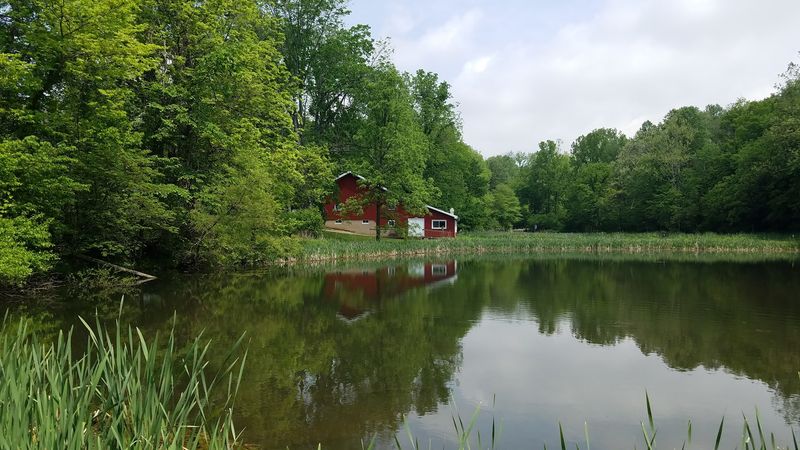
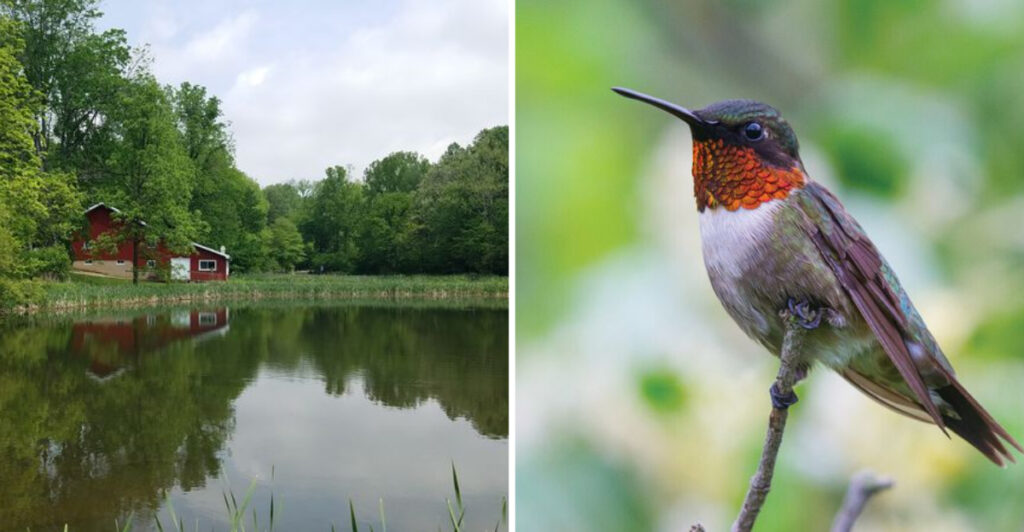
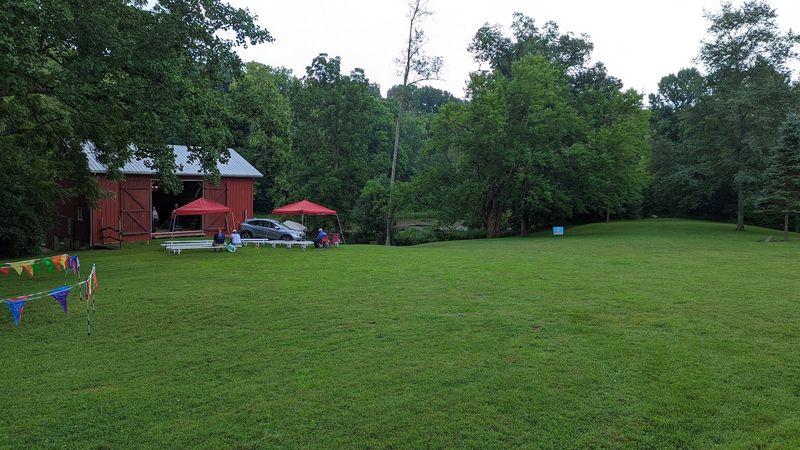
The approach to Mary Gray Bird Sanctuary does not build drama with flashy signage or oversized gates. Instead, you pull in and the scene settles into place with a handsome barn, open sky, and ponds that soften the whole landscape immediately.
That first view explains the sanctuary better than any brochure could, because it introduces the place as working land shaped into a calm, walkable refuge rather than a manicured park trying too hard to impress.
The visual balance matters once your pace slows. Water sits near the entrance, trees frame the edges, and the barn gives the property a strong rural anchor, so you understand right away that this is southeastern Indiana, not an abstract conservation space dropped anywhere.
The grounds read clearly, which helps if you are visiting with kids, carrying binoculars, or simply hoping for a low-stress start before choosing a trail.
There is also a practical quality to this opening stretch that makes the sanctuary easy to like. Parking is straightforward, the setting is open enough to feel comfortable, and the transition from car to trail happens without confusion.
Instead of spending the first ten minutes trying to decode where to go, you can notice wind over the pond, the chatter of smaller birds, and the way the property invites wandering without feeling chaotic.
That combination of order and softness is a strong introduction to everything that follows deeper in. Mary Gray is scenic, but it is also legible, which is not always true at nature preserves with larger trail systems.
Before the hummingbirds, prairie blooms, and shaded paths ever enter the story, the sanctuary wins you over with a simple but effective opening image: barn, water, sky, and room to breathe.
Where the Hummingbird Action Gets Real
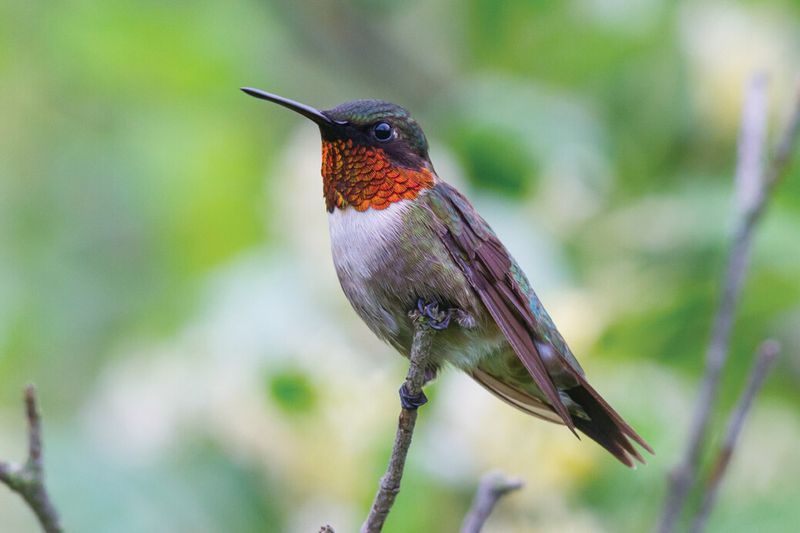
The headline attraction here is easy to understand once hummingbird season is active. This sanctuary is closely associated with hummingbird observation and education, and that gives the experience a level of focus you do not get at a typical trail-only preserve.
Instead of hoping for a random wildlife sighting somewhere in the woods, you arrive knowing that tiny, fast, glittering birds may be the center of the day.
That changes how you watch. Hummingbirds are so quick that every pause becomes dramatic, whether one hovers at a feeder, zips past eye level, or flashes green in a patch of light before vanishing again.
If activity is strong, the whole space gains a lively tension, because your attention keeps snapping from one darting movement to the next and then back to the flowers, branches, and perches where another bird might appear.
Mary Gray stands out because the hummingbird draw is not treated like a gimmick. It fits the sanctuary setting, the educational mission, and the wider birding culture around the property.
References to hummingbird banding and talks have helped build that reputation, giving the place a specific identity that goes beyond being a pleasant nature stop and turns it into a destination for people who want to understand what they are seeing, not just admire it for a few seconds.
If you are used to hummingbirds appearing one at a time in a backyard, the scale here can feel startling. Multiple birds moving through one area create a completely different rhythm, more chase and flash than still-life beauty.
At Mary Gray, the reward is not only proximity. It is the chance to watch speed, territorial drama, and precision unfold at eye level in a place designed for paying attention.
Indiana Trails That Keep Changing the Scenery
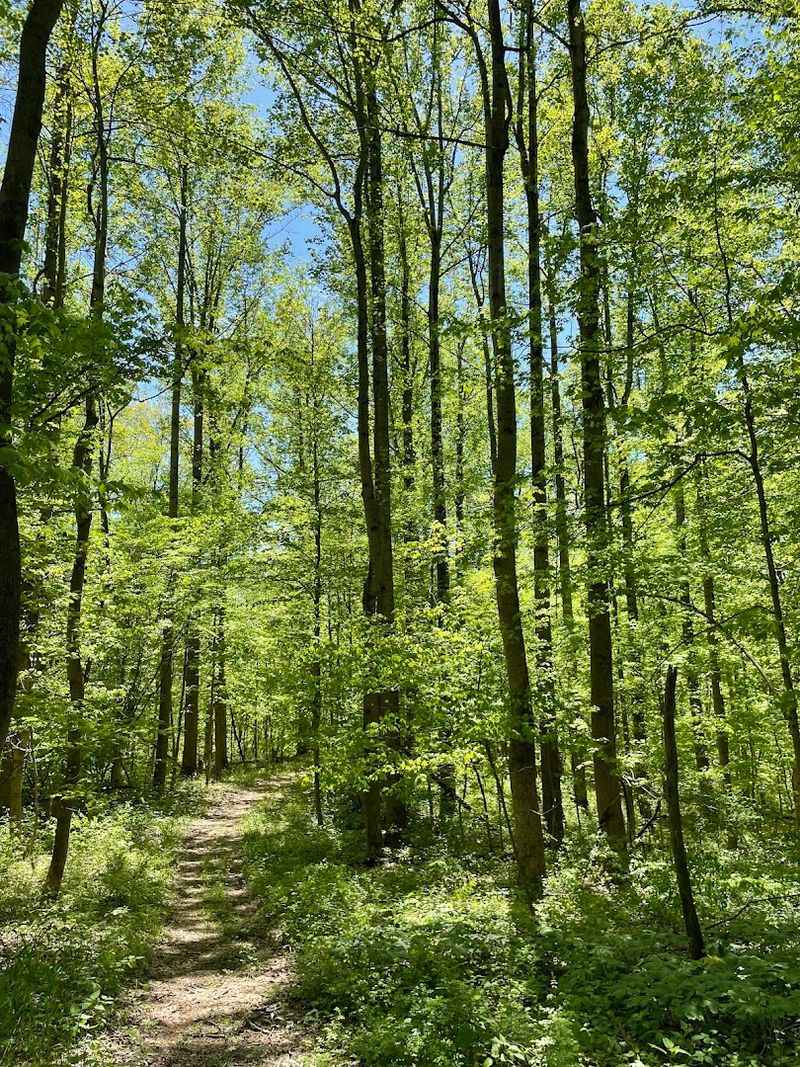
Once you move beyond the entrance area, Mary Gray Bird Sanctuary starts revealing a bigger personality. The trail system is one of the preserve’s quiet strengths, with enough variety to keep a walk from turning into a single-note loop through one habitat.
You are not locked into only woods or only open ground, which means the scenery shifts often enough to keep your eyes engaged even when bird activity temporarily goes quiet.
Well-marked trails matter more than they sound like they should, especially at a sanctuary where the point is observation rather than athletic challenge. Here, the walkable layout makes it easier to notice details instead of worrying about route finding every few minutes.
That translates into a better nature experience, because you can spend time scanning pond edges, listening for calls overhead, or checking the prairies for butterflies and seasonal color.
The habitat changes are the real hook. Sections of woods bring shade, filtered light, and the muffled feeling that slows your steps naturally, while more open stretches brighten the pace and widen the soundscape.
Near water and creekside areas, the preserve gains another texture altogether, with cooler air, denser vegetation, and the possibility of spotting movement in several layers at once, from insects and frogs to songbirds working the edges.
This variety also makes Mary Gray welcoming for mixed groups. One person can come for birds, another for a gentle hike, another for photographs, and nobody needs to force enthusiasm for a narrow activity.
The sanctuary gives each part of the landscape room to do its own job. Instead of one dramatic overlook carrying the whole visit, the property stays interesting by changing scale and mood as you move through Indiana woods, prairie, and water.
More Than Birds: Prairie Color, Butterflies, and Small Surprises
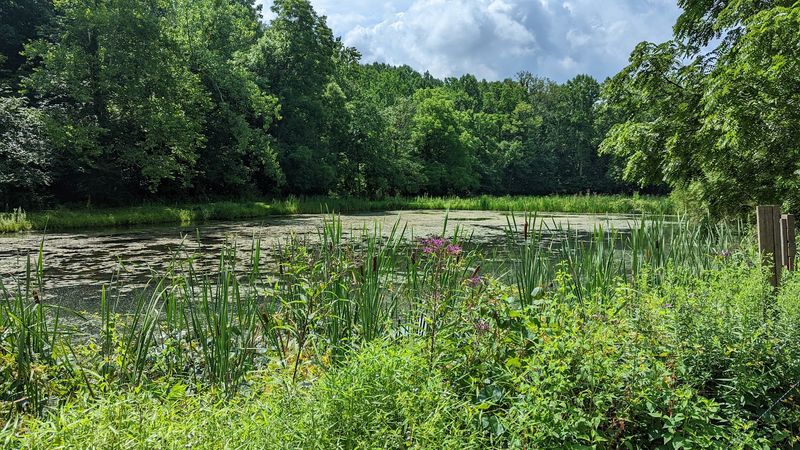
It would be easy to show up at Mary Gray Bird Sanctuary focused only on birds and miss half the appeal. The preserve also works as a strong wildflower and butterfly landscape, especially in warmer months when the prairies start pulling color into the scene.
Instead of one polished garden area, you get a looser, more natural display where flowers, grasses, insects, and birds all seem to be sharing the same stage.
That matters because the best moments here are often layered. A hummingbird can zip across your line of sight while butterflies drift low over blooming plants and larger songbirds call from nearby trees.
The sanctuary rewards broad attention, not tunnel vision, and that creates a richer outing for anyone who likes nature without needing a strict checklist.
You can come looking for one thing and still end up absorbed by movement happening much closer to the ground.
Prairie sections also widen the preserve emotionally and visually. Woods can feel intimate and enclosed, but open habitat adds brightness, long views, and a sense of air moving freely through the property.
In summer, when sunlight catches seed heads and flowers attract insects from every direction, these areas become some of the most animated corners of the sanctuary without ever becoming noisy or overproduced.
Even the quieter details help. You may notice a dragonfly patrolling near water, a sudden flicker of yellow in the grass, or the contrast between tidy trails and intentionally wild edges.
Mary Gray succeeds because it does not isolate nature into separate exhibits. Birds are the headline, yes, but the supporting cast is excellent, and the preserve becomes more interesting once you let the day expand beyond feeders and treetops into the prairies, pollinators, and small flashes underfoot.
A Fayette County Constant With Deep Local Roots

Some places become part of local life so thoroughly that they stop needing introductions. Mary Gray Bird Sanctuary has that kind of standing in Fayette County, where it functions not only as a preserve but also as a familiar backdrop for walks, school-aged exploration, seasonal events, and family return visits over many years.
That long relationship gives the property a steadier identity than trendier destinations built around novelty. You can sense that continuity in the way the sanctuary is described and used.
It is somewhere grandparents bring grandchildren, somewhere adults revisit after first knowing it as kids, somewhere community events can happen without overwhelming the landscape itself.
The place carries a civic role while still remaining quiet, which is not an easy balance for a publicly accessible nature area to maintain.
The educational side strengthens that connection. Bird-focused programs, nature gatherings, and interpretation around wildlife turn a casual outing into a chance to understand local habitat more clearly.
Even if you arrive only planning a walk, the sanctuary’s structure suggests a larger mission: protecting a healthy space while teaching people how to pay attention to it. That is a different feeling from parks that are mainly built for recreation first and conservation second.
Mary Gray’s local importance also explains why the preserve feels cared for rather than neglected. Clean restrooms, maintained trails, open picnic areas, and visible stewardship signal an organization and community that treat the place as ongoing work, not leftover land.
For an outsider, that translates into a more confident visit. For nearby residents, it helps explain why this sanctuary keeps resurfacing across generations as a dependable outdoor constant instead of a one-time curiosity on the edge of Connersville.
How to Time Your Visit for the Best Experience
Mary Gray Bird Sanctuary is open daily from early morning until evening, and that generous window gives you options. Still, timing changes the experience more than many first-time visitors expect.
If your priority is birds, cooler hours near the beginning or end of the day usually make the preserve feel more active, while midday can shift attention toward the walk itself, the landscape, and slower observation around ponds, prairie, and shaded sections.
Light matters too. Early sun brings softer color over the water and barn area, plus a quieter rhythm on the trails before the day fully wakes up.
Late afternoon can be equally rewarding, especially when open areas catch warm light and the preserve starts looking less flat and more textured. If photography is part of the plan, those edges of the day are likely to be more forgiving than bright noon conditions.
Seasonal timing shapes the visit just as strongly. Warmer months heighten the sanctuary’s reputation for hummingbird activity, butterflies, and flowering prairie, while other parts of the year lean more heavily on woodland walks, changing leaves, and general birding.
None of that means you need a rare migration day to enjoy Mary Gray. It simply helps to choose your expectations in advance, because the preserve can be lively, meditative, educational, or scenic depending on when you go.
A little preparation goes a long way here. Wear comfortable shoes, bring water, and plan for more walking than the calm setting might suggest at first glance.
A map is useful if you want to explore beyond the obvious paths, and a bit of patience will improve everything. This is not the kind of place that performs on command.
It rewards unhurried timing, alert eyes, and enough margin in your schedule to follow whatever part of the sanctuary becomes interesting next.
Why This Sanctuary Stands Out in a Crowded Outdoor State
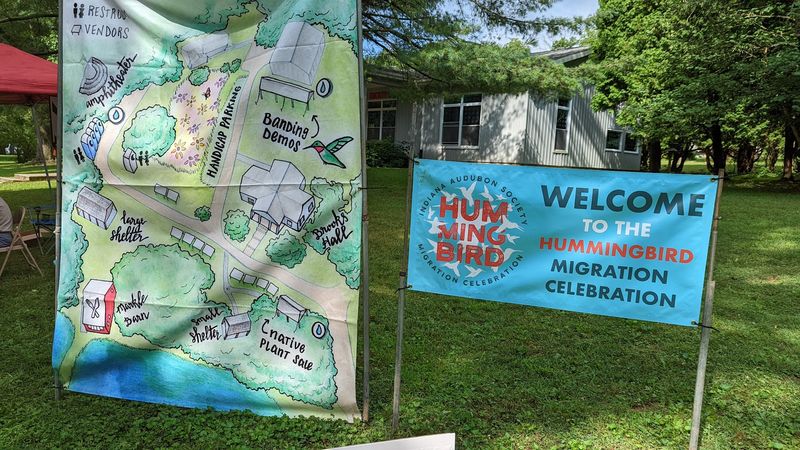
Indiana has no shortage of parks, trails, and quiet places to stretch your legs, so a preserve needs a clear identity to stand apart. Mary Gray Bird Sanctuary has one.
It pairs an easygoing, accessible landscape with a specialized bird focus, and that combination gives the property more character than many larger outdoor areas that offer bigger acreage but less specificity. You are not arriving for vague nature.
You are arriving for a place with a point of view. That point of view shows up in the scale of the experience. Nothing here requires a full-day expedition, extreme fitness, or elaborate planning, yet the sanctuary still delivers variety through ponds, trails, woods, prairie, and bird activity.
It is approachable without being bland. Families, casual walkers, local regulars, and serious birders can share the same space without getting in each other’s way, which is a harder trick than it sounds.
The preserve also avoids the polished sameness that can flatten many public green spaces. The barn adds visual identity, the habitat shifts keep the walk moving, and the hummingbird connection gives the place an unusual hook that is instantly understandable.
Even if you have visited other Indiana nature preserves, Mary Gray does not blur into them. It reads as a specific landscape with its own rhythm, not a substitute for somewhere bigger or more famous.
That is ultimately why this sanctuary earns attention beyond Fayette County. It offers real texture, not just open space, and it does so in a way that remains welcoming rather than intimidating.
If you want an outdoor stop where tiny birds can steal the entire show, where trails are manageable, and where the setting still carries local character, Mary Gray Bird Sanctuary is the rare place that delivers all three at once.
Share this story