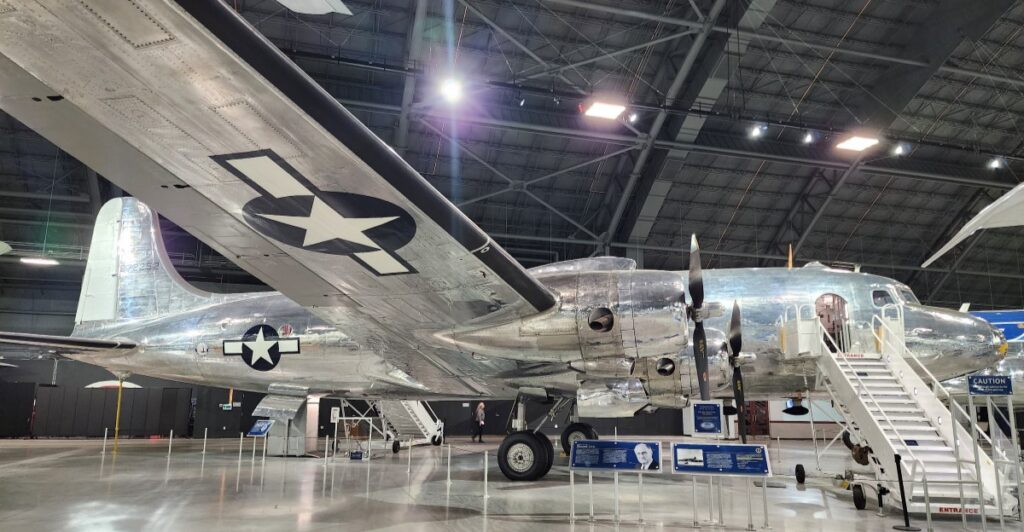
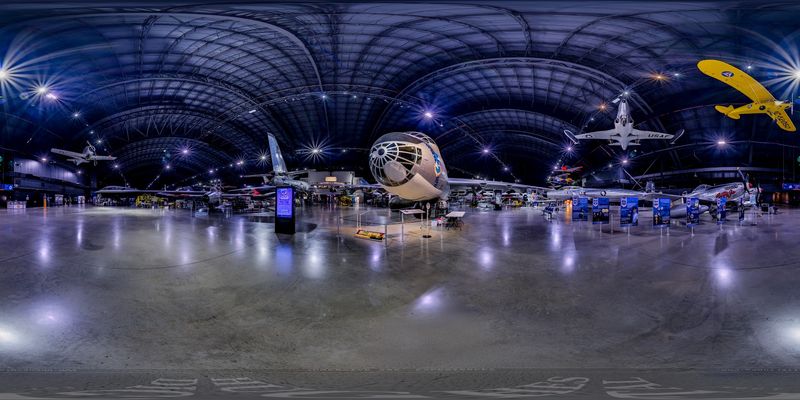
Imagine standing directly beneath a massive World War II bomber or looking up at an actual space capsule that once orbited Earth. At the National Museum of the U.S.
Air Force in Dayton, Ohio, that experience is completely real and completely free. Spread across four enormous hangars at Wright-Patterson Air Force Base, this museum holds over 360 aircraft and spacecraft, making it one of the largest aviation museums in the entire world.
Whether you are a history buff, a curious kid, or just someone who loves jaw-dropping sights, this place will leave you speechless.
1. Walking Beneath the Mighty World War II Bombers
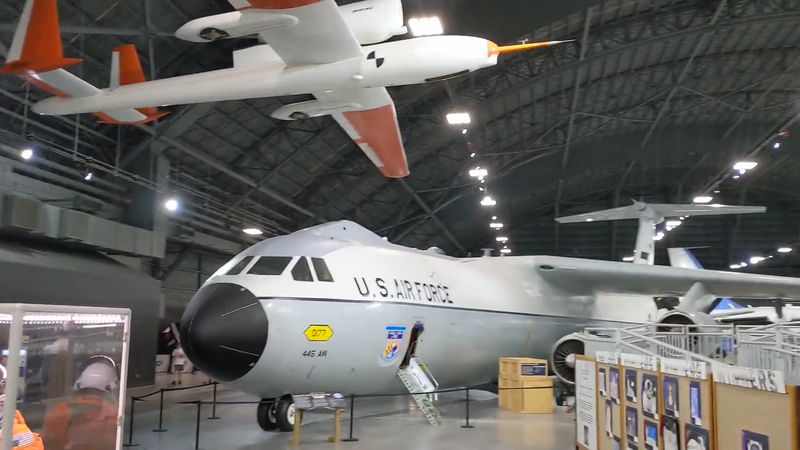
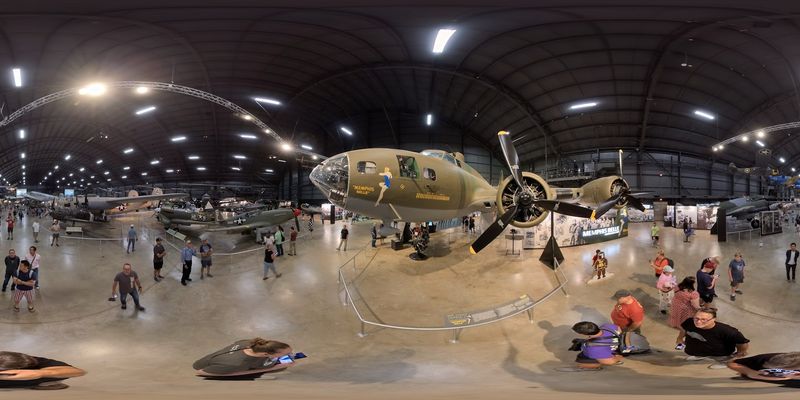
Few moments in a museum visit compare to the feeling of standing directly under a B-17 Flying Fortress. At the National Museum of the U.S.
Air Force, you can do exactly that with some of the most legendary aircraft in American military history, including the famous Memphis Belle.
The Memphis Belle was one of the first B-17 crews to complete 25 combat missions over Europe during World War II. Seeing the actual plane up close makes that story feel real in a way that no textbook ever could.
The sheer size of these bombers is genuinely surprising.
Also on display is the B-29 Bockscar, the aircraft that dropped the second atomic bomb on Nagasaki in 1945. Visitors often spend a long time just absorbing what they are looking at.
Plan extra time here because this gallery alone could fill an entire afternoon.
2. Getting Up Close to Real Space Capsules
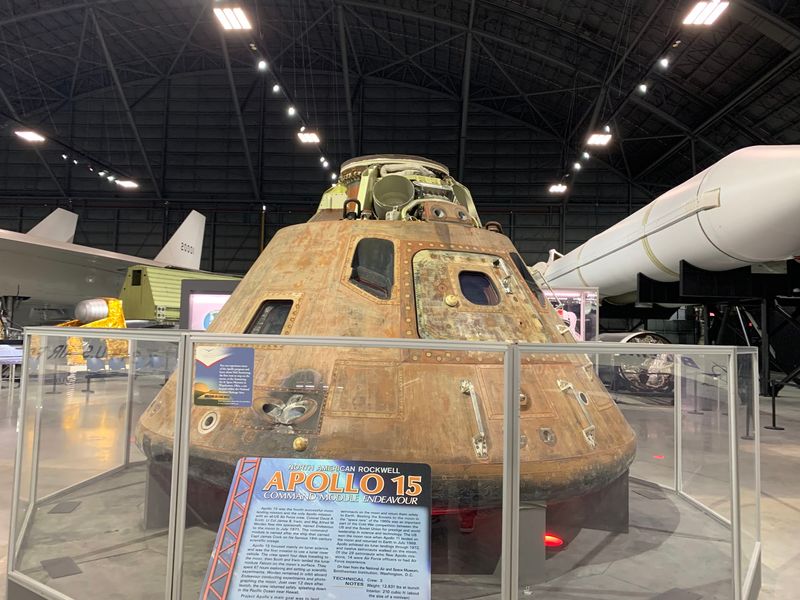
Space exploration and military aviation have always shared a close connection, and the museum makes that relationship crystal clear. Inside the Space Gallery, visitors encounter actual spacecraft including the Gemini B capsule and other vehicles that were part of America’s push beyond the atmosphere.
Seeing a real space capsule in person hits differently than watching a documentary. These machines are surprisingly small, and knowing that astronauts squeezed inside them for days at a time makes the experience both humbling and thrilling.
The gallery explains how Air Force technology helped make space travel possible.
Detailed placards give you all the context you need without overwhelming you with jargon. Kids especially love this section because space still sparks the kind of wide-eyed wonder that no screen can fully capture.
If you have young ones in tow, budget extra time here so everyone gets to soak it in fully.
3. The Presidential Aircraft Gallery – Flying in History’s Footsteps
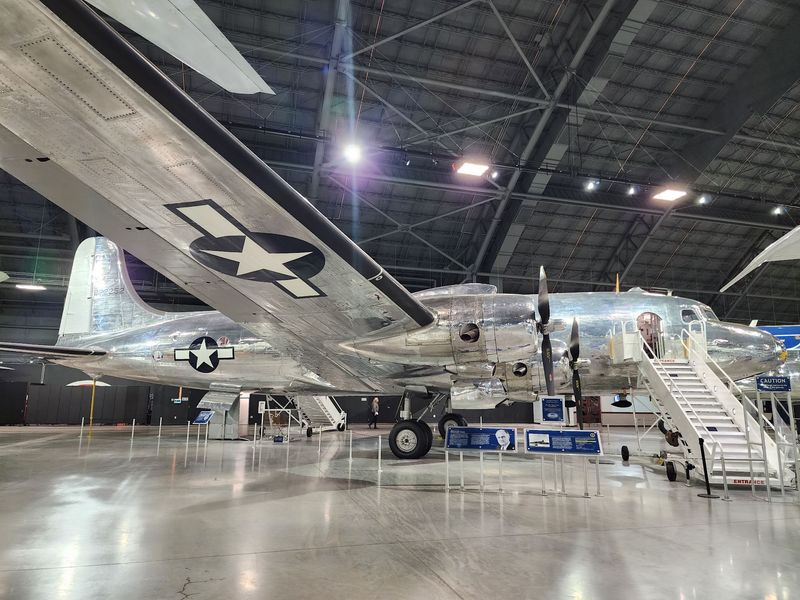
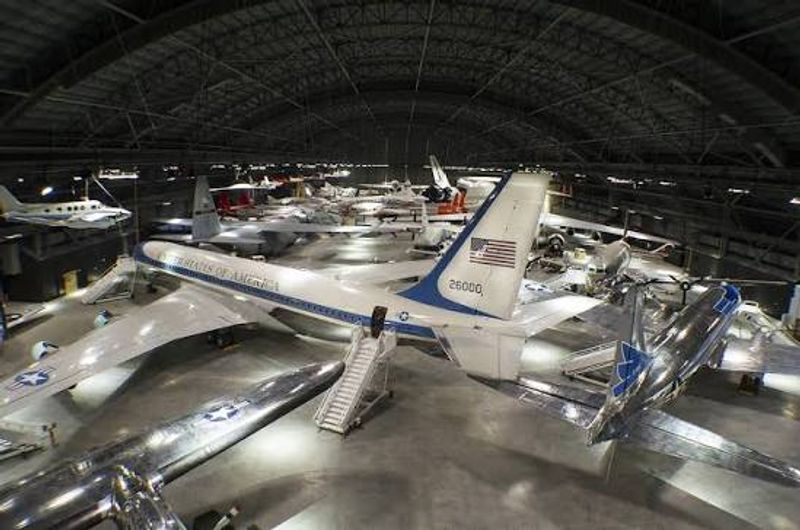
Not many places let you walk through the same airplane that carried President Franklin D. Roosevelt, President Eisenhower, or President Kennedy.
The Presidential Aircraft Gallery at this Dayton museum is genuinely one of a kind, and visitors consistently call it a highlight of their entire trip.
You can step aboard several presidential planes and see the actual cabins, communications equipment, and furnishings that world leaders used during some of history’s most critical moments. Standing in the same space where major decisions were made gives you a quiet, almost electric feeling.
It is history you can physically touch.
The guided tours offered in this hangar are free and add enormous depth to what you see. Tour guide Chris, mentioned by multiple visitors, is especially praised for his knowledge and engaging storytelling.
Even if you are not a big history fan, the personal stories attached to these planes will pull you right in.
4. Free Admission Makes This Museum Accessible to Everyone
Here is something that genuinely surprises most first-time visitors: admission is completely free. Parking is also free.
For a museum of this caliber and size, that fact alone is remarkable. Families, school groups, solo travelers, and retirees all show up knowing their wallets will stay safely in their pockets.
Some optional paid experiences exist, like VR rides and the theater films, which can add up if you choose them all. But the core museum experience, including all four hangars packed with real aircraft, costs absolutely nothing.
That openness is part of what gives the place such a warm, welcoming atmosphere.
Donations are encouraged and genuinely appreciated by the staff and volunteers who keep the museum running at such a high level. Many visitors happily drop something in the donation box after realizing just how exceptional the experience is.
A paper map is available in exchange for a small donation, which makes navigating the massive space much easier.
5. Interactive Exhibits That Make Learning Actually Fun
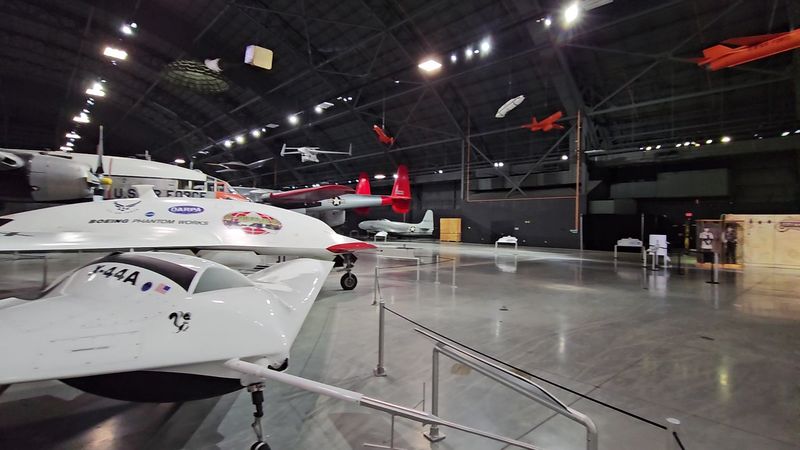
Plenty of museums ask you to look but not touch. This one takes a different approach.
Scattered throughout the galleries are interactive stations where visitors can test their knowledge with quizzes, try landing simulators, and even sit in mock cockpits to get a feel for what it is like to fly a military aircraft.
Kids light up at these stations, but adults enjoy them just as much. There is something deeply satisfying about gripping a real-feeling control stick and trying to keep a virtual plane level.
The simulators are intuitive enough for beginners but still offer a genuine challenge.
Some interactive exhibits were noted by visitors as occasionally out of service, so do not build your entire visit around one specific activity. The overall interactive experience is still impressive and adds a playful energy to what could otherwise feel like a purely academic outing.
Plan to explore with an open, curious mindset and you will have a fantastic time.
6. The SR-71 Blackbird – The Fastest Plane You Will Ever See in Person
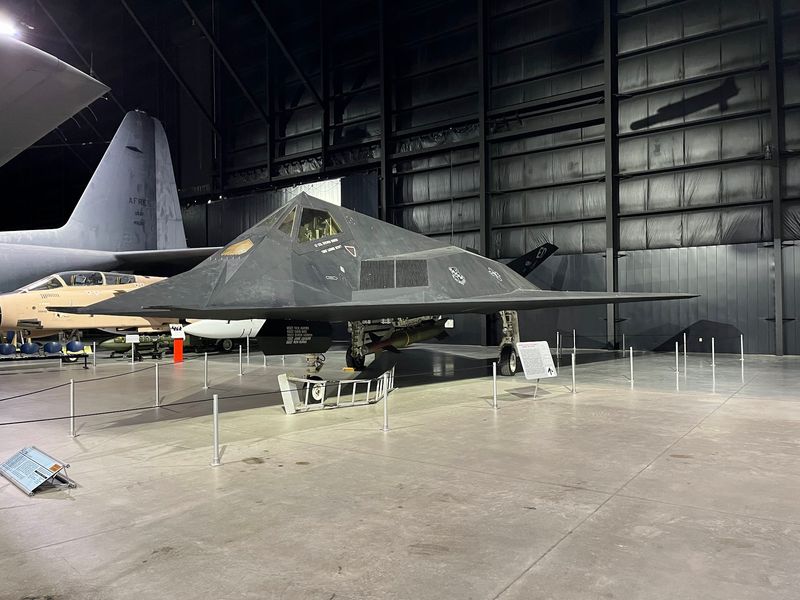
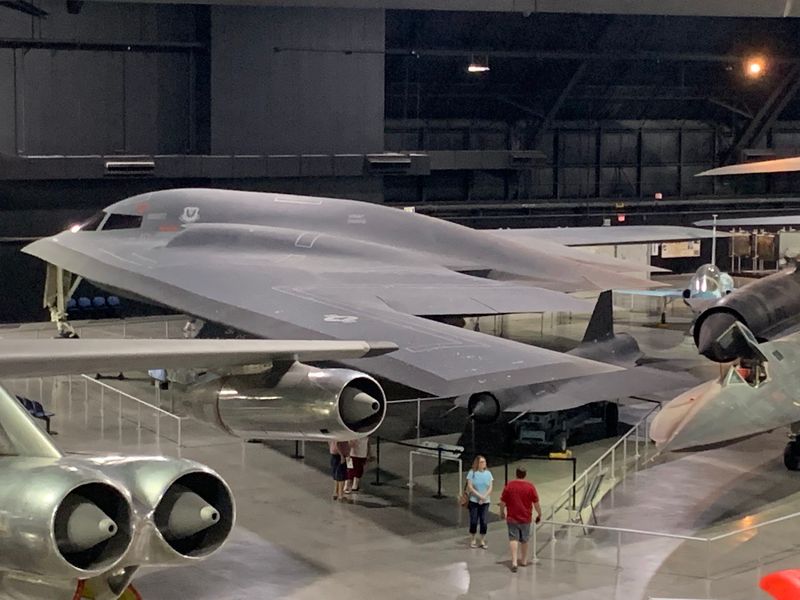
Seeing the SR-71 Blackbird in photographs does not prepare you for how otherworldly it looks in real life. The museum actually has two of these legendary reconnaissance aircraft on display, which is a rare treat since fewer than 30 were ever built.
The plane looks less like something from the 1960s and more like a prop from a science fiction movie.
The SR-71 could fly faster than a rifle bullet and at altitudes where the sky begins to turn black. It was used to gather intelligence during some of the Cold War’s tensest moments, and no enemy missile ever successfully shot one down.
That kind of track record earns serious respect.
Standing beside it, you notice how long and low-slung the fuselage is, almost predatory in shape. Aviation enthusiasts often describe this as a highlight of their entire visit.
Bring a camera because the photos you take here will be ones you show people for years.
7. Chronological Layout Makes the History Easy to Follow
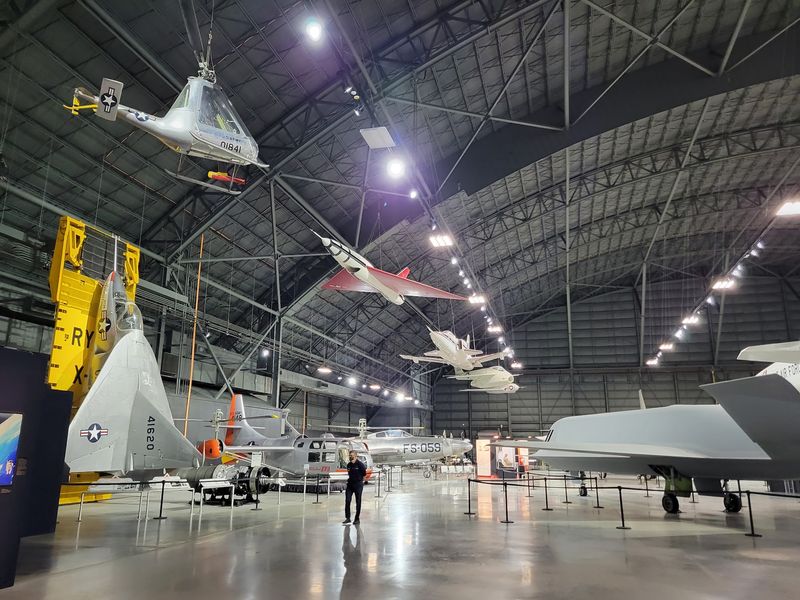
One of the smartest things about this museum is how it is organized. Rather than grouping planes randomly, the layout walks you through aviation history in chronological order.
You start near the earliest days of flight, pass through the World Wars, move into the jet age, and eventually reach modern military aircraft and space exploration.
That flow makes the history feel like a story rather than a collection of objects. You can see how each era of technology built on the one before it, which gives the whole experience a satisfying sense of progression.
Even visitors who know very little about aviation find themselves genuinely caught up in the narrative.
The museum recommends setting aside at least four to five hours, and many visitors report needing a second trip to see everything properly. Going at your own pace is easy because the layout is intuitive and well-signed throughout.
Comfortable shoes are a must because there is a lot of wonderful ground to cover.
8. Accessibility Features That Welcome Every Visitor
A museum this large could easily feel overwhelming or exhausting for visitors with mobility challenges, but the National Museum of the U.S. Air Force has thought carefully about accessibility.
Free electric scooters are available at the entrance, and multiple reviewers noted that at least 20 were visible and ready to use even during busy visits.
Wheelchairs and strollers are also available, and the wide, smooth pathways throughout the hangars make getting around genuinely comfortable. A recent addition that visitors have praised warmly is the inclusion of braille signage and small tactile models of aircraft for blind and visually impaired guests.
Private nursing stations for new mothers are also available on-site, which shows just how thoughtfully the museum approaches the needs of every guest. Families with young children, seniors, and visitors with disabilities all report feeling genuinely welcome here.
That kind of inclusive design makes a big museum feel like a place built for absolutely everyone.
9. The Cafe, Gift Shop, and Practical Tips for Your Visit
Spending a full day at the museum means you will need to refuel at some point, and the on-site cafe handles that job well. The cafe overlooks the museum floor, which means you can eat lunch while gazing at actual military aircraft.
Prices are described by visitors as reasonable, and the food options are kid-friendly enough to keep younger travelers happy.
Packing your own lunch is also allowed, and outdoor picnic tables are available for nice weather days. That flexibility is a nice touch that helps families manage costs without sacrificing comfort.
The gift shop is a genuine destination in itself, with reviewers recommending a solid 30 to 45 minutes to browse properly.
The museum is open daily from 9 AM to 5 PM and is located at 1100 Spaatz Street in Dayton, Ohio. You can reach them at 937-255-3286 or visit nationalmuseum.af.mil for more details before your trip.
10. Free Guided Tours That Turn Looking Into Learning
Looking at a legendary aircraft is one thing. Understanding the story behind it is something else entirely.
The free guided tours offered throughout the museum transform a good visit into an unforgettable one, and they require no reservations or extra fees to join.
Knowledgeable volunteers lead groups through each hangar, sharing details that go far beyond what the placards say. Many of these guides have personal connections to aviation, and that lived experience comes through in every story they tell.
One reviewer described their guide as someone who clearly had a flying career, and that expertise made the tour feel genuinely special.
Multiple visitors strongly recommend taking a tour even if you have visited before, noting that they learned dramatically more the second time around. The tours run throughout the day, so you can simply show up, find a group, and join in.
It is the kind of enriching experience that stays with you long after you leave Dayton.
Share this story