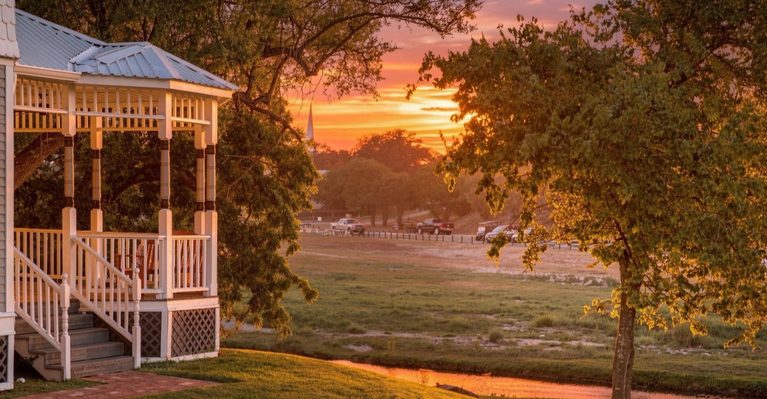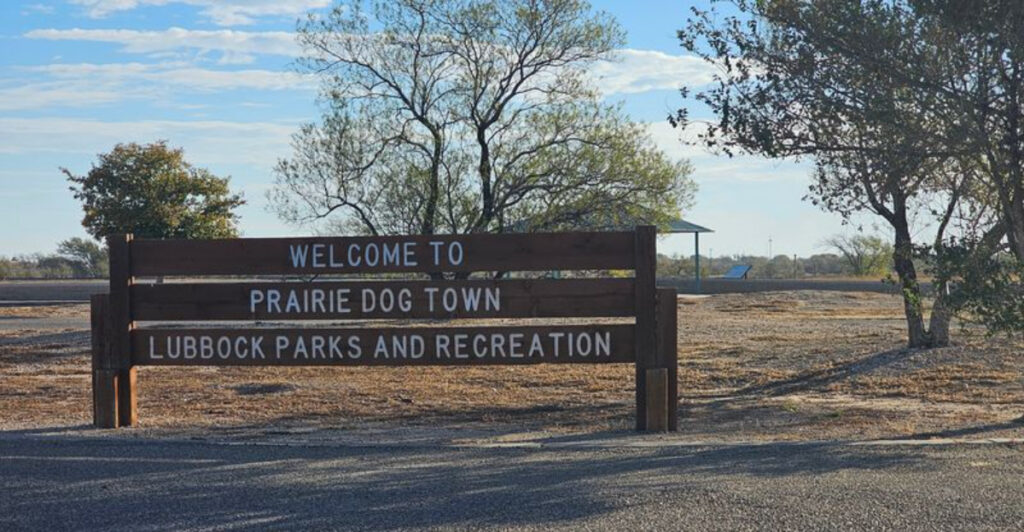
In Lubbock’s Mackenzie Park, Prairie Dog Town gives you something most wildlife parks can’t: close-up encounters with adorable prairie dogs. Since 1935, this quirky attraction has delighted visitors who come to see these furry critters pop out of their burrows, stand on their hind legs, and chatter to each other like they’re gossiping about the humans watching them. Whether you’re passing through West Texas or you’re a local looking for a fun, free activity, this spot delivers pure entertainment without costing you a dime.
1. They’re Literally Everywhere You Look
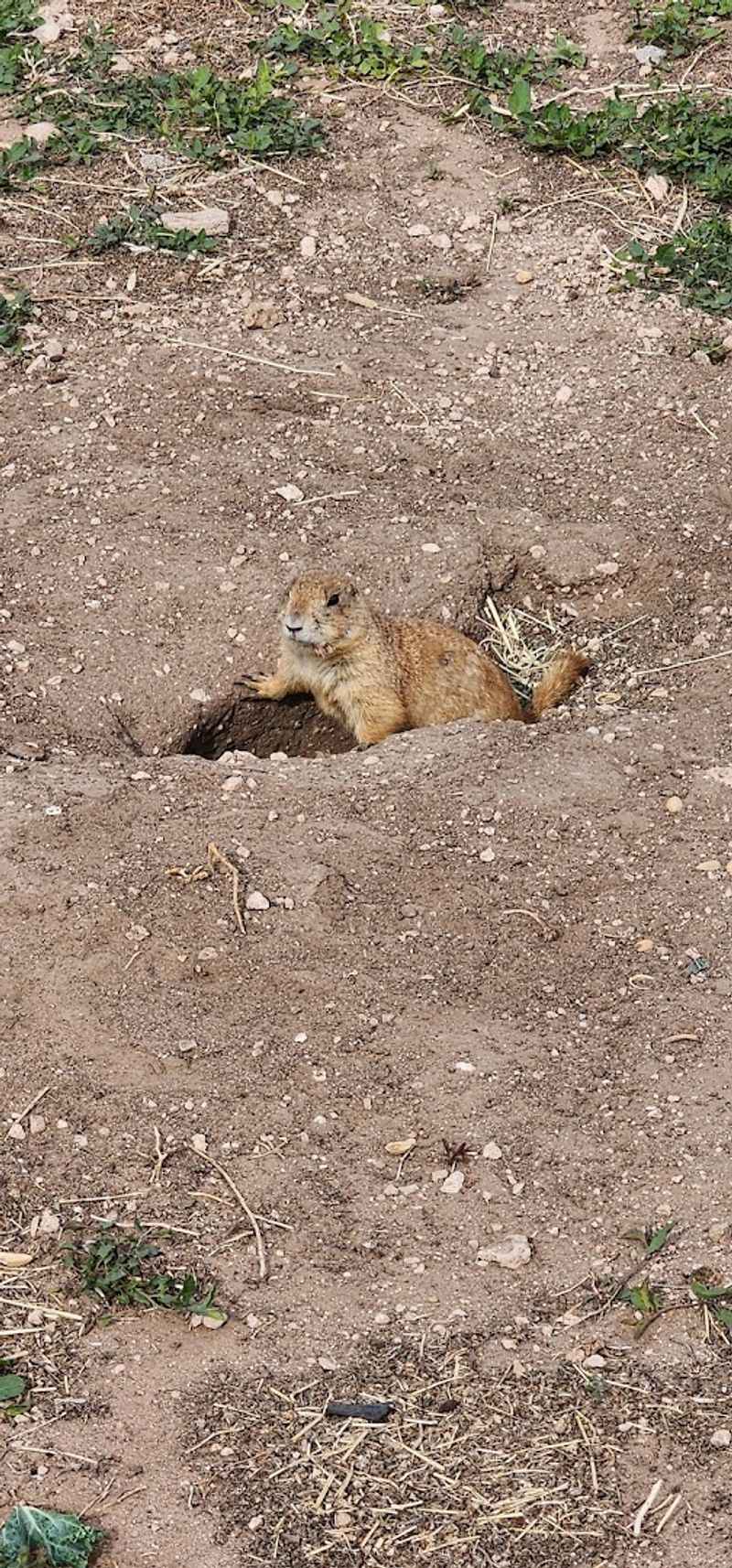
Walk into Prairie Dog Town and you’ll immediately notice movement all around you. These aren’t shy creatures hiding in the distance. Prairie dogs have claimed this entire section of Mackenzie Park as their kingdom, and they’re not apologizing for it.
Dozens of burrow openings dot the landscape, and at any given moment, furry heads pop up to check out what’s happening above ground. Some stand perfectly still on their hind legs like tiny sentinels. Others scurry between holes, chirping warnings or greetings to their neighbors.
The colony doesn’t limit itself to the designated viewing area either. Reviews mention spotting them throughout the surrounding park and even in nearby neighborhoods. They’ve essentially taken over, creating an underground city that stretches far beyond what you’d expect.
Bring your camera with good zoom capabilities because you’ll want to capture their hilarious expressions and poses. Early morning or late afternoon provides the best lighting for photos. The prairie dogs are most active during cooler parts of the day, so you’ll see more action then.
What makes this experience special is the sheer number of animals. You’re not squinting to spot one or two distant figures. You’re surrounded by an active, bustling community going about their daily business right in front of you.
2. Bring Carrots and Watch the Magic Happen
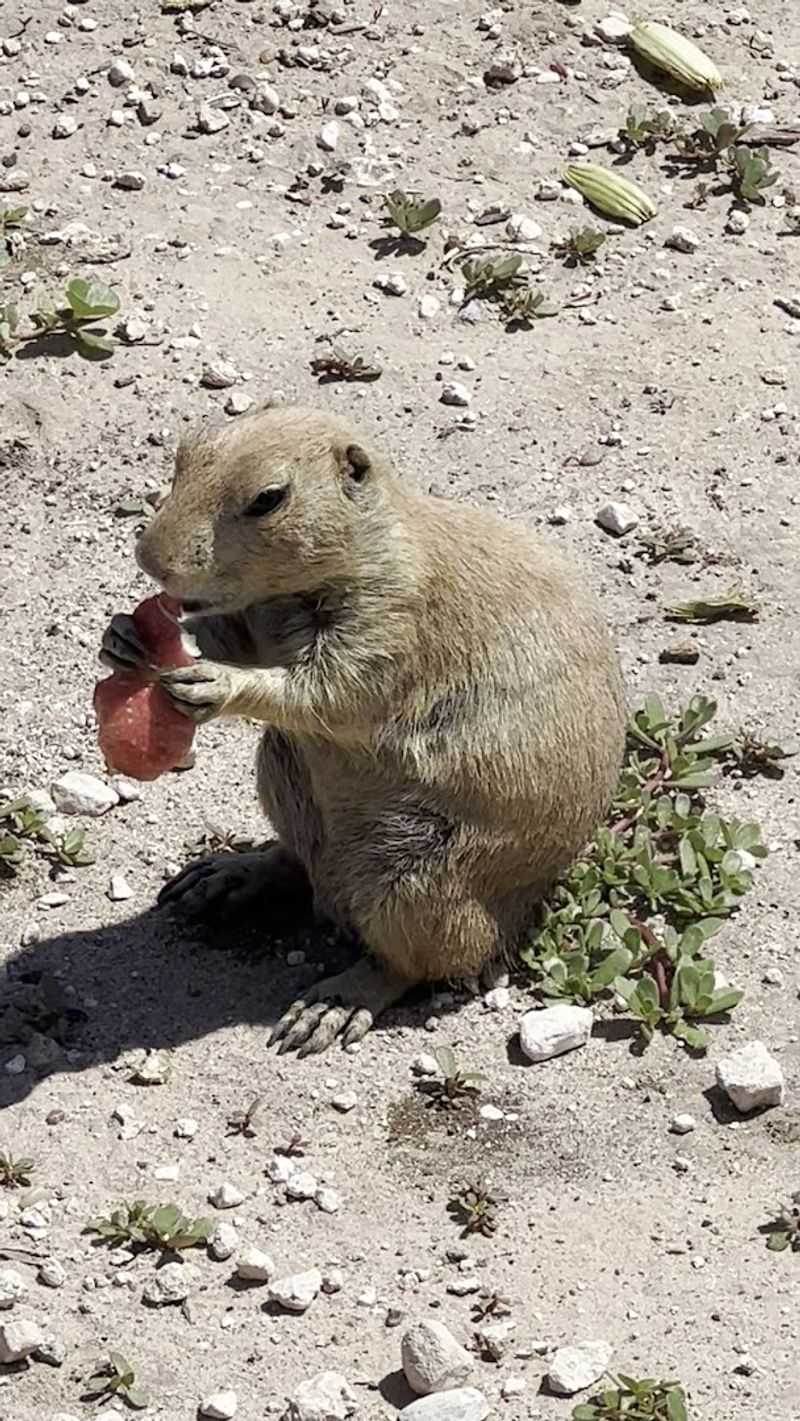
Here’s an insider secret that transforms a good visit into an unforgettable one: pack fresh vegetables before you go. Carrots top the list of prairie dog favorites, though they’ll happily munch on green leaf lettuce, corn on the cob, and other fresh veggies too.
Toss a carrot chunk near a burrow and watch what happens next. A curious prairie dog will cautiously approach, sniff the offering, then grab it with tiny front paws that work surprisingly like hands. They sit back on their haunches and nibble away, occasionally pausing to look around for potential thieves.
Multiple visitors report this as the highlight of their trip. The prairie dogs won’t eat from your hand, but they’ll come close enough for excellent photo opportunities. Kids absolutely love this interactive element, and it turns a simple observation into an engaging experience.
Stick to healthy options only. Some reviews mention people tossing potato chips and other junk food, which isn’t good for these wild animals. Timothy hay or alfalfa hay from pet stores also works well.
Avoid nuts despite one visitor’s pistachio success story, as they’re not ideal for prairie dog digestion.
Come prepared with a bag of pre-cut veggies, and you’ll have entertainment for the whole family. Just remember that during mating season from Halloween through Valentine’s Day, they’re less active and possibly grumpier about sharing space.
3. The Jump-Yip Display Will Make You Laugh
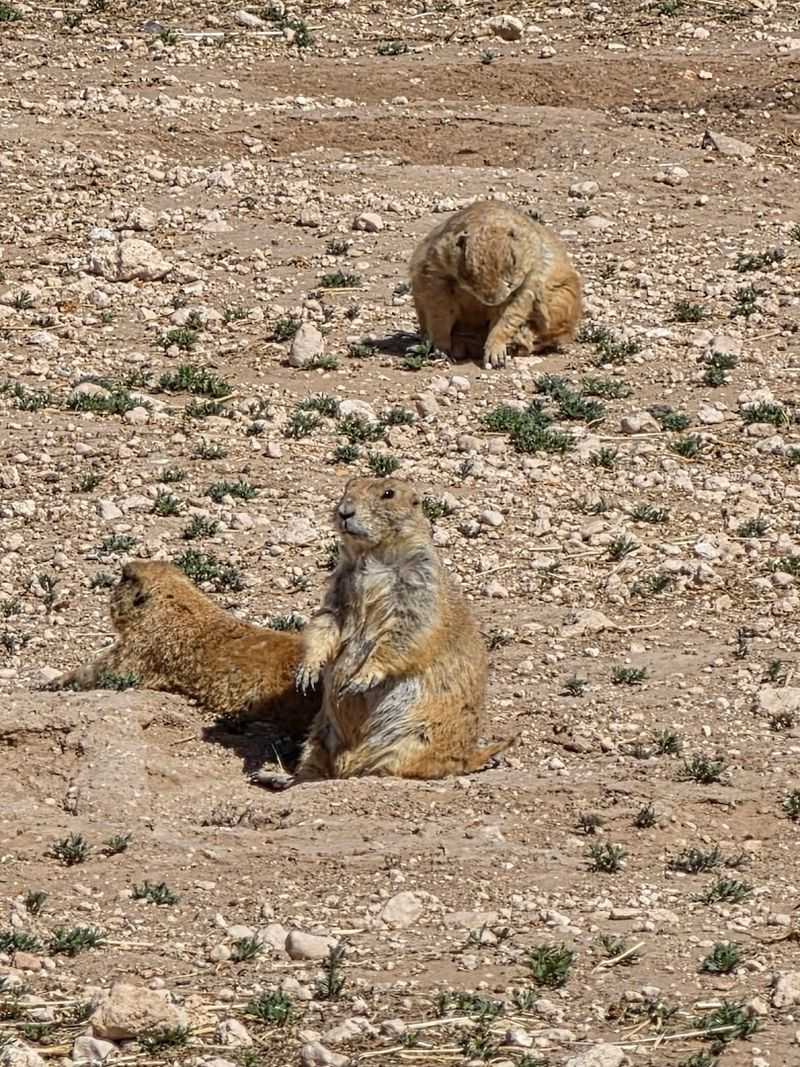
Prairie dogs have this absolutely hilarious behavior called the jump-yip, and if you’re lucky enough to witness it, you’ll understand why people could watch these animals for hours. One moment they’re calmly munching grass, and the next they’re throwing their front legs skyward while letting out a loud “yah-HOOOO” sound.
This isn’t random goofiness. The jump-yip serves as communication within their colony, often signaling that danger has passed or reinforcing territorial boundaries. What makes it entertaining for visitors is how contagious it becomes when one starts.
An experienced prairie dog rescuer shared a hack in the reviews: try coughing or sneezing near the colony. Sometimes this triggers a chain reaction where multiple prairie dogs respond with synchronized jump-yips. The whole coterie throws their paws up together like they’re doing the wave at a football game.
This behavior might happen less frequently at Prairie Dog Town simply because these animals see so many visitors daily. They’re somewhat desensitized to human presence. Still, patient observers who spend more than just fifteen minutes often get rewarded with at least one performance.
The jump-yip perfectly captures why this free attraction beats many paid zoos. You’re watching natural, unscripted animal behavior that’s both scientifically fascinating and genuinely funny. Bring your video camera because photos can’t capture the full comedy of this move.
4. Burrowing Owls Share the Neighborhood
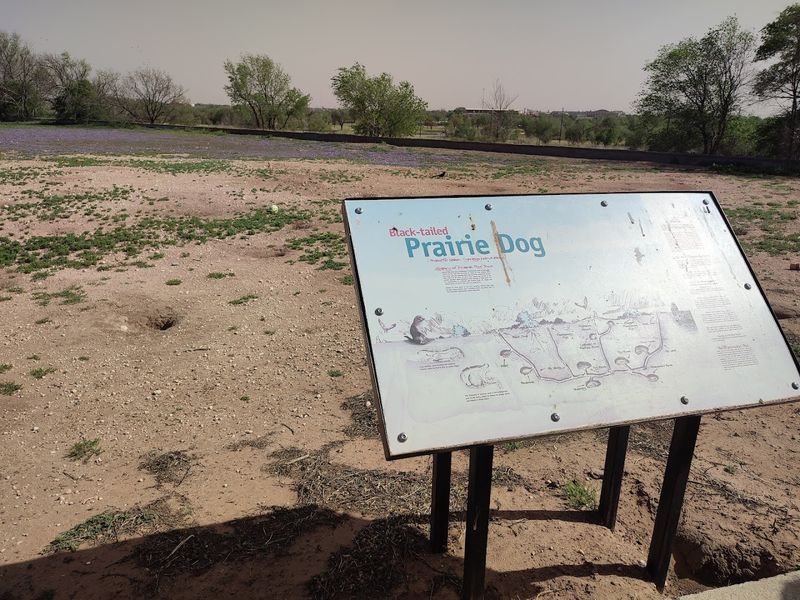
Keep your eyes scanning beyond just the prairie dogs because this park hosts another remarkable resident: burrowing owls. These pint-sized raptors actually live inside abandoned prairie dog tunnels, creating one of nature’s coolest roommate situations.
Burrowing owls stand about nine inches tall with long legs that look almost comical compared to their compact bodies. Unlike most owls, they’re active during the day, which means you’ve got excellent chances of spotting them during your visit. Look for them perched near burrow entrances or standing sentinel on small mounds.
Prairie dogs are considered ecosystem engineers precisely because their extensive tunnel systems support other species. The owls benefit from ready-made homes, while the prairie dogs gain extra sets of eyes watching for predators like hawks or coyotes. It’s a win-win arrangement that’s been working for thousands of years.
Several reviews specifically mention seeing these owls, so they’re definitely present and visible with a little patience. Bring binoculars if you have them, as the owls tend to maintain more distance from humans than the prairie dogs do. Their distinctive bobbing head motion helps with identification.
Reading the interpretive signage throughout the park will teach you more about this relationship. The educational component adds depth to what could otherwise be just a cute animal encounter, making it genuinely enriching for kids and adults alike.
5. It’s Free and Open Nearly All Day
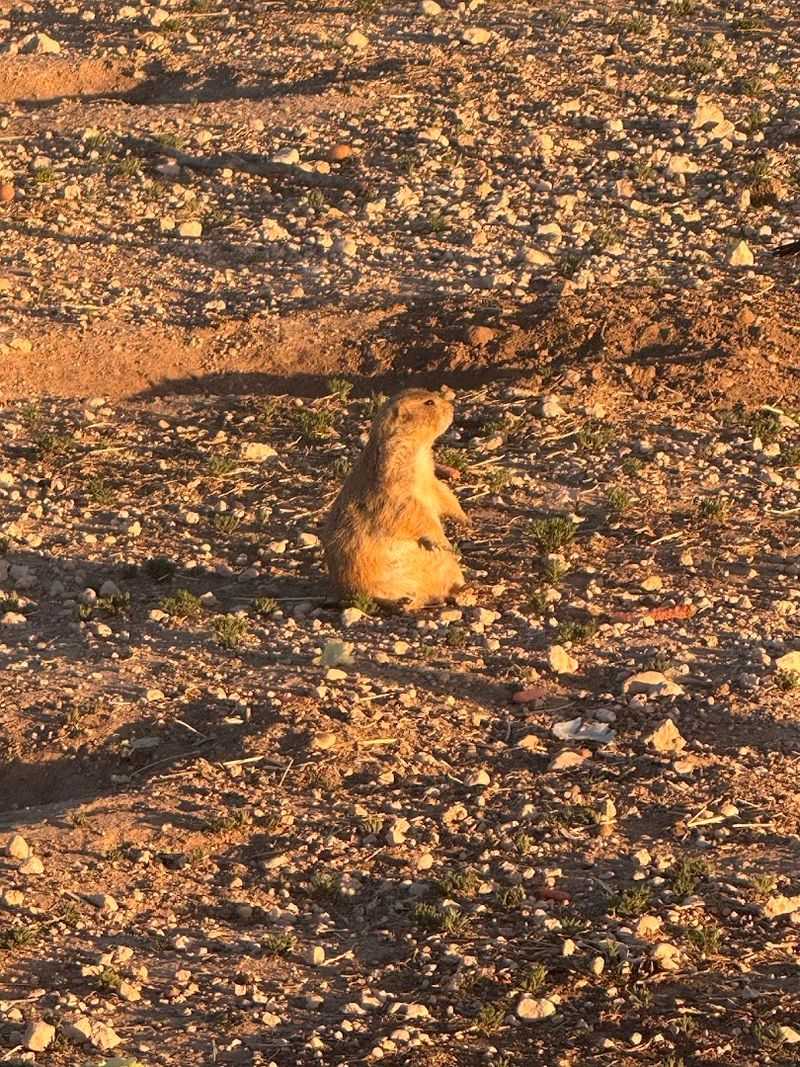
In an era where everything seems to cost money, Prairie Dog Town stands out as a genuinely free attraction that doesn’t skimp on the experience. No admission fees, no parking charges, no hidden costs. Just show up and enjoy.
The park opens at five in the morning and doesn’t close until midnight, giving you nearly twenty hours of access daily. Early birds can catch the prairie dogs during their most active morning hours. Sunset visitors get beautiful golden-hour lighting for photography while watching the colony settle down for evening.
This generous schedule makes Prairie Dog Town perfect for road-trippers who need to stretch their legs at odd hours. Driving through Lubbock at dawn? Stop by.
Arriving late evening? Still open. The flexibility removes all pressure to rearrange your travel plans.
Free admission also means you can visit multiple times without guilt. Locals mention stopping by regularly just to decompress and watch the animals. There’s something genuinely therapeutic about sitting on the grass and observing these busy little creatures go about their lives.
The only real cost is whatever vegetables you choose to bring for feeding. Even that’s optional, though highly recommended based on visitor feedback. A five-dollar bag of carrots from any grocery store will provide entertainment value that far exceeds what you’d pay at commercial attractions.
Pack a picnic, bring the family, and enjoy one of Lubbock’s most charming free offerings.
6. They’ll Come Within Feet of You
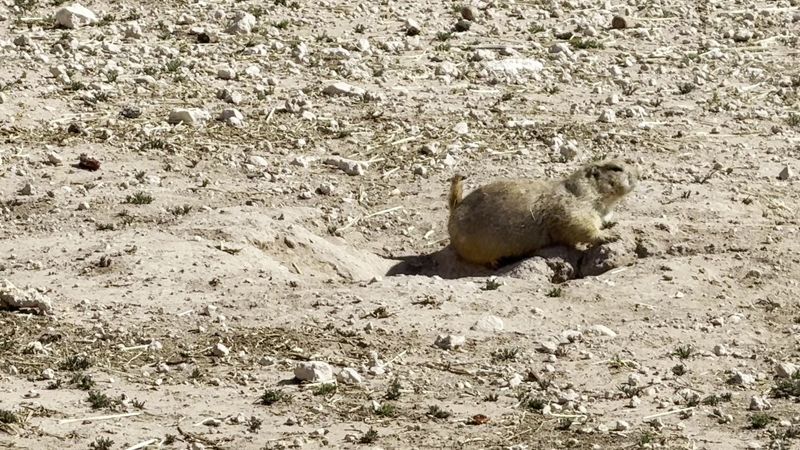
Forget those zoo experiences where you squint at animals barely visible across moats and behind triple barriers. At Prairie Dog Town, the only thing separating you from the colony is a short brick wall, and prairie dogs regularly cross even that boundary.
Stand still near the designated viewing area and prairie dogs will go about their business just feet away from your shoes. They’re wild animals, so they maintain some caution, but decades of positive human interaction have made them remarkably comfortable with visitors. You’ll get closer to wildlife here than at most expensive safari parks.
The brick wall serves more to protect the prairie dogs from overeager visitors than to keep the animals contained. Signs request that people stay behind it, which is completely reasonable. Even from that respectful distance, you’re close enough to see whiskers twitching, tiny claws digging, and the texture of their fur.
Parents appreciate this setup because kids can actually see the animals clearly without needing to be lifted up or use binoculars. The accessibility makes it perfect for young children, elderly visitors, or anyone with mobility limitations. The viewing area is flat and easy to navigate.
Photography enthusiasts love the proximity too. You don’t need expensive telephoto lenses to capture great shots. A smartphone camera works perfectly fine for memorable photos.
The animals are so close and so accustomed to people that you’ll get frame-filling images without special equipment.
7. Their Communication System Is Fascinating
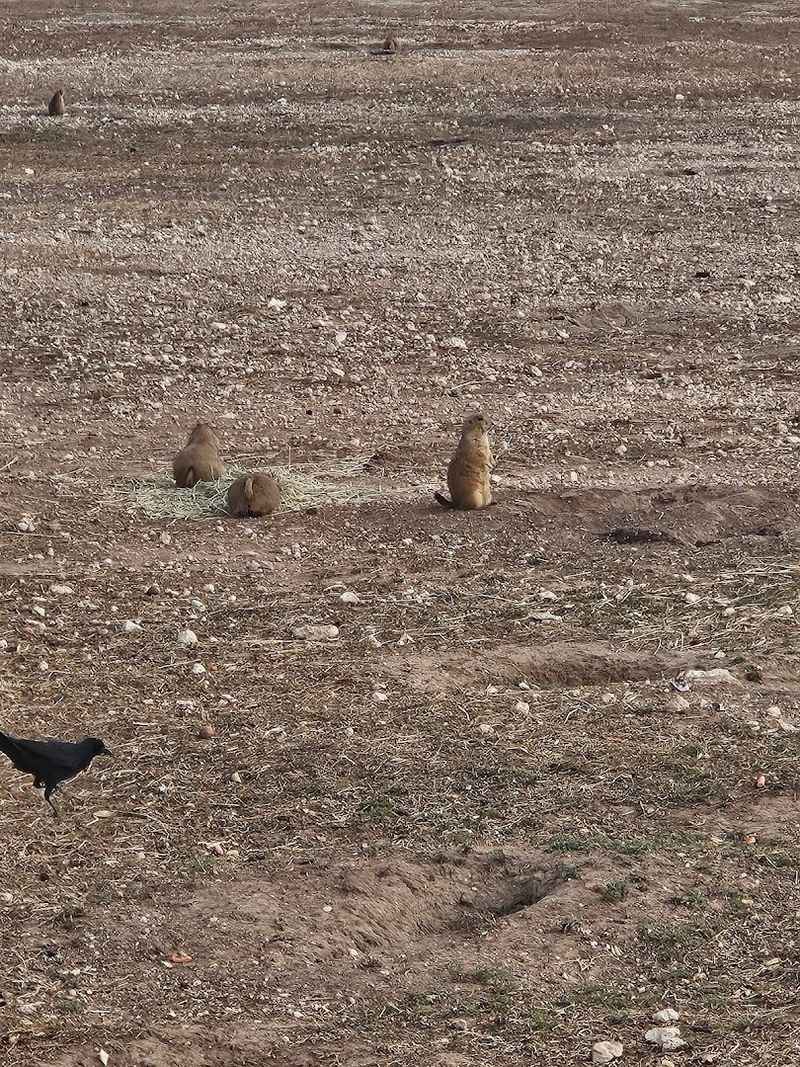
Scientists have discovered that prairie dogs possess one of the most sophisticated communication systems in the animal kingdom, and you’ll witness it firsthand during your visit. These aren’t just random chirps and squeaks. They’re actually conveying detailed information to each other.
Research shows prairie dogs can describe specific predators, including details about size, shape, and color. They have different alarm calls for hawks versus coyotes versus humans. Listen carefully and you’ll notice variations in their vocalizations depending on what’s happening around the colony.
The tooth-chattering sound mentioned in reviews signals irritation or aggression. If you hear that rapid clicking noise and see a tail flared out like a bottle brush, that prairie dog is telling you to back off. Respect that warning because their bite is powerful enough to cause serious injury, though such incidents are extremely rare with sensible visitors.
Watch how information spreads through the colony. One prairie dog spots something concerning and sounds an alert. Within seconds, others pick up the call and relay it across the entire town.
It’s like watching a biological telephone network in action.
The interpretive signs throughout the park explain more about this complex language. Taking time to read them enhances your appreciation of what you’re observing. These aren’t just cute rodents; they’re highly intelligent, social animals with culture and communication rivaling many species we consider more advanced.
8. Visit During Baby Season for Maximum Cuteness
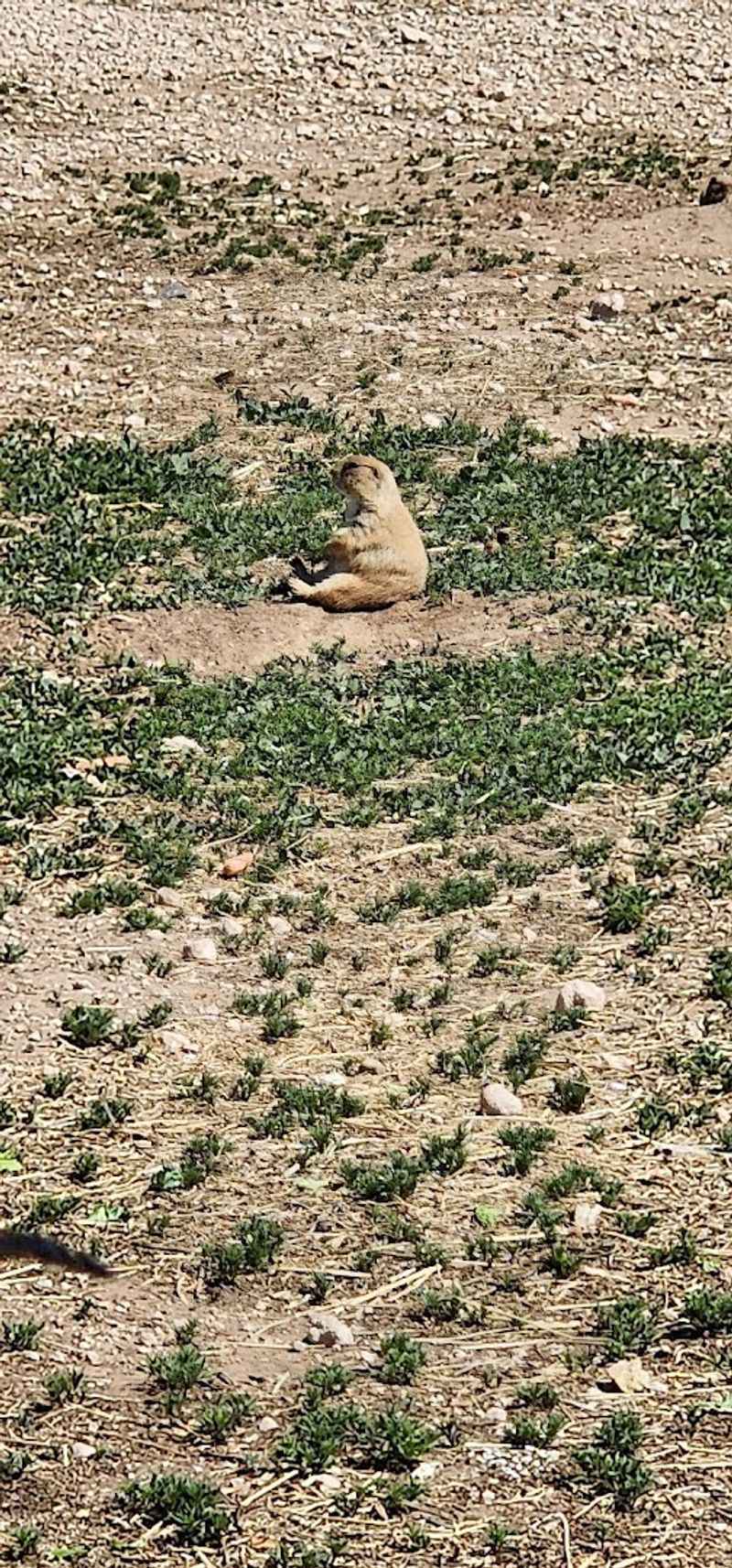
Time your visit for late March through early April and you’ll catch something absolutely precious: baby prairie dog season. The pups emerge from their underground nurseries for the first time, stumbling around on wobbly legs while anxious mothers keep watch nearby.
Baby prairie dogs look like miniature versions of adults but with proportionally larger heads and eyes that give them an almost cartoonish appearance. They’re curious about everything, investigating blades of grass like they’ve discovered alien artifacts. Watching them learn to stand upright often involves comical tumbles and do-overs.
The entire colony becomes more active and protective during this period. You’ll see more adults standing guard and more vocalizations as mothers call pups back to safety. The energy level jumps significantly compared to other times of year.
Photographers should definitely target this window for the most shareable, heart-melting images. Baby prairie dogs playing together or cuddling with parents creates the kind of content that goes viral on social media. Bring extra memory cards because you’ll take way more photos than planned.
Just remember that mothers are more defensive during this season. Maintain respectful distances and avoid sudden movements that might be perceived as threats. The brick wall boundary becomes even more important when babies are present.
Give the families space to bond and thrive while still enjoying the incredibly cute spectacle from a safe, appropriate viewing distance.
9. It’s More Than Just a Quick Stop
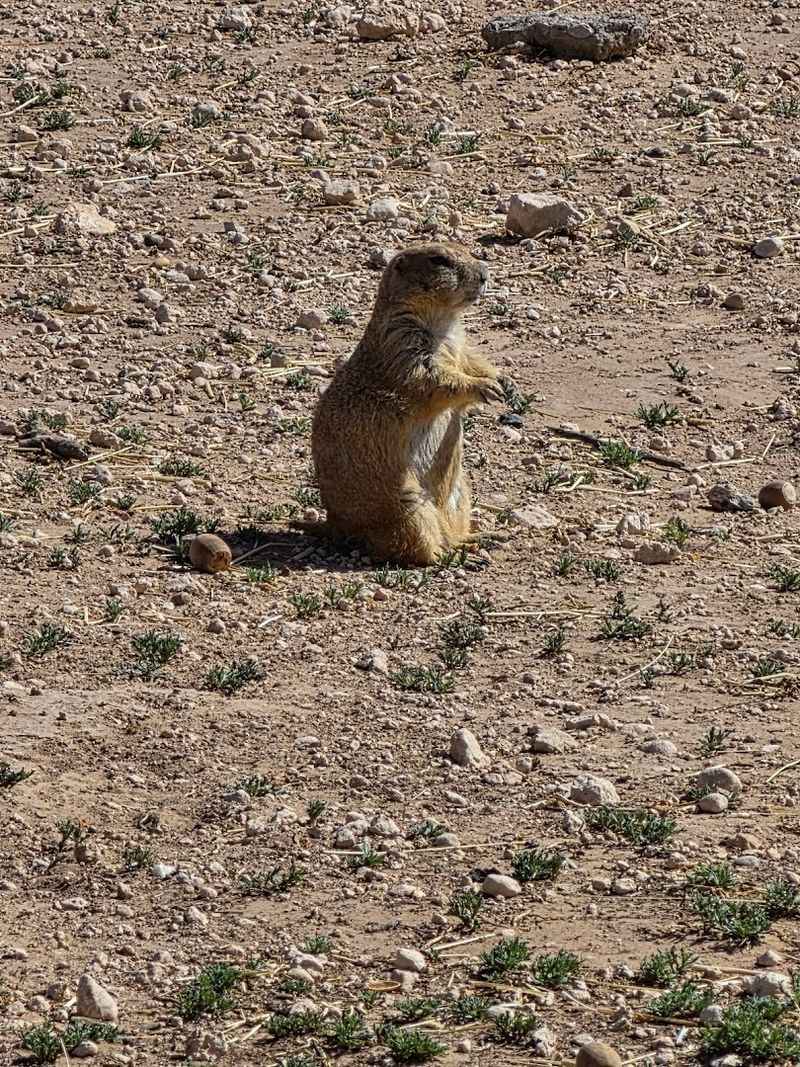
Many visitors arrive expecting a fifteen-minute roadside curiosity and end up staying for an hour or more. There’s something genuinely calming about sitting in the grass and watching these animals that makes time disappear. Prairie Dog Town works as both a quick stretch-your-legs break and a legitimate destination worth lingering at.
The surrounding Mackenzie Park offers additional amenities if you want to extend your visit. Bring a picnic and make an afternoon of it. The peaceful setting provides escape from Lubbock’s urban areas without requiring a long drive into remote countryside.
Several reviews mention the therapeutic quality of simply observing the colony. In our overstimulated, screen-dominated world, watching prairie dogs offers a rare opportunity to slow down and connect with nature. Kids put down devices and actually engage with the real world happening in front of them.
The lack of commercialization adds to the appeal. No gift shop pushing overpriced souvenirs, no crowds being herded through on timed tickets, no artificial entertainment competing for attention. Just you, the prairie dogs, and whatever level of interaction feels right for your group.
Road-trippers specifically praise Prairie Dog Town as a highlight that exceeded expectations. When you’re driving long stretches of West Texas highway, this free attraction provides a memorable break that feels special rather than obligatory. Whether you stay twenty minutes or two hours, you’ll leave smiling and probably planning your next visit.
Share this story