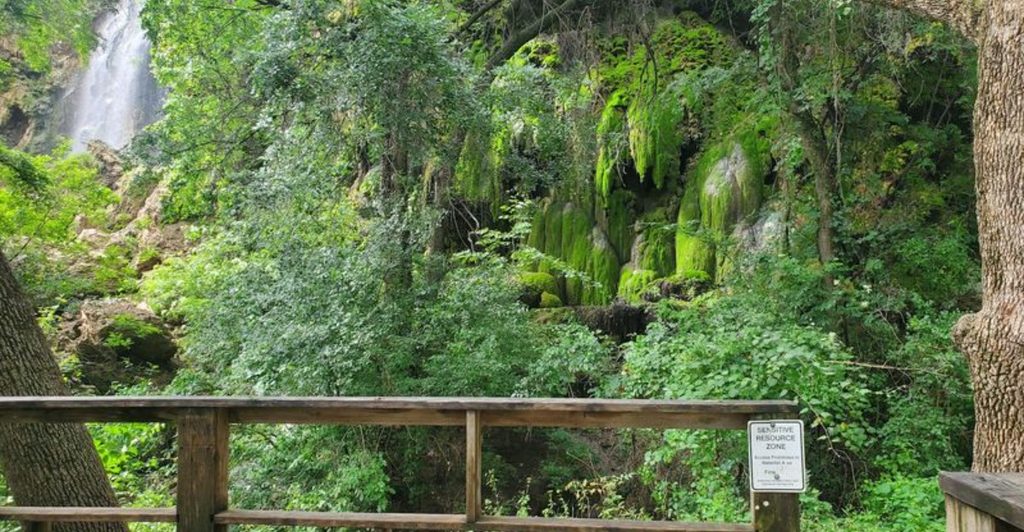
Hidden deep in the Texas Hill Country lies a waterfall so lush and green, it looks like it belongs in a fairy tale rather than the Lone Star State. Gorman Falls tumbles 70 feet down a travertine cliff draped in emerald moss, creating a scene that feels more like the Pacific Northwest than central Texas. Getting there requires a rugged hike through cedar and oak, but the payoff is one of the most visually stunning natural wonders Texas has to offer.
1. A Waterfall That Defies Texas Expectations
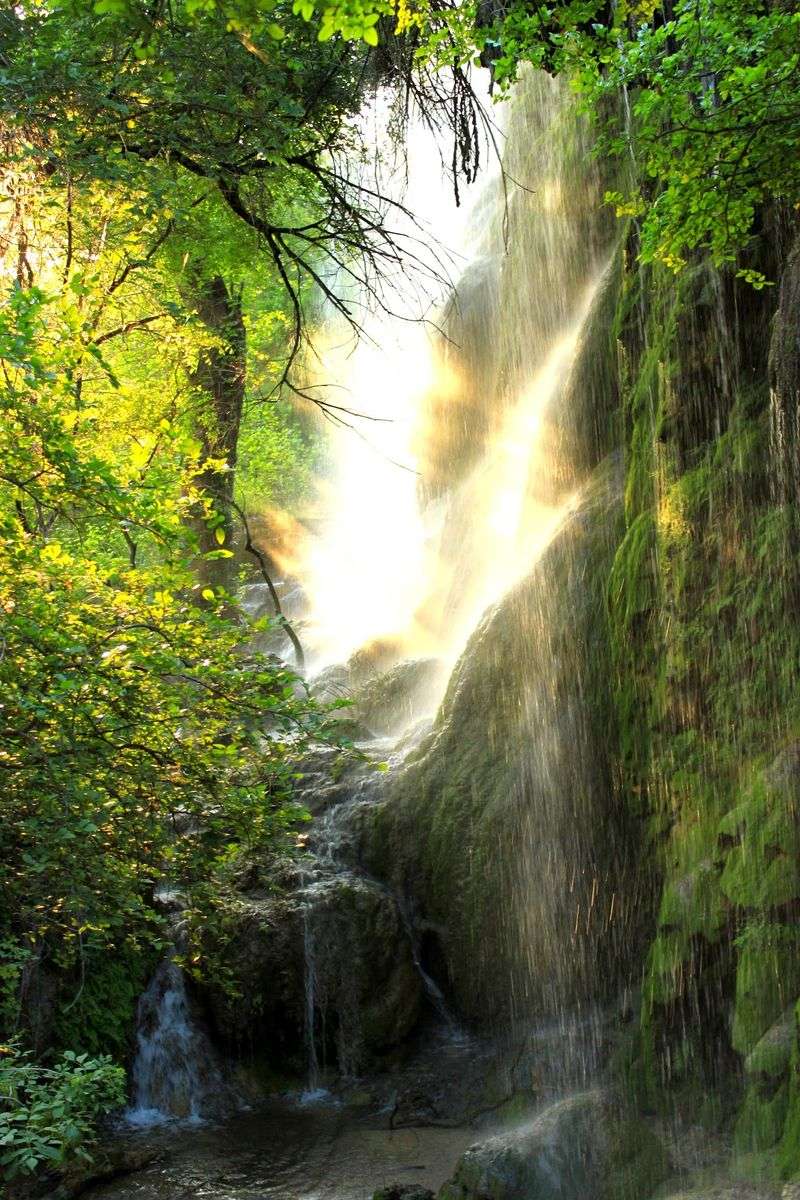
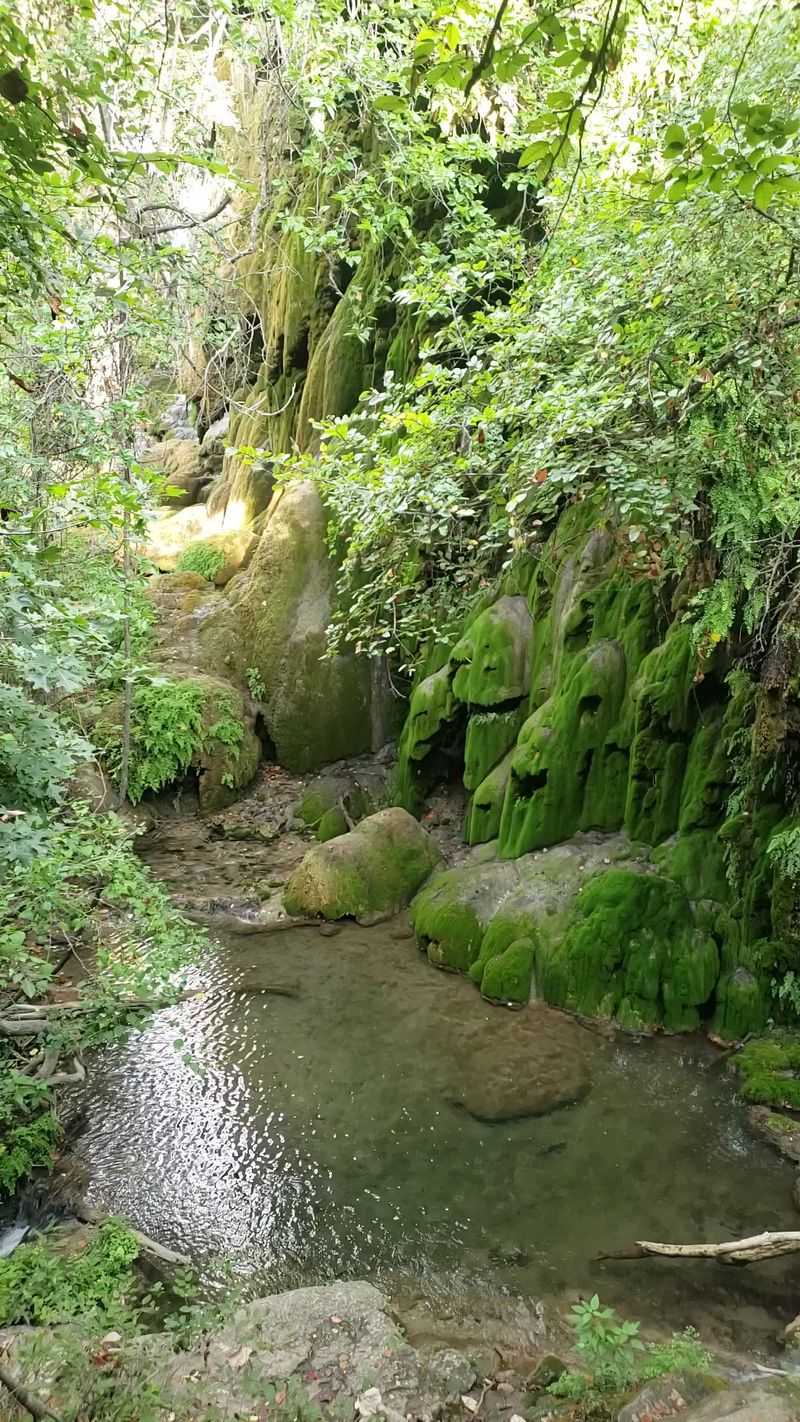
Most people picture Texas as all desert scrub and dusty plains, but Gorman Falls flips that script entirely. This 70-foot cascade spills over a travertine cliff so thick with moss and ferns that it looks transplanted from a rainforest. The green is so vivid it almost glows, especially when sunlight filters through the canyon.
The falls sit tucked inside Colorado Bend State Park, where they’ve been quietly stunning visitors for generations. Water trickles year-round from springs feeding the cliff face, keeping the vegetation lush even during Texas droughts. That constant moisture creates a microclimate unlike anything else in the region.
Standing at the base, you can feel the cool mist on your skin. The contrast between the arid Hill Country above and this verdant oasis below is jarring in the best way. It’s the kind of place that makes you stop and stare, camera forgotten in your hand.
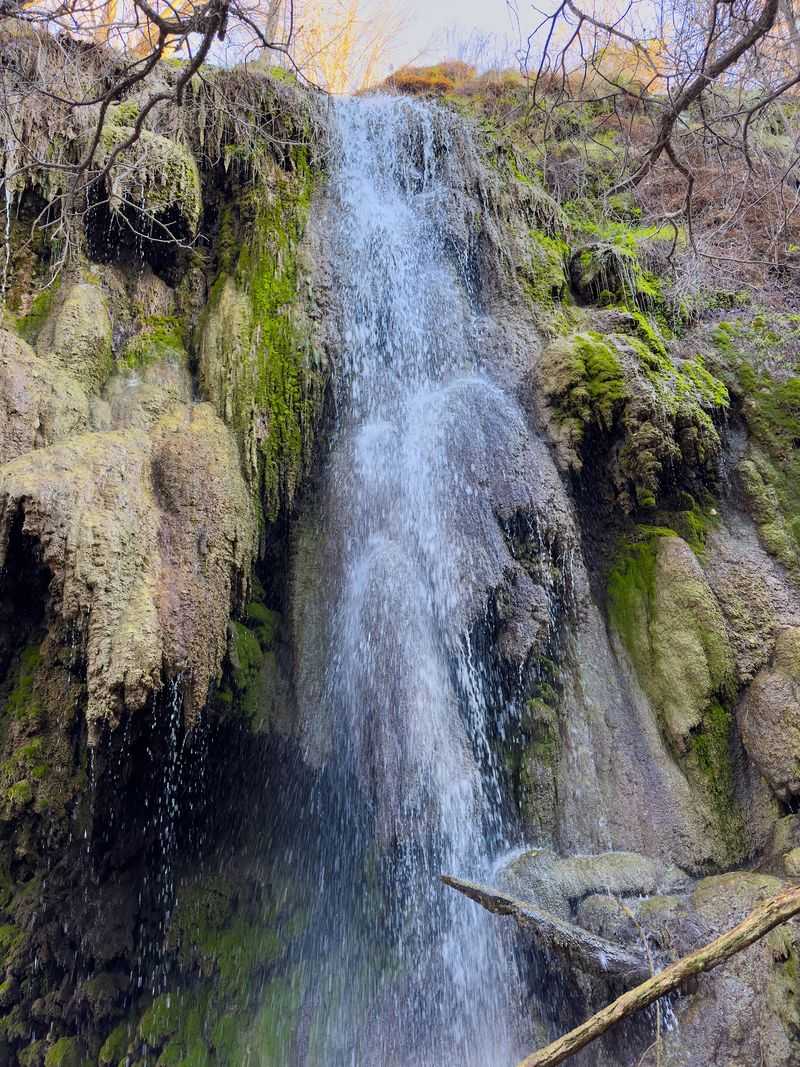
The falls aren’t a thundering torrent like Niagara. Instead, they offer a gentle, persistent flow that nourishes the cliff’s living tapestry. Some visitors arrive expecting a roaring cascade and leave disappointed, but those who appreciate subtlety find it mesmerizing.
This isn’t a drive-up attraction. You earn this view with sweat and careful footing. But that effort keeps the crowds manageable and the experience intimate, making it feel like your own secret discovery in the heart of Texas.
2. The Hike That Earns You the View
Getting to Gorman Falls means committing to a three-mile round-trip hike that’s roughly half easy and half humbling. The trail starts innocently enough, winding through typical Hill Country scenery with cedar, oak, and limestone underfoot. It’s mostly flat with scattered shade, perfect for warming up your legs.
Then comes the descent. The last section drops steeply into the canyon, and this is where the trail shows its teeth. Rocks worn smooth by thousands of boots become slick obstacles, especially if there’s any moisture.
A cable handrail helps, but you’ll still need to watch every step.
Reviewers consistently mention this final pitch as the trail’s make-or-break moment. Some breeze down like mountain goats. Others take it slow, gripping the cable and testing each foothold.
Either approach works as long as you respect the terrain and wear proper shoes.
The return trip adds another challenge since you’re climbing back out of the canyon. That 200-foot elevation gain feels bigger on tired legs, especially under Texas sun. Smart hikers bring plenty of water and start early to avoid midday heat.
This trail isn’t suitable for strollers, mobility aids, or anyone uncomfortable with steep, uneven ground. But for reasonably fit hikers willing to take their time, it’s entirely doable. The key is knowing what you’re signing up for and pacing yourself accordingly.
3. Travertine Cliffs and Living Geology
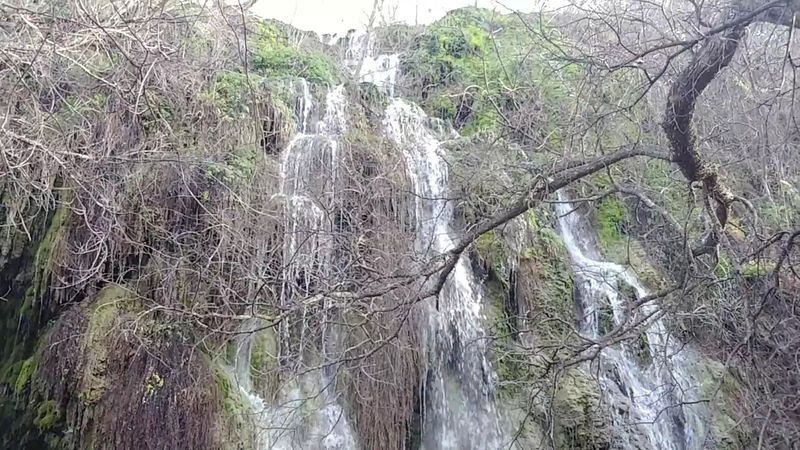
Gorman Falls doesn’t just flow over rock. It flows over travertine, a type of limestone deposited by mineral-rich spring water over thousands of years. As water seeps through the cliff, it leaves behind calcium carbonate that builds up layer by layer, creating the terraced structure you see today.
This ongoing geological process makes the falls a living sculpture. Every drop of water contributes to the formation, slowly reshaping the cliff face. The moss and ferns that blanket the travertine aren’t just decoration but part of the ecosystem that thrives in this constant moisture.
Walk close enough and you’ll notice the cliff isn’t smooth but textured with ridges and pockets. These features create countless micro-habitats where plants take root. Some sections look almost fuzzy with vegetation, while others show the pale stone beneath.
The springs feeding the falls maintain a consistent temperature year-round, which explains why the moss stays green even in August. This reliability makes Gorman Falls an ecological anchor in the park, supporting species that couldn’t survive in the drier uplands just a short hike away.
Geologists find this spot fascinating because you can literally watch rock being formed. It’s not a fast process by human standards, but it’s happening right in front of you. That sense of deep time adds another layer of wonder to an already remarkable place.
4. When to Visit for the Best Experience
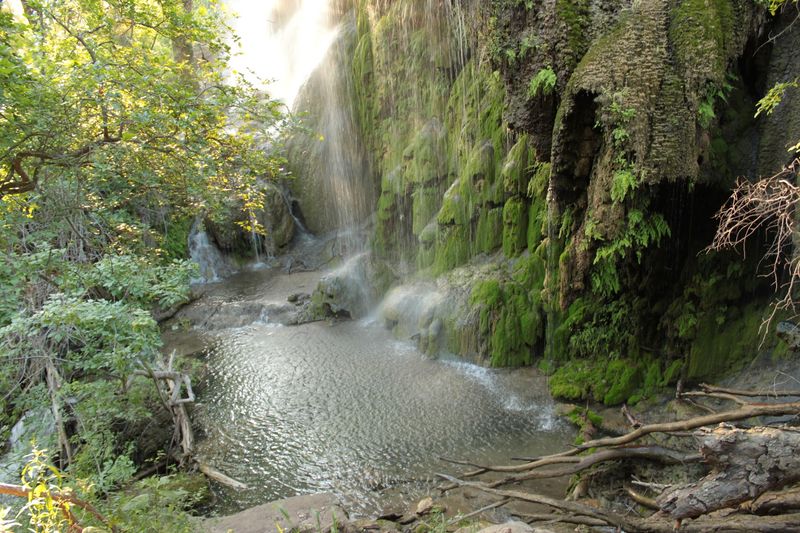
Timing your visit to Gorman Falls can dramatically affect what you experience. Spring, especially after good rains, brings the falls to life with stronger flow and maximum greenery. March through May offers the sweet spot of pleasant temperatures and fuller water volume.
Summer visits are possible but punishing. The exposed sections of trail offer little shade, and midday heat can make the hike genuinely miserable. If you go between June and September, start at sunrise or wait until late afternoon.
Bring more water than you think you’ll need.
Fall and winter provide comfortable hiking conditions, though the falls may slow to a trickle depending on recent rainfall. Some visitors actually prefer the quieter flow, finding it more contemplative. The cooler weather makes the hike more enjoyable even if the cascade isn’t at peak performance.
Weekdays see far fewer visitors than weekends. Arriving early on a weekday morning might mean having the falls entirely to yourself, which transforms the experience. There’s something magical about standing alone in front of this natural wonder with only birdsong for company.
Check recent reviews or contact the park before visiting during drought conditions. While the falls rarely dry up completely thanks to spring-fed water, extended dry spells can reduce them to a modest seep. Managing expectations helps ensure satisfaction regardless of what nature delivers on your visit day.
5. What to Bring and How to Prepare
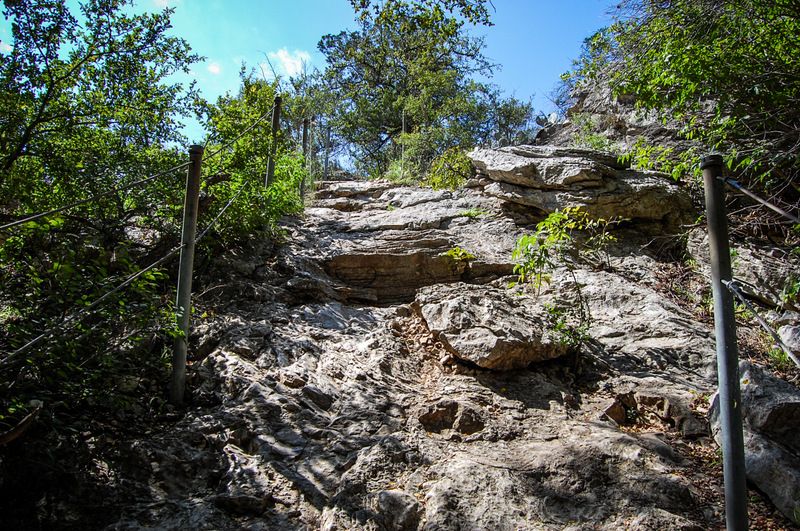
Footwear makes or breaks this hike. Those smooth rocks near the falls turn treacherous in anything with poor grip. Hiking boots or trail runners with aggressive tread are essential.
Flip-flops and smooth-soled sneakers have no business on this trail.
Water comes next on the priority list. The park recommends at least a liter per person, and that’s conservative for warm days. There’s nowhere to refill once you start, and dehydration sneaks up fast in Texas heat.
Carrying too much water beats not carrying enough every single time.
Sunscreen and a hat matter for the exposed sections. Even on partly cloudy days, the sun reflects off limestone and finds exposed skin. A lightweight long-sleeve shirt provides protection without overheating if you choose breathable fabric.
Bring cash for the park entrance fee. Colorado Bend State Park charges per person, and not all entrance stations accept cards. Having exact change speeds up entry and avoids hassle.
A small first-aid kit makes sense for any trail with technical sections. Band-aids for blisters and antiseptic for scrapes cover most mishaps. Trekking poles help some hikers with the steep descent, though they’re not necessary for everyone.
Leave the heavy camera gear behind unless you’re serious about photography. A phone camera captures the falls just fine and weighs nothing. The less you carry, the more you’ll enjoy the hike itself rather than just the destination.
6. The Unique Ecosystem Around the Falls
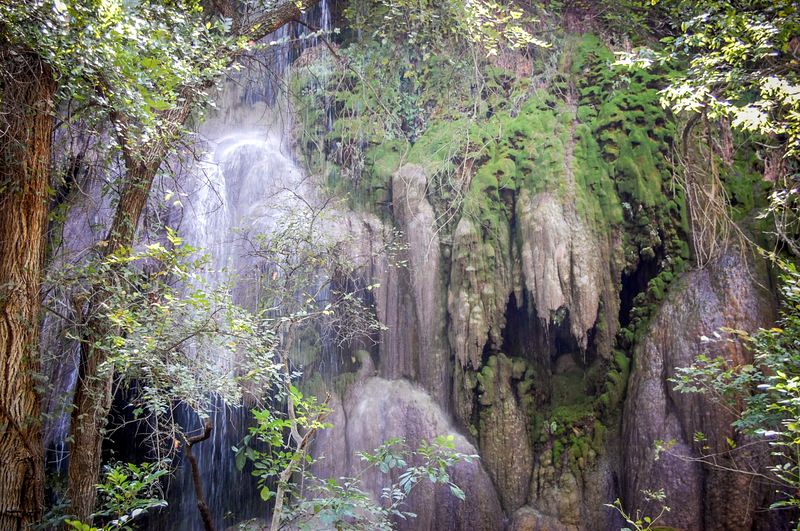
Step into the canyon near Gorman Falls and you’ve entered a different ecological zone entirely. The constant moisture from the falls creates conditions that support plants rarely seen elsewhere in central Texas. Maidenhair ferns carpet the rocks, their delicate fronds thriving in the spray zone.
The vegetation looks almost tropical, which shocks first-time visitors expecting typical Hill Country flora. This microclimate effect demonstrates how dramatically water availability shapes plant communities. Just a hundred yards upslope, you’re back in cedar and cactus country.
Wildlife uses the falls area as a reliable water source. Deer tracks mark the muddy spots near the base. Birds nest in the cliff vegetation, taking advantage of the shelter and abundant insects.
Patient observers might spot armadillos rooting through leaf litter along the trail.
The Colorado River flows nearby, and the falls contribute to its ecosystem. Cool, mineral-rich water entering the river creates habitat diversity that benefits fish and aquatic insects. Everything connects in ways that aren’t immediately obvious but become clear when you study the landscape.
Park managers work to protect this fragile ecosystem from overuse. That’s why you can’t swim at the falls or climb on the travertine formations. These restrictions preserve the site for future visitors while letting natural processes continue uninterrupted.
Respecting the rules means this place stays special for decades to come.
7. Colorado Bend State Park Beyond the Falls
Gorman Falls serves as the headline attraction, but Colorado Bend State Park offers plenty more to explore. Gorman Springs provides a much easier hike to a crystal-clear swimming hole that’s perfect for cooling off after the falls trek. The springs maintain a refreshing temperature year-round.
Multiple trail systems wind through the park’s 5,000 acres. Some follow the river, others climb ridges with panoramic views. Cave tours take visitors underground when available, though they require advance reservations.
You could easily spend a full weekend exploring without covering everything.
Camping options range from primitive sites to spots with water and electricity. Staying overnight lets you hit the Gorman Falls trail at sunrise when temperatures are coolest and crowds are nonexistent. Night skies here are spectacular, far from city light pollution.
The park sees fewer visitors than more famous Texas destinations, which means more elbow room on the trails. Even on busy weekends, you’ll find quiet corners. This relative obscurity is part of the park’s charm for those who discover it.
Fishing in the Colorado River attracts anglers seeking bass and catfish. The river also offers kayaking and canoeing opportunities when water levels cooperate. Check current conditions before planning water activities since flow varies seasonally.
Visiting just for the falls means missing out on the park’s full character. Budget extra time to explore, and you’ll understand why regulars return year after year.
8. Managing Expectations and Embracing Reality
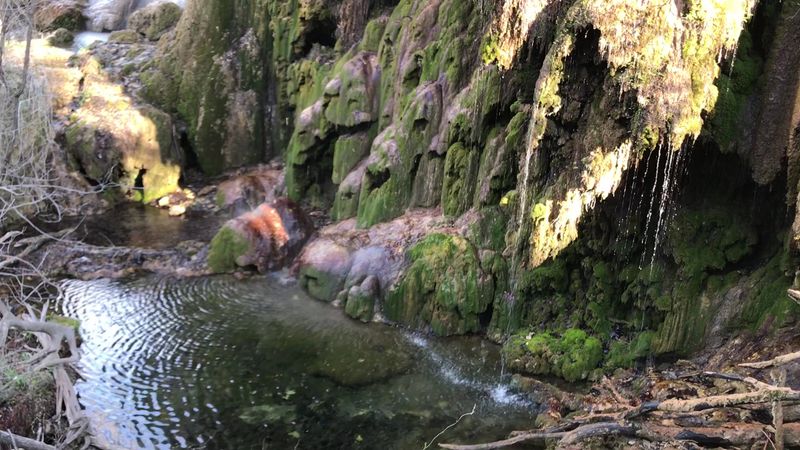
Here’s the truth some visitors struggle with: Gorman Falls isn’t always a gushing cascade. During dry periods, it becomes a trickle, a seep, a gentle weeping of water down that moss-covered cliff. Some people hike out disappointed, feeling cheated by photos that showed more dramatic flow.
But dismissing the falls because they’re not Niagara means missing the point entirely. The beauty here isn’t about raw power but about persistence and the life that water sustains. Even during drought, those springs keep flowing, keeping the moss alive, maintaining this improbable green sanctuary.
Check recent visitor photos before your trip to see current conditions. Reviews and social media posts show what the falls actually look like right now, not during some ideal moment. Going in with accurate expectations prevents disappointment and lets you appreciate what’s actually there.
Some hikers report that the journey matters more than the destination anyway. The trail itself offers rewards: interesting geology, occasional wildlife sightings, the satisfaction of navigating challenging terrain. The falls become a focal point rather than the only point.
One reviewer who’s visited for 65 years lamented changes over time, but most recent visitors still find the falls worthwhile. Landscapes evolve, management practices shift, and nature does what nature does. Accepting impermanence is part of appreciating wild places.
Gorman Falls delivers a genuinely unique Texas experience if you meet it on its own terms. It’s not trying to be something it’s not, and that authenticity is ultimately what makes it special.
Share this story